
20 Print Products That Market Your Catering Company Locally
A catering business is not one print job, it is 20, each carrying a different part of the work. Here is the full set, in the order money actually moves, from the menu that closes the booking to the table tent that earns the next referral.
The catering marketing toolkit is 20 print pieces that book events and keep the calendar full: business cards, menus, brochures, presentation folders, letterheads, envelopes, order forms, flyers, postcards, door hangers, gift certificates, thank you cards, vinyl banners, table tents, tablecloths, feather flags, banner stands, coasters, packaging stickers, and custom labels. The sales kit wins the booking, the outreach pieces fill the calendar, and the event pieces own the room and earn the referral. Share one logo, two colors, and one typeface across all 20 and a catering brand reads as established from the first meeting.
The picks
Twenty pieces from the tasting table to the buffet
Start here. The sales kit costs more to start than the marketing pieces: 10 short run presentation folders are $108.75, 100 carbonless form sets $120.82 and 250 printed envelopes $142.99, while 50 postcards are $16.48. Print the menus and brochures on the same 100# gloss text, and read on for what each piece does.
Design and print help
One logo on the menu, the tablecloth and the invoice
The toolkit only works if every piece shares one look. Build the logo at business card size, 2 x 3.5 inches, then carry it to the 9 x 12 inch folder and a tablecloth for a 6 or 8 ft table. Print the menus and brochures on the same 100# gloss text, and the letterheads and envelopes on the same Royal Laid or Royal Linen stock, so each pair matches in the hand. These 4OVER4.COM services make that easy, and they turn a pile of separate orders into one coherent catering brand.
How they work together
Sales kit first, calendar fillers next, event pieces last
A catering job moves through three stages, and each piece covers one. Buy the whole sequence and no part of the funnel goes quiet, from the tasting that wins the contract to the table tent that earns the next inquiry.
The sales kit that turns an inquiry into a signed event. The card gets left behind, the menu does the closing, and the brochure answers the packages-and-pricing questions before the client can shop around.
The marketing that keeps dates from going empty. Flyers push a seasonal package or a new menu, and postcards land in the offices and venues that book catering week after week.
Branding at every table and every buffet, so guests remember who fed them. This is the stage caterers skip, and the reason the referral never comes. A banner and a table tent turn one event into the next inquiry.
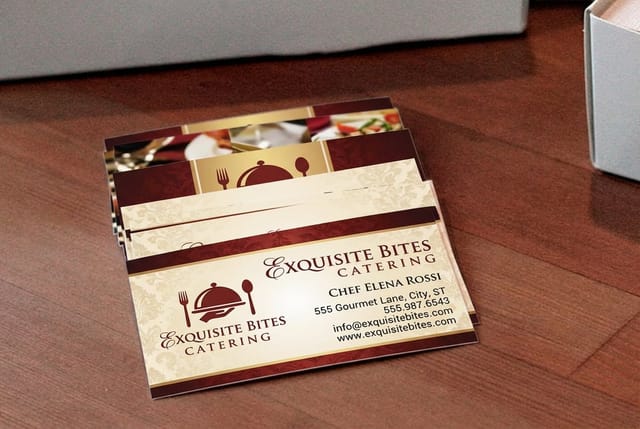
1. The business card you leave behind after a tasting
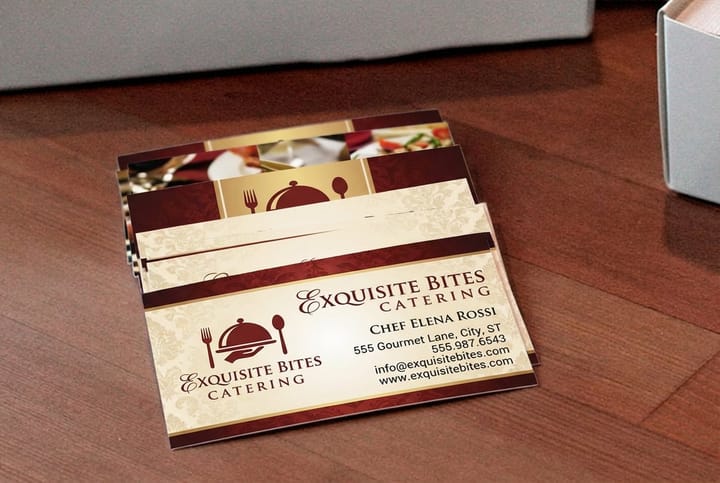
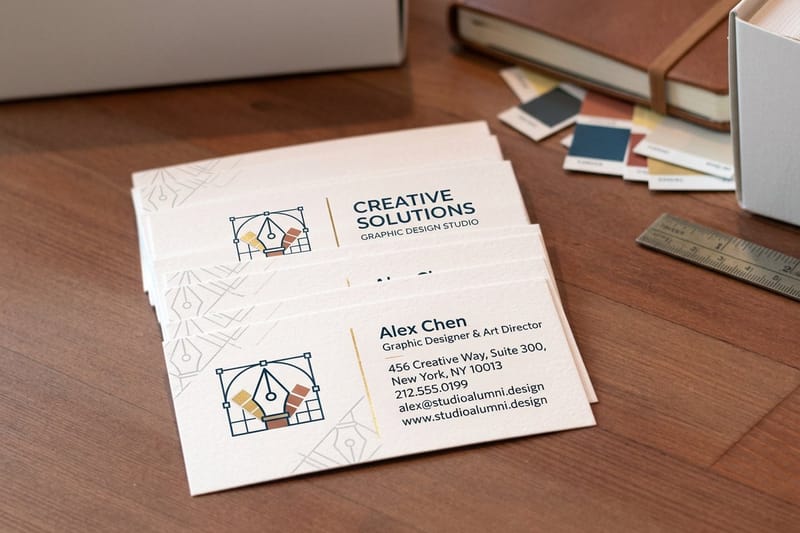
The catering business card is the smallest piece in the toolkit and the one that travels furthest. A planner slips it into a folder after a tasting, a guest who loved the food passes it to a friend planning a party, and suddenly your name is in a conversation you were never part of. That is the whole job: be handed over, and be remembered.
Give the card a reason to be kept. Print your booking link or a QR code on the back so an inquiry is one tap away, and consider the 16pt soft touch stock or a high gloss UV coating so it looks better after a week in a bag. When you are working a venue open house or a bridal fair, the card is often the only thing a prospect leaves with, so make it feel like the caterer they want to trust. For more on getting your name in front of the right people, our take on self-promotion for small operators reads across well.
One card is a handshake. A box of them, all sharing your logo and colors, is a quiet referral engine running every time a plate goes out clean.
2. A catering menu that closes the booking
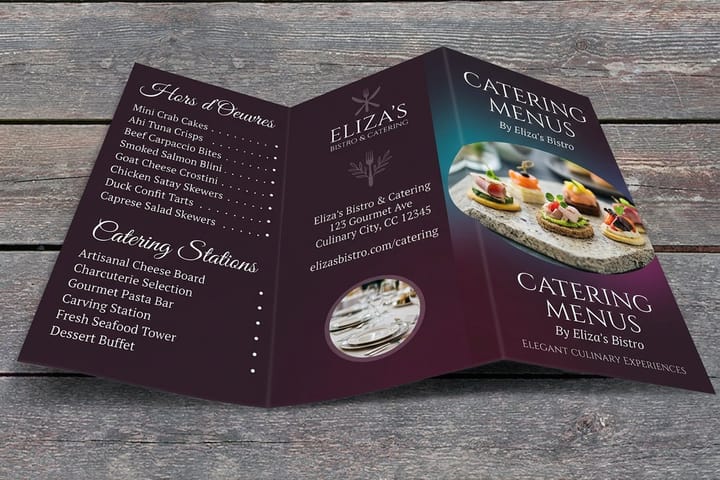
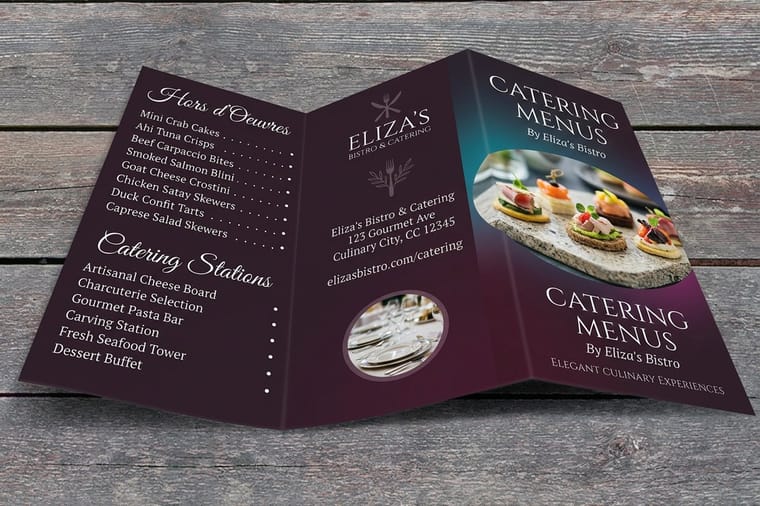
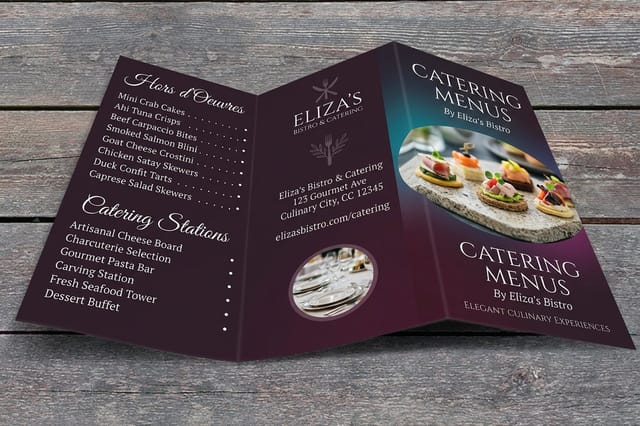
The menu is often read in the moment the client stops imagining and starts choosing, so this is the one piece worth the 100# gloss text and a careful layout. A menu that looks premium quietly justifies a premium quote, while a plain printout invites a plain price.
Organize it the way people buy: lead with the packages, group the dishes so a busy office manager can scan and decide, and leave the pricing legible instead of hidden. Keep the seasonal dishes in one block so a short reprint updates them. Presentation ideas from our roundup on print marketing that drives results apply directly to how a menu earns its keep at the table.
Treat the menu as your best salesperson on paper. Invest in the stock and the layout here before anywhere else, because this is where the contract is actually won.
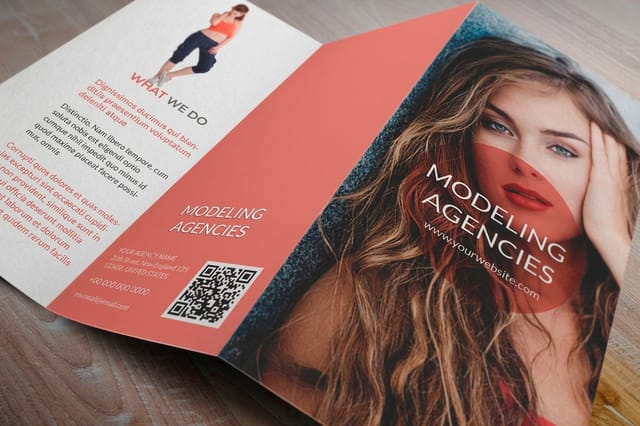
3. A brochure with the full service pitch in one fold
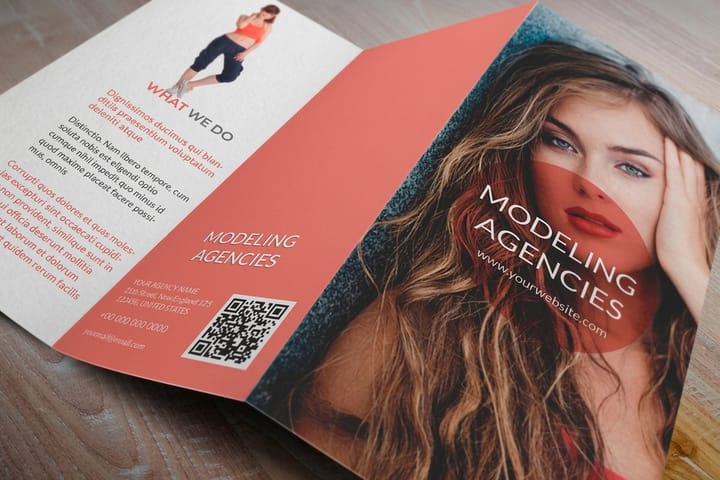
A brochure is where you answer the questions a card cannot and a menu should not. Packages, headcounts, service styles, the gallery of a wedding you nailed last summer: it all lives here, folded into something a client can take home and show a partner or a boss. It is the piece that keeps you in the running after the meeting ends.
Build it around proof. Photos of real plated events, a few short client lines, and a clear list of what each package includes do more work than adjectives ever will. Keep one panel for a simple next step so the reader always knows how to book. For layouts that sell without shouting, our gallery of company brochure examples is a useful starting point.
Hand a brochure to every serious prospect and leave a stack at venues you partner with. It is the piece that quietly keeps selling once you have left the room.
4. Flyers that fill a slow month
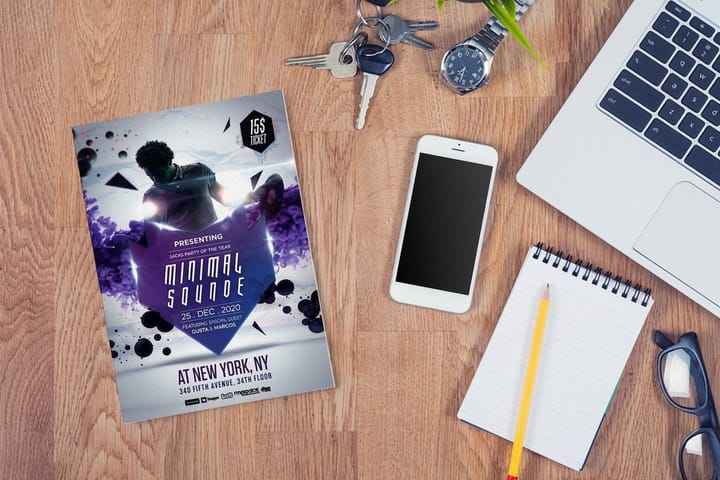
A flyer is your catering business saying one thing loudly: a holiday-party package, a new drop-off menu, a summer graduation deal. It is cheap to print in volume, easy to leave at nearby offices, gyms, and coffee shops, and it works because it carries a single clear offer instead of your whole story.
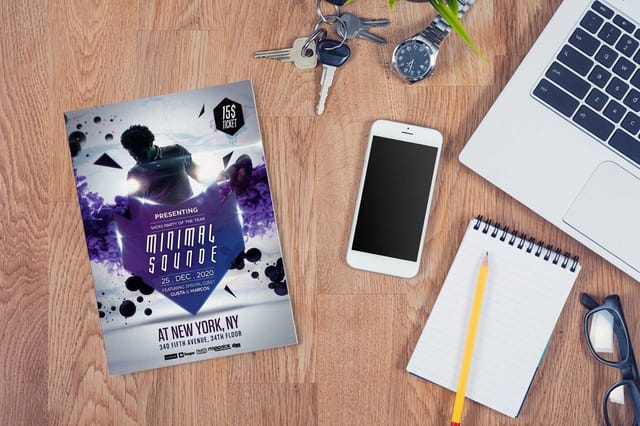
The whole flyer should build to one action. Pick the offer, make it the biggest thing on the page, and tell people exactly how to redeem it before a date. Our guide to local print marketing campaigns covers the neighborhood-level thinking that turns a stack of flyers into booked events, and there is more across our marketing and promotion ideas.
Print a batch for the season ahead, hand them out within a few blocks of the venues you want to work, and treat the flyer as the lever you pull whenever a month on the calendar looks too quiet.
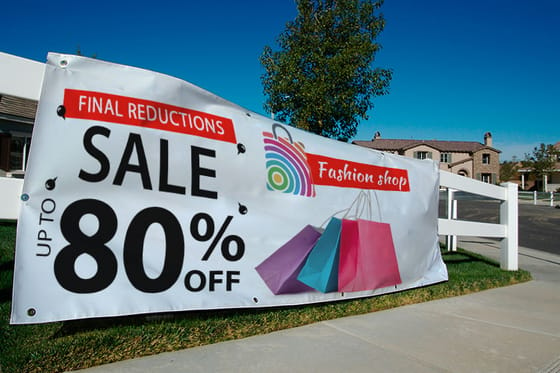
5. A vinyl banner with your name over every event
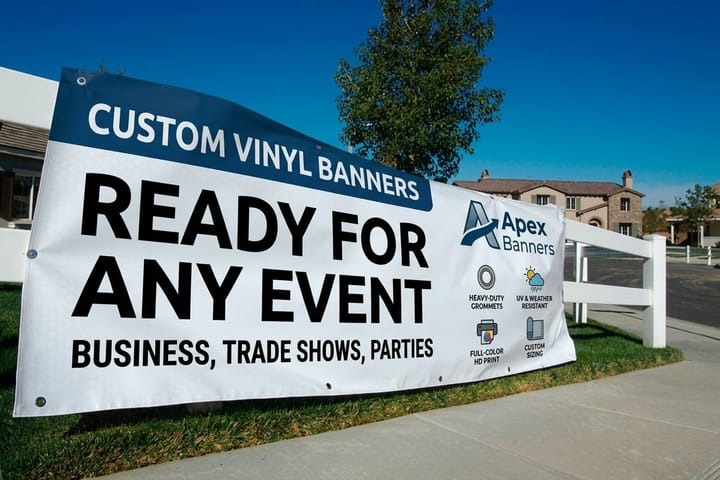
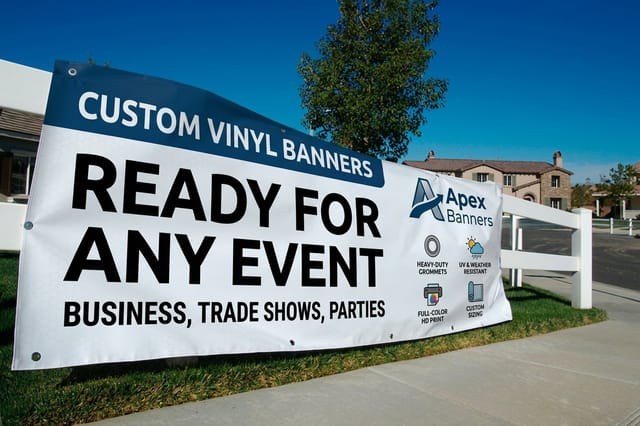
At a festival booth, a wedding buffet, or a corporate lunch, a banner is what tells every guest who is behind the food. Strung above your station or facing the crowd, it turns an anonymous spread into your brand on display, and it does that work for hours while your team plates and serves.
It prints on 13oz outdoor or 15oz blackout vinyl, so one banner can come back out for event after event. Keep the message short enough to read from across a hall, lead with your name, and make the color loud. The focal-point discipline in our guide to making banners applies directly: a banner that tries to say five things says nothing from twenty feet away.
Hang it at every event you work. Each guest who reads it is a future host quietly deciding who to call the next time they need catering.
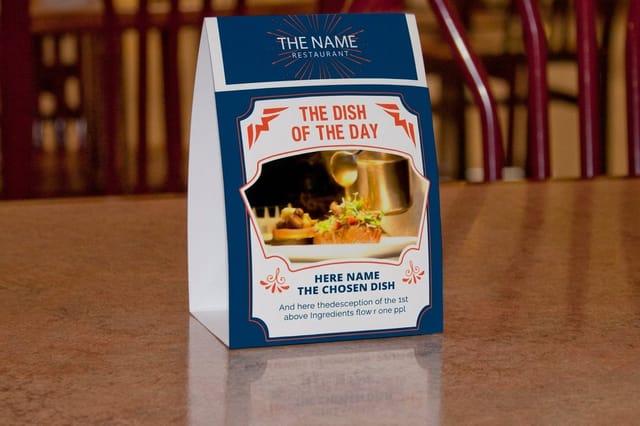
6. Table tents that upsell dessert at the table
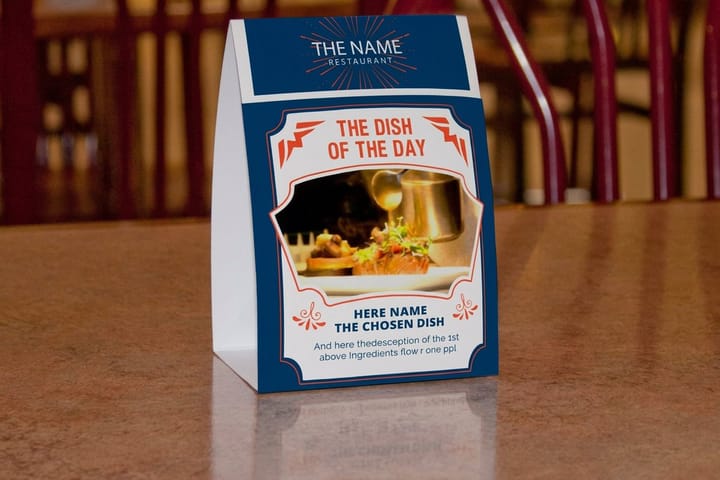
A table tent is a tiny salesperson standing on every table. At a buffet it points guests to the dessert station or the bar package, at a drop-off it carries your reheating instructions and your booking details, and at a tasting it labels each dish so nobody has to ask. It sells and informs at the same time, without a single word from your team.
Keep each tent to one idea per face so a guest reads it in a glance, and always leave your name and booking link on one side so the tent doubles as a keepsake. They print on 14pt gloss cover under high gloss UV, from 250 tents for $554.39. For more ways to make on-site materials work harder, browse our industry-specific printing ideas.
It is the least glamorous piece in the toolkit, and it upsells and advertises on tables you are already setting.
7. Postcards for the offices and venues that book catering
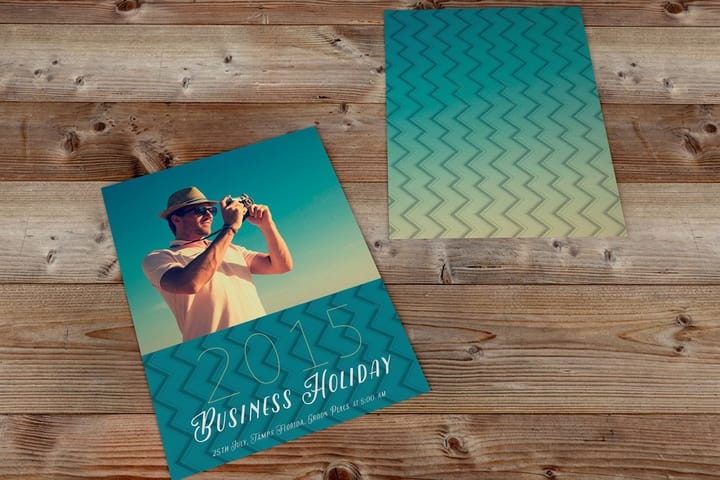
A postcard reaches the accounts a banner never will: the office three blocks over that orders lunch every Friday, the venue that needs a preferred caterer, the planner building a vendor list. Mailed to the businesses around you, it introduces your catering to the exact people who book it on a schedule.
Postcards also work for repeat business. A win-back card to a client you catered last year, or a seasonal package sent before the holidays, reminds people to book again, from 50 cards for $16.48. For the layouts that actually get a response, our roundup of direct mail examples is a strong starting point, and there is more across our direct mail guides.
Keep one design for new business and one for win-backs, and the postcard becomes a channel you can turn on any month the calendar needs help.
8. A presentation folder for the proposal packet
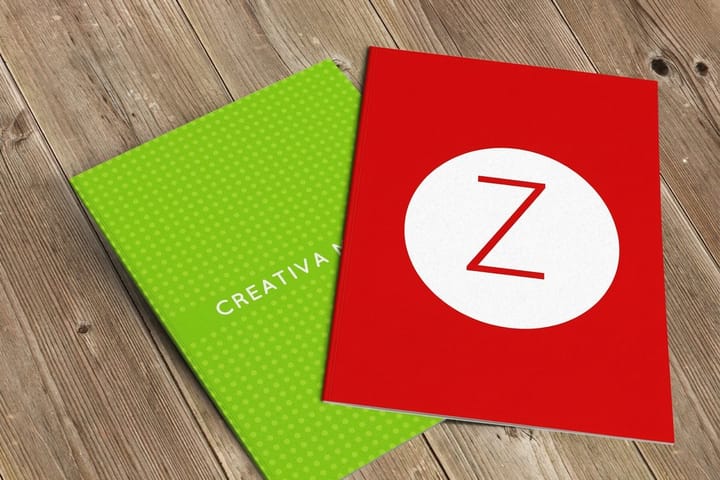
A quote emailed as a PDF competes with every other tab the client has open. The same quote handed over in a branded folder, with the menu, the package sheet, and your card seated in the pocket, competes with nothing. The folder is what makes a proposal feel like a company rather than a price.
Organize the pockets the way the client reads: pricing and packages on the right, photos and references on the left. The folder can then sit on their desk for weeks, holding your name through the whole decision. Small quantities start on short run presentation folders, so you do not need a warehouse run to look established. They come at 9 x 12 inches on 14pt gloss cover, with business card slits on both pockets as an option, from 10 folders in 3 business days, so a folder run fits the week of a big tasting.
Weddings and corporate contracts are won on trust. A branded folder helps earn it.
Configure short run presentation folders from $108.75 for 10
9. Letterhead that makes a quote read like a contract
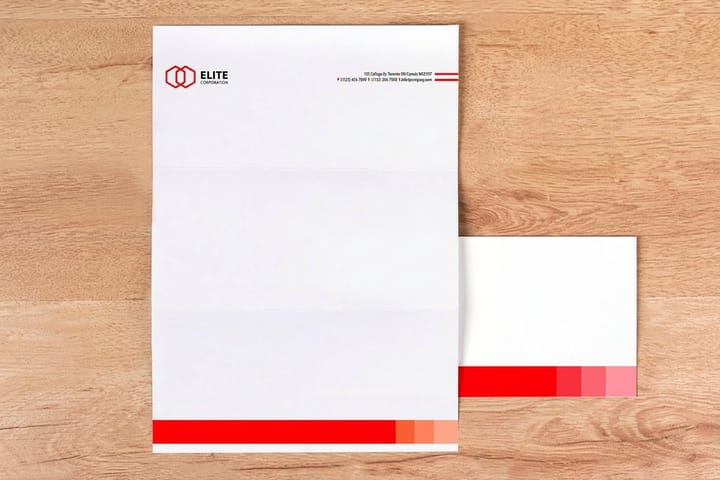
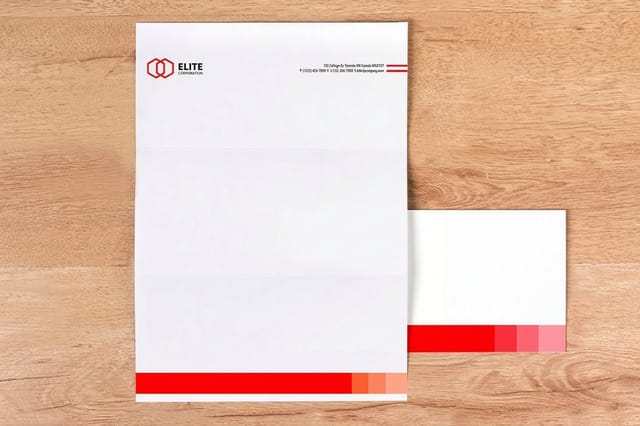
Every quote, confirmation, and event timeline you send tells a client how organized the kitchen is. Printed letterhead is how a one-page quote reads as a document instead of a printout, and for the corporate clients who book catering on repeat, that paperwork polish is part of what they are buying.
Keep the header clean: logo, contact details, and your two brand colors, with the body left open for the quote itself. Print a ream and use it for everything official, from proposals to the final invoice. Stocks and quantities are on letterhead printing: 8.5 x 11 inches on 70# uncoated text, 24# Royal Laid in bright white, natural white or gray, or 28# Royal Linen, from 50 sheets in 5 business days.
The menu wins the heart. The paperwork wins the procurement office, and letterhead is where that starts.
10. Printed envelopes that get opened first
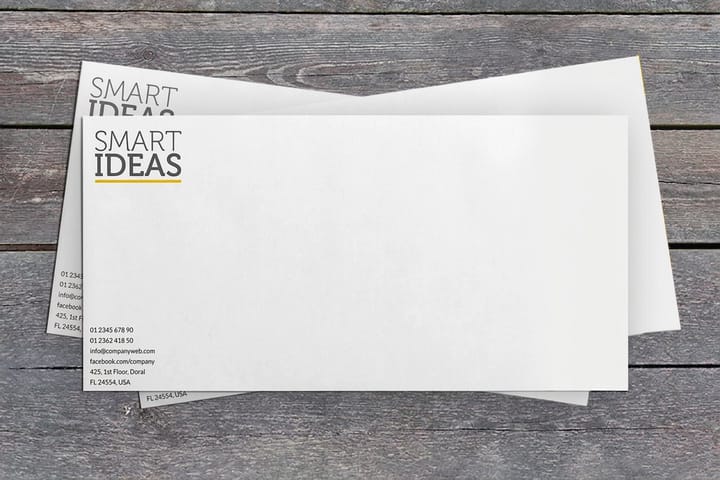
A branded envelope gets opened first. When your quote, contract, or thank-you note arrives with your logo in the corner, it separates itself from the day's junk mail and tells the office manager a real company is writing. It touches every document you send.
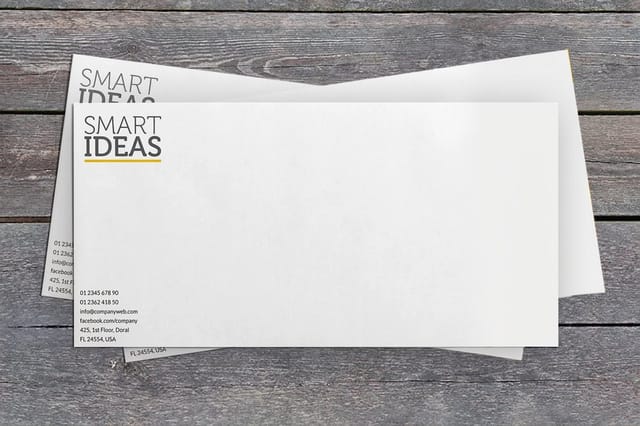
Match the envelope stock and color to the letterhead inside so the whole mailing reads as one brand. Print a batch alongside the letterhead in the same order. Sizes and windows are on printed envelopes.
You spend hours on the proposal. The envelope decides how seriously it is taken in the first three seconds.
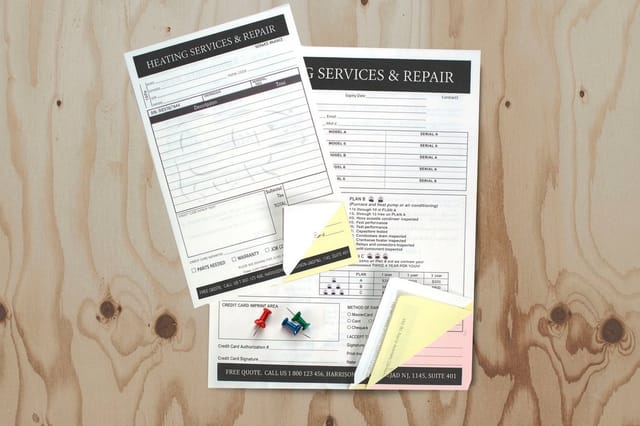
11. Carbonless order forms that protect the event
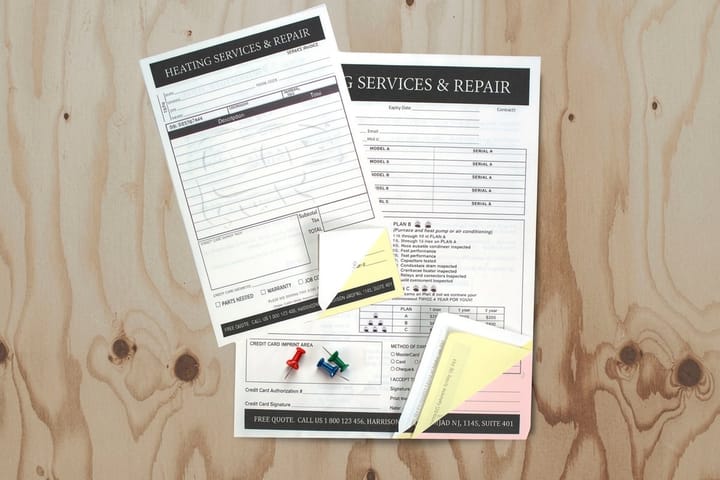
Catering runs on details: headcounts, dietary notes, delivery windows, final balances. A carbonless order form captures all of it in one signed document, gives the client a copy on the spot, and keeps yours for the kitchen. It is the piece that prevents the Friday panic over what was actually agreed.
Build the form around how your events go wrong: a line for every count, a box for allergies, a signature for the final menu. Multi-part paper means nobody retypes anything and both sides hold the same truth. Parts and sizes are on carbonless forms.
A signed form is not bureaucracy. It is the difference between a dispute and a referral when the invoice lands.
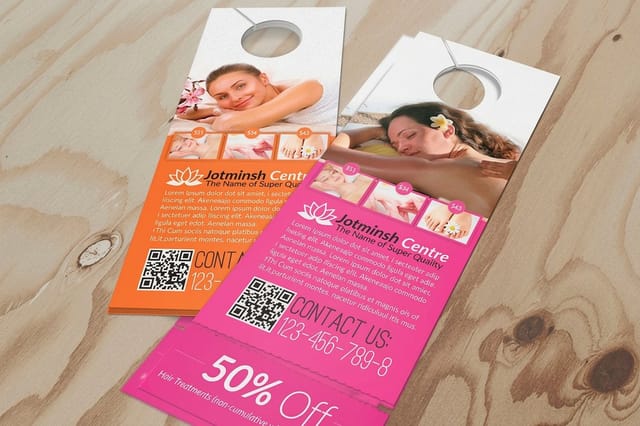
12. Door hangers that work the office corridor
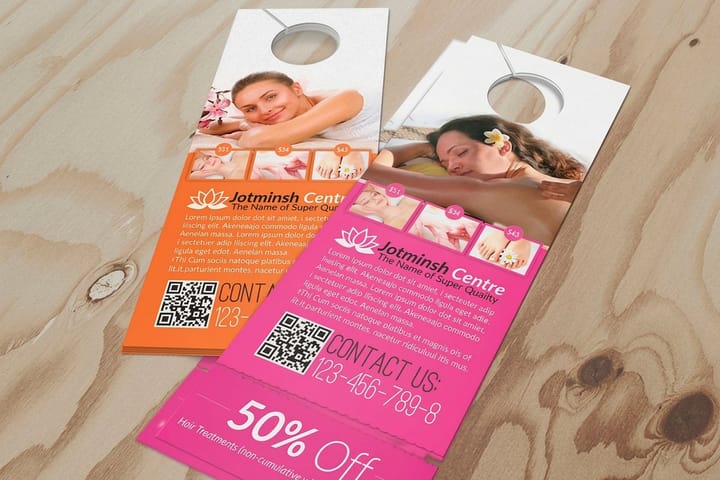
Around every catering kitchen sit blocks of offices, clinics, and studios that order lunch for meetings every week. A door hanger reaches them without an appointment. Hung on suite doors in the business parks you want to serve, it puts a lunch-package offer directly in front of the person who does the ordering.
Lead with one offer, a first-order discount or a free dessert platter, and a photo that makes the food do the talking. Unlike an email, a hanger cannot land in spam, and it waits at the door until someone picks it up. Sizes and stocks are on door hangers.
One afternoon of hanging doors in the right office park can start a route of weekly lunch accounts.
13. Gift certificates for a tasting that books itself
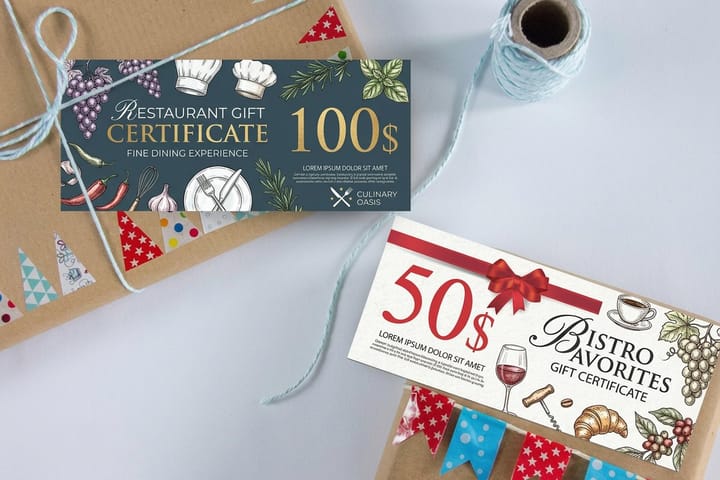
A gift certificate lets your happiest clients recruit for you. A host who loved their party buys one for a friend planning a shower, an office gifts one to a retiring colleague, and each certificate walks back in as a brand-new booking you never had to chase.
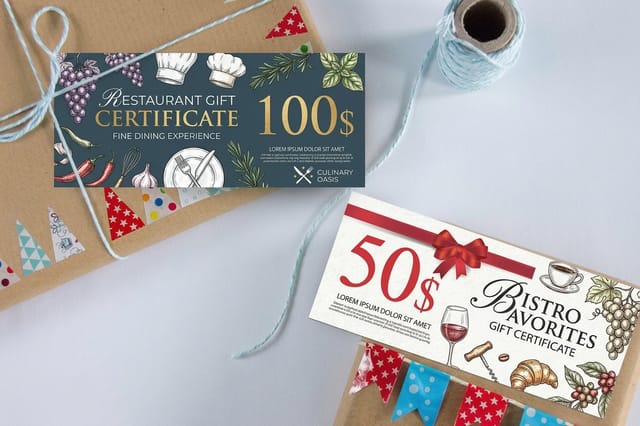
Keep the denominations simple and make the certificate feel like a present, because it is one. Offer them at every event you cater and mention them in the thank-you card that follows. Formats are on restaurant gift certificates.
It also collects money now for events that happen later, which is exactly the kind of cash flow a growing caterer needs in the slow months.
14. Thank you cards that turn one event into two
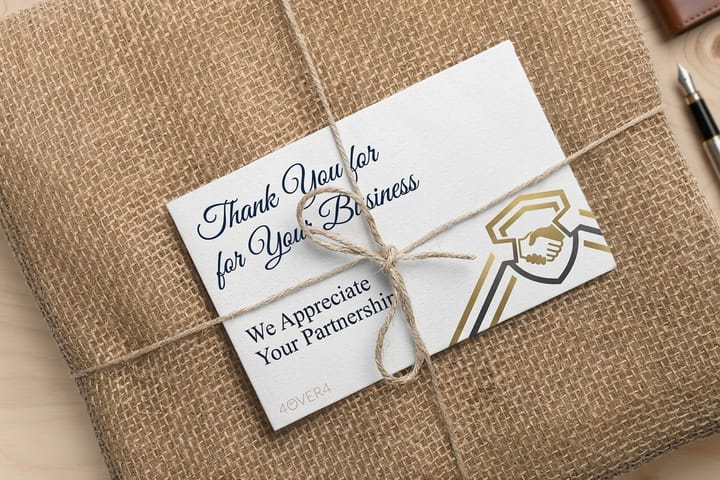
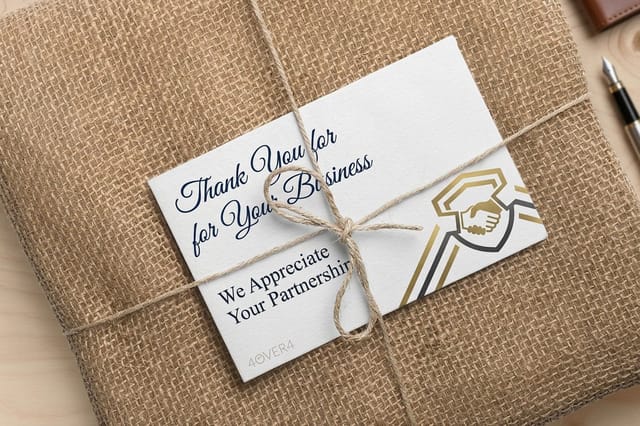
The week after an event is when the client is happiest and most likely to recommend you. A printed thank-you card, signed by hand and mailed within days, lands in that window. It closes the event with the same care the food showed, and it keeps your name on a desk instead of in a deleted-items folder.
Add one quiet line about booking the next season, holiday parties fill early, and a card that says thank you also plants the next date. Print them in your brand colors so the card matches the menu the client remembers. Options are on business thank you cards.
It costs less than a dollar per event and it is the single most personal piece in this toolkit. Repeat business grows exactly here.
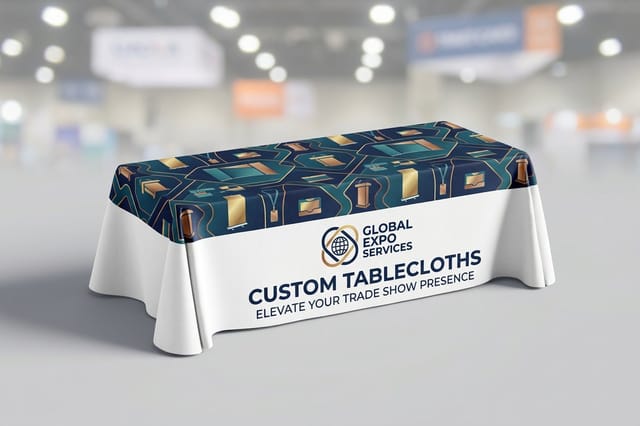
15. Custom tablecloths that dress the buffet in your brand
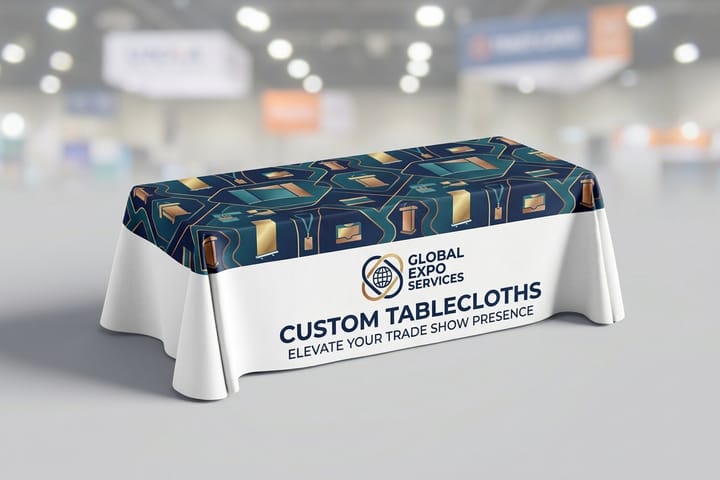
Guests spend the whole event looking at your tables, and a custom tablecloth decides what they see: a rented white sheet, or your logo and colors carrying the buffet, the carving station, and the dessert spread. A branded cloth turns the most photographed surface at any event into your best advertisement.
They print on 9oz premium polyester for a 6 or 8 ft table, so one order can dress job after job. Pick the table size, keep the logo front and center at eye level, and match the palette to your menus and banners. Sizes are on custom tablecloths.
Every guest photo of the buffet now has your name in it. That is marketing the host does for you.
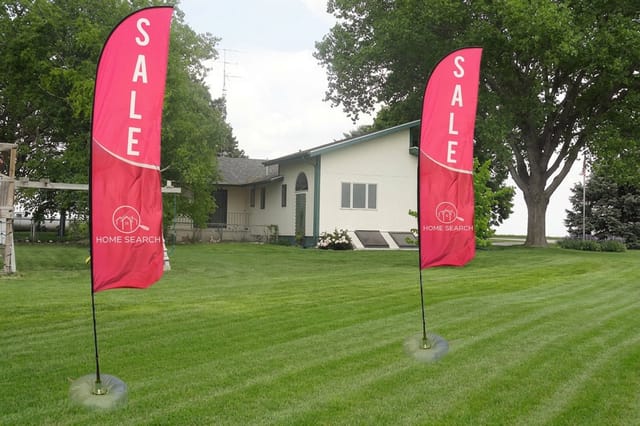
16. Feather flags that mark your booth at a festival
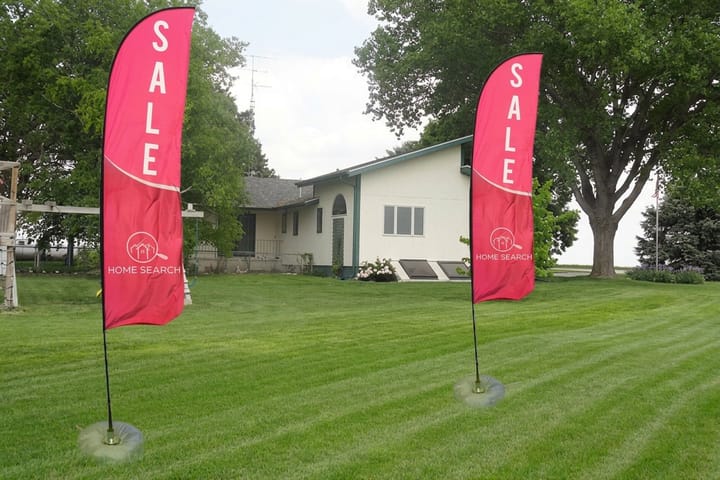
At a food festival or an outdoor market, your booth competes with fifty others for attention. A feather flag stands taller than every tent around it and moves with the wind, which is what pulls a hungry crowd across the field to your line instead of the next one.
Keep the design vertical and simple: your name or the word catering read top to bottom, in the loudest of your brand colors. Add the optional stake base for grass or the X-stand indoors, and the same flag works every event of the season. Sizes and bases are on feather flags.
Outdoors, height is visibility.
17. A retractable banner stand, the indoor booth in a carry bag
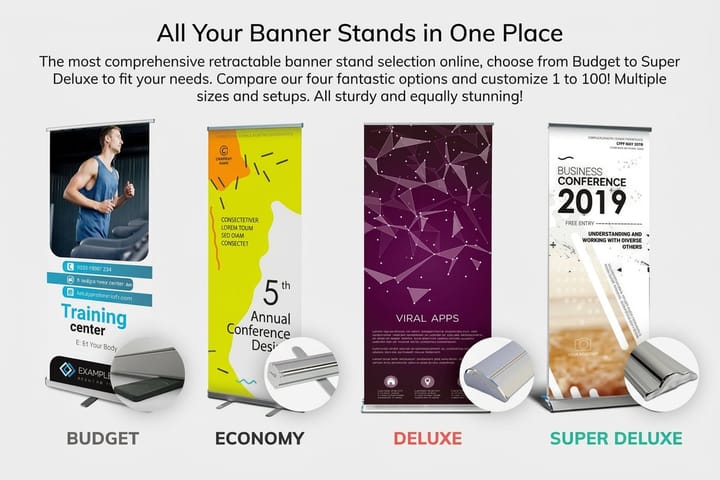
Bridal fairs, venue open houses, and corporate expos are where catering contracts get seeded, and a retractable banner stand is how your table stops looking like a folding chair with brochures. It pulls up from its aluminum base, stands at eye level behind your tasting spread, and gives the booth the backdrop of an established company.
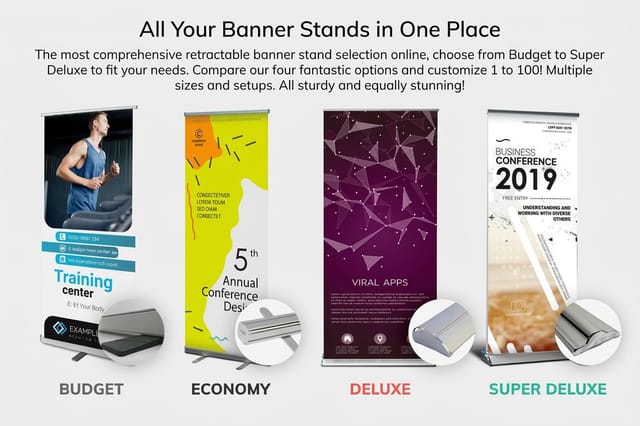
Design it around one image of your best plated work, your name, and a QR code to your booking page. The banner rolls back into the base, which suits a working caterer between a Saturday fair and a Sunday event. Options are on retractable banner stands.
Indoors, where flags and vinyl have no place to hang, the stand is your brand standing next to you.
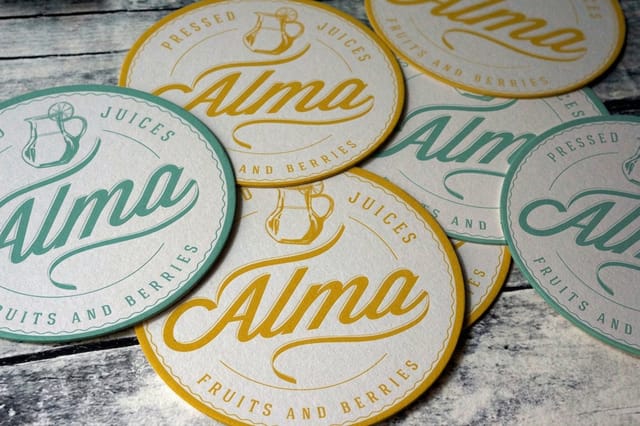
18. Drink coasters with your brand under every glass
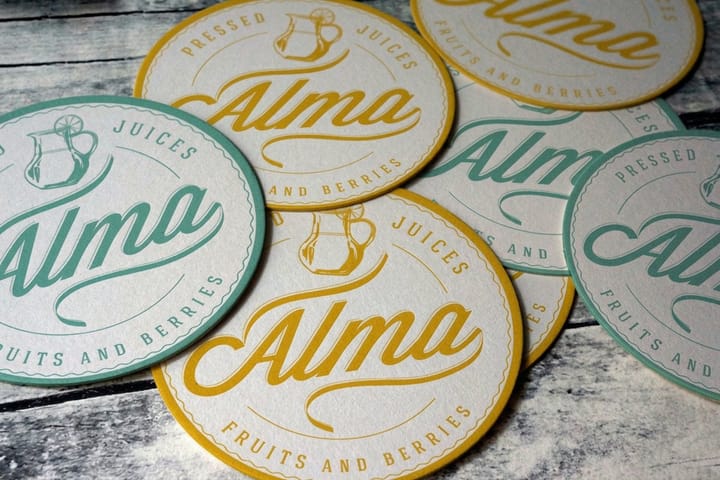
At a catered bar or cocktail hour, every guest holds a drink, and a branded coaster puts your name under every one of them. It is the smallest event piece in the toolkit and among the most seen, because guests stare at the table through every conversation of the night.
Print your logo and a short booking line or QR code, nothing more. On 48pt or 64pt uncoated board from 10 for $10.98, coasters can cover a full season of events in one order, and the leftover stack upgrades every tasting you host at the kitchen. Shapes and stocks are on drink coasters.
A guest who spent an evening with your logo under their glass remembers who catered the party. That memory is the referral.
19. Packaging stickers that seal every box that leaves
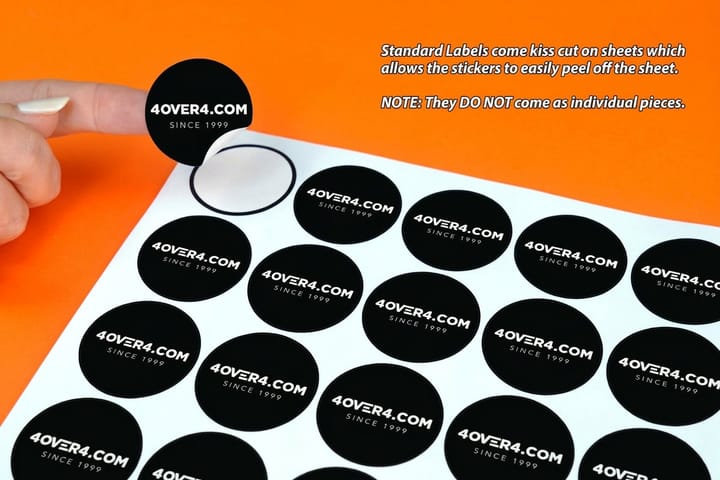
Drop-off catering and leftovers boxes are deliveries of your reputation in plain packaging, unless a sticker says otherwise. A logo sticker sealing every box does two jobs at once: it closes the box, and it puts your name on the fridge shelf of every office and home the food reaches.
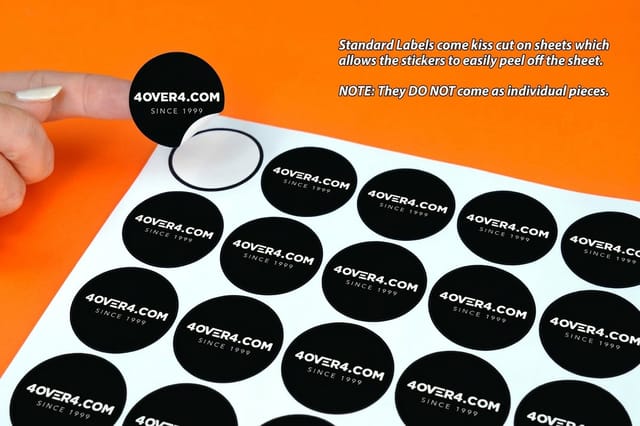
Order them in volume in your brand colors, and seal everything that leaves the kitchen: boxes, bags, utensil rolls. The sticker rides along on food you were already sending. Sizes and shapes are on standard stickers.
The person eating leftovers on Tuesday was not at the event. The sticker is how they learn who made lunch.
20. Custom labels with the dish names guests ask about
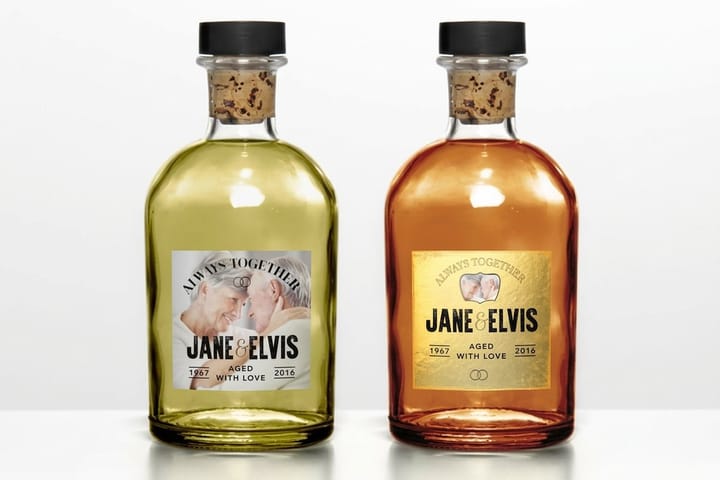
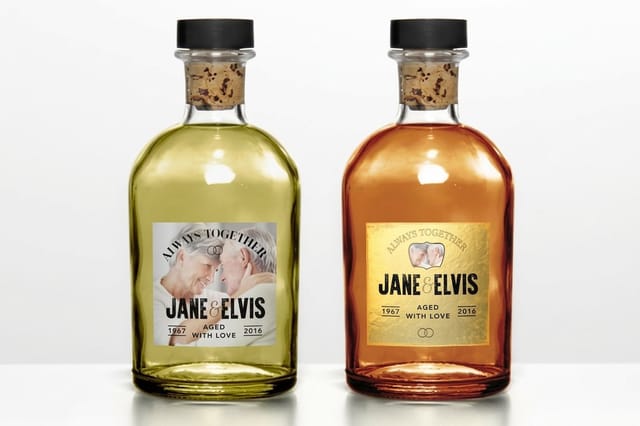
Every buffet generates the same questions: what is this, is it spicy, does it have nuts. A printed label at each dish answers all of them before a guest has to ask, which keeps the line moving and protects guests with allergies. Labels are the quiet professionalism that hosts notice and mention.
Print dish names large, allergens small but clear, and your logo in the corner so even the signage sells. Labels start at 25 for $25. Materials and sizes are on custom labels.
A labeled buffet reads as a professional kitchen at work. An unlabeled one reads as food someone dropped off.
Specs and pricing
Catering business card stocks, side by side
A 100 pack of catering business cards is $17.57, or $0.18 a card, printed in 3 business days on 14pt gloss cover.

| Quantity | Price Per Unit | Total |
|---|---|---|
| 100 | 17.6¢ | $17.57 |
| 200 | 11.5¢ | $23.07 |
| 300 | 9.15¢ | $27.46 |
| 400 | 7.96¢ | $31.86 |
| 500 | 7.25¢ | $36.26 |
| 600 | 6.77¢ | $40.64 |
| 700 | 6.43¢ | $45.04 |
| 800 | 6.18¢ | $49.43 |
Wally explains the toolkit
20 pieces, one brand, printed to book more events
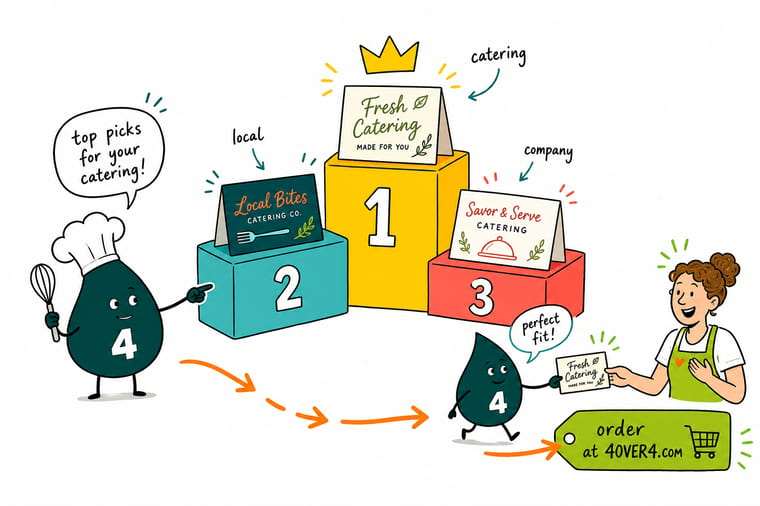
Wally thinks of a catering job like a relay. The card, menu, and brochure win the booking, the flyer and postcard keep the calendar full, and the banner and table tent own the event so happy guests become your next inquiry. Keep the same logo, two colors, and typeface on every piece so they read as one caterer, then let 4OVER4 print the whole set on matching stock in one go.
Shop the catering collection →See it in use
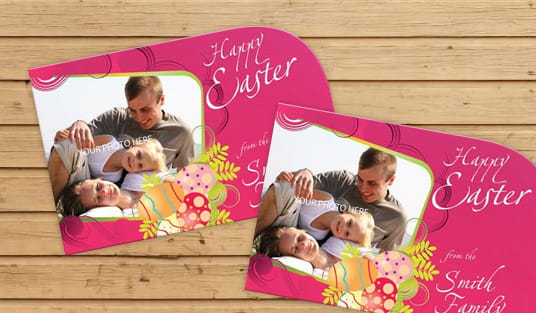
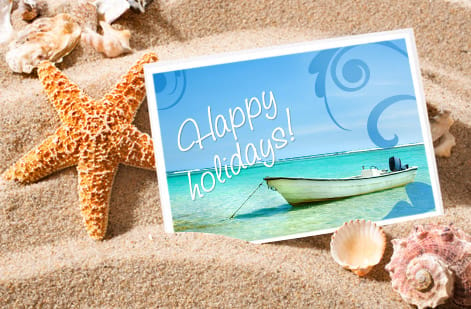
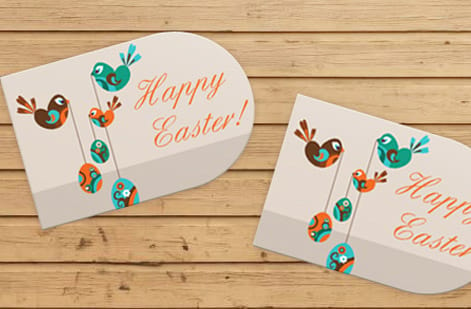
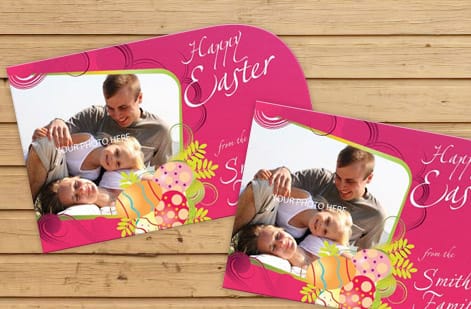
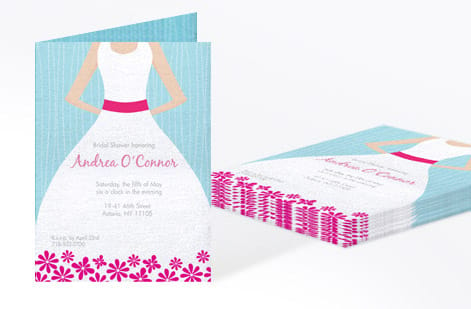
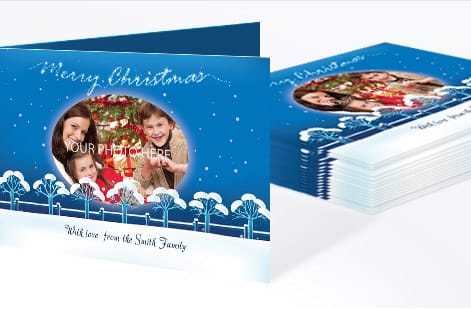
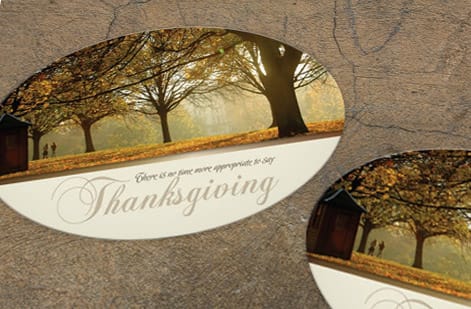
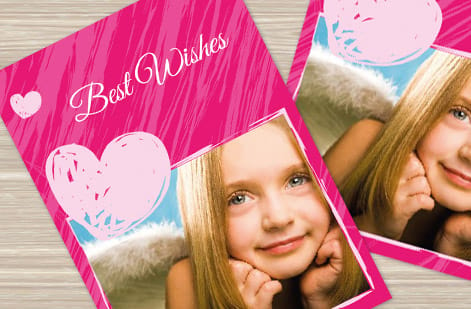
Catering postcards we printed

Explore more
Where to go next
By the numbers
One toolkit, printed to book more events
Common Questions
Common questions about the catering marketing toolkit
What is the catering marketing toolkit?
It is a curated set of 20 print pieces that carry a catering company from first contact to repeat business: catering business cards, menus, brochures, presentation folders, letterheads, printed envelopes, carbonless order forms, flyers, postcards, door hangers, gift certificates, thank you cards, vinyl banners, table tents, custom tablecloths, feather flags, retractable banner stands, drink coasters, packaging stickers, and custom labels. Each one handles a different stage of turning an inquiry into a booked event and a booked event into a referral. They are designed to share one look, so a catering brand feels established whether the client is planning a wedding or a corporate lunch.
In what order should I order and use these pieces?
Follow the money. Lead with the cards, menus, brochures, folders, and office stationery, because that sales kit wins the booking during the tasting or the first meeting. Keep flyers, postcards, door hangers, and gift certificates moving to fill quiet dates on the calendar. Then use the banners, tablecloths, flags, coasters, and packaging pieces at the event itself, where a branded setup earns the referral that becomes your next inquiry.
Do I need all 20 pieces to run a catering business?
You can operate with fewer, but each gap costs you a stage of the job. Skip the menu and you hand the closing moment to a plain email. Skip the postcards and you have no steady way to reach the offices that book catering all year. Skip the banners and table tents and every event you cater goes unbranded, so the guests who loved the food never learn your name. The toolkit is built so no stage goes quiet, which is why the pieces are stronger together than apart.
How do I keep all 20 pieces looking like one brand?
Start the logo at 2 x 3.5 inch card size and check it still reads on the largest pieces, a tablecloth for an 8 ft table and a retractable banner stand. Pair the papers that sit side by side: menus and brochures on the same 100# gloss text, letterheads and envelopes on the same Royal Laid stock. Keep two colors and one typeface, start from a shared design template or the online designer.
Why invest more in the catering menu than the other pieces?
The menu is where the booking decision actually happens. A client reads it during the tasting or the proposal, and its look and feel shape what they expect to pay. A menu on 100# gloss text with a clean, easy-to-scan layout supports a higher quote and makes the whole company feel premium. It is the one piece where a little more care on stock and design shows.
How much does the full catering toolkit cost to print?
You pay per piece. The cheapest entries are 100 business cards, 50 postcards and 10 drink coasters. The office stationery starts at 50 letterheads and 250 envelopes, and the event pieces cost the most per run: table tents come in runs of 250 and one custom tablecloth costs $225. Set your quantities in the configurator on each product and the price updates as you go.
Can I add more pieces as the catering business grows?
Yes. You can add station signage and seasonal menus once you know which events fill the calendar. Print the seasonal menus on the same 100# gloss text as the menus and match the station signs to the banner colors, so the new pieces sit beside the twenty you already run. Browse the full restaurant printing collection to keep everything on brand as you expand, and reorder any piece in a few clicks when you run low.
Get Started
Order 100 carbonless quote forms for $120.82
Order the full catering toolkit from 4OVER4.COM and order all 20 pieces in one checkout. Adjust size, finish, and quantity on any product and watch the price update live.
Legal Disclaimer
Gold Standard guarantees apply to all standard orders placed through 4over4.com. Price match requires verifiable proof of a competitor's published price for an equivalent product with matching specifications and turnaround time. Satisfaction guarantee covers manufacturing defects and print quality issues. Contact support with order number and documentation.
