
Why the Printing Press Still Shapes How Your Message Lands


The printing press invented mass communication by making one message reproducible at scale. Here is how it developed, why it changed the world, and why print still beats digital noise for your brand today.
The printing press is important because it let a single message be reproduced quickly, cheaply, and identically at scale. That broke knowledge out of hand-copied manuscripts, created mass communication, and standardized language. The same principle, one design printed faithfully many times, still powers every run of brochures, flyers, and books a business orders today.
Start here
From Gutenberg to same-day print, in one paragraph
The printing press made one message reproducible at scale, and that never stopped mattering. Movable type, then steam, then offset, then digital each cut the cost of a page and raised its quality. The result today is press-grade brochures, flyers, and books you can design in a browser and ship the same day. The timeline below tracks the leaps that got us here.
Watch it printed
See folded brochures on the press, in 130 seconds
The development of the printing press
The printing press matters because of one deceptively simple breakthrough: making the same page many times without copying it by hand. Around 1440, Johannes Gutenberg brought together movable metal type, oil-based ink, and a screw press into a single working system. A page could now be set once in reusable letters and printed hundreds of times, at a fraction of the time and cost of a scribe.
That first press was slow by our standards, but the idea inside it was explosive. Reusable type meant a book no longer took months to reproduce. Knowledge that had been locked to the few who could afford hand-copied manuscripts suddenly became something a wider public could own, read, and pass along.
Everything that followed is a refinement of that first move. The bound books and booklets a press turns out today are the direct descendants of Gutenberg's pages, produced on machines that share his core logic: set it once, reproduce it faithfully, do it at scale.
Printing press timeline, 1440 to today
Every jump below did the same job: more pages per hour, at a lower cost per copy, without giving up sharpness. Read it top to bottom and you have the short answer to why the press mattered then and why print still works now.
- 1440, movable metal type. Gutenberg sets a page once in reusable letters, inks it with oil-based ink, and pulls copies on a screw press. The setup carries the cost, so every copy after the first is cheap.
- By 1500, the press has spread across Europe. Print shops are working in towns from Mainz to Venice, and a text set in one city can be read in another within weeks instead of years.
- 1814, the steam press. Power replaces the arm on the lever. A newspaper edition that took a night to pull by hand comes off the press in a fraction of that time, which is what makes a daily paper possible.
- 1886, the Linotype. Type is cast a full line at a time instead of letter by letter, so a long book or a thick catalog stops being limited by how fast a compositor can pick letters out of a case.
- 1907, offset lithography. The image goes from plate to rubber blanket to paper instead of pressing straight onto the sheet. It is gentler on the plate, it holds fine detail and solid color, and it is still the workhorse behind long runs.
- 1990s, the digital press. No plates at all. The file goes straight to the press, so short runs, versioned pieces, and instant proofs become affordable for a small business rather than only for a publisher.
- Today, same-day online printing. You upload artwork, choose size, stock, and finish, watch the price move as you choose, and the job prints and ships without anyone setting a single letter by hand.
The through line is cost per copy. Each step made the next copy cheaper than the last, which is exactly why a run of flyers or a stack of folded brochures gets less expensive per piece the more of them you print.
Printing and mass communication
Print was the first medium that could reach a mass audience with a single, identical message. Pamphlets carried arguments across a country, newspapers put the same news in thousands of hands each morning, and books let an idea outlive the person who wrote it. No messenger, sermon, or handwritten letter could match that reach.
The effects were enormous. Print standardized spelling and grammar, accelerated science by letting researchers share results widely, and gave ordinary people direct access to information for the first time. Movements spread on paper because paper scaled, and every later medium, from radio to the web, followed the pattern print established.
Two of those effects are easy to underrate. Literacy climbed once a printed book cost a fraction of a hand-copied manuscript, because reading was suddenly worth learning for people outside the clergy and the wealthy. And the languages people actually spoke settled into fixed spelling, since every copy off a press repeated the same forms until those forms became the standard version taught in schools.
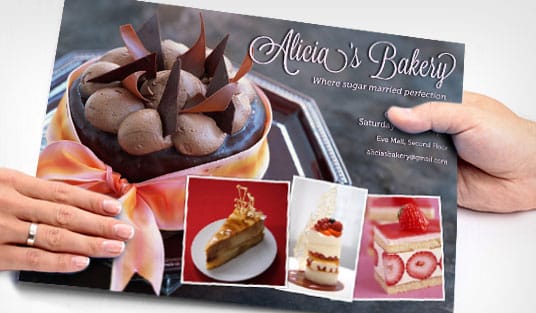
Marketing print still carries that same DNA. A run of flyers puts one consistent message in front of a whole neighborhood, and a stack of folded brochures hands the same story to every prospect at a trade show. When you print at volume, you are using the exact capability the press invented: one message, reproduced perfectly, delivered to many at once.
The Reformation and the first scientific record
Two things that happened within a lifetime of Gutenberg show what the press really changed. In 1517 Martin Luther posted ninety five objections to church practice. Printers set them, reprinted them without asking permission, and carried them across Germany in weeks. The argument itself was not new. The speed was, and a church used to answering a preacher had no way to answer something already in thousands of hands.
Science moved on the same mechanism, more slowly and more permanently. Before print, a result lived in a handful of hand copied manuscripts, each with its own errors, so two researchers could not be sure they were arguing about the same figures. A printed edition fixed the text, gave every copy the same page and the same diagram, and turned a claim into something another person could check and contradict in print.
That is the part worth carrying into any print job now. The value was never the paper. It was that many people held an identical copy, which is exactly what a run still does for one message.
Innovations in printing technology

Each wave of press technology did the same two things: cut the cost per page and raised the quality. In the early 1800s, steam-powered cylinder and rotary presses pushed output from a few hundred sheets an hour to many thousands, which is what made the daily newspaper economically possible and put print in front of a genuinely mass readership.
In the early 1900s, offset lithography changed the game again. By transferring ink from a plate to a rubber blanket and then to paper, offset delivered cleaner, more consistent color and became the workhorse of commercial printing for a century. It is the reason a poster or brochure could carry photographic images that held up across a full run.
The newest link in that chain is digital. Direct-to-press digital workflows print short runs affordably, with no plates to make, which is why a small business can order a modest quantity and still get press-grade results. Pair that with our online design tool and the whole path from idea to printed piece collapses into an afternoon.
Why print still wins today

In a world where nearly every message is digital, the printed one stands out precisely because it is physical. A brochure or booklet is tactile and permanent. It does not get scrolled past, buried in an inbox, or blocked by an ad filter. It sits on a desk, a counter, or a coffee table and keeps working long after a screen impression is gone.
That physicality does real work. People tend to remember material they can hold better than something they glanced at on a screen, and a well-made printed piece signals that a brand invested in the message, which quietly builds trust. Print also commands full attention in a way a crowded feed rarely does, because there is nothing else competing for the eye on the page.
The point is not print versus digital. It is print alongside digital. A campaign that pairs an email with a mailed brochure or a targeted flyer gives your audience a physical anchor for a digital message, and that combination consistently outperforms either one alone. Explore the full range in our brochure printing lineup to see how the press works for your brand.
Put the press to work for your brand
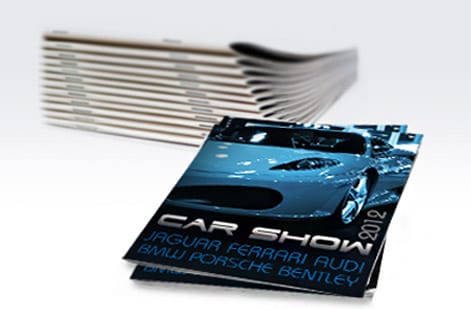
The whole purpose of the printing press was to put your message into someone else's hands. Five centuries later that is still exactly what a commercial print run does, only now you can do it from a browser and have it shipped the same day.
Start from the job. If you need to tell a fuller story, reach for a folded brochure. If you want a fast, low-cost hit for an event or a promotion, a flyer does it. If authority and shelf life matter, a perfect-bound book or booklet gives your message real weight. Each of these is the modern face of the same invention.
From there it comes down to stock, finish, and quantity, and the price updates live as you choose. The steps below and the live specs further down turn the history of the press into a printed piece you can actually order.
Wally turns one idea into a whole run
That is the printing press, still working for you
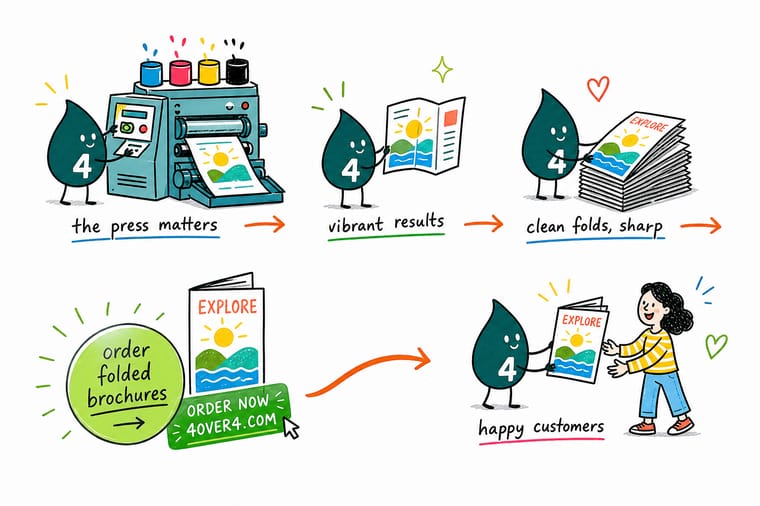
Wally takes a single design, feeds it into the press, and out comes a stack of identical brochures, flyers, and books. That is the exact trick the printing press invented five centuries ago: set it once, reproduce it faithfully, reach many at once. Build your piece, choose a quantity, and 4OVER4 prints and ships it, often the same day.
Print your brochures →Quick reference
Four leaps that made print what it is
Each stage of the press cut cost and lifted quality. The last one, digital, is why a small run can ship the same day.
| Era | Breakthrough | Why it mattered |
|---|---|---|
| c. 1440 movable type | Gutenberg press | Reusable metal letters made identical copies fast, replacing slow hand copying and lowering the cost of a page for the first time. |
| Early 1800s steam power | Rotary and cylinder press | Steam-driven presses pushed output from hundreds to thousands of sheets an hour, which put daily newspapers within reach of a mass audience. |
| Early 1900s offset | Offset lithography | Ink transferred from plate to rubber blanket to paper gave cleaner, more consistent color and became the backbone of commercial printing. |
| Today digital | On-demand and same-day print | Direct-to-press digital workflows print short runs affordably and ship the same day, so a small business gets press-grade pieces without a huge order. |
Step by step
Turn five centuries of print into an order in 5 steps
- Pick the piece that carries your message A folded brochure tells a fuller story, a flyer hits fast and cheap, and a bound book gives real authority. Start from the job, then match the format to it.
- Design it in a print-ready file Work in CMYK, keep images sharp at final size, and add bleed so nothing gets clipped. Our online design tool bakes those rules in if you would rather not start from a blank file.
- Choose stock and finish that fit the goal A heavier stock and a soft-touch or gloss finish change how a piece feels in the hand, which is a lever the printing press gave you and a screen never will.
- Print a run that reaches your whole audience The press was built to make many copies at once. Set your quantity in the configurator and watch the per-piece price drop as the run climbs.
- Get it in hands quickly Same-day printing and fast shipping close the loop the press opened five centuries ago: your message, reproduced faithfully, delivered at scale.
Specs and pricing
Folded brochure specs and live pricing
The press made many copies affordable. Here are the live specs and price-per-unit for folded brochures at 4OVER4, straight from the configurator.
| Quantity | Price Per Unit | Total |
|---|---|---|
| 50 | $1.14 | $57.11 |
| 100 | 82.4¢ | $82.38 |
| 200 | 53.3¢ | $106.55 |
| 300 | 41.0¢ | $123.02 |
| 400 | 34.9¢ | $139.49 |
| 500 | 31.2¢ | $155.97 |
| 600 | 26.7¢ | $160.36 |
| 700 | 23.5¢ | $164.75 |
Print it
Put the printing press to work for your brand
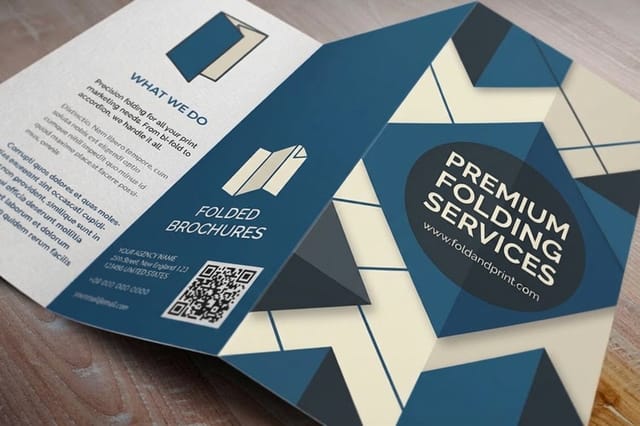
See it in use
Real print work, produced in-house


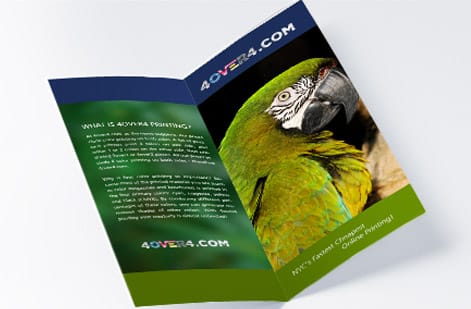
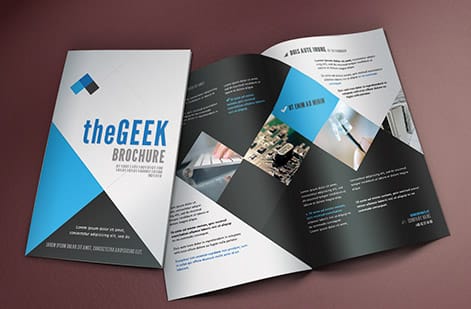
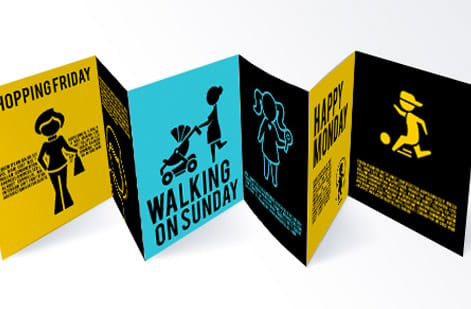
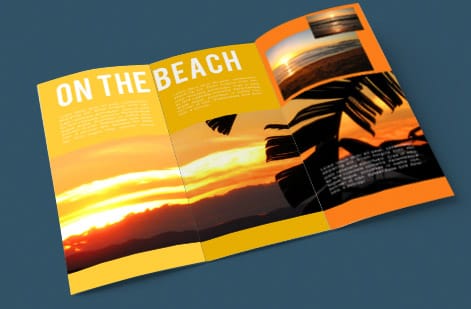
Explore more
Where to go next
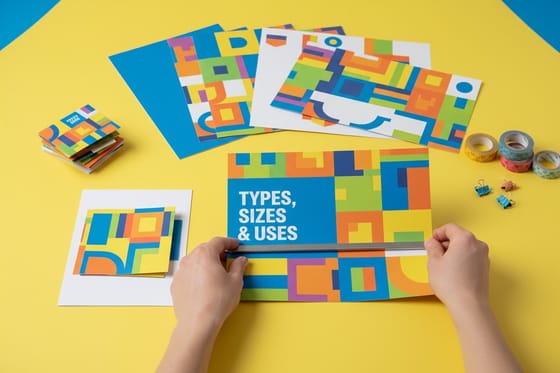
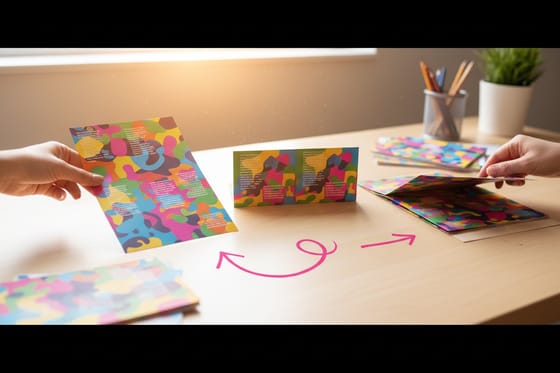
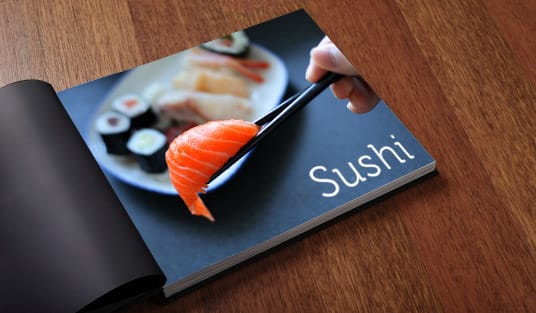

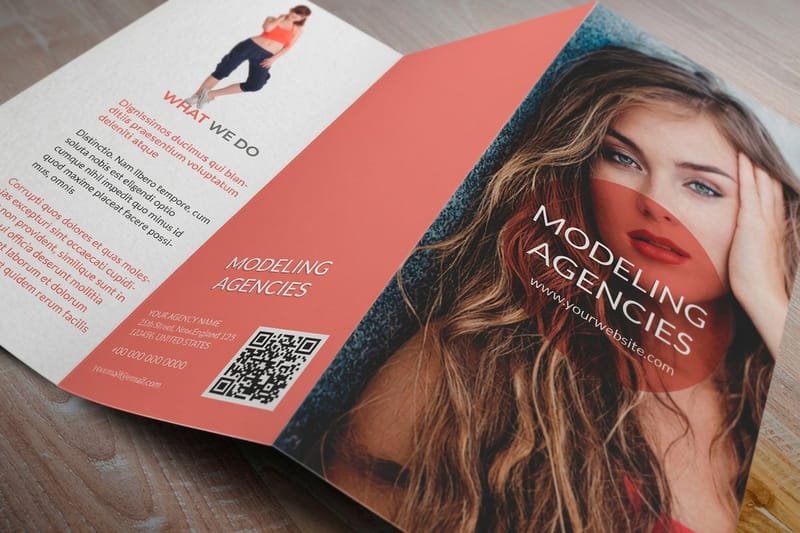
By the numbers
What a thousand product lines look like today
Common Questions
Common questions about the printing press
Is the printing press the most important invention?
It has a strong claim, and the usual argument for it is that other inventions changed what people could do while the press changed what they could know. Writing, the wheel and electricity all sit in the same conversation. What sets the press apart is that it multiplied every invention after it, because a technique written down once could reach every workshop able to buy the book.
Why was the printing press important in the Renaissance?
It arrived in the middle of the Renaissance and poured fuel on it. Scholars were recovering Greek and Roman texts, and print took those recoveries out of a few libraries and put them in front of anyone who could read, in editions that did not drift with every copy. It also made the everyday languages worth printing, so ideas stopped being locked to Latin and to the small group trained in it.
What were the benefits of using a printing press?
The cost of the second copy, above all. A scribe charged nearly the same for every copy, while a press carried its cost in the setup and then produced hundreds cheaply, which is the same reason a print run gets cheaper per piece today. Alongside that came consistency, because every copy was identical, and speed, because a text set in one town could be read in another within weeks instead of years.
Why was the printing press important?
Because it was the first machine that could make the same page again and again without a scribe. From around 1440 a printer set a page once in reusable metal type, inked it, and pulled hundreds of identical copies, so the work that had taken a copyist months came off the press in a day. That collapsed the price of a book, put reading and argument in the hands of people who had never owned one, and made records, laws, and scientific results checkable because two readers could hold the same page. The same economics run a print job today: the setup carries the cost, and every copy after it is cheap.
What did the printing press change?
Four things that never went back. Ideas began travelling faster than the people carrying them, because a text set in one town could be read in the next. Knowledge became verifiable, since researchers could argue over the same page and the same line rather than over two different hand-copied versions. Everyday languages settled into consistent spelling, because every copy repeated the same forms. And a business gained a way to say one thing to many people at once, which is what a run of flyers or a stack of folded brochures still does at a trade show.
Why is the printing press important?
The printing press is important because it made it possible to reproduce a written message quickly, cheaply, and identically at scale. Before it, every book and document was copied by hand, so knowledge moved slowly and stayed with a few. Movable type changed that: one setting of a page could print thousands of exact copies, which spread literacy, standardized language, fueled science and reform, and created the first true mass communication. That same principle, one design reproduced faithfully many times, is what still powers commercial printing when a business runs brochures, flyers, or books today.
How did the printing press develop over time?
It developed in clear stages, each cutting cost and lifting output. Around 1440 Gutenberg combined movable metal type, oil-based ink, and a screw press into a working system. In the early 1800s steam-powered cylinder and rotary presses raised speed from hundreds to thousands of sheets an hour, which made daily newspapers possible. In the early 1900s offset lithography brought cleaner, more consistent color and became the standard for commercial work. Today digital presses print on demand, which is why a short run can ship the same day without a large minimum.
What is the link between printing and mass communication?
Print was the first medium that could reach a mass audience with a single message. Pamphlets, newspapers, and books let one idea travel far beyond the range of a speaker or a handwritten letter, and every reader received the same words. That reach shaped politics, religion, science, and commerce, and it set the template every later medium followed. Marketing print carries that DNA: a run of flyers or brochures still puts one consistent message in front of a whole neighborhood or mailing list at once.
Does print still matter in a digital world?
Yes, and often more because everything else is digital. A printed piece is tactile and permanent, it does not get scrolled past or lost in an inbox, and studies of recall consistently show that people remember physical materials better than screen impressions. Print also signals investment, which builds trust. The smart play is not print versus digital but print alongside it: a well-made brochure, mailer, or booklet gives a brand a physical anchor that a feed cannot.
How do I choose the right printed piece for my brand?
Match the format to the job. Use a folded brochure when you need to tell a fuller story with sections, a flyer when you want a fast, low-cost hit for an event or promotion, and a perfect-bound book or booklet when authority and shelf life matter. Then choose stock and finish for the feel you want, since weight and coating change how credible a piece reads. Our product pages show live specs and pricing so you can compare options before you commit.
What does commercial printing cost and how are prices set?
Cost scales with a few simple levers: quantity, size, paper stock, and finish. The printing press was built to make many copies at once, so the more you print the lower the price per piece drops. You set each option in the configurator and the total updates live as you adjust it, which lets you see exactly how a heavier stock or a bigger run changes the number before you order. A run of folded brochures starts affordably and gets cheaper per unit as the quantity climbs.
Get Started
Ready to make the printing press work for you?
Bring your message to 4OVER4 and print it on the size, stock, and finish your brand calls for. Adjust every option and watch your price update live.
Legal Disclaimer
Gold Standard guarantees apply to all standard orders placed through 4over4.com. Price match requires verifiable proof of a competitor's published price for an equivalent product with matching specifications and turnaround time. Satisfaction guarantee covers manufacturing defects and print quality issues. Contact support with order number and documentation. On-time delivery rate based on tracked orders 1999 to 2026. Individual results may vary based on shipping carrier performance.
