
What Are Printing Substrates and the Types That Fit Each Job


A substrate is the surface you print on, and it is what decides whether a piece survives a day on a table or five years on a wall, along with how it feels and how it reads. Paper, plastic, vinyl, metal, and fabric each have a job: paper and plastic for cards handled indoors, vinyl and metal for graphics that face rain, sun, and scrubbing, fabric for displays that travel and hang wrinkle free. Picking the right one is half of getting a great print.
A printing substrate is the base material a design is printed on, from paper and plastic to vinyl, metal, and fabric. The substrate decides durability, feel, and where a piece can be used: paper for everyday print, plastic for waterproof cards, vinyl for weatherproof graphics, metal for premium rigid signage, and fabric for soft, vivid displays. Ranked by outdoor life it runs aluminum, acrylic, rigid PVC and coroplast, adhesive vinyl, then treated fabric, with paper last. Choose by matching the material to how and where the finished piece will live.
Start here
The surface is half the print
Designers obsess over color and layout, then print on whatever is cheapest, and wonder why the piece feels flat. The substrate, the material under the ink, does as much for a print as the design on top of it. This guide defines what a substrate is, walks the five main types, paper, plastic, vinyl, metal, and fabric, and points each one at the 4OVER4 product that uses it, so you can pick the surface that fits the job.
Watch it printed
See standard business cards on the press, in 167 seconds
Printing substrates, defined
A substrate is the base material that a design is printed onto. If ink is the message, the substrate is the surface that carries it, and that surface shapes how the finished piece looks, feels, lasts, and behaves. The same artwork printed on thin paper, thick cotton card, rigid metal, or soft fabric produces four completely different objects. That is why choosing the substrate is a design decision, not an afterthought.
Substrates fall into a handful of families: paper and card, plastics, vinyl, metal, and fabric, with specialty materials beyond those. Each behaves differently under ink and in the real world, so the right pick depends entirely on the job. The most common substrate is still paper, which is why everyday pieces like business cards and flyers are printed on it. For how paper itself varies, our guide on understanding paper weight is a useful next read.
Paper and plastic: the everyday and the durable
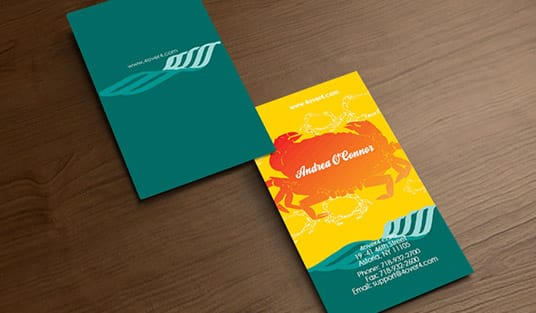
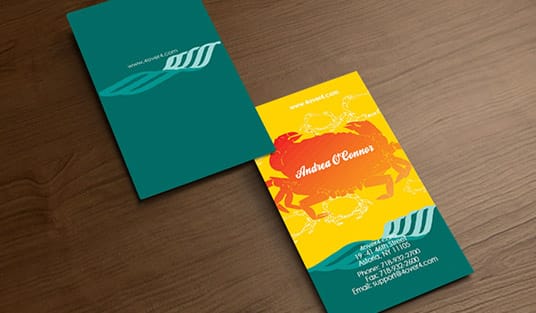
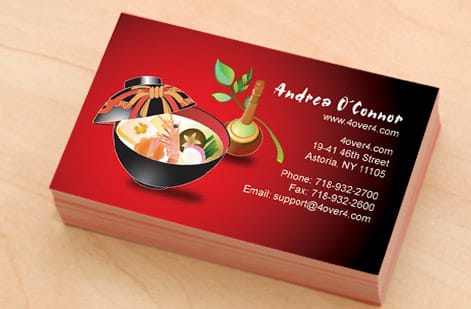
Paper is the default for a reason: it is affordable, takes ink beautifully, folds cleanly, and suits almost any indoor or short-term piece, from cards and flyers to brochures and booklets. It spans a huge range of weights and finishes, so a light text stock and a heavy cover stock are both paper yet feel worlds apart. When a piece lives indoors and does not need to survive water or years of handling, paper is usually the answer.
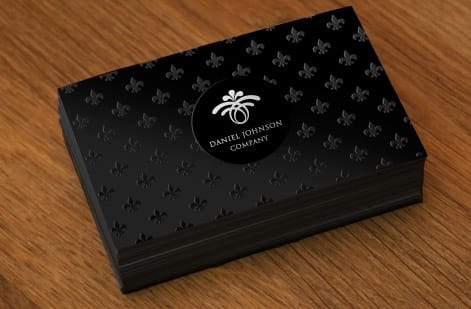
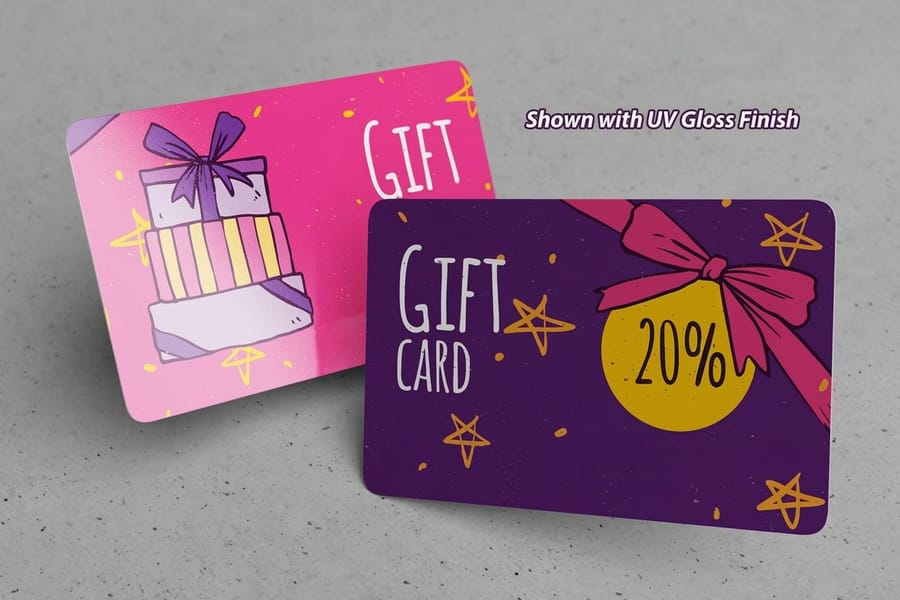
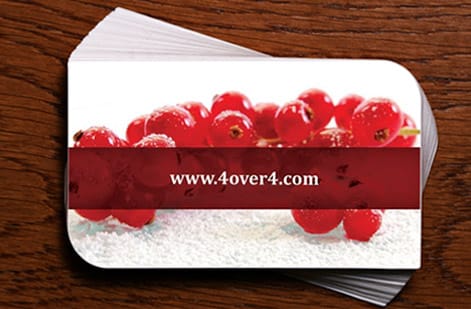
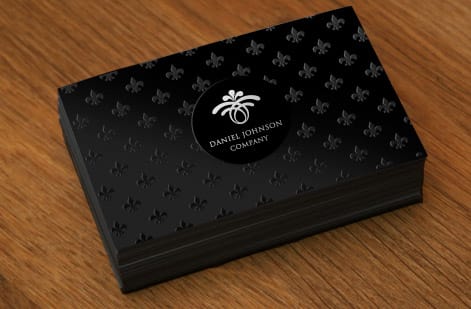
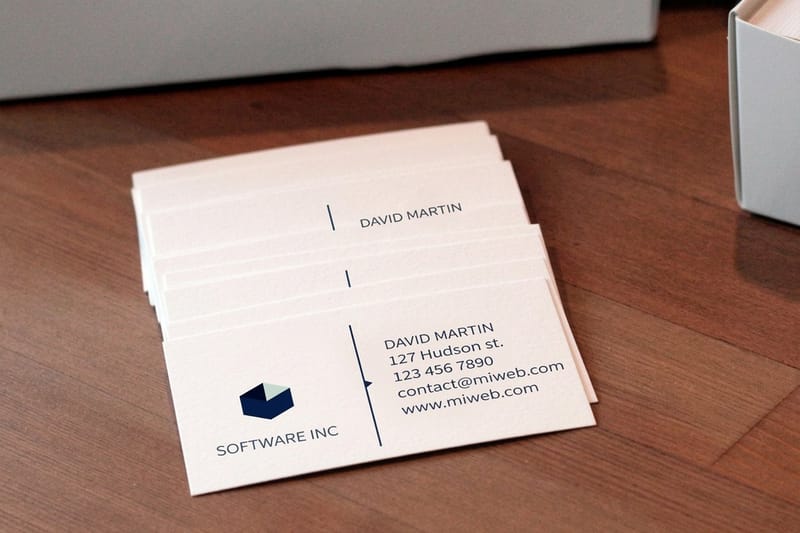
Plastic steps in when durability matters. Waterproof, tear-resistant, and rigid, plastic substrates make cards and pieces that last, which is why loyalty cards, memberships, and premium business cards are often printed on it. A set of 30mil white plastic cards feels substantial and shrugs off spills and wear that would destroy paper. Compare the finishes with our guide on matte versus gloss finishes to decide the surface look.
Vinyl and metal: weatherproof and premium
Vinyl is the go-to for graphics that stick and survive weather. Flexible and adhesive-backed, it wraps windows, walls, vehicles, and floors, and it holds up to sun and rain, which makes it ideal for decals, stickers, and outdoor signage. When you need artwork to cling to a surface and stay put outdoors, vinyl is almost always the substrate doing the work.
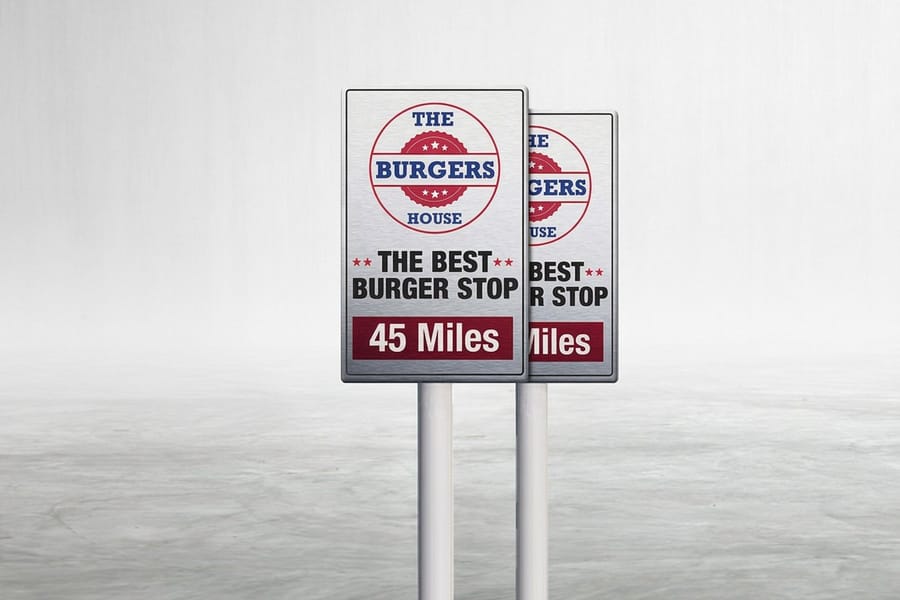
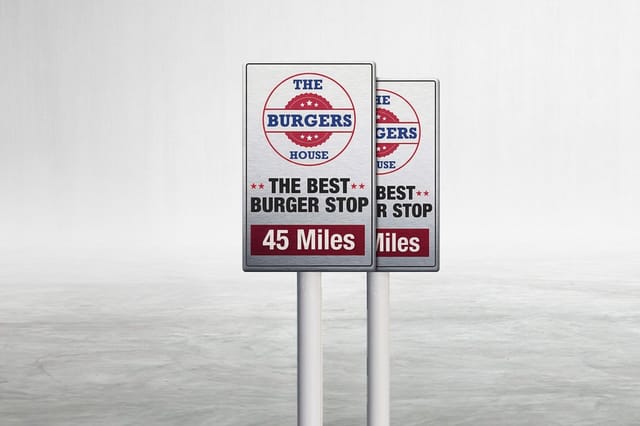
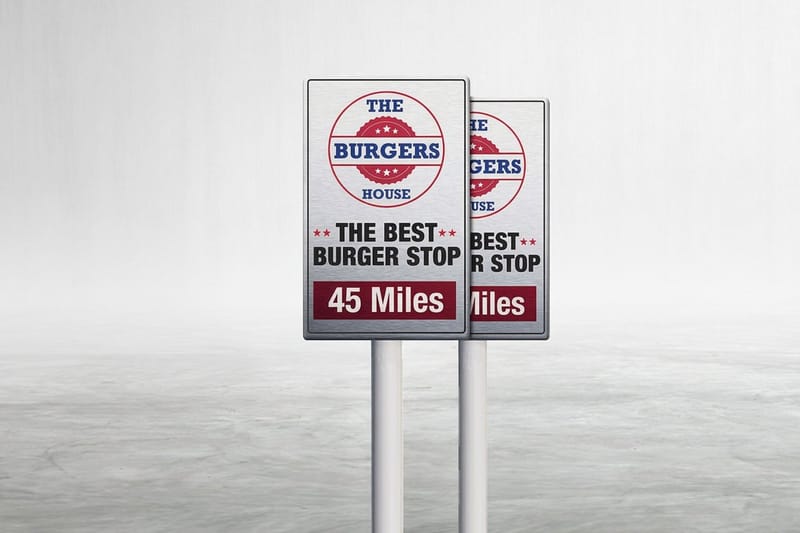
Metal brings rigidity and a premium feel. Aluminum and similar substrates make signs that stand up to years outdoors without fading or warping, and they read as high-quality the moment you see them. An aluminum sign is the right call for permanent outdoor identification, wayfinding, and any place where a printed piece needs to look serious and last. Both vinyl and metal reward starting from full-resolution artwork, since detail carries at large sizes.
Fabric: soft, vivid, and wrinkle-free

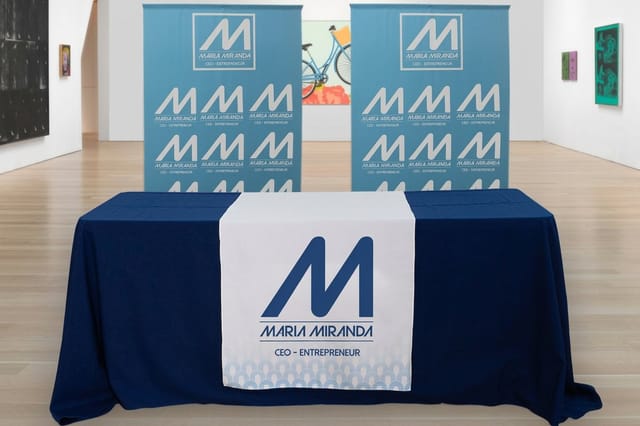
Fabric substrates print soft, saturated color and travel without creasing, which is why they have taken over trade shows, backdrops, and premium event displays. Dye-sublimation printing bonds the ink into the fibers, so the color is deep and the surface has a tactile, upscale quality that a vinyl banner cannot match. Fabric also packs down small and hangs without the glare of a glossy surface.
When a display needs to look refined, move often, and photograph well under lights, fabric is the substrate to reach for. A fabric banner is the everyday example, and the same material family covers table covers, backdrops, and tension displays. Because fabric shows fine detail so well, it pays to supply high-resolution art, the same discipline that underpins every substrate on this page.
How to pick the right substrate for your job
Choosing a substrate comes down to four questions. Where will the piece live, indoors or out? How long does it need to last, a day or years? What feel do you want, everyday, premium, rugged, or soft? And does it face water or weather? Answer those and the material chooses itself: paper for indoor, short-term print, plastic for durable cards, vinyl for weatherproof graphics, metal for permanent signage, and fabric for refined displays.
Once you know the material, map it to a live product and order. Use the specs and pricing panel below to set the size, finish, and quantity, and order free samples first if you want to feel a substrate in hand before committing. If you are still weighing paper options specifically, our guide on the best paper weight for flyers shows how much the same substrate can vary, and the printing terms glossary defines any term you meet along the way.
Wally picks the surface, not just the design
Paper, plastic, vinyl, metal, or fabric
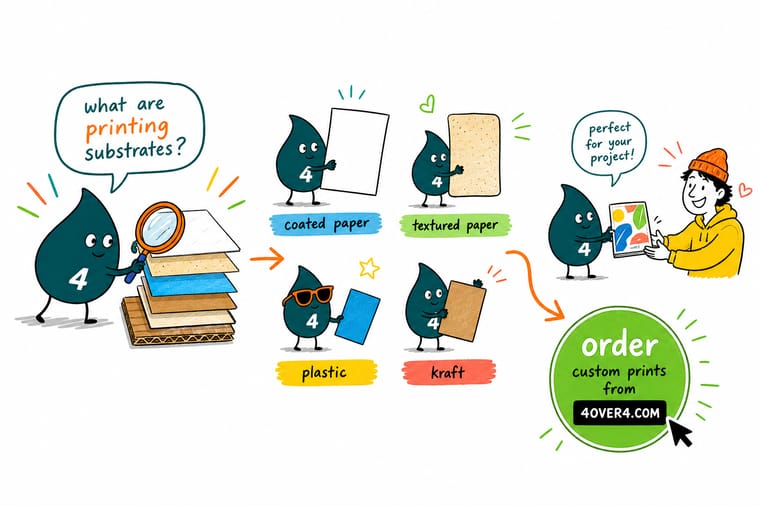
Wally knows the surface is half the print. He asks where the piece will live, how long it must last, and what it needs to survive, then picks the substrate to match: paper for everyday cards, plastic for durable ones, vinyl for weatherproof decals, metal for signs that last years, and fabric for displays that photograph beautifully. Then 4OVER4 prints the design on exactly the right material.
Order your printed substrate →Quick reference
Five printing substrates and where each fits
Each substrate has a feel, a durability, and a natural home. Here are the five main types, what each is like, and the 4OVER4 product built on it.
| Substrate | Feels and behaves like | Print it at 4OVER4 |
|---|---|---|
| Paper | Classic, printable, foldable, indoor, the everyday short-term choice | standard-business-cards |
| Plastic | Durable, waterproof, rigid, long-lasting, 30mil card stock that survives a wallet | 30mil-white-plastic-cards |
| Vinyl | Flexible, adhesive, weatherproof, and it holds color far longer under a laminate | decals |
| Metal | Premium, rigid, outdoor-ready, the longest-lasting substrate on this page | aluminum-signs |
| Fabric | Soft, wrinkle-free, vivid color, folds into a case and travels between shows | fabric-banners |
Step by step
Pick the right substrate in 6 steps
- Define where the piece will live Indoors or outdoors, handled daily or hung once, temporary or permanent, this sets everything.
- Set the durability you need A one-day event handout and a five-year outdoor sign call for very different materials, and the outdoor ladder runs aluminum, acrylic, rigid PVC, adhesive vinyl, then treated fabric.
- Decide the feel you want A premium card, a rugged sign, or a soft display each points to a different substrate.
- Check for water and weather If the piece meets rain, sun, or scrubbing, rule out plain paper and move to plastic, vinyl, or metal, and laminate any vinyl that will sit in direct sun.
- Match the substrate to a product Map your answer to a live product, paper cards, plastic cards, vinyl decals, metal signs, or fabric banners.
- Order a sample, then the run Feel the material first with free samples, then set your size, finish, and quantity and print.
Specs and pricing
Business card specs and live pricing
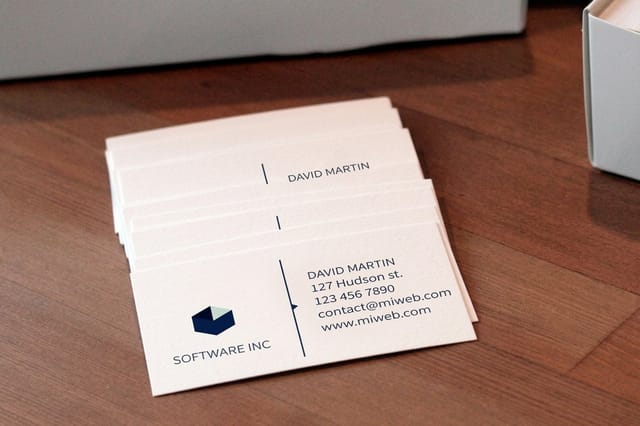
Paper is the most common substrate of all, and business cards are where it shows. Here are the live specs and price per unit for standard business cards at 4OVER4.COM, straight from the configurator.

| Quantity | Price Per Unit | Total |
|---|---|---|
| 100 | 17.6¢ | $17.57 |
| 200 | 11.5¢ | $23.07 |
| 300 | 9.15¢ | $27.46 |
| 400 | 7.96¢ | $31.86 |
| 500 | 7.25¢ | $36.26 |
| 600 | 6.77¢ | $40.64 |
| 700 | 6.43¢ | $45.04 |
| 800 | 6.18¢ | $49.43 |
Print it
Order your design on the right substrate
See it in use
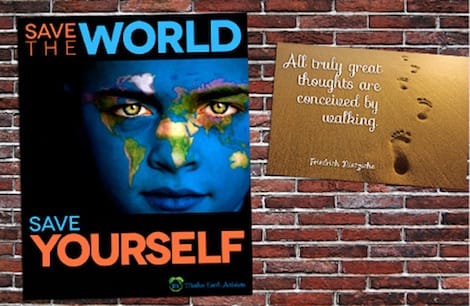
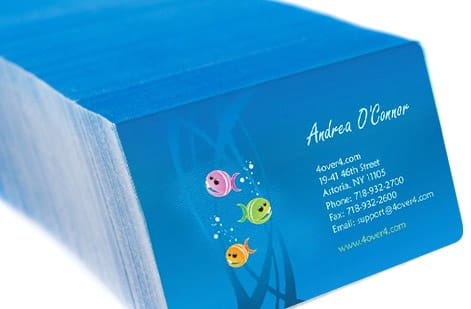
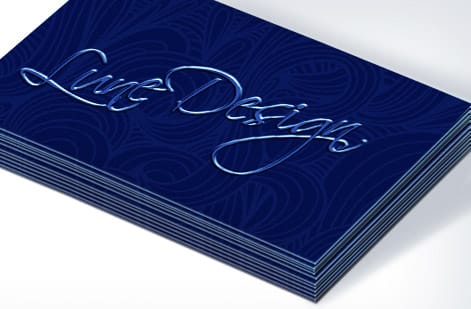
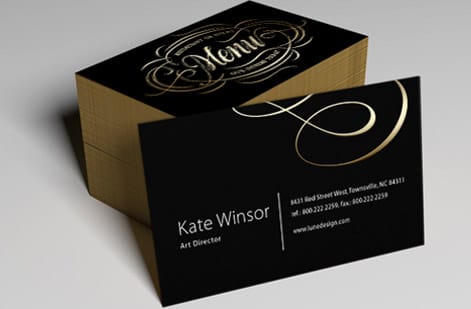
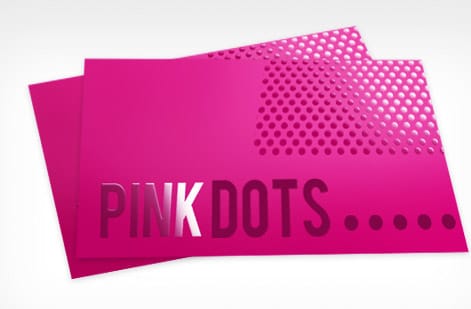
Real print across substrates, produced in-house
Explore more
Where to go next




By the numbers
The 60+ stocks a job can be printed on
Common Questions
Common questions about printing substrates
What does "print substrate" mean?
Print substrate is the printer's word for the material the ink goes onto. Paper is the substrate under a business card, vinyl is the substrate under a decal, aluminum is the substrate under a rigid sign, and polyester fabric is the substrate under a trade show banner. The word matters because the substrate decides what a print can survive: a day on a table, a year in a wallet or five winters on a fence. Change the substrate and the same artwork becomes a different product.
What type of paper is the most durable?
Synthetic paper, which is a plastic film made to look and print like paper, because it does not tear, swell or fade in the rain. Among real papers, a heavy coated cover stock at 14pt or 16pt with a laminate on top lasts longest, and a cotton sheet outlasts a wood pulp sheet in a file for decades. For anything that lives outdoors the durable answer stops being paper: move to plastic cards, vinyl or aluminum, which is the outdoor ladder this guide ranks.
What is a substrate material?
A substrate material is any base a design can be printed on. The five families are paper and card, plastic, vinyl, metal and fabric, with specialty options such as wood, glass, acrylic and corrugated board beyond them. Each takes ink differently and fails differently: paper absorbs and softens, plastic and vinyl shed water, aluminum holds its shape for years, and fabric takes dye sublimation and travels without creasing. The material is chosen for where the finished piece will live, not for the artwork.
What is a substrate in printing?
A substrate is the base material that a design is printed onto, the surface that carries the ink. It can be paper, plastic, vinyl, metal, fabric, or a specialty material, and it shapes how the finished piece looks, feels, lasts, and where it can be used. The same artwork on thin paper versus rigid metal produces two completely different objects, which is why choosing the substrate is a real design decision rather than an afterthought.
What are the main types of printing substrates?
The five main families are paper, plastic, vinyl, metal, and fabric. Paper suits everyday, indoor, short-term pieces like cards and flyers. Plastic makes durable, waterproof cards. Vinyl is flexible and adhesive for weatherproof decals and signage. Metal, like aluminum, makes rigid, premium signs that last outdoors. Fabric prints soft, vivid displays for trade shows and events. Each maps to a live product, so you can print your design on the exact material the job needs.
How do I choose the right substrate?
Answer four questions: where the piece will live (indoors or out), how long it must last (a day or years), the feel you want (everyday, premium, rugged, or soft), and whether it faces water or weather. Those answers pick the material, paper for indoor short-term print, plastic for durable cards, vinyl for weatherproof graphics, metal for permanent signage, and fabric for refined displays. Order free samples first to feel the material before committing to a full run.
What does printing on different substrates cost and how are prices set?
Price depends on the substrate, the size, the finish, and the quantity, with larger runs lowering the unit cost. Paper is generally the most economical, while plastic, metal, and specialty materials cost more but last far longer, so the right way to compare is cost over the life of the piece. You set the material and options in each product configurator and the total updates live, so you can weigh durability against budget before you commit.
What sizes and finishes are available across substrates?
Options vary by material: paper spans many weights with matte, gloss, and specialty finishes, plastic comes in set card thicknesses, vinyl and fabric print at large format for banners and graphics, and metal comes in rigid sheet sizes for signage. Each product page and the live specs panel here list the exact sizes and finishes in stock for that substrate, and free samples let you feel the material and finish in hand before printing a full run.
Get Started
Ready to print your design on the right surface?
Pick paper, plastic, vinyl, metal, or fabric at 4OVER4.COM and print your design on the substrate that fits how and where it will live. Adjust every option and watch your price update live.
Legal Disclaimer
Gold Standard guarantees apply to all standard orders placed through 4over4.com. Price match requires verifiable proof of a competitor's published price for an equivalent product with matching specifications and turnaround time. Satisfaction guarantee covers manufacturing defects and print quality issues. Contact support with order number and documentation. On-time delivery rate based on tracked orders 1999 to 2026. Individual results may vary based on shipping carrier performance.
