
What Print Inserts Are and How to Choose the Right Size and Stock


Inserts are the loose slips that ride inside a box, an envelope or a statement. Each type has a name, a size that fits its carrier, and a stock that survives the trip.
A print insert is a loose printed piece that ships inside something else: a shipping box, a mailing envelope, or a printed statement. Because it has no address and no binding, its carrier sets its size. A 3.5 by 8.5 inch buckslip is the standard for a #10 envelope, a statement stuffer is cut shorter to clear a folded bill, and a package insert is free to match the carton. Order 100lb gloss text for anything mailed in volume and 14pt or 16pt cardstock when the customer is meant to keep it.

Quick answer
The carrier picks the size before the design does
An insert has no envelope and no postage of its own, so it must clear whatever carries it. Subtract at least a quarter inch from the envelope on both dimensions, half an inch when a machine does the inserting. That is why a buckslip is 3.5 by 8.5 inches and a 4 by 9 rack card does not belong in a #10. Package inserts escape the rule entirely, because a box has no throat to clear, so match the carton footprint instead and keep the slip flat on the goods.
What a Print Insert Actually Is
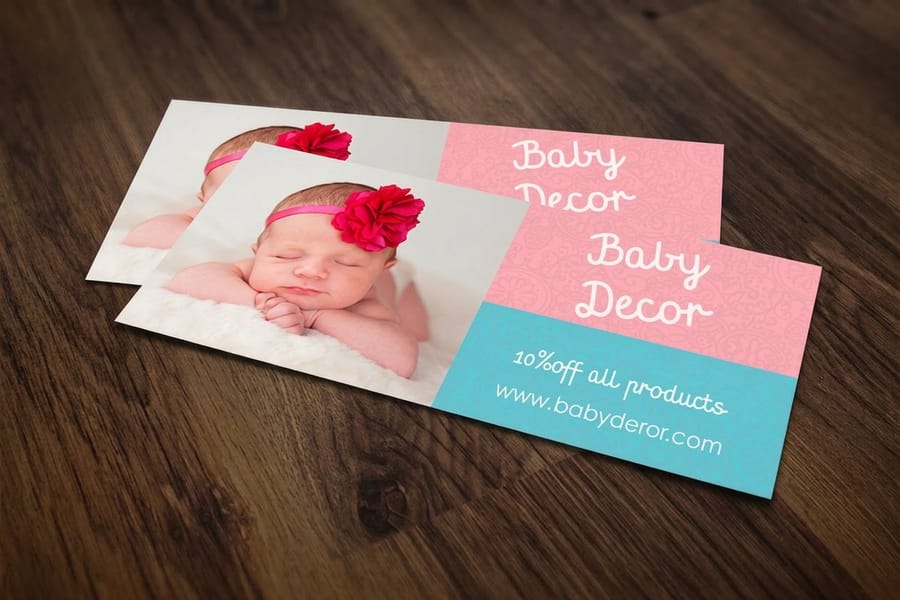
An insert is a printed sheet that travels inside something else. That is the whole definition, and it is the reason inserts behave differently from every other piece of marketing print you order.
A flyer gets handed to a person. A postcard carries its own address and postage. An insert does neither. It has no address block, no stamp, and no binding, so it inherits the constraints of its carrier: the envelope it must clear, the box it must lie flat in, or the statement it must not shove out of alignment.
That inheritance is why the same 8.5 by 3.5 inch slip is called a buckslip by a mailing house, a statement stuffer by a billing department, and a package insert by a fulfillment warehouse. The print job is identical. The name changes with the carrier, and so does the size you should order.
The practical consequence: decide the carrier first. If you already know the envelope, the box, or the statement, the size question answers itself and you can spend the rest of the budget on stock and finish. If you design the artwork first and go looking for an envelope afterwards, you will end up paying for a custom envelope or trimming a design that no longer fits its own margins. Our letter printing and mailing guide walks the same decision from the envelope side.
The Three Places an Insert Lives

Package, mailer, and statement. Each one gives you a different amount of attention and a different amount of room, and the offer should change accordingly.
Package inserts go in the shipping box with an order the customer already paid for. This is the friendliest audience in print, because the box is being opened with anticipation and nothing is being sold at that moment. There is no envelope, so the size is yours to choose. Match the carton footprint and keep the slip flat on top of the goods. A reorder code, a referral offer, or a request for a review earns its place here. A generic company brochure does not.
Mailer inserts ride in a marketing envelope alongside a letter. They get seconds, and they compete with the letter itself, so they should carry the one thing the letter buries: the offer, the deadline, and the code. A 3.5 by 8.5 inch buckslip at $27.46 is the standard shape because it slides into a #10 without being folded, and an unfolded slip reads faster than a folded one.
Statement and catalog inserts travel with a bill, an account statement, or a catalog. The envelope is already partly full, so clearance matters more here than anywhere else. Statement stuffers start at $27.46 and are cut to clear a folded statement without buckling. Catalog inserts get more room but face a different problem: they slide out. Size them a little smaller than the catalog page so they stay put until the catalog is opened deliberately, and see our guide to catalog envelopes when the whole mailing is oversized.
What to Check Before You Approve an Insert Print Job
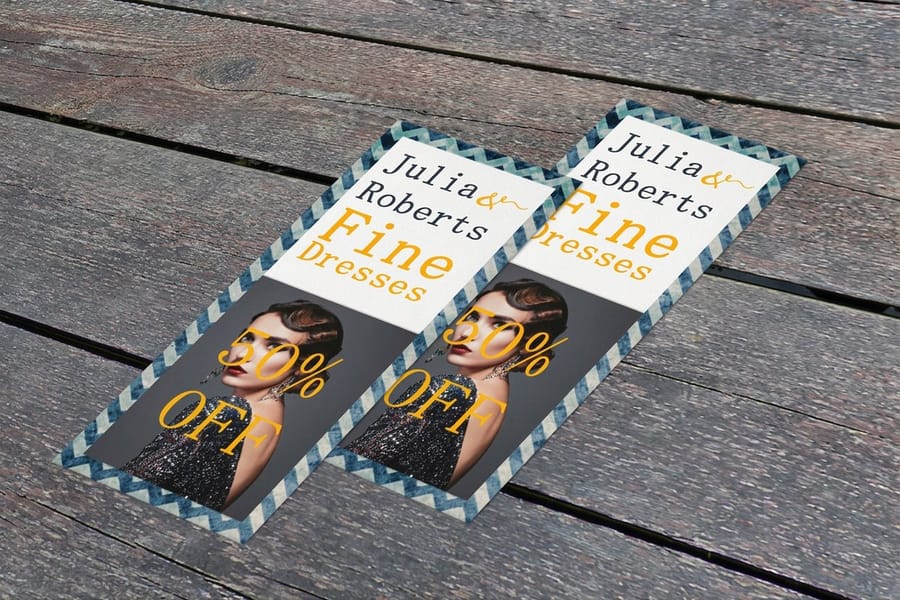
Five things decide whether the run works. None of them are about the artwork.
- Clearance against the real carrier. Not the nominal envelope size, the one you are actually buying. A quarter inch on every side is the minimum, half an inch if the job is machine inserted.
- Finished weight of the whole mail piece. Weigh the envelope with every enclosure inside it. Postage prices in brackets, and an insert that crosses a bracket costs more than it earns.
- Grain direction on anything that folds. A fold across the grain on coated stock cracks along the crease. Ask for the fold to run with the grain, or score it.
- Coating against the pen. If a customer has to write on the insert, a gloss coating will defeat a ballpoint. Specify uncoated, or leave an uncoated write-on panel.
- Bleed and safety on a small piece. An eighth inch bleed and an eighth inch safety margin cost the same on a 3.5 inch slip as on a poster, and the trim variance is far more visible when the piece is small.
Turnaround is the sixth item and it is usually the one that bites. An insert is rarely the critical path on its own, but it becomes the critical path when the mail drop is booked and the slips have not landed. Order the insert on the same schedule as the envelopes and the letter, not after them.
Rack cards are the classic trap. At 4 by 9 inches, standard rack cards from $42.84 are excellent in a display rack and nearly unusable as a #10 envelope insert, because 4 inches inside a 4.125 inch envelope leaves one sixteenth of an inch of clearance. Use them loose in a box or in a larger envelope, and use a buckslip in the #10.
Choosing Size, Stock, and Finish
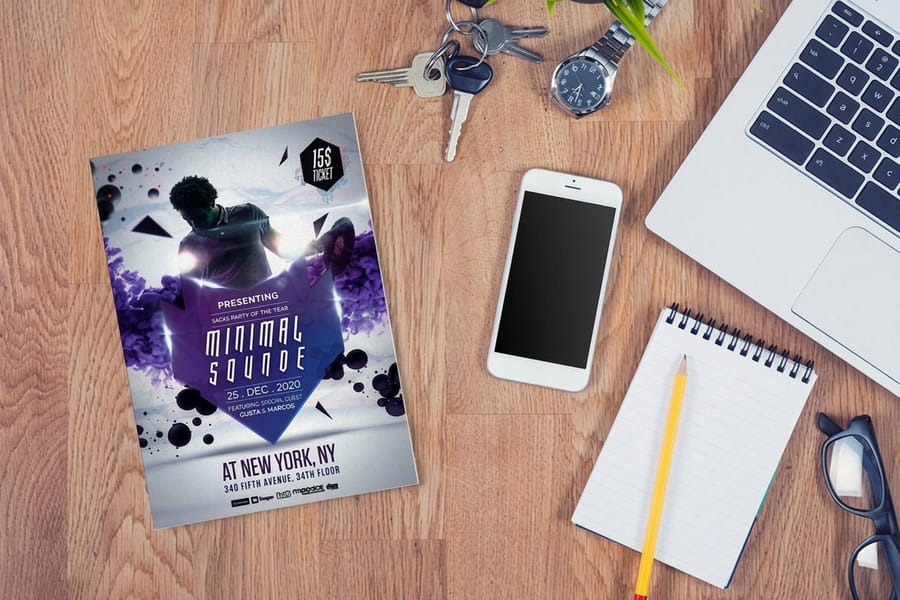
Start from the table. It maps the three carriers to the size, stock and finish that hold up in production, with the starting price at 4OVER4.COM so the budget question is answered at the same time.
| Insert | Typical size | Stock to order | Rides in | From |
|---|---|---|---|---|
| Buckslip | 3.5 × 8.5 in | 100lb gloss text, or 14pt if it is a coupon | #10 envelope, unfolded | $27.46 |
| Statement stuffer | 3.5 × 8 in and smaller | 100lb gloss text | #9 or #10 alongside a folded statement | $27.46 |
| Rack card | 4 × 9 in | 14pt or 16pt cardstock | Display racks, boxes, oversized envelopes | $42.84 |
| Flyer | 5.5 × 8.5 in and up | 100lb gloss text | Shipping boxes and catalog envelopes | $39.54 |
| Postcard | 4 × 6 in | 14pt or 16pt cardstock | Boxes, and mailable on its own later | $16.48 |
On stock, the honest rule is that thickness buys perceived value and costs postage. Text weight around 100lb is right for anything mailed in volume. Cardstock at 14pt or 16pt is right when the insert is meant to survive a wallet, a fridge door, or a return trip to the store. The 16pt option is noticeably more rigid than 14pt on anything longer than about 8 inches, which matters on a buckslip that will be pulled out of an envelope repeatedly.
On finish, gloss lifts photography and color, matte reads better under a room light and takes a pen more honestly than gloss does. High gloss UV looks expensive and is the wrong call for any insert carrying a write-in field. If you are weighing stocks generally, 100lb text against 10pt card stock covers the boundary case, and flyer paper weights covers the heavier end. Set the file up from a correctly sized layout in the blank template library and the bleed problem takes care of itself.
Design Rules That Make an Insert Work
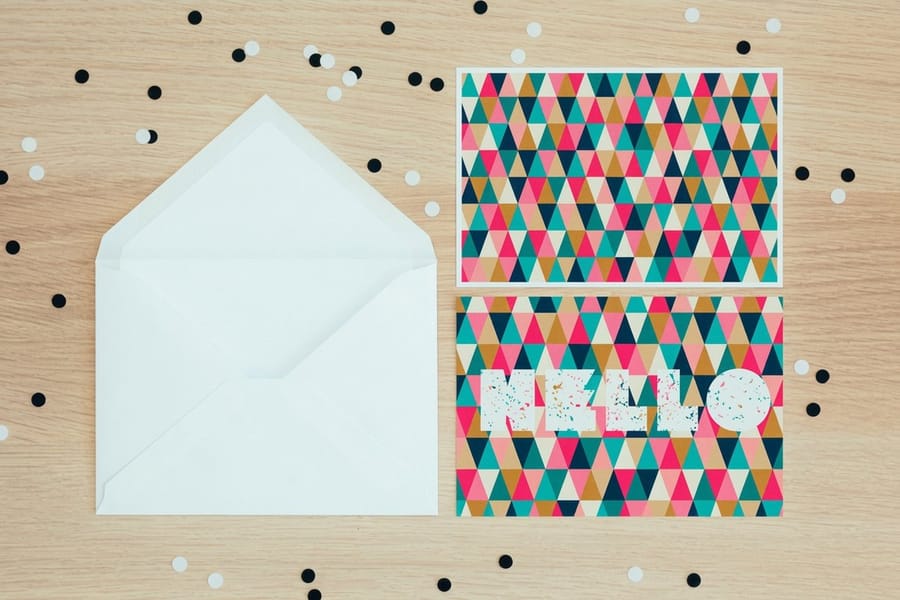
An insert is read while something else is happening. The box is half unpacked, the bill is in the other hand. Design for that, and most of the usual layout advice inverts.
One offer only. Two offers on the same slip do not double the response, they split the decision and lose both. If you have a second offer, print a second insert or put it on the reverse under its own heading.
Lead with the code, not the brand. The customer already has your box in their hands, so the logo is not new information. The discount code, the referral link, or the review URL is the only thing on the slip that has a job to do, and it should be the largest element.
Give the action a deadline. An open ended offer gets put in a drawer. A date, even a generous one, is the difference between a slip that is acted on and a slip that is filed.
Make the reverse earn its place. Printing the back costs a fraction of a second insert. Put the terms, the expiry, and the how it works steps there so the front stays clean.
Set the type larger than feels necessary. A buckslip is read at arm's length in poor light. Body copy below 9 point on a slip that small will be skipped, and skipped copy is wasted print. Keep it to about forty words and set it at 10 point.
If the insert is part of a wider mailing, the offer should match the letter rather than compete with it. Our postcard layout guide covers the same hierarchy question for the mailed piece itself.
Inserts Against Stuffers, and Where to Order Either
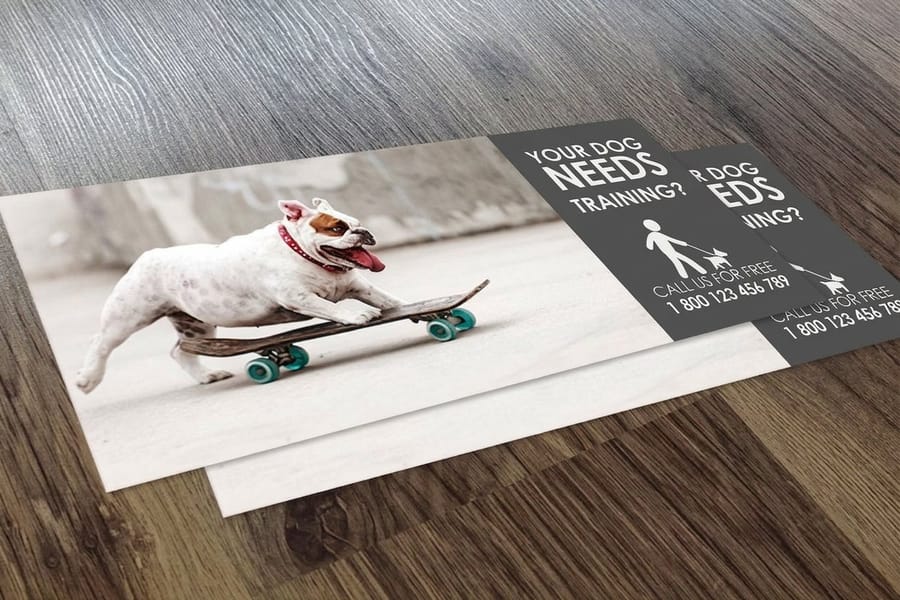
People use the two words interchangeably and then get quoted for different products, so it is worth being precise. Insert is the category: any loose printed piece that ships inside something else. Statement stuffer is one member of that category, the slip sized to accompany a bill or an account statement. A buckslip is another member, sized to a dollar bill for a #10 envelope. A package insert is a third, with no envelope constraint at all.
Ordering is the same in every case: pick the product that matches the size you need, set the quantity to the mailing, and upload artwork with an eighth inch bleed. Standard buckslips and statement stuffers both start at $27.46, standard flyers at $39.54 for the larger box insert, and standard postcards at $16.48 when you want a package insert that could also be mailed on its own later.
The category pages carry every size and stock option side by side: buckslip printing, statement stuffer printing, and flyer printing. If the insert is part of a mail drop rather than a box, price the whole piece before you commit, because direct mail cost per piece is where an extra slip quietly changes the economics of the campaign.
Wally explains print inserts
Measure the envelope first, then cut the paper
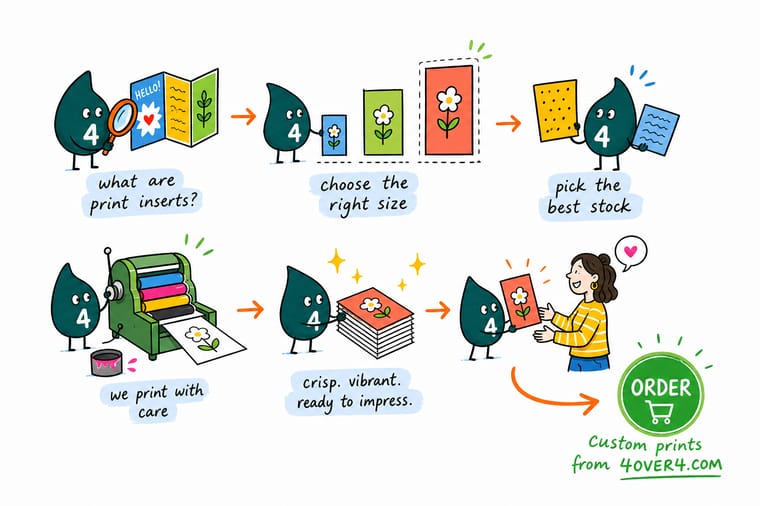
Wally never designs an insert before he knows what it rides in. He opens the #10, measures 9.5 by 4.125 inches, then cuts the slip to 8.5 by 3.5 so half an inch stays clear at each end and the inserting machine never chokes. For a shipping box he throws that rule away, because a box has no throat, and he sizes the card to lie flat on the goods instead. Then he weighs the whole finished mail piece, because one extra sheet across fifty thousand envelopes can cost more in postage than the printing did.
Order buckslip inserts →Specs and pricing
Insert sizes, stocks, and starting prices
Buckslips and statement stuffers both start at 25 for $27.46, while rack cards run 50 for $42.84, so the carrier decides the format before the price does.


Print it
Order the insert that fits your carrier


Explore more
Where to go next


By the numbers
Buckslips, statement stuffers and rack cards
Common Questions
Your print insert questions, answered
What is a print insert?
A print insert is a loose printed piece that ships inside something else rather than on its own. The three common homes are a shipping box, a mailed envelope, and a printed statement or catalog. Because it is loose, it has no binding, no address block and no postage of its own, and its dimensions are set by whatever carries it. Buckslips, statement stuffers, rack cards, flyers and small folded sheets are all inserts when they are used this way.
What size should a package insert be?
For an envelope, subtract at least a quarter inch from the envelope on both dimensions, and half an inch if the mailing house runs it through an inserting machine. A #10 envelope measures 9.5 by 4.125 inches, so a 3.5 by 8.5 inch buckslip is the safe standard. For a shipping box there is no envelope to fit, so match the carton footprint instead and pick a size that lies flat on the goods, commonly 4 by 6 inches or 5 by 7 inches.
What paper should I use for inserts?
100lb gloss text is the default for mailer and statement inserts. It is stiff enough to feed, thin enough to keep postage down, and takes a fold without cracking. Choose 14pt or 16pt cardstock when the insert is a coupon, a loyalty card, or anything a customer is meant to keep and hand back. Uncoated stock is the pick when the insert asks for a handwritten review code or a signature, because a gloss coating repels ballpoint ink.
What is the difference between a buckslip and a statement stuffer?
Mostly the envelope they were designed for and the job they do. A buckslip is roughly the size of a dollar bill, 3.5 by 8.5 inches, and it is the standard promotional slip in a #10 business envelope. A statement stuffer is sized to ride alongside an invoice or account statement, often a little shorter so it clears the folded statement already in the envelope. Both print the same way. Statement Stuffers and Standard Buckslips both start at $27.46 at 4OVER4.COM.
Do inserts increase postage cost?
They can, and it is the mistake that hurts most on a large run. First class mail prices in weight brackets, so a single extra sheet in fifty thousand envelopes can push the whole mailing into the next bracket and cost more than the printing did. Weigh a complete finished mail piece, envelope and all contents together, before you commit to the print run. If the stack is close to a limit, drop to a lighter text stock or reduce the insert size rather than the quantity.
Should a package insert be printed on both sides?
Yes, in almost every case, because double sided printing costs a fraction of the second insert it saves. Put the offer and the code on the front where it is seen when the box is opened, and put the how it works detail, the expiry date and the terms on the back. The one exception is a slip that will be pinned to a board or a fridge, where the reverse is never seen and a heavier single sided card reads better.
Get Started
Buckslips and statement stuffers run 25 for $27.46
Pick the size that clears your envelope, choose 100lb gloss text or 14pt cardstock, and we print slips that feed cleanly and land flat in the box.
Legal Disclaimer
Gold Standard guarantees apply to all standard orders placed through 4over4.com. Price match requires verifiable proof of a competitor's published price for an equivalent product with matching specifications and turnaround time. Satisfaction guarantee covers manufacturing defects and print quality issues. Contact support with order number and documentation. On-time delivery rate based on tracked orders 1999 to 2026. Individual results may vary based on shipping carrier performance.
