
Wholesale Printing: How Bulk Orders Cut Your Cost Per Piece


Quantity tiers, gang run presses, stocks and finishes, artwork prep, and turnaround, explained by a printer that runs the presses in house. Everything you need to buy bulk printing with confidence and stop overpaying on small repeat orders.
Wholesale printing is commercial printing bought at volume pricing. The fixed costs of a job, prepress, plates, makeready, and press setup, are paid once and then divided across the whole run, so the unit price drops sharply as quantity rises. Gang run imposition lets many jobs share one press sheet, which is what makes the low tier possible. You choose the same stocks, sizes, and finishes a retail buyer gets, and pay far less per piece for them.
Start here
Wholesale printing in one paragraph
Wholesale printing is the practice of buying commercial print at quantity tiers instead of retail one off pricing. Every print job carries fixed setup cost before the first sellable sheet exists. Buying in volume spreads that cost across thousands of pieces, and gang run imposition spreads the press sheet itself across multiple jobs. The result is a unit price that can fall by more than half between one tier and the next, on identical stock, identical size, and identical finish.
Why wholesale printing decides your real cost per piece
Two businesses order the same 16pt card, the same gloss finish, the same trim. One pays four times more per piece. Nothing about the printing changed. The only difference is the quantity tier they bought on, and whether their files cleared prepress on the first pass. That gap is what wholesale printing is really about.
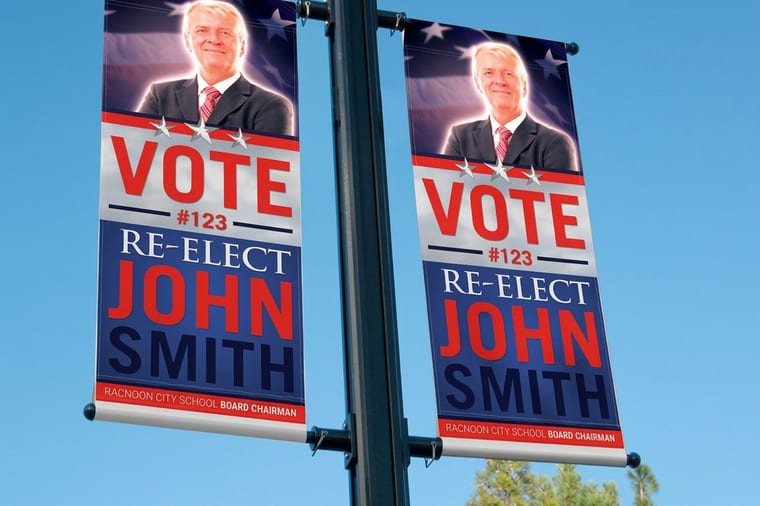
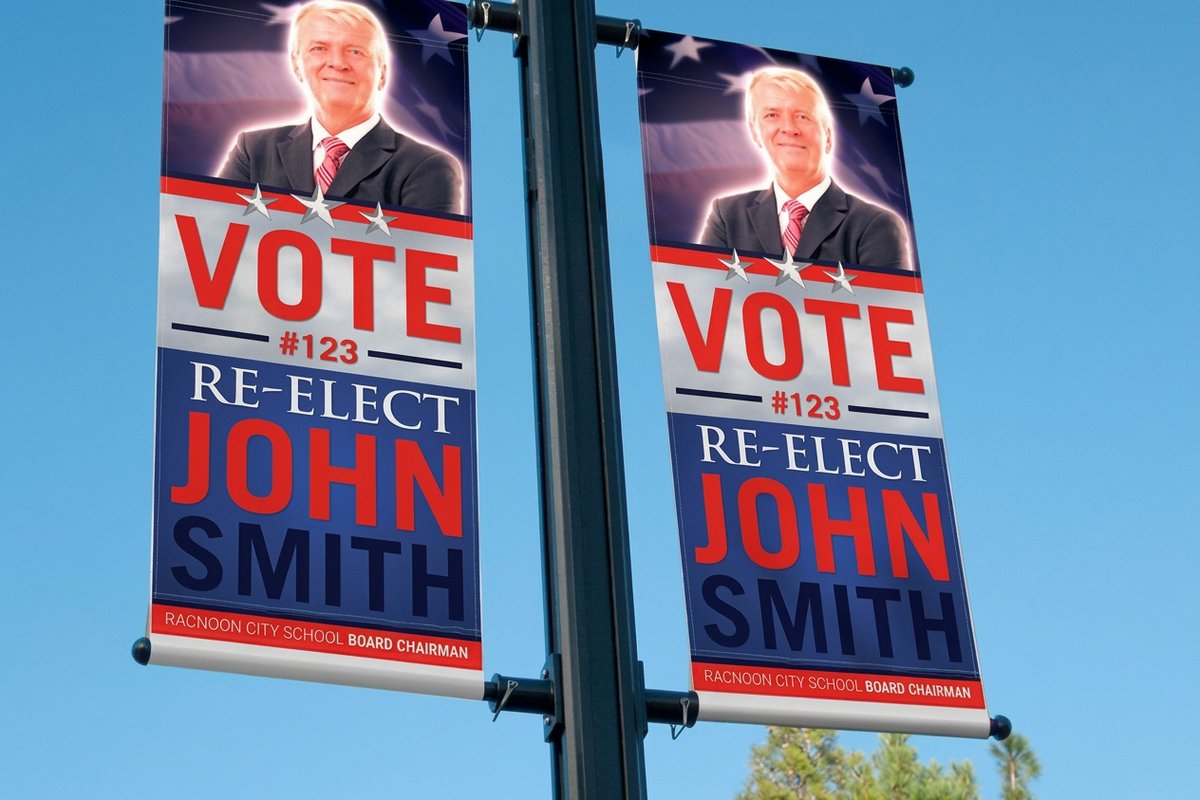
Print carries a large fixed cost before the first good sheet comes off the press. Prepress, imposition, plates or RIP setup, makeready sheets, and color approval all get paid once. Spread that over 250 pieces and it dominates the invoice. Spread it over 10,000 and it nearly disappears. A 2 Sided Blockout Banner at $108.75 and a bulk box of 30mil Clear Plastic Cards at $529.26 look like very different purchases until you divide by the count.
This guide walks the whole model: what wholesale printing is, how the pricing is actually built, how to pick a supplier, what stocks and finishes are on the table, how to prepare files that do not stall the run, and how to time an order so it lands before the campaign does. The infographic further down compresses it into one frame you can keep on hand.
What is wholesale printing?

Wholesale printing is commercial printing sold at volume pricing. You are not buying a different product from the retail buyer down the street. You are buying at a tier where the printer can commit press time efficiently, and the savings from that efficiency are passed into the unit price. The presses, the inks, the coatings, and the finishing equipment are identical.
The buyers are usually resellers, marketing agencies, franchise operators, event companies, and in house marketing teams supplying multiple locations. What they share is a forecast. They know they need 5,000 cards this quarter rather than 200 this week, and that forecast is exactly what unlocks the lower tier.
Wholesale also covers a wider catalog than most people expect. It is not only paper. Plastic cards, promotional hardware such as a 3 in 1 Foldable Wireless Charger at $15.00, large format vinyl, and finishing add ons like custom printed ribbon all follow the same quantity logic. If you want the process side of this, the breakdown of different types of printing explains which press each product lands on.
How wholesale print pricing is actually built
A wholesale quote is assembled from six inputs, and they do not carry equal weight. Quantity is first and moves the number more than everything else combined. Then stock, then size, then how many sides carry color, then finish, then turnaround. Change the quantity and the whole curve shifts. Change the coating and you nudge it.
The mechanism underneath is the gang run. Instead of dedicating a press sheet to your job alone, the printer imposes many jobs onto one large sheet, runs it, then cuts the sheet apart. Setup is shared, waste drops, and the per piece cost falls for everyone on that sheet. You still choose your own stock, size, and finish, because jobs are ganged by matching specification, not by mixing them.
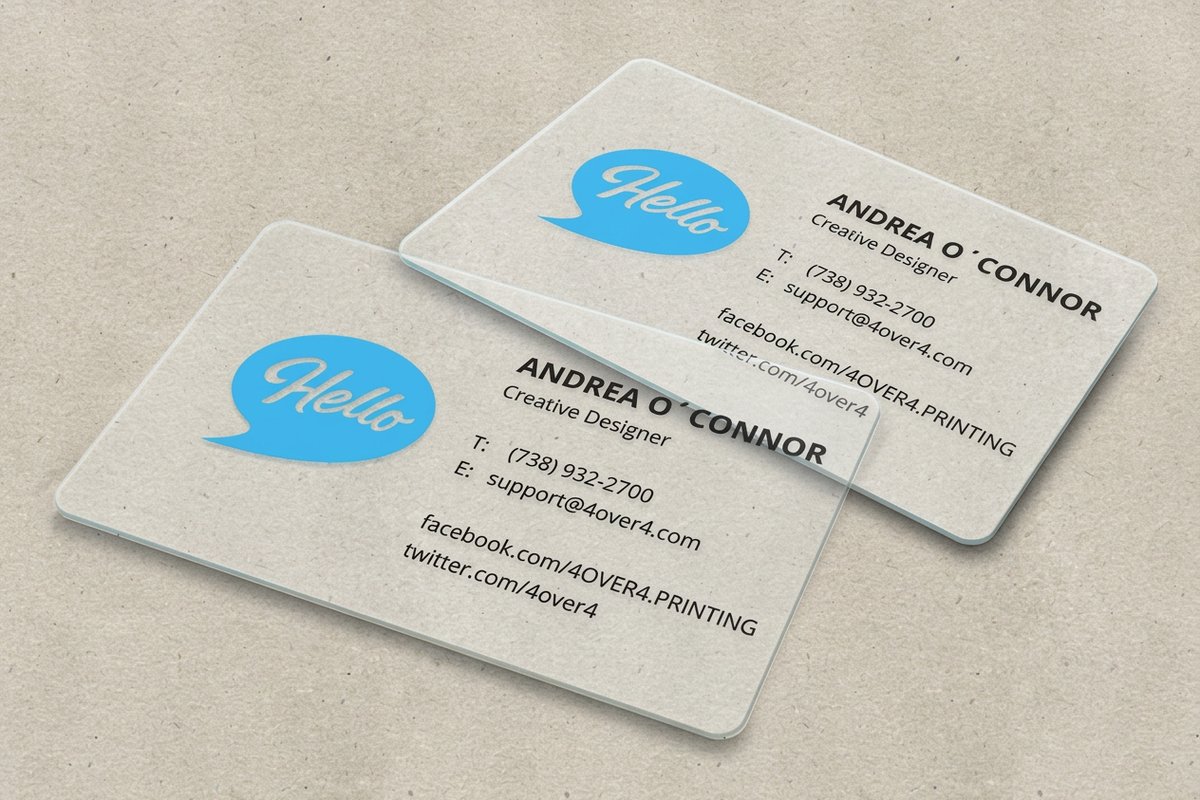
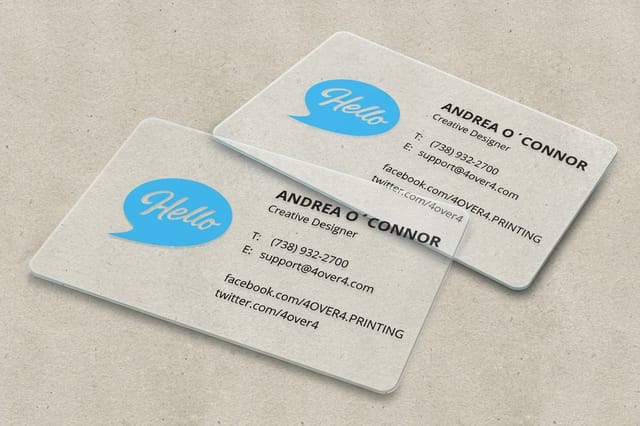
Two things run against the curve. Rush turnaround raises the unit price because it forces a job out of the efficient queue. Specialty substrates carry a material floor that quantity cannot erase, which is why 30mil Clear Plastic Cards start at $529.26 rather than at a paper price. Before you compare quotes, read the paper thickness and weight guide so you know you are comparing the same stock.
How to choose the right wholesale printing partner
Most disappointment in bulk printing traces back to supplier selection rather than to the print itself. Four checks separate a real production partner from a broker with a website.
- Published tiers. If quantity pricing is only available by emailing a rep, every reorder costs you a day. Live pricing you can configure yourself is a production capability, not a marketing feature.
- In house production. Ask who owns the press. A broker adds a handoff, a markup, and a person who cannot answer a technical question about your file.
- Stated turnaround with a cutoff. Business days plus a daily cutoff time is a commitment. The phrase fast turnaround with no number attached is not.
- Human prepress. An automated checker tells you a file failed. A prepress operator tells you the black text was built in four color and offers to fix it before 10,000 pieces print soft.
Then test cheaply. Buy one small run of the exact product you plan to scale, on the exact stock, and look at it in daylight. Agencies serving trades often start with signage because the tolerance is visible from ten feet away, and the banners vs signs guide covers which product suits which install. The construction company marketing guide shows the same logic applied across a full campaign.
Sizes, stocks, and finishes available on wholesale runs

Volume pricing does not mean a stripped catalog. Paper products run from 70lb and 100lb text through 12pt, 14pt, 16pt, and 18pt cover. Coatings include uncoated, gloss, matte, silk, soft touch lamination, spot UV, and foil accents. Specialty substrates cover 30mil clear and frosted plastic, metallic stocks, and synthetic papers that survive water and handling.
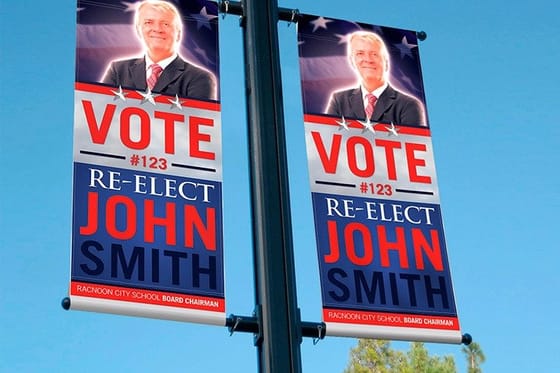
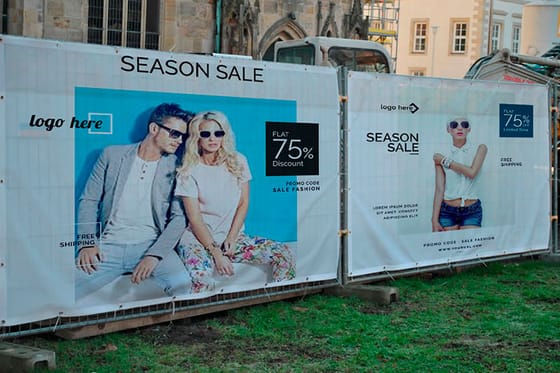
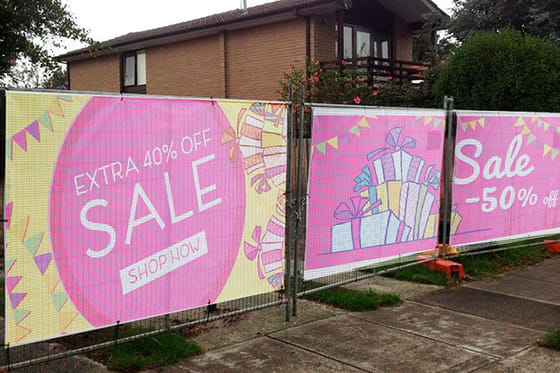
Large format is its own family. Blockout banner material carries an opaque center layer so a two sided print does not ghost through, which is why a double sided banner is a different product from a single sided 13oz vinyl. Mesh handles wind loading on fences, and rigid boards handle freestanding signage. Sizes go from a 2 inch by 3.5 inch card to banners measured in feet, with custom trims available on most lines.
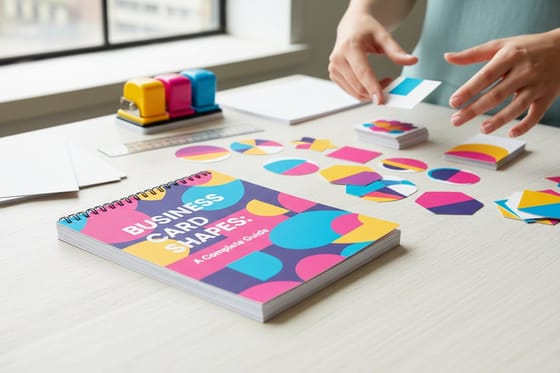
Choose the finish for the job the piece has to do, not for how it looks on screen. Soft touch reads premium in the hand and hides fingerprints on dark coverage. Uncoated is the only sane choice if anyone has to write on the piece. Shape matters as much as coating, and the business card shapes guide is worth reading before you lock a die. For substrate depth, the print materials and paper library goes deeper than any single spec sheet.
Preparing artwork so a bulk run does not stall

On a run of 200, a file problem costs you an afternoon. On a run of 20,000, it costs you the delivery date and sometimes the whole print. Prepress is where wholesale orders lose time, and almost every cause is preventable.
Build to the printer bleed spec, usually an eighth of an inch past trim on every edge, and keep anything you care about at least an eighth of an inch inside the trim line. Supply raster images at 300 dpi at final size, not a 72 dpi web asset scaled up. Convert to CMYK before you export, because a conversion done at the press will shift your brand color and you will not see it until the boxes arrive. Build rich black for large solid areas, keep small text in single channel black, and flatten transparency on legacy formats.
Large format is the exception on resolution. A banner viewed from fifteen feet is fine at 100 to 150 dpi at final size, and insisting on 300 dpi just gives you a file nobody can open. Whatever the product, order a physical sample or a hard proof before a five figure run. Screens lie about color, and paper does not.
How long wholesale printing takes to print and ship

Two clocks run on every order and mixing them up is the most common planning error in bulk print. Production time is counted in business days and starts only after your files clear prepress. Transit time is separate, starts when the cartons leave the plant, and depends on the ship method you selected.
As a planning baseline, flat paper products run about 2 to 4 business days in production, banners and rigid signage about 2 to 5, and specialty plastics about 5 to 7 because of the lamination and curing steps. Add finishing operations such as die cutting, foil, or scoring and each one adds a pass through a separate machine.
Work backwards from the date the pieces must be in someone's hands, not from the date you want to place the order. Take the event date, subtract transit, subtract production, subtract two business days for proofing and any file correction, and that is your true deadline for approved artwork. Ecommerce teams running seasonal campaigns should read the ecommerce branding guide, since packaging inserts and cards usually need to land before inventory does.
How to place a wholesale print order step by step

Run the same sequence every time and bulk ordering becomes routine instead of stressful.
- Step 1. Fix the specification. Product, size, stock weight, sides printed, coating, and any finishing. Write it down before you price anything so every quote is comparable.
- Step 2. Price three quantity tiers. Configure your realistic number, then the tier above and below it. Compare unit price, not order total, and you will usually find a break worth stepping up to.
- Step 3. Prepare and preflight the files. Correct bleed, safe margin, 300 dpi at size for print, CMYK output, fonts outlined or embedded.
- Step 4. Proof before you commit. Approve a digital proof for layout, and a physical sample for color and stock feel on anything above a few thousand pieces.
- Step 5. Choose turnaround honestly. Standard production is the cheapest lever you control. Rush exists for emergencies, not for poor planning.
- Step 6. Plan the delivery. Decide single address or split shipping to each location, and confirm someone can receive pallets or multiple cartons.
Configure a live order any time on the 2 Sided Blockout Banners page and the quantity tiers update as you change the specification.
How to lower what a wholesale print run costs you
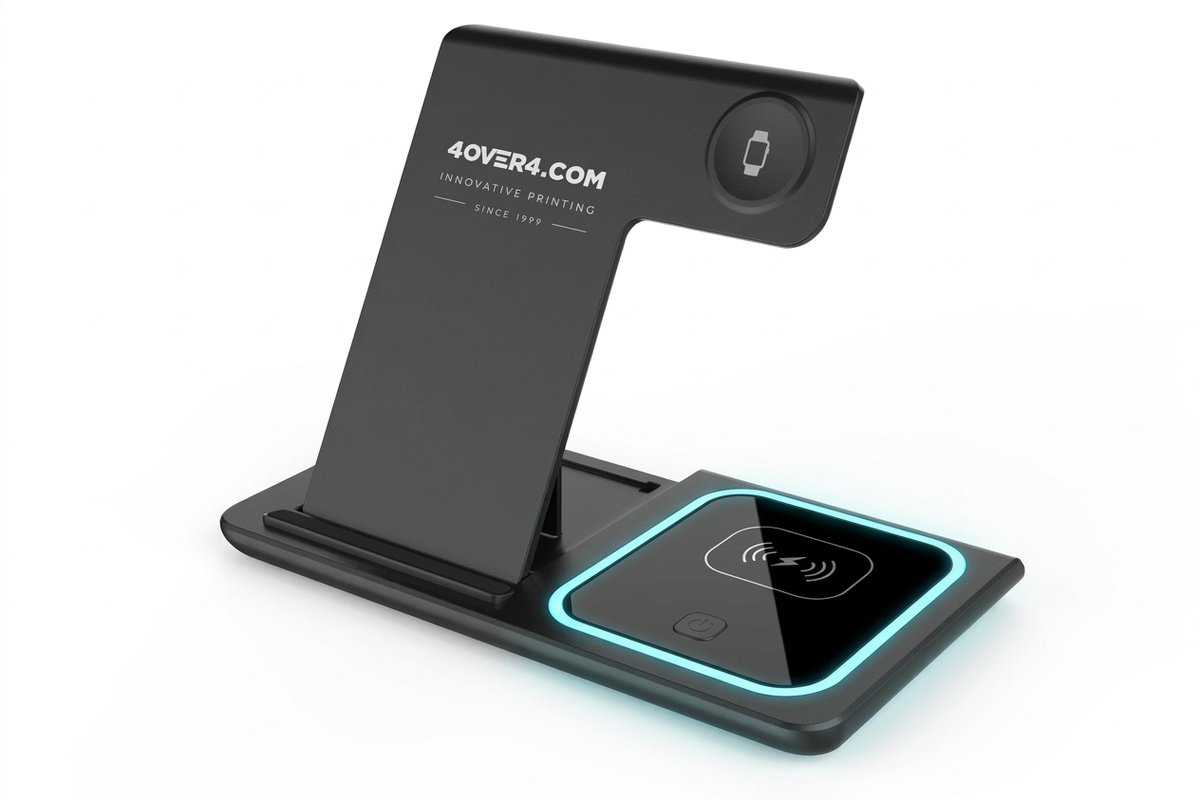
Once you understand where the money sits, four levers do almost all the work. Buy the next tier up when the unit price break is larger than your risk of obsolescence, which is true for evergreen pieces and false for anything carrying a date. Consolidate a whole campaign into one order so banners, cards, and branded items such as a 3 in 1 Foldable Wireless Charger at $15.00 share one freight event instead of three.
Standardize your specifications across products. A shop that prints on two stocks rather than nine gets faster quotes, more predictable color, and a reorder that takes one click. And design within the standard sizes unless a custom die genuinely earns its keep, because custom trims add a finishing pass to every single piece in the run.
The one thing never worth cutting is the proof. A rejected run of 10,000 pieces costs far more than the sample that would have caught it. Get the specification right, prove it once, then let the quantity tier do the saving.
Wally explains wholesale printing
The press does not get cheaper, the setup just gets shared
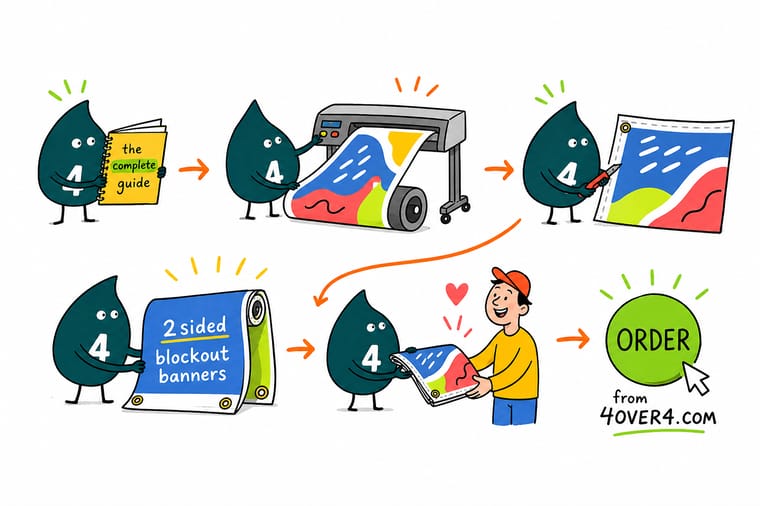
Wally likes to point at the makeready pile. Those first sheets are paid for whether you order 250 pieces or 25,000, and so are the plates, the prepress check, and the wash-up. Buy small and you carry that cost alone. Buy at a tier, or share a gang run sheet with other jobs, and it splits many ways. Same ink, same stock, same press. A much smaller number on your invoice.
Configure a bulk order →Infographic
The 7 levers of wholesale print pricing at a glance
One frame, seven levers. Save it, send it to whoever signs off on the print budget, and use it as the checklist before you approve a bulk run.
No lever works alone. Quantity sets the curve, stock and finish set the floor, and turnaround decides whether you stay on the efficient side of it. Get all three right on the same order and the savings compound.
Specs and pricing
Blockout banner specs and live wholesale pricing
Here is the model in practice. Change the quantity and watch the unit price move while the specification stays exactly the same. 2 Sided Blockout Banners start at $108.75.

| Quantity | Price Per Unit | Total |
|---|---|---|
| 1 | $108.75 | $108.75 |
| 2 | $108.74 | $217.47 |
| 3 | $108.74 | $326.22 |
| 4 | $97.76 | $391.02 |
| 5 | $97.76 | $488.78 |
| 6 | $97.76 | $586.53 |
| 7 | $89.28 | $624.98 |
| 8 | $86.77 | $694.18 |
Order it
Popular products to buy at wholesale volume

See it in use
Real bulk runs, printed in-house





Explore more
Where to go next

By the numbers
Volume printing you can count on at 4OVER4.COM
Common Questions
Common questions about wholesale printing
What is wholesale printing?
Wholesale printing is buying print at volume pricing instead of retail pricing. The printer quotes you against quantity tiers, so the fixed costs of a job, prepress, plates, makeready, and press wash-up, are divided across a much larger run. You get the same stocks, coatings, and presses a retail buyer gets, but the unit price falls sharply as the count rises. Resellers, agencies, franchises, and any business printing for multiple locations all buy this way.
How do I choose the right wholesale printing partner?
Judge four things. First, the published quantity tiers, because a printer who hides pricing behind a quote form is slow to work with. Second, in-house production, since brokers who farm work out add a handoff and a markup. Third, turnaround commitments in business days with a stated cutoff time. Fourth, file support, meaning a real prepress check rather than an automated pass or fail. Order a sample before you commit a large run.
What does wholesale printing cost and how are prices set?
Price is built from stock, size, color sides, finish, quantity, and turnaround. Quantity moves the number most. At 4OVER4.COM a 2 Sided Blockout Banner starts at $108.75, a 3 in 1 Foldable Wireless Charger starts at $15.00, and 30mil Clear Plastic Cards start at $529.26 for the bulk pack. Rush production is the one option that raises the unit price rather than lowering it.
What sizes, stocks, and finishes are available for wholesale printing?
Paper products run from lightweight 70lb text through 16pt and 18pt cover, with uncoated, gloss, matte, silk, soft touch, and spot UV finishes. Specialty substrates include 30mil clear plastic, frosted plastic, and metallic stocks. Large format covers 13oz scrim vinyl, blockout banner material, mesh, and rigid boards. Sizes range from a 2 inch by 3.5 inch card to banners measured in feet, plus custom trims on most lines.
How long does wholesale printing take to print and ship?
Production time is counted in business days after your files pass prepress, not from the moment you click order. Most flat printing runs 2 to 4 business days, banners and rigid signage 2 to 5, and specialty plastics 5 to 7. Transit is separate and depends on the ship method you pick at checkout. Files approved before the daily cutoff enter that same day production queue.
Is wholesale printing cheaper than printing in house?
For anything past a few hundred pieces, yes. An office device charges you for toner, drum wear, and staff time, and it cannot apply spot UV, soft touch lamination, or die cuts. A commercial press amortizes setup across the run and holds color across every sheet, so piece 4,000 matches piece 1. In house printing still wins for a dozen internal handouts you need in the next ten minutes.
Can I split a wholesale order across multiple addresses?
Yes. Split shipping is the reason multi location businesses buy in bulk. You print one run at the volume price, then have the printer break the cartons out to each store, franchise, or event address. You keep the unit economics of a large order without warehousing the boxes yourself, and every location gets identical color and stock because it all came off one press run.
Get Started
Ready to buy your print at volume?
Configure the specification, compare three quantity tiers side by side, and place one bulk order that covers the whole campaign instead of three small reorders.
Legal Disclaimer
Gold Standard guarantees apply to all standard orders placed through 4over4.com. Price match requires verifiable proof of a competitor's published price for an equivalent product with matching specifications and turnaround time. Satisfaction guarantee covers manufacturing defects and print quality issues. Contact support with order number and documentation. On-time delivery rate based on tracked orders 1999 to 2026. Individual results may vary based on shipping carrier performance.
