
Business Card Shapes, A Complete Guide


Emma is our prepress and print production voice, built from the knowledge of our production team, with over 20 years in printing.
Every business card shape we print, from the 3.5 by 2 inch rectangle to rounded corners, squares, slim cards, folded cards and die-cut outlines, with the size each one cuts to, what it is best for, and how to pick the shape that fits your brand.
The most common business card shapes are the standard 3.5 by 2 inch rectangle, rounded-corner cards, square cards, slim cards, folded (foldover) cards, and die-cut custom shapes like circles, ovals, and leaf edges. Squares cut to 2, 2.5 or 3 inches, slim cards to 1.5 or 1.75 by 3.5 inches, and circles to 2 or 2.5 inches. Choose a standard rectangle for universal fit, rounded corners for edges that survive a wallet, and a die-cut shape when you want the outline itself to carry your brand.
Quick tips
Quick tips for picking a business card shape
Start with the standard 3.5 by 2 inch rectangle if you want universal fit and the lowest cost. Add rounded corners for edges that resist wear. Reach for a square, slim or folded card when you want to break the pattern in a stack. Choose a die-cut or custom shape when the outline itself should carry your brand, then proof the die line in the Online Designer before you order.
Why the shape of your business card matters
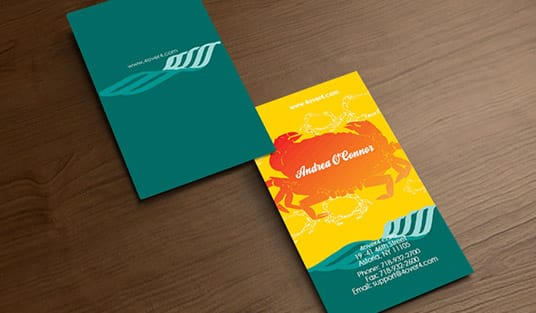
Most people order the 3.5 by 2 inch rectangle by default, and for a card that lives in a wallet it is still the right call. The same stocks also cut to a 2.5 inch square, a 1.75 by 3.5 inch slim card or a 2 inch circle, and each one changes what a person notices first. The shape of a business card is the very first thing a person notices, before the logo, the finish, or the words. A shape that breaks the pattern earns a second look, and a second look is how a card gets kept instead of tossed.
Shape also carries meaning. A soft rounded corner feels approachable. A crisp square reads modern and design-forward. A fully die-cut outline tells people you were willing to spend on the details. None of that is written on the card, yet all of it lands the moment it hits someone's hand.
This guide walks through every common business card shape, what each one is best for, and how to pick the right one for how your cards actually get used. When you are ready to lay one out, the free Online Designer shows the die line and bleed so your artwork lines up with the cut.
Every business card shape compared
Eight shapes, from the 3.5 by 2 inch rectangle to a full die-cut outline, sit in the table below. The trim column gives the cut size we print, the wallet fit column tells you whether the card still fits a card slot next week, and the last column links the product page.
| Shape | Trim | Wallet fit | Typical use | Order it |
|---|---|---|---|---|
| Rectangle | 3.5 x 2 in | Fits every wallet, cardholder and card slot | The everyday default, and the cheapest to cut because every line is straight | Standard business cards |
| Rounded corner | 3.5 x 2 in with a soft radius | Same as standard | The low-cost upgrade that stops corners bending and fraying in a wallet | Business cards printing |
| Square | 2 x 2, 2.5 x 2.5 or 3 x 3 in | Does not slide into a standard card slot as neatly | Breaking the pattern in a stack of rectangles, best handed over in person | Business cards printing |
| Slim | 1.5 x 3.5 or 1.75 x 3.5 in | Slips into tight wallets | A minimal layout where the card should feel light and modern | Slim business cards |
| Circle | 2 in or 2.5 in, cut to a round die | Keep it for hand-to-hand, not for card slots | Logos that are already round, event handouts, product tags | Circle business cards |
| Oval | 2 x 3.5 in, cut to an oval die | Keep it for hand-to-hand, not for card slots | A softer alternative to the circle that still holds a full line of text | Die-cut business cards |
| Foldover | Folds down to a card-sized piece | Thicker in a wallet, same slot | Doubling your print area for menus, price lists and appointment details | Foldover business cards |
| Full die-cut | Any outline, cut to your artwork | Depends on the outline you draw | Turning the shape into the logo, a leaf for a landscaper, a bottle for a bar | Die-cut business cards |
Straight-line shapes cost the least because a standard cut handles them. Circles, ovals and fully custom outlines need their own cutting die, which is why they carry a small premium, and the live price on each product page shows the real difference as you change quantity and stock. If your outline is not on this list it is still printable: custom shaped business cards are cut to whatever die line you supply.
Standard rectangle business cards
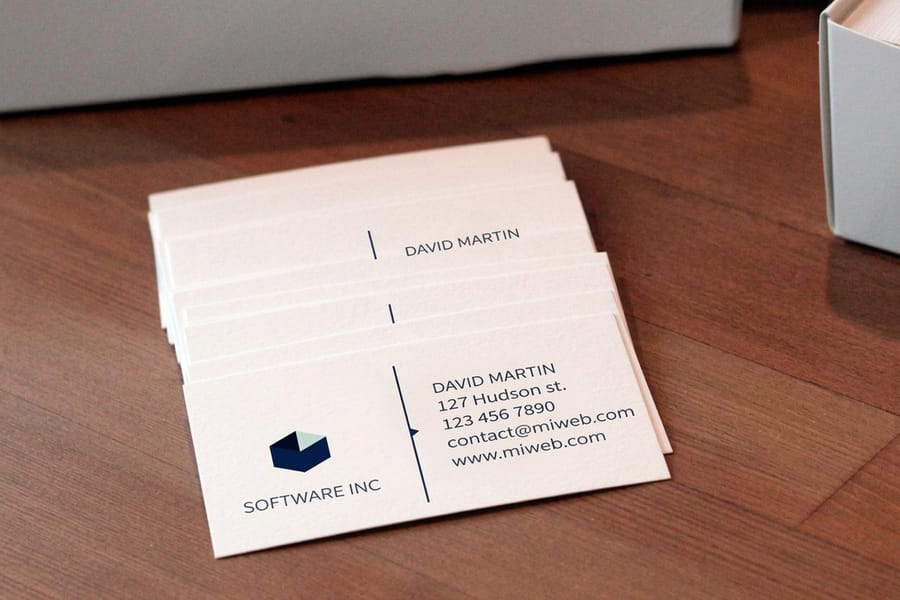
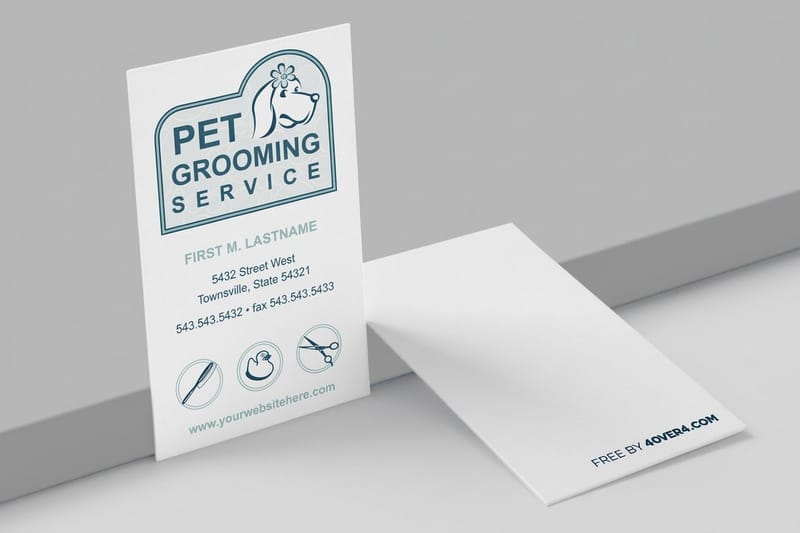
The standard business card is a rectangle measuring 3.5 inches wide by 2 inches tall in the United States. It is the shape almost everyone pictures, and it stays the most ordered format for good reasons. It fits every wallet, cardholder, and card slot, it is the cheapest to cut because the lines are straight, and it works with any layout you can imagine.
If you are printing your first run or you want cards that slide neatly into a Rolodex or a wallet, standard business cards are the safe, dependable choice. For exact measurements in inches and millimeters, our breakdown of business card size and dimensions covers every number you need before you set up the file.
The one thing a plain rectangle does not do is register. Every competitor at the same event is probably handing out the same shape. That is where the rest of this list comes in.
Rounded corner business cards
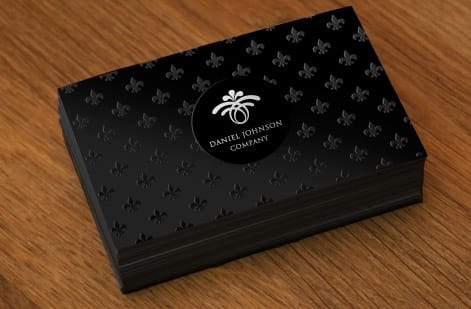
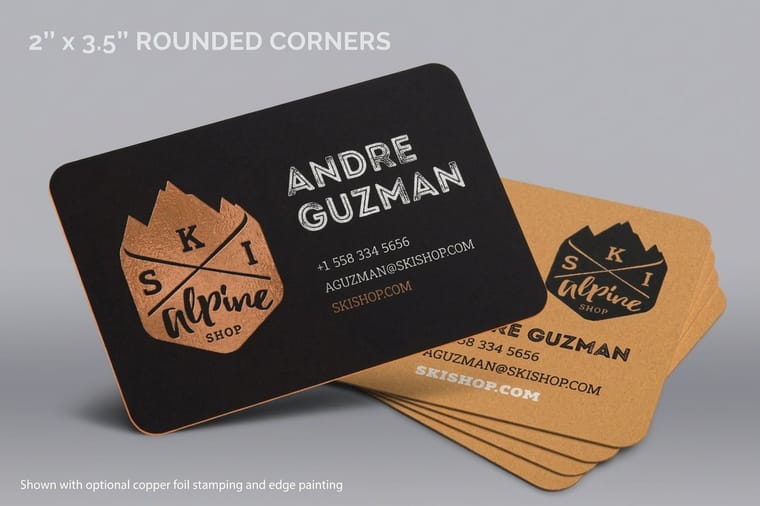
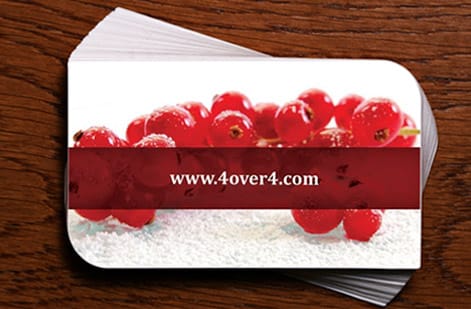
Rounded corners are the smallest change with the biggest payoff. You keep the familiar 3.5 by 2 inch footprint, but the four sharp points become soft curves. It costs very little extra, and it changes how the card feels in the hand right away.
There is a practical benefit too. Sharp corners are the first part of a card to bend, dog-ear, and fray in a wallet or a pocket. A rounded corner has no point to catch, so the card stays looking new far longer. That durability is why rounded corners read as premium even though the change is subtle.
If you want to break a stack of ordinary rectangles without giving up the standard fit, rounded corners are the easiest upgrade you can make. You will find the option on most stocks in the business cards printing range.
Square business cards
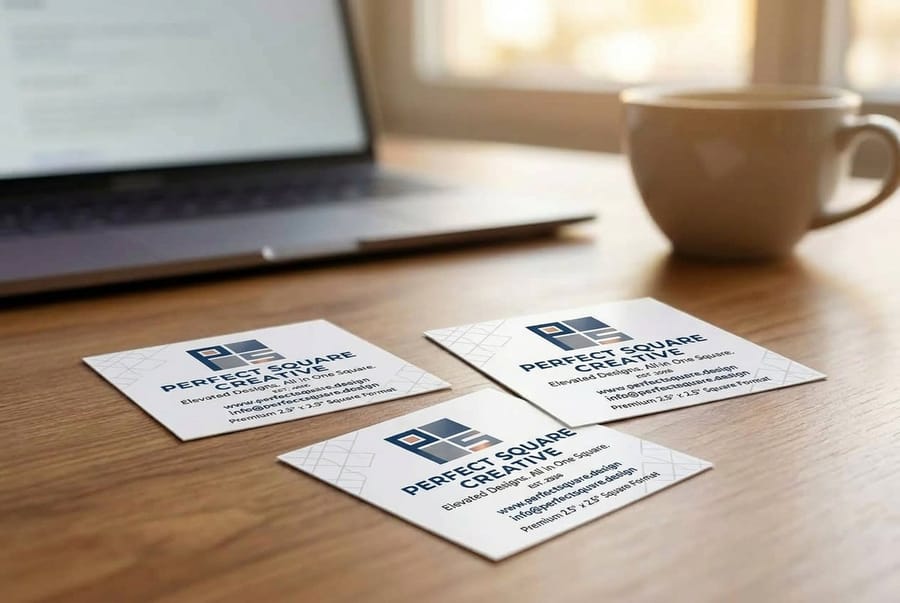
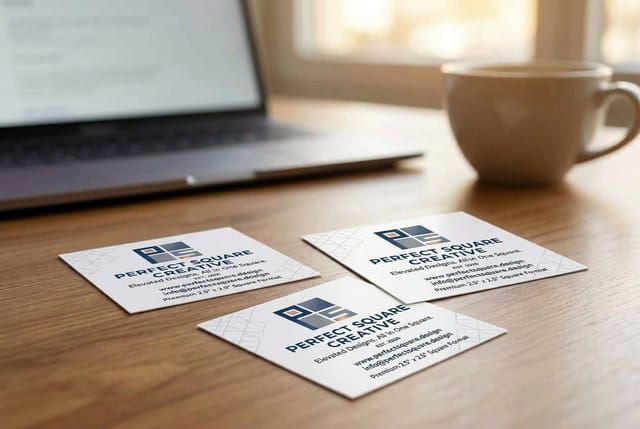
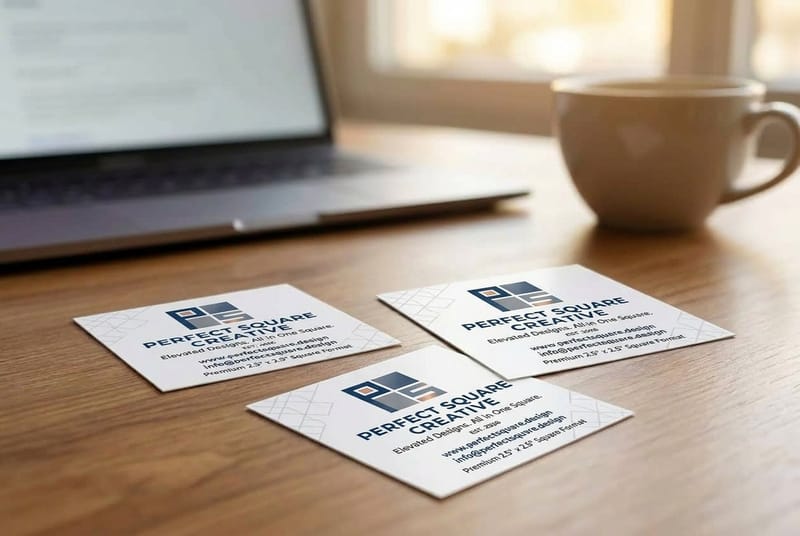
A square card comes in three trims, a 2 inch mini, a 2.5 inch square and a 3 inch jumbo, and 100 of them start at $17.57 on 14pt gloss cover. In a stack of 3.5 by 2 inch rectangles, a square lands differently and gets remembered. It suits modern brands, designers, boutiques, and anyone whose logo already works in a tidy square lockup.
The trade-off is fit. A square does not slide into a standard business card slot as neatly as a rectangle, so it works best for cards you hand over in person rather than ones left in a holder. If you love the look but want it to fit a wallet, rounded corners on a standard rectangle are a gentler middle ground. For cards that sit on a counter instead of a wallet, our guide to a DIY business card holder shows how to build one. We weigh both sides in are square business cards a good idea.
When you are ready, square business cards print on the same premium stocks and finishes as the rest of the range, so you never trade quality for the shape.
Slim business cards
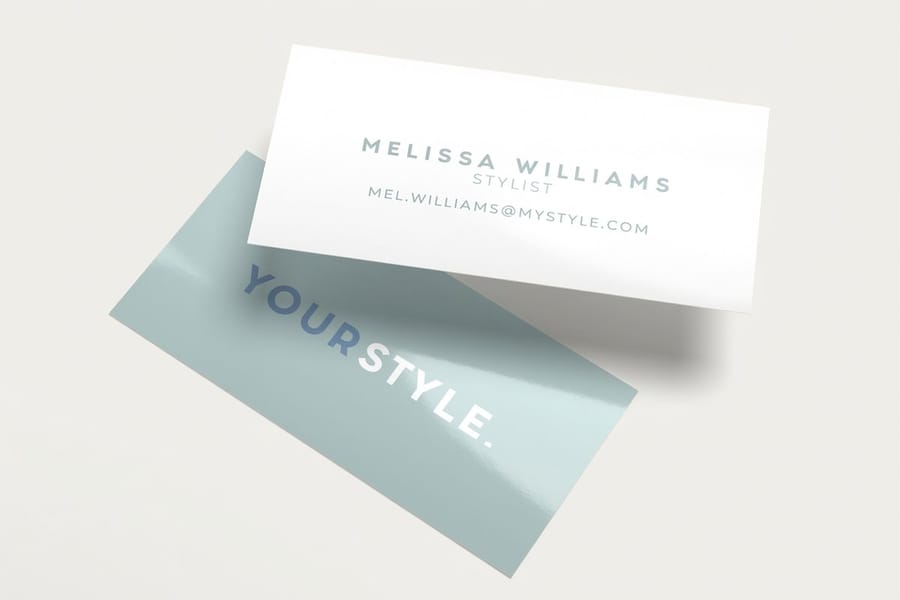
Slim cards keep the standard 3.5 inch width but trim the height, giving you a longer, leaner card. The narrow profile feels sleek and deliberate, and it slips easily into tight wallets and cardholders where a taller card would not fit.
Slim works well when your information is short and you want a clean, minimal look. It is a favorite for personal brands, consultants, and modern service businesses. Because the print area is smaller, keep the layout focused: name, one line of role, and the single best way to reach you.
Explore the format on the slim business cards page, where you can preview stocks and see how a tighter layout reads before you order.
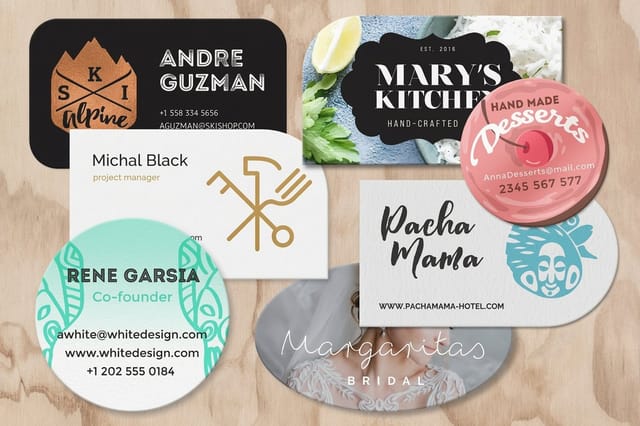
Circle and oval business cards
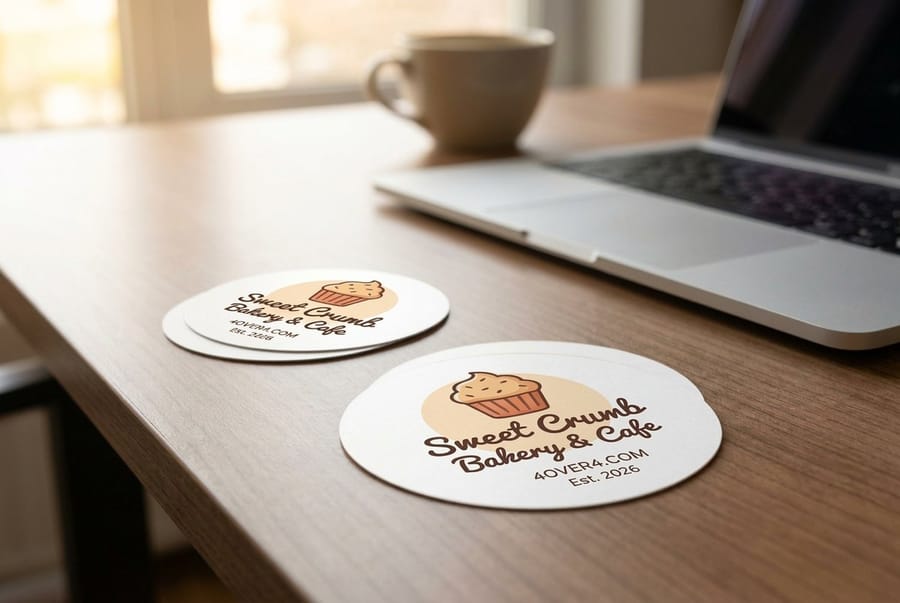
Round shapes take the leap fully away from corners. A circle feels playful and complete, while an oval softens that into something a little more elegant. Both are cut with a custom die, so the outline itself becomes part of the design.
These shapes shine for cafes, wellness brands, event tokens, and logos that are already circular. Because a round card reads as a badge or a coin rather than a card, people tend to hang on to it. Center your key elements and give the artwork a little breathing room from the edge so nothing important sits in the cut.
See both formats on the circle business cards and oval business cards pages, and check the cut lines in the Online Designer before you send the file.
Folded (foldover) business cards
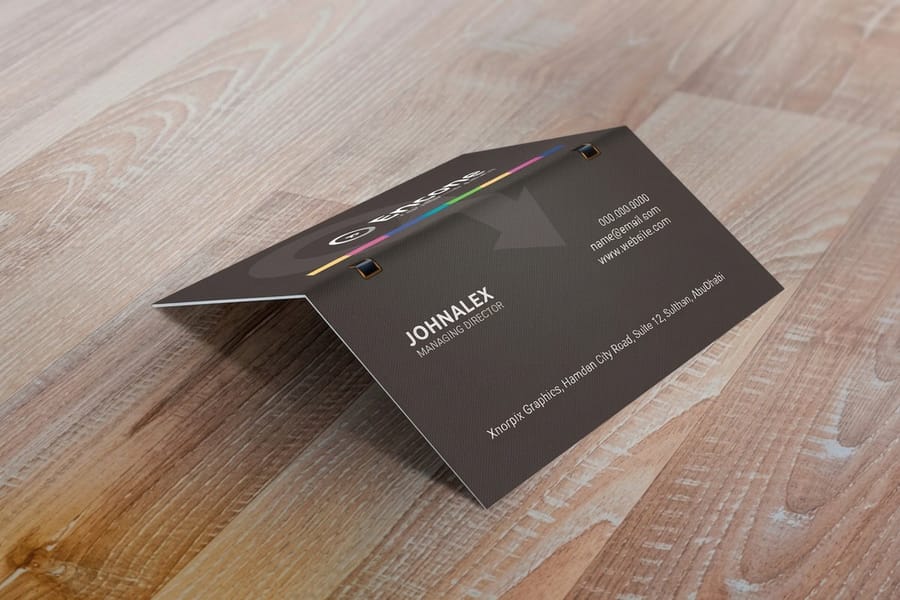
A folded, or foldover, business card is printed on a larger sheet and folded in half, giving you four printable panels instead of two. That doubles your usable space without making the closed card any bigger than a standard rectangle.
The extra room is perfect when a single card cannot hold everything: a menu on the inside, an appointment schedule, a loyalty punch card, or a short list of services. The fold also creates a small moment of discovery when someone opens it, which makes the card feel more substantial. If folding is new to you, the same setup rules apply as in our how to fold a brochure guide.
Browse the format on the foldover business cards page to see panel sizes and stock options.
Die-cut and custom shaped business cards
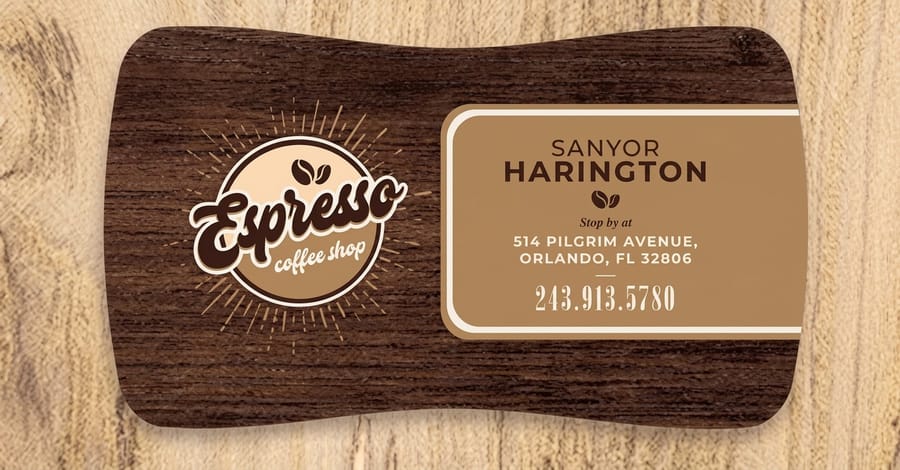
This is where shape stops being a choice from a list and starts being part of your logo. Die-cutting uses a custom cutting die to trim the card to almost any outline you can draw: a leaf for a landscaper, a bottle for a bar, a house for a realtor, or your logo silhouette itself.
Start with die-cut business cards for popular preset shapes, or go fully custom with custom shaped business cards and die-cut any shape business cards when you want an outline no template covers. A die-cut card is the one most likely to get pinned to a board or shown to a friend, because it stops being a card and becomes an object.
The only thing to plan for is the cut path. Keep text and logos a safe distance from the die line, and use the Online Designer to confirm exactly where the blade lands before you commit.
How to choose the right business card shape
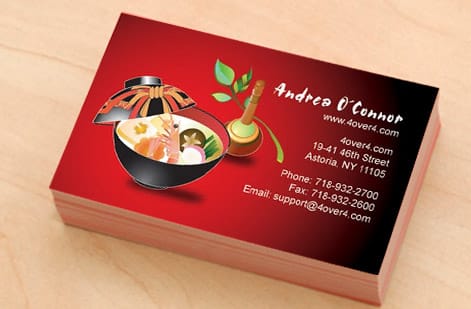
With so many options, the choice gets simple when you work through it in order. Start with how the card gets handled, then match the shape to your brand, then confirm the numbers.
- Think about storage first. If cards live in wallets and holders, stay close to the standard rectangle or a slim card so they fit.
- Decide how memorable it needs to be. For events and in-person handoffs, a square, folded, or die-cut card earns the second look that a plain rectangle rarely gets.
- Match the shape to your brand. Let the outline echo what you do, a leaf, a circle, a bottle, so the shape does part of the storytelling.
- Weigh the cost. Straight-cut rectangles and rounded corners are the most affordable. Circles, ovals, and custom die-cuts add a little for the custom die, and the live price on each product page shows the real number as you change quantity and options.
- Proof the cut. Confirm the die line and bleed in the Online Designer so nothing important sits where the blade lands.
When you have your shape, pick the stock and finish, then order straight from the matching product page. Not sure how thick to go? Our guide to business card thickness pairs perfectly with your shape choice.
Wally explains card shapes
The outline is the first thing anyone notices
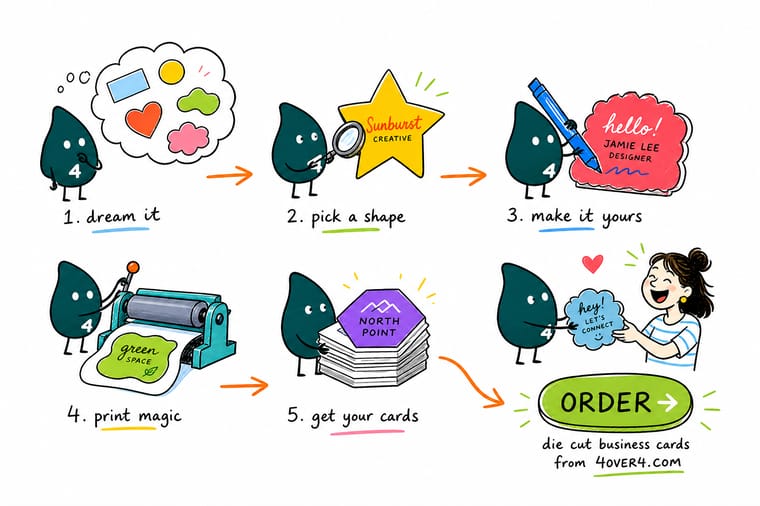
Wally treats the shape of a card like a handshake: a plain rectangle is a polite nod, a rounded corner is a warm hello, and a die-cut outline is the one people remember at the door. Start with the standard 3.5 by 2 inch rectangle if you want it to fit every wallet, add rounded corners for an easy upgrade, and go die-cut when you want the card itself to become part of your logo. Whatever you pick, 4OVER4 prints it on premium stock and cuts it clean.
Order die-cut business cards →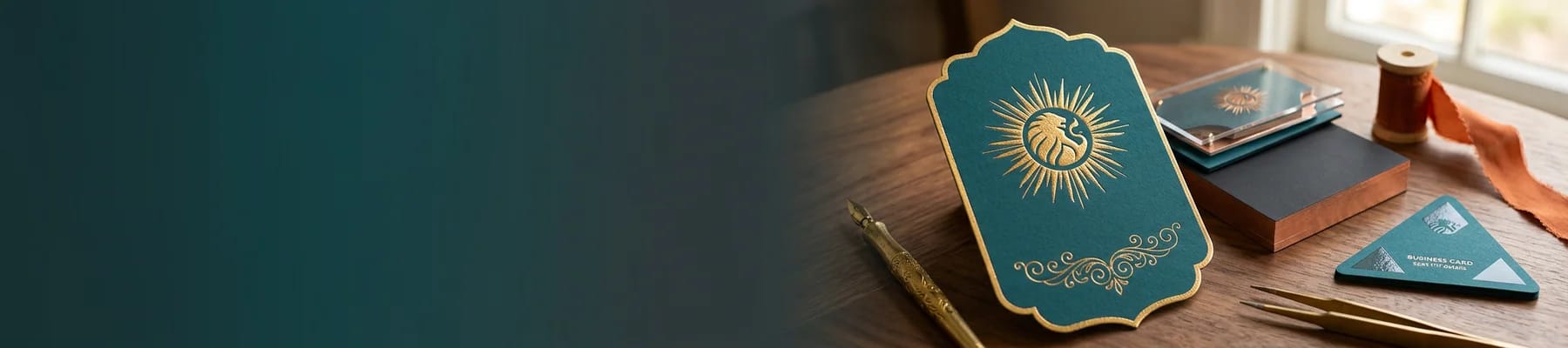
Specs and pricing
Die-cut business card specs and pricing
Die-cut cards run 100 for $26.37 and any-shape cards 50 for $95.56, with live specs and price-per-unit so you see the real number before checkout.
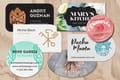
| Quantity | Price Per Unit | Total |
|---|---|---|
| 100 | 26.4¢ | $26.37 |
| 200 | 15.9¢ | $31.86 |
| 300 | 12.8¢ | $38.45 |
| 400 | 10.2¢ | $40.64 |
| 500 | 9.45¢ | $47.24 |
| 600 | 8.97¢ | $53.83 |
| 700 | 8.32¢ | $58.23 |
| 800 | 7.83¢ | $62.61 |
Print it
Order business cards in the shape you want

See it in use
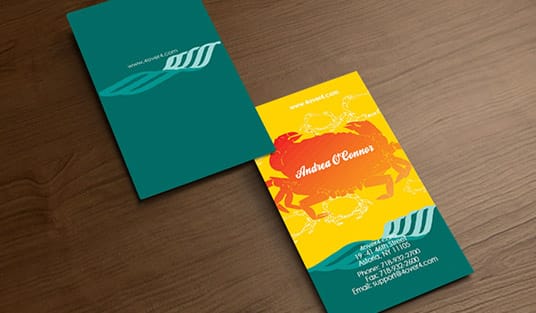
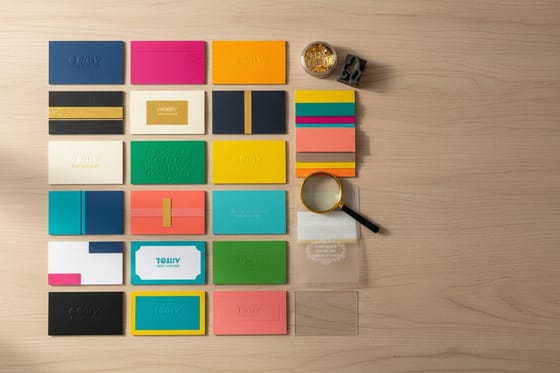
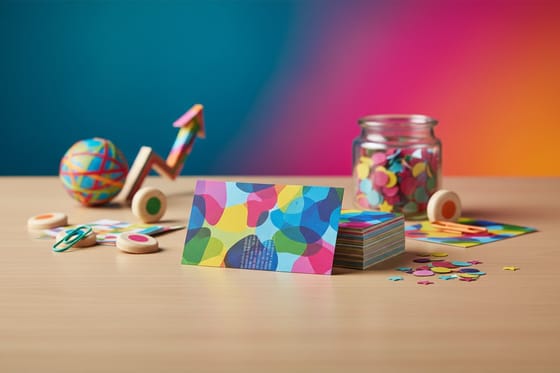
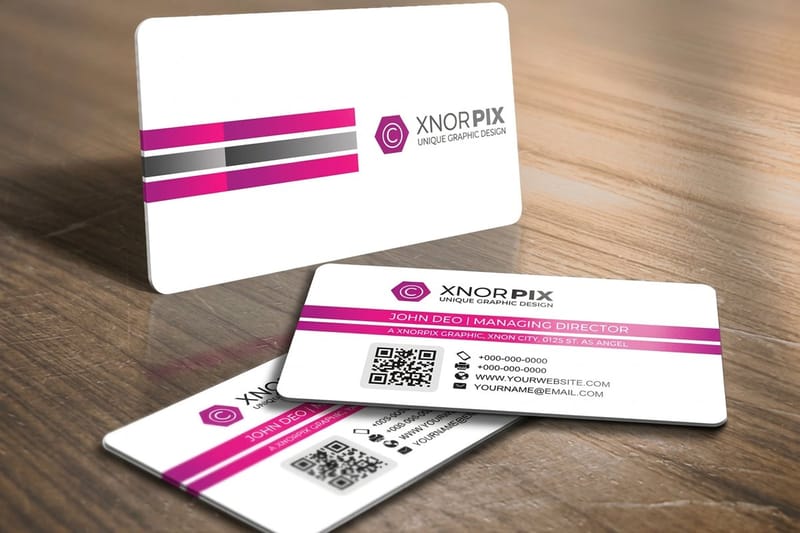
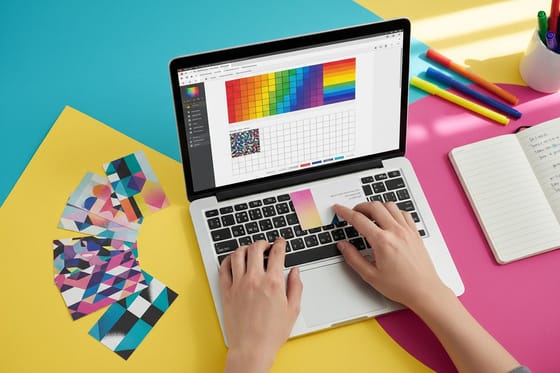
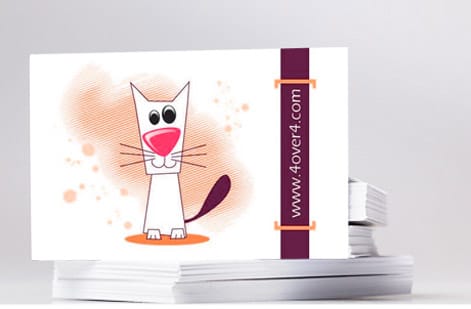
Shapes we cut for customer card orders
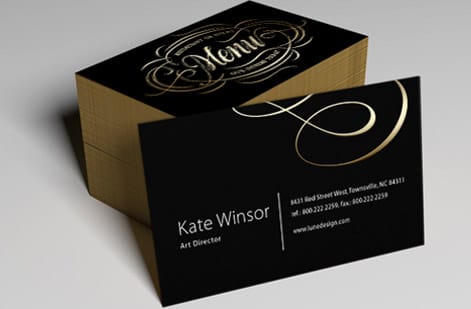
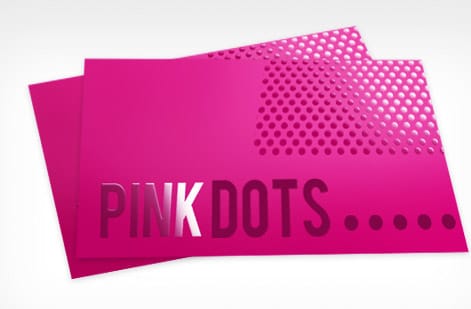
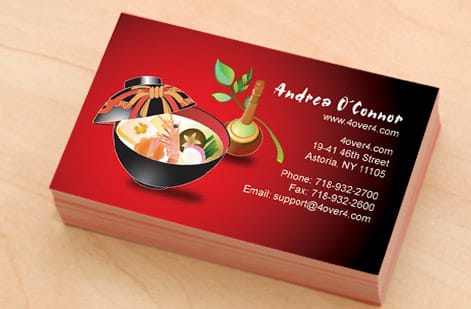
Explore more
Where to go next

By the numbers
Circle, foldover, die-cut and what each runs
Common Questions
Common questions about business card shapes
What are the different business card shapes for printing?
The common shapes are the standard 3.5 by 2 inch rectangle, rounded-corner cards, square cards, slim cards, and folded (foldover) cards. Beyond those, die-cutting opens up circles, ovals, leaf edges, and fully custom outlines cut to your artwork. Each shape uses the same paper stocks and finishes, so you choose the outline first and the feel of the card second.
Can business cards be any shape?
Effectively yes. Beyond the stock shapes, a custom cutting die follows any outline you supply, so the card can be a leaf, a bottle, a house, or your logo cut out in full. The practical limits are simple: keep thin necks and sharp internal points out of the die line because they tear, hold text and logos inside the safe margin so the cut never clips them, and expect a custom die to add a little to a straight trim. Confirm the die line and bleed in the free Online Designer before you order.
How much do die-cut business cards cost?
A die-cut card costs more than a straight-cut rectangle because the shape needs its own cutting die, and from there the price moves with quantity, paper stock and finishes exactly like any other card. The premium is usually smaller than people expect, and it falls per card as the quantity climbs, because the die is made once and then runs. The live price on the die-cut business cards page updates as you change quantity and options, so you can compare a shaped card against a standard one before you commit.
Is there a minimum quantity for shaped business cards?
Shaped and die-cut cards start at the same minimums as standard cards, so you do not need a large run to justify a custom outline. Because the cutting die is a one-time setup, the per-card cost falls fastest on shaped cards as you move up the quantity tiers, which is worth checking before you settle on a small batch. Each product page lists the quantity options with the live price, so the tier that fits your budget is visible before checkout.
What is a standard business card size and shape?
A standard business card is a rectangle measuring 3.5 inches wide by 2 inches tall in the United States. It is the most familiar shape, fits every wallet and cardholder, and works with almost any design. It is the default at 4OVER4.COM and the shape most people picture when they think of a business card.
Which business card shape should I choose?
Start with the standard rectangle if you want universal fit and the lowest cost. Add rounded corners so the edges resist wear in a wallet. Pick a square or slim card when you want to break the pattern in a stack of ordinary cards. Choose a die-cut or custom shape when the outline itself should carry your brand, like a leaf for a landscaper or a bottle for a bar.
Wallet or event table, which shape survives where?
Think about how the card gets handled and stored first. If people will keep it in a wallet, stay close to the standard rectangle or a slim card. If you hand cards out at events and want them remembered, a square, folded, or die-cut shape earns a second look. Then match the shape to your brand personality, and confirm the die line and bleed in the free Online Designer before you order.
What do custom-shaped business cards cost and how is pricing set?
Pricing is driven by quantity, paper stock, finishes, and how much extra cutting the shape needs. Standard rectangles and rounded corners are the most affordable because they cut in straight lines. Circles, ovals, and fully custom die-cut shapes cost a little more because they need a custom cutting die. The live price on each product page updates as you change quantity and options, so you always see the real number before checkout.
Are rounded corner business cards worth it?
For most brands, yes. Rounded corners add a small cost but make a big difference in how the card feels and holds up. Sharp corners are the first part of a card to bend, dog-ear, or fray in a wallet. A soft radius keeps the card looking new longer and gives it a more premium, considered look without changing your layout.
Are square business cards a good idea?
Square cards register because they break the pattern of a stack of rectangles, which makes them memorable. The trade-off is that a square card does not slide into a standard card slot as neatly, so it is best for people you meet in person rather than cards left in a holder. If you want the attention without the fit issue, rounded corners on a standard rectangle are a gentler middle ground.
Get Started
Order 100 circle business cards from $53.83
Pick your shape, choose a stock and finish, and we print crisp, cleanly cut cards that make the right first impression.
Legal Disclaimer
Gold Standard guarantees apply to all standard orders placed through 4over4.com. Price match requires verifiable proof of a competitor's published price for an equivalent product with matching specifications and turnaround time. Satisfaction guarantee covers manufacturing defects and print quality issues. Contact support with order number and documentation.
