
The Art of Negotiation and How to Win a Deal Both Sides Keep


Four numbers to set before the meeting, one rule about who speaks first, and the difference between trading and quietly giving your margin away.
Negotiation is decided by preparation, not by personality. The side that knows its own walkaway number, has a real alternative if the talk fails, and can estimate the other side's alternative captures most of the value. Everything after that is technique: anchor first only when you are better informed, trade every concession for something instead of giving it, and put the agreement in writing the same day, before two memories of one meeting start to differ.
Quick answer
The whole deal happens between two private numbers
Every negotiation has a band where agreement is possible, and it sits between the most one side will pay and the least the other will accept. Neither opening figure tells you where that band is, because both are anchors rather than limits. Your job before the meeting is to fix your own edge of the band and improve what happens if you never reach it. Your job during the meeting is to find theirs by asking, then to trade across timing, quantity, scope and terms rather than cutting price to close the gap.
Preparation Is Most of the Negotiation
Four numbers decide almost every deal, and three of them are set before anyone shakes hands. Write them on paper, because a number you only hold in your head moves when the room gets tense.
| The number | What it is | How you set it | What happens if you skip it |
|---|---|---|---|
| Target | The realistic good outcome you are aiming at. | From comparable deals, current quotes, or last year's numbers. | You drift toward whatever the other side proposed. |
| Walkaway | The worst terms you would still sign. | Costs plus the minimum margin that makes the work worth doing. | You discover it afterward, once the job is already losing money. |
| Your alternative | What you do if there is no agreement at all. | A second quote, a second buyer, or doing nothing. | You negotiate as if you have no choice, and it shows. |
| Their alternative | Your estimate of what they do without you. | Questions in the meeting, plus what you know of their timeline. | You concede against pressure that was never real. |
The fourth number is the one people never work on. Ask when they need delivery, who else has quoted, and what happens internally if the date slips. A buyer with a hard installation date next month has a weak alternative and usually says so within two questions.
Then improve your own alternative before you go in. One extra quote in your folder, or one more prospect who wants the same slot, changes the whole conversation, and it costs an afternoon. Preparation of that kind beats every clever phrase, which is also the argument in our guide to pitching that wins clients.
Who Names the First Number, and When to Stay Quiet
The advice to never make the first offer is wrong about half the time. A first number anchors everything that follows, so the question is not whether anchoring works. It is whether you know enough to set the anchor.
Open first when you are better informed. If you hold three current quotes, know the going rate, and can break your figure into components, say it early and show the arithmetic. The other side then argues within your frame.
Let them open when they know more. A number named out of ignorance can land below what they were ready to pay, and you never find out. Ask them to put a figure on the table, then treat it as information about their expectations rather than a midpoint you are obliged to split.
Name the limit honestly: anchoring loses most of its force when a published price list or a written competing quote is already on the table, because both parties now share a reference. That is exactly why volume pricing is worth understanding before you argue about it. Our explanation of how bulk price breaks work shows where a quoted unit cost genuinely bends and where it does not, which is the difference between a reasonable ask and one that gets refused flat.
Trade Instead of Conceding, and Bring Something to Leave Behind
Price is one variable out of eight or nine, and a negotiation stuck on price is usually a negotiation that ran out of imagination. Before you cut a number, look at what else is movable.
- Quantity. A larger order at a lower unit price can beat a small order at full price for both sides.
- Timing. A flexible delivery date is worth real money to anyone scheduling production.
- Payment terms. Faster payment has a cash value; longer terms cost the other side money.
- Scope. Remove something you were including for free rather than dropping the price.
- Contract length. Twelve months of certainty is worth a discount that one order is not.
- Who does the work. Supplying print ready artwork, or handling delivery yourself, takes cost out of the quote.
The rule that keeps you whole: every give is attached to an ask. "I can do that price at double the quantity" is a trade. "Fine, I can do that price" is a gift, and it teaches the other side that your numbers move whenever they push.
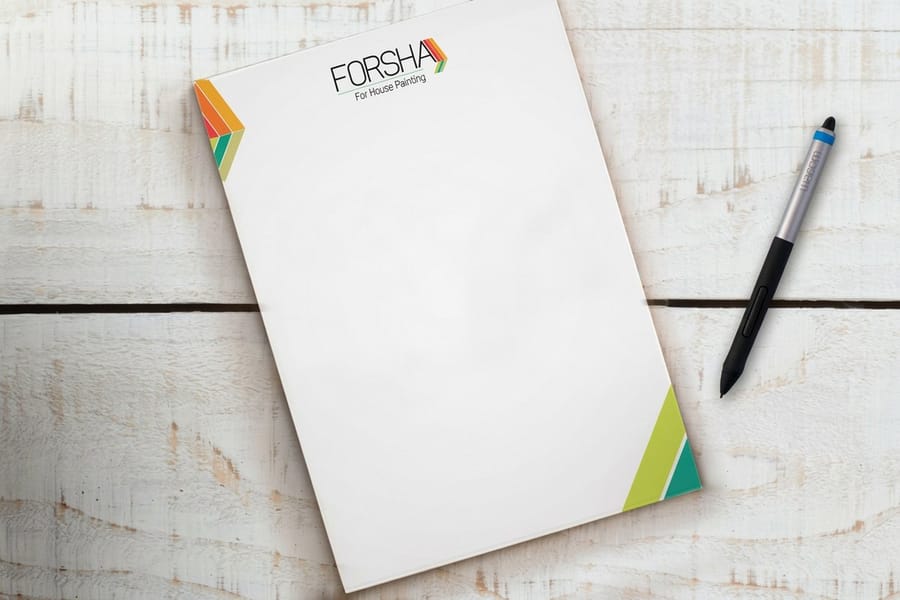
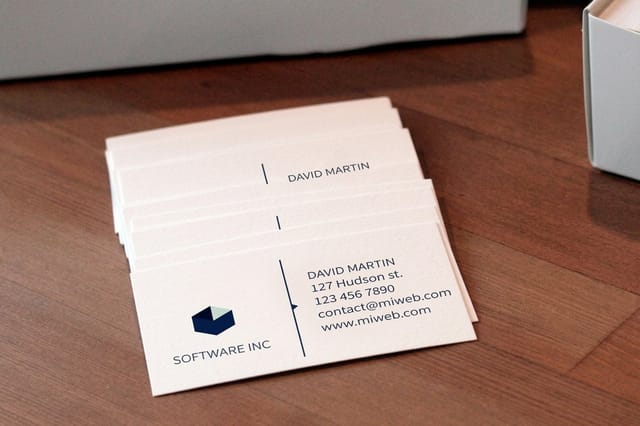
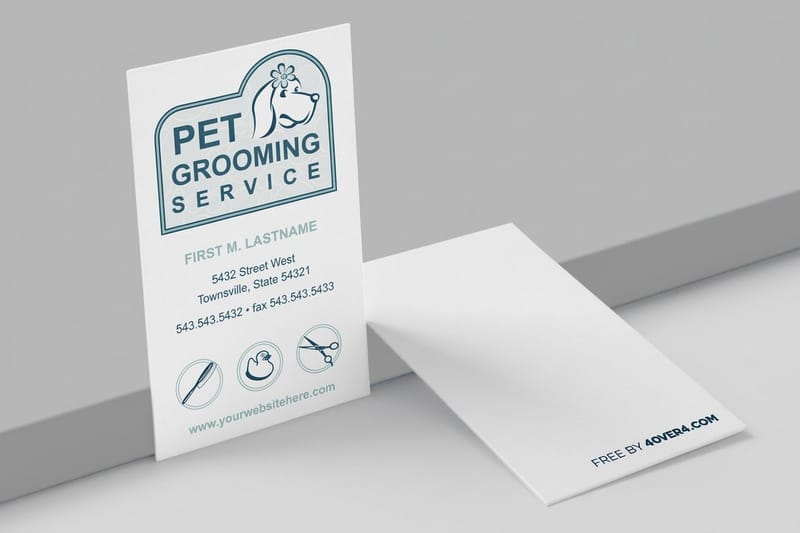
There is a physical side to this too, and it matters more than people expect. The person you met has to repeat your case to a partner or a manager who was never in the room. What they repeat it from is whatever you left on the table. A printed booklet that lays out scope, price, dates and what happens if something changes carries the argument accurately; standard booklets start at $240.55 and standard brochures start at $57.11 for a lighter leave-behind. A business card from $17.57 handles the first ten seconds, and custom notepads from $93.37 mean the notes taken in your meeting go back to their office with your name at the top of every page. Our presentation kit guide covers how those pieces fit together, and the sales collateral examples show what other companies actually hand over.
Reading the Other Side and the Tactics You Will Meet
Most of what you need is offered freely if you ask and then stop talking. Silence after your number is uncomfortable for about four seconds and productive for the whole rest of the meeting. Let them fill it.
Ask questions that cannot be answered yes or no. Why is that date fixed? What went wrong with the last supplier? Who else signs this off? Each answer narrows your estimate of their alternative, which is the number you came to find.
A handful of moves come up often enough to name:
- The nibble. A small extra requested after agreement, when you are relaxed. Answer it as a fresh trade, not as a favour.
- The exploding deadline. "This price is only good until Friday." Sometimes true, often not. Ask what changes on Saturday.
- Limited authority. "I would have to check with my manager." Establish who can actually sign at the start, before you spend your concessions on someone who cannot.
- The flinch. A visible reaction to your number, staged to make you move before they say anything. Wait it out.
- Take it or leave it. Occasionally genuine. Test it once by asking what would have to change, then decide against your walkaway rather than against your pride.
None of this requires being adversarial. Pressure that comes from a real alternative does not need a raised voice, which is the same point made in our guide to selling without fear and in writing that sells without sounding salesy.
Close It in Writing Before the Day Ends
A verbal agreement starts drifting immediately. Two people leave the same meeting with different memories of the delivery date, and neither is lying. Send the recap the same afternoon, while both versions still match.
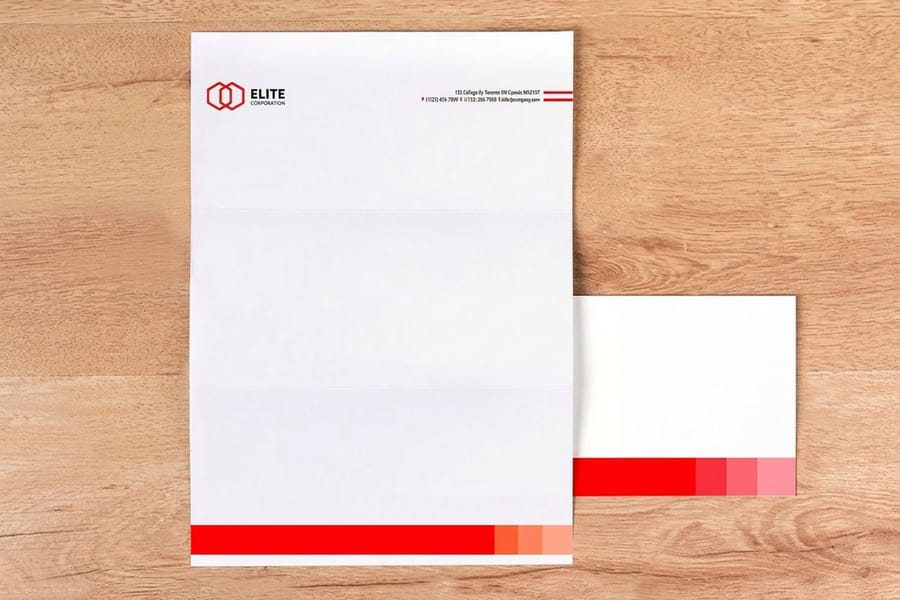
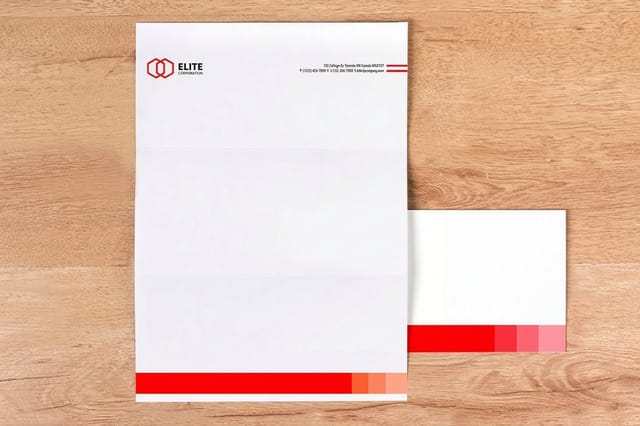
Keep it short and cover five things: what is being supplied, the price and what it includes, the dates, the payment terms, and what happens if either side needs to change something. That last line prevents most of the arguments that arrive later. For a formal offer rather than an email, printed letterheads from $99.95 still carry weight with buyers who file paper, and our business letter format guide covers the layout.
Two closing habits are worth building. First, never celebrate a deal in the room by giving one more thing away; the moment after agreement is when the nibble arrives. Second, when you walk away, do it warmly and say what would bring you back. Deals that die on price often return in four months on different terms, and the ones that return are the ones where nobody was made to feel small. If you want the pipeline behind all of this to become predictable rather than lucky, that is the subject of turning sales into predictable growth, and the business card range is where most first meetings still begin.
Wally explains the walkaway number
Decide it before the meeting, then defend it
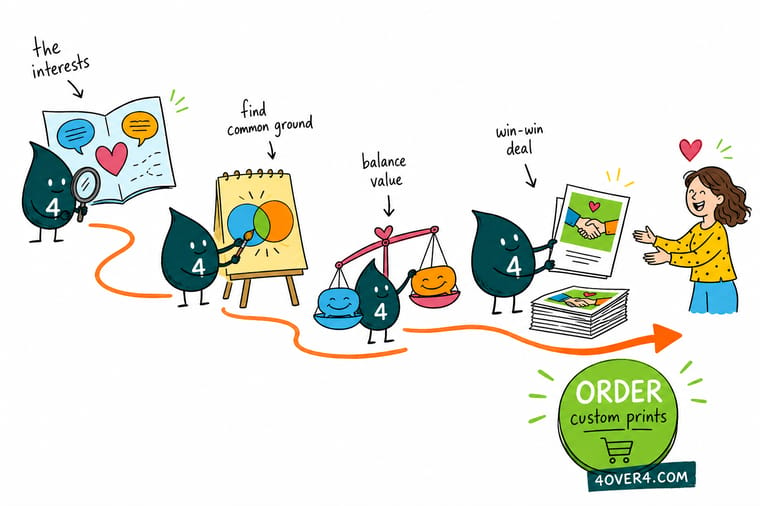
Wally writes two figures on his pad before he sits down. The first is what a good deal looks like. The second is the worst terms he would still sign. In the room he only hunts for one thing, which is what the other side does if there is no deal at all. When their number lands above his walkaway, he trades on dates and quantity rather than cutting price, and he sends the recap the same afternoon while both sides still remember it the same way.
Print business cards for your next meeting →Specs and pricing
What the meeting materials cost
Live configuration options and starting prices from the 4OVER4.COM configurator, for the three pieces most people carry into a client meeting.


Print it
Turn up with something worth leaving behind

Explore more
Where to go next


By the numbers
The print partner behind the meeting
Common Questions
Your negotiation questions, answered
What is a BATNA and why does it decide the outcome?
BATNA stands for best alternative to a negotiated agreement, which is simply what you do if this deal dies. A supplier with two other buyers waiting can hold a price. A supplier with rent due on Friday and no other order cannot, no matter how confident the delivery. Because your alternative sets the floor under your walkaway number, improving it before the meeting moves the result more than anything you say during it. Getting one extra quote, or one extra prospect, is usually cheaper than any concession you would otherwise make.
Should I make the first offer or let the other side go first?
It depends on who knows the market better. A first number pulls the final figure toward it, so if you have current quotes, comparable deals or real cost data and the other side does not, name your number early and explain how you built it. If you are the less informed side, let them open and treat their figure as information about their expectations rather than as a starting point you are obliged to meet in the middle. Anchoring also weakens when a published price list or a competing written quote is already on the table, because both sides then share the same reference.
How do I push on price without damaging the relationship?
Attack the problem and not the person, and say out loud that you want a deal that survives. Concrete habits help more than tone: ask why a number is what it is instead of calling it too high, offer a trade rather than a demand, and never spring a new condition after agreement. If you have to decline, decline the terms and not the party, and leave the door open in a sentence. Most business negotiation is repeat business with the same handful of people, so the deal you win by embarrassing someone tends to cost you the next three.
What do I do when they say the price is final?
Test it once, calmly, and then believe it or leave. Ask what would have to change for the number to move, which shifts the talk from a yes or no to a set of variables. Often a fixed price hides a flexible schedule, a flexible payment term, or a volume break the person quoting is allowed to apply but has not offered. If nothing moves at all and the number sits above your walkaway, that is a genuine no deal, and walking away politely is a result rather than a failure.
How far above my target should I open?
Far enough to leave room for two rounds of trading, close enough that you can justify every part of it. An opening number you can break down into components stays credible under questioning; a number you picked to sound tough collapses the moment someone asks how you got there. A rule that survives contact: if you cannot explain your opening figure in three sentences without inventing anything, it is too aggressive and it will cost you credibility on everything else you say.
Does anything printed genuinely help in a negotiation?
It helps in one specific way, which is that it argues for you after you leave. Nobody signs because of a nice folder. But the person you met has to repeat your case to a partner, a manager or a spouse who was never in the room, and a printed summary of scope, price and dates is what they repeat it from. That is why a leave-behind is worth printing well: standard booklets start at $240.55 at 4OVER4.COM and standard brochures start at $57.11, against the cost of losing a deal to a version of your pitch retold badly from memory.
Get Started
Walk in with materials that argue for you
Cards for the introduction, a booklet that carries the scope and the numbers, and letterheads for the written offer that follows the same afternoon.
Legal Disclaimer
Gold Standard guarantees apply to all standard orders placed through 4over4.com. Price match requires verifiable proof of a competitor's published price for an equivalent product with matching specifications and turnaround time. Satisfaction guarantee covers manufacturing defects and print quality issues. Contact support with order number and documentation. On-time delivery rate based on tracked orders 1999 to 2026. Individual results may vary based on shipping carrier performance.
