
Racing Hero Cards, From Card Size to Signing Zone


What a driver hero card carries, the sizes that actually get handed out, the coating that decides whether a signature survives, and how to build the file.
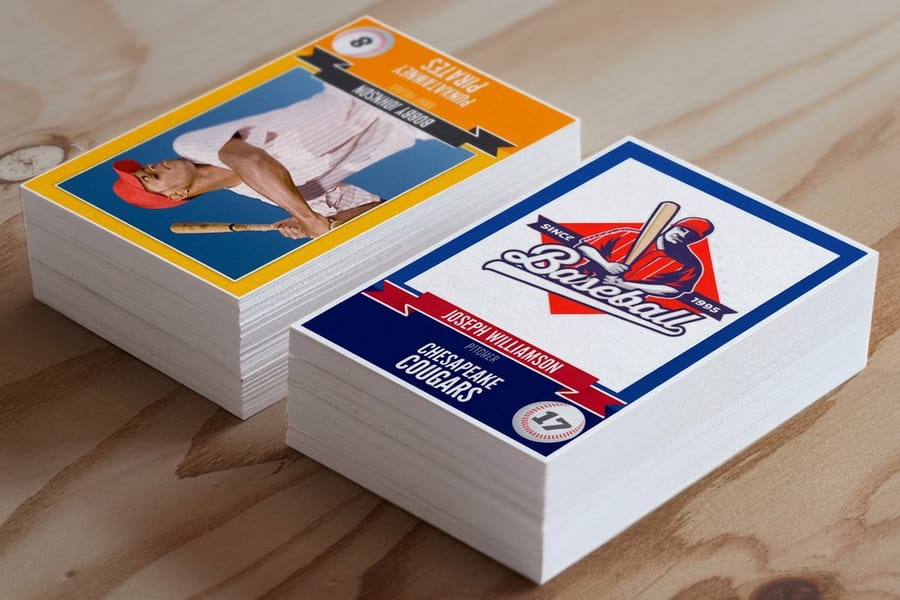
A racing hero card is a printed card a driver hands to fans at the track, carrying a car or driver photo, the name and car number, a band of sponsor logos, and a blank area kept clear for an autograph. Most drivers print them either as a full 8.5 by 11 inch sheet for autograph tables and media kits, or as a 4 by 6 or 5 by 7 postcard that fits a pocket and costs far less per handout. The finish matters as much as the layout: a high gloss coating makes the photo look great and makes a marker bead up and smear.
Quick answer
Photo, sponsor band, and space left blank on purpose
A hero card works when the fan can get it signed and the sponsor logos go home with them. Front: photo, driver name and car number, roughly two inches of clear signing space, sponsor logos in a hierarchy. Back: bio, schedule, socials, sponsorship contact. Print it as a full 8.5 by 11 sheet for tables and media kits, or a 4 by 6 postcard for handing out in the stands. Choose matte or uncoated if it is going to be signed, because gloss coating and a paint marker do not get along.
What Actually Goes On a Hero Card
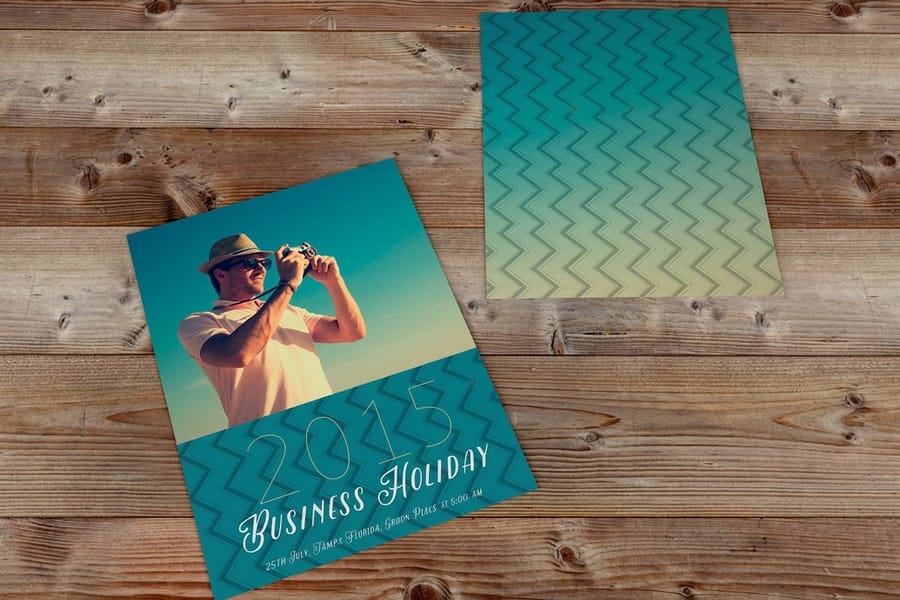
A hero card has five jobs and a fixed amount of space, so the layout is close to settled before you open a design file.
The photo. One strong image of the car or the driver, cropped so the number reads from arm length. Shoot it yourself or license it. A frame grab from race video will not hold up at print size, because the file needs roughly 300 pixels per inch at final size and video frames are nowhere near that.
The name and car number. Large, high on the card, readable when the card is half covered by a hand. This is what a fan uses to find you again.
The signing zone. Around two inches of clear space, usually across the lower third, with no artwork under it. This is the part most first cards get wrong: the photo runs full bleed to every edge, and the driver ends up signing across their own face in silver paint marker because there is nowhere else to put a signature.
The sponsor band. Logos in a row inside the safe margin, sized in a clear hierarchy so the primary sponsor is obviously primary. Ask every sponsor for vector artwork in AI, EPS or PDF form. The logo on their website is a screen graphic and it prints soft.
The back. Short bio, career highlights, the season schedule, socials, and a line telling a business how to reach you about sponsorship. If you are printing at postcard size, the standard postcard prints both sides in the same run, so a blank back is a wasted side rather than a saving.
Pick the Size Before You Design Anything
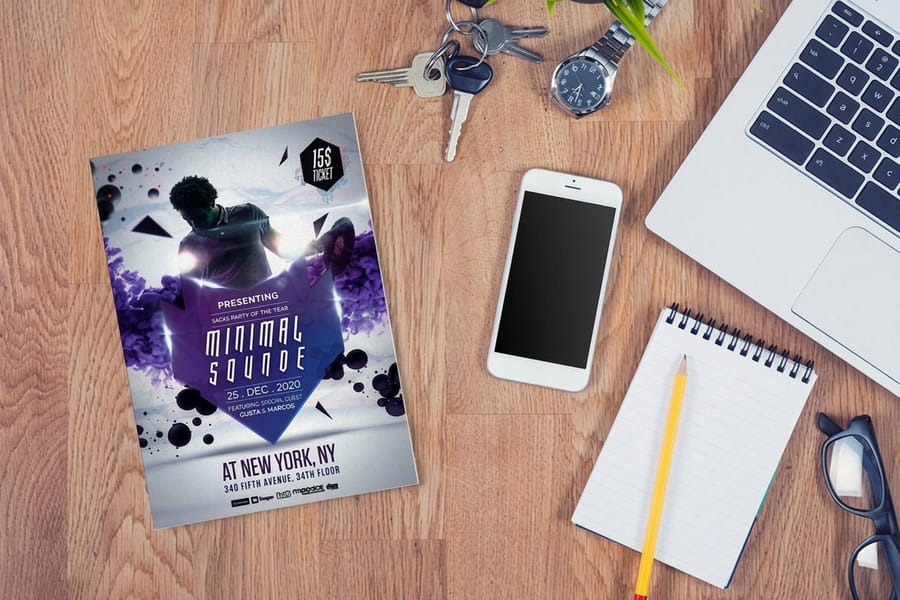
Size is the decision that sets everything else: how much sponsor detail fits, how fast you can hand cards out, and what a season costs. Three formats cover nearly every driver.
| Format | Typical size | Print it as | Starts at | Where it works |
|---|---|---|---|---|
| Full sheet | 8.5 by 11 in | Sales sheets on heavier stock, or standard flyers | $75.80 sales sheets, $39.54 flyers | Autograph tables, hauler displays, media kits. The biggest photo and room for a full schedule. |
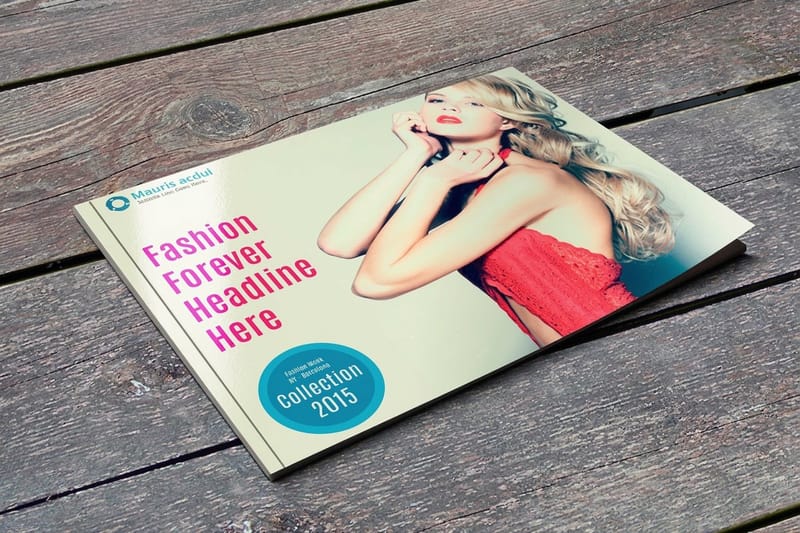
| Postcard | 4 by 6 or 5 by 7 in | Standard postcards on 14pt or 16pt card stock | $16.48 | Walking the stands and the pit tour. Fits a pocket, survives a crowd, cheapest per handout. |
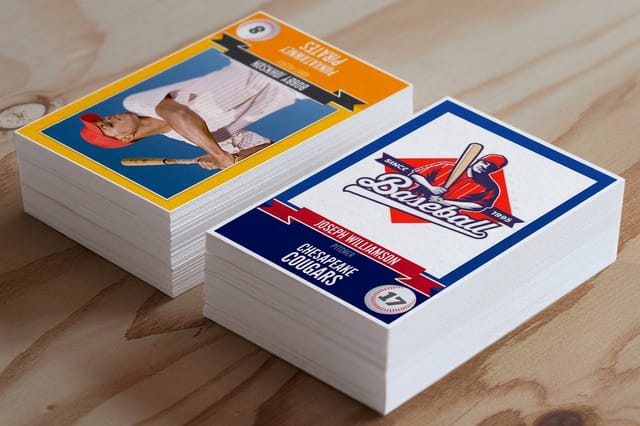
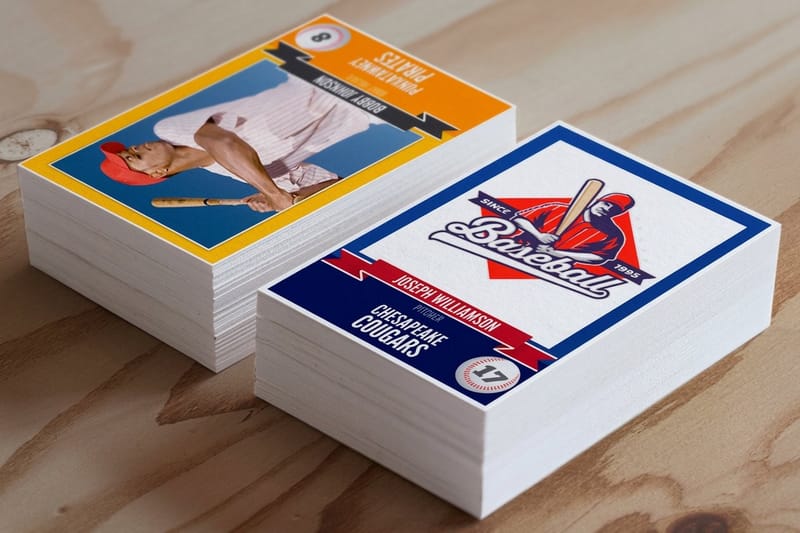
| Trading card | 2.5 by 3.5 in | Trading cards | $11.25 | Collector sets and kids at the fence. No room for sponsor detail, so treat it as a bonus, not the main card. |
Two things push most drivers toward the postcard. It is card stock rather than paper, so it does not curl or crease in a hand, and a full sheet has to be folded or carried flat, which is awkward in a grandstand. The full sheet earns its place at a table, where the card sits flat, the photo is doing display work, and a sponsor logo has to read from a few feet away.
Weight matters more than people expect. A 14pt card feels like a card. A 16pt card feels like a keepsake and takes a signature without the marker bleeding through to the back, which is worth the small step up on anything a fan is going to hand back to you to sign. Compare the stocks and sizes across the postcard printing range and the trading card range before committing.
The Coating Decision That Decides Whether Fans Can Sign It
This is the one thing a printer will tell you across the counter that a design brief never mentions. High gloss UV coating is a cured plastic film. It makes a car photo look wet and deep, and it rejects solvent marker ink almost completely. The signature beads, stays tacky, and wipes off on the next card in the stack.
The finishes behave like this. High gloss UV gives the best photo and the worst signing surface. Aqueous or gloss varnish is a middle ground: a marker will take, slowly, and a rushed signature can still smudge. Matte or dull coating knocks the photo back slightly and accepts a Sharpie or a paint pen cleanly. Uncoated stock takes ink instantly and permanently, and it is the only finish that never smears, at the cost of a photo that looks a little flatter.
Pick by what the card is for. If it is going out at an autograph session, order it matte or uncoated and stop worrying about it. If it is display material for a hauler or a sponsor pitch and nobody is signing it, take the gloss. If you want both, run a spot gloss on the photo area and leave the signing zone uncoated, which costs more and is worth it on a card you are printing in the thousands.
One more trade nobody mentions: silver and gold paint markers, the ones that show up on a dark photo, are the worst offenders on gloss. If your card is dark and you expect drivers to sign in silver, matte is not optional. The way ink sits on different surfaces is covered in more depth in our guide to color and ink in commercial printing.
How to Build a Hero Card, Step by Step
Work in this order. Every step out of sequence costs a reprint.
- Lock the size and quantity first. Everything downstream, from crop to sponsor logo size, depends on it. Season quantity in one run beats three small runs, because setup is charged per run.
- Choose the photo before the layout. Check it is around 300 pixels per inch at the size it will print. A 4 by 6 print needs roughly 1200 by 1800 pixels. Anything softer than that will look worse on paper than it does on a phone.
- Set the document at final size with 0.125 inch bleed on all four sides. Push the photo past the trim so no white sliver appears if the cut drifts. Keep type and logos at least 0.125 inch inside the trim, and give yourself 0.25 inch if the design allows. Our bleed and trim guide shows exactly what the cutter does to a page.
- Start from a correctly sized template. Download the layout for your size from the blank template library instead of guessing dimensions.
- Block the front: photo, name and number, signing zone, sponsor band. Reserve the signing space before you place anything else, or it will get eaten.
- Collect sponsor logos in vector form. AI, EPS or PDF. Confirm the color version each sponsor wants used on a dark background before you place it.
- Build the back: bio, highlights, schedule, socials, sponsorship contact. Keep the schedule in one column so a change means editing one block.
- Convert to CMYK, outline your fonts, export a print PDF, and check the proof. Bright reds and oranges on a race car shift when they move from screen to CMYK, so judge them on the proof, not the monitor.
If you have never sent a print file before, how online printing works walks the whole handoff from upload to delivery, including where turnaround time actually goes.
The Sheet That Goes With the Card
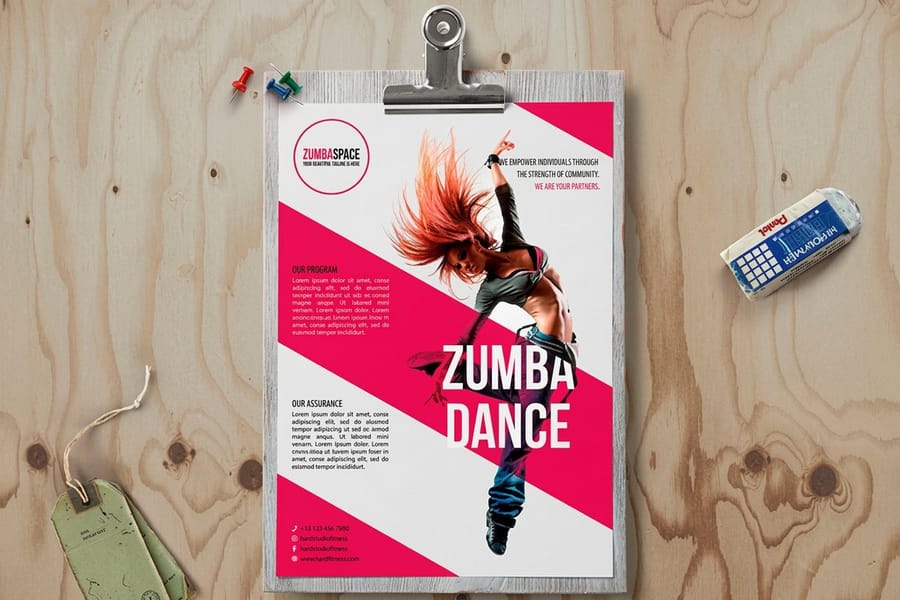
The hero card sells the driver to a fan. It does not sell the driver to a company, and drivers lose sponsors trying to make one piece do both.
A sponsorship proposal needs things a fan does not care about: what series you run, how many events, the crowd and broadcast reach you can honestly claim, where a logo can go on the car and the hauler, what each placement costs, and what the sponsor gets back in social posts and appearances. That is a full sheet of information, which is why it prints as an 8.5 by 11 sales sheet rather than a card. Sales sheets start at $75.80, and the whole sales sheet range is built for exactly this kind of one page pitch.
Two pieces that work alongside both: a stack of standard business cards from $17.57, so a business owner leaves the conversation with your number rather than a folded sheet, and a poster or display print for the hauler. The poster range covers the display sizes. If you are printing all of it at once, keeping the stock and the color consistent across the card, the sheet and the poster is what makes a small team look like a program.
Numbers you put in front of a sponsor should be numbers you can back up. Series attendance figures and broadcast reach come from the sanctioning body, not from an estimate you made in the trailer. A sponsor who checks and finds the figure inflated does not come back.
Wally explains hero cards
Leave room for the signature, or the driver signs their own face
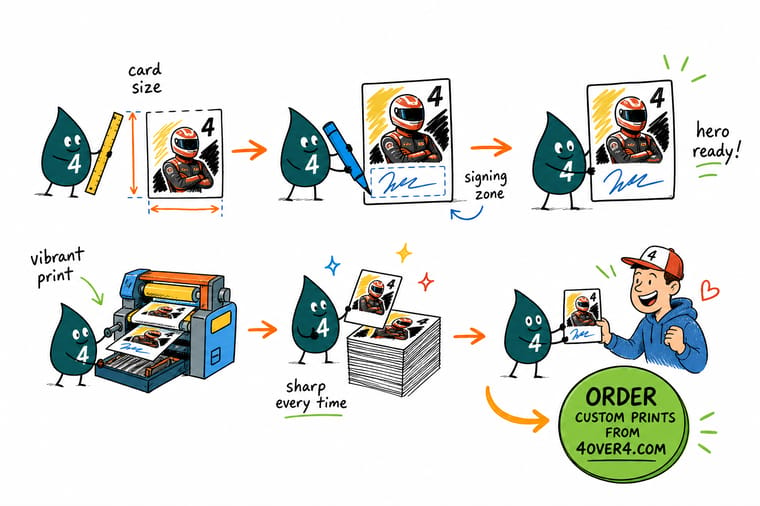
Wally lays out the card the way it gets used. Car photo up top so the number reads from a distance. Name and number big. Then he stops and leaves about two inches blank across the bottom third, because that is where the marker goes. Sponsor logos sit in a band inside the safe margin, biggest sponsor first. Back of the card gets the bio, the schedule and a phone number for the next sponsor. Last call is the finish: matte if fans are signing it, gloss only if nobody is.
Print postcard size hero cards →Specs and pricing
Hero card formats, sizes, and starting prices
The three formats drivers order, with live configuration choices and starting prices straight from the 4OVER4.COM configurator.

Print it
Order the card, the postcard, or the sponsorship sheet
Explore more
Where to go next
By the numbers
Hero cards, sales sheets and paddock handouts
Common Questions
Your hero card questions, answered
What is a racing hero card?
A hero card is a printed card a driver hands to fans at the track, usually with a photo of the car or the driver on the front, the driver name and car number, a band of sponsor logos, and a clear area kept free for an autograph. The back normally carries a short bio, the season schedule and a contact for sponsorship. It is the racing version of a promo card: a fan gets something to keep, and the sponsor logos travel home with it.
What size should a hero card be?
The paddock standard is 8.5 by 11 inches, a single sheet printed one or both sides, which gives a big photo and room for a full schedule on the back. The practical alternative is a postcard at 4 by 6 or 5 by 7 inches, which fits a jacket pocket, does not fold in a fan crowd, and costs far less per handout. Trading card size at 2.5 by 3.5 inches works for collector sets and driver giveaways for kids, but there is no room for sponsor detail. Pick the size by how the card gets handed over: a table at an autograph session suits the full sheet, a walk through the stands suits the postcard.
Will a Sharpie stay on a hero card?
Only if the coating lets it. A high gloss UV finish is effectively plastic, so solvent marker ink sits on top, beads, and smears the moment a thumb touches it. Matte or dull coating takes a marker cleanly, and plain uncoated stock takes it best of all because the fibers absorb the ink. The usual compromise is a coated front for the photo with a matte or uncoated finish over the signing area, or simply choosing the matte option for the whole card and accepting a slightly quieter photo.
How many hero cards should I print for a season?
Count the events where you will actually hand cards out, estimate what leaves your hands at each one, then add the cards that go to sponsors, crew and the merchandise table. Print the season in one run rather than three. Setup is charged per run, so a single larger order lands at a lower cost per card, and reprinting mid season with a changed sponsor list means the earlier cards are already out of date. If a sponsor is not confirmed yet, print a shorter first run and hold the rest.
Should a hero card be printed on both sides?
Yes for anything at postcard size or larger. The front sells the car, the back does the work: bio, career highlights, the schedule, socials, and the line that tells a business how to sponsor you. A one sided card is cheaper, and it wastes the half of the sheet that a fan turns over anyway. The only case for one side is a trading card set where the back carries a stat block that has to stay consistent across the set.
What is the difference between a hero card and a sponsorship sales sheet?
Audience. The hero card is for fans and it is designed to be handed over in a few seconds, signed, and kept. A sponsorship sales sheet is for a business owner, and it carries the audience numbers, the event calendar, the placement options and the package prices. Trying to do both on one card produces something a fan will not keep and a sponsor will not read. Print the card at 4 by 6 or 8.5 by 11 and print the proposal as a sales sheet.
Get Started
Trading cards run 25 for $11.25, or 45 cents each
Pick your size, choose a matte or uncoated finish so a marker takes, and we print driver cards, postcards and sponsorship sheets for the whole season in one run.
Legal Disclaimer
Gold Standard guarantees apply to all standard orders placed through 4over4.com. Price match requires verifiable proof of a competitor's published price for an equivalent product with matching specifications and turnaround time. Satisfaction guarantee covers manufacturing defects and print quality issues. Contact support with order number and documentation. On-time delivery rate based on tracked orders 1999 to 2026. Individual results may vary based on shipping carrier performance.
