
Reading Transit Time by Zone Instead of Guessing at a Delivery Date


Production days and transit days are separate clocks that get added together. Zones set the transit half, a service upgrade buys less than people expect, and counting backward is how you reach the date you need.
A print delivery date is production days plus transit days, counted in business days and added together, never one or the other. Transit is set by the shipping zone, a distance band from 2 at the near end to 8 at the far end measured between the origin and destination ZIP codes, running roughly one business day at zone 2 and five at zone 8 on ground. An expedited service shortens the transit half only, so it fixes a late deadline caused by distance and does nothing about one caused by the press schedule.

Quick answer
Add the two clocks, then check which one is really late
Count production days and transit days separately, in business days, then add them. Transit comes from the zone, a distance band between the origin and destination ZIP codes running 2 to 8 on domestic ground, worth about one business day at zone 2 and five at zone 8. Weekends and carrier holidays are dead air, so a box that ships Friday starts moving Monday. A service upgrade compresses transit only, which makes it the right fix for a distance problem and the wrong fix for a press-schedule problem.
Production Time and Transit Time Are Two Separate Clocks

Every print order runs two clocks and they never overlap. The first is production: imposing the file, printing it, letting it dry, trimming, finishing and boxing. The second is transit: the days a carrier needs to move that box from our floor to your address. Your delivery date is the sum of the two, counted in business days.
The turnaround you pick at checkout covers the first clock only. It also does not start when you pay. It starts when the file clears preflight, which is why a PDF uploaded at 11pm on Friday with an RGB image and no bleed can sit until Monday morning before its first production day is counted. Getting the file right the first time is worth more days than any shipping upgrade, and our color profile guide covers the two settings that cause most preflight holds.
Work an example. You order Monday at 9am with an approved file on a 2 business day turnaround. The job finishes Wednesday and goes on a truck that afternoon. Three day ground starts counting Thursday, so it delivers the following Monday. That is six calendar days for a job most people write in their calendar as "two days". Nothing went wrong. The arithmetic was just never done.
The practical habit: always work backward from the date you need the boxes in hand, subtract transit, subtract production, and place the order on the day that lands on. Our guide to turnaround times and order tracking explains what each production stage covers so the subtraction is honest.
How Shipping Zones Work and What They Mean in Days

A zone is not a region and it is not a rate class. It is a distance band measured between the origin ZIP code and the destination ZIP code, numbered 2 at the near end and 8 at the far end for domestic ground. The number belongs to the pair of addresses, so the same office in Los Angeles is zone 8 from a New York press and zone 2 from a California one for an identical box.
That is worth sitting with, because it means the zone is not something you can negotiate or upgrade your way out of. It is fixed by geography the moment you type the delivery address. The two levers you do control are the service level and the day the box leaves.
Here is the shape of a typical ground map from a New York area plant. Treat these as the normal commitments rather than a promise on your specific box, and check the carrier estimate at checkout for the exact date.
| Zone | Typical destinations from New York | Ground transit | Ships Friday, arrives |
|---|---|---|---|
| Zone 2 | New York City metro, New Jersey, Connecticut, eastern Pennsylvania | 1 business day | Monday |
| Zone 3 | Massachusetts, Maryland, Washington DC, Delaware, upstate New York | 1 to 2 business days | Monday or Tuesday |
| Zone 4 | Virginia, North Carolina, Ohio, Vermont, western Pennsylvania | 2 business days | Tuesday |
| Zone 5 | Georgia, South Carolina, Michigan, Indiana, Illinois | 2 to 3 business days | Tuesday or Wednesday |
| Zone 6 | Florida, Alabama, Tennessee, Wisconsin, Minnesota, Missouri | 3 to 4 business days | Wednesday or Thursday |
| Zone 7 | Texas, Louisiana, Oklahoma, Kansas, Nebraska | 4 business days | Thursday |
| Zone 8 | California, Washington, Oregon, Arizona, Nevada, Utah, Montana | 5 business days | The following Friday |
Read the last column before anything else. Commercial ground moves Monday through Friday, so a box that leaves at 4pm on Friday earns nothing over the weekend and its first transit day is Monday. A zone 8 order that ships on a Friday is a full week out. The same order shipped Monday morning lands Monday of the next week, which sounds identical and is three calendar days better for a client with a Tuesday event.
Alaska, Hawaii and Puerto Rico sit outside the ground map entirely and move by air, which changes both the price and the day count. If you are shipping to one of them, price the job before you promise a date.
When an Expedited Service Is Worth Paying For
Paying for a faster service compresses transit and touches nothing else. If the job still has two production days ahead of it, next day air moves your delivery date in by the transit days you saved, not to tomorrow. People upgrade at the wrong moment more often than they upgrade at the wrong price.
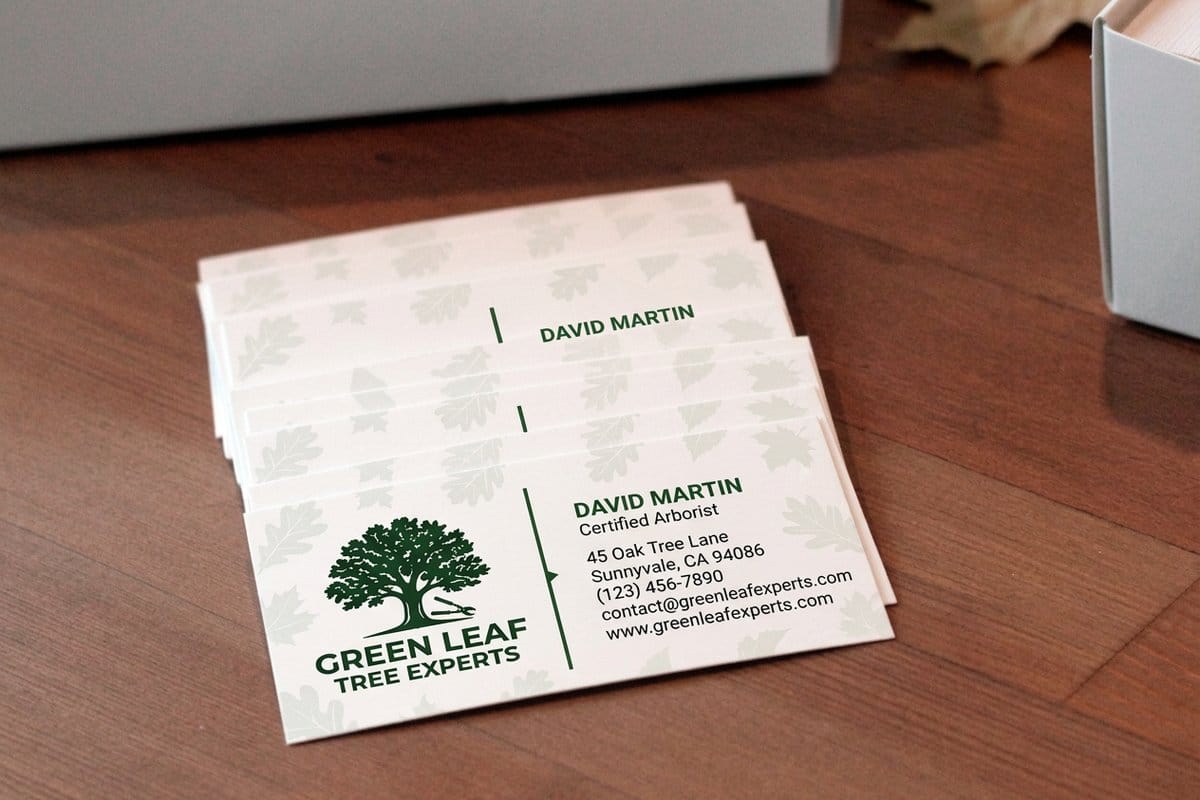
The upgrade is a good buy in a narrow set of conditions. The box is light and small, so the air premium stays reasonable. The deadline is inside the air window, meaning production genuinely finishes in time. And ground would miss, rather than land a day early. A box of business cards from $17.57 weighs a couple of pounds and expedites for a sum a crew leader will happily pay to have cards in hand for a Monday estimate.
It is a poor buy in three situations, and each one is worth recognising before the card comes out. When production is the bottleneck, ask about a faster turnaround instead, because that is the clock actually holding you up. When the shipment is bulky, air freight is priced against volume and an upgrade on a pallet of a-frame signs can cost more than the signs. And when you are in zone 2 to 4, ground already delivers in one or two days, so you would be paying a premium to arrive on a day you were going to arrive anyway.
One limit to name plainly: an expedited service does not rescue a file problem. If the job is sitting on a preflight hold for a missing bleed or a spot color that was never specified, no shipping label moves it. Approve proofs the day they arrive, and if the job uses a brand color read our guide to Pantone and spot color inks before you upload rather than after we call.
Why Bulk Costs More Than Weight, and the Second Trip People Forget

Carriers bill on the greater of actual weight and dimensional weight, and dimensional weight is calculated from the size of the box rather than what is in it. Print splits neatly along that line. Flat, dense products are small for their weight and bill close to what the scale says. Bulky products are light for their footprint and bill on the space they take up in the truck.
- Bills near actual weight: business cards, save the date cards, postcards, flyers, letterheads, shipping labels. Dense stacks in a small carton.
- Bills on volume: a-frame signs, rigid boards, framed pieces, anything with a stand or a hard case.
- Bills awkwardly either way: rolled banners and posters, because a long tube prices on its length even when it weighs almost nothing.
The consequence is not intuitive. A 6 pound order of signs can cost more to ship than a 15 pound order of cards going to the same address on the same service. When you are budgeting a job with both, price the shipping before you commit to the quantity, not after.
Then there is the leg nobody puts in the schedule. Anything you mail onward has a second transit time on top of ours. Save the date cards from $19.77 and save the date magnets from $19.68 arrive at your door, and only then do they get addressed, stuffed, stamped and handed to the post office. Addressing 200 envelopes is an evening of real work, and first class mail adds its own days after that. Seasonal pieces are the least forgiving of all: Christmas save the date cards from $19.77 have to be in a mailbox before the recipient makes December plans, which means printing them in October.
Count backward from the in-home date, not forward from the order. Subtract mailing days, subtract the evening of addressing, subtract transit, subtract production, and place the order on the day that falls out. If you are still choosing a printer for a deadline like that, our guide to choosing a printing service lists the questions that predict whether a date will hold, and the printing basics hub covers the rest of the process end to end.
Wally counts backward
Two stopwatches, business days only
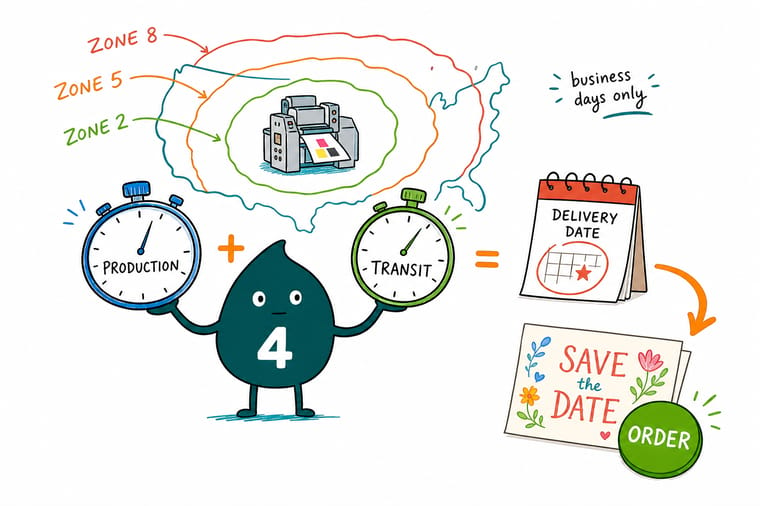
Wally runs one stopwatch for the press and a second for the truck, and he adds them. Zone rings on his map set the second number: one business day close to home, about five to the far coast. Weekends do not tick, so a Friday handoff earns nothing until Monday. When somebody asks him to make a Tuesday deadline, he starts at the deadline and subtracts, instead of starting today and hoping.
Order save the date cards →Specs and pricing
Dated pieces, sizes, turnarounds and starting prices
These are the products where the two clocks matter most, with live configuration choices and starting prices straight from the 4OVER4.COM configurator.



Print it
Order early enough that shipping is boring



Explore more
Where to go next






By the numbers
Deadlines held at 4OVER4
Common Questions
Your shipping and transit questions, answered
How do I work out the actual delivery date for a print order?
Add the production turnaround to the transit time, counting only business days, and start the count from the moment the file clears preflight rather than the moment you clicked pay. A 2 day turnaround ordered Monday morning with an approved file finishes Wednesday. If that box then rides 3 day ground, its first transit day is Thursday and it lands the following Monday. Six calendar days for a job most people would have written down as two.
What does a shipping zone actually mean?
It is a distance band measured from the origin ZIP code to the destination ZIP code, numbered 2 through 8 for domestic ground. Zone 2 is the ring closest to the plant and zone 8 is the far side of the country. The number belongs to the pair of addresses, not to your city, so the same warehouse in Phoenix is a low zone from a Southwest printer and a high zone from an East Coast one. You cannot negotiate your zone. You can only change the service level or ship earlier.
Does ground shipping run on weekends?
Commercial ground delivery runs Monday through Friday, and carrier holidays are dead air on top of that. This is the single biggest source of surprise on print deadlines: a job that finishes Friday at 4pm does not begin moving until Monday, so the two calendar days you thought you had over the weekend are worth nothing. If a deadline falls on a Monday or Tuesday, work backward and get the box on a truck by Wednesday of the prior week.
Is it worth paying for expedited shipping?
It is worth it when the job is light, the deadline sits inside the air window, and production is already finished or about to be. It is a poor buy when production is the real bottleneck, because air service does not touch the press schedule. It is also a poor buy on bulky freight: upgrading a pallet of signs to air can cost more than the signs. Before you upgrade the shipping, ask whether a faster turnaround gets you there for less.
Why is shipping expensive on large signs but cheap on business cards?
Carriers bill on the greater of actual weight and dimensional weight, which is calculated from the box volume. A box of business cards is small and dense, so it bills close to its real weight. A-frame signs, rigid boards and framed pieces are light for their size, so they bill on the space they occupy in the truck. That is why a 6 pound sign order can cost more to ship than a 15 pound card order going to the same address.
Do I need to add mailing time on top of shipping time?
Yes, and it catches people out on every dated piece. Save the date cards start at $19.77 and ship to you, then you address them and hand them to the post office, which is a second transit leg with its own days. Budget the addressing time honestly, because stuffing and stamping 200 envelopes is an evening of work, then add first class mail time on top. Working backward from the event date rather than forward from the order date is the only way this lands right.
Get Started
Have a date to hit? Count backward with us.
Pick the turnaround that gets the job off the press in time, then let the zone decide the service. Upload the file, clear preflight the same day, and the arithmetic works out.
Legal Disclaimer
Gold Standard guarantees apply to all standard orders placed through 4over4.com. Price match requires verifiable proof of a competitor's published price for an equivalent product with matching specifications and turnaround time. Satisfaction guarantee covers manufacturing defects and print quality issues. Contact support with order number and documentation. On-time delivery rate based on tracked orders 1999 to 2026. Individual results may vary based on shipping carrier performance.
