
What Postcard Printing Costs and What Drives the Price


Nadia is our customer education voice, built from the knowledge of our production team, with over 20 years in printing.
Four things set the number on a postcard quote. Each variable moves the price differently, every finish we print has a starting cost, and mailing quietly doubles the bill.
Standard postcards start at $16.48 at 4OVER4.COM, and four things move that figure: size, paper stock, coating, and quantity. Quantity is the only one that pushes the price down, because setup and make-ready are charged once per job and get divided across every piece in the run. Coating is where the ladder climbs fastest, from $29.44 for soft touch to $190.02 for spot UV. If the cards are being mailed, add postage on top and let the 4.25 by 6 inch postcard-rate limit steer the size.
Quick answer
Setup is fixed, everything else rides on every card
A postcard price is one fixed cost plus a per-piece cost. Plates, make-ready and press setup are charged once, so they shrink to almost nothing as the run grows. Paper, ink, coating and finishing are charged on every single card and never fall away. The standard 4 by 6 ladder shows it: 50 cards cost $16.48, about 33 cents each, 100 cost $24.16, and 500 cost $51.62, about 10 cents each. That is the whole model, and it explains why a bigger run is cheaper per piece while a heavier stock or an extra finishing pass stays expensive at any quantity. Before you commit a full run, read how to get a postcard sample.
The Four Levers That Set a Postcard Price
Every postcard quote you will ever get is the same four decisions in a different order. Learn what each one does to the number and you can guess a price before the configurator loads.
Size. A 4 by 6 card is the baseline. Move to 6 by 9 or 6 by 11 and fewer cards fit on the press sheet, so you pay for more paper per piece and the trim work goes up. Oversized postcards start at $51.62 against $16.48 for the standard size, which is close to the difference in sheet area.
Stock. 14pt gloss cover is the default and the cheapest. 16pt is stiffer and survives handling better. Ultra-thick stocks feel expensive because they are, and they add weight to every piece you mail.
Coating. This is the lever that surprises people, and the one covered in the next section. Gloss and matte are applied inline and cost almost nothing. Anything laminated or spot-applied is a separate machine pass.
Quantity. The only one that pulls in your favor. Plates, make-ready and press setup are charged once per job, so the more pieces they are divided across, the less each card carries. Our guide to how bulk price breaks work covers where the steps land and why the first jump saves the most.
Set your real quantity in the configurator on the postcard printing pages before comparing anything. Entry prices are useful for ranking options against each other, but they describe the smallest run, which is almost never the run you want.
What Each Postcard Finish Costs to Start
These are the starting prices in our catalog, ordered cheapest to most expensive. Read the third column, because it explains the whole ladder: the price tracks how many times the sheet has to go through a machine.
| Postcard | Starts at | What the extra money buys | Best for |
|---|---|---|---|
| Standard | $16.48 | Nothing extra. Print and an inline gloss or matte coating. | Volume mail, handouts, anything where reach beats feel. |
| Kraft | $28.49 | An uncoated recycled-look stock that ink soaks into. | Craft, food and wellness brands wanting a plain, tactile card. |
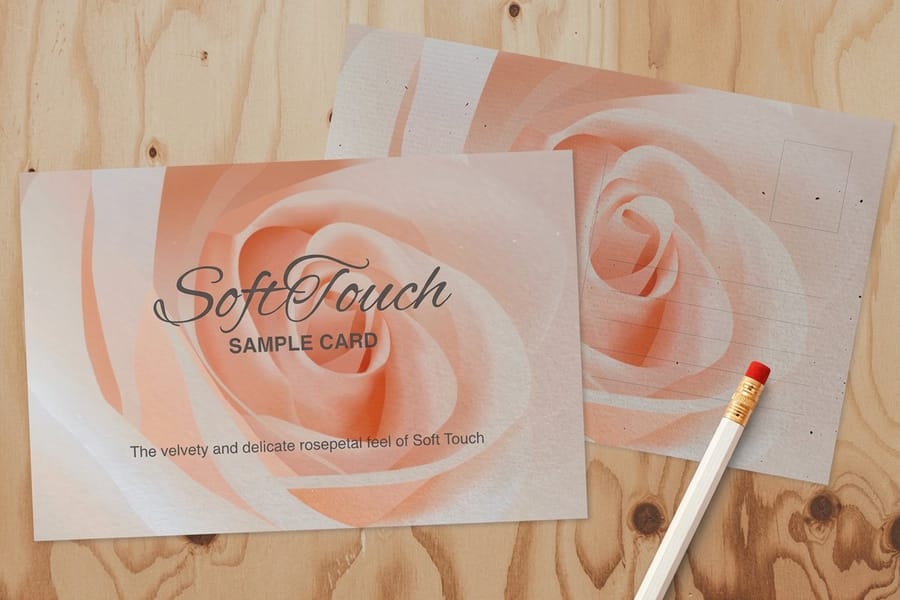
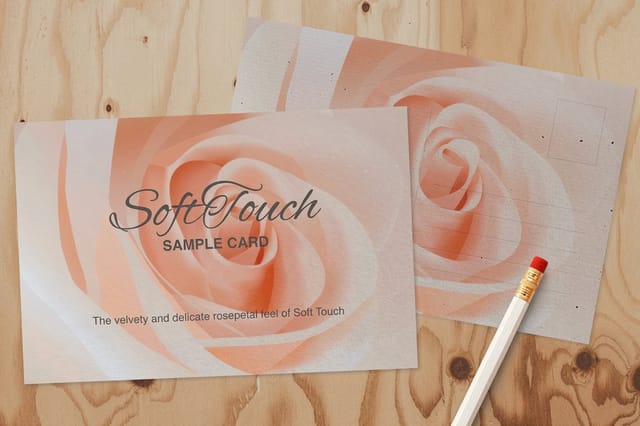
| Soft touch | $29.44 | A velvety laminate film applied in a second pass. | Cards that get handed over and held rather than skimmed. |
| Die-cut | $34.05 | A cutting die and a die-cutting pass after printing. | Shaped cards that stand out in a stack of rectangles. |
| Oversized | $51.62 | More paper per card and fewer cards per press sheet. | Mailers that need to be seen before they are sorted. |
| Silk laminated | $74.53 | A silk laminate that resists scuffing and fingerprints. | Cards that travel, get stacked, and still have to look new. |
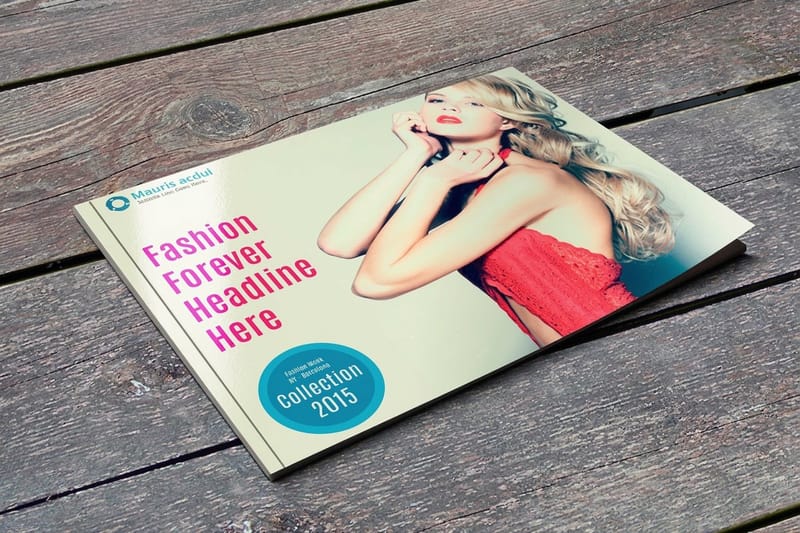
| Folded | $84.36 | Twice the printable panels plus a scoring and folding pass. | Offers that need more room than one side of a card gives. |
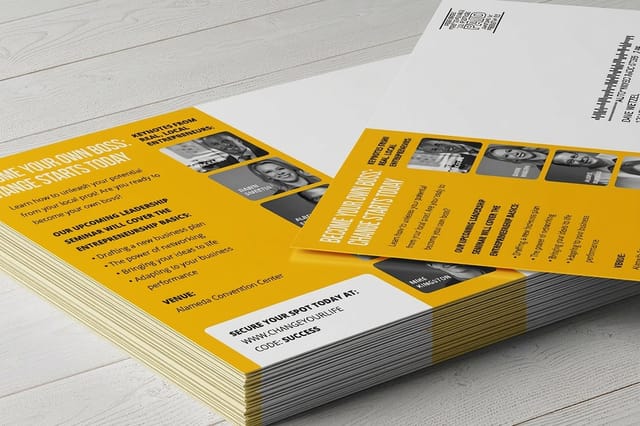
| Direct mail | $89.68 | Printing plus addressing, sorting and the drop at the post office. | Campaigns you do not want to hand-address yourself. |
| Spot UV | $190.02 | A registered gloss varnish applied only where the art calls for it. | One high-value piece where the finish is the message. |
The gap between $16.48 and $190.02 is not paper quality. It is passes. A standard card is printed and coated in one trip through the press. A spot UV card is printed, coated, then set up again with its own plate and registered to the sheet so the gloss lands exactly on the logo and nowhere else. That setup is charged whether the run is 500 or 5,000, which is why premium finishes make far more sense on a large run than a tiny one.
Quantity Breaks and Where to Stop Ordering
The per-piece price does not slide down smoothly. It holds flat across a tier and then drops at the next threshold, which means an order sitting just short of a break pays the higher rate on every card. Push the quantity up a notch in the configurator and watch the per-piece figure. If it falls, you were standing on the wrong side of a step.
The first jump saves the most. Going from a few hundred cards to a thousand spreads the same setup across four times as many pieces, and that is where the curve is steepest. By the time you reach very large runs, the setup share is nearly gone and you are mostly paying for paper, so doubling again saves comparatively little.
Most pricing pages leave that part out. Cheaper per piece is not the same as cheaper. A card carrying a dated offer, an event, a seasonal promotion or a price you plan to change is worth exactly nothing the day it goes stale, so a 5,000-piece run that saves a few cents each and leaves 3,000 in a cupboard cost you money. Evergreen cards with your logo, your services and a phone number are the ones worth over-ordering. Reprinting is what carries a second setup charge, so if you know you will send the same card three times this year, print it once.
Design once and reuse the layout. Start from a correctly sized file in the blank template library so the artwork drops into any quantity without a rebuild, and check the layout advice in our postcard anatomy guide before you commit to a big run.
Mailing Changes the Arithmetic Completely
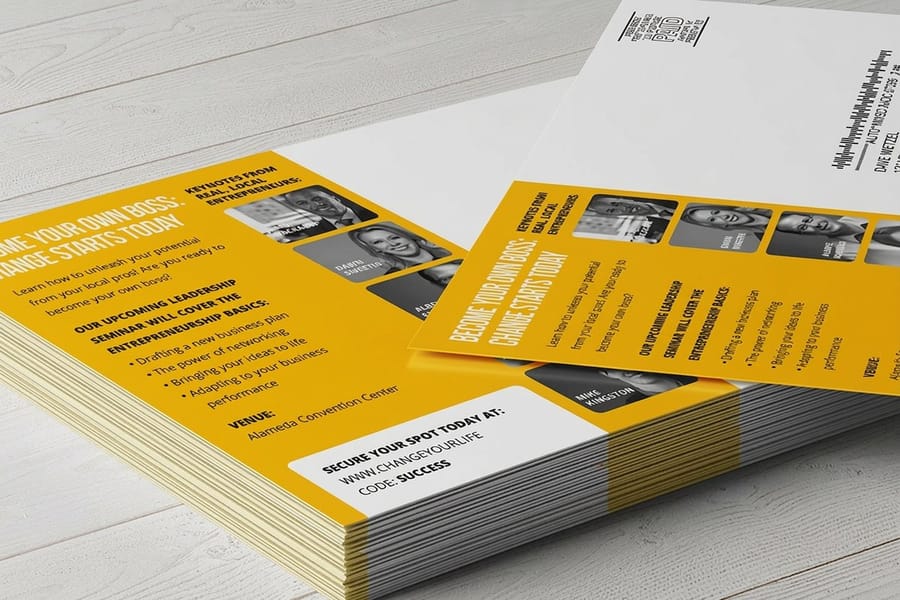
If the postcards are going in the mail, printing is the smaller half of the budget. Direct mail postcards start at $89.68, and that price covers printing, addressing from your list, sorting and handing the job to the post office. Postage is separate and billed at the going USPS rate for your piece and class. On most campaigns it is the largest line on the invoice.
Which is why the format decision is really a postage decision. The USPS postcard rate applies to a rectangular card that is at least 3.5 by 5 inches, no more than 4.25 by 6 inches, and between 0.007 and 0.016 inch thick. A 4 by 6 card on 14pt stock, which measures about 0.014 inch, sits inside that window with room to spare. 16pt is roughly 0.016 inch and sits right at the ceiling.
| Format | Mails as | Print cost from | The trade-off |
|---|---|---|---|
| 4 by 6 | Postcard rate | $16.48 | Cheapest to print and cheapest to mail. Competes with every other small card in the stack. |
| 6 by 9 | Letter rate | $51.62 | Hard to ignore in a mailbox, but you pay the higher rate on every single piece. |
| 6 by 11 | Letter rate | $51.62 | Maximum presence while staying inside letter dimensions. Same postage step as 6 by 9. |
| Folded card | Depends on sealing | $84.36 | More space to sell, but folded self-mailers have their own tabbing rules to satisfy. |
Run the numbers per piece, both lines together, before choosing a size. A 6 by 9 that gets read beats a 4 by 6 that gets binned, and the reverse is equally true when the budget only stretches to one of them. If the campaign is your first, the step-by-step in sending direct mail postcards covers the sequence, and postcard printing services compared shows how our pricing lines up against the alternatives.
Wally prices a postcard order
One fixed cost, then a cost that repeats on every card

Wally charges the setup once. Plates, make-ready and getting the press running cost the same whether he prints 250 cards or 5,000, so on a small run that cost sits heavily on every piece and on a big run it almost disappears. Then he charges the part that repeats: paper, ink, and any coating or folding pass. That part is the same on card number one and card number five thousand. So if the price looks high, add pieces before you remove finishes, and if it still looks high, take a pass off the card rather than paper off the stock.
Price your postcards →%22%2F%3E%3Ccircle%20cx%3D%2249%22%20cy%3D%2220%22%20r%3D%2224%22%20fill%3D%22%232dd4bf%22%20opacity%3D%220.15%22%2F%3E%3Ccircle%20cx%3D%2254%22%20cy%3D%2227%22%20r%3D%22-3%22%20fill%3D%22%232dd4bf%22%20opacity%3D%220.1%22%2F%3E%3Crect%20x%3D%2279%22%20y%3D%22-9%22%20width%3D%2234%22%20height%3D%2220%22%20rx%3D%224%22%20fill%3D%22%232dd4bf%22%20opacity%3D%220.08%22%20transform%3D%22rotate(44%2080%2030)%22%2F%3E%3C%2Fsvg%3E)
Specs and pricing
Sizes, stocks and live prices, side by side
Standard postcards start at 50 for $16.48 in fourteen sizes, oversized postcards at 50 for $51.62 from 5.5 x 8.5 in to 6 x 11 in, and direct mail postcards at 500 for $89.68 for list drops. Set your real quantity in each configurator and compare the per-piece number rather than the totals. These are the three formats most postcard orders come down to.

Print it
Order postcards at the price you just worked out
Standard postcards from $16.48 for 50 on 14pt gloss, soft touch postcards from $29.44 for 50 on 32pt to 80pt soft touch uncoated board, and direct mail postcards from $89.68 for 500.

Explore more
Where to go next
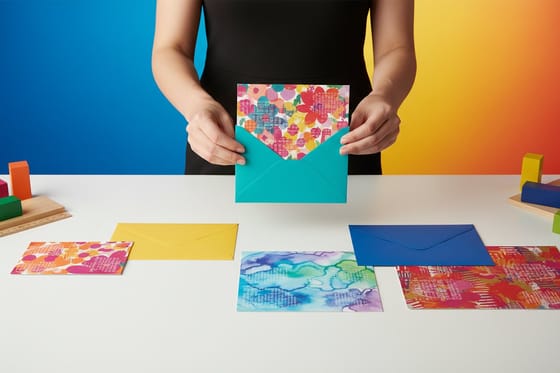
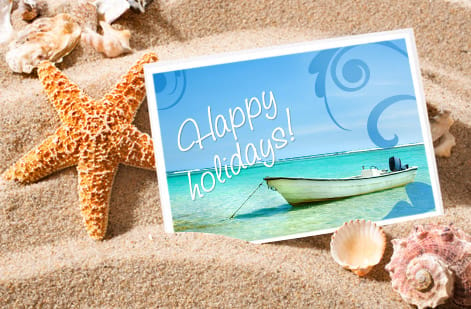
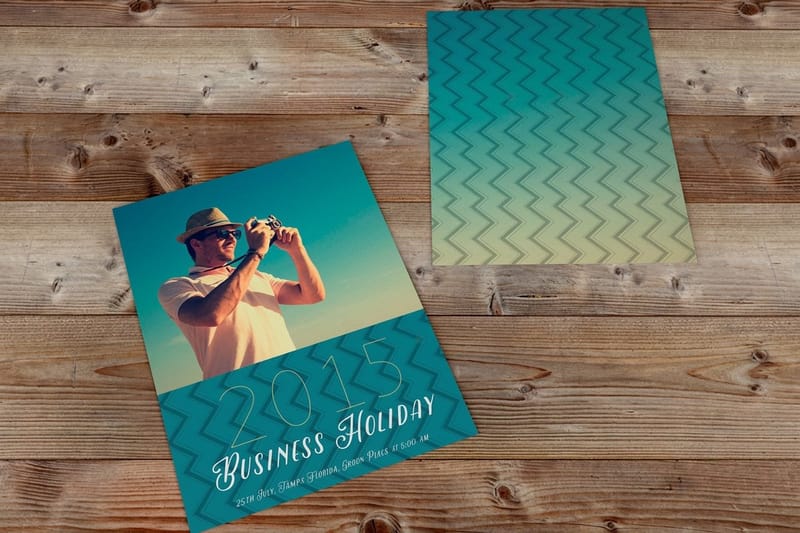
The guides below pick up where the price leaves off: where the bulk price breaks fall, what it takes to send a direct mail postcard, which envelope fits each postcard size, and what each part of the card is called.

By the numbers
Postcard printing you can plan a budget around
Common Questions
Your postcard pricing questions, answered
How much does postcard printing cost?
Standard postcards at 4OVER4.COM start at $16.48 for a small run of 4 by 6 cards on 14pt gloss. From there the price follows what you change: kraft postcards start at $28.49, soft touch at $29.44, die-cut at $34.05, oversized at $51.62, silk laminated at $74.53, folded at $84.36, and spot UV at $190.02. Those are entry prices at the smallest quantity, so the useful number to compare is never the total in the cart but the per-piece figure the configurator shows once you set your real quantity.
Why is one postcard $16 and another one $190?
Because the second one goes through the press and then through a finishing machine. A gloss postcard is printed and coated inline, so the coating adds almost nothing. Soft touch, silk and velvet are laminating films applied in a second pass. Spot UV is applied only where your artwork calls for it, which means a separate plate, registration to the printed sheet, and a slower run. Every extra pass is labor and machine time that gets charged whether you order 500 cards or 5,000.
Is it cheaper per piece to order more postcards than I need?
Per piece, yes, and it keeps getting cheaper. Whether that is actually cheaper depends on what is printed on the card. A card with an evergreen message, your logo and a phone number is worth over-ordering because it will still be usable next year. A card with a dated offer, an event, a price or a seasonal promotion is not, and printing 5,000 of those to save a few cents each means throwing most of them away. Order the number you can genuinely use before the content expires.
Does the printing price include postage?
No, and the two are billed separately for a reason. Printing is a fixed, quotable number. Postage depends on the size and thickness of the card, the class of mail, whether the list is presorted, and current USPS rates. On a typical postcard campaign the postage line is larger than the printing line, which is why the mailing format matters more to the budget than the coating does.
What postcard size is cheapest to mail?
Anything that stays at or under 4.25 by 6 inches and between 0.007 and 0.016 inch thick, because that is the window for the USPS postcard rate. A 4 by 6 card on 14pt stock sits comfortably inside it. Step up to 6 by 9 or 6 by 11 and the piece mails at the letter rate instead, which costs more per piece. The larger card gets noticed in a stack of mail, so it can still be worth it, but decide that as a marketing choice rather than discovering it on the postage invoice.
Should I pay for 16pt instead of 14pt?
On a handout card, 16pt feels noticeably more substantial and is worth the small difference. On a mailed card, check the thickness first. 14pt measures roughly 0.014 inch and 16pt roughly 0.016 inch, which sits right at the ceiling for the USPS postcard rate. Going thicker than that, to 18pt or ultra-thick stock, pushes the piece out of postcard rate territory, so the stock upgrade quietly raises the postage as well as the print price.
Get Started
Kraft postcards run 100 for $28.49, or 28 cents each
Pick a size, a stock and a finish, set the quantity you will actually use, and the configurator shows the per-piece cost before you commit to anything.
Legal Disclaimer
Gold Standard guarantees apply to all standard orders placed through 4over4.com. Price match requires verifiable proof of a competitor's published price for an equivalent product with matching specifications and turnaround time. Satisfaction guarantee covers manufacturing defects and print quality issues. Contact support with order number and documentation.
