
Label Sizes Explained With Standard Size Charts for Every Use


Bottle, shipping, jar, and product labels each have sizes that have settled into place for good mechanical reasons. This guide gives you the working numbers, the wrap math for round containers, and a simple way to confirm a size before you order.
Label sizes are written width by height in inches and describe the finished trim after cutting. The common defaults are 2.625 by 1 inch for address labels, 4 by 6 inches for shipping labels, 2 by 2 to 3 by 2 inches for jars and small products, and roughly 8 by 2 inches for a full wrap on a sixteen ounce bottle. Measure the container, subtract an eighth of an inch on each side, and build the file with an eighth inch of bleed.
Start here
Every label size question in one paragraph
Pick the size from the container, not from a catalog. Measure the flat printable area, take an eighth of an inch off each side for breathing room, and match that maximum to the nearest common size. Address labels land at 2.625 by 1 inch, carrier labels at 4 by 6, jars and tins between 1.5 by 1.5 and 3 by 2, and bottle wraps at the circumference, which is the diameter times 3.14. Build the file with bleed, keep text inside the safe area, and print a paper mockup before you order.
Why label size is the first decision, not the last
Most label problems start as size problems. A design that looks confident on screen turns into crowded type on a two inch jar, or floats in dead space on a shipping carton. The container decides the size, the size decides the layout, and the layout decides how much you can say. Reversing that order costs a reprint.
Choosing the size first also settles questions that are painful to change later, such as how many lines of ingredient copy fit, whether a barcode stays scannable, and whether the brand name can hold its own from three feet away. Our standard sticker and label size guide covers the neighboring sticker formats, and the sticker sizes chart is a fast lookup when you already know the shape you want.
What a standard label size actually means

A label size is always written width first, then height, in inches. That number describes the finished piece after cutting. It does not include bleed, and it does not include the liner around a die cut shape. When a supplier quotes 4 by 6, the artwork is built at 4.25 by 6.25 with bleed and trimmed back down.
Sizes became standard for mechanical reasons rather than aesthetic ones. Address labels sit at 2.625 by 1 inch because thirty of them tile a letter sheet with clean margins. Shipping labels sit at 4 by 6 because thermal printers were built around that web width. Once a size is standard, applicators, dispensers, and printers are all tuned for it, which is why sticking close to one saves money.
Anything outside those conventions is a custom size, and custom is normal in this category. The full vocabulary of trim, bleed, and safe area is laid out in our reference on print specs and dimensions, which is worth reading once before you set up a label file for the first time.
Bottle and jar label sizes, including the wrap math

Round containers are the one case where you cannot measure the label directly. You measure the container, then calculate. Take the diameter, multiply by 3.14, and that is the circumference. That number is your maximum wrap width, and you subtract about an eighth of an inch if you want a small gap or add a quarter inch if you want the seam to overlap itself.
Height is limited by the straight section of the bottle. Labels do not like curves, so measure from where the shoulder starts to flatten to where the base begins to taper, then take a quarter inch off each end. A sixteen ounce bottle usually gives you about two to two and a half inches of clean height, which is why 8 by 2 inches is such a common wrap.
Front panel labels are the easier option when the bottle shape fights a full wrap. A 4 by 3 inch panel sits comfortably on most sixteen ounce bottles and leaves room for a back label. The dedicated water bottle label size guide works through the common bottle families and the stocks that survive a cooler.
Shipping and address label sizes that carriers expect

Fulfillment is the least flexible corner of label sizing. Carrier systems generate a 4 by 6 inch label, and every desktop thermal printer, pouch, and scanner in the chain is built around it. If you are printing carrier labels, use that size and leave the design alone apart from your own branding on a separate piece.
Return address and mailing labels are the other end of the scale. The 2.625 by 1 inch format is the default, with 4 by 2 inches used when a full company block with logo has to fit. For cartons that need handling instructions, 3 by 5 and 4 by 4 inches both give enough room for large type without swallowing the box panel.
The one rule that matters more than the size is barcode clearance. Keep a quiet zone of at least an eighth of an inch of blank space on every side of any scannable code, and never place a code across a fold or a seam. Our overview of different types of printing explains why thermal and digital output behave differently at small barcode widths.
Product and packaging label sizes by container
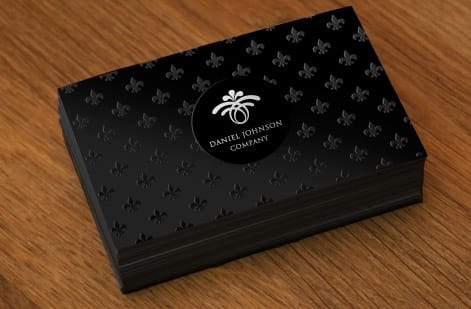
Retail labels are where size and content fight hardest, because ingredient panels, net weight, and legal copy all compete with the brand name. Work backward from the mandatory copy. If a nutrition or ingredient block is required, block out that area first and design the front around whatever is left.
Useful starting points by container: a two ounce tin or lip balm pot takes a 1.5 by 1.5 inch square or a 1.75 inch circle. A four ounce jar takes 2 by 2 or 2.5 by 1.5 inches. An eight ounce jar takes 3 by 2 inches. A pint container takes 4 by 3 inches. A candle vessel usually takes a 3 by 2 inch front with a 2 by 1 inch base label for burn warnings.
Stock choice interacts with size more than people expect. A large label on a textured or uncoated face shows every air bubble, while a small label on film hides application flaws. The rundown of print materials and paper covers which faces behave on curved and squeezable containers.
Sheet labels and roll labels are sized differently
A sheet label is described only by the size of one label and how many sit on the sheet. You peel by hand, which is fine for short runs, kits, and anything applied at a desk. Gaps between labels on the sheet are fixed, so the sheet layout can limit which sizes are available at a given quantity.
A roll label carries three numbers instead of one. There is the label size, the core diameter that the applicator spindle needs, and the outside diameter the machine can hold. Get any of those wrong and the roll physically will not mount, even if the label itself is correct. Ask the applicator supplier for all three before you order.
Roll labels also have a wind direction, which describes whether the label comes off the roll head first, foot first, or from the left or right edge. Hand application ignores it, automated lines do not. If you are moving from hand applied sheets to a machine, confirm the wind direction at the same time you confirm the size.
How to measure and pick your label size in ten minutes

Start with a ruler and the actual container, not the spec sheet from the supplier. Measure the flat printable width, the usable height between the curves, and note anything in the way such as a mold seam, a handle, or an embossed logo. Write those three numbers down before you look at any size chart.
Subtract an eighth of an inch from each side as breathing room. A label that runs edge to edge on a container looks like a mistake even when it is applied perfectly, and any small application shift becomes obvious. That subtraction gives you a maximum label size rather than a target.
Then print a full scale mockup on plain paper, cut it out, and tape it on. Ten seconds of looking at the real object answers questions no screen preview will. Check the brand name from arm's length, check the small print at reading distance, and check that nothing important lands on a curve. The sticker sizes chart is a good place to find the nearest standard size once you know your maximum.
When to go custom and what a custom size costs

Go custom when a standard size forces you to shrink type, crop a required panel, or leave an awkward band of bare container. Those are real costs. A slightly odd size that fits the product is almost always cheaper than a standard size that makes the product look careless.
Custom does not mean expensive. Any size that fits inside the press sheet is available, and pricing follows total printed area and quantity rather than a penalty for being nonstandard. The only genuine addition is a cutting die for a shape outside the usual rectangles, circles, and ovals, and that die is reused on every reorder.
Custom shapes also open up options a rectangle cannot reach, such as a label that follows a bottle shoulder or a die cut that traces a logo. The same logic applies across formats, which our guide to custom sizes in every format works through for large format pieces.
Bleed, safety margin, and why the size on screen shifts

Every label file has three rectangles. The trim is the size you ordered. The bleed extends an eighth of an inch past the trim on all four sides, so any background color or image runs off the edge. The safety area sits an eighth of an inch inside the trim, and all text, logos, and barcodes stay inside it.
Cutting has a small tolerance, usually within a sixteenth of an inch. Without bleed, that tolerance shows as a thin white sliver along one edge. Without a safety margin, the same shift clips the first letter of a line. Both problems are invisible in the design file and obvious on the finished label.
Rounded corners tighten the safety area further, because the curve pulls the usable corner inward. On a die cut shape, follow the cut line inward by an eighth of an inch and treat that inner outline as your real canvas. The full set of setup numbers lives in our print specs and dimensions reference.
What label size does to price, quantity, and turnaround

Size affects price through total printed area, not through a per size rate. A run of one thousand labels at 2 by 2 inches uses a quarter of the material of the same run at 4 by 4, but the setup, plates, and handling are identical. That is why the price difference between two sizes is usually much smaller than the difference in area suggests.
Quantity moves the number far more than size does. Setup is a fixed cost spread across the run, so unit price falls steeply from two hundred fifty to one thousand and keeps falling to five thousand. If you know a reorder is coming within a few months, ordering the larger quantity once is almost always cheaper than ordering twice.
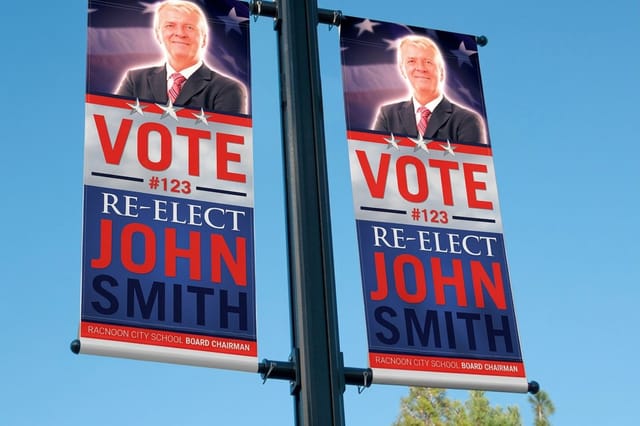
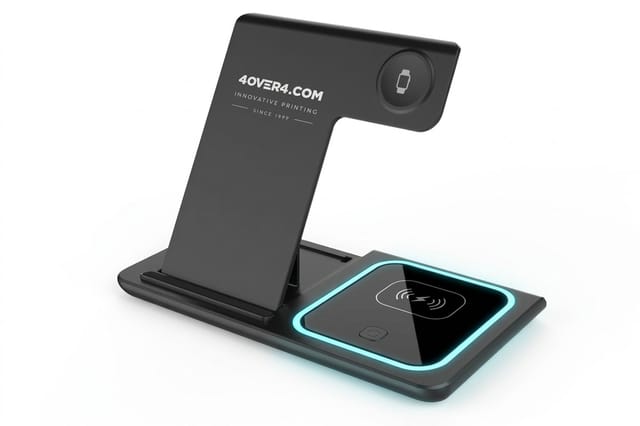
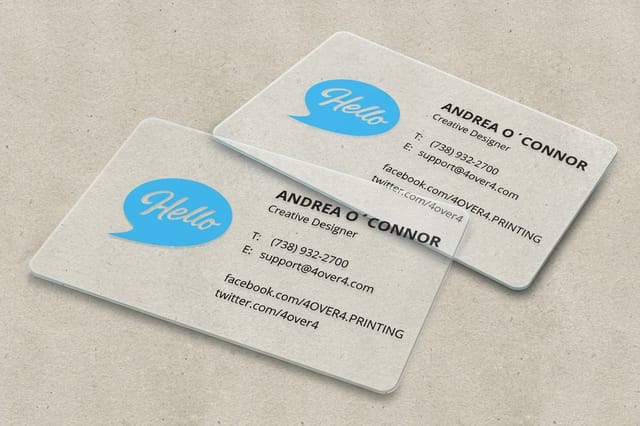
The same math applies across the wider catalog. 30mil Clear Plastic Cards start at $529.26 for a run, 2 Sided Blockout Banners start at $108.75, and 3 in 1 Foldable Wireless Chargers start at $15.00, and in each case the unit cost drops as the quantity rises. Order free paper samples first so you can feel the stock and check how your size reads in the hand before committing to a run.
Wally sizes the label before he designs it
Measure the container first, open the design file second
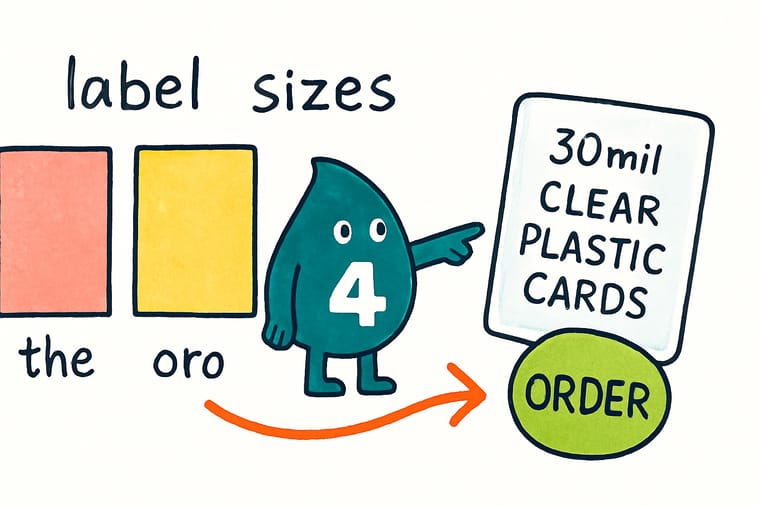
Wally keeps a ruler on his desk for exactly this reason. He measures the flat area of the container, takes an eighth of an inch off every side, and only then picks a size from the chart. For round bottles he multiplies the diameter by 3.14 to get the wrap. Then he prints a paper mockup, tapes it on, and looks at the real thing before anything goes to press.
Configure your print run →Size chart
Standard label sizes at a glance
One frame, seven sizes that cover most jobs. Save it, send it to whoever is designing, and use it to sanity check a size before you commit to a run.
These seven cover most orders, but they are starting points rather than limits. If the container gives you an odd maximum, order that odd size instead of squeezing the design into a rounder number.
Specs and pricing
Live specs and pricing on printed cards
Once the size is settled, the rest is stock, quantity, and finish. These panels show the live specification list and price breaks so you can see how quantity moves the unit cost.

| Quantity | Price Per Unit | Total |
|---|---|---|
| 500 | $1.06 | $529.26 |
| 1,000 | 63.0¢ | $630.31 |
| 2,000 | 56.8¢ | $1,135.55 |
| 2,500 | 53.0¢ | $1,325.02 |
| 3,000 | 50.5¢ | $1,514.49 |
| 3,500 | 48.7¢ | $1,703.96 |
| 4,000 | 47.3¢ | $1,893.44 |
| 4,500 | 45.6¢ | $2,051.33 |
Print it
Products that pair with a labeled product line
See it in use
Real printed work, produced in-house

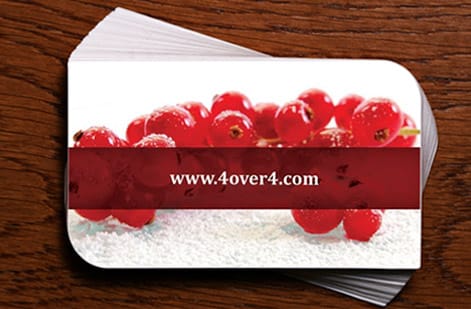
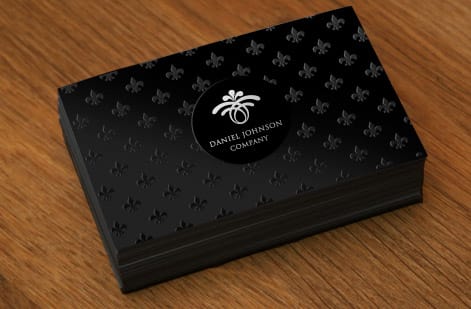
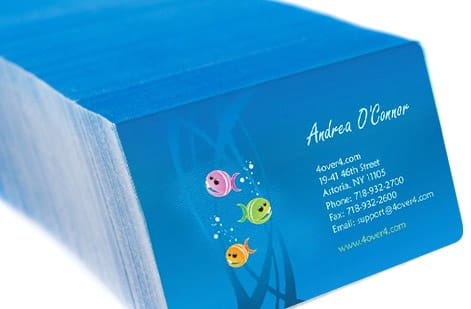
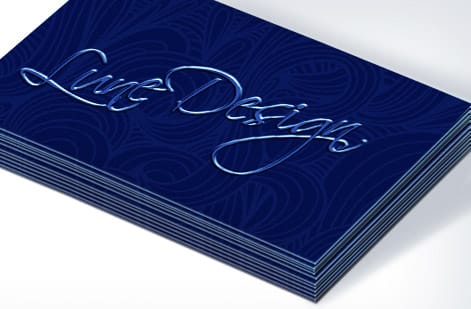
Explore more
Where to go next




By the numbers
Printing you can plan a product launch around
Common Questions
Common questions about label sizes
What are label sizes?
Label sizes are the finished trim dimensions of a printed label, written as width by height in inches, so a 4 by 6 label is four inches wide and six inches tall. The size is measured after cutting, not including bleed. Sheet labels are described by the size of one label on the sheet, while roll labels are described by the label size plus the core and roll diameter the applicator needs.
What is the most common label size?
For mailing and filing, 2.625 by 1 inch is the workhorse because thirty of them fit a letter sheet. For fulfillment, 4 by 6 inches is standard because every major carrier prints its thermal label at that size. For retail products, 2 by 2 and 3 by 2 inches cover most jars and small boxes, and 4 by 3 inches is the usual starting point for a wraparound bottle label.
How do I choose the right label size?
Measure the flat printable area of the container, subtract a small margin on every side so the label never runs into a seam or a curve, then check that the required text still reads at that size. Print a full scale paper mockup, cut it out, and tape it to the real container before you order. If the copy feels cramped at that size, go up rather than shrinking type below six point.
What size label fits a standard water bottle?
A typical sixteen ounce bottle takes a label around 8 by 2 inches for a full wrap, or 4 by 3 inches for a front panel label that leaves the seam visible. Multiply the bottle diameter by 3.14 to get the wrap width, then add a quarter inch of overlap so the seam glues to itself instead of to the plastic.
What does label size cost and how are prices set?
Price is driven by total printed area, quantity, stock, and finish rather than by the size alone. Doubling the label size does not double the cost, because setup is spread across the run. Larger quantities drop the unit price sharply, and a coating or a die cut shape adds a fixed amount per run. Turnaround also affects the final number.
What sizes, stocks, and finishes are available for labels?
Sizes run from small rectangles under an inch up to full sheet formats, in rectangle, square, circle, oval, and custom die cut shapes. Stocks include white uncoated for writable labels, gloss and matte coated for retail, clear film for the no label look, and weatherproof vinyl for outdoor use. Finishes include gloss and matte lamination, UV coating, and foil accents.
How long does label printing take to ship?
Most label runs print and ship within two to five business days once artwork passes preflight, with faster turnaround available on many stocks. Custom die cut shapes add a step for the cutting die, so allow an extra day the first time a new shape is made. Reorders of the same shape skip that step because the die already exists.
Get Started
Got your size? Put it on press
Bring the measured size to 4OVER4.COM and we will print it with bleed, safe margins, and a stock that suits the surface. Not sure about the material yet? Start with samples.
Legal Disclaimer
Gold Standard guarantees apply to all standard orders placed through 4over4.com. Price match requires verifiable proof of a competitor's published price for an equivalent product with matching specifications and turnaround time. Satisfaction guarantee covers manufacturing defects and print quality issues. Contact support with order number and documentation. On-time delivery rate based on tracked orders 1999 to 2026. Individual results may vary based on shipping carrier performance.
