
How to Start a Fitness Clothing Line in the US


Sofia is our design and templates voice, built from the knowledge of our production team, with over 20 years in printing.
Turning a training obsession into an apparel brand is a real business, and it follows a real order of operations. Eight steps take a US fitness clothing line from idea to first sale, with the branded print that makes it look established from day one: hang tags on every garment, fitness business cards for wholesale meetings, and fitness banners for events.
To start a fitness clothing line in the US, choose a niche, research the market, design and sample your wear, pick a production model, build a brand identity, register the business, price for margin, and launch. Print-on-demand lets you test designs with almost no upfront cost, while cut-and-sew rewards volume with better margins. Branded print (hang tags, cards, packaging, and event signage) is what turns a blank garment into a brand people follow. On cost, a print-on-demand launch can start under $500, a first small cut-and-sew collection usually lands between $2,000 and $10,000, and the print starts small: 50 hang tags from $25.27 and 100 fitness business cards from $17.57.
Brand toolkit
The print kit that turns a fitness label into a brand
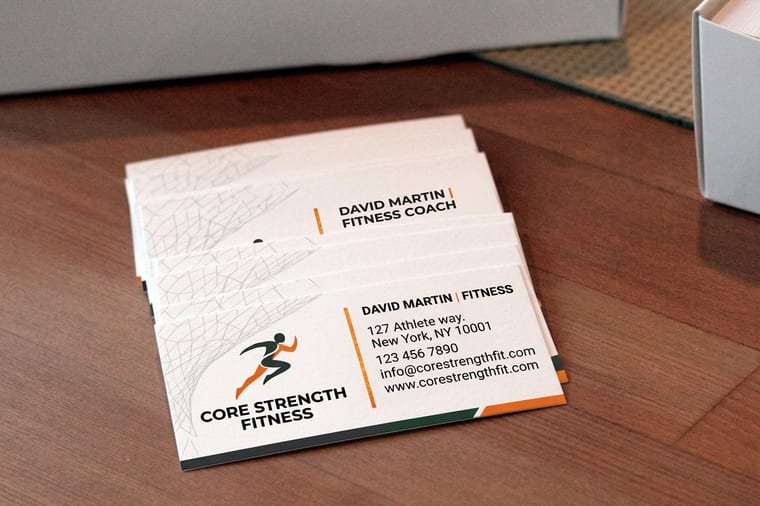
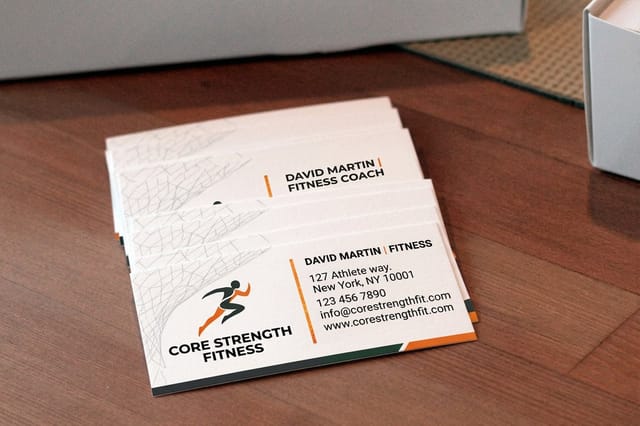
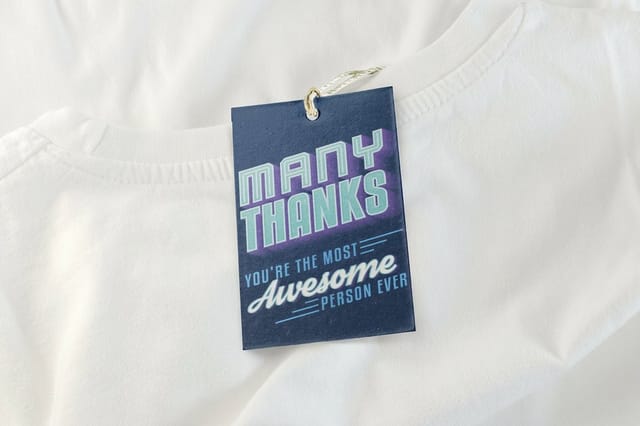
Before the first drop sells out, three printed pieces do the work of making you look established: hang tags on the garment from $25.27 for 50, in sizes from 2 by 2 to 4 by 6 inches with a drilled 1/8 or 3/16 inch hole; fitness business cards in your pocket from $17.57 for 100 at 2 by 3.5 inches; and a fitness banner at the event from $79 on 13 oz outdoor vinyl, 2 by 4 up to 8 by 20 feet. Here are the staples founders reach for, and our design templates get you a professional layout even if you do not have a designer yet.

Start here
Idea to first sale, compressed
Starting a fitness clothing line takes eight moves made in order: choose a niche, research the market, design and sample your wear, pick a production model, build a brand identity, register the business and meet US labeling rules, price for real margin, then launch across your store and in-person events. Test cheaply, keep your sizing and your branding consistent, and let the printed touchpoints do the credibility work while your product earns the reorders.
Step 1: Choose a niche and stake out your position
Every fitness clothing line that goes anywhere starts with a decision most founders skip: exactly who it is for. "Activewear for everyone" competes with billion-dollar brands on their turf and loses. A line for masters-age powerlifters, or for trail runners who train in cold weather, or for women coming back to the gym after pregnancy, competes on a much smaller field where you can actually win. Test it on a 2 by 3.5 inch business card: if the one line that describes your customer does not fit on the back of the card, the niche is still too broad.
Your niche is two answers stacked together. The first is the person: their sport, body type, budget, and the moment they wear your gear. The second is your point of view: sustainable fabrics, size inclusivity, made in the US, or a look nobody else is brave enough to print. Pin both down in a sentence before you touch a fabric swatch, because that sentence decides your materials, your fit, your price, and the story your branded print has to tell.
Write your positioning as a promise a customer would repeat to a friend. If you cannot say it in one line, the market will not remember it in a busy feed. Everything from here forward is just keeping that promise consistent across product and print.
Step 2: Research the market and study your competition

Good research is less about spreadsheets and more about listening. Find the three or four brands your target customer already buys, then read their reviews closely. Read the one-star and three-star reviews first, because they tell you where the incumbents fail on fit, durability, sizing, or shipping. Those complaints are the gap your line can fill.
Find your target audience
Go where they already gather: specific subreddits, training apps, local gyms, and the comment sections of the coaches they follow. Note the language they use for problems, because that language belongs on your product pages and hang tags later.
Analyze the competition
Build a simple table of five rivals covering price bands, fabric claims, sizing range, and how they use social proof. You are hunting for the underserved corner, not a brand to imitate. The store side of this work is covered step by step in our guide on how to start an e-commerce business.
Track industry trends
Separate durable shifts (recovery wear, knits with no side seams, sustainability) from short-lived fads. Design your core line around the durable ones and reserve fads for limited drops you can print fast. When you are ready to sell in person, a set of fitness business cards makes those first wholesale and expo conversations look professional from day one.
Step 3: Design your fitness wear and prove the fit
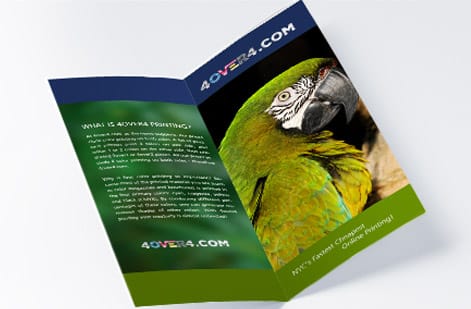
In activewear, fit and feel are the product. A gorgeous print on a shirt that rides up mid-squat or holds sweat like a sponge will be returned and never reordered. So design in two layers: the technical garment (fabric weight, stretch, seams, moisture management, sizing grade) and the visual identity (colorways, logo placement, and the graphics that make it yours).
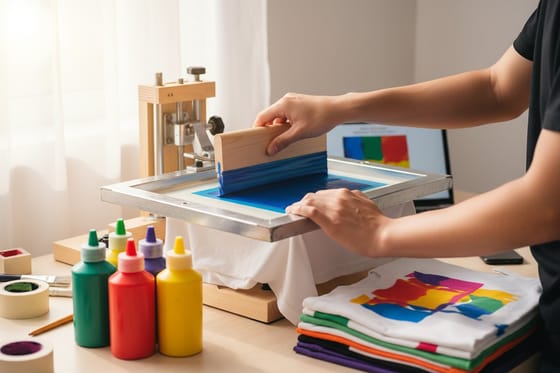
Order real samples and put them through actual workouts before you commit to a production run. Keep ordering physical proofs across your whole brand, which is why we let you request free paper samples for your printed pieces too, so the tag and packaging feel as considered as the garment. If you plan to screen print or transfer your own graphics, the production lessons in our guide on how to start a t-shirt printing business map straight onto apparel.
Nail your size chart early and keep it consistent across every product. Inconsistent sizing is the single fastest way to drown a young apparel brand in returns, and no amount of good branding survives a closet full of gear that does not fit.
Step 4: Pick a production model that fits your budget

Your production model is a bet on risk versus control. Print-on-demand is the lowest-risk entry: a partner prints and ships each item only after a sale, so you carry no inventory and can test dozens of designs cheaply. The trade-off is thinner margins and limited control over fabric and construction.
Cut-and-sew is the other end. You choose the fabric, the pattern, and every finish, which gives you the best margins and a product nobody else sells, but it demands upfront capital and minimum order quantities that can run into the hundreds per style. Many founders split the difference: launch on print-on-demand to learn which designs actually sell, then move the proven winners to a cut-and-sew manufacturer where the unit economics reward volume.
Whichever route you take, get your print files right before they reach any press. A garment graphic and a hang tag both fail the same way when the artwork ignores bleed and safe margins, so keep our print-ready checklist open while you prepare files, and lean on the printing terms glossary when a spec sheet uses a word you do not recognize.
Step 5: Build a brand identity people want to wear
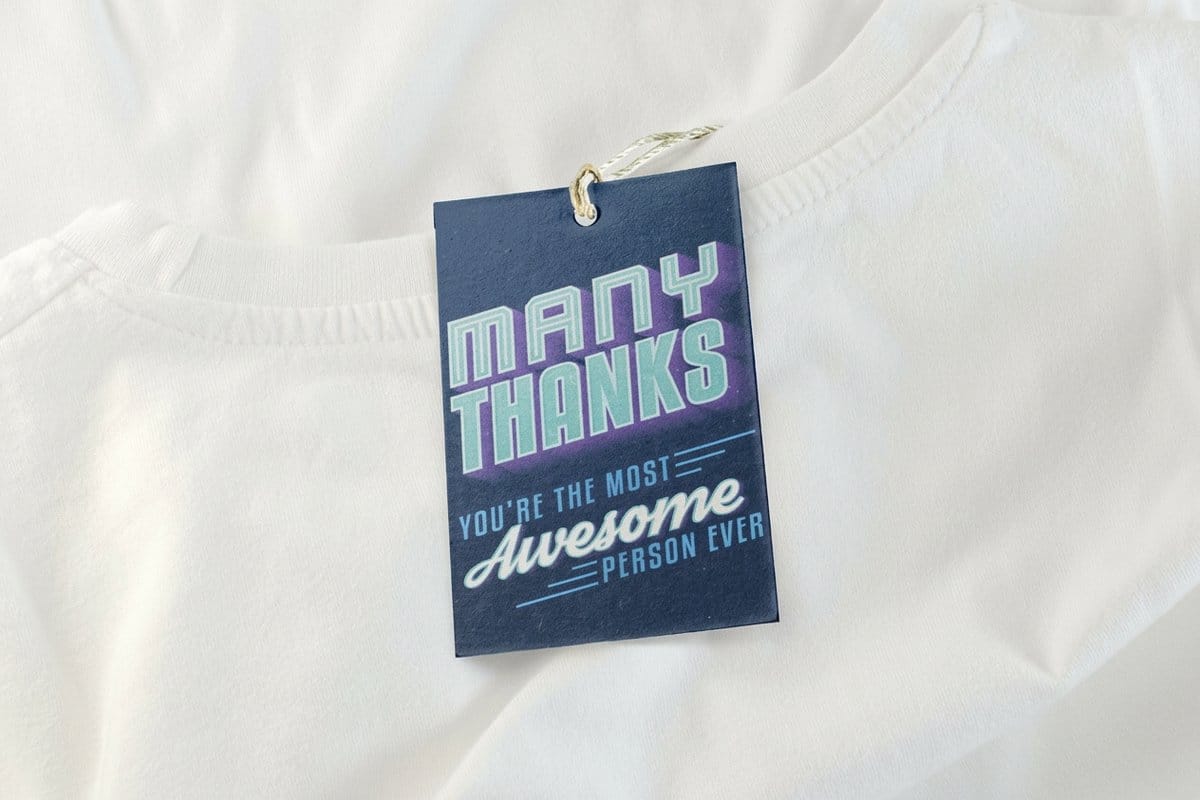
In fitness apparel, the brand is the product as much as the fabric is. Shoppers pay a premium for a story and an aesthetic they want to be seen in, and you tell that story in the small, physical details: a 2 by 6 inch hang tag with room for the fiber and care text, a heavy 24pt card in the wholesale folder, a mailer insert in the box.
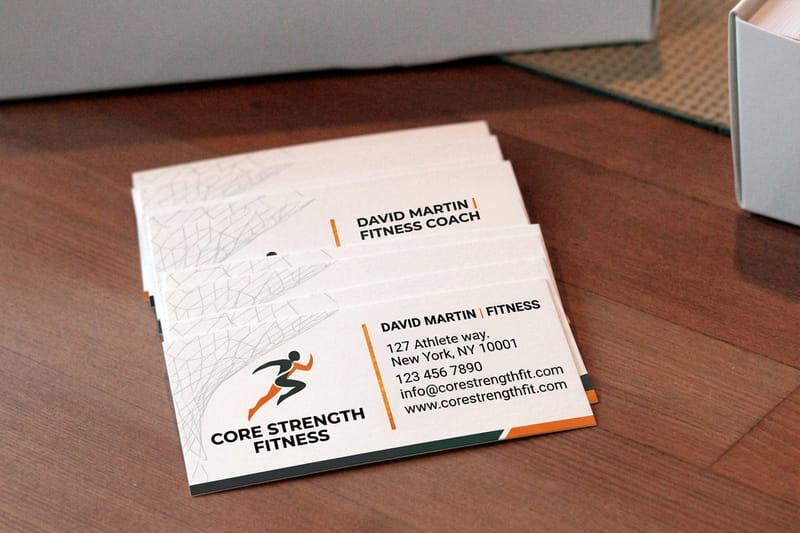
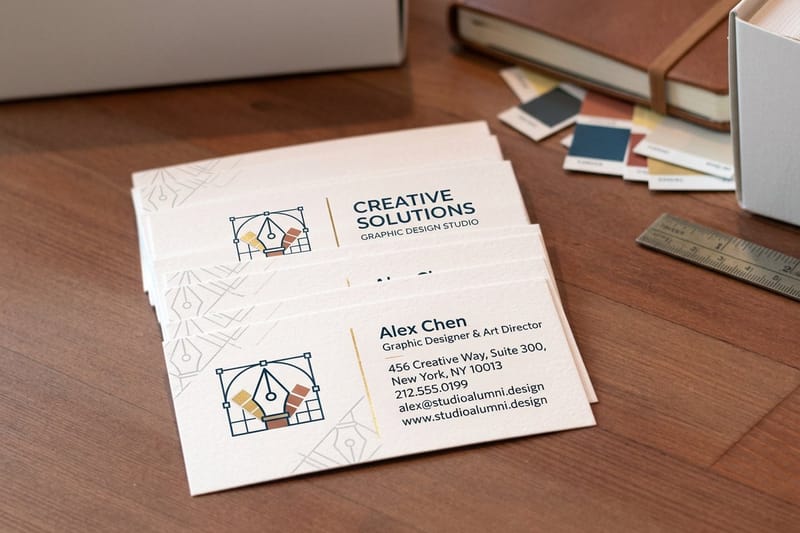
Start with custom hang tags for clothing. They carry your logo, your price, and the fiber-content and care information US law requires, and they are the first thing a buyer touches in a store or an unboxing. Add branded packaging or a mailer insert, and keep a stack of fitness business cards for wholesale meetings, gym partnerships, and events. The fitness business cards story shows those cards finished. If you do not have a designer yet, our design templates give you professionally built layouts for tags and cards that you can drop your logo into and keep every piece on-brand.
Choose the tag before you order it. These are the options the configurator lists for hang tags.
| Choice | Options | Pick it when |
|---|---|---|
| Size | 2 by 2, 2 by 3.5, 2 by 6, 2.5 by 2.5, 3 by 3, 3 by 4 or 4 by 6 inches, or custom | 2 by 6 fits a logo front and the fiber, origin and care text on the back; a square fits a logo only |
| Stock | 14pt gloss cover up to 24pt ultra thick gloss, 16pt uncoated with soft touch, 18pt kraft uncoated (100% PCW) | Kraft for a sustainable line, soft touch or 24pt for a premium price point |
| Printing | 4/0, 4/1 or 4/4, standard finish or High Gloss UV | 4/4 when the back carries the legal text in brand colors |
| Hole | Single 1/8 or 3/16 inch, top center, top left, top right or left side | 3/16 inch for a thicker string or a plastic fastener |
Match the pieces to each other. When your garment, tag, packaging, and card all share one color, one type, and one voice, a customer reads the whole thing as a real brand rather than a side hustle. You can source every one of those pieces, matched, from the 4OVER4.COM Fitness collection.
Step 6: Register the business and handle the US legal side
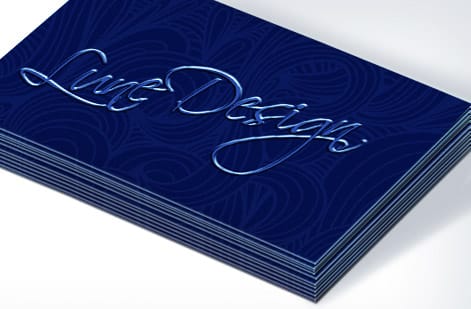
The paperwork is not the fun part, but skipping it is how promising brands get blindsided. Most founders form an LLC to keep personal and business finances separate, then get an EIN from the IRS so they can open a business bank account and hire down the road.
On sales tax, register for a permit in your state and request a resale certificate. That certificate lets you buy blanks and materials tax-free for resale, and it obliges you to collect and remit sales tax once you cross a state's economic nexus threshold. If you sell across state lines, a tax tool or accountant is worth the cost early.
Then there is the garment itself. FTC rules require apparel sold in the US to carry accurate fiber content, country of origin, an RN or company identifier, and clear care instructions. Bake those requirements into your hang tags and sewn-in labels from the very first run so compliance is designed in, not bolted on after a complaint.
Step 7: Price your line and protect your margins

Price is a positioning statement, not just a number. Work it from the bottom up: add your landed product cost, then every cost that rides along with a sale, including hang tags, packaging, payment fees, shipping, returns, and marketing. A healthy apparel line typically targets a retail price of four to five times the landed cost so there is room for wholesale, discounts, and the inevitable returns without the whole thing running at a loss.
Do not forget the branded-print line items when you build the model. Custom tags, cards, and launch signage are inexpensive per unit but real, and pricing them in keeps your margin honest: 50 hang tags at $25.27 cost about 51 cents a tag, while 500 at $43.94 cost under 9 cents. The nice thing about ordering print from a configurator is that the number moves as you change quantity, so you can see exactly where a larger run lowers your unit cost before you commit.
Resist the urge to compete on price with brands that buy fabric by the container. Compete on fit, story, and a look that feels worth the money. The specs and live pricing for your branded tags are right below so you can plug real numbers into your model today.
Step 8: Launch, sell, and grow the brand
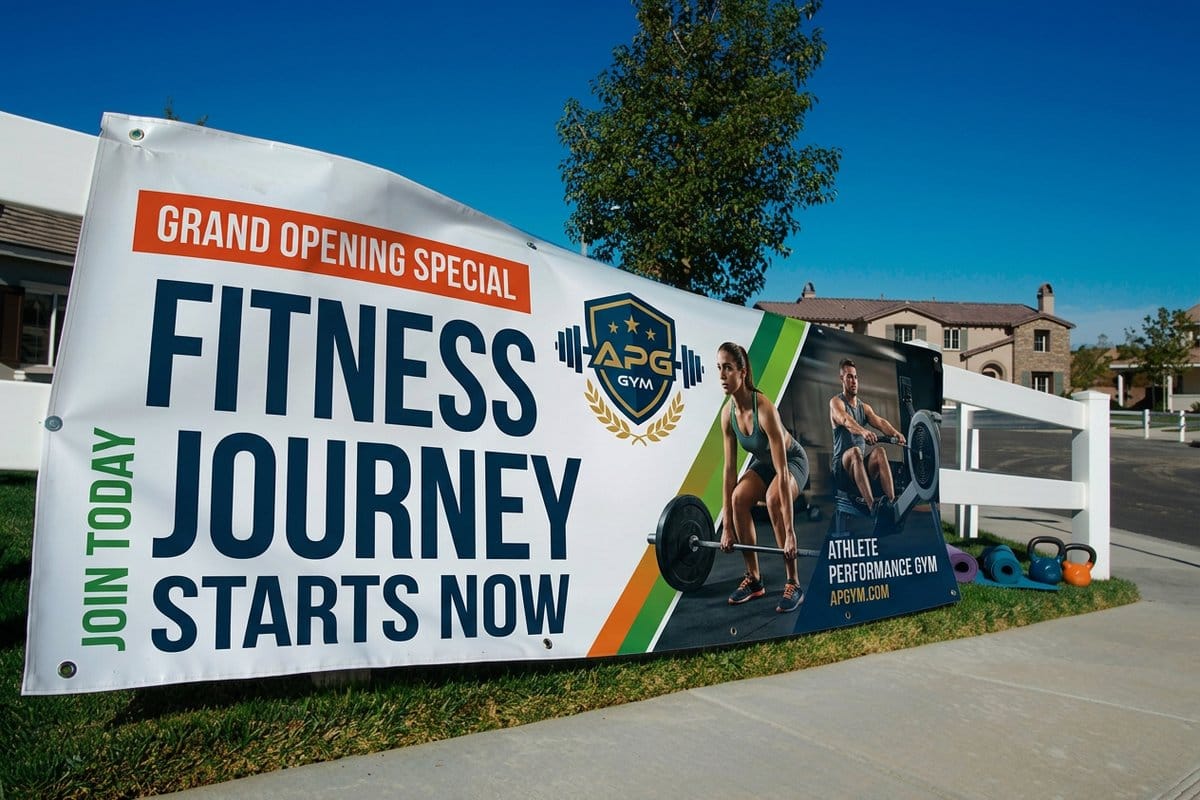
A launch is a campaign, not a single day. Build an audience before you have product by sharing the journey, the samples, and the story behind your niche. Seed early pieces with the athletes and coaches your customers already follow, and open pre-orders so demand funds your first real run.
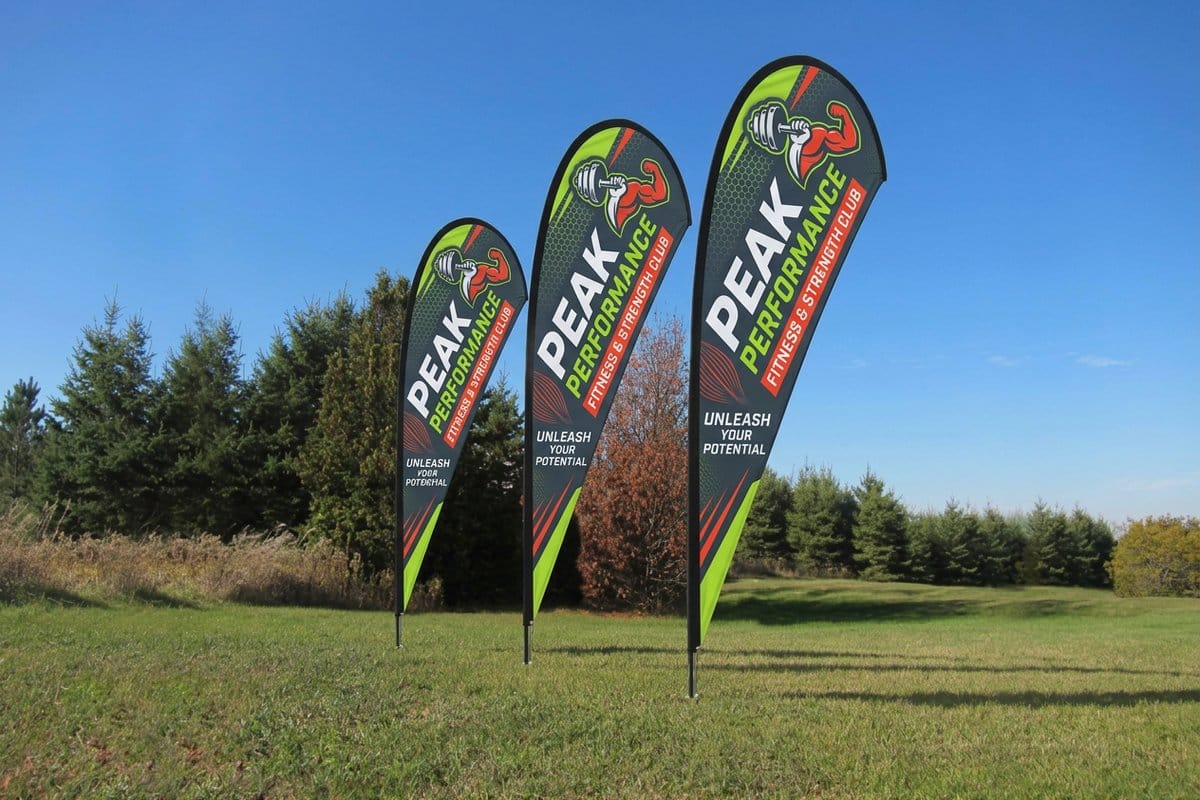
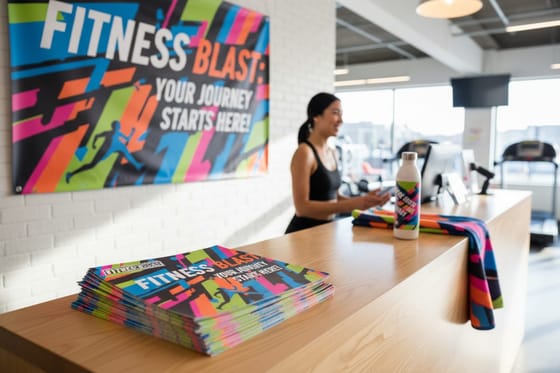
Sell in two directions at once. Online, your store and social channels do the heavy lifting, and the setup in our guide on how to start an e-commerce business gets that foundation right. In person, gyms, expos, and pop-ups are where a fitness brand earns trust fastest. Show up looking established with fitness banners and feather flags that read from across a hall, and hand out cards that send people straight to your store. A 7 foot flag on 3 oz polyester starts at $108.75 and takes an indoor cross base or an outdoor spike. See the fitness banners story for the finished pieces.
For a concrete example of print pulling real weight, see how one studio turned branded promo into membership growth in our case study. And if a printed lookbook or mailer becomes part of your plan, the mechanics in our guide on how to start a mail-order catalog company will save you a few expensive mistakes.
Wally maps the launch
Great activewear sells the fit, great branding sells the brand
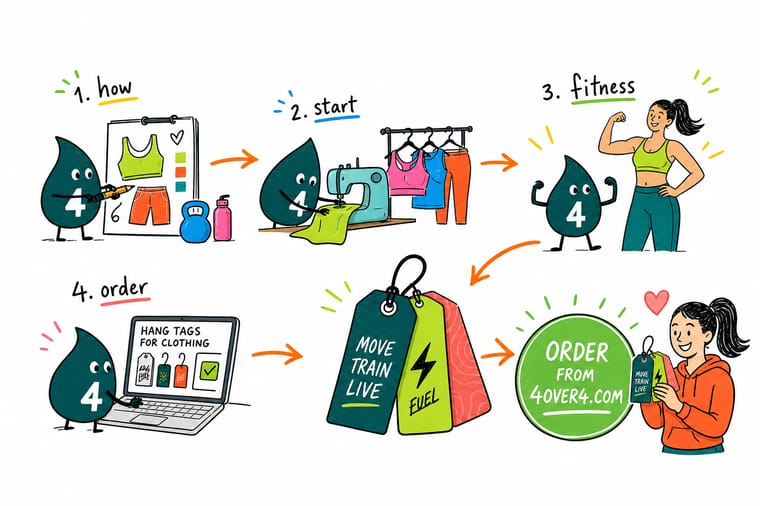
Wally sees a fitness line as two products in one: the garment that has to survive a workout, and the brand a customer wears with pride. Nail the fit and the sizing first, then let the printed details carry the story. A clean hang tag, a card in your pocket, and a banner at the pop-up turn a good tee into a label people follow. Sketch the look, and 4OVER4 prints every piece to match.
Brand your fitness line →
Roadmap
The 8 steps at a glance
One frame, the full path from idea to launch: pick a niche, research five rivals, sample and wear-test the garment, choose print-on-demand or cut-and-sew, build the brand with tags and cards, form the LLC and meet FTC labeling rules, price at four to five times landed cost, then launch online and at events. Save it and use it as a checklist as your fitness clothing line comes together.
The steps build on each other. Positioning shapes the product, the product shapes the brand, and the branded print carries that brand into every store, feed, and event where a customer meets it.
Specs and pricing
Hang tag specs and live pricing
Custom hang tags are the printed piece every garment needs, carrying your logo alongside the fiber-content and care details US law requires. They start at $25.27 for 50 and reach $43.94 for 500, in sizes from 2 by 2 to 4 by 6 inches or custom, on a five business day standard turnaround. Here are the live specs and price-per-unit for hang tags for clothing at 4OVER4.COM, straight from the configurator.

| Quantity | Price Per Unit | Total |
|---|---|---|
| 50 | 50.5¢ | $25.27 |
| 100 | 28.6¢ | $28.56 |
| 200 | 15.9¢ | $31.86 |
| 300 | 12.4¢ | $37.35 |
| 400 | 10.2¢ | $40.64 |
| 500 | 8.79¢ | $43.94 |
| 600 | 8.24¢ | $49.43 |
| 700 | 7.53¢ | $52.73 |

Explore more
Where to go next


By the numbers
A print partner built for new brands
Common Questions
Common questions about starting a fitness clothing line
What is step 1 for starting a fitness clothing line?
Step one is choosing a niche and staking out your position. Fitness apparel is a crowded market, so a broad "activewear for everyone" idea rarely finds an audience. Pick a specific person to dress (a powerlifter, a trail runner, a hot-yoga regular, a postpartum mom returning to the gym) and a clear point of view (sustainable fabrics, made in the US, size-inclusive, unapologetically loud). That single decision shapes your fabrics, fit, price, and every piece of marketing that follows.
What is step 2, researching the market?
Step two is understanding demand and the competition before you design anything. Map three things: who your target customer already buys from, what they complain about in reviews, and which trends have staying power versus which are fads. Study competitor pricing, fabric claims, and how they use social proof. The goal is to find the gap your line fills, not to copy the incumbent. Our guide on how to start an e-commerce business covers the store-building side of that research.
How much does it cost to start a fitness clothing line in the US?
It ranges widely depending on your production model. A print-on-demand launch can start under $500 because you pay per item only after a sale. A small cut-and-sew run with your own patterns and fabric usually lands between $2,000 and $10,000 for a first collection once you factor in samples, minimum order quantities, and branding. Budget separately for the pieces that build trust: hang tags, packaging, business cards, and launch signage. Those printed touchpoints are inexpensive relative to the credibility they buy.
How do I choose a production model?
Match the model to your risk tolerance and volume. Print-on-demand is the lowest risk and lets you validate designs with zero inventory, but margins are thin and customization is limited. Cut-and-sew gives you full control of fabric, fit, and finish and the best margins, but it demands upfront capital and minimum order quantities. Many founders start on print-on-demand to prove which designs sell, then move the winners to a cut-and-sew manufacturer. The lessons in our guide on how to start a t-shirt printing business apply directly here.
Do I need an LLC and what US labeling rules apply?
Most founders form an LLC to separate personal and business liability, then register for a state sales tax permit and a resale certificate so they can buy blanks tax-free and collect tax on sales. On the product itself, US law requires apparel to carry accurate fiber-content and country-of-origin information plus care instructions under FTC rules, and RN or company identification. Build those requirements into your hang tags and sewn-in labels from the first run rather than retrofitting them later.
What printed materials does a fitness clothing brand need?
The essentials are custom hang tags for clothing that carry your logo and legally required care and fiber information, branded packaging or mailer inserts, and business cards for wholesale meetings and events. To sell in person and drive local awareness you will also want fitness banners and feather flags for pop-ups, expos, and gym partnerships. You can order every one of these from the 4OVER4.COM Fitness collection and match them to a single brand look.
Get Started
Print 50 hang tags from $25.27
Bring your logo to 4OVER4.COM and print the tags, cards, and signage that make your line look established from day one. Hang tags run 5 business days, business cards 3.
Legal Disclaimer
Gold Standard guarantees apply to all standard orders placed through 4over4.com. Price match requires verifiable proof of a competitor's published price for an equivalent product with matching specifications and turnaround time. Satisfaction guarantee covers manufacturing defects and print quality issues. Contact support with order number and documentation.
