
How to Start an E-commerce Business

Marcus is our print marketing voice, built from the knowledge of our production team, with over 20 years in printing.
Pick a business model, validate real demand, source your products, and build a brand that shows up on the box and the label. The box is the only part of your store a customer ever holds, which is why it gets a budget line. For the first run that means choosing a mailer box size, a label stock that survives your product, and a quantity your first sales can pay back.
To start an e-commerce business, work in order: choose a model (direct to consumer, marketplace, dropshipping, or subscription), validate demand with real research, pick and source your products, set up a store on a platform, build a brand identity, then design the packaging and labels that carry that brand to the customer. Launch small, ship cleanly, and reinvest the margin from first orders into inventory and better packaging.
Quick start
The fastest honest path to your first sale
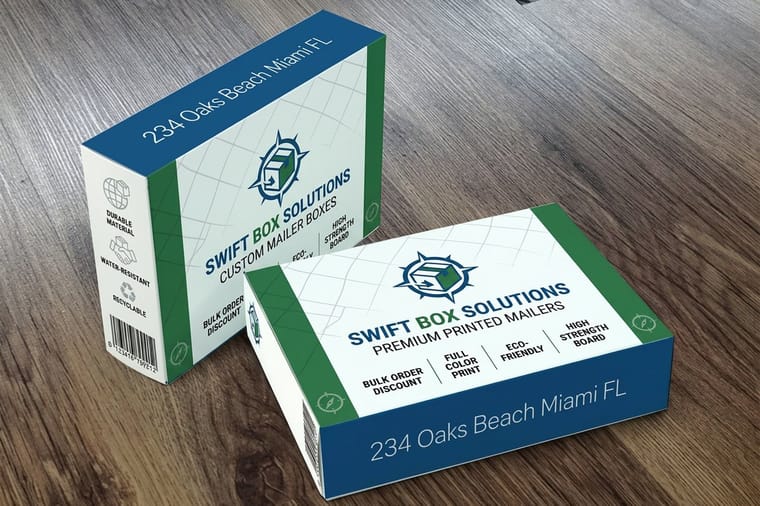
Choose one of the four models, validate demand, then build outward. Confirm people already want your product with search data, competitor reviews and a dozen buyer conversations, pick a platform that matches how you want to sell, and design one brand identity that reads clearly on a screen and on a 5 x 7 inch mailer box. Set up a simple store with clear photos and honest shipping, then launch to a small audience before you spend on ads. The stores that stick treat packaging and labels as part of the product, not a cost to trim, because that is the only part of an online brand a customer actually holds. Most new stores print four pieces first: a mailer box, a product label, packaging tape and a thank-you card.
Step 1: Understand the e-commerce landscape
Before you name the store or sketch a logo, pick which of four shapes your business takes, because each one sets how many boxes and labels you print yourself. At its simplest, e-commerce means selling products or services online and getting them to a buyer. What changes everything is how you do that, because the model you pick decides your costs, your margins, and how much packaging passes through your hands.
There are four common models. Direct to consumer puts you in full control: your own store, your own brand, and every customer relationship, which also means you own the whole unboxing experience. Marketplace selling on Amazon, Etsy, or eBay hands you traffic on day one but takes a cut and flattens your branding. Dropshipping lets a supplier ship for you so you hold no inventory, trading control for a low starting cost. Subscription sends recurring boxes, which builds loyal customers and predictable revenue but leans hard on packaging that feels worth reopening every month.
Most first-time founders start with one model and blend in a second later, a marketplace listing to test demand, then a direct store to own the relationship. Whatever you choose, the physical product still shows up at someone's door, which is why custom box printing and product labels matter even for a store that lives online. If you want the odds in numbers, our startup statistics lay out failure rates and funding trends worth reading before you commit.
Step 2: Do the market research that de-risks your launch

Research costs you a few evenings; a wrong product costs you a full inventory order plus the packaging printed for it. New stores rarely fail because the idea was impossible. They fail because nobody wanted the thing at the price it cost to make. You de-risk that with three kinds of evidence, and you want all three pointing the same way.
- Demand. Use search and keyword tools to confirm people are already looking for your product. Steady, existing demand beats a clever idea nobody searches for.
- Competition. Study the current top sellers, their prices, their reviews, and the complaints they never fix. Those complaints are your opening.
- Real conversations. Message a dozen potential buyers and ask what they use now and what annoys them. Ten honest replies are worth more than a hundred survey clicks.
Look at pricing especially closely, because your price has to cover the product, the shipping, and the branded packaging that makes you look legitimate. If the market tops out at a price that leaves no room for a premium packaging label or a proper mailer box, that is a signal, not a detail. For a wider reality check, our small business growth data and failure rate trends show where new sellers usually stumble.
Step 3: Pick products and decide how you will source them
The best first product is boring in the good way: proven demand, a margin that still holds after shipping plus a label, a mailer box and an insert on every order, and a reason for people to reorder. Chase novelty and you spend your launch educating a market. Pick something people already buy and you spend it selling.
Screen your shortlist against a few hard filters. Is it fragile or heavy enough to eat your margin in shipping? Is it regulated in a way that will slow you down? Is a giant seller already so dominant that you need a genuine angle to be noticed? Once a product clears those, decide how you will get it: make it yourself, buy wholesale, or dropship. Making it gives you the most control and the best story. Wholesale scales faster. Dropshipping keeps cash free but hands the experience to someone else.
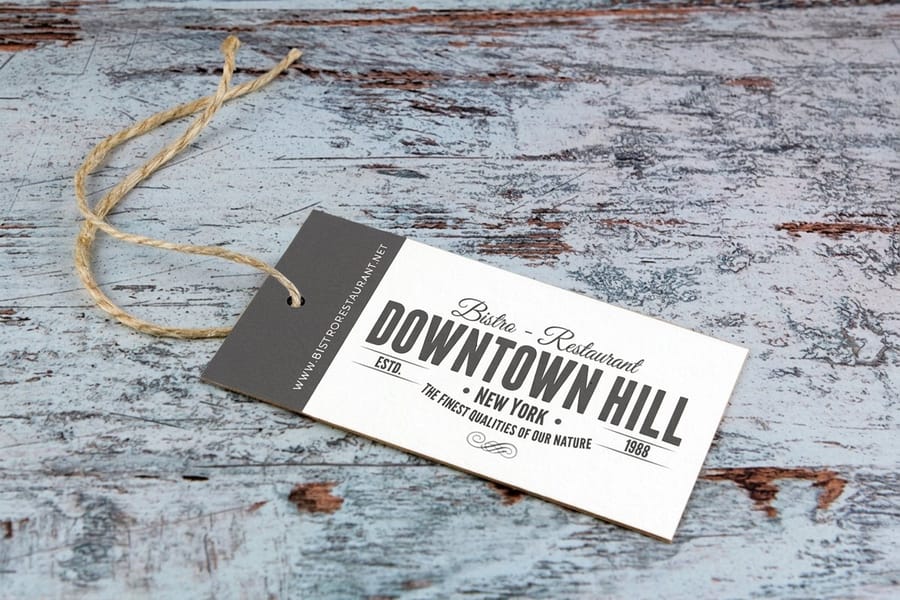
Whatever you sell, order physical samples and hold them before you commit. Imagine the moment it arrives, the tag a customer flips over, the label they read. A clean hang tag or a well-made product label is often what makes a small brand look established. If you sell food or drink, our food and beverage printing collection covers the label formats those categories expect.
Step 4: Choose your platform and set up the store
Your platform is the storefront, the cart, and the checkout rolled into one, so match it to your model rather than the loudest ad. A hosted builder like Shopify or BigCommerce gets a direct-to-consumer store live quickly with payments and shipping built in. A marketplace listing on Amazon or Etsy skips the store entirely and rents you an audience. If you already run a WordPress site, a plugin store can bolt commerce onto it.
Keep the first build deliberately simple. You need clear product photos, honest descriptions, a working cart, a trusted payment option, and a shipping setup that will not surprise anyone at checkout. Everything else can wait. The fastest way to lose a first-time buyer is a confusing checkout or a shipping cost that appears too late.
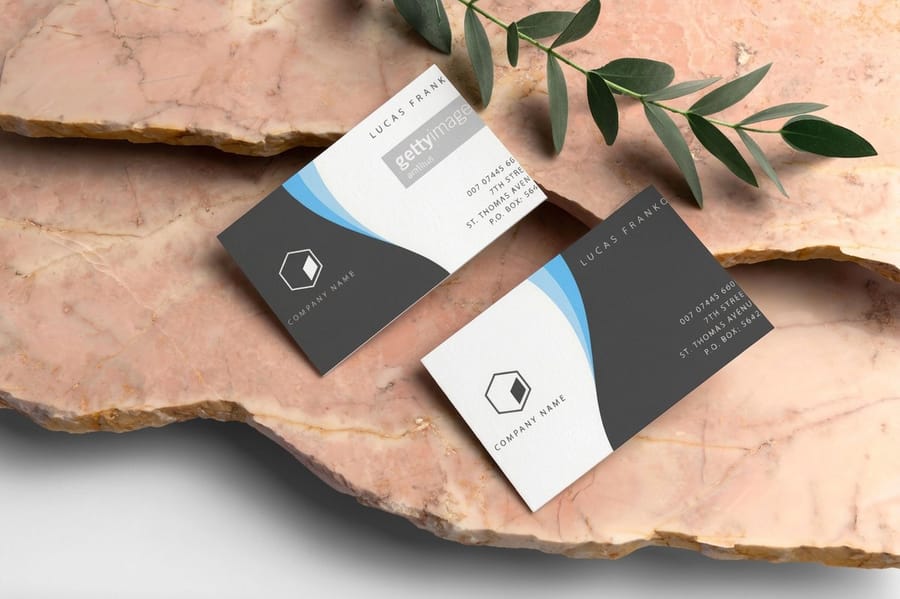
Set up the offline side in parallel. Order a small run of business cards for markets and networking, and plan the printed inserts that will go in every order. A store is more than a website. It is the whole path from a click to a package on a doorstep, and the printed pieces are the part a customer can actually keep.
Step 5: Build a brand identity that survives print

A customer remembers your brand as a promise, and the logo is where that promise gets tested, because it has to hold up printed small on a label, embossed on a box, and reversed out of kraft. A mark that looks great as a giant hero image on your homepage can turn to mush at half an inch on a product label.
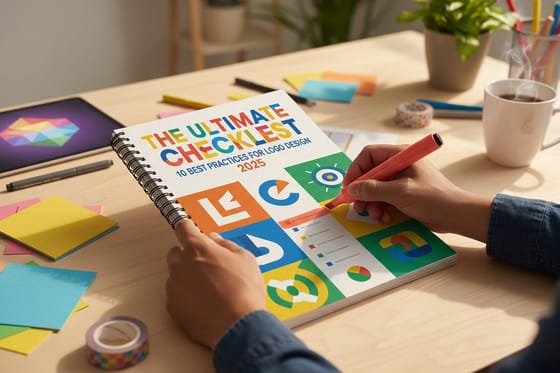
Design for the physical world from the start. Favor simple shapes, real contrast, and a color you can reproduce consistently across paper, cardboard, and screen. Pick one or two typefaces and a tight palette, then use them everywhere so the box, the label, and the site clearly belong to the same store. Our logo design best practices walk through the scalability and simplicity rules that keep a mark sharp on every surface.
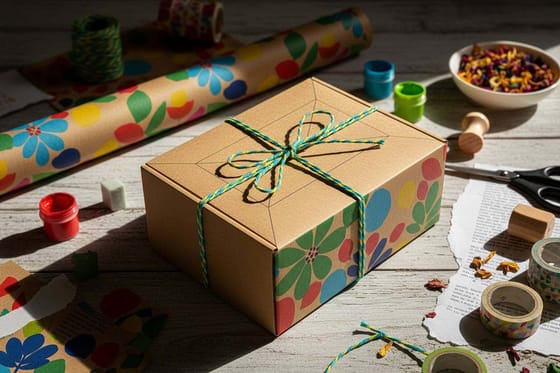
This is also where kraft and eco materials earn their keep. A recycled kraft box signals a value set before a customer reads a word, which is why so many young brands lean on it. Whatever style you choose, lock the identity down before you print at volume, because reprinting mismatched packaging is the expensive way to learn this lesson.
Step 6: Design the packaging and unboxing experience
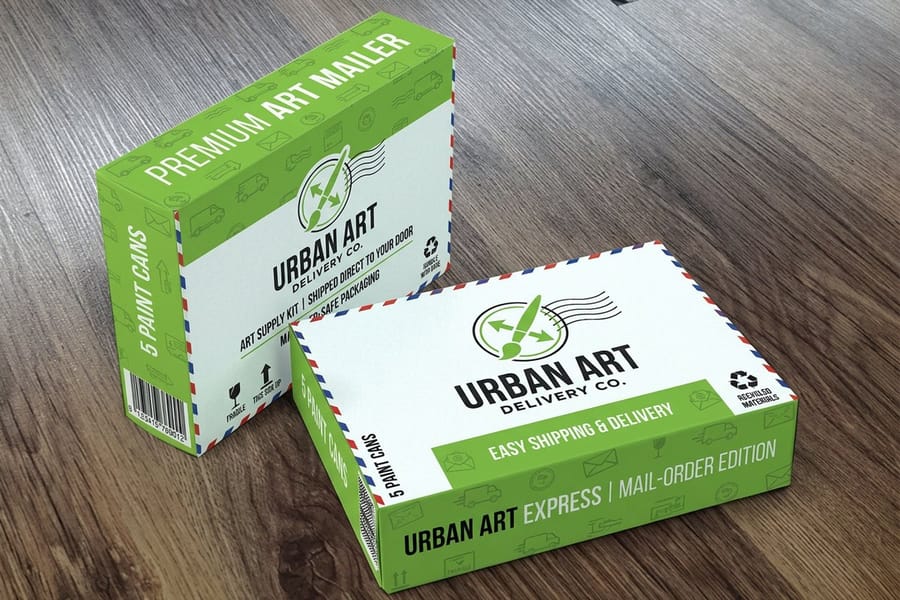
The packaging is the only piece of your store a customer can physically hold. The website builds the expectation, and the box either keeps the promise or quietly breaks it. For an e-commerce brand, the unboxing moment is your storefront, your salesperson, and your first impression all at once.
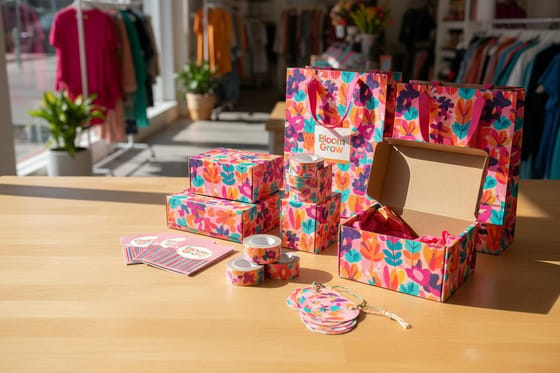
You do not need everything on day one. Start with a branded mailer box and one printed detail inside, then layer in the rest as orders grow. A practical first kit looks like this:
- A custom mailer box that protects the product and shows your logo the second it arrives.
- Printed tissue paper to wrap the product and make opening it feel deliberate.
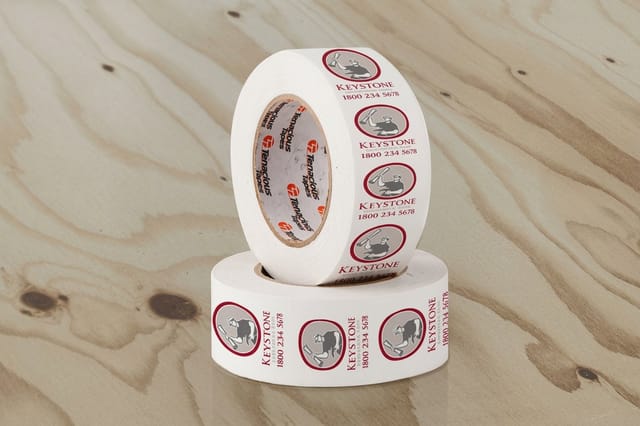
- Branded packaging tape that turns a plain outer carton into part of the brand.
- A thank-you card or insert with a discount code or a note that invites the next order.
Keep the design consistent with your store, same colors, same logo, same voice, so the box feels like an extension of the site rather than an afterthought. If you want proof it moves the needle, the retail packaging case study shows what a label change did to shelf appeal and sales for a real brand.
Step 7: Label, barcode, and price your products
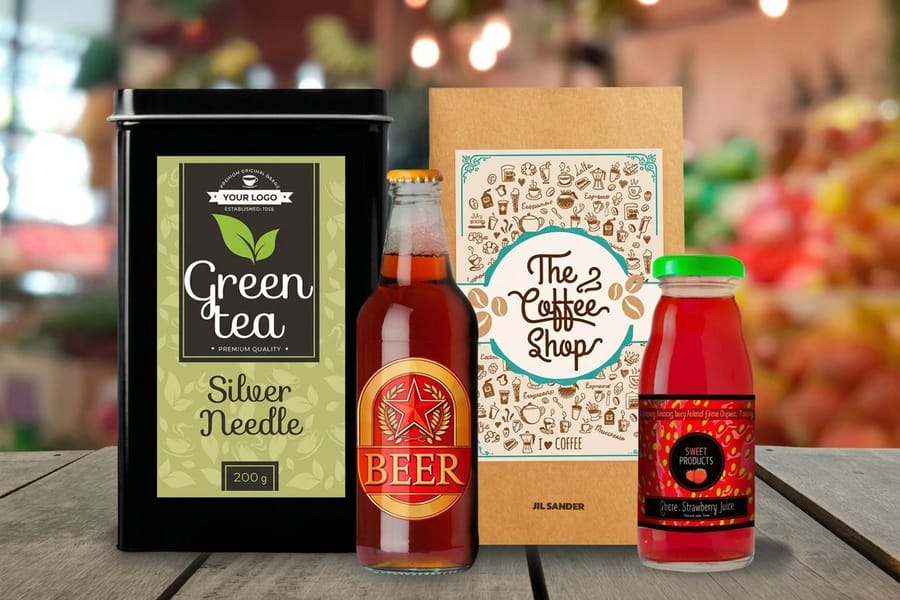
Labels do quiet, heavy work. A good product label carries your brand, the legally required information, and often a barcode, all on a surface the size of a playing card. Get it right and the product looks trustworthy in a photo and on a shelf. Get it wrong and even a great product looks homemade. Our premium packaging labels run from 3 x 5 to 5 x 7 inches or any custom size, on stocks from uncoated and semi-gloss paper to white vinyl, clear and brown kraft, in runs from 25 labels.
Match the label to the product and its environment. Beauty and food products usually need a durable, sometimes waterproof label that survives fridges and hands. Shipping and fulfillment need clear shipping and mailing labels. If you are selling wholesale into stores, budget for barcodes and header cards early so a buyer can scan and shelf your product without friction.
Pricing, meanwhile, is not a guess. It is math with room built in. Your price has to cover the product, the shipping, the platform fees, and the branded packaging that makes you look legitimate, and still leave a margin. The specs and pricing table below pulls the live ladder for custom mailer boxes so you can see how per-unit cost falls as quantity rises, which is exactly how you should plan a first order. For a wider view of what per-unit savings look like at volume, see our bulk discounts.
Step 8: Launch, ship, and turn first orders into repeat customers
Launch smaller than your ambition. Open to a warm audience first, friends, an email list, a niche community, and treat those early orders as your live test. Ship them cleanly, watch what breaks, and fix it before you pour money into ads. A store that fulfills ten orders flawlessly is ready for a hundred. One that fudges the first ten just scales the problem.
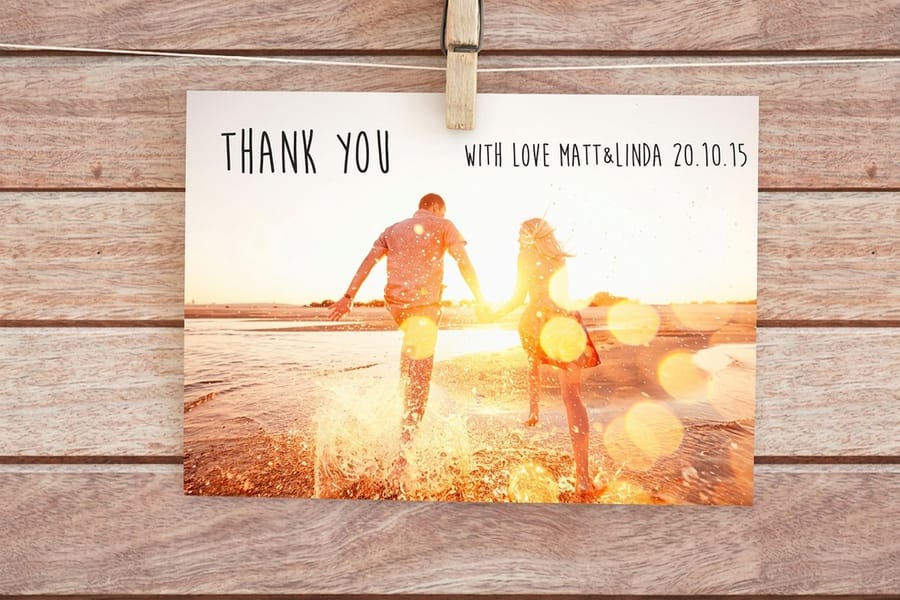
The margin from those first orders is your best growth budget. Reinvest it in inventory and better packaging rather than chasing scale you cannot fulfill. And design for the second sale from the start: a printed thank-you card with a return code costs pennies and is one of the most reliable ways to earn a repeat customer, because it reaches people at the exact moment they are happiest with you.
Keep learning from the people who make it. Our roundup of small business marketing budget benchmarks shows where growing stores spend, and the startup trade show case study is a good reminder that print still pulls its weight offline. Start with one clean product, one honest price, and packaging you are proud of, then let the repeat orders fund everything that comes next.
Wally explains the launch
Your website makes the promise. Your packaging keeps it
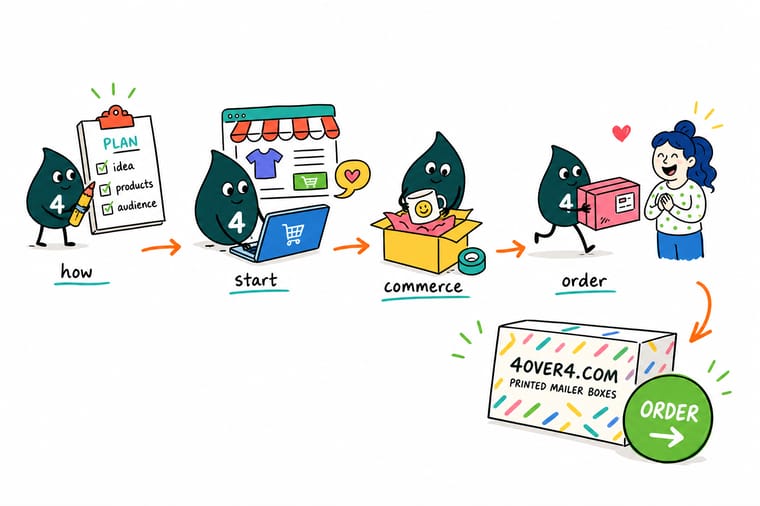
Wally has watched a lot of first orders go out the door, and the pattern is always the same: the store that felt like a real brand had a box, a label, and a thank-you card that matched. You can build the whole thing online, but the customer only ever holds the packaging. Start with one clean product and one branded box, ship it beautifully, and let the repeat orders pay for everything after that.
Order custom mailer boxes →
Specs and pricing
Custom mailer box specs and pricing
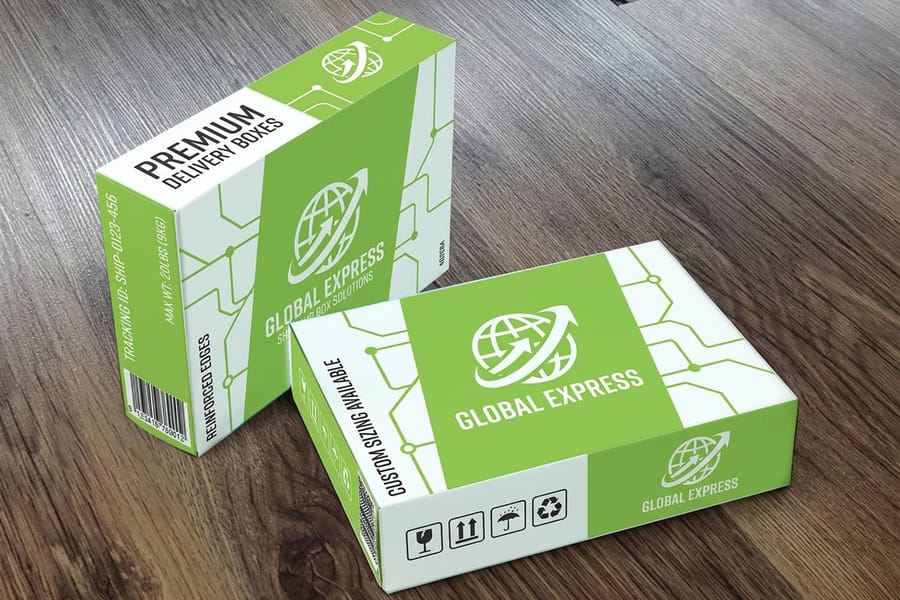
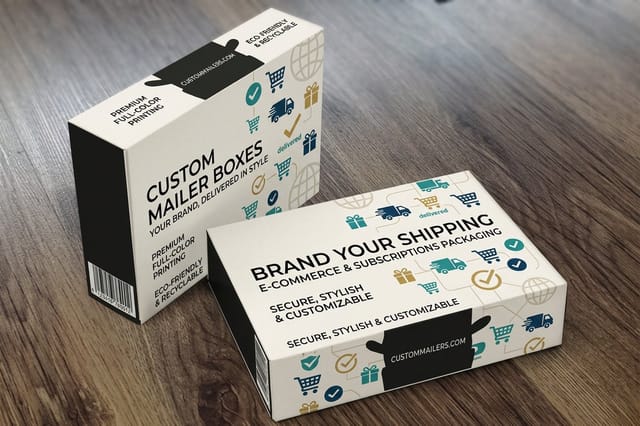
The unboxing moment starts here. Custom mailer boxes come in 5 x 7 x 1.7 or 5.5 x 5.5 x 2.625 inches, on 14pt uncoated or 18pt gloss cover, printed in full color outside, from 250 boxes with 7 business days of production. These are the live specs and price-per-unit for custom mailer boxes at 4OVER4.COM, pulled straight from the configurator so you can plan a realistic first run.
| Quantity | Price Per Unit | Total |
|---|---|---|
| 250 | $2.85 | $711.78 |
| 500 | $1.42 | $711.78 |
| 1,000 | 79.7¢ | $797.02 |
| 2,500 | 53.5¢ | $1,338.30 |
| 5,000 | 44.6¢ | $2,231.42 |
| 10,000 | 40.4¢ | $4,044.70 |
| 15,000 | 39.0¢ | $5,844.45 |
| 20,000 | 38.3¢ | $7,657.73 |
Print it
The starter kit for a branded online store
Three pieces brand a first order: the mailer box from 250 units, a packaging label from 25, and printed tape on 2 or 3 inch rolls, sold by the case of 24 or 36 rolls in one or two ink colors.
See it in use
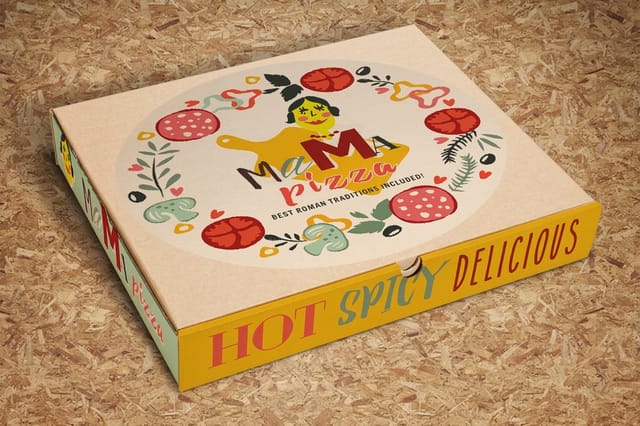
Unboxing pieces we printed for new stores
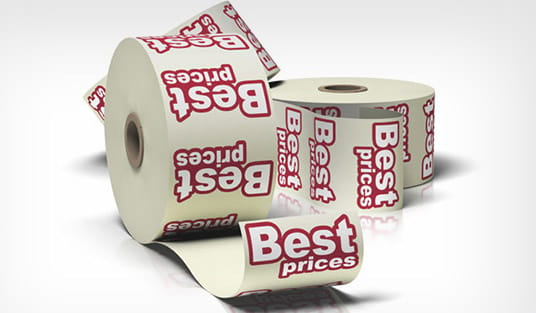
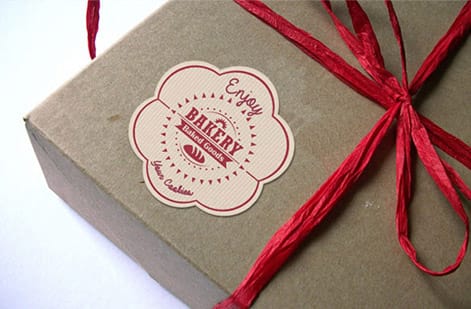
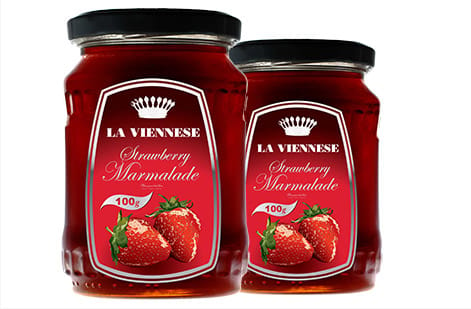
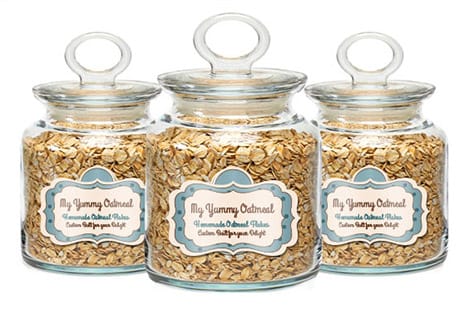
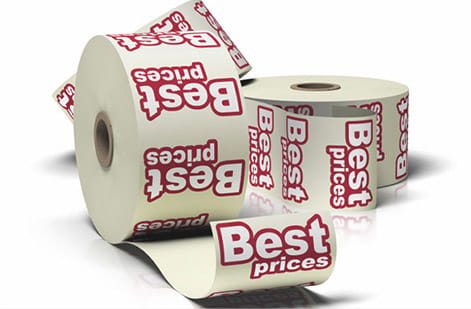
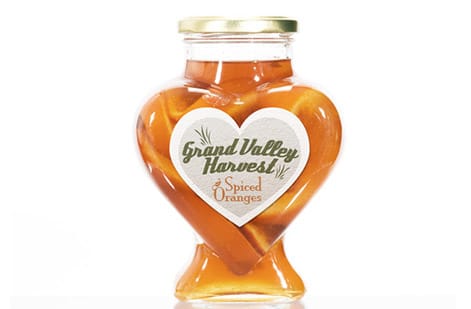
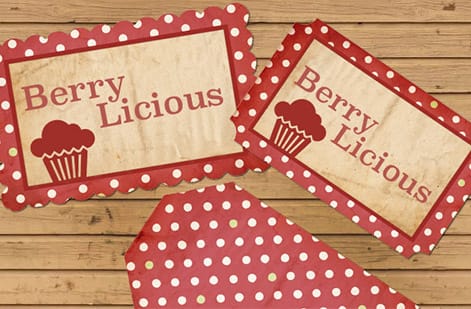
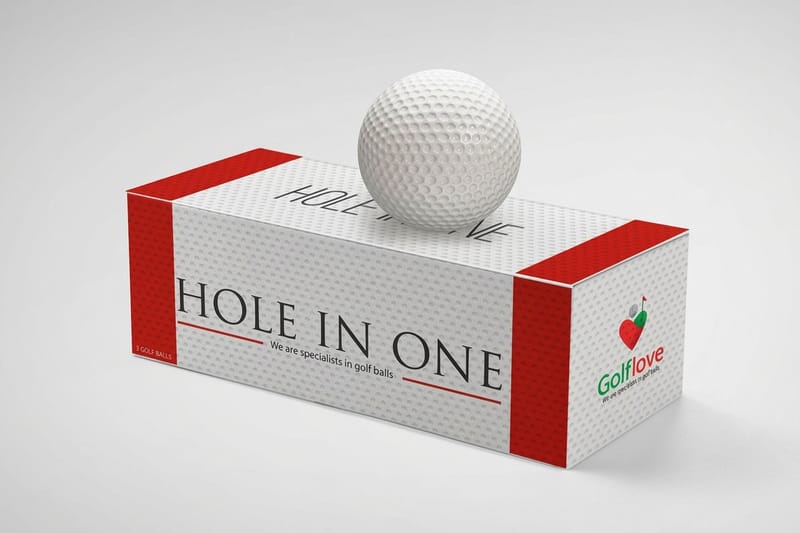
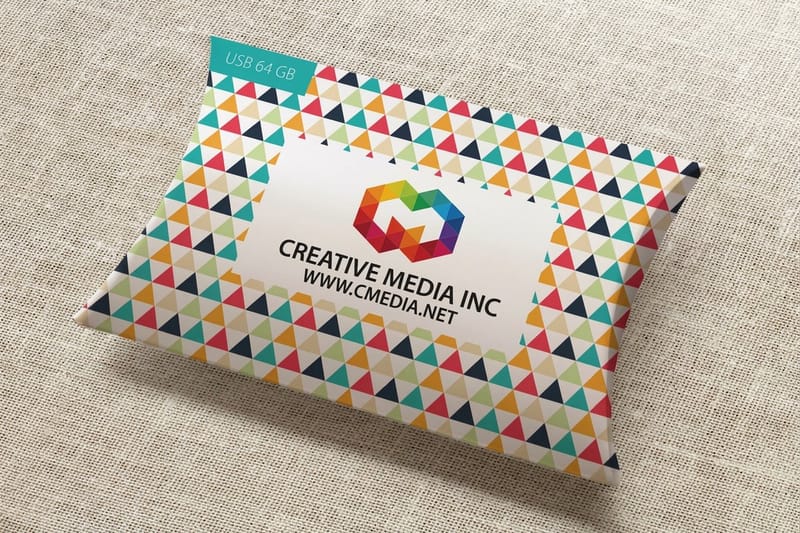
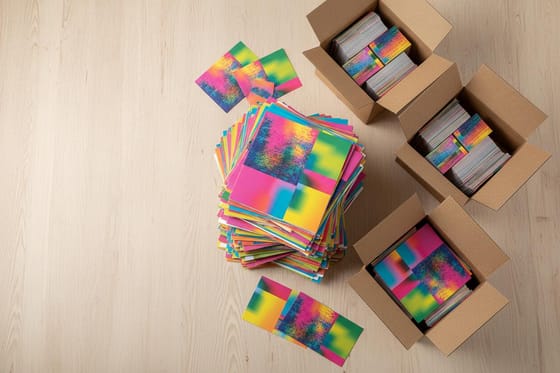
These are customer product labels from our own presses. Check how a logo holds at label size on gloss, uncoated and kraft stock before you choose the stock for yours.

Explore more
Where to go next
By the numbers
A print partner built for new stores
Common Questions
Common questions about starting an e-commerce business
How do I start an e-commerce business, step by step?
Work in this order: choose a business model (direct to consumer, marketplace, dropshipping, or subscription), validate demand with real research, pick and source your products, set up a store on a platform like Shopify or a marketplace, build a brand identity, then design the packaging and labels that carry that brand to the customer. Launch to a small audience first, ship cleanly, and use the feedback to improve before you scale. The physical touchpoints, the box and the label, are where most new stores either build trust or lose it.
How much does it cost to start an e-commerce business?
It varies more than any single number can capture. A dropshipping store can open for the price of a domain and a platform subscription, roughly a few hundred dollars a year. A store that holds its own inventory adds product cost, plus branded packaging and labels. At 4OVER4.COM, custom product labels start at $23.88 and custom mailer boxes start at $711.78 for a full run, so you can brand your first orders professionally without a large minimum. The honest answer: budget for the store, the first inventory batch, and the packaging that makes it look like a real brand.
What is the first step to understanding the e-commerce landscape?
Learn the four common models before anything else. Direct to consumer means you own the store and the customer relationship. Marketplace selling puts you on Amazon, Etsy, or eBay with built-in traffic but thinner margins. Dropshipping means a supplier ships for you, so you carry no inventory but control less of the experience. Subscription means recurring boxes and predictable revenue. Each one changes your costs, your branding, and how much packaging you handle, so pick the one that fits your product and your appetite for logistics.
How do I do market research before launching an online store?
Combine three signals. First, demand: use keyword and search tools to confirm people are already looking for what you sell. Second, competition: study the top sellers, their pricing, their reviews, and the gaps they leave open. Third, real conversations: message potential buyers and ask what they currently use and what frustrates them. If all three point the same direction, you have a validated idea. Our roundup of startup statistics and small business growth data is a useful reality check on the odds and the benchmarks.
Do I really need custom packaging and labels for an online store?
You need them the moment presentation affects whether a customer buys again. Marketplaces let you ship in plain boxes, but a branded mailer box, a printed label, and a thank-you card turn a transaction into an experience people photograph and share. For food, beauty, and gift products, a clean product label is often the difference between looking homemade and looking trustworthy on a shelf or in a photo. You do not need everything on day one, start with a label and a branded box, then add tissue and tape as you grow.
How do I test demand before I buy inventory?
Favor products with proven demand, a healthy margin after shipping, and a reason to reorder. Avoid items that are fragile, heavily regulated, or already dominated by a giant seller unless you have a genuine angle. Once you have a shortlist, order samples, hold them, and imagine the unboxing. The best first product is one you can source reliably, price with room for branded packaging, and photograph well enough to sell online.
How does 4OVER4 pricing work for boxes and labels?
Pricing is quantity-based and shown live in the configurator. You pick the product, size, material, and finish, then choose a quantity, and the price per unit drops as the quantity rises. Boxes and specialty packaging carry a production minimum because they are die-cut and assembled, while labels and tape start much lower. The specs and pricing table on this page pulls the real ladder for custom mailer boxes so you can see exactly what a first run costs before you commit.
Get Started
Order 250 custom mailer boxes at $2.85 each
Pick your box size, drop in your logo, and we print custom mailer boxes, labels, and tape that make every unboxing look intentional.
Legal Disclaimer
Gold Standard guarantees apply to all standard orders placed through 4over4.com. Price match requires verifiable proof of a competitor's published price for an equivalent product with matching specifications and turnaround time. Satisfaction guarantee covers manufacturing defects and print quality issues. Contact support with order number and documentation.
