
How to Print and Mail Newsletters Without Overpaying on Postage


The fold, the tabs, the list and the postage class decide what a newsletter mailing costs. Here is the order to settle them in, and where the money leaks when you do not.
Pick the postage class and the finished folded size first, then design into them. An 8.5 by 11 sheet folded to 8.5 by 5.5 stays inside USPS letter dimensions and mails at automation rates, while the same content on 11 by 17 folded to 8.5 by 11 mails as a flat and costs more on every piece. A self-mailer has to be tabbed shut, bulk rates need 200 pieces and a permit, and the address list has to be CASS certified and move updated before any discount applies.
Quick answer
Settle the postage before you settle the layout
A newsletter mailing is priced by its finished folded size, its weight and its list quality, not by how good the issue is. Letter-size folded pieces qualify for automation rates and need two tabs on the open edge. Tabloid sheets folded to 8.5 by 11 mail as flats and cost more per piece, which is a fair trade on a small list and a painful one on a large one. Marketing Mail is the cheaper class but arrives across a window rather than on a date, so anything time bound either drops three weeks early or ships First-Class.
Printing and Mailing Are Two Schedules on One Deadline
Most newsletters that go wrong go wrong at the handoff, not at the press. The print side wants a finished file, a stock and a quantity. The mail side wants a clean list, a class of postage and a piece that behaves in a sorting machine. Decide the mail side first, because it constrains the print side and never the other way around.
The practical order is this. Pick the finished folded size and the postage class, confirm the piece qualifies at that class, then design into that size, then print, then address and tab, then drop. Teams that design first and ask about postage last are the ones who end up trimming a beautiful 9 by 12 layout down to something machinable, or paying flat rates on a mailing they budgeted as letters.
Quantity matters early too. USPS Marketing Mail needs 200 pieces or 50 pounds minimum plus a permit, so a 150-name member list is a First-Class job no matter how you fold it. Our guide to how bulk mailing works walks the permit and presort side; direct mail cost per piece shows where printing, addressing and postage each land in a real budget.
Choose the Size and Fold Before You Choose the Design
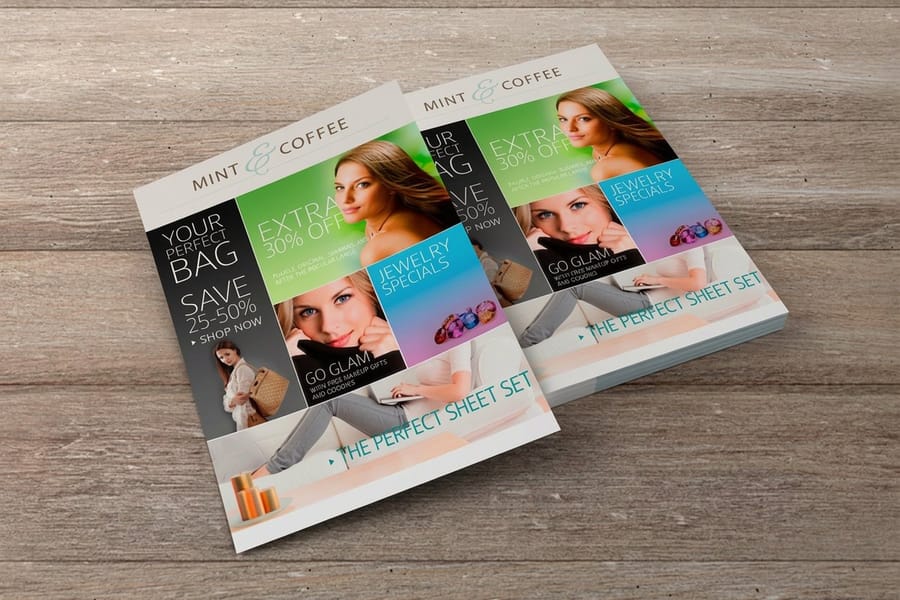
Three formats cover almost every newsletter that gets mailed, and they price very differently once postage is included.
| Format | Finished size | USPS category | Tabs | Best for |
|---|---|---|---|---|
| Half fold letter | 8.5 x 5.5 from an 8.5 x 11 sheet | Letter, automation eligible | Two required | Short monthly updates on a big list where postage dominates the budget. |
| Half fold tabloid | 8.5 x 11 from an 11 x 17 sheet | Flat | Not required | Four to eight pages of real content that people read at a table. |
| Letter in an envelope | 8.5 x 11 folded to fit a #10 or 6 x 9 | Letter | Not required | Donor and member mail where the envelope carries a reply device. |
The trade is straightforward. The half fold letter is the cheapest thing you can put in a mailbox and the most restrictive to design, since a 5.5 inch tall panel does not hold much before the type shrinks. The tabloid fold gives you a proper spread and costs more on every single piece, which is fine on a 600-name list and expensive on a 40,000-name one. The envelope route costs the most in materials and buys you the one thing the others cannot: a second item inside, such as a reply card or a direct mail postcard with the offer on it.
If the issue keeps growing past eight pages, stop folding and switch format. Saddle stitched booklets start at $240.55 and hold the page count without the piece falling open in transit. For the fold mechanics themselves, the fold types guide shows what each fold does to the panel sizes.
Paper, Scoring and the Tabs Everyone Forgets

Newsletters live on text weight stock, and 100 lb text is the workhorse: heavy enough to feel like a publication, light enough that a four-page piece stays under the postage weight break. Go to cover weight and two things happen. The fold cracks unless it is scored first, and the finished piece may cross into the next weight tier, which is the expensive kind of surprise on a list of thousands.
Coated or uncoated is a real decision, not a preference. Gloss keeps photos crisp and makes long paragraphs harder to read under fluorescent light. Uncoated absorbs a little ink, softens photography, and reads comfortably for the two or three minutes a newsletter actually gets. A newsletter that is mostly text should be uncoated. One that leads with property photos or event coverage should not.
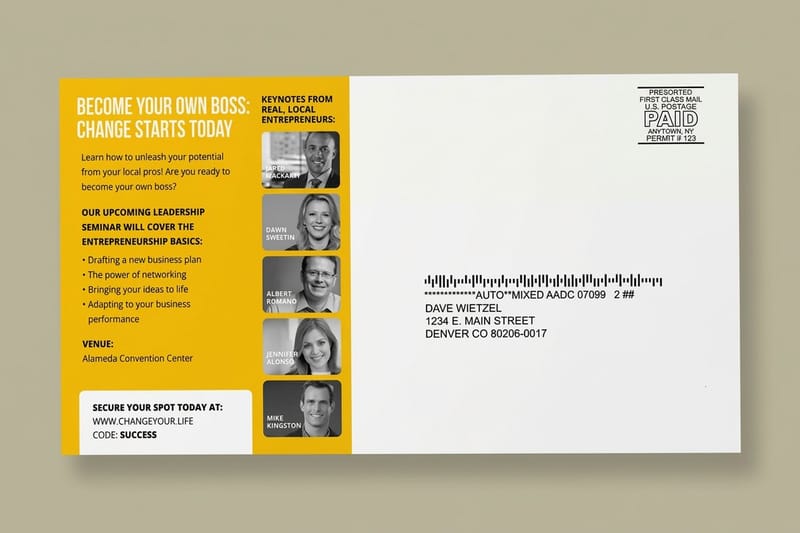
Then the tabs. A self-mailer travels through the sorting equipment open edge first, so USPS requires that edge closed. Letter-size folded newsletters normally take two wafer tabs on the open edge with the final fold along the bottom. Tabbing is quick and cheap, and the cost of skipping it is a mailing reclassified as nonmachinable at acceptance. This is also why the address panel has to be planned into the layout rather than patched in later: keep the bottom right of the panel clear for the barcode, and keep photos and dark fills out from behind the address block.
Set the file up at the flat size with the fold marked, not at the folded size. Start from a correctly built layout in the blank template library, and configure stock and fold on standard newsletters, which start at $75.80.
The List Decides What the Mailing Costs
Every bad address is a piece you paid to print, fold, tab and mail before finding out it was never going to be read. On a 5,000-name list carrying eight percent dead records, that is 400 finished newsletters into a recycling bin, and the postage was the larger half of the loss.
Three steps fix most of it. Standardize and validate the addresses through CASS certified software so the format matches what USPS expects. Run move update, which is required for presort discounts anyway and quietly recovers the subscribers who moved rather than losing them. Then dedupe on the household, not the name, because two people at one address usually want one copy and definitely do not want two.
Rented lists behave differently from owned lists and should be treated as such. An owned subscriber list gets better every issue if you feed the returns back into it. A rented list is a one-time use under the terms of the rental, and it is for prospecting rather than for a member newsletter. Our guide on building or renting a mailing list covers what each one is good for. If your newsletter goes to a congregation or a membership roster, church newsletters are configured for that kind of recurring list and also start at $75.80.
Postage Class, the Drop, and How Far Ahead to Start
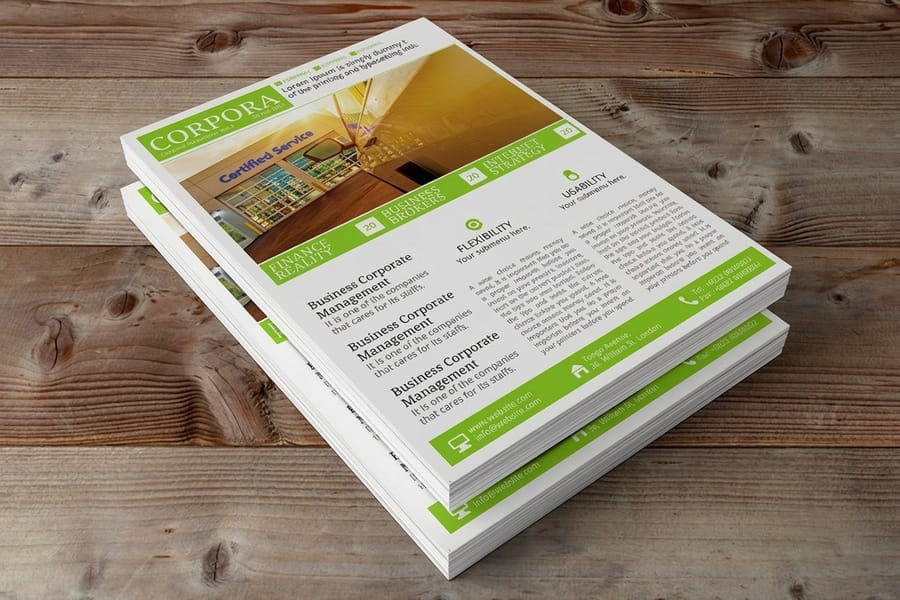
Two classes cover almost every newsletter, and a third applies if you hold nonprofit authorization.
| Class | Minimum | Speed | Bad addresses | Use it when |
|---|---|---|---|---|
| First-Class Mail | None | Fastest, a few days | Forwarded, then returned to you | Small lists, dated content, or a list you want cleaned each issue. |
| USPS Marketing Mail | 200 pieces or 50 lbs, permit required | Delivered across a window | Discarded unless you pay for an endorsement | Large lists and evergreen content where the per-piece saving is the point. |
| Nonprofit Marketing Mail | Same as Marketing Mail, plus USPS nonprofit authorization | Same as Marketing Mail | Same as Marketing Mail | Approved nonprofits mailing to donors and members. |
Speed is where people get burned. Marketing Mail is delivered over a spread of days, not on a chosen date, and the spread widens the further the mail travels from the entry point. A newsletter that announces a meeting on the fourteenth should drop around three weeks out. If it has to arrive on a date, pay First-Class and stop negotiating with the calendar.
Build the schedule backwards from the in-home window: art approved, print and fold, address and tab, then the drop, then the delivery window. Presorted mail enters at a Business Mail Entry Unit rather than a retail counter, and the paperwork differs from the retail route most people know from EDDM retail versus BMEU. If the newsletter is one piece of a wider campaign, mailing flyers at $89.68 handle the promotional drop in between issues, and the newsletter printing range covers the recurring issue itself. Deciding whether the printed issue is worth it at all is a fair question, and printed versus digital newsletters takes it seriously.
Wally mails the newsletter
Fold first, tab second, drop third
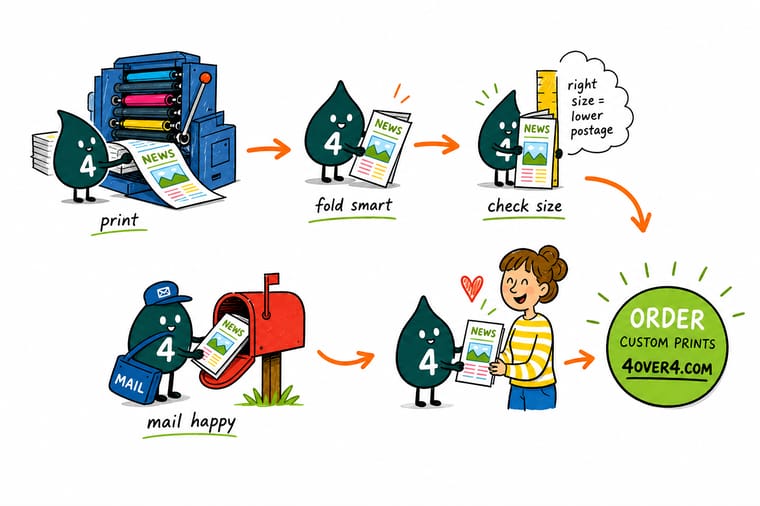
Wally folds the sheet down to 8.5 by 5.5 so it stays inside letter dimensions, sticks two wafer tabs on the open edge so the sorting machine cannot pull it apart, leaves the bottom right of the address panel blank for the barcode, and drops the tray at the Business Mail Entry Unit. He does the list check before any of it, because a bad address costs him the paper and the postage.
Configure newsletter printing →Specs and pricing
Sizes, stocks and starting prices for mailed pieces
Configuration options and starting prices straight from the 4OVER4.COM configurator, for the newsletter itself and for the mailed pieces that run alongside it.


Print it
Order the issue and the mailing that goes with it

Explore more
Where to go next


By the numbers
Mailed print you can schedule around at 4OVER4
Common Questions
Your newsletter mailing questions, answered
How many newsletters do I have to mail before bulk postage is worth it?
USPS Marketing Mail needs at least 200 pieces or 50 pounds in a single mailing, and it needs a permit that carries an annual fee. Under about 500 pieces, the permit, the presort work and the paperwork usually eat the discount, so metered or stamped First-Class on the whole list comes out simpler and often cheaper. Above a couple of thousand pieces the gap opens fast and bulk is the obvious answer. If you are close to the line, price both ways before you commit, because the list size that makes sense also depends on how heavy the finished piece is.
Does a folded newsletter really need tabs?
Yes, if it goes in the mail without an envelope. USPS requires folded self-mailers to be closed along the open edge so they do not catch in the sorting equipment. Letter-size folded pieces normally take two tabs, placed on the open edge, with the final fold riding along the bottom. Skip the tabs and the mailing is either rejected at acceptance or reclassified as nonmachinable, which costs more per piece than the tabs would have. Tabbing is a fast finishing step, so it is worth building into the plan rather than discovering at the counter.
What newsletter size is cheapest to mail?
An 8.5 by 11 sheet folded once to 8.5 by 5.5 is the cheapest common format, because it falls inside USPS letter dimensions and qualifies for automation rates. The moment the finished piece is bigger than 6.125 inches tall or 11.5 inches long, it becomes a flat and the per-piece price rises. An 11 by 17 folded to 8.5 by 11 gives you far more room to design and reads better on a table, so the real question is whether the extra pages earn the extra postage on your list.
Should a monthly newsletter go First-Class or Marketing Mail?
First-Class if the content is time-sensitive or the list is unstable, Marketing Mail if it is not. First-Class moves faster, gets forwarded when someone moves and comes back to you when the address is dead, which quietly cleans your list every month. Marketing Mail is cheaper per piece but is delivered over a window rather than on a date, and it is discarded rather than returned unless you pay for an ancillary service endorsement. Churches and membership groups that mail the same names for years often accept the slower class; a newsletter announcing a date-bound event usually should not.
Where does the address go, and what has to stay blank?
One side of the finished piece is the mailing panel, and it carries the address block, your return address and the indicia or stamp. Keep the bottom right of that panel clear for the barcode, leave a margin around the address block, and do not run a photo or a dark background behind it. Design the panel as part of the layout instead of leaving a white rectangle at the end, because a mailing panel that looks like an afterthought is the fastest way to make a good newsletter feel like junk mail.
Can 4OVER4.COM print and mail the newsletter, or do I take it to the post office?
Standard newsletters print, fold and ship to you finished, ready to hand to a mail house or take to your local Business Mail Entry Unit. If you want the addressing and the USPS drop handled inside the same order, the direct mail products are the ones set up for that: direct mail postcards start at $89.68 and mailing flyers at $89.68, both with the mailing service built into the configurator. Plenty of customers run the newsletter as a print-only job and the promotional mailer as a mailed job.
Get Started
Ready to print the next issue?
Pick your stock, set the fold, and we print newsletters that arrive folded, square and ready to address, so the only thing left is the drop.
Legal Disclaimer
Gold Standard guarantees apply to all standard orders placed through 4over4.com. Price match requires verifiable proof of a competitor's published price for an equivalent product with matching specifications and turnaround time. Satisfaction guarantee covers manufacturing defects and print quality issues. Contact support with order number and documentation. On-time delivery rate based on tracked orders 1999 to 2026. Individual results may vary based on shipping carrier performance.
