
How to Choose a Promotional Product Supplier That Delivers On Time


Most companies selling promotional products never touch the goods. Here is how to tell who decorates in house, what to ask about minimums and setup, and how to get a date you can plan a campaign around.
Judge a promotional product supplier on four answers: which decoration methods it runs in house, the minimum on the exact item you want, how setup is charged per color and per print location, and an in hand date rather than a production estimate. A house that decorates its own goods controls the schedule. A catalog reseller passes your job to a third party and adds its margin and that factory's queue to your timeline. Catalog size, sales attention and website polish all follow from those four answers.
Quick answer
Ask who decorates it, what it really costs to set up, and when it lands
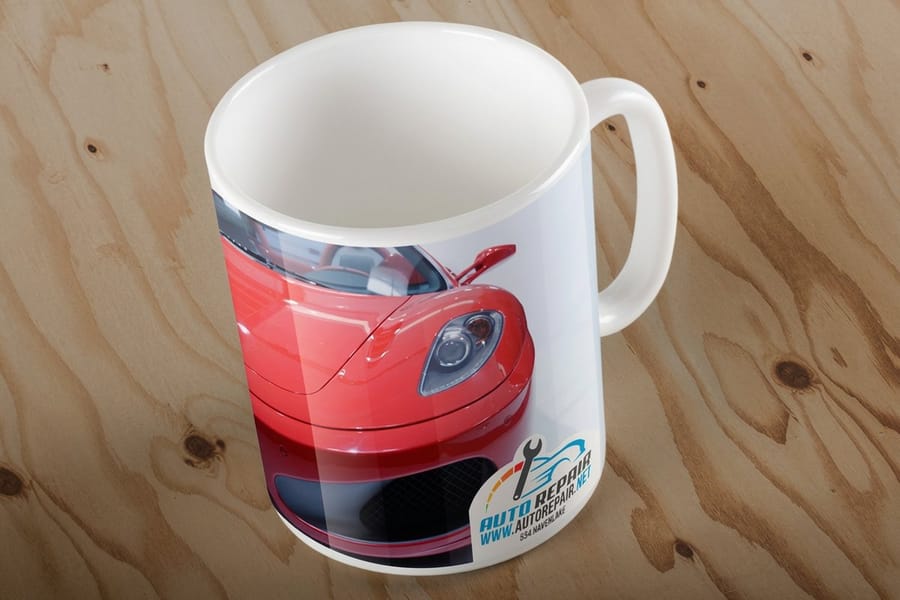
The supplier that owns its decoration equipment owns your schedule. Everything else on a promotional order follows from the setup: sublimated mugs and digitally printed magnets have no tooling and run from a single piece, screen printed apparel needs enough shirts to absorb a screen charge per color and per location, and pad printed pens carry a plate made for their shape. Get the minimum on your exact item, the setup terms in writing, and an in hand date at your address rather than a production window.
What Separates a Real Supplier From a Catalog Reseller
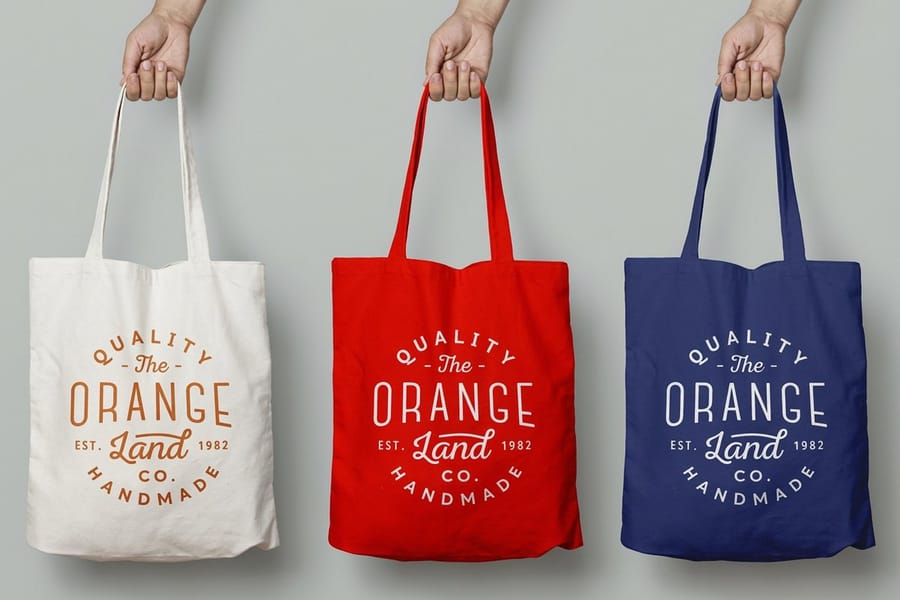
Start with one question and listen to how it is answered: which machine decorates my item, and where is it. A supplier that decorates in house names the method without hesitating, because it walks past the press every day. A reseller checks with the factory, and the delay you just heard is the delay you will inherit on every job.
The second question is what happens when something goes wrong. Blanks arrive short. A dye lot shifts. A shirt runs small. A decorator who owns the equipment can pull a replacement into the same week. A middle layer has to raise a claim with a factory that has no relationship with you, and the honest ones will admit it takes days. That is the entire practical difference between the two business models, and it only shows up on the job that goes sideways.
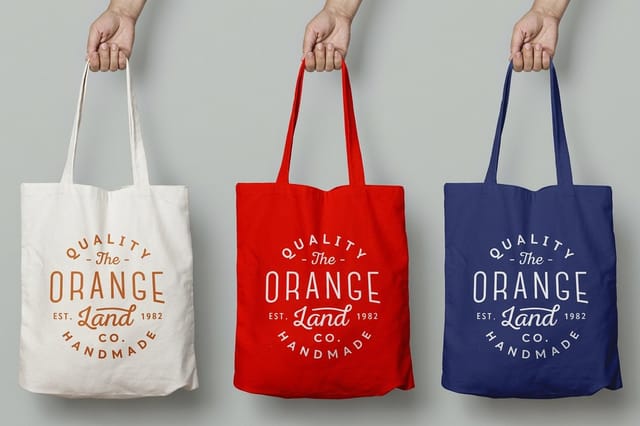
Look at what the catalog is built from too. A site with a hundred thousand items is a feed, not an inventory. A house that prints the goods lists fewer products and prices them live, which is why every item across our branded merchandise range carries a configurable price rather than a call for quote. If you can put a quantity into a box and see a number, someone is standing behind that number. Order a single printed tote bag and the price appears the same way it does at five hundred.
Range Matters More Than Catalog Size
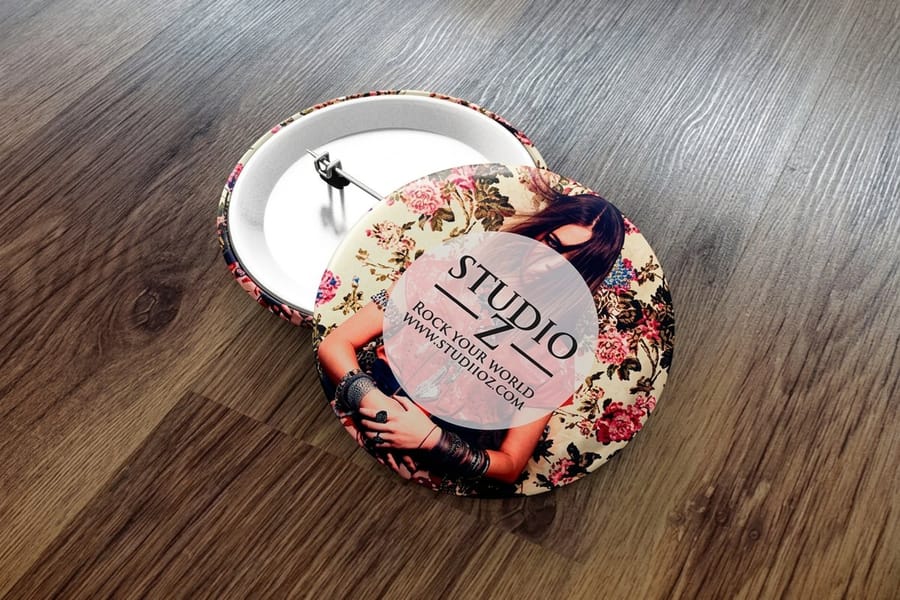
Most promotional campaigns are not one item. A trade show needs the booth graphics, the handouts and the giveaway. A store opening needs the flyers, the window cling and the tote at the counter. Split that across a print shop and a merch supplier and you have two color conversations, two proof cycles, two ship dates and two people to chase.
The practical reason to keep it under one roof is color. A brand teal that is correct on coated card is not automatically correct sublimated onto a ceramic mug, screen printed onto a cotton tote or printed on a vinyl magnet. Different substrates and different inks land in different places, and a supplier that runs all of them can tell you which one will shift and by roughly how much before you approve anything. Two separate vendors will each match their own sample and hand you a set that does not agree.
The second reason is the shipment. One supplier means one box or one pallet, one tracking number and one in hand date instead of three that arrive on three different afternoons. Our promotional products collection sits beside the paper catalog for exactly that reason, so custom buttons for the staff and the postcards for the mailing leave on the same day. If you are still deciding what belongs in the campaign, the branded merchandise ideas guide is a better starting point than a supplier catalog.
Branding Methods and What Each One Cannot Do
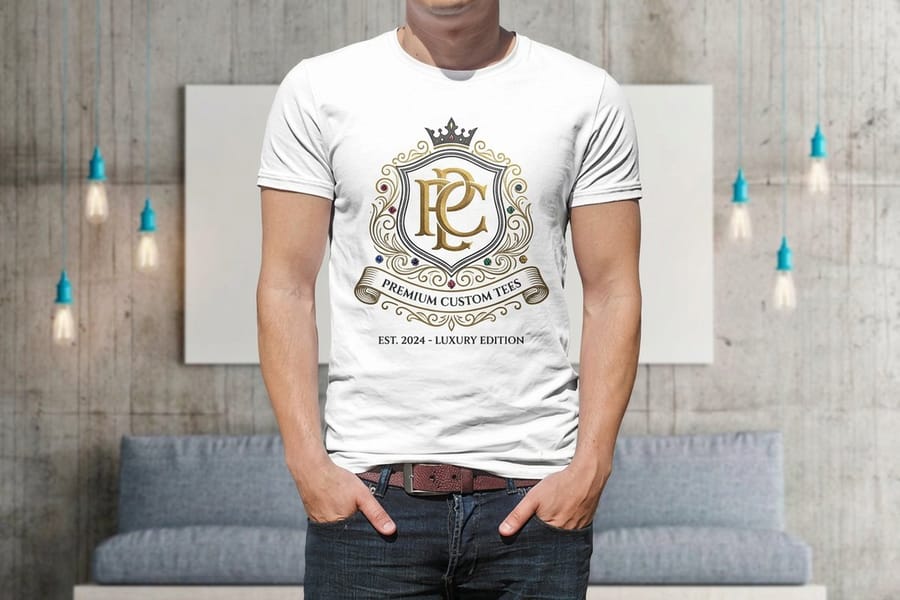
Suppliers quote the method their equipment runs. That is not dishonesty, it is inventory, but it means the same logo gets three different recommendations from three companies. Knowing what each method physically does lets you judge the advice instead of collecting it.
| Method | What it puts down | Suits | The limit |
|---|---|---|---|
| Sublimation | Dye turned to gas by heat, absorbed into a polyester or coated surface. | Mugs, mousepads, polyester apparel, full color photographic art. | Needs a white or light coated blank. Cotton and dark garments will not take it at all. |
| Direct to garment | Water based ink jetted straight onto the fabric, like an inkjet for shirts. | Small runs, many colors, gradients, one off samples. | Price per shirt barely falls with quantity. Dark shirts need a white underbase that stiffens the print. |
| Screen printing | Ink pushed through one fine mesh screen for every color in the art. | Runs of roughly fifty pieces and up, solid spot colors, strong opaque whites. | Every color and every print location is another screen and another setup charge. Fine gradients do not hold. |
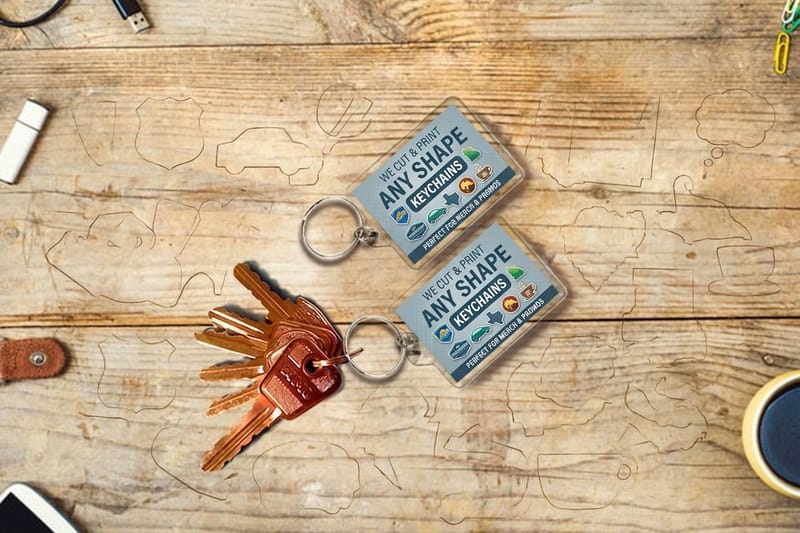
| Pad printing | A silicone pad lifts ink from an etched plate and presses it onto a curved surface. | Pens, keychains, small hard goods with an awkward shape. | One or two colors, a small print area, and tooling made for each shape, so minimums start high. |
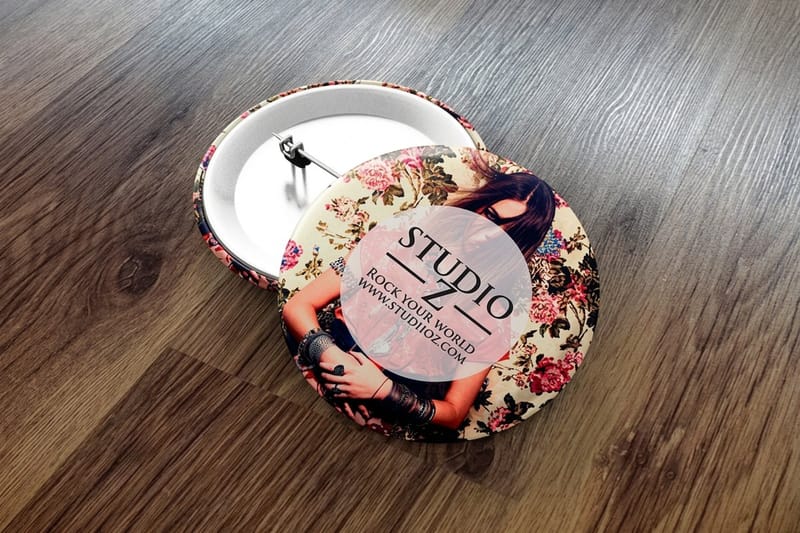
| Digital press and cut | CMYK printed on paper or vinyl, laminated, then die cut to shape. | Buttons, magnets, stickers, anything flat. | Flat items only. No wrap around a curve, no texture, no metallic without a specialty stock. |
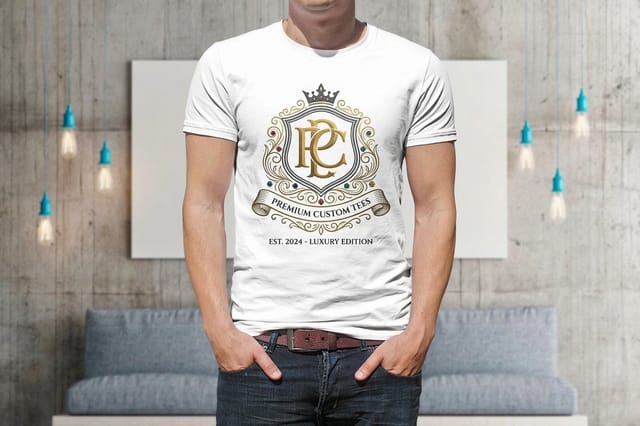
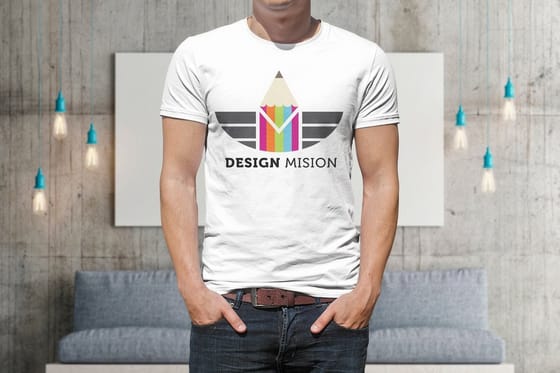
Read the last column before the third. It tells you which supplier is quoting your job and which one is quoting its own machine. If your artwork is a photograph and someone proposes screen printing, they are about to separate it into spot colors and it will not look like the file. If you want white ink on a black shirt at fifty pieces, direct to garment will do it but screen printing will do it better and cheaper. We print premium t-shirts and custom mugs from the same configurator so the method follows the item, and the DTG against embroidery comparison covers the apparel decision in more detail.
Minimums, Setup Charges, and What Turnaround Really Means
A minimum order quantity is rarely a policy. It is the point where the fixed cost of setting the job up stops ruining the per piece price. Once you see it that way, the number stops being negotiable in one direction and becomes obvious in the other.
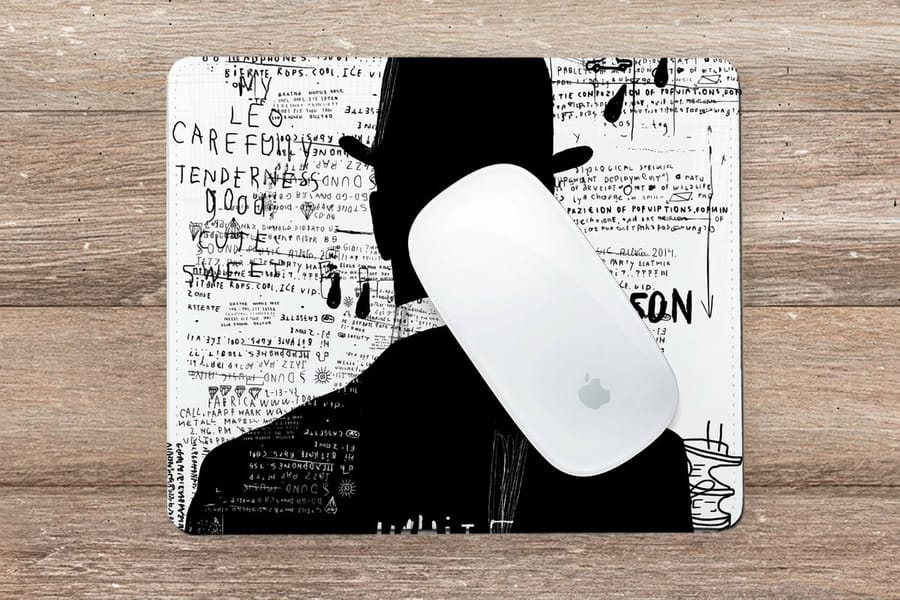
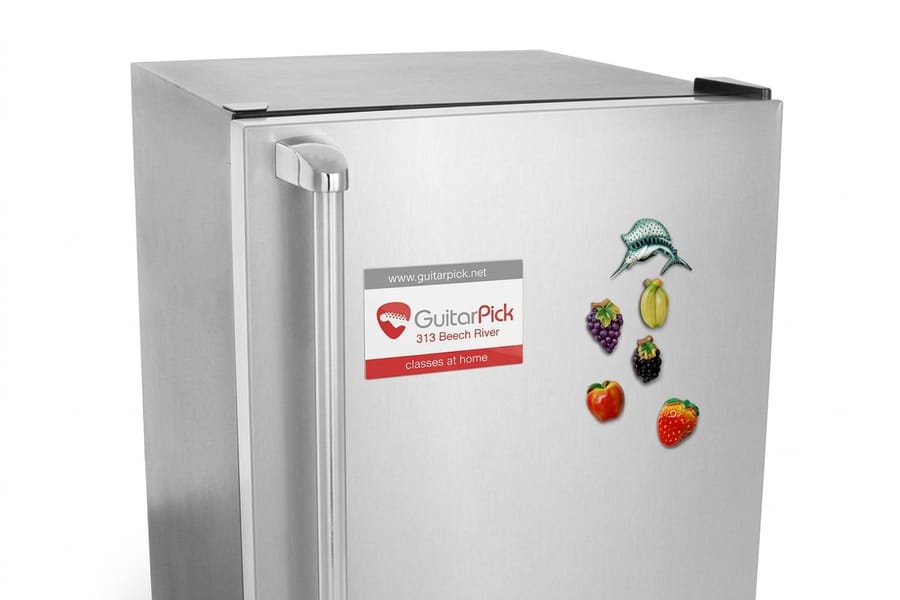
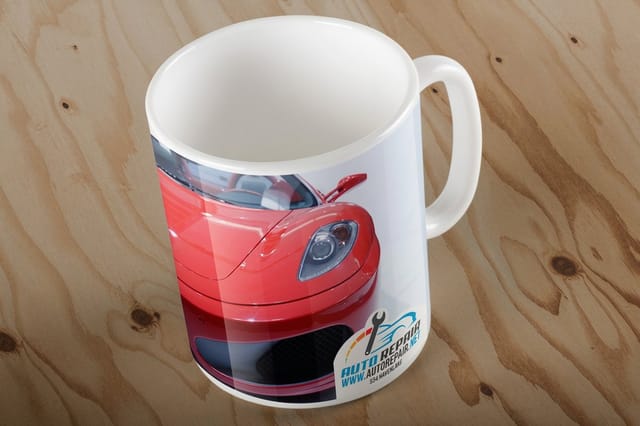
Digital and sublimated goods have no tooling, so the minimum is one. Standard mousepads start at $13.17 at 4OVER4.COM, standard magnets at $19.68 and standard mugs at $20.86, and none of those prices depend on a screen being made. Screen printed apparel is the opposite: the screens are burned once and then divided across however many shirts you order, which is why a run of twelve shirts feels expensive and a run of two hundred feels cheap. Premium t-shirts start at $21.96 and tote bags at $22.73, and the quantity you choose in the configurator moves the per piece number in front of you.
Setup deserves its own line in the quote. Ask three things and write the answers down: is setup charged per color and per print location, is it charged again on a reorder of identical artwork, and does a second print position count as a second setup. A supplier that answers all three clearly is a supplier that will not surprise you at invoice time. Volume pricing works the same way, and our bulk discount tiers apply the drop automatically instead of holding it back for a negotiation.
Then take turnaround apart. Proof approval sits with you, production sits with the supplier, and transit sits with the carrier. The quote that looks fastest often has the longest transit hidden behind it. Name the event date when you ask, not the number of days you think you need. If you are buying at scale for resale rather than for a campaign, the wholesale sourcing guide covers the margin side of the same decision.
The Checklist to Run Before You Place a First Order
Run this on a phone call or in one email. A supplier worth using answers every line without going away to check, and the ones that cannot will disqualify themselves in about four minutes.
- Who decorates my item, and with which method? A specific machine and a specific method, or the job is being brokered.
- What is the minimum on this exact item, in this exact decoration? Category minimums are marketing. Item minimums are real.
- How is setup charged, and is it charged again on a reorder? Per color and per location is the norm. Get it in the quote, not in conversation.
- What is the in hand date at my address, with which shipping service? Production days alone are not an answer.
- What does a proof look like, and can I have a pre production sample? A screen proof shows layout. Only a real sample shows how ink sits on a colored garment.
- What happens if the goods are wrong or short? Reprint, refund or credit, and how many days. Ask before you need it.
- Can you price a second item on the same call? Range is what turns a supplier into a partner across a whole campaign rather than one order.
Two more habits are worth building. Order a sample of the blank before a large apparel run, because garment fit varies more between brands than any spec sheet suggests. And keep your logo in vector form with the spot colors named, since every method above reproduces a vector cleanly and none of them love a low resolution screenshot. Flat goods such as custom magnets forgive a lot; a screen printed tote does not, which is why the cotton against canvas against recycled tote comparison is worth reading before you pick a bag. Anything still unanswered is probably covered in our printing FAQs.
Wally checks the supplier
Who decorates it, what it costs to set up, when it lands
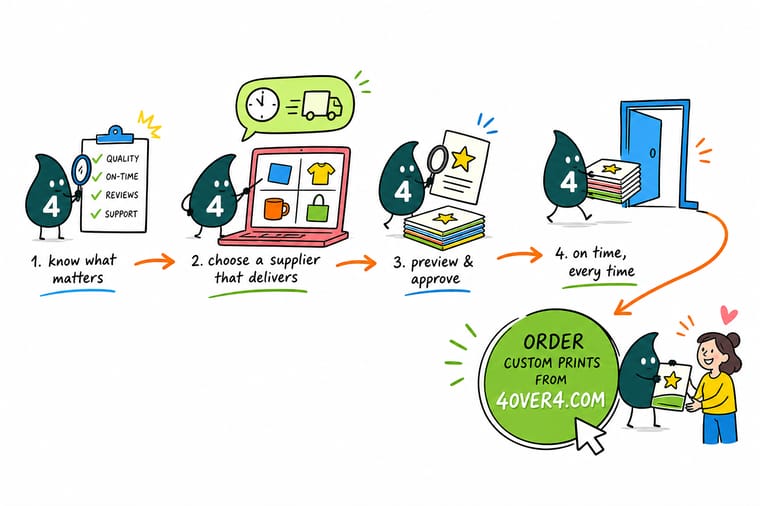
Wally asks three things before he buys merch. First, who actually decorates the item, because a supplier that owns the press owns the schedule and a reseller owns neither. Second, how setup is charged, since a two color logo on two positions is four screen charges and that is where a cheap price stops being cheap. Third, the in hand date at his own door, not the production days. Sublimation and digital print have no tooling at all, so a single mug or one magnet costs what it costs. Screens need a crowd to pay for themselves.
Shop promotional products →Specs and pricing
Promotional items, options, and starting prices
Compare the most ordered promotional items side by side, with live configuration choices and starting prices straight from the 4OVER4.COM configurator.


Print it
Order the merch and the paper from one house
Explore more
Where to go next


By the numbers
A promotional print supplier you can plan around
Common Questions
Supplier questions buyers ask before the first order
What is the difference between a promotional product supplier and a distributor?
A supplier owns the decoration. It holds or buys the blanks, runs the sublimation press, the screen line, the direct to garment printer or the pad printer, and it controls when your job moves. A distributor is a sales layer: it takes your order, buys the same goods from a decorator, adds margin, and passes your schedule along with it. Both call themselves suppliers. The way to tell them apart in one question is to ask which method will decorate your specific item and where that machine sits. A distributor answers vaguely or promises to check with the factory.
What is a normal minimum order for promotional products?
There is no single number, because the minimum comes from the setup, not from a policy. Anything printed digitally or sublimated has no tooling, so mugs, mousepads, magnets and buttons can run in very small quantities. Screen printed apparel usually needs enough pieces to absorb the screen charge, which is why quotes get sensible somewhere around fifty shirts. Pad printed pens and engraved metal carry the highest minimums because a plate or a fixture has to be made for the shape. Ask for the minimum on the exact item and the exact decoration, not on the category.
How long does promotional product printing take?
Split the answer into three parts and get each one separately: proof approval, production, and transit. Proofing is usually the part that slips, because it waits on you. Production is the number the supplier controls. Transit depends on the distance and the service, and it is where a cheap quote often hides an extra week of ground freight. Ask for an in hand date at your address rather than a turnaround, and if the date is tied to an event, say the event date out loud when you ask.
How much are setup charges on promotional products?
Setup is normally quoted per color and per print location for screen printing and pad printing, and it is usually charged again if the artwork changes. Sublimation, direct to garment and digital printing carry no screen charge at all, which is why they win on small runs even when the per piece price looks higher. Two practical questions save real money: does a reorder of the same art pay setup again, and does moving the logo from the chest to the chest and the sleeve count as one location or two.
Can I see a sample before committing to the full run?
Ask for two different things and know which one you need. A blank sample shows you the garment weight, the mug shape or the tote handle length, and it is cheap. A pre production sample shows your artwork decorated on the real item, and it costs a setup plus a few days, because the supplier has to run the job twice. For a colored garment, a photo on a screen will not tell you how the ink sits, so a pre production sample is the only honest check. You can also start with free paper samples to judge print quality before you order anything.
Which promotional products are worth printing on a small budget?
Pick items people keep on a desk or carry, and let the price per piece decide the quantity rather than the other way round. At 4OVER4.COM standard mousepads start at $13.17, standard magnets at $19.68, standard mugs at $20.86, premium t-shirts at $21.96 and tote bags at $22.73, while standard buttons start at $93.15 and standard keychains at $53.55. The cheap desk items suit a mailing or a counter giveaway. Apparel and totes are better where you want the logo to travel, because someone else does the carrying.
Get Started
Ready to price the whole campaign in one place?
Configure the mugs, the tees, the totes and the print that goes with them, see the quantity break before you commit, and ship it all on one date.
Legal Disclaimer
Gold Standard guarantees apply to all standard orders placed through 4over4.com. Price match requires verifiable proof of a competitor's published price for an equivalent product with matching specifications and turnaround time. Satisfaction guarantee covers manufacturing defects and print quality issues. Contact support with order number and documentation. On-time delivery rate based on tracked orders 1999 to 2026. Individual results may vary based on shipping carrier performance.
