
How to Choose a Promotional Printing Company That Delivers on Time


A buyer's checklist for picking one company to print your cards, flyers, banners and branded merch, with the questions that actually change the delivery date.
Judge a promotional printing company on four things you can check before you spend anything: whether it prints in house or forwards the job, when the quoted turnaround clock starts, what the art department fixes without a charge, and where the quantity breaks fall at your real order size. The rest of the pitch is decoration. A vendor that prints paper and decorates merch under one roof also holds one color reference across the whole set, which is the practical reason to consolidate.
Quick answer
Four questions separate a good vendor from a cheap quote
Ask who owns the press, when the clock starts, what art work is free, and where the quantity breaks fall. A company that prints in house can pull a bad piece and reprint it the same week. A company that quotes production from proof approval is telling you the truth about your delivery date, and one that quotes from checkout is not. Art charges and tier tables belong in writing before the order, not in the invoice after it.
What a Promotional Printing Company Actually Covers

The label covers three different kinds of business, and the difference shows up the first time something goes wrong.
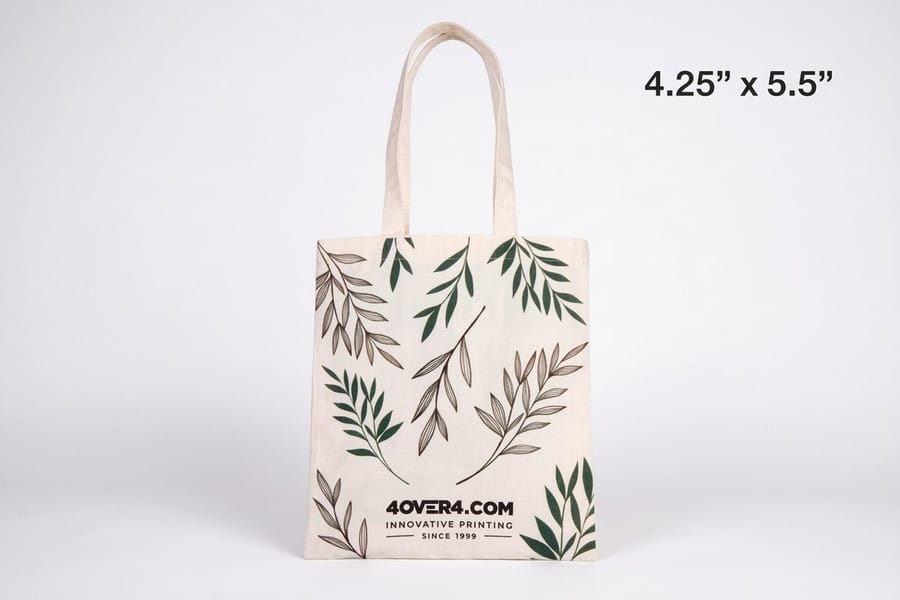
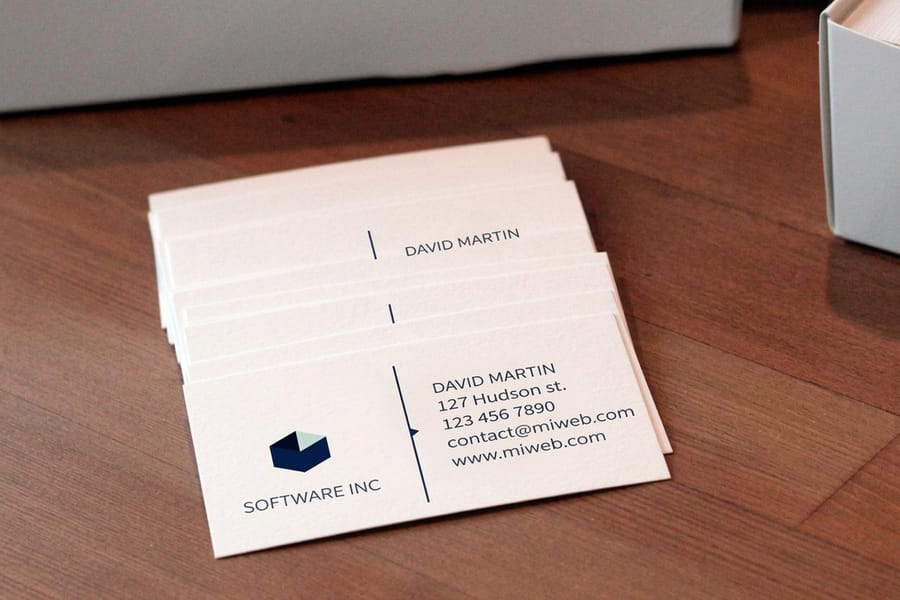
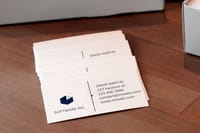
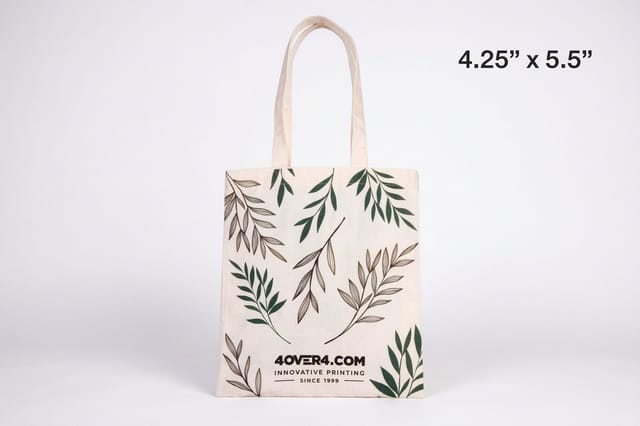
A commercial printer owns presses and prints on paper: cards, flyers, brochures, postcards, banners. A promotional products distributor owns a catalog and forwards your order to whoever decorates the item. A promotional printing company does both under one roof, which means the same job ticket carries your business cards at $17.57 and your cotton totes at $5.00, matched to the same artwork.
That one roof matters for a reason nobody puts in a brochure. Logos drift. Hand a PMS number to three suppliers and you get three readings of it, because each one is matching on a different substrate with a different process. Order the set from one company and there is a single color reference and a single person who has to answer for it.
The trade is real, though. A single vendor will not out-print a specialist on every odd item. Embroidery, cut and sew apparel and anything with electronics in it belong somewhere else. What you get instead is a shorter chase list: one account, one proof round, one delivery window across business cards, flyers and tote bags.
Print and Design Together, or Print Only
Print-only vendors take a finished file and run it. Print-and-design companies also fix, redraw and lay out the file, and the second kind is worth paying for exactly when your artwork is not print ready.
Here is the test. Open your logo. If it is an AI, EPS or PDF that stays sharp when you zoom to 800 percent, it is vector and any printer can use it. If it is a PNG or a JPG pulled off a website, it is pixels, and pixels behave badly on a printed mug or a tote where the decoration area is large and the surface is unforgiving. Somebody has to redraw it. The only question is whether that somebody is inside the print company, quoted as a separate art charge, or you at 11pm.
Ask three things before you decide. What does the art department correct at no charge, what triggers a fee, and do you get the corrected vector file back to keep. The last one gets skipped and it is the one that matters in two years.
If your file is already clean, print-only is cheaper and there is no reason to pay for a service you will not use. If you want to start from a correct layout instead of a rescue job, our design templates and the blank template library give you the right trim, bleed and safe area before you draw anything.
The Vendor Checklist, and the Answer You Want to Hear
Eight questions, all answerable before you spend a dollar. Send them in one email and the reply tells you more than any review page.
| Ask this | A good answer sounds like | Why it matters |
|---|---|---|
| Do you print in house? | Named equipment and a named facility. | Only an owner of the press can pull a bad piece mid run. |
| When does turnaround start? | At proof approval, with a stated daily cutoff time. | This single answer moves most delivery dates by two days or more. |
| What files do you accept? | Press ready PDF with bleed for paper, vector for merch. | A format surprise costs a day, sometimes on the day you cannot spare it. |
| What is the art charge? | A number, and what is included for free. | Redrawing a raster logo is normal work. An unquoted charge is not. |
| What are the quantity breaks? | The tier table, not a discount promise. | Ordering 20 more pieces sometimes costs less than ordering fewer. |
| Can I get samples? | Yes, paper samples or a small first run. | Monitors lie about color. Stock in your hand does not. |
| Who fixes a bad run? | A reprint policy with a time limit stated up front. | You find out how good a vendor is only when something goes wrong. |
| Where does it ship from? | A city, so you can count transit days. | Ground from the wrong coast adds four days to a two day job. |
Two of those carry more weight than the rest. The turnaround question decides whether you make your event date. The in house question decides whether anyone can help you when a box arrives wrong. Everything else is negotiation.
Score vendors on the answers you get in writing, not on the ones you get on a call. If a company cannot state a cutoff time in an email, it does not have one. The same checklist applied to paper print alone is in our guide on how to choose a print shop.
Reading the Quote, and Working Backwards From the Event Date
Two numbers decide whether a promotional print order goes well: the quantity break you land on, and the day the production clock starts.
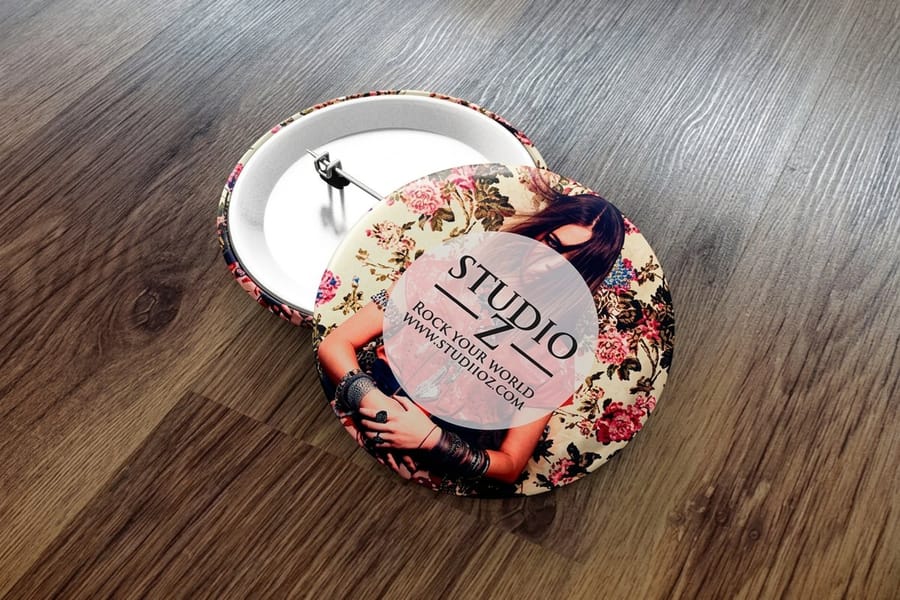
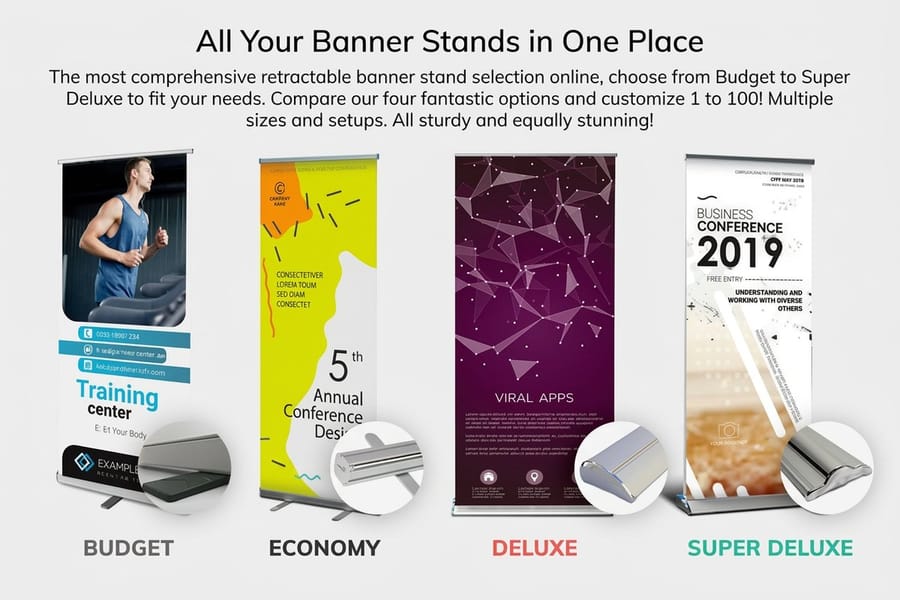
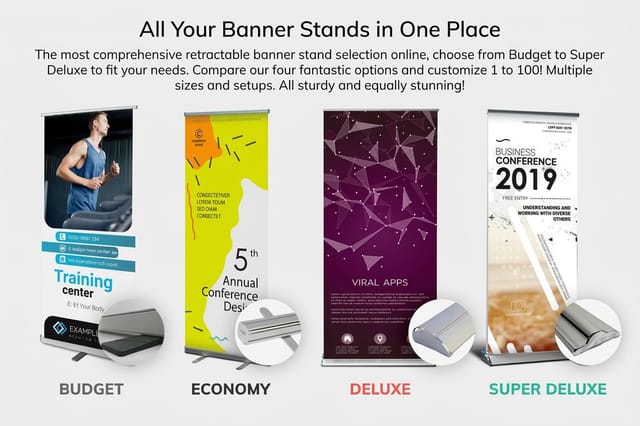
Quantity first. Press work prices by the sheet, so the plate and the setup are paid either way and a modest jump in quantity adds little. Promotional items price per piece on top of a setup charge, which is why small runs feel expensive and the curve flattens around 100 to 250 pieces. Price both tiers around your number. Standard buttons start at $93.15 and retractable banner stands at $139, so the difference between guessing and checking is not trivial on a full event kit.
Timing second, and this is where orders actually fail. The advertised production days almost never include preflight, your own proof approval, or transit. Add all three and count in working days. A tote order placed on Friday evening, proofed Monday, approved Tuesday, produced Wednesday and Thursday, then shipped ground across three zones, arrives the following week. Nothing went wrong in that sequence. It is just what the calendar does when you count the whole path instead of the headline number.
Two habits fix it. Order the event kit two weeks out so a reprint is still possible, and approve the proof the day it lands. If you want to price the whole set before committing, the configurator on any product gives a live quote, and getting an instant online printing quote walks through it. For the wider range of items that carry a logo, the promotional products collection lists what we decorate in house.
Wally checks the vendor
One roof, one color, one delivery date
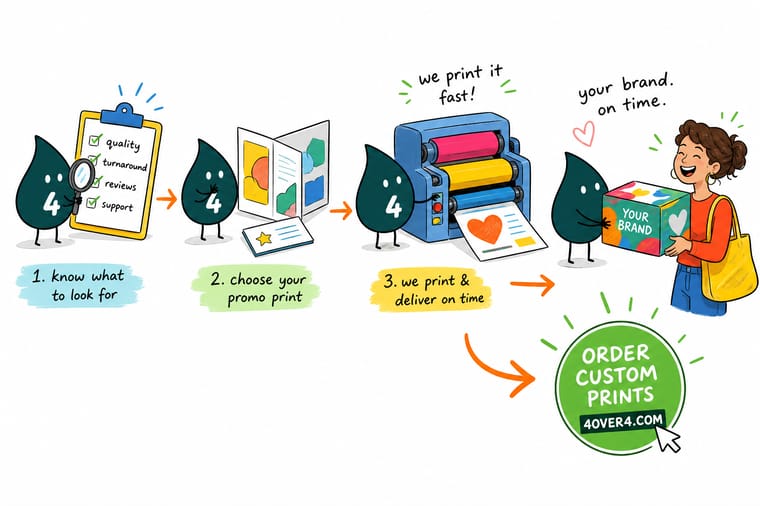
Wally asks four questions before he hands over a logo. Do you own the press. When does the clock start, at checkout or at proof approval. What does your art department fix for free. Where do the quantity breaks fall at my number. When the answers come back in writing, he orders the cards, the totes and the mugs on one ticket, so the same green shows up on all three and one delivery date covers the lot.
Shop promotional products →Specs and pricing
Check the sizes, options and starting prices yourself
Run the numbers on a typical event kit before you email anyone. These are live configuration choices and starting prices from the 4OVER4.COM configurator.


Print it
The branded pieces most orders start with
Explore more
Where to go next

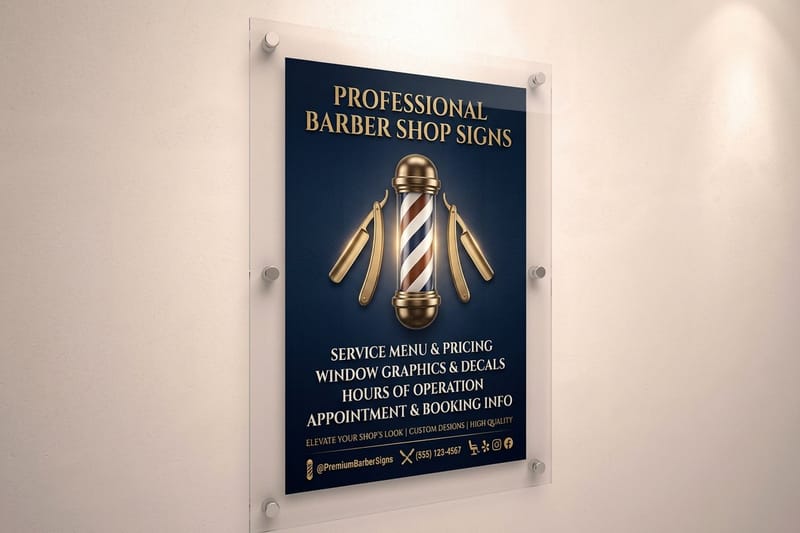
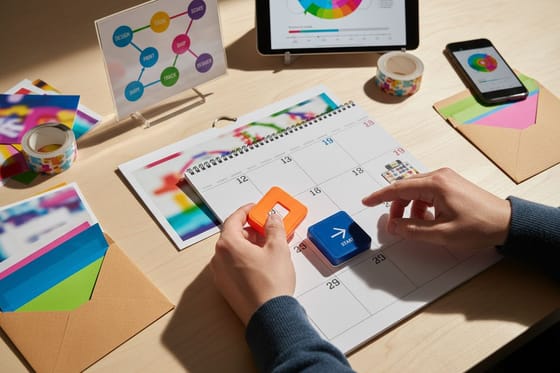

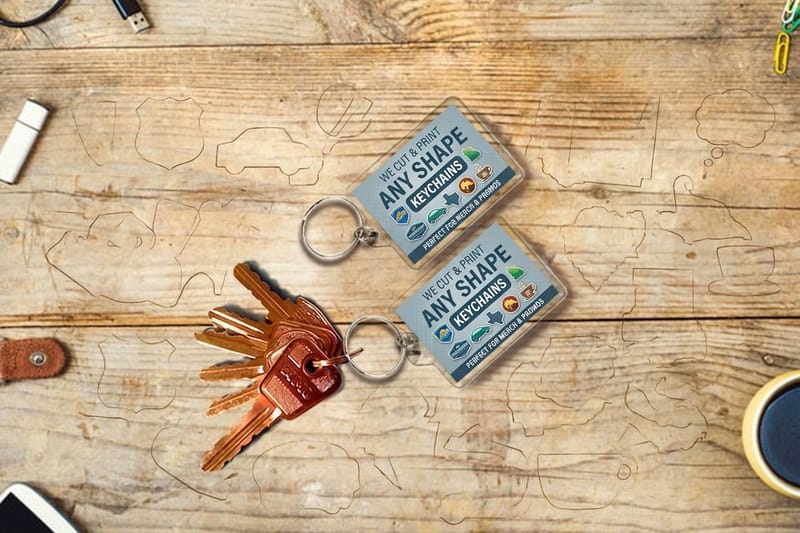
By the numbers
Why buyers consolidate their print at 4OVER4
Common Questions
Questions buyers ask before they commit
What is the difference between a promotional printing company and a promotional products distributor?
A distributor sells you the item and places the order somewhere else. A promotional printing company runs the presses and the decoration in house, which changes what you can ask for. With a printer you can request a press check, get a piece pulled and reprinted the same week, and hold one color standard across a business card, a tote and a mug. With a distributor you get a catalog and an email chain. Neither is wrong, but only one can answer a question about ink coverage on a specific stock while your job is still on the floor.
Should I buy printed materials and promo items from the same company?
Buy them together when they carry the same logo and appear at the same event, because a single supplier works from one color reference across every piece. Split them when an item needs a process nobody prints in house, such as embroidery, cut and sew apparel, or electronics. A practical mix is core print plus soft goods and drinkware from one vendor, then a specialist for the one odd item. That still leaves you with two suppliers to chase rather than six.
How far ahead should I order for an event?
Work backwards from the event and add the three blocks people forget: preflight, your own proof approval, and transit. If production is two days, proofing takes a day, you take a day to look at it, and ground shipping across the country takes four, you need eight working days and not two. For a trade show, order two weeks out so a reprint is still possible. If you are inside that window, say so on the order and ask what the real cutoff time is, because our guide to printing turnaround times and order tracking walks through how each stage is timed.
What file do I need to send for a printed mug or a tote bag?
Vector artwork, at the size it will be printed, with fonts converted to outlines and colors specified rather than left to guesswork. A 400 pixel JPG of a logo pulled off a website will look soft on a card and bad on a tote, because decoration on fabric and ceramic has fewer places to hide a rough edge. If vector art no longer exists, ask for it to be redrawn before the order runs. Our guide to choosing the right file type for printing covers what each format holds.
Do I get to see a proof before anything is printed?
You get a digital proof, which shows layout, size, placement and content. It does not show color the way the finished piece will show it, because your monitor is backlit and paper is not. For a color critical job, order a small quantity first or request paper samples so you are judging ink on the actual stock. Treat the proof as your last chance to catch a typo, a wrong phone number or a logo sitting too close to a trim edge.
How do bulk discounts really work on promotional printing?
They follow the machine, not a marketing rule. On press work the sheet is the unit, so a small jump in quantity often costs very little: the plate is made either way. On promotional items the cost is per piece plus a setup, so the setup is what you are spreading, and the per piece price usually steps at 100, 250 and 500. That is why 24 mugs feel expensive and 250 feel reasonable. Price the two tiers on either side of your quantity before you commit, and read print shop prices explained for how a quote is built.
Get Started
Order 50 buttons from $93.15 and the rest from one account
Cards, flyers, banners, totes and mugs from the same shop, matched to one set of artwork and one delivery date.
Legal Disclaimer
Gold Standard guarantees apply to all standard orders placed through 4over4.com. Price match requires verifiable proof of a competitor's published price for an equivalent product with matching specifications and turnaround time. Satisfaction guarantee covers manufacturing defects and print quality issues. Contact support with order number and documentation. On-time delivery rate based on tracked orders 1999 to 2026. Individual results may vary based on shipping carrier performance.
