
How to Choose a Farmers Market Sign That Gets Shoppers to Stop


Tobias is our voice for cutting, binding and large format, built from the knowledge of our production team, with over 20 years in printing.
Match the format to the zone it works in, size the lettering to the aisle, and pick a material that shrugs off sun and wind. This guide walks a market vendor through every choice, from the sidewalk frame out front to the price cards on the table, with real prices and real turnaround expectations.
Choose a farmers market sign by the job it does in the booth. Use a weighted double sided A-frame to stop traffic in the aisle, a blockout vinyl banner high on the tent for your farm name, and rigid aluminum panels for crop callouts and payment notices that never change. Size capital letters at roughly one inch per ten feet of reading distance, keep prices on swappable cards, and test the layout from the middle of the aisle before you print.
Start here
The short answer for busy vendors
A farmers market sign works when the format matches its position in the booth. Put a weighted, double sided A-frame in the aisle with one headline on it. Hang a hemmed blockout banner high for the farm name so it clears the crowd. Bolt or zip tie rigid aluminum panels at eye level for crop names, certifications, and payment methods. Keep prices on cheap cards you can swap weekly. Size your capital letters at one inch per ten feet of viewing distance, then walk the aisle and read it yourself before the file goes to print.
Why the right farmers market sign decides who walks into your booth

A market aisle is a scanning environment. People move at a steady walk, they are carrying bags, and they are reading tents from ten to thirty feet away. Nobody stops to study a booth. They stop because something told them, in one glance, that this is where the peaches are. At twenty feet that glance needs a headline at least two inches tall, which is why a 24 by 18 inch A-frame insert carries one line and not a menu.
That is the whole job of a farmers market sign. It answers three questions before a conversation starts: who you are, what you are selling today, and what it costs. When those answers are readable from the aisle, your line forms on its own and you spend the morning selling instead of explaining. When they are not, shoppers drift past a full table because they assumed you were the flower vendor.
The vendors who do this well use a small system rather than one sign, which is the same logic behind the storefront sign ideas that pull people off a sidewalk. A big name up high, a working sign at eye level in the aisle, and clear price cards on the table. The rest of this guide walks through each choice, in the order you should make it. If the name sign needs to be rigid and large, our guide on how to make a large acrylic sign that mounts flat and reads sharp covers that build.
The four sign types that actually earn their space at a market
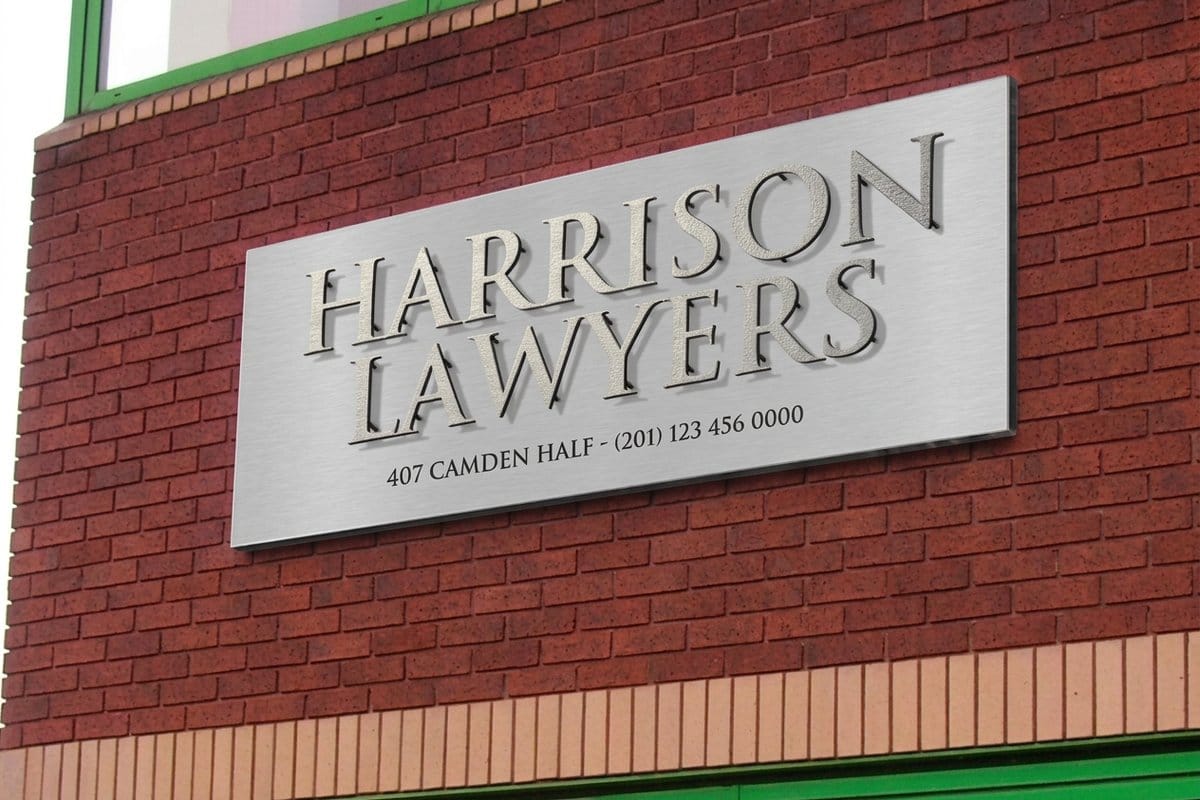
Every booth has three zones: the aisle in front of you, the tent frame above and beside you, and the table between you and the customer. Each zone wants a different sign, and buying the wrong one for a zone is the most common money wasted in a first season.
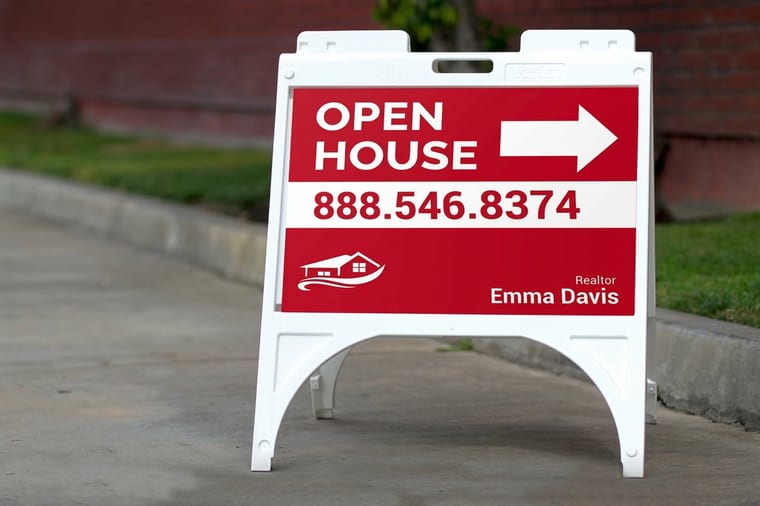
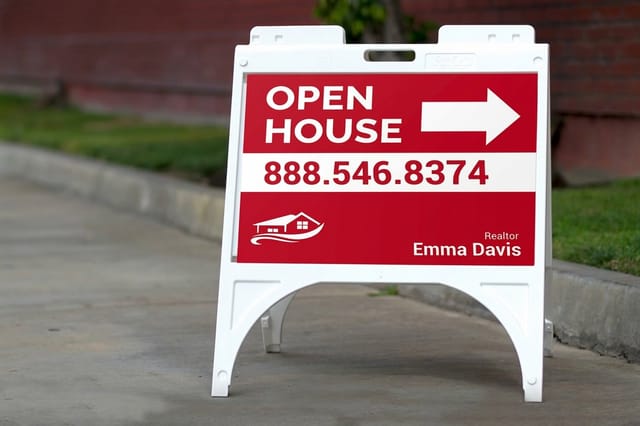
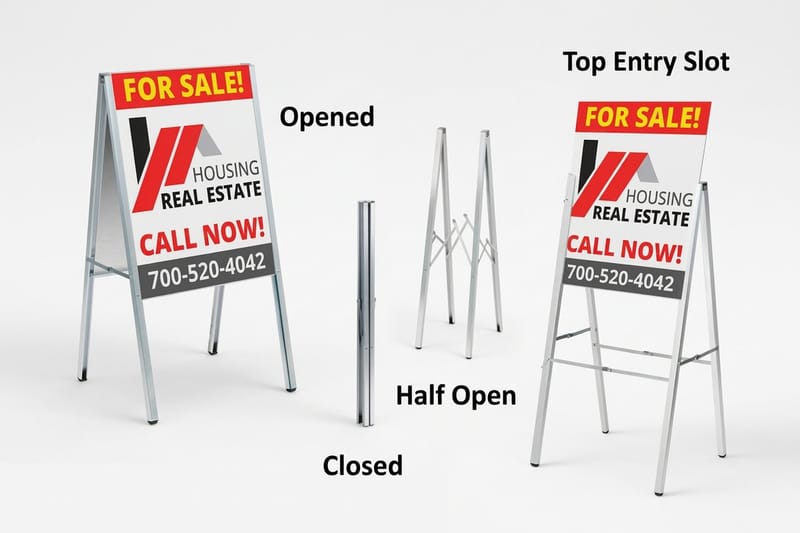
The aisle sign. A double sided A-frame is the only format that speaks to shoppers walking in both directions. The Quik Sign a Frame starts at $163.67 as a complete standing unit with printed inserts, so it arrives ready to open and set. Put your headline here, not your entire product list. You can see the Quik Sign in its product video before you order.
The identity sign. Your farm name belongs high, where it clears the heads of the crowd. 2 Sided Blockout Banners start at $108.75 and carry a name across the back of a ten foot tent with an opaque liner, so light from behind does not wash the print out or ghost the reverse side through.
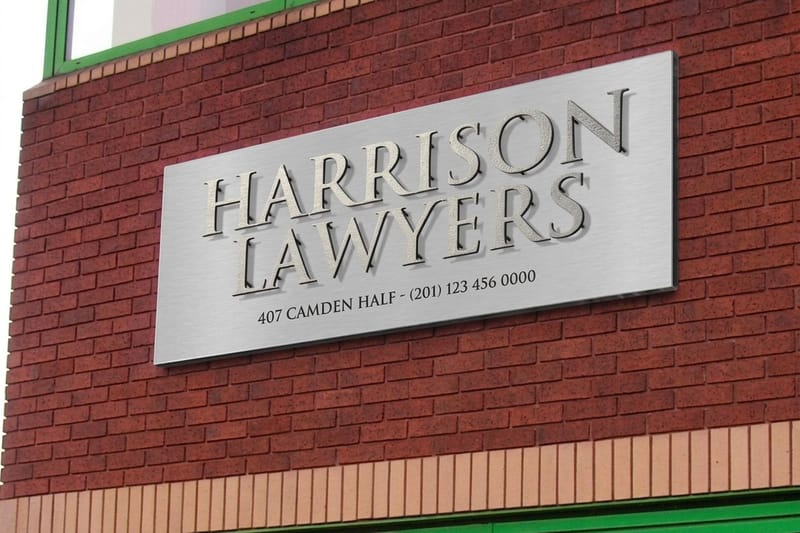
The panel sign. Rigid Aluminum Sign Panels start at $29 and carry the standing notices: certified organic notices, payment methods accepted, CSA sign up details, or a single crop callout zip tied to a tent leg. They do not flap, do not fade quickly, and stack flat in a vehicle.
The price card. Small table signs sit closest to the money. They change most often, so they should be the cheapest and easiest thing to reprint or rewrite in your entire signage set.
What size to choose for a standard ten by ten booth

Most markets assign a ten foot by ten foot space, which sets your ceiling. A back wall banner in the seven to nine foot width range fills the frame without hanging past your footprint into a neighbor. Go narrower if the market requires open sides for airflow, and always confirm the rule with your market manager before printing, since some historic and city run markets cap banner size or ban them outright.
For a farm name banner, the tool is our online designer, Canvs: set the banner size, type the name at five or six inch letters, and print, or upload your own PDF at the finished size. The three pieces of a first booth compare like this:
| Piece | Sizes | Material and finishing | Starts at | Production |
|---|---|---|---|---|
| Farm name banner | 2 by 3 up to 4 by 10 feet, 3 by 8 or 4 by 8 feet for a ten foot tent | 15 oz blackout vinyl, printed both sides, grommets or pole pockets | $108.75 | 4 business days |
| Aisle A-frame | Two 24 by 18 inch inserts in a 31.7 by 26 inch white frame | 4mm corrugated plastic, same or different art on each side | $163.67 | 4 business days |
| Panel signs | 11 by 17 up to 30 by 40 inches | 1/8 inch aluminum, gloss or matte laminate, drilled holes optional | $29 | 4 business days |
For the aisle sign, the classic sidewalk frame footprint stays inside your space while still being visible up and down the row. Our guide to standard A-frame sign sizes lays out the common frame and insert dimensions so you can match an insert to the frame you already own instead of buying a whole new unit.
Panels are where vendors overspend. A crop callout does not need to be enormous. A modest rigid panel at eye level, close to the produce it names, outperforms a huge sign hung so high that shoppers read it only after they have already walked by.
Materials that survive sun, rain, and a season of setups
Market signs live outdoors, get loaded wet, and then sit in a truck until the following Saturday. Anything made of paper or thin uncoated board will curl at the first heavy dew and tear at the first gust. Choose by failure mode, not by price alone.
Aluminum is the most forgiving. It will not absorb water, it will not crease, and it comes back looking the same after twenty markets. That makes rigid panels the right home for the things you never change, like your farm name, your organic certification, or the fact that you take cards.
Vinyl earns its place when you need size. Blockout construction adds an opaque center layer so a double sided banner shows two clean, independent messages instead of one bleeding through the other. Hemmed edges and grommets every two feet spread the load on windy days, and matte finish keeps midday glare from erasing your headline at exactly the hour the market is busiest.
Whatever you print, put your file through a proper outdoor check first. High resolution artwork, generous margins, and dark type on a light field all hold up better in direct sun. If you want ideas that already account for weather and distance, the roundup of outdoor business sign ideas is a good place to browse before you commit to a layout.
Type size, contrast, and the aisle test that saves a reprint
The single most useful rule in signage: allow about one inch of capital letter height for every ten feet of reading distance. An A-frame that needs to be read from twenty feet wants a two inch headline at minimum. A back wall banner read from across the market wants five or six inch letters for the farm name.
That rule immediately tells you how much copy fits, which is far less than most vendors want. One headline, one supporting line, one price. Everything else moves to the table. If you find yourself shrinking type to make a sentence fit, the sentence is the problem.
Contrast does the rest. Dark type on a light background reads fastest outdoors, thin script fails past ten feet, and all caps in long strings slows people down. Leave real space around the words so the message does not compete with your own border art.
Before you order, print the layout at full size on plain paper, tape it up at booth height, and walk to the middle of the aisle. If you cannot read it while walking, no printing process will fix it. Adjust, then print for real.
Pricing signs that change weekly without a weekly reprint
Produce pricing moves with the season, the weather, and what is left at noon. Build that reality into the design instead of fighting it. Keep everything permanent on one sign and everything variable on another.
The pattern that works: a rigid panel carries the crop name and your farm mark, and a small slot, clip, or wipeable surface under it carries the number. You reprint a stack of cheap cards once a season and swap them in seconds, while the expensive signage never changes.
Post the unit clearly too. Per pound, per pint, per bunch, and per each are not interchangeable, and an ambiguous price card generates a hundred repeat questions across a morning. Add your bulk or case pricing on the same card if you sell that way, so shoppers can do the math themselves.
If you would rather buy the whole set at once instead of assembling it piece by piece, the farmers market vendor suite bundles the aisle sign, the booth banner, and the table pieces so they arrive matched.
Make the whole booth look like one farm, not four signs
Repeat customers recognize a booth before they read it. That recognition comes from repetition: the same two colors, the same headline font, and the same logo placement on every surface you own. Three matched signs read as an established farm. Three mismatched signs read as a hobby table, even when the produce is identical.
Pick two colors and stay with them. One should be dark enough to hold type, the other bright enough to catch a scanning eye from the aisle. Use the bright color for accents and the dark one for words, and carry both onto your bags, stickers, and market tablecloth.
Put your farm name in the same corner of every sign. It sounds trivial, and it is the reason people remember where they bought the good tomatoes last week. The rest of your booth kit, from CSA cards to labels, should pull from the same palette so a shopper who takes a card home ties it back to the tent they visited.
What a full booth signage set costs and when to order it
A realistic starting set is one aisle sign, one banner, and two or three rigid panels. With the Quik Sign a Frame at $163.67, 2 Sided Blockout Banners from $108.75, and Aluminum Sign Panels from $29, most vendors build a complete, weatherproof booth for a season in one order. Price scales with square footage, quantity, double sided printing, and finishing, and every option updates live in the calculator on each product page.
Order earlier than feels necessary. Two weeks before your first market date gives you room to review the proof, receive the shipment, and test the sign standing in real wind at your real booth. Rush options exist, but a sign that arrives Friday night for a Saturday market leaves no room to fix a typo in a price.
Comparing shops before you commit is smart, and we publish honest side by side breakdowns rather than asking you to take our word for it: see how we compare with GotPrint, with PrintRunner, and specifically on sidewalk signs against Staples and Vistaprint. If you are undecided on stock, request free paper samples and judge the finish in your own hands first.
Wally explains market signs
Three signs, three jobs, one farm
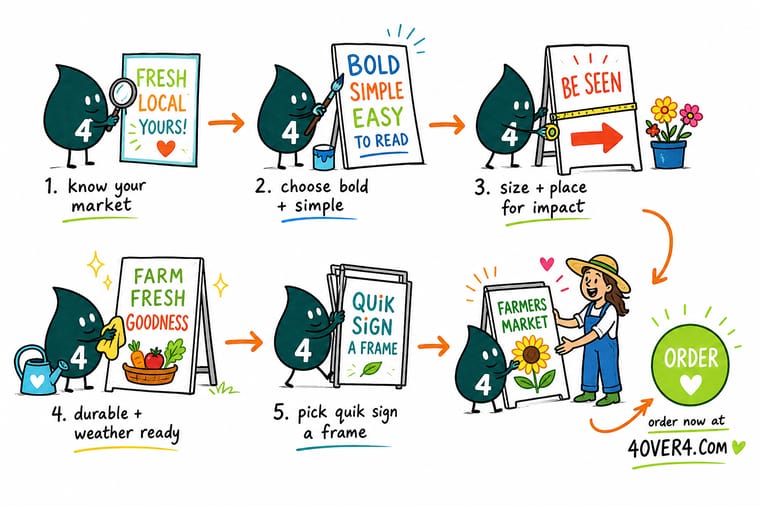
Wally sets up a booth the same way every Saturday. The A-frame goes out in the aisle with one big promise on it, the banner goes up high so the farm name clears the crowd, and the little aluminum panels sit right next to the crates they name. Prices live on cards he can rewrite in ten seconds when the last flat of berries needs to move before noon.
Design and print your booth signs →
Infographic
Seven steps to the right market sign
One frame, the whole decision: a name banner high on the tent, a 24 by 18 inch A-frame in the aisle, aluminum panels at eye level and price cards on the table, sized at one inch of letter per ten feet of distance. Save it to your phone and run through it before you upload artwork for your next market season.
Work the steps in order. Placement narrows the format, the format sets the size, and the size sets how much copy fits before legibility starts to suffer.
Specs and pricing
A-frame sign specs and live pricing
Once you know the format and the size, the calculator does the rest. The Quik Sign A-frame comes as a white 31.7 by 26 inch frame with two 24 by 18 inch corrugated plastic inserts, from one unit at $163.67, printed in 4 business days. Pick your quantity and finishing to see the exact price and current turnaround before you upload artwork.
| Quantity | Price Per Unit | Total |
|---|---|---|
| 1 | $163.67 | $163.67 |
| 2 | $163.66 | $327.32 |
| 3 | $163.66 | $490.97 |
| 4 | $159.27 | $637.06 |
| 5 | $152.67 | $763.37 |
| 6 | $152.67 | $916.04 |
| 7 | $152.67 | $1,068.72 |
| 8 | $152.67 | $1,221.39 |
Print it
The three signs most market vendors order
Aluminum panels from $29, the Quik Sign A-frame from $163.67 and two sided blockout banners from $108.75 each print in 4 business days, so one order covers the whole booth for the season.

Explore more
Where to go next

By the numbers
The stock list behind an A frame sign
Common Questions
Common questions about farmers market signs
What is a farmers market sign?
A farmers market sign is any printed sign a vendor uses at an outdoor or indoor market to name the farm, label the produce, and post prices. In practice it is a small family of signs working together: an A-frame in the aisle, a rigid panel or banner carrying the farm name across the booth, and small price cards on the table. It has to be readable at a distance, sturdy enough to stand in wind, and easy to load into a vehicle before sunrise.
Which sign stops aisle traffic, and which one carries the farm name?
Start with the job each sign does. If you need to stop foot traffic in the aisle, choose a weighted A-frame. If you need the farm name visible from across the market, choose a large banner or a rigid panel mounted high on the tent frame. If you need to post prices that change weekly, choose a surface you can rewrite or a small panel you can swap. Then size the type for the reading distance and pick a material that will handle sun and rain.
What does a farmers market sign cost and how are prices set?
Cost follows material, size, quantity, and finishing. Aluminum Sign Panels start at $29, the Quik Sign a Frame starts at $163.67 as a complete standing unit, and 2 Sided Blockout Banners start at $108.75. Larger square footage, double sided printing, grommets, hemming, and rush turnaround each add to the price, while ordering several panels at once lowers the unit cost.
What sizes, stocks, and finishes are available for a farmers market sign?
Aluminum panels come in common rectangular and square sizes with rounded corners and drilled holes on request, printed on rigid stock that will not curl. A-frames use a standard insert size that slides into the frame, printed double sided so both directions of the aisle see the message. Banners are made to order in custom widths and heights on blockout vinyl with hemmed edges and grommets, finished matte so glare does not wash out the copy in midday sun.
How long does a farmers market sign take to print and ship?
Production time depends on the product and the finishing you select, and the live turnaround options appear in the pricing calculator on each product page before you check out. Rigid panels and banners generally move faster than assembled frame units. Order at least two weeks before your first market date so you have time to proof the file, receive the sign, and test how it stands in wind at your actual booth.
How big should the lettering be on a market sign?
Use about one inch of capital letter height for every ten feet you want the sign read from. An aisle sign read from twenty feet needs two inch caps at minimum for the headline. Farm names on a back wall banner read from fifty feet or more, so those letters belong in the five to six inch range. Print a test page at full size and stand where your customers will stand.
How do I keep a market sign from blowing over?
Weight it and lower its profile. A-frames hold position when you hang sandbags or water weights from the hinge, and banners survive gusts when they are hemmed, grommeted every two feet, and either wind slit or tied to a frame that is itself weighted. Never zip tie a large banner to a single tent leg, since one gust turns the whole canopy into a sail.
Get Started
Order a Quik Sign A-frame from $163.67
Bring your farm name, your crops, and your prices to 4OVER4.COM and get a matched set of outdoor signs that stands up to a full season of markets.
Legal Disclaimer
Gold Standard guarantees apply to all standard orders placed through 4over4.com. Price match requires verifiable proof of a competitor's published price for an equivalent product with matching specifications and turnaround time. Satisfaction guarantee covers manufacturing defects and print quality issues. Contact support with order number and documentation.
