
Affordable Invitation Printing and Where Cutting Cost Actually Shows


What each invitation format really costs at 4OVER4.COM, which savings a guest will never notice, and the two line items that quietly wreck an invitation budget.
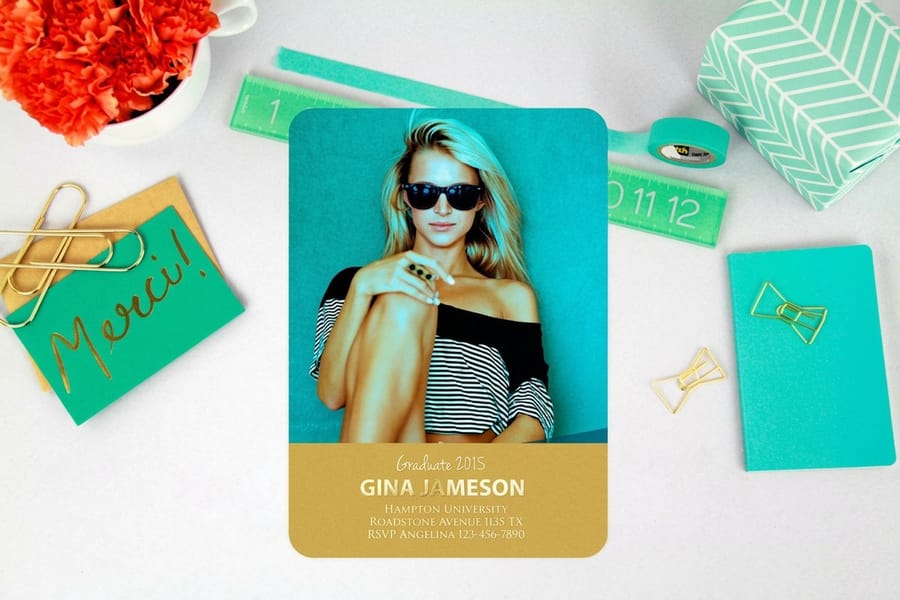
Affordable invitation printing starts at $19.77 for flat invitation cards at 4OVER4.COM, and the price holds close to that until you ask for a press-based finish. Folding to four panels starts at $38.22 because it uses twice the paper, kraft stock starts at $50.72, and then the ladder jumps: letterpress at $220.20, foil at $421.91, each needing its own plate or die. Printed envelopes start at $170.42, so they, not the cards, are usually the largest line on a budget invitation order.
Quick answer
Cheap invitations are a format decision, not a quality decision
The press does not print worse ink on a cheaper order. A $19.77 flat invitation carries the same color and the same trim accuracy as a $400 one. What separates the tiers is how many operations the piece goes through: a fold adds a scoring pass, a specialty stock costs more per sheet, and letterpress or foil needs a plate or a metal die built before anything runs. Spend your budget on stock weight, which is what a guest feels in the hand, and hold the line on the finish, which is what a guest will never miss.
What Each Invitation Price Tier Actually Buys
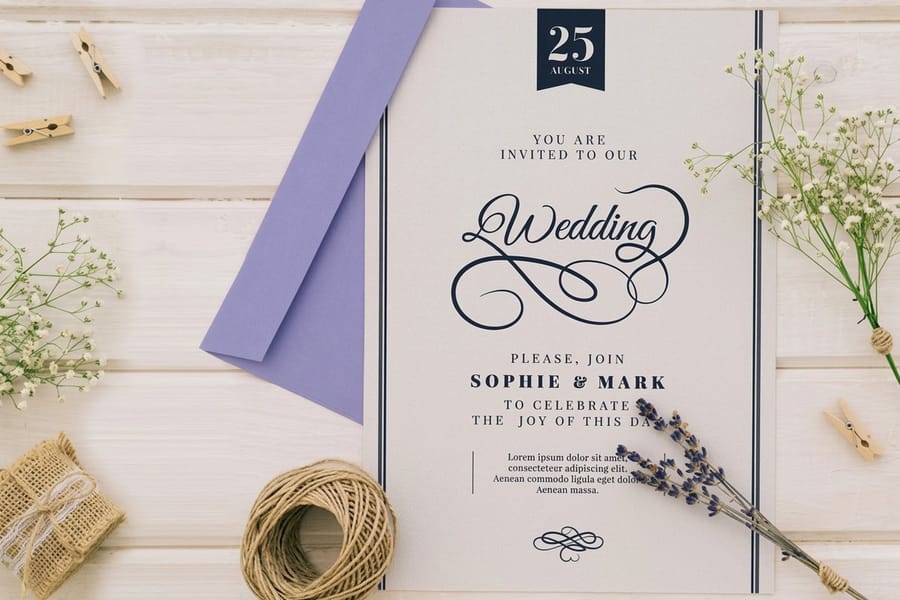
Invitation pricing looks like a smooth range until you plot it. It is not. There is a cluster of cheap options within about thirty dollars of each other, then a cliff, and the cliff is always a press operation rather than a nicer paper.
| Format | Starts at | What the money buys | What you give up |
|---|---|---|---|
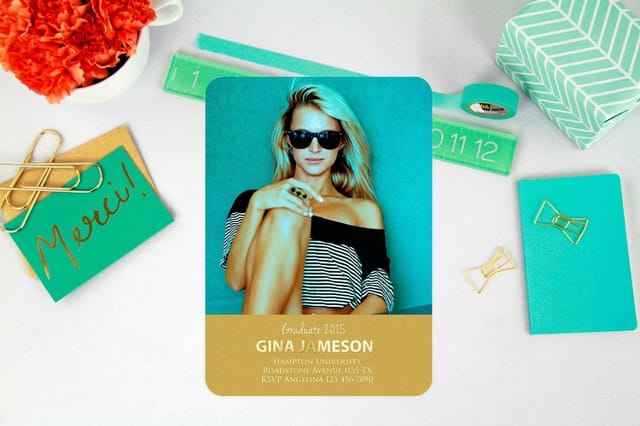
| Flat invitation cards | $19.77 | Full color on one card, printed both sides, no second operation. | No fold, so all your wording lives on two surfaces. |
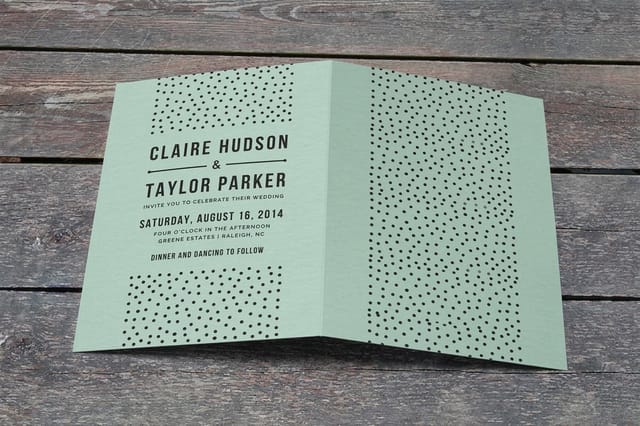
| Folded invitations | $38.22 | Four panels for wording, and a piece that stands on a mantel. | Twice the sheet area plus a scoring and folding pass. |
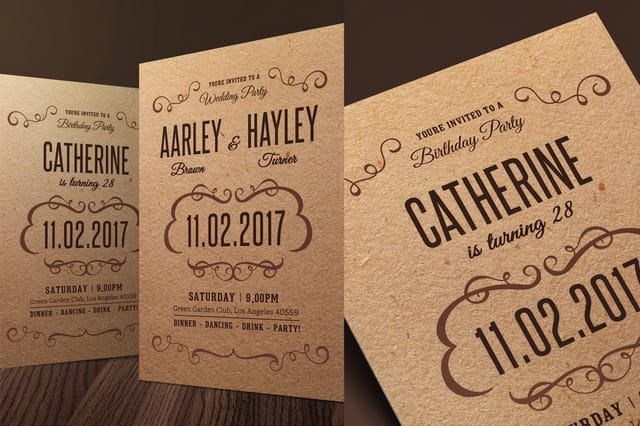
| Kraft invitations | $50.72 | An uncoated brown board with real texture under the fingers. | Colors print duller and lighter inks disappear into the stock. |
| Letterpress invitations | $220.20 | A pressed impression you can feel, on heavy cotton stock. | A plate per color, and artwork limited to solid shapes and type. |
| Foil invitations | $421.91 | Real metallic foil stamped onto the sheet, not printed ink. | A metal die, a separate pass, and the longest lead time. |
Read the first two columns together. Moving from flat to folded costs about eighteen dollars at the entry point. Moving from kraft to letterpress costs about a hundred and seventy. If you are trying to hold a budget, the fold and the stock are the levers you can pull freely, and the finish is the one that decides whether the number works at all. Invitation cards at $19.77 sit at the bottom of that ladder for a reason.
Flat or Folded Is the First Real Decision
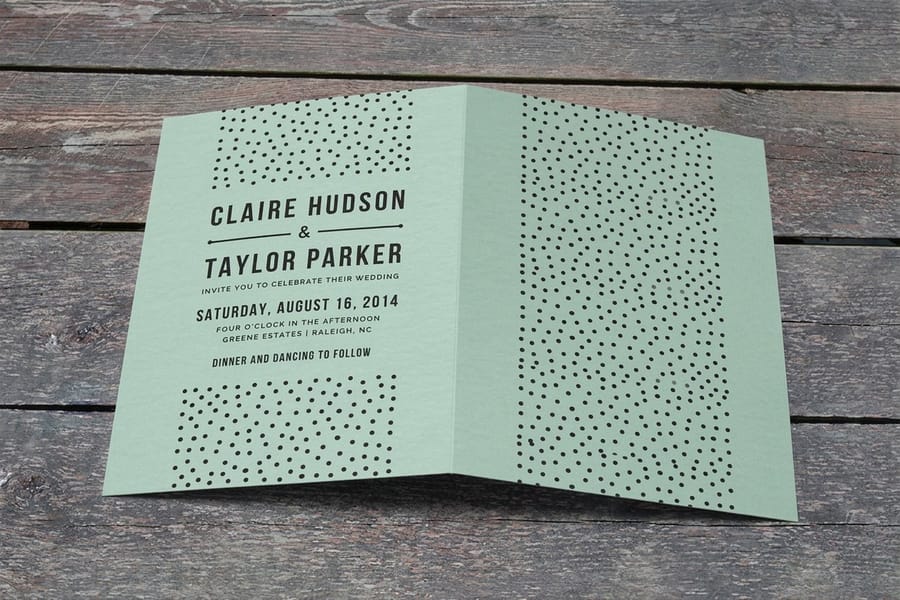
Everything else on the order form is a preference. This one changes the amount of paper you buy, so it changes the price more than any other single choice you make.
A flat invitation is one card. Front, back, done. It goes into a standard envelope, it weighs almost nothing at the post office, and it starts at $19.77. A folded invitation is a larger sheet scored down the middle, which gives you four printable panels and a piece that stands up on its own. It starts at $38.22, and the gap is not a markup. It is genuinely twice the paper plus a finishing operation.
Folded earns the money when you have a lot to say. A ceremony time, a reception at a second address, directions, a dress code, and a website all fit inside a fold without crowding. Squeeze the same content onto a flat card and you end up at seven point type, which is the real reason some budget invitations look budget. If your wording fits comfortably on two sides at a readable size, the fold is buying you nothing but paper. Our folded versus flat invitations guide walks through the wording counts where the switch starts to pay.
One thing to check before you commit: scoring, not just folding. A heavy card folded without a score cracks along the spine and the ink flakes off the crease. Any folded piece over about 100 lb cover should be scored first, and that step is included when you order a folded product rather than a flat one you intend to fold yourself.
Size and Stock, Where to Spend and Where to Stop
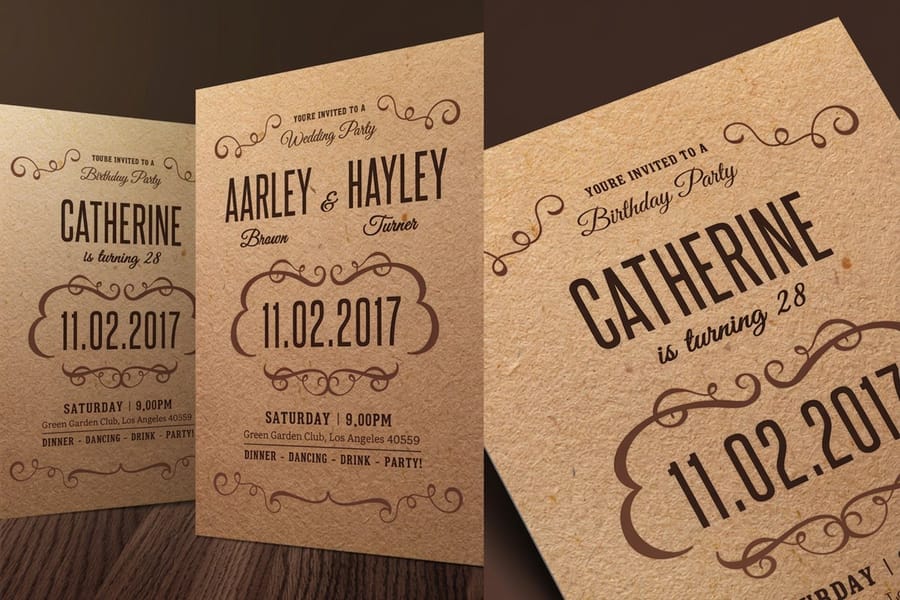
Two decisions sit under the format, and they pull in opposite directions. Size is where you save. Stock is where you should spend the savings.
Standard sizes are cheaper because they impose cleanly on the press sheet. A press prints a large sheet and cuts it down, so a size that divides that sheet evenly wastes almost nothing, while a custom trim leaves offcut you still paid for. A standard size also pairs with an off-the-shelf envelope, which matters more than the printing cost, and it stays inside the letter rates at the post office. Check the dimensions against the invitation sizes guide before you build the file, because resizing a finished design is where most late costs come from.
Stock is different. Weight is the cheapest upgrade in perceived quality that exists, and it is what people actually register when they pick a card up. A limp invitation reads as cheap to a hand that has held a hundred of them. A rigid one does not, whatever you paid for the printing.
Coating deserves a warning. A gloss or aqueous coating makes photographs look richer, and it also stops pen ink from drying. If you plan to hand write a name, a table number, or a note inside, choose uncoated. Ballpoint smears on coated stock and fountain ink never sets at all. Kraft invitations at $50.72 take a pen beautifully for the same reason they print duller: the surface is open and absorbent. Start your layout from a correctly sized file in the blank template library so the trim and bleed are right the first time.
The Envelope Is the Line That Breaks the Budget
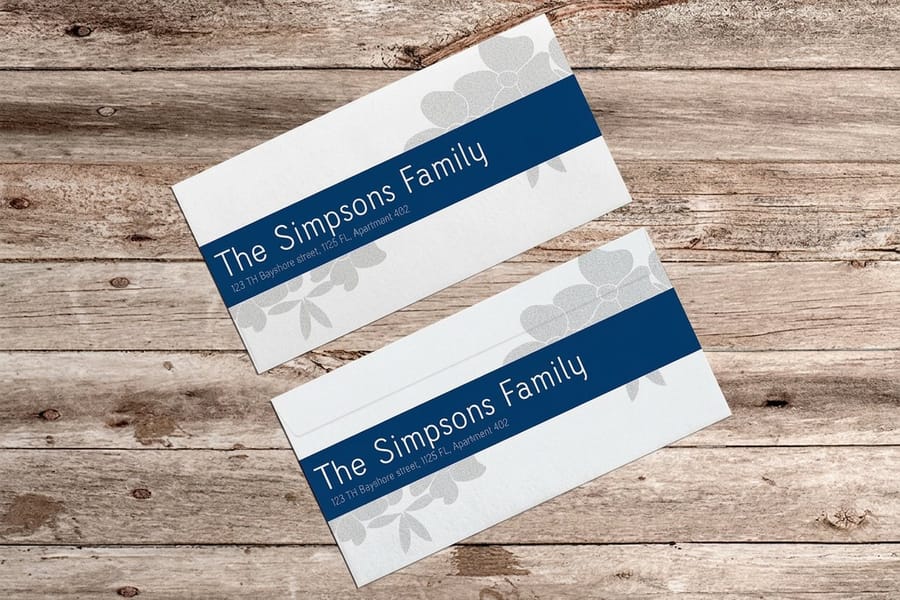
People price the invitation, approve it, and then discover the envelopes cost more than the cards. Printed invitation envelopes start at $170.42, against $19.77 for the flat invitation going inside them.
That gap is not arbitrary. Printing an already-formed envelope is a separate job on different equipment, with its own setup, and the seams and flaps mean the press cannot lay ink across the whole surface the way it does on a flat sheet. You are paying for a second production run, not a second color.
The budget answer is to split the job. Buy blank envelopes in the size that matches your invitation, then print only what has to be printed, usually a return address, as a small separate order. Handwritten guest addresses cost nothing and look better than a laser label on a formal piece, and a calligrapher for a hundred envelopes still lands under the printed envelope price in most cities.
Two costs hide behind the envelope. Square envelopes and unusually rigid ones get a non-machinable surcharge from the post office because they cannot run through automated sorting, so a square invitation costs more to mail on every single piece. And weight is cumulative: a folded card, an RSVP card, and a reply envelope together can push a mailing past the first ounce. Weigh a finished, stuffed sample at the post office before you buy stamps for the whole list.
Where Quantity Actually Saves You Money
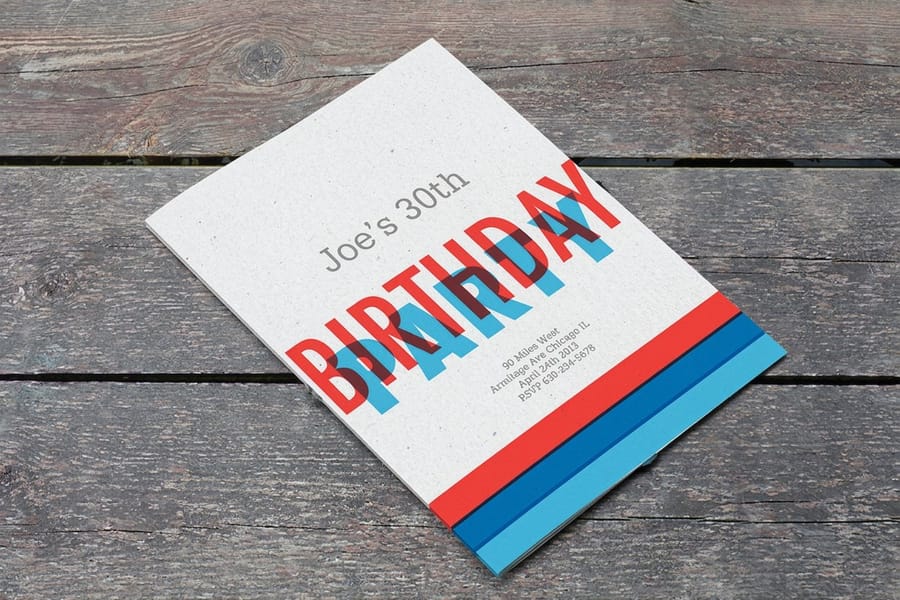
Short-run print is dominated by setup. Plates, makeready, and the sheets run off before the color settles all get paid for whether you order twenty five invitations or two hundred and fifty, which is why the per-piece price falls steeply at first and then flattens out.
Two practical consequences. First, a reprint is brutal. Ordering another twenty five because the guest list grew costs close to what the first hundred cost, since you pay the whole setup a second time. Order the spares up front. Ten to fifteen percent over your household count covers addressing mistakes, a late invite, and the copies you want to keep, and inside a run already on press those extras are close to free.
Second, combine what you can. If you already know you need reply cards, thank you cards, or a menu, printing them alongside the invitation on the same order is cheaper than three separate small jobs spread across three months. The guide to how print price breaks work shows exactly where the curve flattens, and the cheap invitation printing guide covers the ordering habits that keep the total down. If you are pricing a wedding specifically, what wedding invitations cost breaks down the full suite rather than the card alone.
Once you know the format and the count, the fastest way to get a real number is the configurator itself. Pick a size and quantity on any product in the invitation printing category and the price updates live, so you can watch what each choice does before you commit to it.
Wally explains the invitation budget
The card is rarely the expensive part
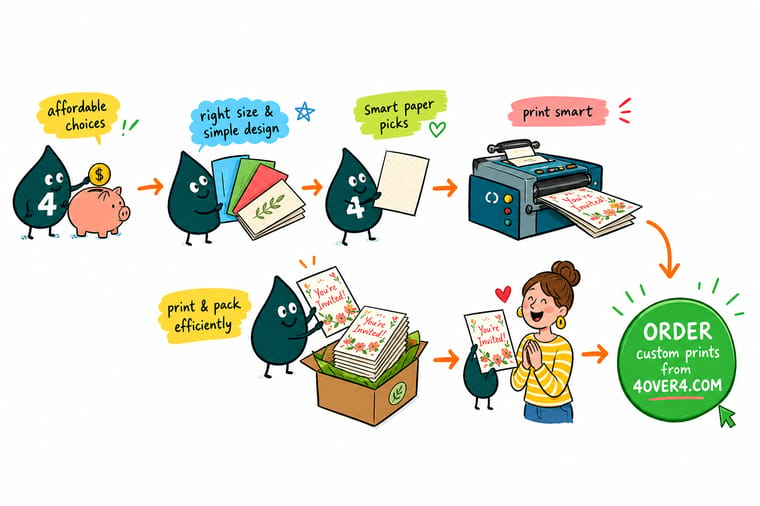
Wally starts at the bottom rung: a flat invitation card, one sheet, one pass, $19.77. Fold it and he needs twice the paper plus a scoring pass, so $38.22. Ask for foil and he has to cut a metal die before a single invitation exists, which is why that rung sits at $421.91. Then he points at the envelopes, because printed ones start at $170.42 and quietly outprice the cards. His advice: buy the heavier stock, buy blank envelopes, and order fifteen percent extra so you never pay the setup twice.
Price invitation cards from $19.77 →Specs and pricing
Sizes, quantities, and live starting prices
Set a size and a quantity on each format below and watch the number move. These are the same configurators that price your order, so the figure you see is the figure you pay.


Print it
Order invitations that hold their weight in the hand
Explore more
Where to go next
By the numbers
Invitation printing you can count on at 4OVER4
Common Questions
Your invitation budget questions, answered
What is the cheapest way to print invitations?
A flat invitation card on a standard size, printed in one run with no specialty finish. At 4OVER4.COM that is invitation cards from $19.77. Every decision after that adds a real operation: folding adds a scoring and folding pass, kraft or metallic adds a specialty stock, and letterpress or foil adds a plate or die that gets made before anything prints. If the budget is tight, spend it on full color and a decent stock weight, and leave the finish flat.
Do cheap invitations actually look cheap?
Not from the printing. On a modern press, a $19.77 flat invitation and a $200 one carry the same ink density and the same trim accuracy. What gives a low budget away is thin stock that flexes in the hand, a design crowded to the edges, and low resolution artwork that prints soft. Fix those three and nobody at the party can tell what you paid. Weight is the single cheapest upgrade in perceived quality.
How many invitations should I order?
One per household rather than one per guest, then add ten to fifteen percent. The extras cover addressing mistakes, a late addition to the list, and the two or three you want to keep. That padding is close to free inside a run that is already on press, while a small reprint later pays the setup all over again.
Is it cheaper to print invitations at home?
On very small counts, sometimes. Past roughly fifty it usually is not, once you count cardstock, a full set of ink, the sheets that jam, and the ones you throw away for banding or a crooked feed. Most home printers also struggle to pull heavy cardstock through a paper path built for 20 lb bond, and consumer inkjet ink is not waterproof, which matters on a piece that travels in the mail.
Do I have to buy the envelopes from the printer?
No, and on a tight budget you often should not. Printed invitation envelopes start at $170.42 because printing on a pre-formed envelope is a separate job with its own setup. Buying blank envelopes in the matching size and running the return address as a small printed order, or using a clean address label, gets you most of the look for a fraction of the cost. Match the envelope size to the invitation before you order either one.
How far ahead should I order to avoid rush fees?
Work backwards from your mail date and leave room for two things people forget: proofing time on your side, and the days it takes you to address and stuff the envelopes at the kitchen table. Standard turnaround plus ground shipping is always the cheapest combination, and rush pricing exists because faster work displaces other jobs on the press. A calendar with two spare weeks in it saves more money than any paper decision.
Get Started
Ready to price your invitations properly?
Pick a size, set the real quantity including your spares, and see the number before you commit. Flat invitation cards start at $19.77.
Legal Disclaimer
Gold Standard guarantees apply to all standard orders placed through 4over4.com. Price match requires verifiable proof of a competitor's published price for an equivalent product with matching specifications and turnaround time. Satisfaction guarantee covers manufacturing defects and print quality issues. Contact support with order number and documentation. On-time delivery rate based on tracked orders 1999 to 2026. Individual results may vary based on shipping carrier performance.
