What is the difference between a folded and a flat invitation?
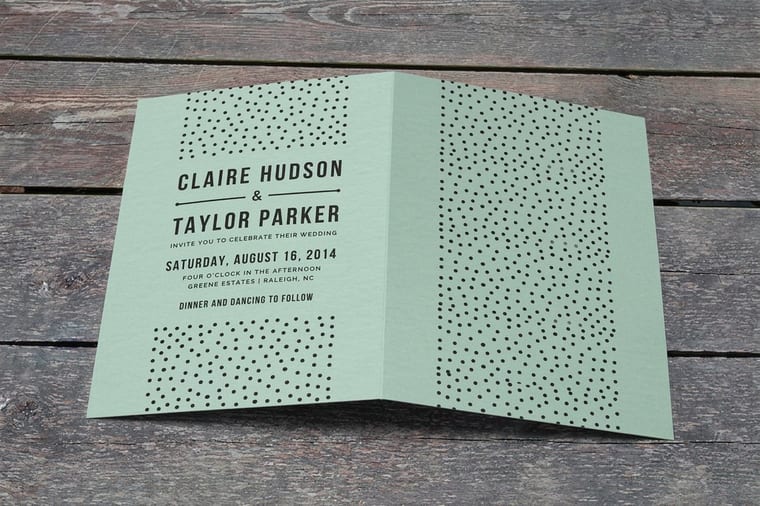
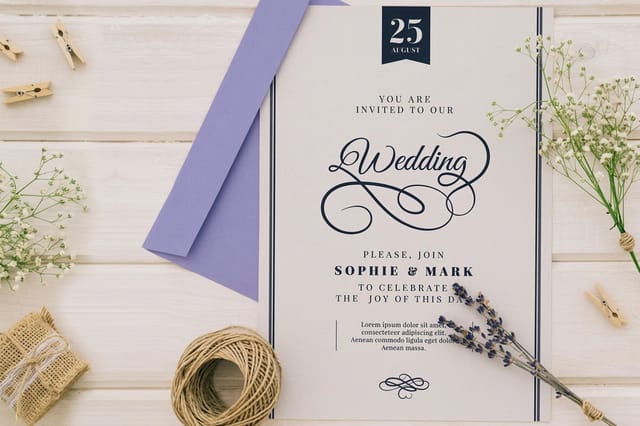
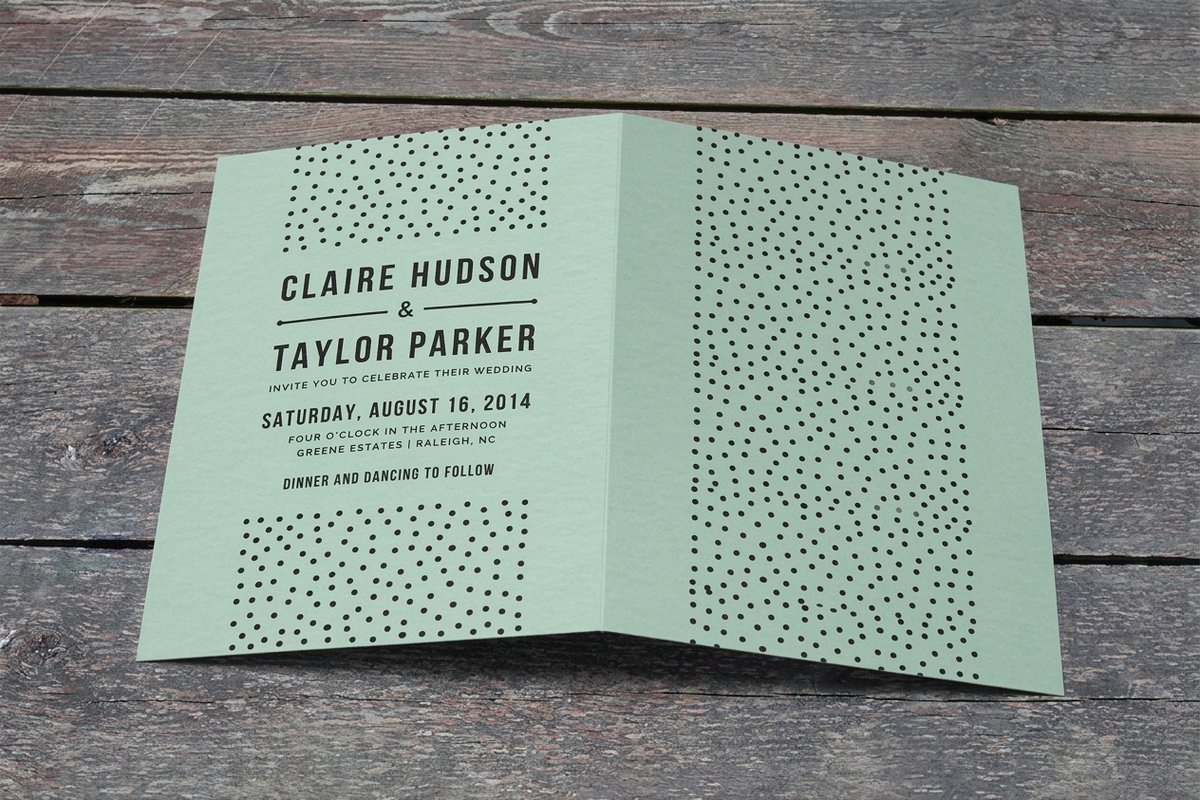
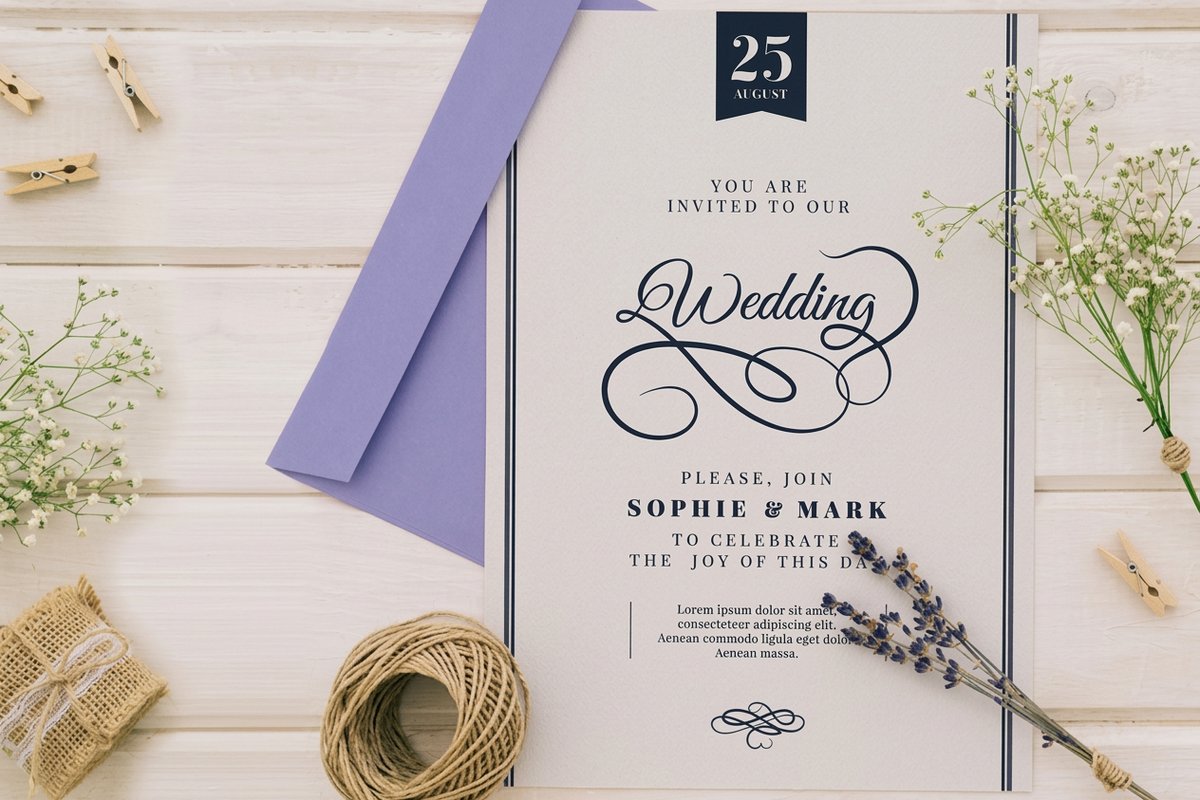
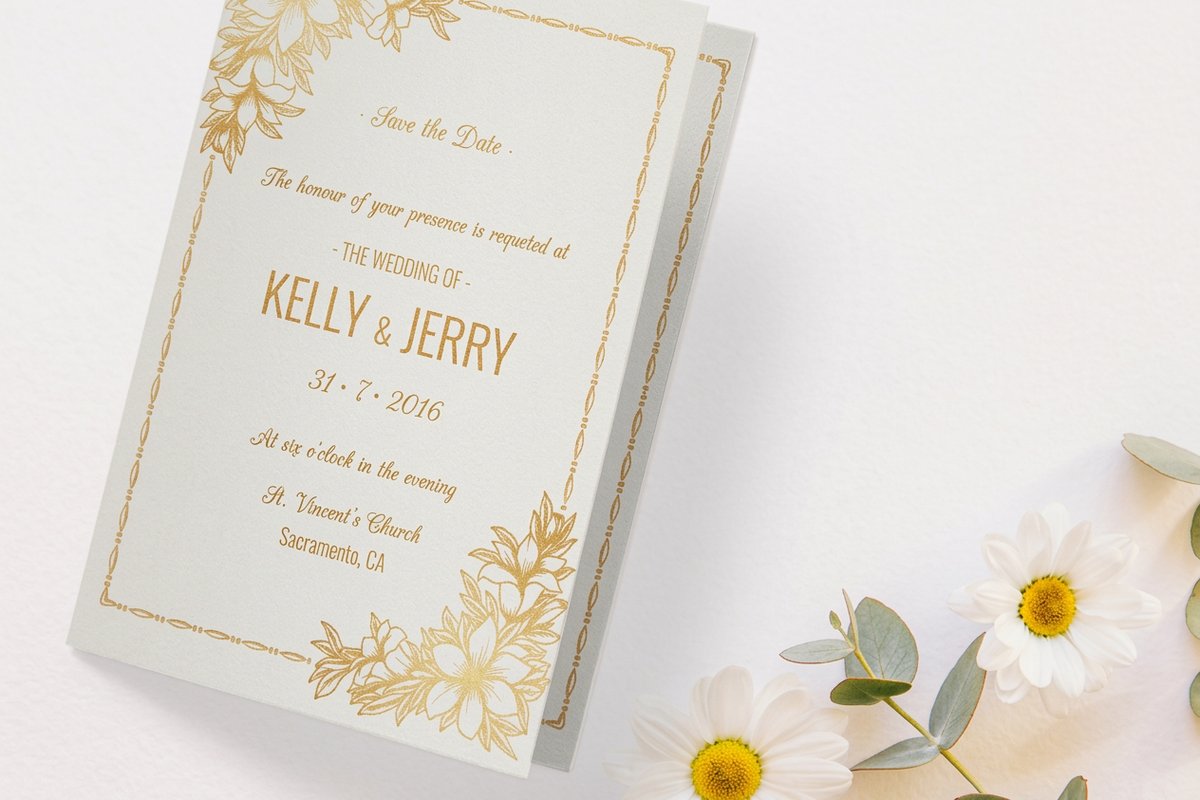
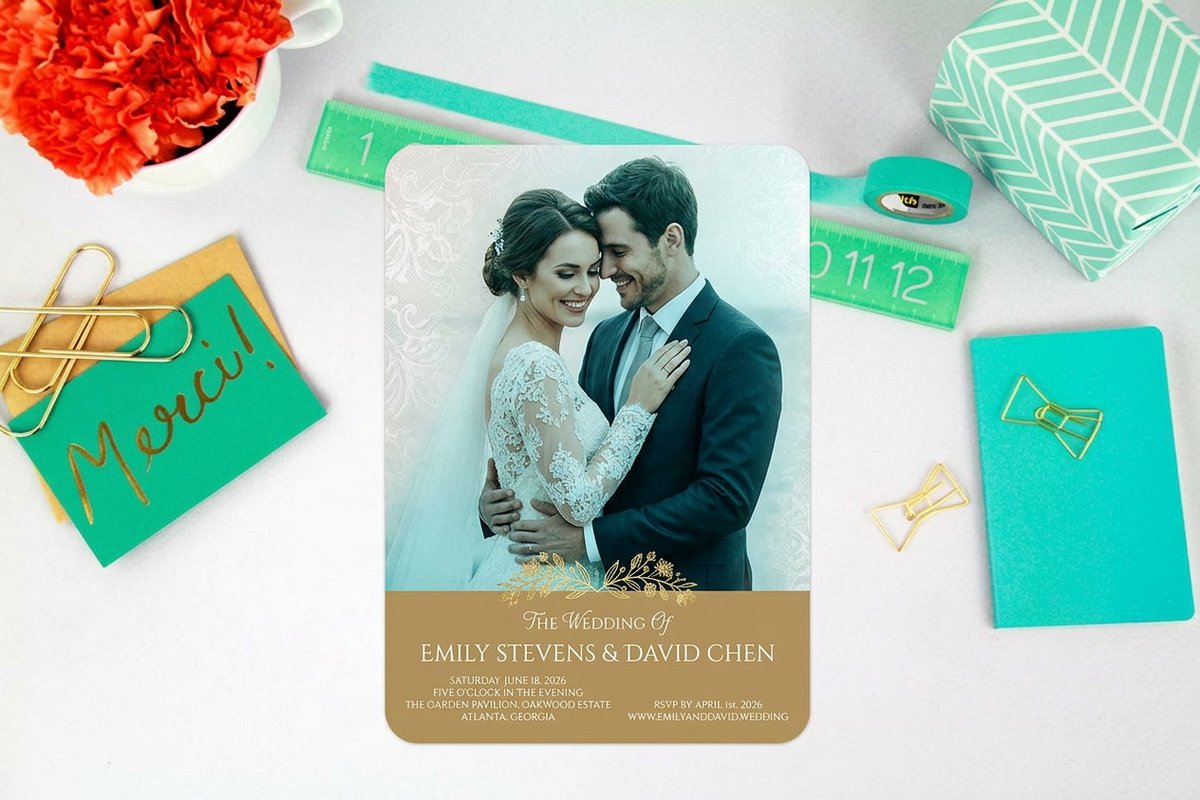
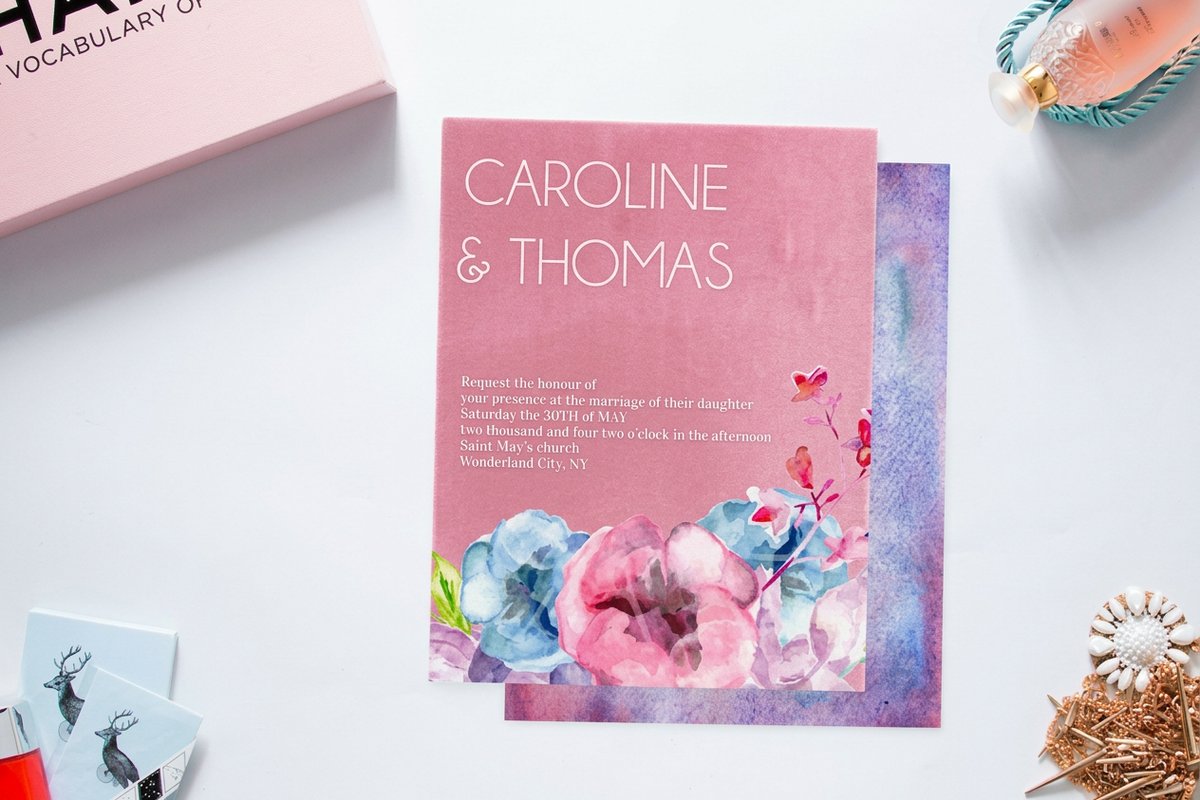
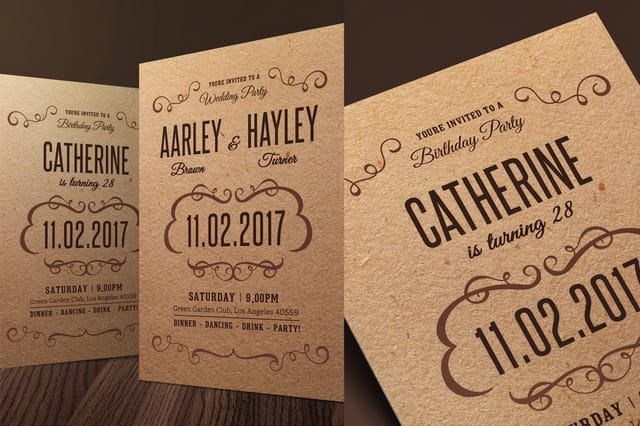
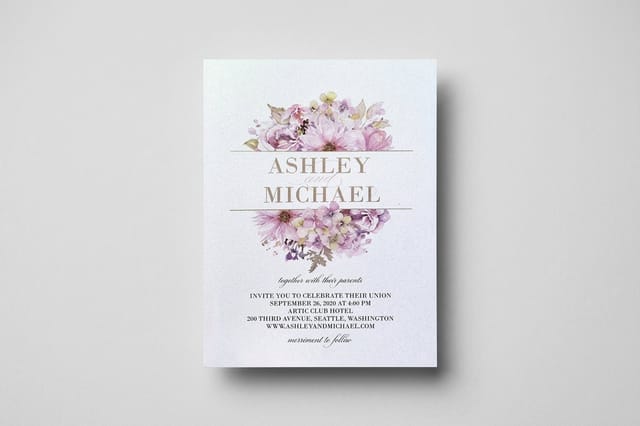
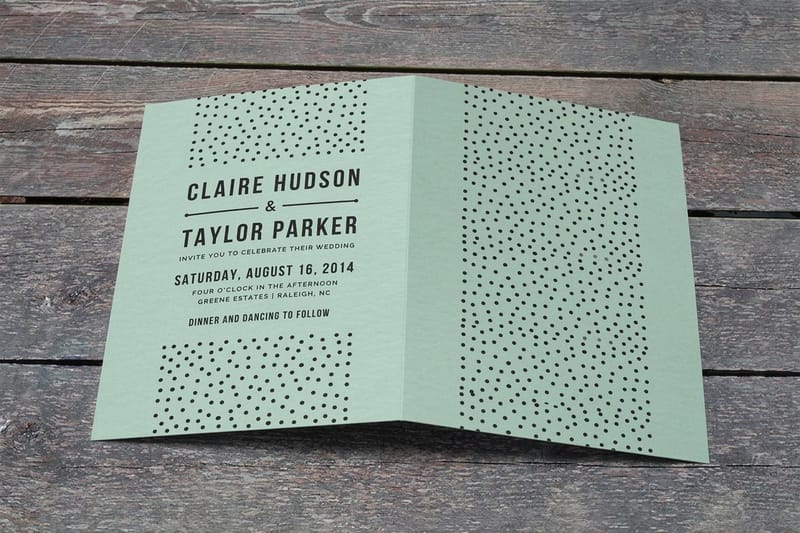
A flat invitation is a single rigid panel printed on one or both faces, so everything the guest needs sits on one card that reads at a glance. A folded invitation is scored and folded so it opens like a small card, giving you a cover plus interior panels to spread out the details. Flat is the leaner, more modern format. Folded is the roomier, more traditional one. The right call comes down to how much you need to say and how formal you want the arrival to feel.
Are flat invitations cheaper than folded invitations?
Usually, yes. Flat wedding invitations at 4OVER4.COM start around $19.77, while folded invitations start around $38.22. The gap is materials and finishing rather than markup: a folded card uses a larger sheet, adds the fold, and reads as a heavier, more finished object. Both prices update live in the configurator as you set quantity, size, stock, and finish, and flat invitations tend to keep the per-piece cost lower as the guest list grows.
Which holds more information, folded or flat?
A folded invitation holds far more. The cover carries the announcement, and the interior panels give you dedicated room for the ceremony time, the reception venue, directions, dress code, and RSVP instructions without adding separate enclosure cards. A flat invitation has a single face for the essentials, so anything extra usually rides along on a matching insert. If your event has a lot of moving parts, the fold keeps it all in one piece.
Do folded invitations come with envelopes?
Yes. Folded invitations at 4OVER4.COM ship with matching envelopes included on most orders, and flat invitations do too. Because a folded card is heavier than a single flat panel, it is worth checking the finished weight if postage is a concern, since a thicker card and its envelope can move up a postage tier. You can order free paper samples first to feel the finished stock and estimate how it will mail.
Which is more formal, folded or flat?
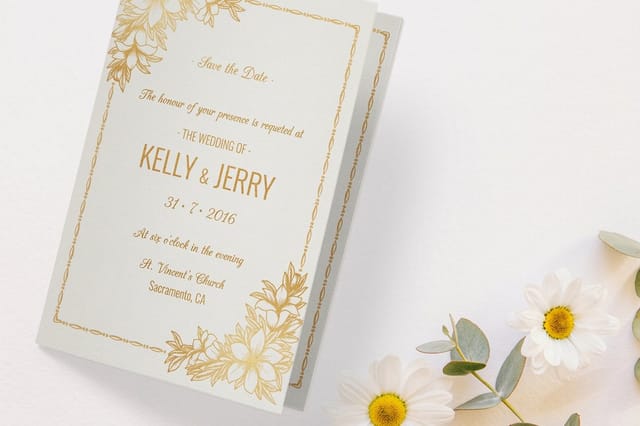
A folded invitation generally reads as more formal. The fold, the heavier stock, and the small reveal when it opens all signal a traditional, ceremonial event, which is why folded formats are common for black-tie weddings and milestone celebrations. A flat invitation feels cleaner and more contemporary, which suits modern weddings, minimalist design, and casual gatherings. Neither is more correct. They set a different tone before a single word is read.
Can I get foil or embossing on both formats?
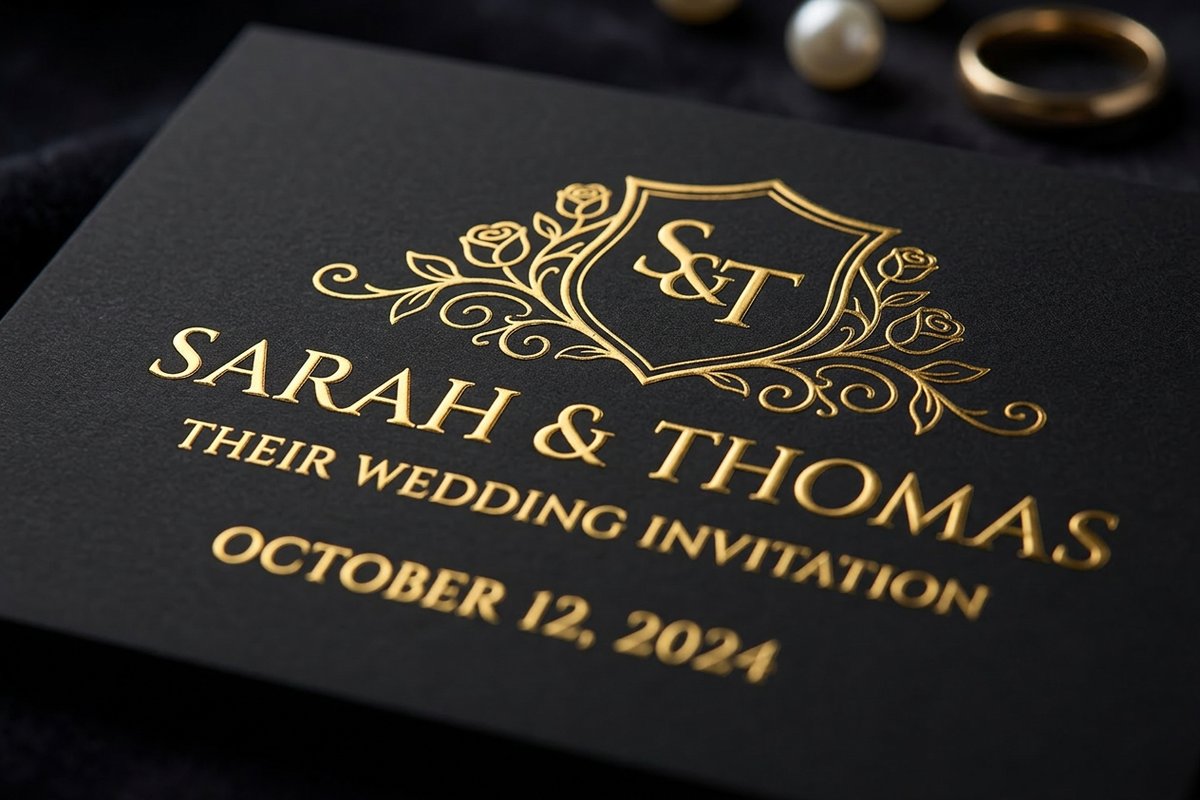
Yes. At 4OVER4.COM both flat and folded invitations offer premium treatments, including foil stamping, embossing, letterpress, velvet stocks, and metallic papers. The finish changes how the piece feels far more than the fold does, so you can pair a flat panel with raised foil for a modern-luxe look, or add embossing to a folded card for a formal keepsake. Start with the format that fits your content, then layer the finish that matches the mood.
What sizes do folded and flat invitations come in?
Flat invitations are most common at 5x7 and 4x6, with 5x7 being the standard wedding size that fits an A7 envelope. Folded invitations open from a 5x7 folded (A7) footprint and scale up to 6x9 folded when you need more interior room. Because size affects both impact and postage, check the live specs panel on this page before you commit, or order free samples to hold the finished dimensions in hand.