
Public Relations Materials That Still Win Coverage


Emma is our prepress and print production voice, built from the knowledge of our production team, with over 20 years in printing.
What a Print PR Kit Has to Do Before Anyone Reads It
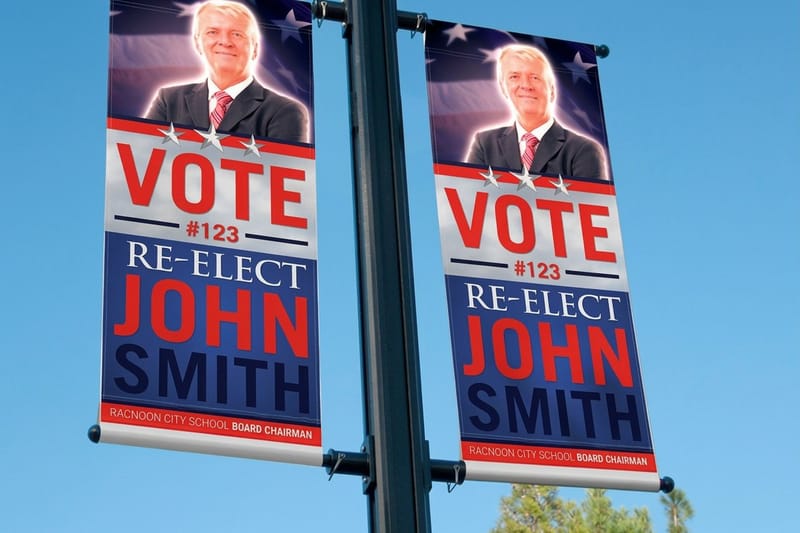
Public relations materials are the physical half of a pitch. A reporter reads the email, then picks up the kit, and the kit is what survives once the inbox has been cleared. Paper carries information a subject line never will: the weight of the stock, the finish under the light, the care in the layout. That is the first signal an editor reads, before a single fact.
Most teams overbuild the story and underbuild the kit. They write six pages of narrative and hand over a stapled printout. The fix is not more words. It is a small set of pieces that each do one job, printed well enough that nobody wonders whether the company behind them is serious.
The pattern in PR work is consistent. The kits that get coverage are short, specific, and easy to lift quotes from. They put the who and the how-to-reach-us on the outside, the facts in the middle, and something useful in the hand. Everything else is decoration that adds weight to the shipping box.
Job 1: make the facts liftable
A journalist on deadline copies rather than composes. Give them clean numbers, correct spellings, founding dates, and a one-line description they can paste without editing. If a fact needs a second reading, it will not make the piece.
Job 2: put a human on the page
Every sheet needs a name, a direct line, and a time zone. Kits that route press through a generic inbox lose the follow-up question, and the follow-up question is usually where the real story lives.
Job 3: hand over usable images
Print a thumbnail contact sheet with a short link or code to the high-resolution downloads. Editors will not chase you for assets at 6 p.m. They will run the story with whatever they already have, or run someone else.
Job 4: stay on the desk
The last piece is the one with a second life. A card that stays in a wallet or an object that stays plugged in keeps your name in the room for the next story, not just this one.
Shop the kit
Marketing materials for PR
Banners, cards, sheets, and leave-behinds, all priced live before you order.
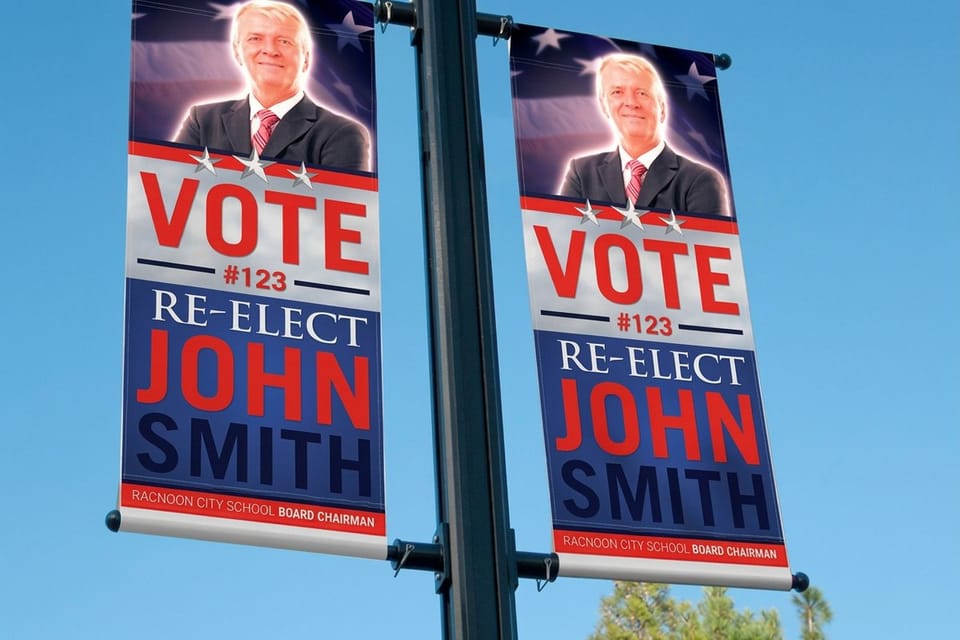
The Three Pieces That Carry a Press Kit
Strip a working media kit down and three formats do most of the lifting: something big enough to be seen at an event, something small enough to be pocketed, and something useful enough to be kept. Every other piece in the folder supports one of those three.
Build the set once, print it in a quantity that covers a full year of events and mailers, and reprint only the fact sheet as numbers change. That is how the cost per kit drops without the kit getting cheaper. Browse the full marketing materials lineup when you are ready to spec the rest.
- The backdrop. Banners and step-and-repeat walls put your name in every photo taken at the launch.
- The contact piece. A media card with a direct line, printed on something that outlives a paper stack.
- The leave-behind. A branded object with real utility, handed over at the end of the conversation.
- The fact sheet. One page, printed both sides, with the boilerplate, the numbers, and the quote block.
- The folder or sleeve. The thing that holds it together so nothing arrives loose in an envelope.
Prices below are live from the configurator, so what you see is what a real order costs at the starting quantity. Quantities scale down fast, which matters when a launch turns into a tour and you need a second run for the next city.
Print picks
Three formats that carry a press kit
Live prices, ready to customize with your artwork and contact details.
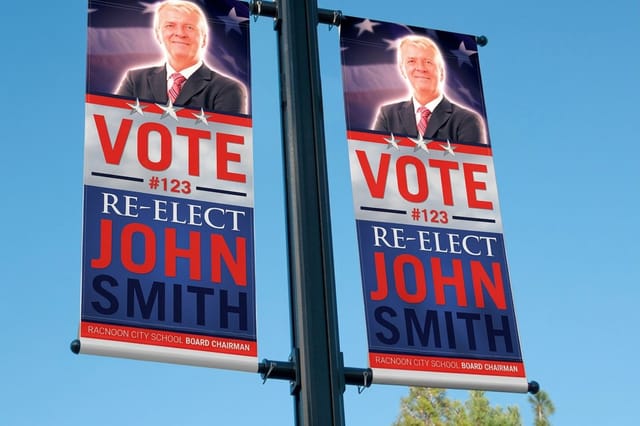 2 Sided Blockout Banners $108.75 each A two-sided backdrop for press events, launches, and photo walls.
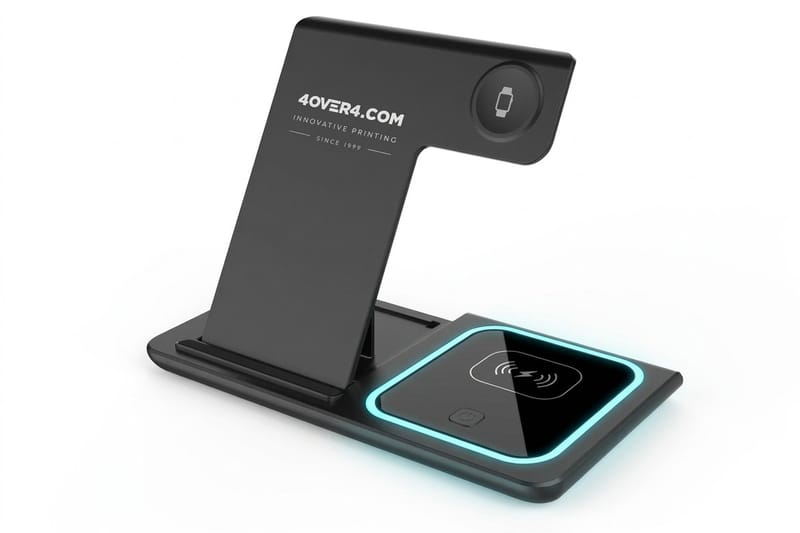
 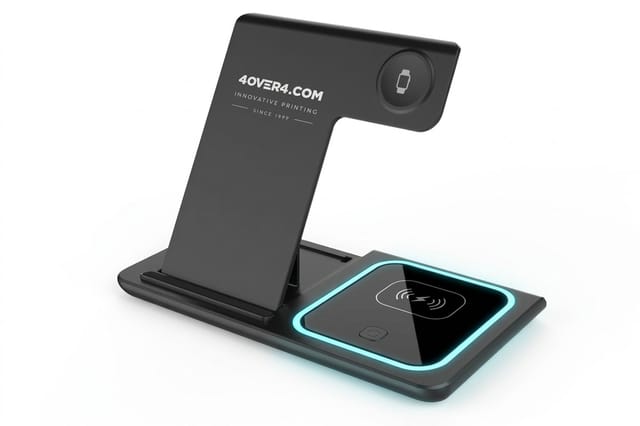 3 in 1 Foldable Wireless Charger $15.00 each The leave-behind reporters actually keep and use every single day.
 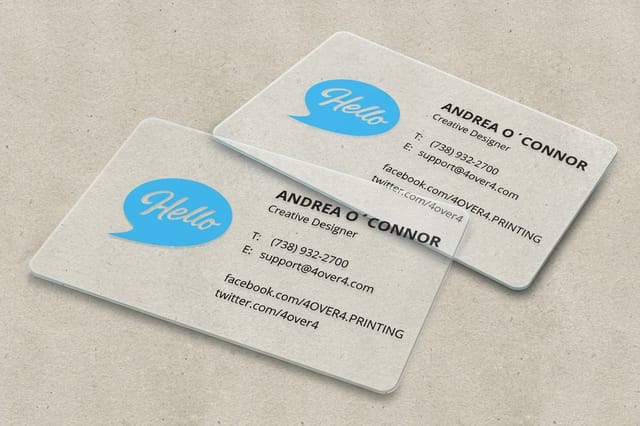 30mil Clear Plastic Cards 500 for $529.26 A see-through media contact card that stands out in a stack.
 Press Sheets and Fact Sheets That Editors Can Use
The press sheet does the most work. One page, printed on both sides, structured so a writer can find the answer to any obvious question in under ten seconds. Headline at the top, dateline, three short paragraphs, then a facts block with founding year, headquarters, leadership names, and the exact legal spelling of the company.
Reserve the back for the boilerplate and two approved quotes with full titles attached. Quotes that arrive pre-attributed get used verbatim. Quotes that need a follow-up email to confirm a title get cut.
- Set body copy at 10 to 11 point with generous leading so the page reads under bad conference lighting.
- Print on an uncoated or matte stock so a reporter can write notes in the margin without the ink beading up.
- Keep one clear column instead of two. Narrow columns look designed and read badly at speed.
- Put the contact block in the same corner on every sheet in the kit so it is found by muscle memory.
- Date the sheet in small type at the foot, so nobody quotes numbers from a kit printed two years ago.
If you are unsure which weight and finish suits the piece, our guide to choosing paper for printed marketing materials walks through stock weights, coatings, and how each one behaves under a pen and under a camera.
Media Contact Cards That Outlast the Paper Stack

Paper business cards go into the same pile as everyone else's and get recycled with the conference lanyard. A thick clear plastic card does not. It has a different feel in the hand, it does not bend in a bag, and it is the one card in the stack that gets looked at twice before anything is thrown away.
For press work, treat the card as a contact record rather than a design exercise. Name, role, direct mobile, email, and a short link to the online newsroom. Leave the frosted or clear areas working for you: a logo that floats in clear space reads as deliberate, while a full flood of ink defeats the point of the material.
30mil Clear Plastic Cards start at $529.26 and print at a thickness closer to a credit card than a business card. Order enough for the whole comms team in one run so every spokesperson hands over the same card at the same event.
What to print on the second side
- The newsroom link and a short code for the high-resolution image library.
- A one-line company descriptor, written the way you want it quoted.
- The name of a second contact for after-hours calls and weekend deadlines.
Quantity and price
Clear plastic media card pricing and specs
Real configurator numbers. The larger the run, the lower the cost per card.
| Quantity | Price Per Unit | Total |
|---|---|---|
| 500 | $1.06 | $529.26 |
| 1,000 | 63.0¢ | $630.31 |
| 2,000 | 56.8¢ | $1,135.55 |
| 2,500 | 53.0¢ | $1,325.02 |
| 3,000 | 50.5¢ | $1,514.49 |
| 3,500 | 48.7¢ | $1,703.96 |
Event Banners and Backdrops That Photograph Cleanly
Every press event produces photos, and every photo either carries your name or does not. A backdrop is the cheapest way to make sure the free coverage is branded coverage. Hang it behind the podium, behind the interview chair, and beside the demo table.
The technical detail that decides whether a banner looks professional is opacity. Ordinary single-layer vinyl lets the artwork from the reverse side ghost through when a light or a window sits behind it, and cameras pick that up immediately. A blockout layer sits between the two printed faces and stops it, which is why two-sided event banners are worth the difference.
- Keep the logo out of the lower third. Torsos and shoulders cover it in every posed photo.
- Repeat the mark at least three times across the width so any crop still contains one full logo.
- Avoid gloss finishes under a flash. A matte surface holds color without a hotspot.
- Order grommets on all four sides if you do not know the venue rigging in advance.
2 Sided Blockout Banners start at $108.75 and print both faces at full color, which suits a banner that hangs in the middle of a room rather than flat against a wall.
Event backdrop
2 sided blockout banners
A blockout layer between both printed faces, so nothing ghosts through on camera.

Branded Leave-Behinds That Survive the Newsroom Desk
The leave-behind is the piece with the longest memory. Printed matter gets filed or binned within a week. A useful object stays on a desk for a year, and every time it is used your name is read again without a single impression being bought.
Pick utility over novelty. Chargers, notebooks, and drinkware get used. Novelty items get photographed once and abandoned. A folding wireless charger is a particularly good fit for press work because the people you are courting live on drained phones in conference halls and green rooms.
The 3 in 1 Foldable Wireless Charger starts at $15.00 and holds a phone, watch, and earbuds at once. It ships as it comes, with no logo, and that restraint is what gets an object kept on a desk in an office with a policy about vendor gifts.
For more ways to pair a print kit with a promotional push, see 10 ways to use marketing promotions.
The leave-behind
3 in 1 foldable wireless charger
Holds a phone, watch, and earbuds at once, folds flat for a kit box, and keeps your mark on a working desk.
Choosing Stock, Size, and Finish Without Overthinking It
Stock choice is where PR budgets quietly leak. Teams either print everything on the heaviest option available, or print everything on the lightest, and both decisions cost coverage. Match the material to the job each piece is doing and the whole kit gets cheaper and better at the same time.
Sheets that get written on want an uncoated or matte surface. Pieces that carry photography want a coating that holds saturation. Anything that will be handled repeatedly wants thickness, because a bent card reads as an afterthought no matter how good the design is.
- Fact sheets. Uncoated text weight, letter size, printed both sides, no bleed needed.
- Media cards. 30mil plastic or a heavy card stock with a soft touch or matte finish.
- Folders and sleeves. Coated cover weight so the outside survives a courier bag.
- Banners. Blockout vinyl for two-sided hangs, matte for anything a camera will face.
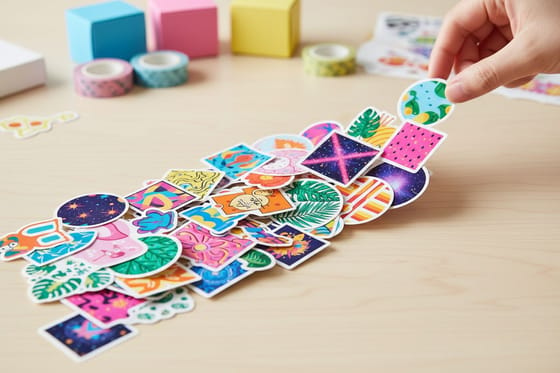
- Stickers and seals. A branded seal that closes the folder turns a stack of paper into a kit.
Comparing sticker suppliers for kit seals and swag? Our MOO stickers alternative breakdown covers finishes, quantities, and where the pricing separates.
Compare finishes
Popular contact card formats, side by side
Clear plastic cards run 500 for $529.26 in 15 business days and foil cards 500 for $222.13 in 7.
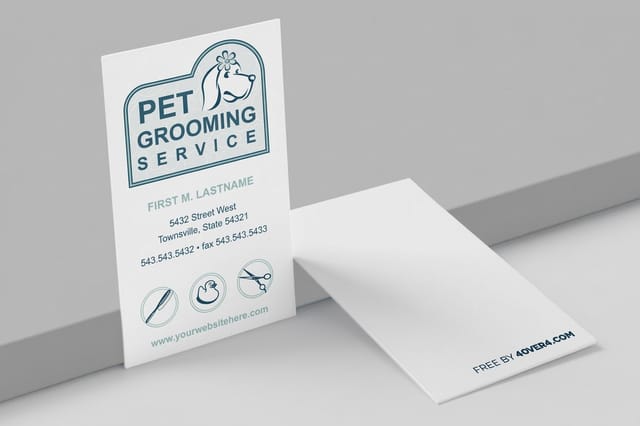 free business cards | 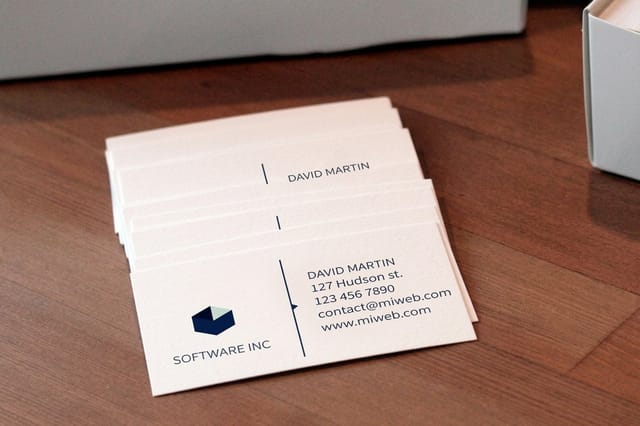 Standard Business Cards | 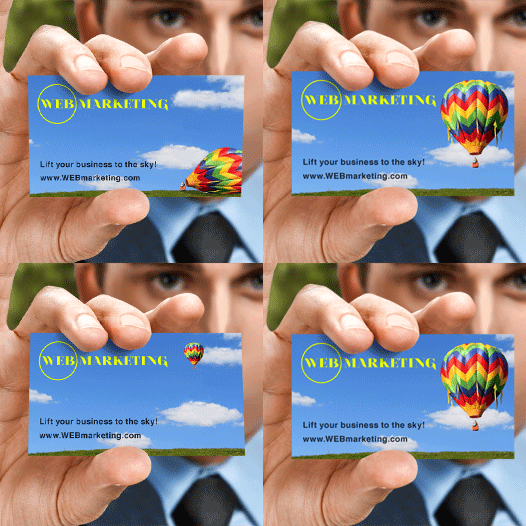 3D Lenticular Business Cards | 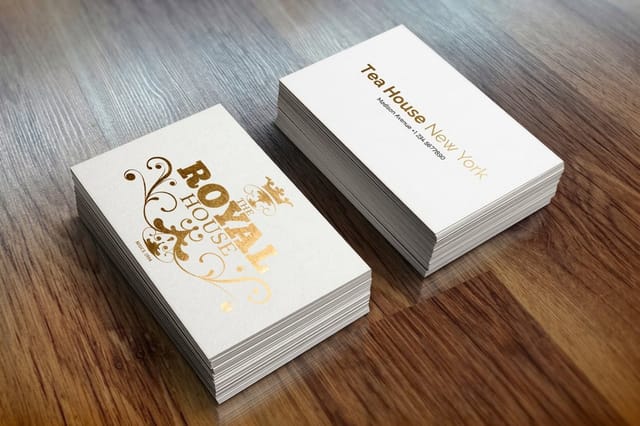 Metallic Foil Business Cards | |
|---|---|---|---|---|
| Min price | Free | $17.57 | $690.88 | $222.13 |
| Paper / stock | 14pt Gloss Cover | 14pt Gloss Cover | 31pt Lenticular Lens | 16 Point Silk Laminated |
| Finish | - | Standard Finish | - | - |
| Size | 2" x 3.5" | 2" x 3.5" | 2" x 3.5" - Vertical | 2" x 3.5" |
| Default qty | 200 | 100 | 500 | 500 |
| Turnaround | 5 business days | 3 business days | 22 business days | 7 business days |
| Rating | ||||
| View & customize | View & customize | View & customize | View & customize |
Free Proofs, Turnaround, and Getting Kits Out Before the Embargo Lifts
Press timing is unforgiving. The kit has to be in hand before the embargo lifts, not the morning after, and a reprint because of a wrong phone number is a story that does not run. Two habits prevent almost every disaster: proof properly, and order with a buffer.
Every 4OVER4.COM order includes a free digital proof. Read it the way an editor will, not the way a designer will. Check the direct line digit by digit, check the legal name against the incorporation record, check that every title on a quote is the current one. Approve the proof only when someone other than the designer has read the numbers out loud.
Build the schedule backwards from the announcement
- Two weeks out. Lock copy and quotes. Titles change more often than anyone expects.
- Ten days out. Upload artwork and approve proofs on every piece in the kit on the same day.
- One week out. Assemble kits as they arrive rather than waiting for the last box.
- Three days out. Ship to the reporters who need lead time to plan photography.
Working on a kit for a specific field? The material lists differ more than you would think. See what a shoot-based business needs in photographer marketing materials, or the hospitality version in the restaurant marketing materials checklist.
Start fast
Templates and print-ready blanks
Free layouts plus exact-size blanks so artwork lands inside the trim on the first proof.
Wally builds your press kit
The right pieces first, then the right stock to print them on
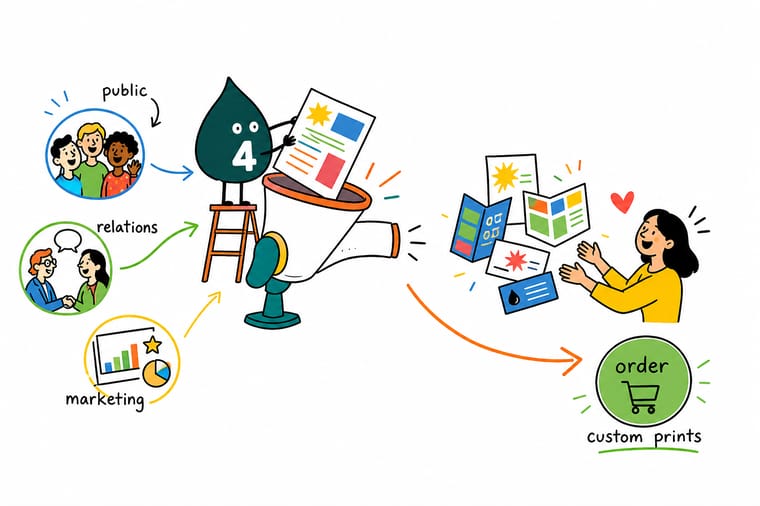
Not sure what belongs in the box? Start with three pieces and add nothing until they are right. A backdrop so every event photo carries your name, a contact card thick enough that a reporter keeps it, and a one-page fact sheet written to be copied straight into an article. Add a leave-behind with real utility and you have a kit that keeps working after the news cycle moves on. Wally can point you at the stock for each one.
Shop marketing materials →Building a Kit That Keeps Working After the Story Runs
Explore more
More print that supports a PR push
Backdrop banners from $108.75, clear media cards at 2.125 by 3.375 inches and the guides that pair with a press kit.
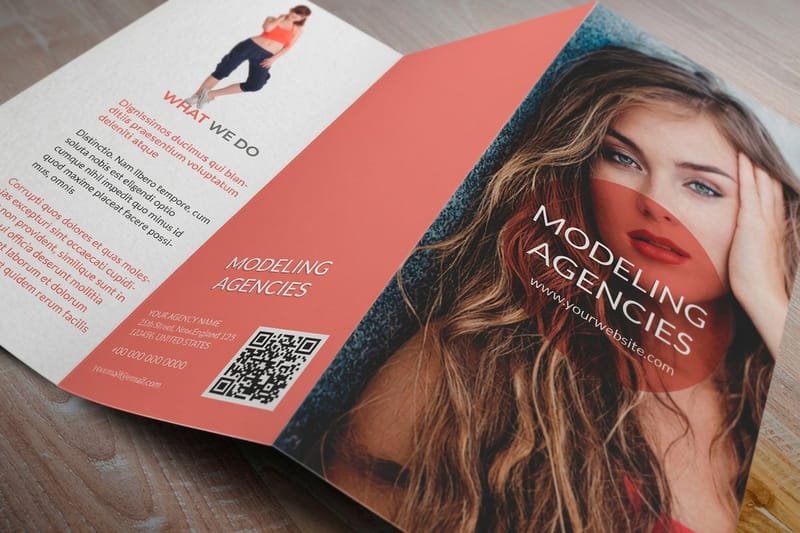 Shop Marketing Materials Every print format a campaign or press kit runs on.
  Article Photographer Marketing Materials The print pieces that book shoots and land features.
  Article Restaurant Marketing Checklist The full print list for an opening or a relaunch.
  Guide How to Choose Paper Match stock weight and finish to each printed piece. Article 10 Ways to Use Marketing Promotions Promo plays that pair well with a press push.
  Alternative 4OVER4 vs MOO Stickers Sticker options for kit seals and event swag. Product 2 Sided Blockout Banners Two-sided event backdrops that photograph clean. Product 30mil Clear Plastic Cards Media contact cards nobody throws away.
  Product 3 in 1 Foldable Wireless Charger The leave-behind that lives on a working desk.
 Print a press kit editors keep, starting with a $108.75 backdrop
Pick the pieces, upload your artwork, and approve a free digital proof before anything prints. Live pricing on every format, with production times shown up front.
Public Relations Materials FAQ
What are public relations materials?
Public relations materials are the printed and physical pieces that support a media pitch: a one-page press or fact sheet with the boilerplate and approved quotes, a media contact card, an event backdrop or banner, a folder that holds the set together, and a branded leave-behind. Together they form what most teams call a press kit or media kit. Their job is not to tell the whole story. It is to make the facts easy to lift, the contact easy to reach, and the brand easy to remember after the meeting ends.
How do I choose the right public relations materials?
Start from where the kit will be used. A launch event needs a backdrop first, because every photo taken that day either carries your name or does not. A mailed kit needs a folder, a fact sheet, and something with weight in the hand. A one-on-one briefing needs a contact card and a leave-behind more than it needs paper. Pick the two or three pieces that match the situation, print those properly, and skip the rest rather than spreading the budget across a folder nobody opens.
What does a print PR kit cost and how is pricing set?
Price a PR kit per event. One 2 by 3 foot 2 Sided Blockout Banner for the press backdrop starts at $108.75 and is reused at every launch, 500 media contact cards on 30mil clear plastic at credit card size cost $529.26, enough for a whole comms team, and a ready-made 3 in 1 Foldable Wireless Charger for each reporter starts at $15.00. Setup is most of the cost, so the cards and the banner get cheaper per use the longer you keep them. Every configuration is priced live before you order, so you can compare a run that covers one event against a run that covers a full year of them.
What sizes, stocks, and finishes are available for PR materials?
Fact sheets typically print letter size on uncoated or matte text stock so a reporter can write on them. Media cards run on heavy card stock or 30mil clear plastic for a card that keeps its shape in a bag. Banners print on vinyl with an optional blockout layer for two-sided hangs. Finishes include matte, gloss, soft touch, spot UV, and foil accents. If you are weighing one stock against another, our guide to choosing paper for printed marketing materials covers weight, coating, and how each behaves in the hand.
How long does printing and shipping take for a press kit?
Turnaround depends on the product, the quantity, and the finish you select, and the estimate is shown on each product page before you check out. Large-format banners and plastic cards take longer in production than flat paper pieces, so order those first when a kit has several parts arriving together. Every order includes a free digital proof, and production time starts once you approve it. For a press deadline, approve proofs at least ten days out and ship to reporters who need photography lead time three days before the announcement.
