
Physical Therapy Lead-Gen Essentials: 3 Print Picks That Fill Your Schedule
New patients reach a clinic three ways. They drive past and finally call, a provider writes your name on a script, or someone who trusts you passes the word along. This kit puts one printed piece behind each of those doors, so your schedule stops depending on whichever one happened to work last month.
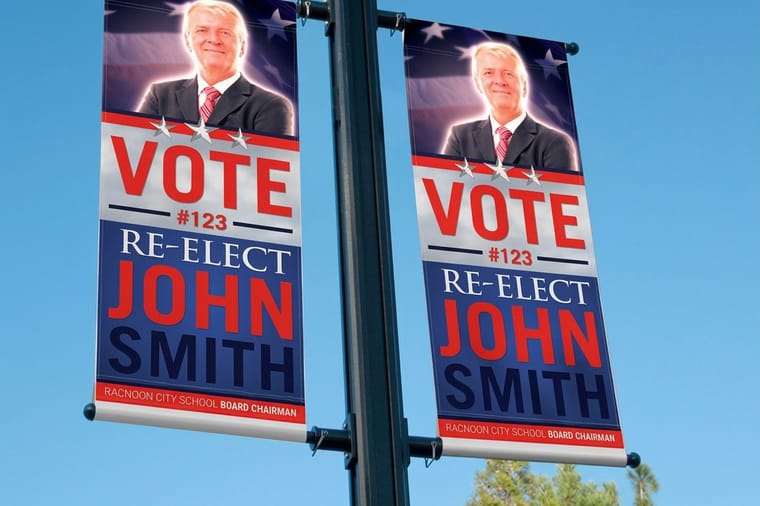
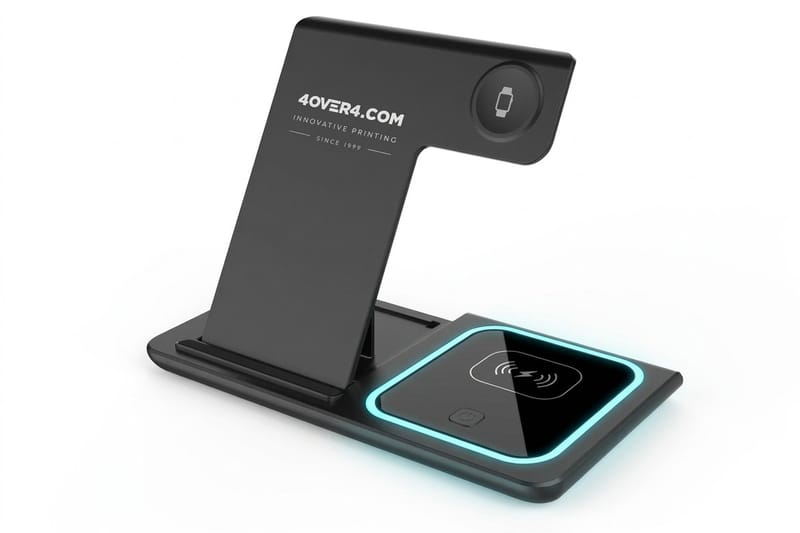
The physical therapy lead-gen kit is three pieces. A two sided blockout banner earns visibility from the street or the plaza where your sign gets lost. Rigid 30mil clear plastic cards carry your direct scheduling line into physician offices and survive months in a referral drawer. Branded 3 in 1 wireless chargers keep your clinic on the desks of the people who send you patients. Print them together and every touchpoint looks like the same practice.
The picks
What the banner, the clear card and the charger each cost
Start here. These are the three products behind the kit, each priced live on its own page, so you can size a banner, set a card quantity or scale an imprint run before you commit a dollar of the marketing budget.
Design and print help
One clinic mark on all three pieces
A referral source should recognize your clinic on a banner, on a card and on a desk object without reading the name twice. These tools keep the logo, the colors and the scheduling line identical across every surface.
How they work together
Print in the order the referrals arrive
Each piece owns a stage of how a patient finds you, and each one hands the next piece a warmer audience than the one before it.
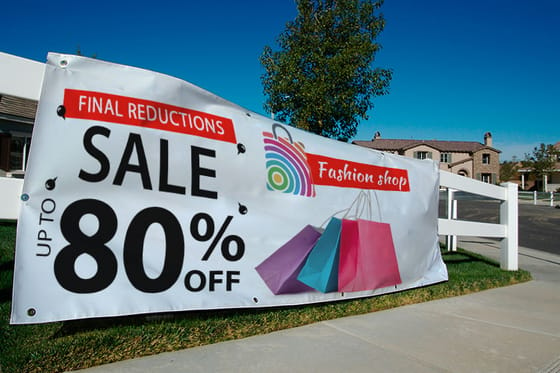
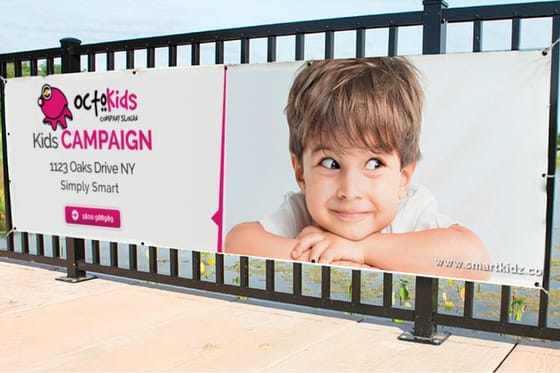
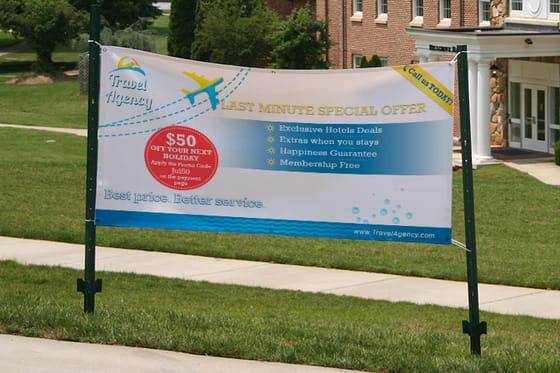
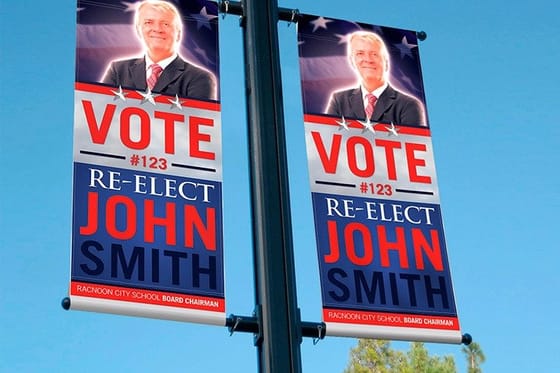
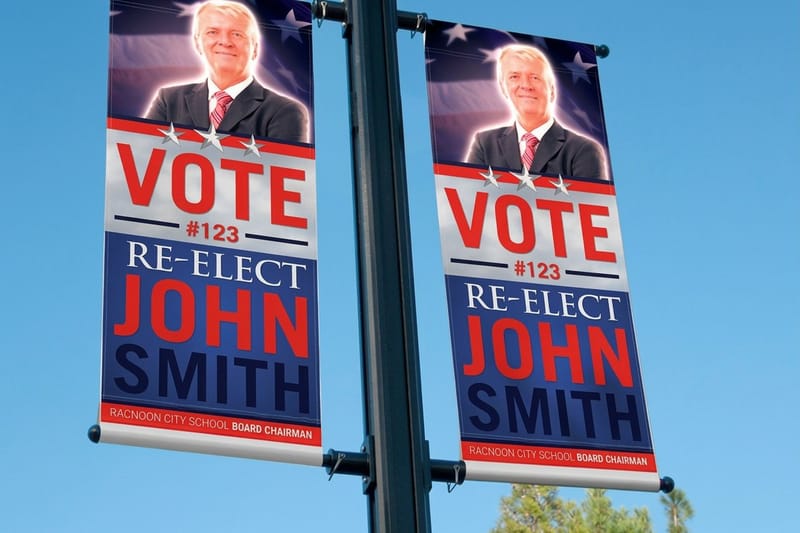
Most clinics sit in a medical plaza where the sign is small and shared. A double-sided banner reads from both directions of traffic and names the one service people search for.
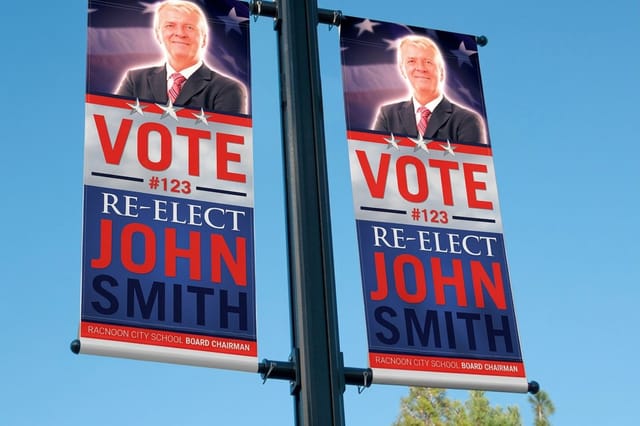
Front-desk staff at physician offices hand out what survives the drawer. A rigid clear card with your direct scheduling line gets pulled out months later, still readable.
A branded charger sits on a referring provider desk every single day. It keeps your clinic name in the room without another drop-in visit or another emailed flyer.
1. Two sided blockout banners: the lead that walks in off the street
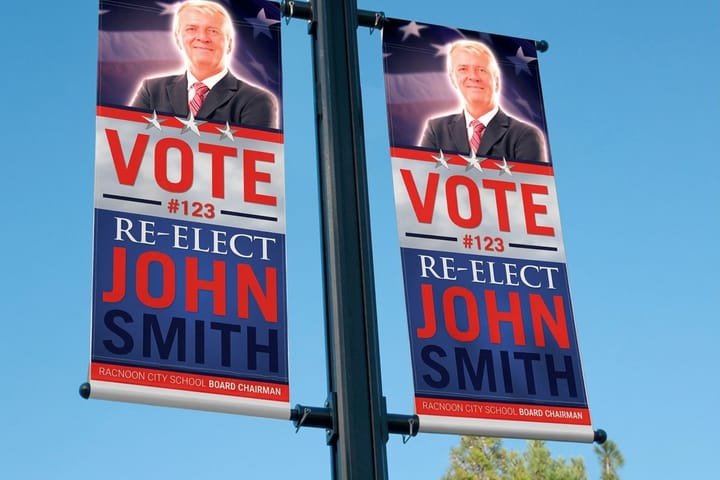
Physical therapy clinics rarely get the good sign. You are in a plaza with a shared monument sign, or on the second floor of a medical building, or set back behind a parking row. People who already live with knee pain drive past you twice a week without ever registering that you exist. A banner fixes that for less than a month of paid clicks.
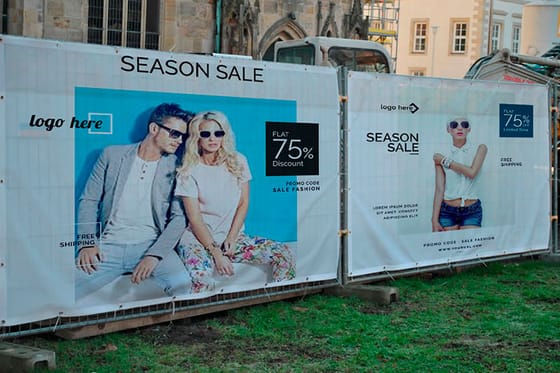
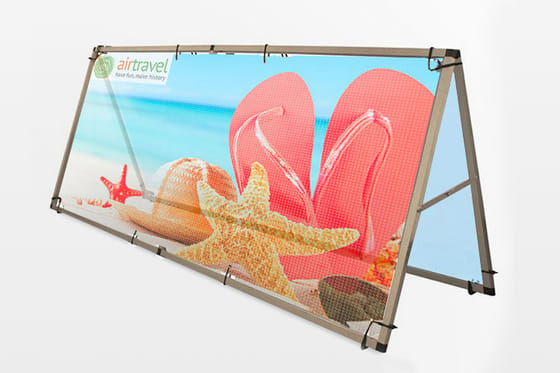
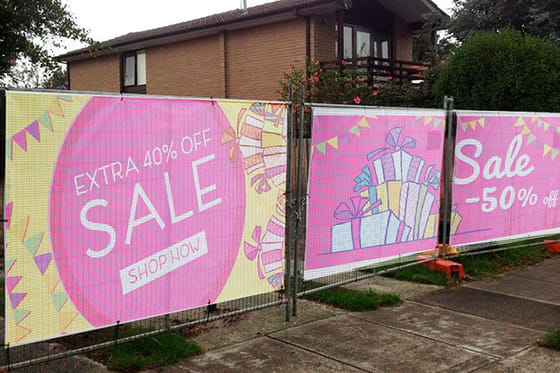
Blockout construction is what makes a double-sided banner worth ordering. A center layer stops light from passing through, so the artwork on the back does not ghost into the front. That matters on a corner unit or a walkway where both directions of traffic see the same piece. One banner ends up doing the work of two, and the message stays crisp instead of muddy. Our physical therapy marketing ideas piece covers where else to hang it, including community 5K events and youth sports fields.
Keep the copy brutally short. The condition you treat most, whether patients can come in without a referral in your state, and a phone number in the biggest type that fits. Three seconds of attention is the whole budget.
2. Clear plastic cards: the referral piece that survives the drawer

Ask a clinic owner where the best patients come from and the answer is another provider. Orthopedic surgeons, primary care offices, chiropractors and occupational health nurses all decide, dozens of times a week, which name to write on a script. That decision usually happens at a desk covered in other practices paper.
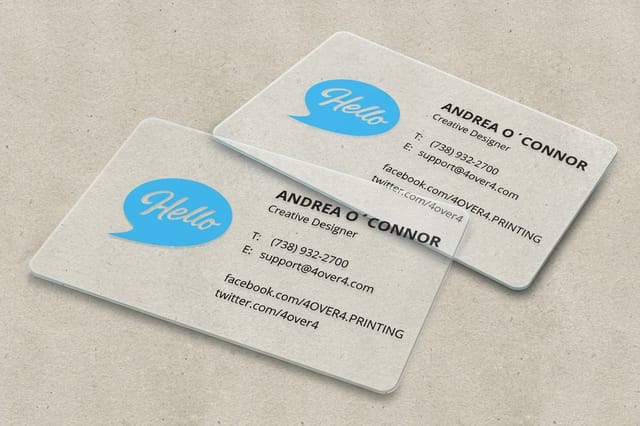
A 30mil clear plastic card is the thickness of a credit card and refuses to behave like paper. It does not curl in a humid exam room, it does not tear when a coordinator pulls it from under a stack, and the transparent stock makes people handle it before they file it. Print your direct scheduling line, your intake fax, and the two or three conditions you want sent to you, then hand them out in person rather than mailing them. If you are building that outreach round from scratch, the physical therapy referral starter pack lays out the rest of the visit.
The same card doubles as a package card for cash-pay programs, dry needling series or post-op memberships, which is where the piece starts paying for itself twice.
3. Branded wireless chargers: the desk gift that outlasts every flyer
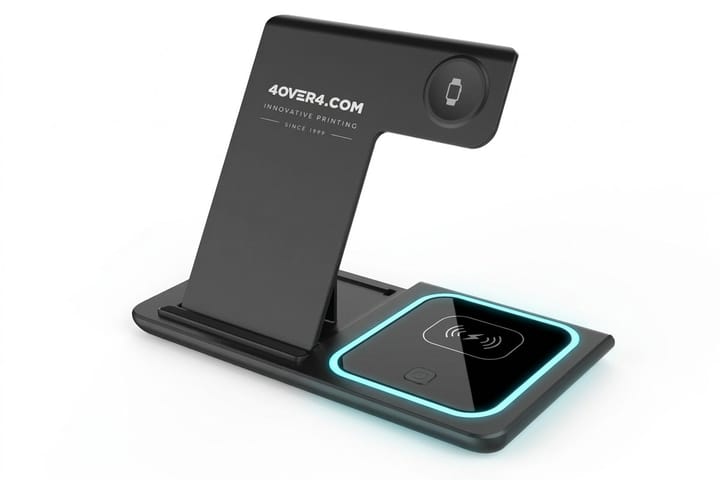
Printed leave-behinds have a short life at a busy medical office. A flyer is read once and recycled. A branded object that solves a daily annoyance stays on the desk, and the people who send you patients see your name every time they set their phone down between appointments.
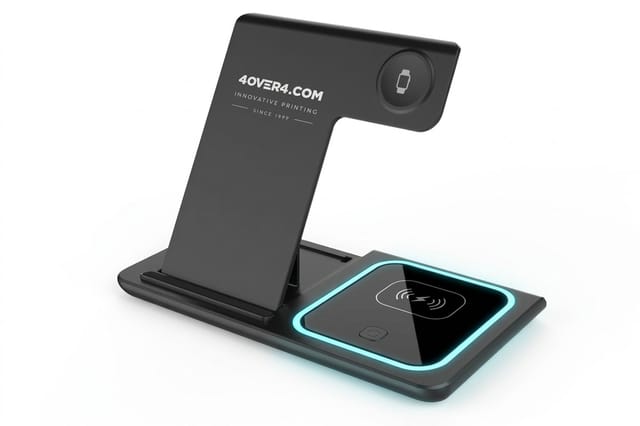
A 3 in 1 foldable wireless charger handles a phone, earbuds and a watch, folds flat for a bag, and costs less than most lunch meetings. Give them deliberately: the front-desk coordinator who books your patients, the nurse who fields the pain questions, the trainer at the gym that keeps sending you rotator cuffs. Younger staff in particular treat a genuinely useful branded item as a keeper rather than swag, a shift the Gen Z merch language breakdown documents well.
Keep the imprint restrained. Logo, clinic name, scheduling number. An object someone uses every day does not need to shout, it only needs to be there.

Specs and pricing
Anchor the kit: clear plastic card specs and live pricing
The referral card is the piece you will reorder most, so start with its stock, thickness and quantity breaks before you plan the rest of the run.
| Quantity | Price Per Unit | Total |
|---|---|---|
| 500 | $1.06 | $529.26 |
| 1,000 | 63.0¢ | $630.31 |
| 2,000 | 56.8¢ | $1,135.55 |
| 2,500 | 53.0¢ | $1,325.02 |
| 3,000 | 50.5¢ | $1,514.49 |
| 3,500 | 48.7¢ | $1,703.96 |
| 4,000 | 47.3¢ | $1,893.44 |
| 4,500 | 45.6¢ | $2,051.33 |
Wally explains the kit
Three pieces, three ways patients find your clinic
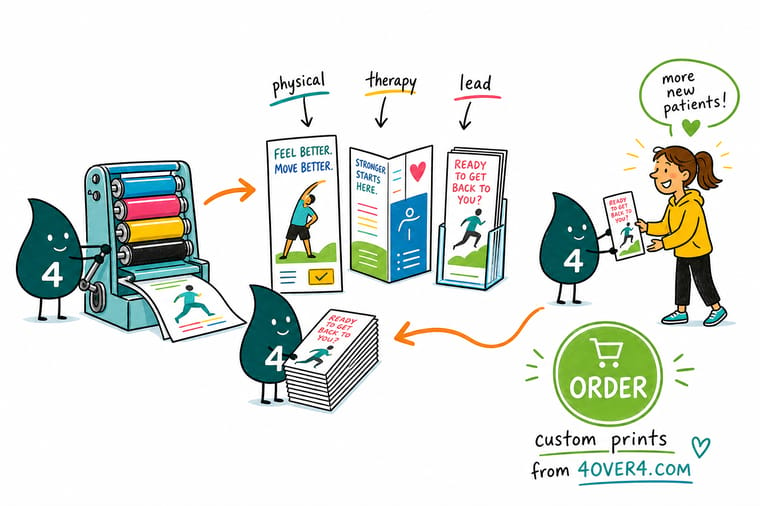
Wally thinks of a clinic as a building with three doors. The banner opens the door on the street, so drivers who pass you twice a week finally stop. The clear plastic card opens the referral door, because it stays readable in a physician drawer long after a flyer would be gone. The branded charger keeps that relationship warm on a desk. Print the three together and every door points to the same practice.
Shop the physical therapy collection →See it in use
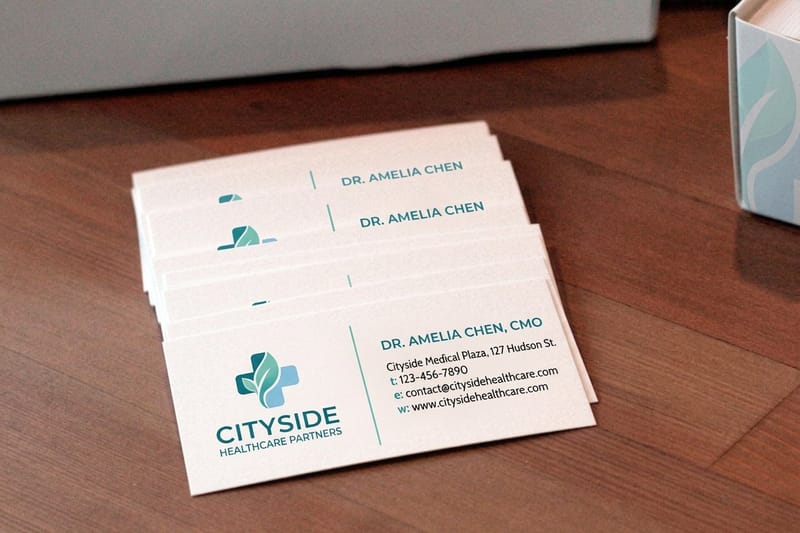
Clinic pieces we printed for therapy practices

Explore more
Where to go next

By the numbers
One kit, printed to keep the schedule full
Common Questions
Common questions about the physical therapy lead-gen kit
What is in the physical therapy lead-gen essentials kit?
Three printed pieces chosen for how a physical therapy clinic actually fills a schedule. A two sided blockout banner for street and plaza visibility, 30mil clear plastic cards for referral and membership handoffs that need to survive a drawer, and a 3 in 1 foldable wireless charger as a branded leave-behind for the physician offices, gyms and employers that send you patients. Each piece is priced live on its own product page.
Why only three pieces instead of a large print bundle?
Because a clinic owner has limited hours for marketing. These three cover the three ways a new patient reaches you: they drive past, a provider sends them, or someone who already trusts you passes your name along. Adding a fourth or fifth piece before those three are working just spreads the same budget thinner and makes the brand harder to keep consistent.
In what order should I print and use these?
Start with the banner if your building is hard to spot, because that lead costs nothing extra once the vinyl is hung. Print the clear plastic cards next and take them on your first round of referral visits. Add the wireless chargers for the offices that already send patients your way, since a branded gift lands better on a relationship you have started than on a cold introduction.
Are clear plastic cards worth it compared to a paper card?
For everyday patient handouts, a paper card is fine. For referral sources, the clear plastic card is doing a different job. It sits in a stack of provider materials for months, it does not soften or tear, and the transparent stock makes people look twice before they file it. That extra attention at a referral desk is the entire reason the piece exists.
What should go on the banner outside a physical therapy clinic?
One service phrase, one proof point, one action. Something like the condition you treat most, whether you accept walk-ins or direct access visits, and a phone number in the largest type the layout allows. Cars pass in about three seconds, so anything longer reads as a wall of text and gets skipped entirely.
How do I use branded chargers without it feeling like a gimmick?
Give them with a reason and a name attached. Bring one to the front-desk coordinator who has been booking your patients, or leave a few in a physician lounge with a short note about your direct scheduling line. A useful object handed to a specific person reads as a thank you. A crate dumped at reception reads as advertising.
How much does the full kit cost to print?
Every price on this page is the live starting price for that product at the lowest quantity with standard options. Banner cost moves with size and finishing, plastic card cost moves with quantity and any personalization, and charger pricing drops as the imprint quantity goes up. Configure each product page for your real numbers and the total updates before you order.
Get Started
Clear plastic cards are 500 for $529.26 and take 15 business days
Print the banner, the referral cards and the branded chargers together so your outreach round, your street presence and your thank you gifts all look like the same practice.
Legal Disclaimer
Gold Standard guarantees apply to all standard orders placed through 4over4.com. Price match requires verifiable proof of a competitor's published price for an equivalent product with matching specifications and turnaround time. Satisfaction guarantee covers manufacturing defects and print quality issues. Contact support with order number and documentation. On-time delivery rate based on tracked orders 1999 to 2026. Individual results may vary based on shipping carrier performance.
