
The 3-Piece Event Planner Print Toolkit That Runs the Whole Room
An event is a hundred small handoffs, and print is what keeps them from dropping. The promotion has to fill the room weeks early, the site has to be findable from the parking lot, and the door has to move people without a bottleneck. Three printed pieces cover all three, and they should look like one event.
The event planner toolkit is three printed pieces that carry an event from announcement to load-out. Event flyers sell the date and fill the seats. Event tents claim your footprint outdoors and shelter registration. Event badges control access, keep every name readable and turn strangers into introductions. Print all three from one place and they read as one event instead of three vendors.

The picks
Badges at 25, flyers at 50, one tent
Start here. These are the three pieces that do the real work at an event, each priced live on its own page so you can size a run against a realistic attendee count instead of guessing at a quote.
Design and print help
One event look on the badge, the flyer and the tent
The toolkit only works if the flyer, the tent and the badge look like the same event. These tools keep the colors, the logo and the stock choices consistent from the first promotion to the last badge handed out.
How they work together
Print in the order the event happens
Each piece owns a stage of the event calendar. Order them in this sequence and nothing sits in a box waiting, and nothing gets rushed because the attendee list moved at the last minute.
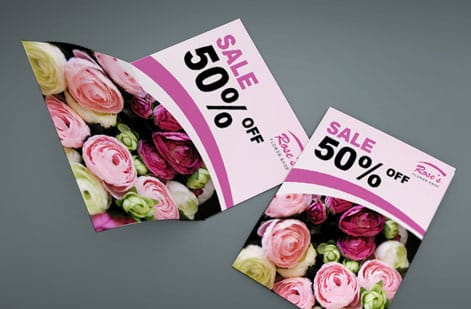
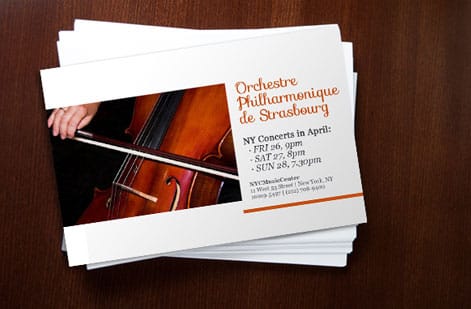
Flyers do the selling while calendars are still open. Hand them out at partner venues, drop them at the front desk, and give people the date, the reason and one way to register.
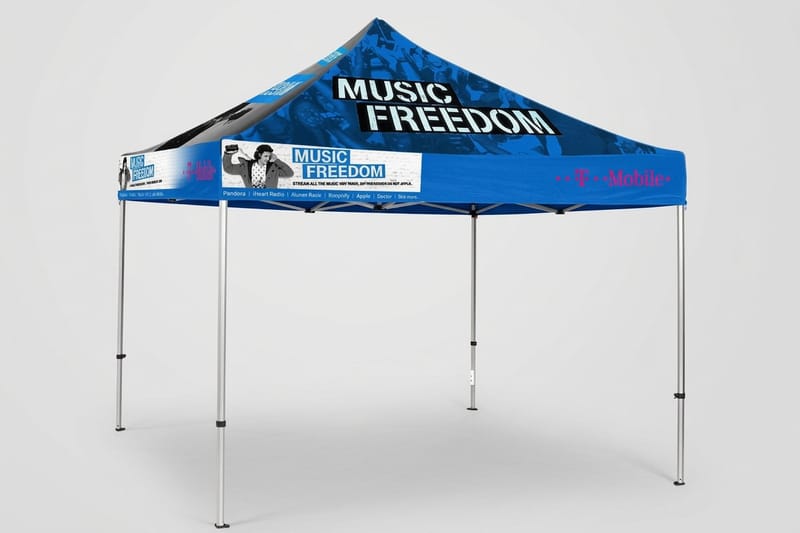
The tent is the first thing anyone sees from the lot. It marks registration, shelters your staff and puts your name above the crowd instead of on a folding table.
Badges move the line, separate staff from guests from press, and keep names readable all day so attendees actually talk to each other instead of squinting.
1. Event badges: the piece every attendee wears all day
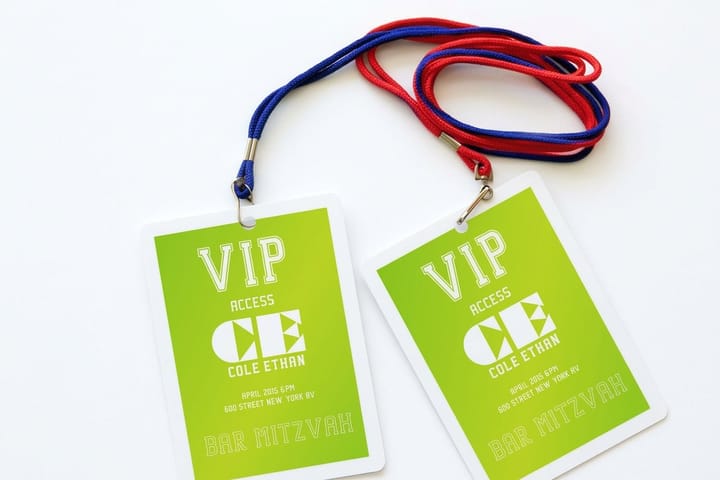
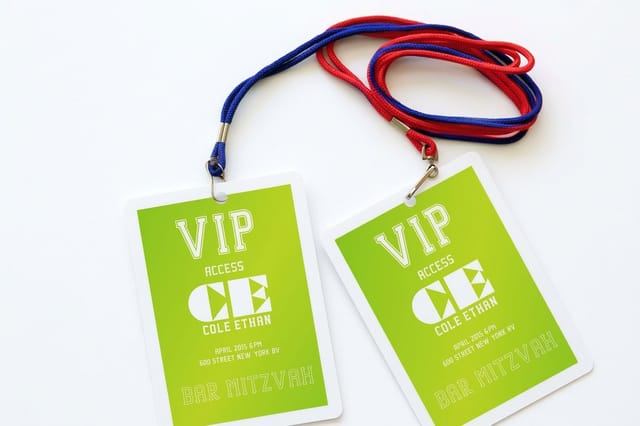
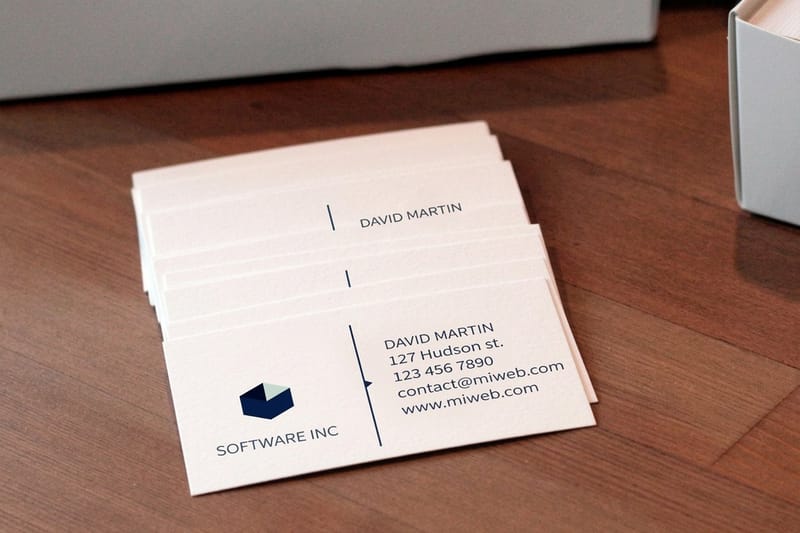
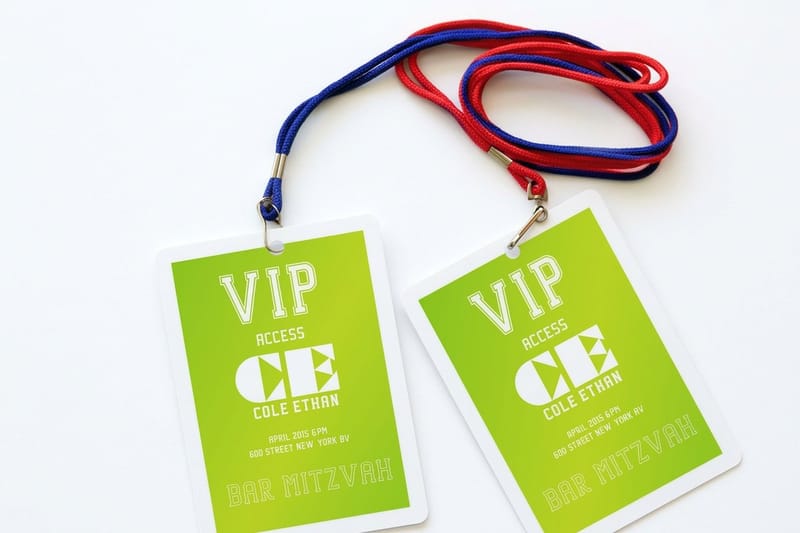
The badge is the only printed piece that stays with a person for the entire event. It opens the door, it tells a stranger whether to walk over, and it turns a room of guests into a room of names. That is a lot of work for a small rectangle, which is why the design deserves more than a logo dropped on a template an hour before doors.
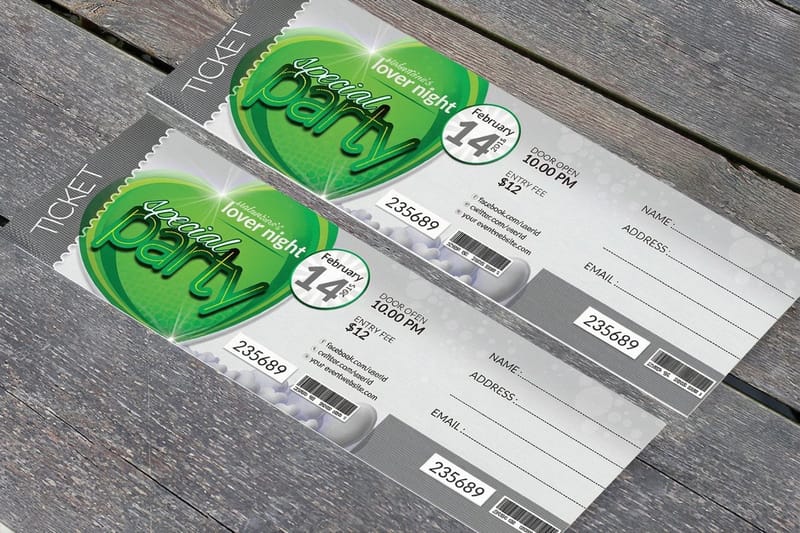
Set the first name in the largest type on the badge, big enough to read across a handshake, and give the company or track a quieter second line. Reserve the bottom edge for a color band that signals staff, speaker, press or general admission, so your team reads access levels without asking. If your event also sells admission at the door, the same thinking that governs a good event ticket layout applies here, and planners comparing suppliers often land on this event ticket alternative before committing a full print run.
One badge is a name tag. A well-built badge set is a floor plan people wear, and it quietly runs your access control all day.
2. Event flyers: the piece that fills the room before doors

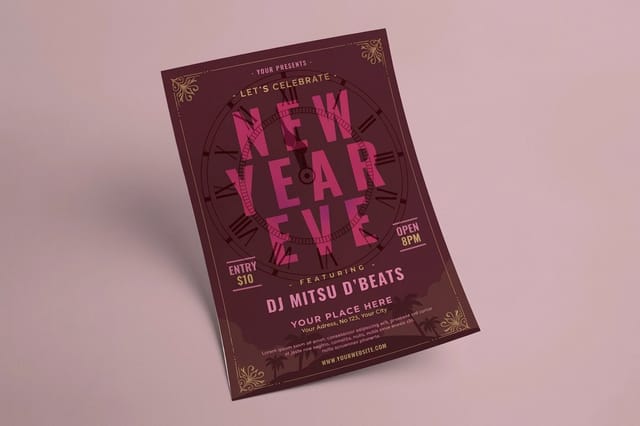
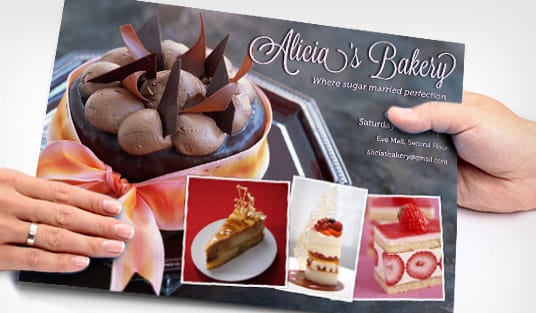
Every other piece in this toolkit assumes people show up. The flyer is what makes that true. It goes on partner counters, into welcome bags, under wiper blades at the right parking lot and into the hands of anyone who asks what you are working on, and it has about three seconds to make the date stick in someone's head.
Lead with the reason to come rather than the name of the event, put the date and city where the eye lands first, and finish with exactly one action, whether that is a short URL or a QR code. A flyer that offers three ways to respond gets none. If you are planning the wider push, promotional materials for events maps what to print at each stage, and 7 unique corporate event ideas is useful when the concept itself needs a stronger hook.
Print a working stack for the promotion window and a smaller second run for the venue itself. The flyer on the registration table sells next year's date to people already standing in your room, which is the cheapest ticket you will ever sell.
3. Event tents: the footprint people find from across the lot
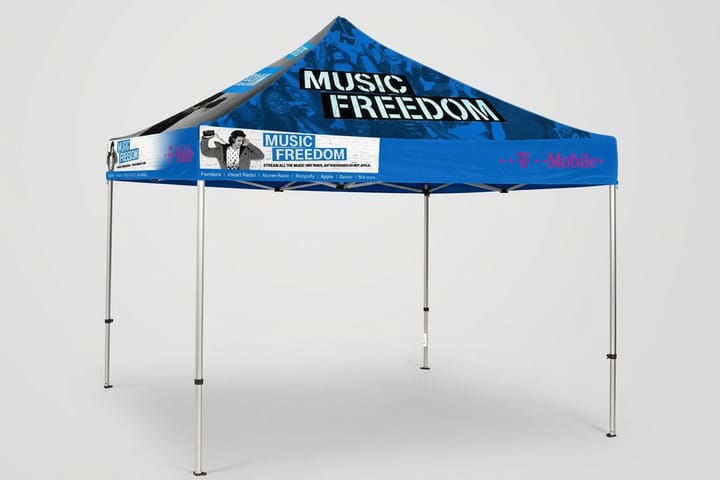
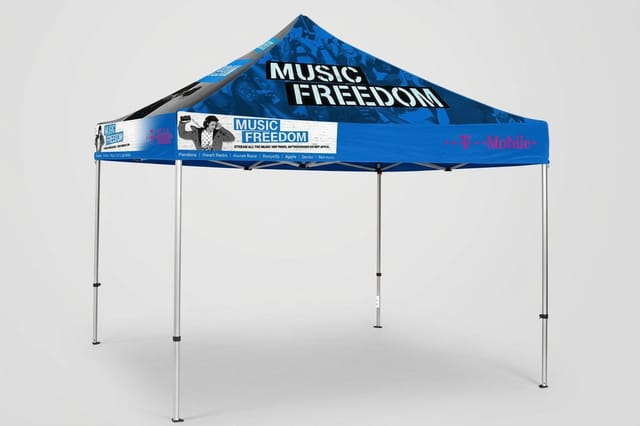
Outdoors, a folding table with a banner taped to the front reads as temporary. A printed tent reads as the organizer. It gives attendees a landmark to walk toward, shelters registration when the forecast turns, keeps your laptops and badge stock out of direct sun, and puts your name at roof height where it beats every competing sign at eye level.
Design the canopy for distance and the valance for proximity. The peaks carry the logo and nothing else, while the hanging edge can hold the event name and a short line of copy that reads from ten feet. Keep the same color pairing you used on the flyer, because recognition at fifty yards is a branding problem, and the naming and identity thinking in product branding strategies translates directly to a structure this large. Planners who run repeat activations often pair it with a wider set of pieces the way our toy store toolkit assembles a retail floor.
The tent is the one piece here you buy once and use for years. Price it against a season of rentals rather than against a single weekend, and set it up once before the event so nobody learns the frame in a parking lot at sunrise.

Specs and pricing
Anchor the toolkit: event badge specs and live pricing
The badge sets the stock and finish standard for everything else on the table, so start with its specs and quantity pricing before you size the rest of the run.

| Quantity | Price Per Unit | Total |
|---|---|---|
| 25 | $2.00 | $49.88 |
| 50 | $1.25 | $62.51 |
| 100 | $1.01 | $101.04 |
| 150 | 86.7¢ | $130.10 |
| 200 | 78.0¢ | $155.93 |
| 250 | 73.1¢ | $182.74 |
| 300 | 68.6¢ | $205.78 |
| 400 | 63.9¢ | $255.67 |
Wally explains the toolkit
Three pieces, one event, printed to run smoothly
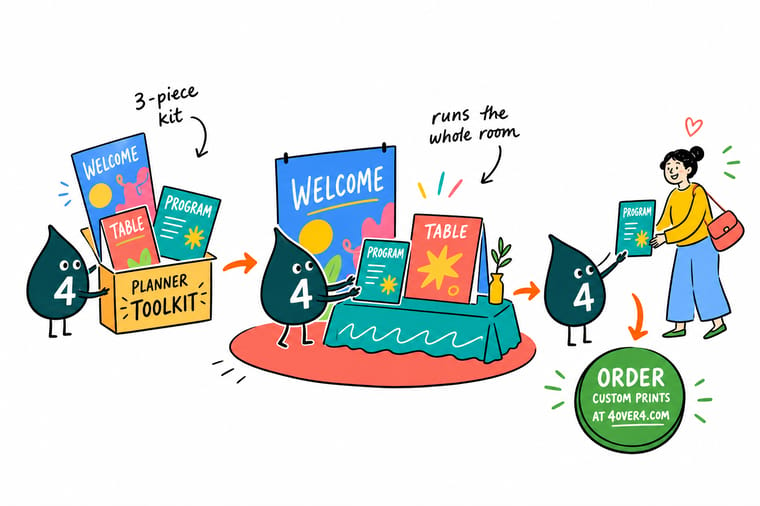
Wally treats an event like a relay. The flyer runs the first leg and gets people to commit to a date. The tent runs the middle leg and makes your registration impossible to miss on site. The badge runs the last leg and keeps the room moving all day. Drop any leg and the ones around it work twice as hard for half the result.
Shop the event collection →See it in use
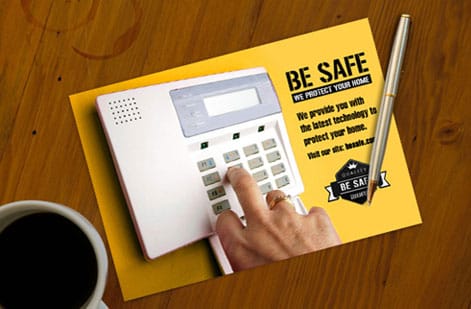
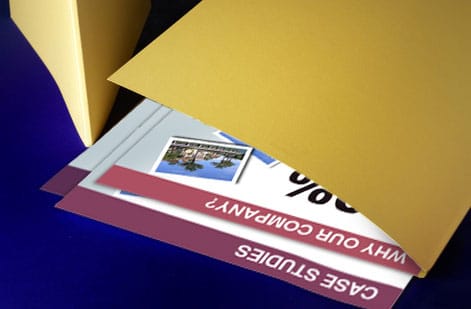
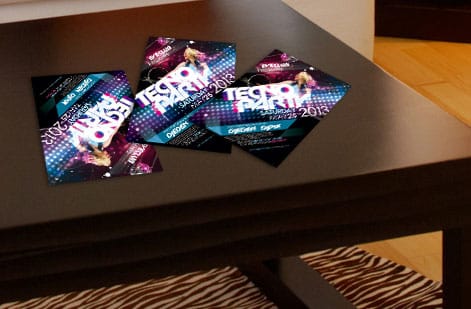
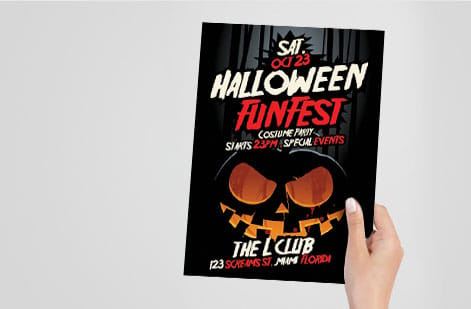
Event work we ran ourselves

Explore more
Where to go next
By the numbers
One toolkit, printed to run a full event day
Common Questions
Common questions about the event planner toolkit
What is in the event planner toolkit?
Three printed pieces that cover the whole arc of an event. Event flyers promote the date and fill the room, event tents claim your footprint on site and shelter registration, and event badges control access while making every attendee readable. Each one solves a different problem, and together they take an event from an announcement to a room full of people who know where to go.
In what order should I order and print these pieces?
Follow the calendar. Flyers first, because promotion needs the longest runway and you want them in hand four to six weeks out. The tent next, so it arrives with time for a test setup and a look at how the canopy graphic reads from a distance. Badges last, once registration closes and your name list stops changing, so nothing has to be reprinted.
Do I really need a tent for an indoor event?
Not for a hotel ballroom. A tent earns its cost the moment any part of your event touches outdoor ground, which includes street festivals, campus fairs, sponsor activations, race starts, farmers markets and overflow registration outside a packed venue. If your calendar has more than one outdoor date a year, the tent stops being an event expense and becomes equipment you own.
How do I keep the flyer, the tent and the badge looking like one event?
Repeat three things on every piece. Use the same logo lockup in the same position, the same two brand colors in the same roles, and one typeface family for headlines. Then keep the event name written identically everywhere, including the year and any subtitle. Attendees do not audit your brand guidelines, but they instantly notice when the tent looks like a different company than the flyer that brought them.
How many badges should I print for an event?
Print for confirmed registrations plus a working buffer of ten to fifteen percent. That buffer covers walk-ups, plus-ones, last-minute sponsor staff, name misspellings and the badges that end up in a puddle by hour two. Order blanks in the same stock if you expect on-site registration, so a handwritten badge still looks like it belongs to the same event.
What does the full event planner toolkit cost to print?
Every piece is priced live on its own product page, and the total depends on quantity, size, stock and turnaround. Event badges start at $49.88, event flyers start at $57.11, and event tents start at $987.45. Flyers and badges get dramatically cheaper per unit as quantity climbs, so pricing a realistic attendee count is more useful than pricing the minimum run.
Can I add more pieces as the event grows?
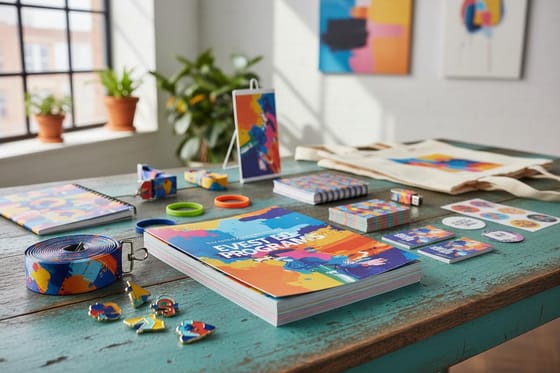
Yes. The toolkit is the working core, not a ceiling. Once the three basics are branded and proven, planners usually add signage, programs, tickets and table graphics from the same collection, all built on the exact colors and stock choices you already approved.
Get Started
Event badges start at 25 for $49.88
Order flyers, tents and badges from one place, with the same colors and the same production calendar, and walk into load-in with every printed piece already matched to the others.
Legal Disclaimer
Gold Standard guarantees apply to all standard orders placed through 4over4.com. Price match requires verifiable proof of a competitor's published price for an equivalent product with matching specifications and turnaround time. Satisfaction guarantee covers manufacturing defects and print quality issues. Contact support with order number and documentation. On-time delivery rate based on tracked orders 1999 to 2026. Individual results may vary based on shipping carrier performance.
