
What Is a Perpetual Planner and Why Undated Pages Win


Perpetual means undated. A dateless planner works on a repeating layout, a full year needs a known page count, and the binding decides whether it gets written in daily.
A perpetual planner is an undated planner: the weekly and monthly layouts print without dates, and you write them in yourself, so the book starts whenever you start and never expires. Skipped weeks waste nothing, a mid-year purchase loses nothing, and for anyone selling planners the stock never hits a January markdown. The trade is writing dates by hand and losing pre-printed holidays, and the binding has to lie flat because the book gets written in every day.
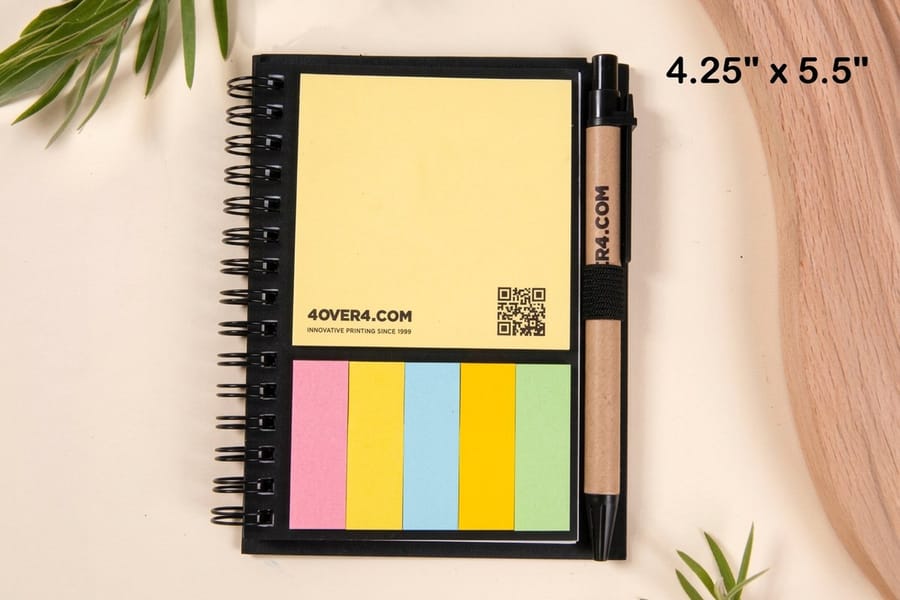
Quick answer
Undated pages, filled in as you go
A perpetual planner repeats the same dateless weekly and monthly layouts and lets you write the dates yourself. It starts the day you open it, survives skipped weeks without wasting a page, and never expires on a shelf, which is why brands printing planners to sell almost always print undated. The page math is a year of weekly spreads at 104 pages plus monthlies and notes, and the binding must open flat, which points at spiral coil or Wire-O over a glued spine.
What Makes a Planner Perpetual
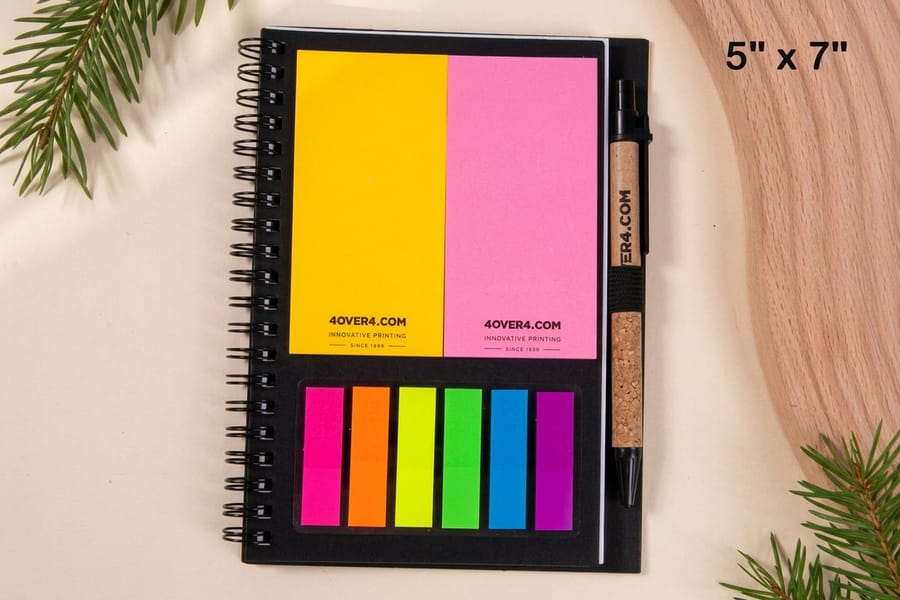
Open a dated planner and every page is committed: this spread is the week of March 9, whether you used it or not. A perpetual planner prints the same weekly structure with the dates left blank, and that single change alters how the book behaves over a year.
Miss three weeks in a dated planner and you carry thirty dead pages and the quiet guilt that comes with them. Miss three weeks in a perpetual planner and the next blank spread is simply the week you came back. Nothing is wasted, so nothing argues for abandoning the book. The same logic applies at purchase: a dated planner bought in June has already spent half its pages, while an undated one is whole whenever it starts.
The cost is real but small. You write the month and dates at the top of each spread yourself, a few seconds a week, and you lose the pre-printed holidays and week numbers a dated planner carries. People who schedule appointments months ahead feel that loss; people who plan week by week rarely do.
For anyone printing planners rather than buying one, undated has a second advantage that has nothing to do with habit: shelf life. Dated planner inventory becomes markdown stock every January. An undated run from the book printing line sells at full price in any month, which is why small stationery brands almost always print perpetual first. Our guide on organizing a planner that actually works covers the usage side of the same question.
Undated Layouts That Survive a Full Year
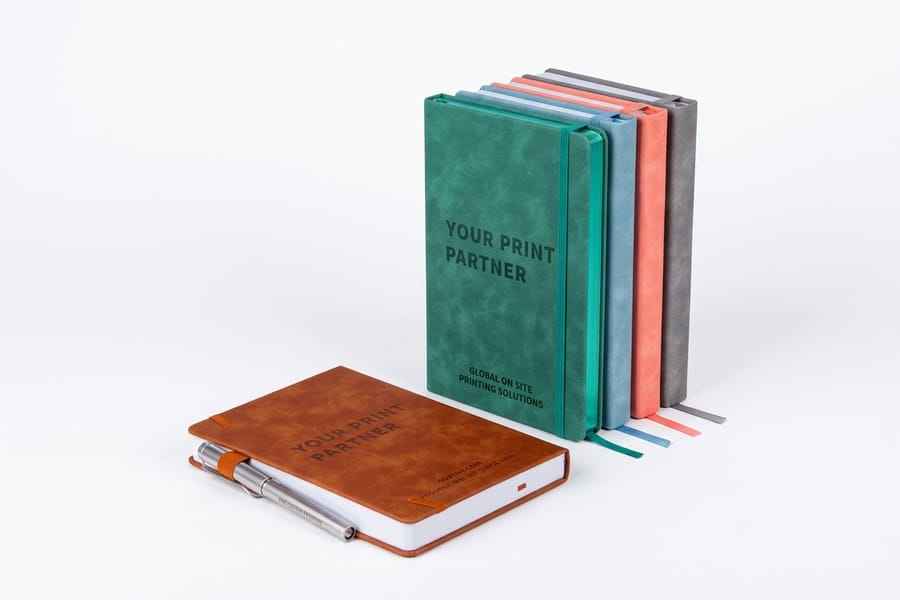
An undated planner is a repeating machine, so the page math is simple and worth doing before any design work. A year of weekly spreads is 52 openings, which is 104 pages. Add monthly overviews and a notes section and the block settles around 120 to 140 pages, which is the thickness your binding and cover have to carry.
The layouts that hold up in practice are the ones that stay generic without going empty:
- Weekly spread, days left, notes right. Seven labeled rows with a blank date box beside each day name. The date box is the whole perpetual mechanism, so make it big enough to write in.
- Undated monthly grid. A 5-by-7 grid with blank number corners. One per month, twelve total, placed as their own section rather than interleaved, so skipping a month leaves no hole.
- Dot grid note pages. A 5 mm dot grid takes lists, trackers and sketches equally well, which is why it has displaced ruled pages in most planner interiors. See how to use a dotted journal or planner for the layouts people actually build on it.
Because spiral coil and Wire-O bind loose sheets, any page count works and sections can sit in any order. That freedom disappears in stitched formats, which need page counts in multiples of four. If the interior is still taking shape, start from a correctly sized file in the blank template library and proof one copy before running quantity.
Binding Choices for a Book You Write In Daily
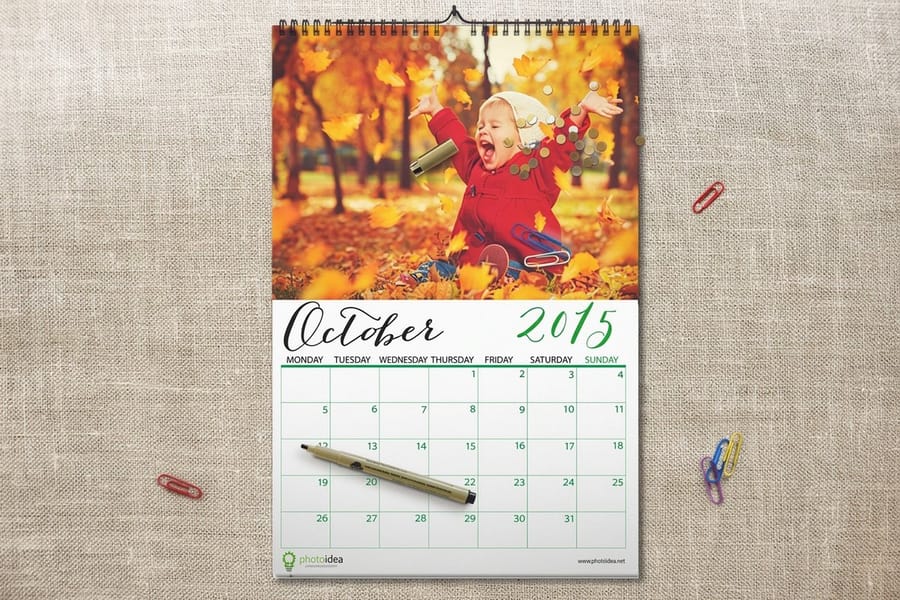
A planner is written in, usually one-handed, usually on a desk with the book half open. That single fact decides the binding question before aesthetics enter it: the book must lie flat on its own.
| Binding | How it opens | Durability in a bag | Best for |
|---|---|---|---|
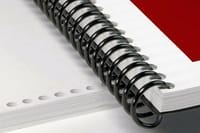
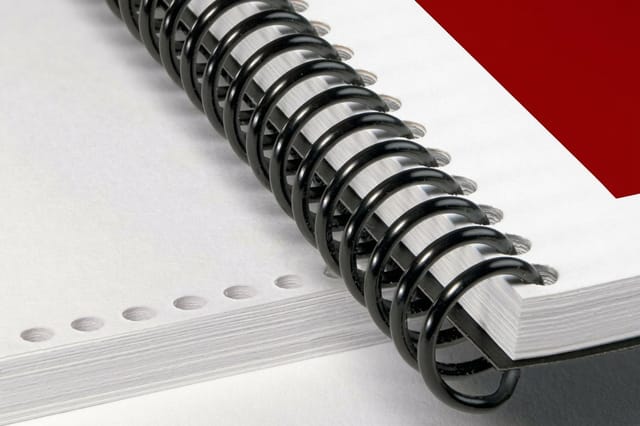
| Spiral coil | Folds back a full 360 degrees onto itself. | Plastic coil springs back after being crushed. | Daily-use planners that travel; the default choice. |
| Wire-O | Opens dead flat, facing pages stay aligned across the spread. | Metal loops can bend under a hard knock and stay bent. | Desk-bound planners where the two-page spread matters. |
| Perfect bound | Glued spine resists flat opening and springs shut. | Very good; nothing protrudes to snag or bend. | Planners meant to be read or gifted more than written in. |
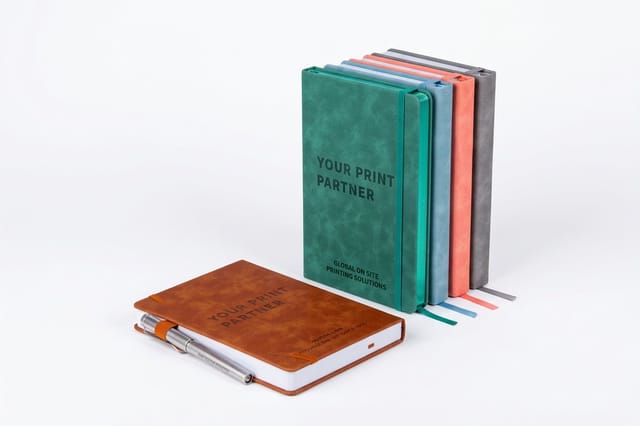
| Hardcover journal | Opens flat once the spine breaks in. | Best of all; boards protect the block. | Premium perpetual journals and executive gifts. |
Coil and Wire-O also print on the interior freely, since there is no gutter loss: the punched edge takes about a quarter inch, and everything else is usable. Perfect binding swallows part of the spread into the glued gutter, so layouts that cross the fold need extra inside margin. The deeper mechanics are in the complete guide to binding types, with Wire-O book printing and perfect bound book printing covered on their own pages. The same lay-flat logic drives Wire-O coil calendars, which is why wall calendars use the identical hardware.
Printing Your Own Perpetual Planner
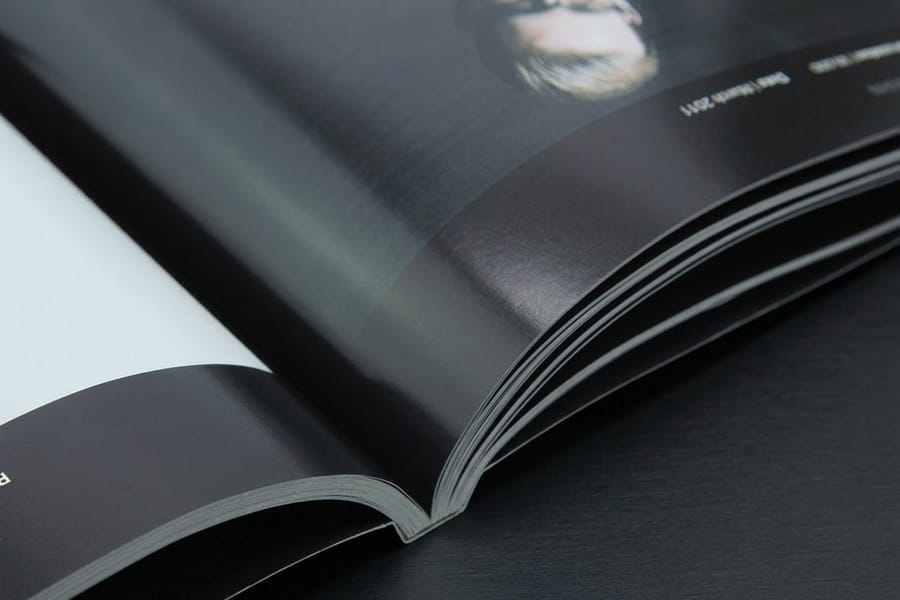
A perpetual planner is one of the easiest book products to print custom, because the interior is a small set of repeating page designs rather than 140 unique pages. You design one weekly spread, one monthly grid and one note page, and the press repeats them.
The stock choices matter more than the design software. For the interior, an uncoated text stock around 70 lb absorbs gel and fountain ink fast enough that a dragging hand does not smear it; glossy coated text holds wet ink on the surface and will. For the cover, a heavier cover stock with a matte or soft-touch laminate survives a year of handling; unlaminated covers scuff at the corners within weeks.
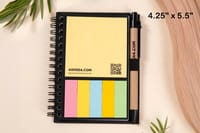
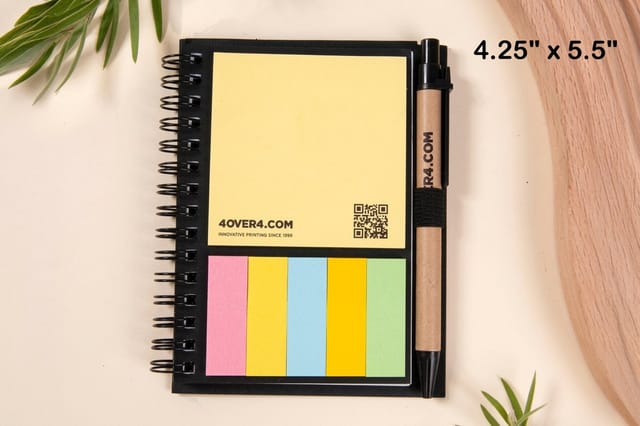
On formats and real starting prices at 4OVER4.COM: a deluxe spiral notebook starts at $5.00 and is the cheapest way to hold the format in your hands before committing. A custom spiral coil book run starts at $423.28 with your own cover and interior files, and a perfect bound book run at $375.05 for the bookstore look. For a premium undated journal, leather journals start at $10.00 each. Quantity pricing on notebook runs is broken down in our bulk notebook printing guide, and the wider notebook printing category shows every cover and coil option side by side.
Order one proof copy first, write in it for a week with the pens you actually use, then run quantity. A planner flaw you find on page three of a proof costs one book; the same flaw across a 250-copy run costs the run.
Wally explains perpetual planners
No dates printed, so no page is ever wasted
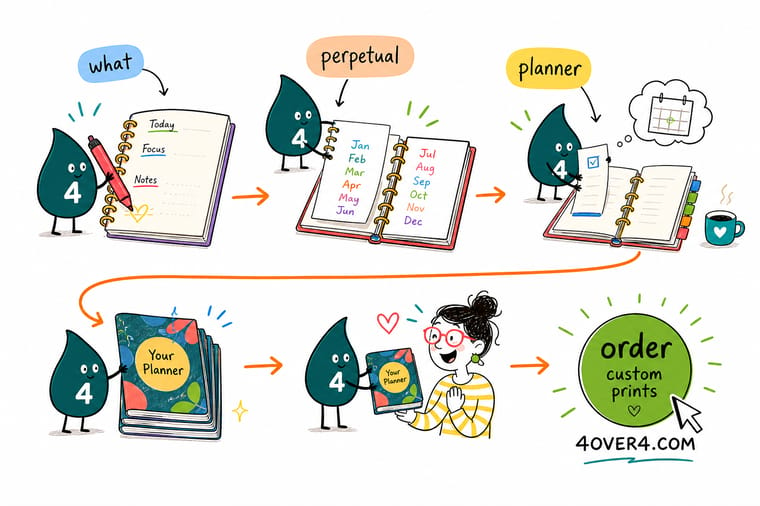
Wally opens a planner with blank date boxes, writes this week in at the top, and gets to work. When he disappears for two weeks in a print rush, he comes back to the next clean spread instead of a graveyard of crossed-out days. His planner folds back on its coil so he writes one-handed, and when he prints a run to sell, the boxes stay undated on purpose: that stock is worth full price in March, July or December.
Print a custom spiral notebook →Specs and pricing
Planner formats, sizes, and starting prices
Compare the notebook and book formats a perpetual planner prints on, with live configuration choices and starting prices straight from the 4OVER4.COM configurator.
Print it
Print an undated planner that outlasts the year
Explore more
Where to go next


By the numbers
Undated planners, journals and coil bound books
Common Questions
Your perpetual planner questions, answered
What is a perpetual planner?
A perpetual planner is an undated planner. The weekly and monthly layouts are printed without dates, and you fill in the month and day yourself as you go. Because nothing is tied to a calendar year, it starts whenever you start and never expires. The trade is a few seconds of writing dates at the top of each spread, in exchange for a planner that survives skipped weeks and works no matter when it was bought.
Should I choose a perpetual planner or a dated one?
Choose dated if you plan every single week and want appointments months ahead already anchored to real dates. Choose perpetual if your planning comes in bursts, if you are starting mid-year, or if you are printing planners to sell. For sellers the case is lopsided: dated stock has to be discounted or scrapped every January, while undated stock sells at full price in any month of any year.
How many pages does an undated planner need?
A full year of weekly spreads is 52 openings, which is 104 pages. Add 12 undated monthly overviews on their own spreads and a handful of note and goal pages and you land around 120 to 140 pages. Coil and Wire-O bind loose sheets, so any page count works. A saddle-stitched book needs page counts in multiples of four and gets bulky past 60 or so pages, which is why planners this size are coil, Wire-O or perfect bound instead.
What is the best binding for a planner?
Spiral coil or Wire-O, because both open dead flat and fold back on themselves, so you can write one-handed on a half-open book. Coil uses a plastic spiral that springs back after being crushed in a bag. Wire-O uses paired metal loops that keep facing pages perfectly aligned but can bend if stepped on. Perfect binding looks best on a shelf and photographs like a real book, but the glued spine resists opening flat, which is exactly wrong for daily writing.
What paper should a planner use if people write in it?
An uncoated text stock around 70 lb. Uncoated paper absorbs ink, so gel and fountain pens dry fast instead of smearing across the gutter. Glossy coated stock, the kind used in catalogs, holds wet ink on the surface where a left hand drags through it. Going heavier, to an 80 lb uncoated text, cuts ghosting from markers, at the cost of a slightly thicker, heavier book.
Can I print my own perpetual planner to sell?
Yes, and undated is the sensible way to start because the inventory never expires. At 4OVER4.COM a custom spiral coil book run starts at $423.28 and a perfect bound book run at $375.05, printed from your own cover and interior files. Start from a correctly sized blank template, order one short run to proof the layout in hand, then scale. A deluxe spiral notebook starts at $5.00 if you want a single sample of the format before committing to a run.
Get Started
Spiral coil books run 10 for $423.28, or $42.33 each
Upload your cover and interior, pick a coil or Wire-O binding that lies flat, and we print an undated planner you can use or sell in any month of the year.
Legal Disclaimer
Gold Standard guarantees apply to all standard orders placed through 4over4.com. Price match requires verifiable proof of a competitor's published price for an equivalent product with matching specifications and turnaround time. Satisfaction guarantee covers manufacturing defects and print quality issues. Contact support with order number and documentation. On-time delivery rate based on tracked orders 1999 to 2026. Individual results may vary based on shipping carrier performance.
