
Trade Show Poster Sizes and How Big to Go


Tobias is our voice for cutting, binding and large format, built from the knowledge of our production team, with over 20 years in printing.
The right show poster size depends on one thing: how far away your reader is standing. An aisle audience and a tabletop audience are different distances, and they take different sizes.
For trade show posters, size to the viewing distance: use 18 x 24 inches for a table or easel read up close, 24 x 36 inches as the default back-wall poster, and 30 x 40 inches for a statement wall in a 10 by 10 booth. For freestanding pieces, a 33 x 80 inch retractable banner owns a corner and an 8 by 8 foot step-and-repeat turns the whole back wall into branding.
Quick tips
Quick tips for sizing a trade show poster
Size to the reader, not the wall. Use 18 x 24 inches for tabletop signs read up close, 24 x 36 inches as the standard back-wall poster, and 30 x 40 inches when you want the wall to command the aisle. Add a 33 x 80 inch retractable banner for corners and an 8 by 8 foot step-and-repeat for a full-wall backdrop. Build every file at its finished size with proper bleed, and 4OVER4.COM prints it sharp on matte, fabric, or rigid stock to survive the show floor. Download a blank poster template at your size and the bleed and safe zone are already drawn for you.
Why trade show poster size decides whether anyone reads it
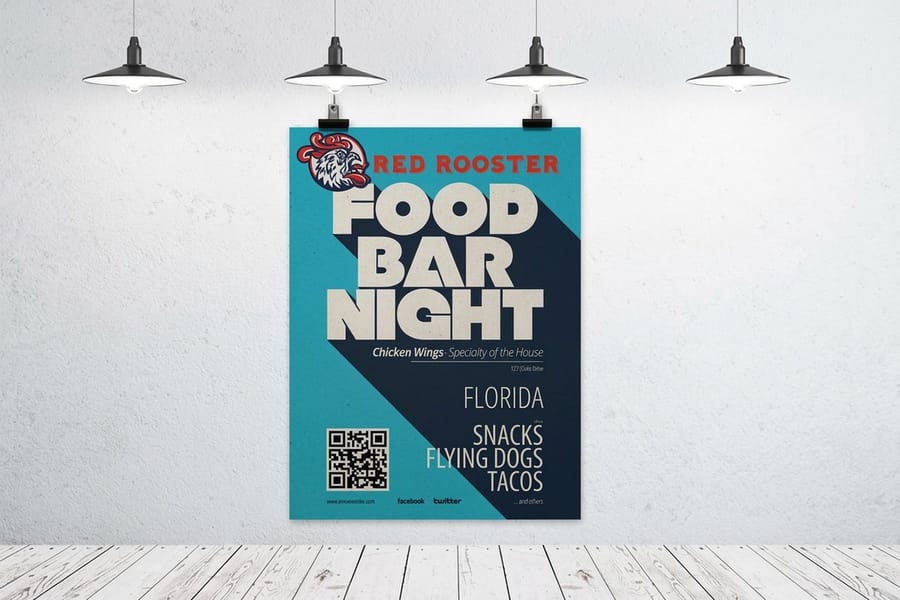
On a show floor your reader is a stranger walking a crowded aisle, past a hundred other booths, who gives your wall about two seconds. That stranger reads a back-wall poster from ten to fifteen feet away, so at one inch of capital-letter height per ten feet the headline needs letters of one to one and a half inches, and 24 x 36 inches is the smallest sheet that keeps them legible. Get the size right and your message lands before they reach you. Get it wrong and a beautiful design shrinks into wallpaper.
The mistake almost everyone makes is designing the poster on a screen and ordering whatever size looks balanced in the file. A layout that reads perfectly at arm's length on a laptop can be unreadable from fifteen feet away on a back wall. Size is not a finishing decision. It is the first decision, and it flows from one question: how far away is the person you want to reach?
This guide walks through the standard trade show poster sizes, how to match a size to viewing distance and booth zone, which format to use where, and how to build the file so a four foot print stays razor sharp. When you are ready to print, everything here ships from 4OVER4.COM trade show printing, and you can browse the wider poster and wall art range for the flat prints.
The standard trade show poster sizes, from tabletop to back wall
There is no single official trade show poster size, but a handful of dimensions do almost all the work. Learn these five and you can spec any booth.
- 18 x 24 inches. The tabletop and easel size. People read it from three or four feet, so it is ideal for a product spec sheet, a QR call to action, or a sign propped on the counter.
- 24 x 36 inches. The default back-wall poster. Big enough to carry a headline across the aisle, small enough to stay affordable when you order a few.
- 27 x 40 inches. The classic movie one-sheet size. A strong choice when you want a single hero image to feel cinematic and premium.
- 30 x 40 inches. The statement piece. This is where a 10 by 10 back wall really starts to command the space.
- 33 x 80 inches. Not a wall poster at all, but the standard retractable banner footprint. Vertical, freestanding, and unbeatable for a corner or an entrance.
Prefer ISO paper sizes? A1 is roughly 23.4 x 33.1 inches and A0 is roughly 33.1 x 46.8 inches, which map neatly onto the 24 x 36 and 30 x 40 slots above. For the full breakdown in both systems, our poster sizes in inches guide and the broader standard print sizes reference chart lay every dimension out side by side.
Match the size to viewing distance, not to the wall
The single most useful sizing habit is to size for the reader, then check that it fits the wall, in that order. Almost everyone does it backwards.
A reliable rule of thumb for signage legibility is about one inch of capital-letter height for every ten feet of viewing distance. A headline read from twenty feet away wants letters around two inches tall. Once you know the letter height your booth demands, the poster size follows, because those big letters need room to breathe around them. That is usually what pushes a back-wall piece from 24 x 36 up to 30 x 40.
Do not forget the reader who is standing right in front of you. Your booth has two audiences at once: the passer-by scanning from the aisle, and the visitor leaning in to learn more. A big hero poster wins the aisle, and a smaller 18 x 24 near the table handles the detail. If you want to go deeper on how resolution and letter size interact at scale, our guide on print resolution and DPI settings is the companion read.
Poster, banner stand, or backdrop: pick the format for the spot
Size and format are two different choices, and the format changes how a given size behaves in the space. The common trade show pieces earn their spot differently.
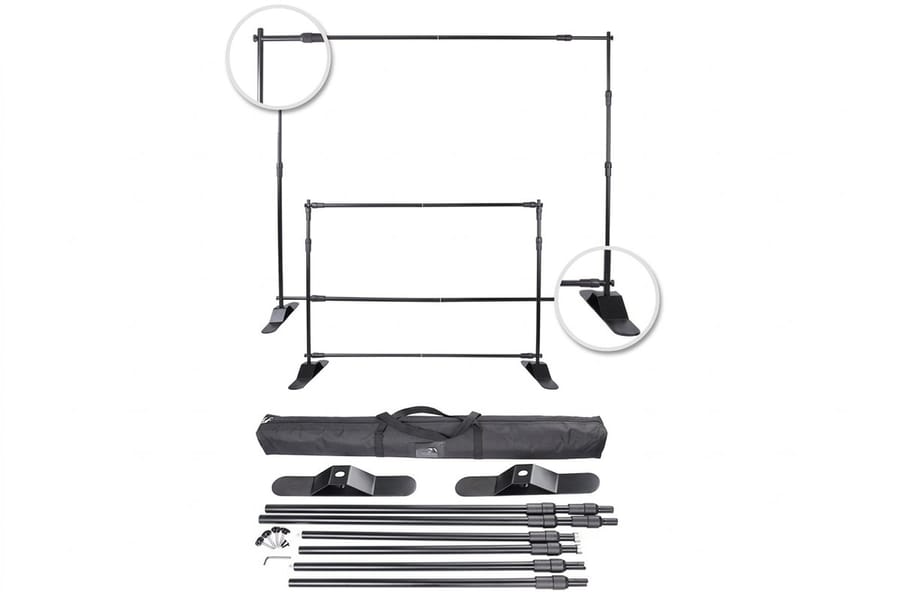
Flat posters at 18 x 24 through 30 x 40 cover framed, mounted and hanging displays. They are the cheapest way to fill a wall and the easiest to swap between shows. Mount them on foam board or hang them from a hanging poster display to keep them flat and wrinkle-free. If price decides the order, read how to find a cheap poster printer that still prints sharp.
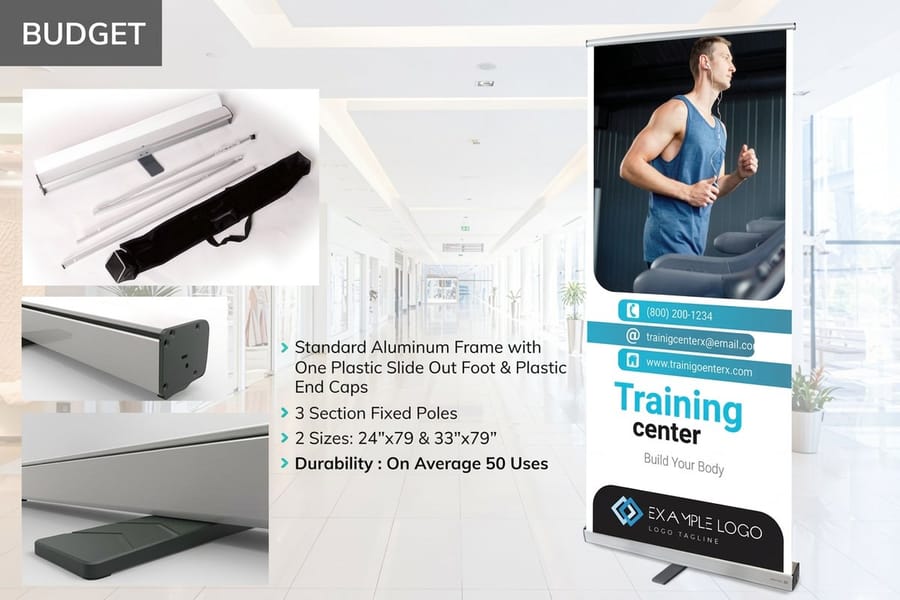
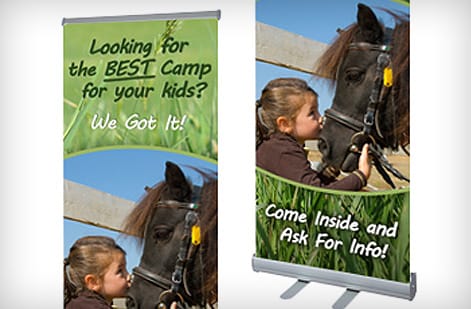
Retractable banner stands at 33 x 80 inches roll up into their own base and set up in seconds. They own a corner, flank an entrance, or bracket a screen. When you need several matching verticals, they beat posters on convenience every time. Compare the hardware in the banner stands range.
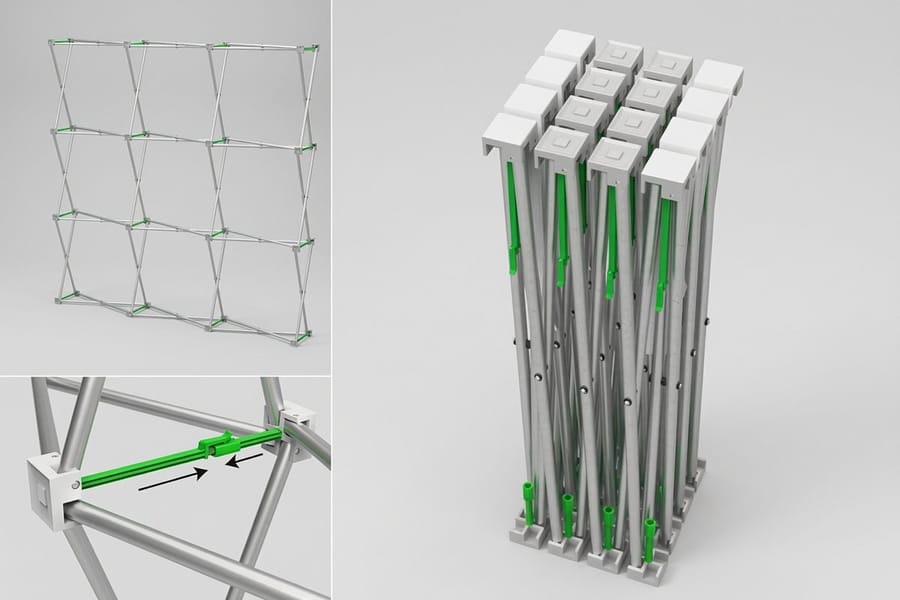
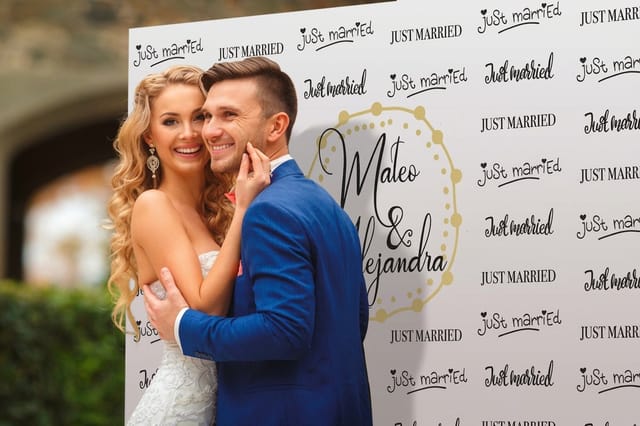
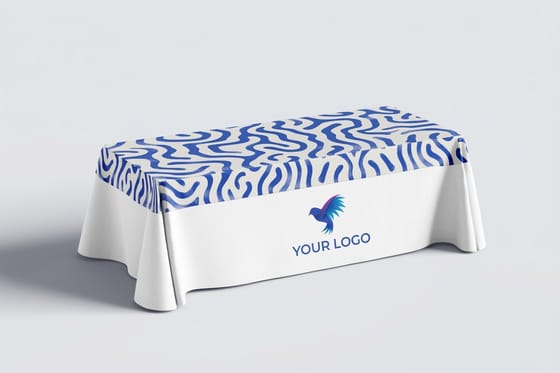
Step-and-repeat backdrops at 8 by 8 feet or larger turn the whole back wall into branding, and they double as a photo moment that puts your logo into every attendee's social feed. See the step-and-repeat banners for the full-wall option, and if a tall vertical flag would pull traffic from further down the aisle, feather flags and pop-up displays round out the kit.
Sizing a standard 10 by 10 booth, zone by zone
The most common inline booth is 10 feet wide by 10 feet deep, with a back wall roughly 8 feet tall. Once you picture that box, sizing gets simple because each zone has an obvious job.
- Back wall (the aisle magnet). Go big: a 30 x 40 inch poster cluster, or an 8 by 8 foot step-and-repeat backdrop. This is read from across the aisle, so headline first, detail never.
- Corners and entrance (the flankers). One or two 33 x 80 inch retractable banners frame the space and guide people in without eating floor room.
- Table and counter (the closer). An 18 x 24 poster on an easel, plus a table-top display, carries specs, pricing, and the QR code for people who have already stopped.
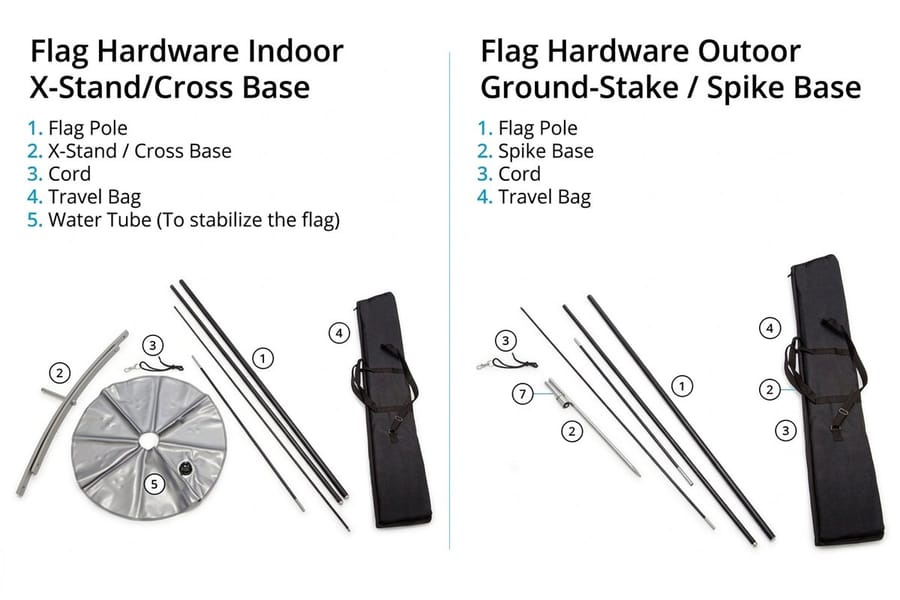
- Above and beyond (the landmark). A hanging sign or a feather flag lifts your brand above the crowd so people find you from three aisles over.
Planning your very first booth? Walk through our first-time exhibitor's trade show checklist before you order, and if you are weighing a full fabric or pop-up wall, which backdrop size should you get covers the freestanding options in detail.
Build the file to the finished size so it stays sharp

A poster that looks crisp on screen can print soft if the file was never built for its finished size. Large format is forgiving on resolution but ruthless on scaling, so set the file up right from the start.
Design at full scale where you can. A 24 x 36 inch poster should be a 24 x 36 inch document, or a clean half-scale at 12 x 18 that doubles without loss. Add the bleed the print file needs so nothing important sits on the trim edge. Our bleed and trim guide shows exactly how much room to leave.
Mind resolution at viewing distance. Because posters are read from feet, not inches, they do not need the 300 DPI a business card demands. A large banner can look perfect at a much lower resolution because the eye is far away, which is why a raster hero image can be pushed bigger than you would expect. Our deep dive on image resolution for printing explains where the limits actually are.
Use the right color mode. Screen art is RGB, print is CMYK, and the two do not match one-to-one, especially in punchy brand blues and greens. Converting early keeps your on-floor colors honest. Start with CMYK vs RGB for printing. If files are not your thing, the 4OVER4.COM online designer lets you lay a poster out at full size in the browser.
Stocks and finishes that hold up under booth lighting
Size gets the message read, but material decides whether the poster survives three days of setup, glare, and teardown looking like day one. Trade show lighting is harsh and unflattering, so the stock matters more than it does on an office wall.
Paper posters are the value pick for flat prints. Choose a matte or satin poster stock to kill the hot-spot glare that gloss throws under spotlights. Our matte vs gloss finish comparison breaks down which reads cleaner from a distance.
Fabric is the road-warrior choice for backdrops and tension displays. It folds without creasing, packs light, and its low-glare surface photographs beautifully, which is why step-and-repeat walls are almost always fabric. Add a laminate to a paper poster instead when you want a rigid, scuff-proof finish.
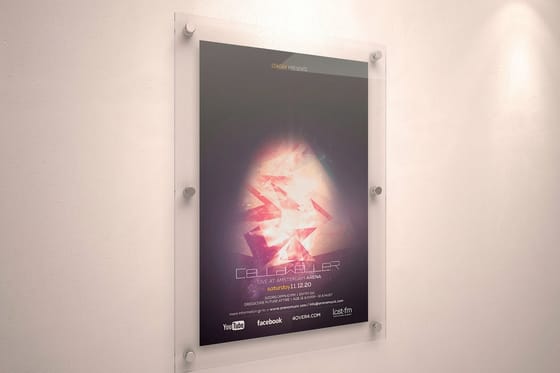
Rigid mounting on foam board or a rigid substrate keeps a poster dead flat with no curl, which is the difference between a professional booth and a homemade one. Mounted and framed posters travel well and stand on an easel without hardware. For inspiration on what real customers print, browse the 4OVER4.COM poster showcase and the banner stand display gallery.
Sizing mistakes that quietly sink a booth
Even seasoned exhibitors trip over the same few sizing errors. Sidestep these and your graphics do the heavy lifting so your team can focus on conversations.
Designing for the file, not the floor. A layout balanced on a monitor is not balanced from fifteen feet. Zoom your artwork out until it fills a thumbnail and check that the headline still hits. If it disappears, size up or cut words.
Cramming a big-poster amount of copy onto a small poster. The bigger the reading distance, the fewer words you get. A back-wall poster should carry one idea, not a paragraph. Move the detail to the 18 x 24 near the table.
Ordering one size for every zone. A booth is not one wall. Mixing a hero size on the back with a compact size at the table is what makes a space feel designed rather than papered.
Forgetting the vertical dimension. People look up in a crowd. A feather flag, a hanging sign, or a tall retractable banner is often what gets you spotted first. See how a typical event banner size compares before you commit, and skim vendor table display ideas for the up-close zone. For the stand itself, our retractable banner design ideas show what reads on a 33 x 80 inch face.
How to choose your trade show poster size in five steps
Put it all together and the decision takes about ten minutes. Work through these five steps in order and you will land on the right size the first time.
- Step 1: Map the reading distance. Note how far away each poster will be read from, aisle versus table, and write those distances down.
- Step 2: Set the headline height. Apply the one-inch-per-ten-feet rule to your longest reading distance to fix the minimum letter height.
- Step 3: Pick the size around that headline. Choose 18 x 24 for the table, 24 x 36 or 30 x 40 for the wall, and 33 x 80 for a freestanding vertical.
- Step 4: Choose the format and material. Flat poster, retractable banner, or fabric backdrop, then matte paper, laminate, fabric, or rigid mount to match the lighting and the travel.
- Step 5: Build, price, and order. Set the file to the finished size, drop it into the configurator, and the live price and timeline appear before you check out.
Want a longer walk-through of the creative side once the size is locked? How to design a poster in 8 steps and how to make posters pick up where this leaves off, and where to print posters covers turnaround and delivery. When the sizes are set, order the whole booth from 4OVER4.COM trade show printing.
Wally explains poster sizing
The right size is the one your reader can actually read
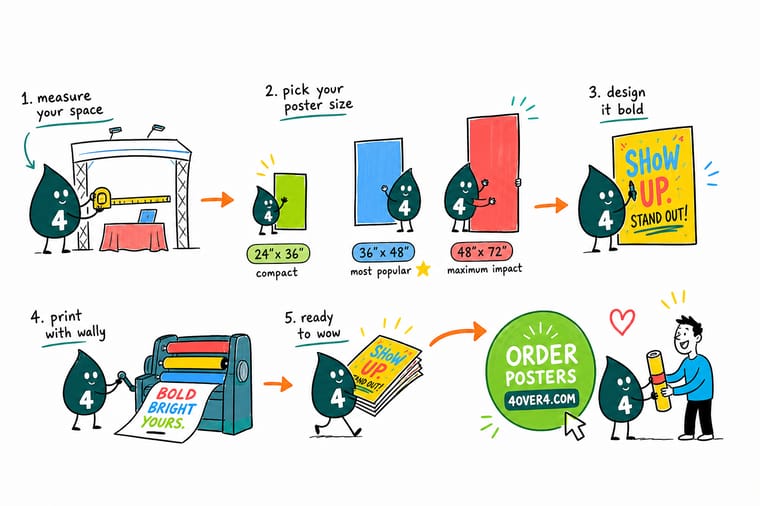
Wally has one rule for the show floor: size the poster for the person, not the wall. A print read from the table can be small, a print read across the aisle has to be big, and a headline needs about an inch of height for every ten feet of reach. Nail the reading distance and the size chooses itself. When you know your numbers, print the whole booth, posters, backdrops, and banner stands, at 4OVER4.
Order custom posters →
Specs and pricing
Custom poster specs and live pricing
Our custom posters come in six sizes from 11 x 17 to 22 x 28 inches, on nine stocks from 100# gloss text to 15pt synthetic plastic, starting at $108.75 for 50. That covers the table and easel zone. For the 24 x 36 and 30 x 40 inch back-wall sizes, order large format posters, which run up to 48 x 96 inches.

| Quantity | Price Per Unit | Total |
|---|---|---|
| 50 | $2.18 | $108.75 |
| 100 | $1.64 | $163.67 |
| 200 | $1.01 | $202.11 |
| 300 | 80.2¢ | $240.55 |
| 400 | 69.7¢ | $278.99 |
| 500 | 63.5¢ | $317.44 |
| 600 | 55.8¢ | $335.02 |
| 700 | 50.4¢ | $352.59 |
Print it
Print your booth graphics at 4OVER4

See it in use
Show graphics we printed for exhibitors
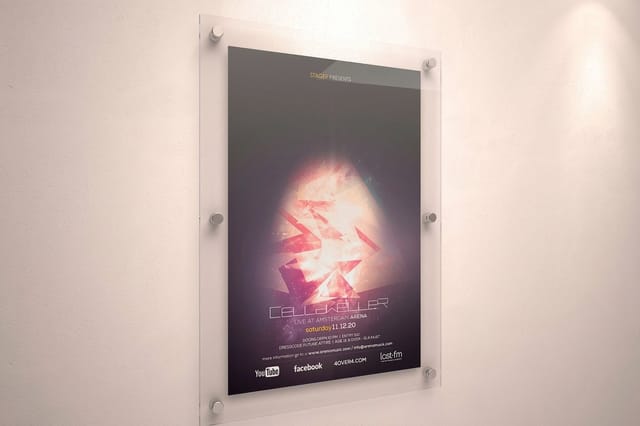
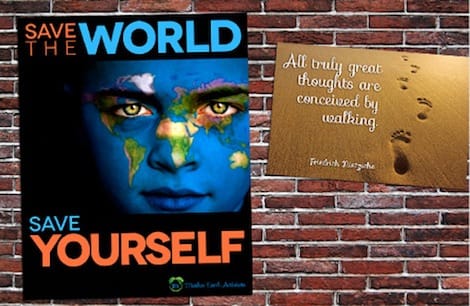
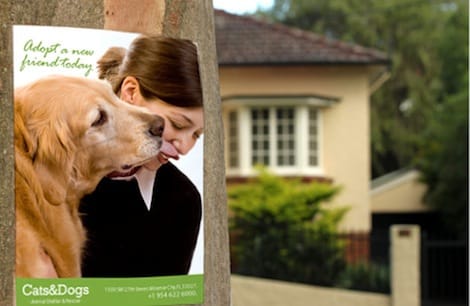
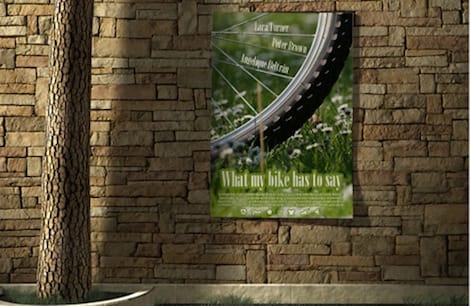
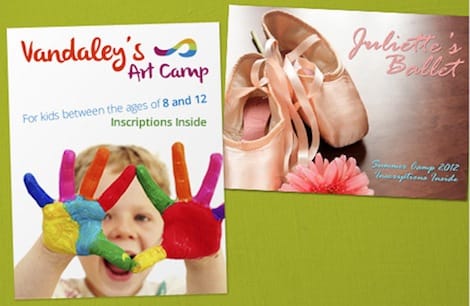
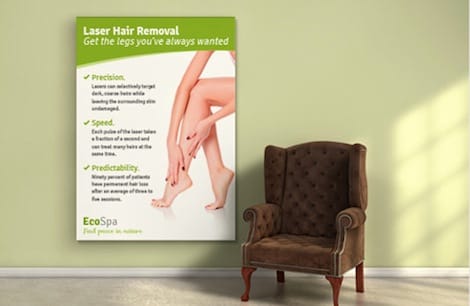
Real posters off our press. Flat posters cover 11 x 17 to 22 x 28 inches for the table, and large format posters on semi gloss, canvas, vinyl or weatherproof polypropylene take over from 24 x 36 inches for the wall.




Explore more
Where to go next
By the numbers
Hanging displays at $53.83, feather flags at $108.75
Common Questions
Common questions about trade show poster sizes
What size is a typical show poster?
A typical show poster is 18 x 24 inches, which is 45.7 x 61 cm, the size that fits a venue window, a lobby easel and most community noticeboards without curling at the corners. Under it sits 11 x 17 inches, 27.9 x 43.2 cm, the high-quantity size for indoor corkboards you read from two feet away. Over it sits 24 x 36 inches, 61 x 91.4 cm, the street level size people read while walking past. Trade show booths climb the same ladder, 18 x 24 on the table and 24 x 36 or larger on the back wall.
What size poster should I print for a gig or concert?
Print 11 x 17 inches when you are papering a lot of indoor boards and want the highest count out of the run, 18 x 24 inches for venue windows and box office displays, and 24 x 36 inches for the one or two street facing spots where the poster has to land from across the sidewalk. A common split for one show is a large run of 11 x 17 for the neighborhood, 25 to 100 copies of 18 x 24 for the venues on the bill, and a handful of 24 x 36 for the front of house. Whichever you pick, set the headline at about one inch of capital-letter height for every ten feet of viewing distance, keep the date and venue in that same size band, and build the file at the finished size with bleed.
What is a standard trade show poster size?
For flat posters the two common sizes are 18 x 24 inches and 24 x 36 inches. 18 x 24 is the easel and tabletop size people read from a few feet away, and 24 x 36 is the go-to for a back wall where the aisle is your audience. Larger booths often step up to 27 x 40 or 30 x 40 inches, and full backdrops jump to an 8 by 8 foot step-and-repeat. If you are working in ISO paper sizes, A1 lands close to 23.4 x 33.1 inches and A0 close to 33.1 x 46.8 inches.
How far back will people stand from this poster?
Start with how far away your reader is standing, not with the size chart. A poster on the booth table is read from three or four feet, so 18 x 24 is plenty. A poster on the back wall is read from ten to fifteen feet across the aisle, so 24 x 36 or larger keeps the headline legible. A quick rule of thumb is about one inch of capital-letter height for every ten feet of viewing distance, then size the artwork up around that headline.
What does a trade show poster cost and how is the price set?
Price is driven by the finished dimensions, the material, the quantity, and any finishing you add. At 4OVER4.COM large format posters start around $25, mounted posters around $39.99, and retractable and step-and-repeat display systems scale up from there because they include the hardware. The exact figure updates live in the online configurator the moment you set your size, stock, and quantity, so you never guess.
What sizes, stocks and finishes are available for trade show posters?
You can print anything from a compact 18 x 24 inch poster to a 30 x 40 inch statement piece, plus custom large format dimensions on request. Stocks range from photo-satin and matte poster paper to tear-resistant fabric and rigid foam board for freestanding signs. Finishes include matte, gloss, and laminate for extra durability under booth lighting, plus mounting options for a rigid, warp-free display.
How long does it take to print and ship trade show posters?
Turnaround depends on the product, the size, and the quantity, and larger display systems take a little longer than flat posters because the hardware is assembled to order. The good news is you do not have to guess: the online configurator shows the production and shipping timeline for your exact order before you check out, so you can plan backward from your event date with confidence.
Get Started
Order a hanging poster display at $53.83
Pick your size, drop in your artwork, and we print sharp, show-ready posters and displays that read clean across the busiest hall.
Legal Disclaimer
Gold Standard guarantees apply to all standard orders placed through 4over4.com. Price match requires verifiable proof of a competitor's published price for an equivalent product with matching specifications and turnaround time. Satisfaction guarantee covers manufacturing defects and print quality issues. Contact support with order number and documentation.
