
The Complete Guide to Copyright Infringement on Stickers and Labels


What is legal to print and sell on stickers, decals, and labels, explained without the legalese. Learn where the risk lives, why fair use is not a loophole, and the three kinds of designs you can always sell.
You can safely sell stickers and labels using original art you created, properly licensed designs, or public-domain work. Copyright protects creative works and trademark protects brand marks, so reproducing a character, logo, or found image is high risk. Fair use is a case-by-case defense, not a free pass. This guide is general information, not legal advice.
Start here
What you may legally print and sell
You can sell stickers and labels made from original art you created, properly licensed designs, or public-domain work. Copyright protects creative works and trademark protects brand identifiers, so reproducing a character, a logo, or a found image is high risk. Fair use is a case-by-case defense, not a loophole for selling copies. Build on the three green lights and print with confidence. The decision flow below maps it at a glance. This guide is general information, not legal advice.
What the law actually protects on a sticker
Before you sell a single sticker, it helps to know what the law protects and what it does not. Two systems matter here. Copyright protects original creative works: the illustration, photograph, character, or artwork on the sticker. Trademark protects brand identifiers that tell a customer who made something: a company logo, a brand name, a distinctive slogan. A single sticker can bump into copyright, trademark, or both at once.
One principle clears up a lot of confusion: you cannot copyright an idea, only a specific expression of it. A generic concept, a heart, a sunset, a coffee cup, is free for anyone to draw. A particular artist original rendering of that concept is protected. The line is originality and fixed expression, which is exactly why your own original sticker art is protected the moment you create it, and why copying someone else specific design is not allowed.
None of this should scare you off selling stickers. It should focus you. Once you understand that the risk lives in reproducing other people creative work or brand marks, the path to a clean product becomes obvious: sell designs you own. When your art is original, licensed, or public-domain, you can print custom die-cut stickers and vinyl stickers and sell them with confidence. This guide is general information, not legal advice.
Copyright, trademark, and fair use
Sorting a design into the right bucket tells you where the risk is. If the concern is the art itself, an image, a drawing, a character, you are in copyright territory. If the concern is a brand identifier, a logo, a company name, a recognizable mark, you are in trademark territory. Many sticker problems combine both, such as fan art of a character that also carries a studio logo.
Fair use is where most sellers get into trouble, because it is widely misunderstood. Fair use is a legal defense, not a blanket permission, and it is judged case by case on four factors: the purpose and character of the use including whether it is commercial and transformative, the nature of the original work, how much of it you used, and the effect on the market for the original. Genuine commentary, criticism, and parody can qualify. Simply reproducing a beloved character on a sticker you sell is commercial, uses the heart of the work, and competes with official merchandise, which is why it rarely qualifies.
The practical takeaway: do not treat fair use as a loophole for selling copies of someone else work. If a design depends on protected art or a brand mark you cannot license, the safer move is to create an original take instead. That keeps your custom labels and stickers clean and your shop off a marketplace takedown list.
The situations that get sticker sellers in trouble
Certain scenarios come up again and again, and recognizing them is half the battle. The first is fan art of a character: taking a cartoon, film, or game character and selling stickers of it. Characters are protected by copyright and often trademark too, so even a hand-drawn version made from scratch can infringe, because it reproduces the protected character. This is one of the most common and most costly mistakes on marketplaces.
The second is using a brand logo or wordmark. Putting a well-known company logo on a sticker you sell can imply endorsement or cause confusion about who made the product, which is the core of a trademark claim. The third is a photo or artwork found online. Most images on the internet are owned by someone, and found does not mean free. Using a photographer image or an illustrator work on a sticker without a license is straightforward copyright infringement.
The pattern across all three is the same: the design reproduces creative work or a brand mark that belongs to someone else. When a seller receives a complaint, the usual outcome is a takedown, a demand to stop and destroy inventory, and sometimes a claim for damages. Avoiding these situations is not about fear, it is about building a product on art you actually own. For the mechanics of turning your own design into a finished product, see how to make stickers.
What you can safely design and sell
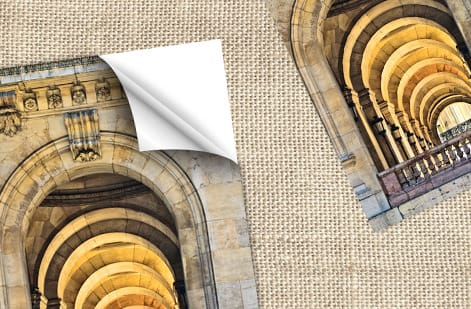
Here is the good news that this whole guide builds toward: there are three green lights, and together they give you an unlimited runway. First, original art you created yourself. Draw it, design it, or photograph it from scratch and it is yours to reproduce and sell, protected by copyright the moment you make it. This is the foundation of a sticker line you fully control.
Second, properly licensed designs. A license from the rights holder grants permission to use protected work, so licensed art, fonts, and images are safe as long as you honor the terms, including any limits on quantity or use. Keep the paperwork. Third, public-domain work, meaning designs whose copyright has expired or that were dedicated to the public. Confirm the status before you rely on it, but classic public-domain art is a rich, legal source.
Build your line on those three and the legal fear disappears. You are free to make original brand stickers, custom die-cut shapes, waterproof vinyl stickers, and product labels in any material, then sell them anywhere. Choosing the right material for how your sticker gets used is covered in our guide on sticker materials, and if your product is food or beverage, the FDA food labeling guide covers the extra label rules. The specs and pricing panel below shows exactly what a run of custom stickers costs.
Wally keeps your sticker line clean
Sell what you own, and sell it with confidence
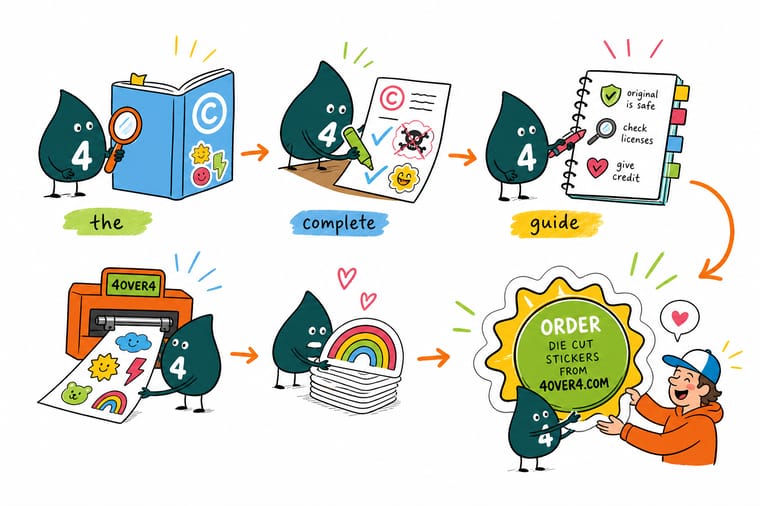
Wally has a simple rule for stickers: if you did not create it, license it, or find it clearly in the public domain, do not sell it. Characters, brand logos, and found images belong to someone, and fair use is not a loophole for selling copies. Build your line on original art and the legal worry disappears. When your design is clean, Wally helps you print it in any material, ready for your shop.
Print your original stickers →Quick reference
Safe to sell or high risk, at a glance
A fast reference for the designs sticker and label sellers ask about most. When in doubt, choose an original design you own. This is general information, not legal advice.
| Design source | Risk level | Why |
|---|---|---|
| Your own original art | Safe to sell | Art you created from scratch is yours to reproduce and sell. This is the cleanest path and the foundation of a sticker line you fully control. |
| Licensed designs | Safe with a valid license | A license from the rights holder grants permission to use protected work. Keep the paperwork and honor its limits on quantity and use. |
| Public-domain work | Generally safe | Works whose copyright has expired, or that were dedicated to the public, are free to use. Confirm the status before relying on it. |
| A brand logo or wordmark | High risk | Trademarks protect brand identifiers. Putting a company logo on a sticker you sell can imply endorsement and invite a trademark claim. |
| A cartoon or film character | High risk | Characters are protected by copyright and often trademark too. Selling fan art of one without a license is a common and costly mistake. |
| A photo or artwork you found online | High risk | Most images online are owned by someone. Found does not mean free. Use it commercially only with a license or clear public-domain status. |
Step by step
Clear your design in 6 steps
- Ask who created the design If the answer is you, from scratch, you are on solid ground. If it is anyone else, a brand, an artist, a studio, a photographer, treat it as protected until you confirm otherwise.
- Separate copyright from trademark Decide whether the design is a creative work (copyright) or a brand identifier like a logo or name (trademark). Many sticker problems involve both at once.
- Check for a license or public-domain status If the work is not yours, look for a license that grants commercial use, or verify the work is genuinely in the public domain. Keep the documentation.
- Be honest about fair use Fair use covers genuine commentary, parody, or transformation, judged on four factors. Reselling a copy of someone else art almost never qualifies, so do not lean on it as a loophole.
- When in doubt, redesign or get permission If a design depends on protected work you cannot license, create an original take instead, or contact the rights holder for permission. An original design is always the safer product.
- Print your clean design and sell with confidence Once your art is original, licensed, or public-domain, upload it and order custom stickers, decals, or labels in the material your product needs.
Specs and pricing
Custom sticker specs and live pricing
Once your design is clean, material, shape, size, and quantity set the price. Here are the live specs and price-per-unit for die-cut stickers at 4OVER4.COM, straight from the configurator.
| Quantity | Price Per Unit | Total |
|---|---|---|
| 25 | $3.73 | $93.37 |
| 50 | $1.91 | $95.56 |
| 100 | 100.0¢ | $99.95 |
| 200 | 56.3¢ | $112.59 |
| 300 | 41.4¢ | $124.13 |
| 400 | 33.9¢ | $135.65 |
| 500 | 29.2¢ | $146.10 |
| 600 | 26.4¢ | $158.17 |
Print it
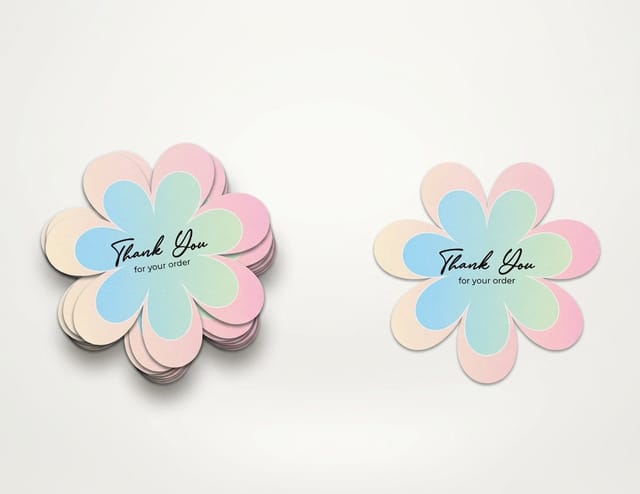
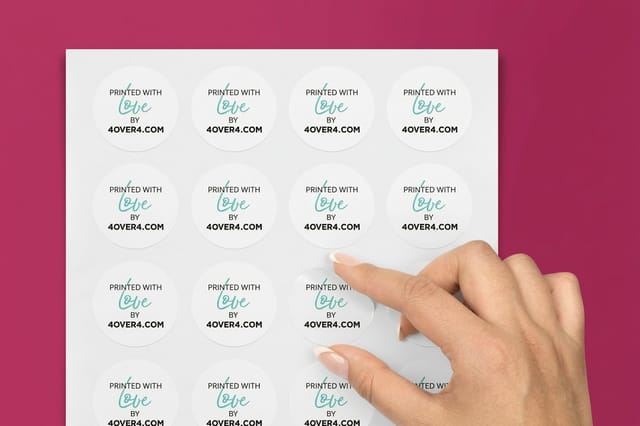
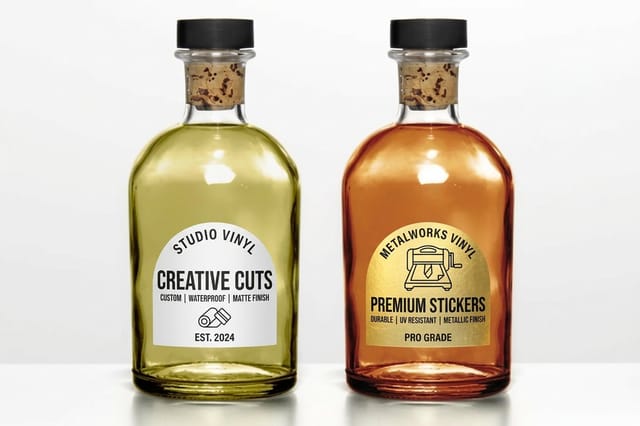
Print stickers and labels you fully own
See it in use
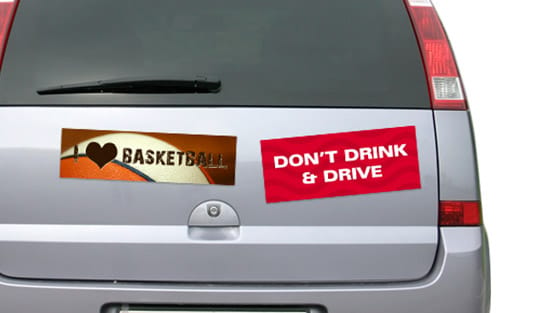
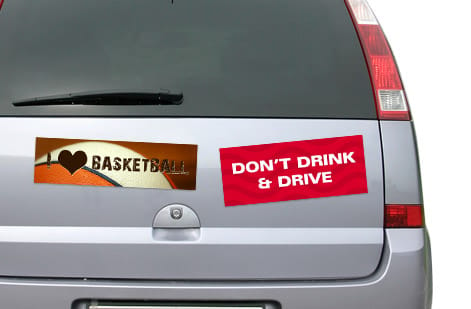
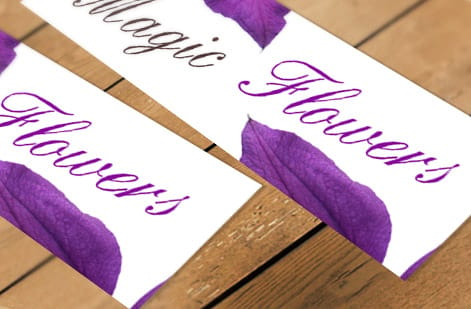
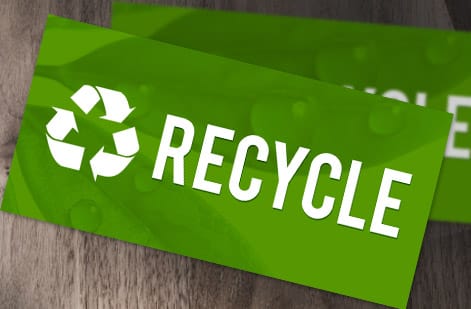
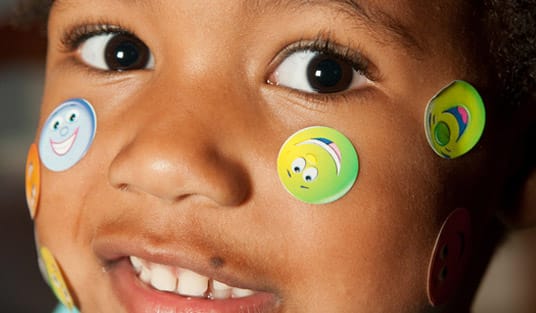
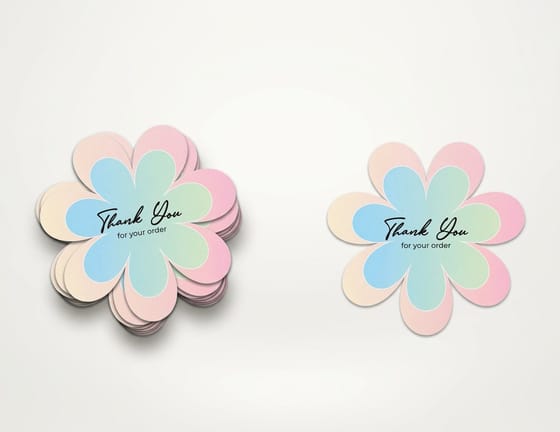
Die cut stickers customers had printed
Explore more
Where to go next

By the numbers
Sticker stocks and the record behind an original design run
Common Questions
Common questions about sticker and label copyright
Can I get sued for using copyrighted material on stickers I sell?
Yes. If you print and sell stickers that reproduce someone else copyrighted art, a photograph, an illustration, a cartoon character, or that use a protected logo or brand name, the rights holder can send a cease-and-desist, demand you stop and destroy inventory, and in some cases pursue damages. The risk is real whether you sell one sticker or thousands, and marketplaces routinely remove listings and suspend sellers over infringement complaints. The safe path is to sell only designs you created, properly licensed, or that are genuinely in the public domain. This guide is general information, not legal advice; consult an attorney for your specific situation.
What is the difference between copyright and trademark on a sticker?
Copyright and trademark protect different things, and a sticker can run into either or both. Copyright protects original creative works, so the art, illustration, photograph, or character on a sticker is a copyright matter. Trademark protects brand identifiers that tell customers who made something, so a company logo, brand name, or slogan on a sticker is a trademark matter. A sticker that reproduces a cartoon character wearing a brand logo could implicate both at once. Understanding which one applies helps you see where the risk is and how to clear it, whether that means licensing the art or avoiding the brand mark.
Does fair use let me sell fan-art stickers?
Usually not. Fair use is a legal defense, not a blanket permission, and courts weigh four factors: the purpose and character of the use including whether it is commercial and transformative, the nature of the original work, how much of it you used, and the effect on the market for the original. Genuine commentary, criticism, or parody can qualify, but selling stickers that simply reproduce a beloved character or artwork is commercial, uses the heart of the work, and competes with official merchandise, which cuts against fair use. Treat fan art as high risk unless you have a license, and when in doubt, create an original design instead.
Can I copyright my own handmade sticker or label design?
Yes. Original artwork you create is protected by copyright automatically the moment it is fixed in a tangible form, which includes your sticker or label design. Registration is not required for protection, but registering with your national copyright office strengthens your ability to enforce your rights and pursue damages if someone copies you. So the same rules that protect other artists protect you: once you have created an original design, others generally cannot reproduce and sell it without your permission. Keep dated files of your work as evidence of authorship.
Can a sticker or label be trademarked?
A sticker or label design can involve trademark in two ways. If the sticker functions as a brand identifier, for example a logo sticker that identifies your company, that logo can be protected as a trademark through use and registration. Separately, using someone else registered trademark on a sticker you sell can infringe their rights if it implies endorsement or causes confusion about the source. So you can build and protect your own brand marks on stickers and labels, while being careful not to use other companies marks. For your own brand, registering the mark you use consistently gives you the strongest protection.
What designs are always safe to sell on stickers and labels?
Three categories give you a clear green light. First, original art you created yourself from scratch, which you own outright. Second, designs you have properly licensed from the rights holder, as long as you honor the license terms. Third, work that is genuinely in the public domain, meaning its copyright has expired or it was dedicated to the public, though you should confirm the status before relying on it. Build your sticker and label line on those three foundations and you can print and sell with confidence. When your design is clean, 4OVER4.COM prints custom stickers, decals, and labels in every material, ready for your shop.
Get Started
25 die-cut stickers cost $93.37 once the art is yours
When your design is original, licensed, or public-domain, print it at 4OVER4.COM in any material. Set the shape, size, and quantity and watch your price update live.
Legal Disclaimer
Gold Standard guarantees apply to all standard orders placed through 4over4.com. Price match requires verifiable proof of a competitor's published price for an equivalent product with matching specifications and turnaround time. Satisfaction guarantee covers manufacturing defects and print quality issues. Contact support with order number and documentation. On-time delivery rate based on tracked orders 1999 to 2026. Individual results may vary based on shipping carrier performance.
