
Building a Sticker Pack That Sells Without Ordering Thousands


Four or five designs, one material, one order. A sellable pack assembles at low quantity, one format costs less than the other, and there is a trade you make when you gang everything onto a single cut file.
Build the pack as one order, not five: choose a single material and a single size envelope, put all four or five designs on one cut file, and collate them behind a printed backing card. Ordering each design separately is what makes a small run expensive, because setup is charged per order rather than per design. A kiss cut sheet is the cheapest format because nothing has to be sorted afterward, die cut singles feel better in the hand and cost more in labor, and the stock choice is decided by where the sticker will be applied rather than by price.

Quick answer
One cut file, one material, one collation session
The pack is the product, and the order is what makes it cheap or expensive. Gang every design onto a single cut file so the setup is paid once. Keep every design inside one size envelope so the pack collates flat and mails as a letter. Choose paper stock for anything that lives indoors and a laminated film face for anything that meets water or sun. Then put a printed backing card behind the set, because that card is what turns loose stickers into something a shop can stock and a buyer can photograph.
Gang the Whole Pack Into One Order
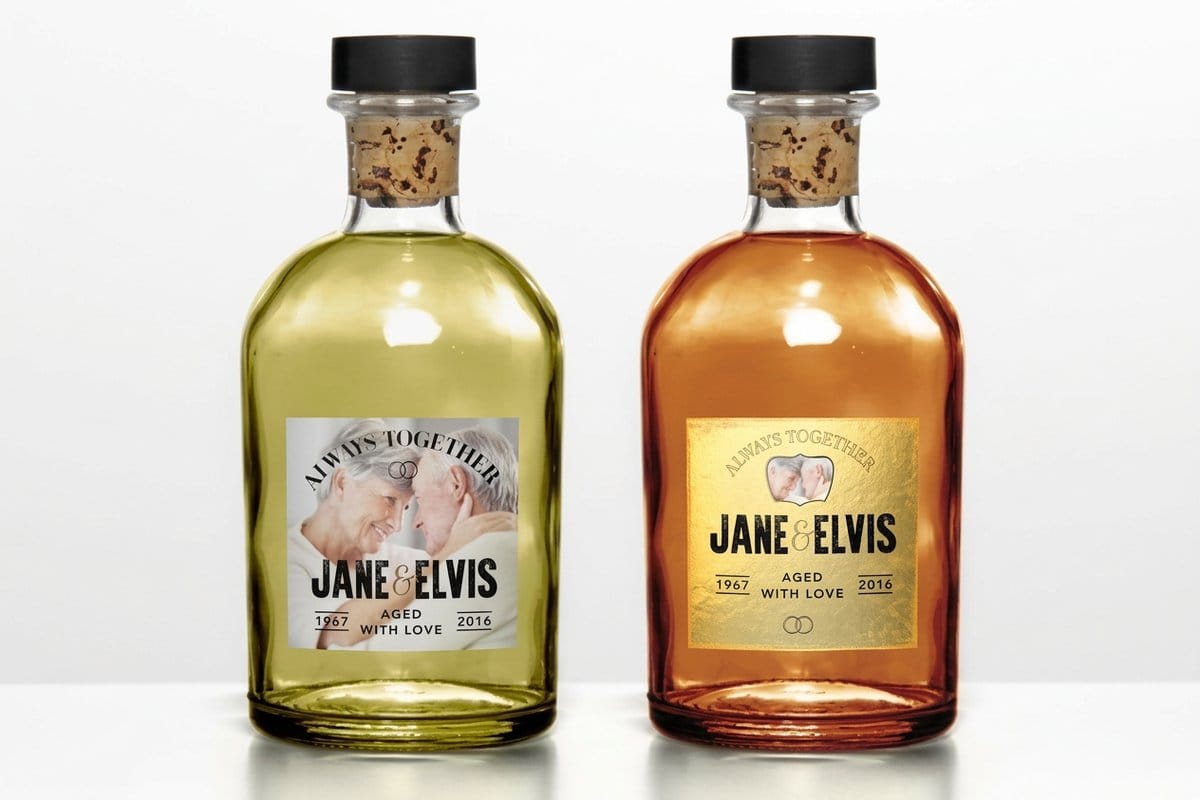
Decide the pack first and the printing second. Pick one material, one trim size envelope that every design fits inside, and one cut file that holds all four or five shapes. That single decision is what makes a small run affordable, because setup is charged against the order, not against each design in it.
Makers usually discover this the expensive way. Five designs ordered as five separate small jobs pay for five setups, five minimum quantities and five shipments, and the per sticker price lands somewhere that makes the whole idea look unworkable. The same five designs sitting side by side on one file behave like a single job of the combined quantity. Nothing about the artwork changed. Only the order did.
The trade off is honest and you should know it going in: a ganged order is rigid. Once the five designs are on one file you cannot cheaply reprint just the one that sold out, because a reprint is a new order with its own setup. So think about the split before you submit. If you know from experience that one design will outsell the others two to one, print that ratio in the first run rather than printing four equal piles and hoping.
Start from a shape and size that already exists in our catalog rather than inventing one. Standard custom labels start at $23.88 and cover the common rectangles, circles and ovals, and the custom shape and die cut collection lists everything we cut to a shape rather than a rectangle. If you are still choosing a size, the sticker and decal size chart gives you real dimensions to design against instead of guesses.
Sheet, Singles, or a Roll: Pick the One Your Buyer Handles

The format changes the price more than the design does, and it changes what the buyer feels when the envelope opens. Four formats are worth knowing before you commit a cut file.
| Format | How it is made | Cost at low quantity | Where it fails |
|---|---|---|---|
| Kiss cut sheet | All designs on one sheet, cut through the face and adhesive only. Liner stays whole. | Lowest, because nothing has to be sorted after cutting. | Feels like a sheet, not a collection. Buyers who wanted individual stickers say so. |
| Die cut singles | Cut through the liner as well, so each sticker is its own piece with a small border. | Higher, mostly in collating rather than printing. | Loose stickers slide around in the envelope unless the pack is banded or sleeved. |
| Roll | Continuous liner, one design repeating, wound on a core. | Efficient only at real volume of a single design. | Wrong shape for a multi design pack. It is a packaging format, not a retail one. |
| Hybrid pack | One kiss cut sheet plus one or two die cut hero stickers. | Middle, and usually the best value per perceived dollar. | Two line items to order, two things to keep in stock. |
Read the last column before the third. Most maker packs that get returned or reviewed badly are not badly printed, they are the wrong format for what the listing photo promised. If your product photo shows four separate stickers fanned out, ship four separate stickers.
The hybrid is worth a serious look for a first pack. One kiss cut sheet carries the small designs at sheet economics, and a single large die cut sticker gives the buyer the individual piece they wanted. Custom labels start at $25 and handle the shaped pieces. If you are weighing shaped stickers against the plain rectangle, the bumper sticker size guide is a useful sanity check on which sizes people reach for.
Paper or Film, and the Stock That Ruins a Pack

Two stock families cover almost every sticker pack, and choosing the wrong one is the single most common way a maker ends up with a refund request.
- Paper label stock takes ink beautifully, cuts cleanly, and costs the least. It belongs on jars, boxes, seals, hangtags and anything that lives indoors and gets thrown away with the packaging.
- Film face stock, laminated survives water, handling and sun for far longer. It belongs on water bottles, laptops, car glass, bike frames and toolboxes, which is precisely where buyers put the stickers they paid for.
Here is the failure mode. A maker prints a beautiful pack on paper stock because it quoted cheaper, a buyer puts one on a travel mug, the mug goes in the dishwasher, and the sticker comes off in gray shreds. The printing was fine. The stock was never going to hold. If the pack is going to be applied to anything that meets water, pay for the film face and the laminate and price the pack accordingly.
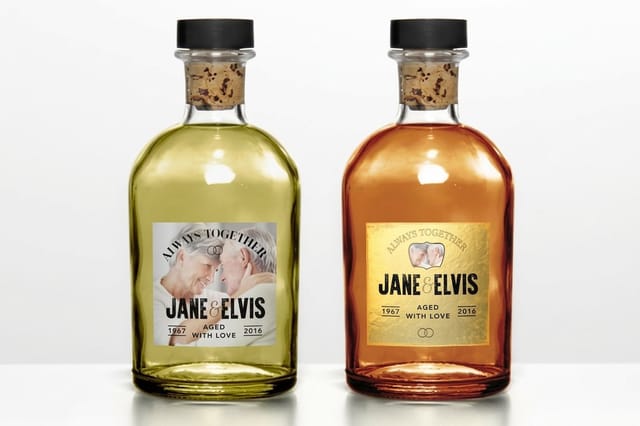
Adhesive matters less than people think for a retail pack, because a buyer applies each sticker once and leaves it. It matters a great deal for anything that has to come off later without a fight, such as a seasonal window piece or a promotional decal. Our beer labels start at $25 and are the clearest example of a face stock chosen for moisture, since a bottle label lives in an ice bucket and then in a wet hand.
One more limit worth naming. Laminate adds thickness, and thickness matters when you mail a flat pack. A heavily laminated sheet with a rigid backing card can push a flat envelope past the quarter inch that letter mail allows, which quietly reprices your shipping on every order. Check the finished stack thickness before you list the product, not after.
The Backing Card, the Sleeve, and the Envelope

A pack is not stickers in a bag. It is stickers presented on something, and the presentation is what lets a shop put it on a rack and what lets a buyer photograph it. The cheapest way to get there is a printed card behind the set.
Custom business cards start at $17.57 and make a perfectly good small backing card: they are already the right rigidity, they carry your logo, your handle and a QR code, and they are the least expensive printed card in the catalog. Step up to a larger card when the pack is wider than a card, or when you want room for a short story about the designs on the reverse.
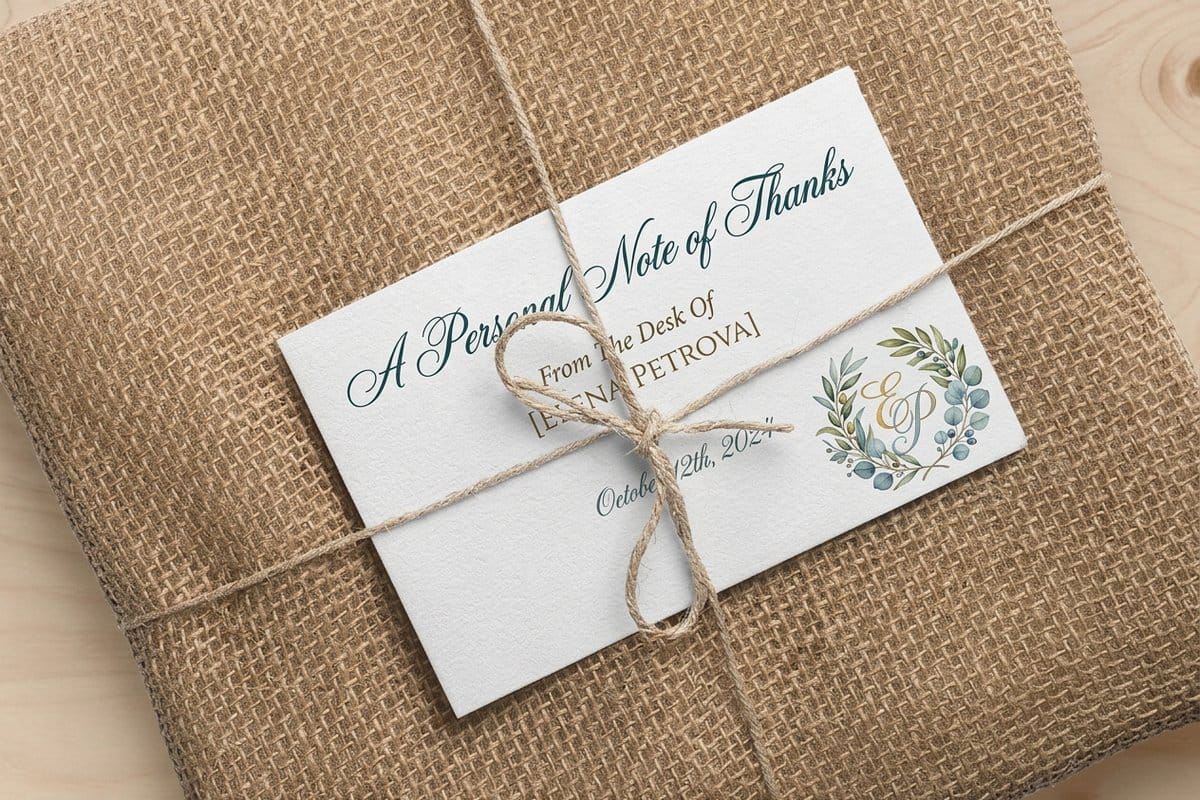
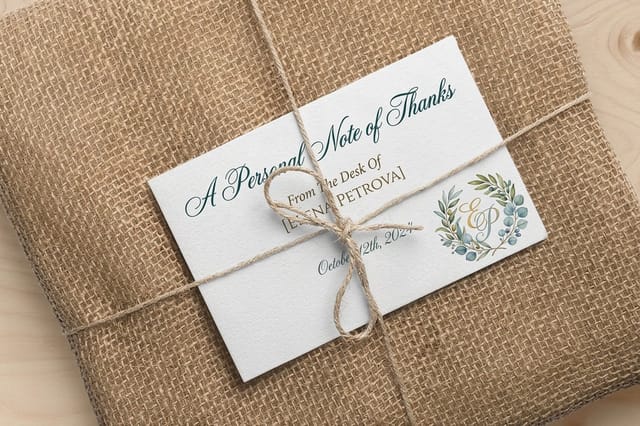
Add one insert and only one. A thank you card starts at $19.77 and does more work per cent than anything else you can put in the envelope, because it is the piece people photograph and post. Two inserts read as clutter. Three read as a mailing list you did not ask permission for. If you want ideas for what to actually put on it, brand messaging for small businesses covers what a single line of copy has to accomplish.
For the outer, a plain rigid mailer beats a padded one for a flat pack. Padding protects against crushing, which is not what threatens a sticker sheet. Bending is. A chipboard stiffener the same size as the backing card solves it for a few cents. If the pack is going into a shop rather than a mailbox, a printed box changes the economics entirely, and the custom box printing range covers short run retail packaging.
What to Order First, and What the Pack Has to Sell For
Build the cost from real line items and the pricing question answers itself. A pack costs you the stickers, the backing card, the sleeve or band, the mailer, and the minutes somebody spends collating it. That last one is the number makers leave out, and it is usually the largest after the printing.
Work the first order backwards from an event you already have on the calendar. If you are doing one market and one online drop, order enough for those two and nothing more. The point of a short first run is not to save money, it is to find out which of your four designs people actually reach for, because that answer will surprise you and it decides what you print deeply on the second run.
On retail price, leave room for wholesale. If a shop takes the pack, the standard ask is half of retail, so a price that only works at full margin direct to buyer will fall apart the first time a store says yes. Set the number that survives being halved, and if it looks too high for the format, the format is wrong, not the price.
Then plan for the second order before the first sells out. Reprints take production time, and a design that sells out during a market is out for weeks if you start the file conversation afterward. Keep your cut file, your stock choice and your quantities written down. Once you have a pack that moves, the custom printing collection is where the rest of the line lives, and postcard examples for small businesses is a useful look at how other small brands turn one printed piece into a repeat customer.
Wally builds a sticker pack
Five designs, one file, one setup
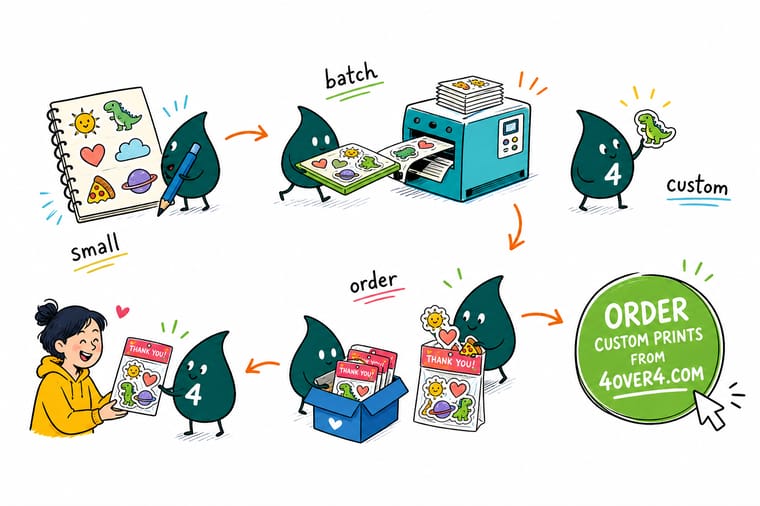
Wally lines up all five designs on a single sheet instead of sending five little orders, so the setup gets paid once. He keeps every shape inside the same trim size, which means the finished set stacks flat and slides behind one backing card. Paper face for the jar labels, laminated film for the ones going on water bottles. Then a thank you card, a chipboard stiffener so nothing bends in the mail, and the pack is a product rather than a pile of stickers.
Price standard custom labels →Specs and pricing
Label and sticker options, sizes, and starting prices
Compare the stock, shape and quantity choices side by side, with live configuration options and starting prices straight from the 4OVER4.COM configurator.



Print it
Order the pieces your first pack needs
Explore more
Where to go next

By the numbers
A thousand products behind a small sticker run
Common Questions
Your sticker pack questions, answered
How many designs should a small batch sticker pack have?
Four or five. Three feels thin next to a competing pack on the same shelf, and past six the pack gets thick enough to change how you mail it, while every extra design adds inventory you have to sell. Four is the number most makers land on because it fills a standard backing card comfortably and still lets you keep a spare design in reserve for a seasonal version of the same pack.
Is it cheaper to print a sticker sheet or individual die cut stickers?
A sheet is cheaper at low volume, and the gap is mostly labor rather than printing. On a kiss cut sheet the blade cuts through the face material and the adhesive but stops at the liner, so the whole set comes off as one piece that needs no sorting. Die cut singles are cut through the liner as well, which means the stickers arrive loose and somebody has to count them into packs. The singles look and feel more premium in the hand, so the honest answer is that you pay for that feeling in handling time.
What quantity should I order for a first sticker pack?
Order the smallest quantity that gets you past your first two selling events, and no more. Makers routinely order a thousand of a design they have never sold and then discover the market wanted a different one. A short first run tells you which of the four designs actually moves, and that information is worth more than the per unit saving on a bigger run. Once one design proves itself you can reorder that one deeper.
Can I mix shapes and materials in one sticker order?
Mix shapes freely, mix materials carefully. Different shapes on the same material and the same trim size sit on one cut file with no penalty, which is exactly the point of ganging a pack. Different materials are different jobs, because a paper face and a vinyl face run on different stock. If your pack needs one weatherproof sticker and three indoor ones, price it as two orders and decide whether the mix is worth it before you design around it.
Do I need a separate file for every sticker in the pack?
You need one artwork file per design, each supplied at final size with bleed past the trim and the cut line marked as its own spot path. Keep at least an eighth of an inch of clear space inside the cut line on every design, because cutting tolerance is real and a logo that runs right to the edge will show a sliver of white on one side of the sheet and none on the other. If a design has a fine internal cutout, thicken it or drop it.
What should a small batch sticker pack sell for?
Price it against the finished object, not the printing. A pack is stickers plus a printed backing card, plus a sleeve, plus the mailer, plus the time somebody spent collating it. Standard custom labels start at $23.88 at 4OVER4.COM and custom business cards used as backing cards start at $17.57, so build your cost from those real line items, add the packaging and your own labor, and then set a retail price that still works after a wholesale account asks for half of it.
Get Started
25 custom labels cost $23.88, or 96 cents each
Pick a stock, gang your designs onto one cut file, and we print the labels, the backing cards and the thank you insert in the same order.
Legal Disclaimer
Gold Standard guarantees apply to all standard orders placed through 4over4.com. Price match requires verifiable proof of a competitor's published price for an equivalent product with matching specifications and turnaround time. Satisfaction guarantee covers manufacturing defects and print quality issues. Contact support with order number and documentation. On-time delivery rate based on tracked orders 1999 to 2026. Individual results may vary based on shipping carrier performance.
