
Liquid Laminate for Paper & Digital Prints, Explained


Emma is our prepress and print production voice, built from the knowledge of our production team, with over 20 years in printing.
A liquid finish seals your print with a thin, cured coat instead of a plastic sheet. Here is how it works, how gloss, matte, and satin differ, and when to use it on both paper and digital prints.
Liquid laminate is a clear coating flooded or spot-applied over a printed sheet, then cured under heat or UV light into a thin, even film. Unlike sheet lamination, it bonds directly to the paper with no plastic edge, and it comes in gloss, matte, or satin. It sharpens color, guards against scuffs and light moisture, and works on both offset paper and digital prints. At 4OVER4.COM you order it as a finish on the product, and we coat and cure it for you.
Quick answer
Liquid laminate in one paragraph
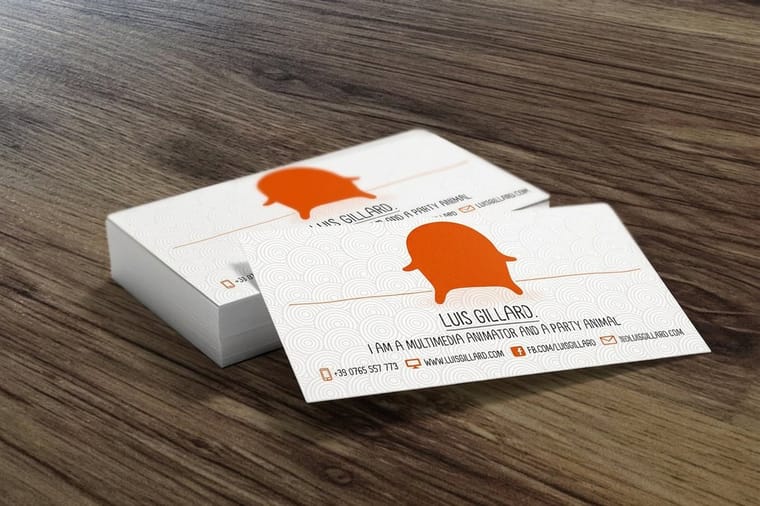
Liquid laminate is a coating, not a plastic sheet. It is flooded or spot-applied over your print and cured into a thin, even film in gloss, matte, or satin. Gloss deepens color and adds shine, matte kills glare and reads soft, and satin splits the difference. It seals paper and digital prints against scuffs and light moisture with no laminated edge. At 4OVER4.COM you add it as a finish on the product, and we coat and cure it for you: postcards, flyers and classic business cards offer High Gloss UV Coating as the liquid coat, while the laminated lines run on 16pt silk, gloss or soft velvet film.
Watch it printed
See silk laminated business cards on the press, in 128 seconds
What liquid laminate actually is
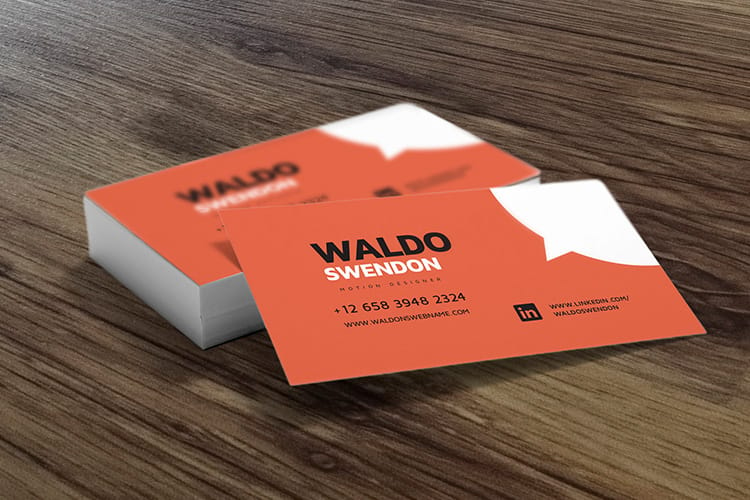
Liquid laminate is exactly what it sounds like: a coating that starts as a liquid, gets spread across a printed sheet, and then cures into a thin, clear film. Nothing is glued on top. Instead the coating soaks into the surface for a moment, levels out, and hardens under heat or a burst of ultraviolet light. What you are left with is a sealed sheet that feels like one piece rather than paper wearing a plastic jacket.
That single difference sets it apart from the film lamination most people picture. Sheet lamination sandwiches your print between two layers of plastic and seals the edges, which adds noticeable thickness and a visible border. A liquid finish has no border at all. It follows the paper right to the trim, so a card still bends and snaps like card stock instead of a laminated ID badge.
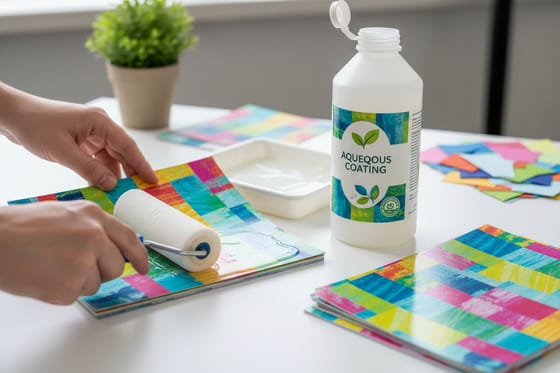
It also has close cousins worth knowing. A water-based aqueous coating and a high-shine UV coating are both liquid finishes applied the same way, and 4OVER4.COM groups all of them under one idea on the printing finishes hub: a coat you flood or spot over the ink to protect it and change how it catches the light.
How liquid lamination is applied
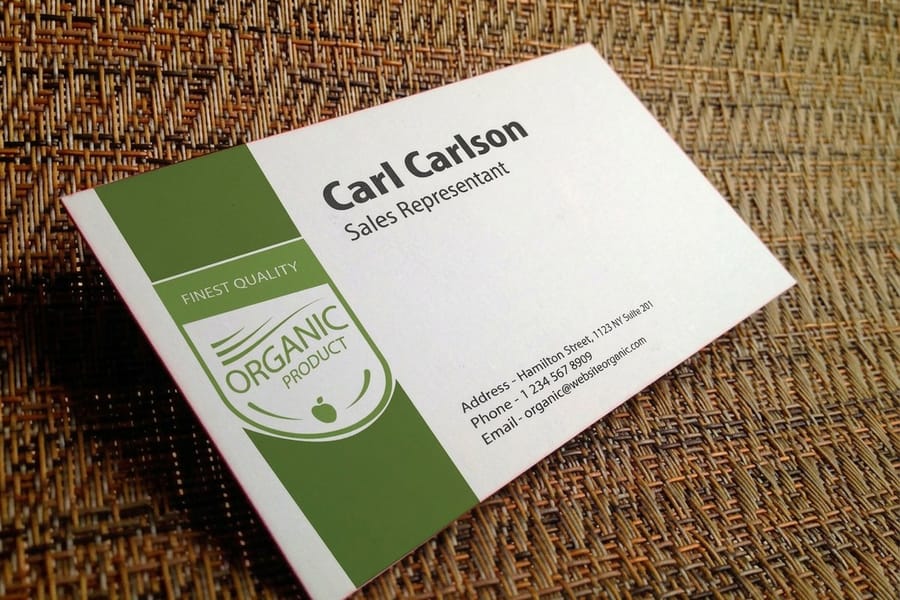
The mechanics are simple once you see the order of operations. Ink goes down first and is allowed to set. Then the coating is metered onto the sheet, either flooded edge to edge or laid only on chosen areas, and pulled flat by a roller or a falling curtain of liquid. A cure station finishes the job in seconds, flashing the wet coat into a dry, bonded skin before the sheet ever reaches the stack.
The liquid lamination pass: print, flood or spot coat, cure, sealed sheet.
Because the coat is measured in microns, it protects without stiffening the print. Heavier coverage and a second pass give you a deeper gloss or a more scuff-resistant satin, while a lighter touch keeps a natural paper feel. If you want the sharpest possible result before any coating is even chosen, our notes on how to improve print quality cover the file and color prep that makes a coated sheet sing.
Liquid laminate vs film lamination vs coating
People use the word laminate loosely, so it helps to line up the three finishes you will actually be choosing between. On the 4OVER4.COM configurator the split is visible: postcards and flyers offer Standard Finish or High Gloss UV Coating, a liquid coat, while gloss laminated postcards come only on 16pt Gloss Laminated stock.
- Liquid laminate is a coating cured onto the sheet. No edge, minimal thickness, available in gloss, matte, or satin, and easy to apply only where you want it.
- Film lamination bonds a real plastic layer to the print. It is the toughest and most water-resistant option, which is why 4OVER4.COM builds it into products like silk laminated business cards and gloss laminated postcards, but it adds body and a sealed border.
- Aqueous and UV coatings are liquid finishes too, just tuned for speed and shine. Aqueous is the quiet, everyday seal that leans eco-friendly. UV is the mirror-bright one. Both sit in the same family as liquid laminate.
None of these is best in the abstract. A menu that gets handled every night leans toward film or a heavy liquid coat, while a mailer that needs to feel like paper wants a light aqueous or matte finish. Browse the full laminated printing collection to see where each finish is offered on a real product.
Gloss vs matte vs satin liquid laminate
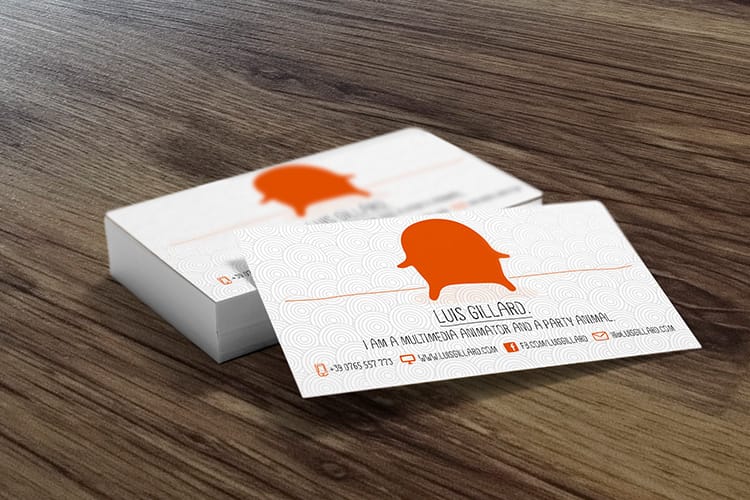
The sheen is the decision customers care about most, because it changes both the look and the feel of the finished print. On 4OVER4.COM products you order it two ways: High Gloss UV as a liquid coat, or silk, gloss or soft velvet as a laminated film on 16pt card.
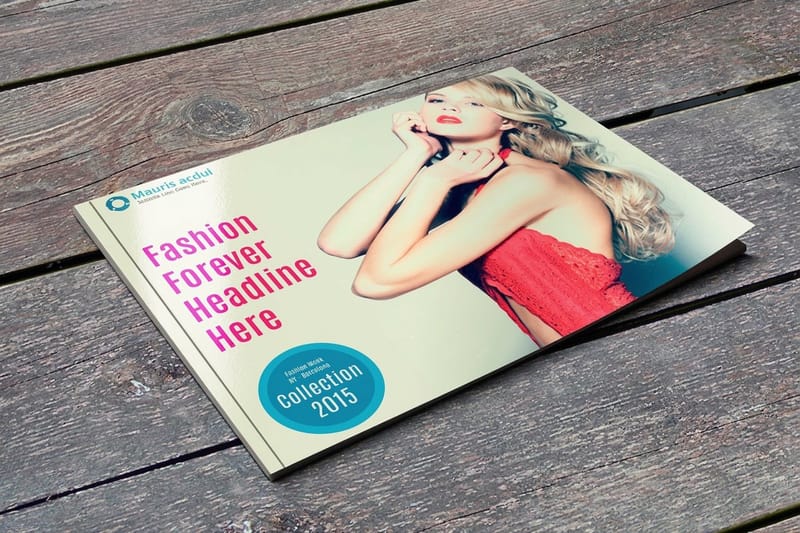
Gloss liquid laminate reflects the most light. It deepens dark colors, makes photos pop, and gives a wet, premium shine. The trade-off is fingerprints and glare under harsh lighting, so it flatters image-heavy work more than pages of small type.
Matte laminate scatters light instead of bouncing it. Colors read a touch softer, glare disappears, and the surface feels smooth and understated. It is the easy pick for anything meant to be read, and it hides handling far better than gloss.
Satin sits between the two, adding a gentle sheen without the mirror effect. If you cannot decide, satin is the safe middle. Our side-by-side matte vs gloss finish guide walks through real examples, and the silk laminated cards explainer shows how a soft matte film reads in the hand.
Spot liquid laminate and raised accents
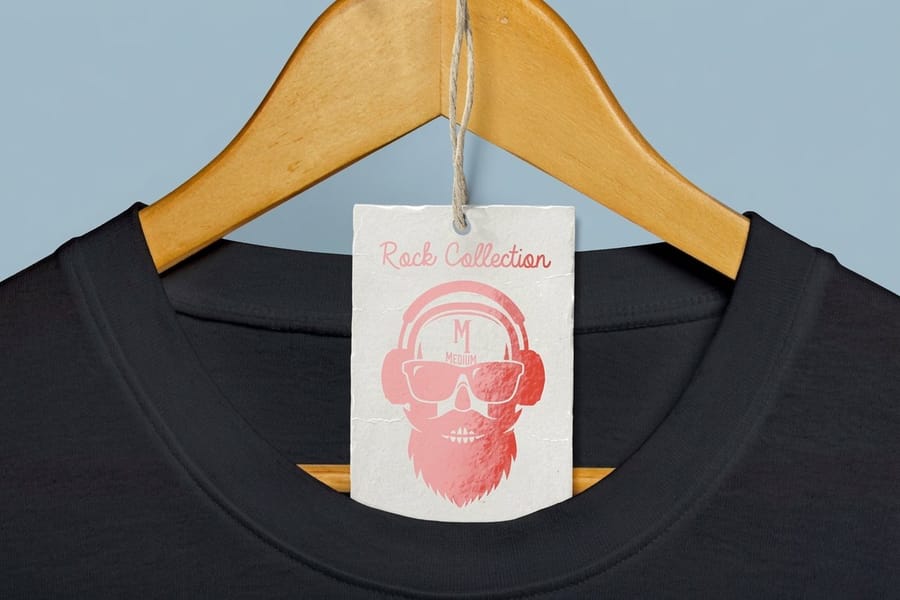
Flooding the whole sheet is only half the story. The finish gets far more interesting when it is applied to a single area on purpose. This is spot liquid laminate, and it shares its logic with spot UV printing.
Picture a matte card with a glossy logo that flashes as it turns, or a headline that sits slightly raised above the rest of the copy. Because the coating gets its own layer in the artwork, the press knows precisely where to lay it down. The contrast between coated and uncoated areas is what makes the effect feel expensive.
Spot work rewards bold, simple shapes: a monogram, an icon, a short line of type. Fine hairlines and tiny text tend to lose the effect, so keep spot elements chunky. When you are ready to design it, the 4OVER4.COM online designer lets you mark the spot areas before you order, and gloss laminated hangtags are a fun place to try selective shine on packaging; the gloss laminated hangtags story shows the 16pt tag with its 1/8 inch hole.
How to choose the right liquid laminate
Choosing well comes down to three quick questions.
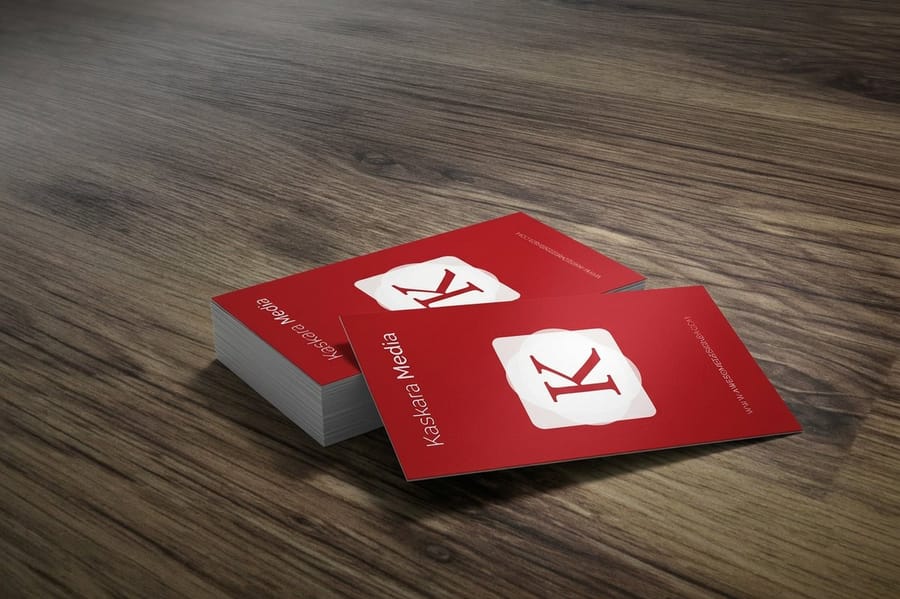
How will the print be handled? Something touched constantly, like a menu or a loyalty card, wants a tough, sealing finish and often benefits from full film lamination, such as a 2.5 x 3.5 inch card on 16pt soft velvet laminated stock. A one-time mailer or event flyer needs far less.
Is it mostly image or mostly text? Photos and rich color come alive under gloss. Copy people have to read is kinder on the eyes with matte or satin.
Do you want the finish everywhere or in one place? A flood coat protects and unifies the whole sheet. A spot coat draws the eye to one element and leaves the rest natural.
If you are still unsure, order free paper samples and feel the finishes in person before you commit a full run. It is the fastest way to settle a gloss-versus-matte debate, and it costs nothing.
Liquid laminate on paper and digital prints
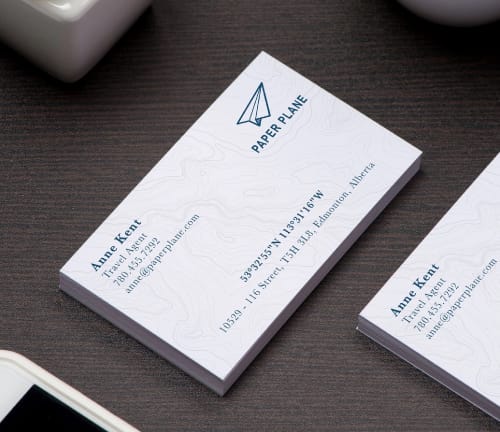
Liquid laminate behaves a little differently depending on how the ink got onto the page, and that matters most for short-run work.
On traditional offset paper the coating settles into a stable, oil-based ink layer and cures evenly, which is why coated postcards, brochures, and menus have looked this good for decades. On a digital print, the ink or toner sits a hair higher on the surface, so a good coating does double duty: it seals the print and locks that toner down against cracking when the sheet is folded or flexed.
That is the real argument for coating digital work. A bare digital sheet can scuff or show hairline cracks on a fold, while a cured liquid layer keeps the color intact. It is one reason the Digital printing collection pairs so naturally with a finish, and why picking the right paper stock underneath the coating is worth a minute of thought.
Liquid laminate for vinyl and wide format graphics
Search for liquid laminate and half the results are cans, because the same idea has a second life in sign shops. A wide format liquid laminate is a clear water-based or solvent-based coating rolled or sprayed over printed vinyl, a banner, a wall graphic or a vehicle wrap, then left to air dry or cured under UV. It does the job an overlaminate film does, blocking sun and abrasion, without the film, the laminator and the risk of trapped bubbles on a piece that is 4 feet wide.
The trade-offs are the ones you would expect. A liquid coat is thinner than a film, so it protects a flat wall graphic or a banner well and a floor graphic or a wrap that gets scrubbed less well. It goes on in two thin passes with a roller or a low-pressure sprayer, wants a dust-free room and a few hours between coats, and it needs the printed ink fully dry first, which on solvent prints means waiting a day. Coverage is measured in square feet per gallon, so it is cheap per graphic and expensive in setup, which is why shops use it on volume and film on one-offs.
None of that changes the print you order from a shop. A vinyl banner or a printed sign arrives with its own finish chosen at order time, and the coating question only comes up when you are finishing vinyl yourself.
Cost, sizes, stocks, and turnaround
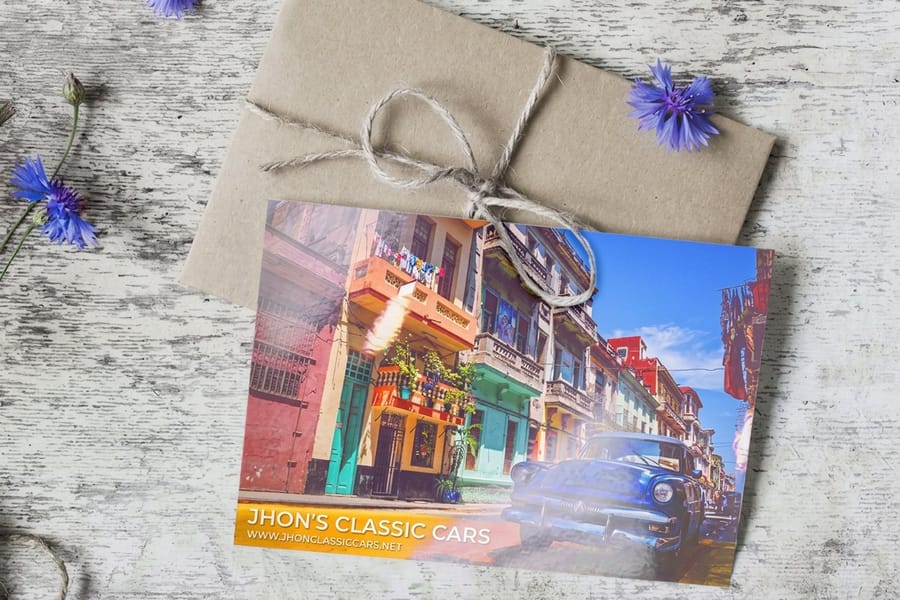
There is no single price for liquid laminate, because it is a finish on a product rather than a product by itself. The number you see is driven by a handful of levers: the size and quantity of the print, the stock underneath, whether you flood or spot the coating, and the sheen you pick. Full coverage on a large sheet costs more than a spot accent on a card, and bigger runs bring the per-piece price down quickly. Gloss laminated postcards run 22 sizes from 2 x 3 to 9 x 12 inches, from 250 for $74.53 in 7 business days, and velvet laminated trading cards are 2.5 x 3.5 inches, from 250 for $94.74 in 4 business days.
The practical way to see real pricing is to configure a coated product and watch the per-unit number update. As a reference point, silk laminated business cards at 4OVER4.COM start around $74.53 for a run, while gloss laminated postcards and velvet laminated trading cards land at their own live rates depending on size and count. Short stories show the gloss laminated postcards and the velvet laminated trading cards, and Velvet Postcards put the same soft velvet film on 19 postcard sizes.
Stocks and finishes are broad. You can coat lightweight text sheets up through heavy card stock, choose gloss, matte, satin, or a soft silk film, and combine a flood coat with a spot accent on the same piece. Turnaround adds a short coating and curing pass to normal production, and the live lead time shows on each product page as you build your order. When you need it in hand before a deadline, check that estimate first and lean on our printing materials guide if you are matching a stock to the finish.
Common mistakes and when to skip the coat
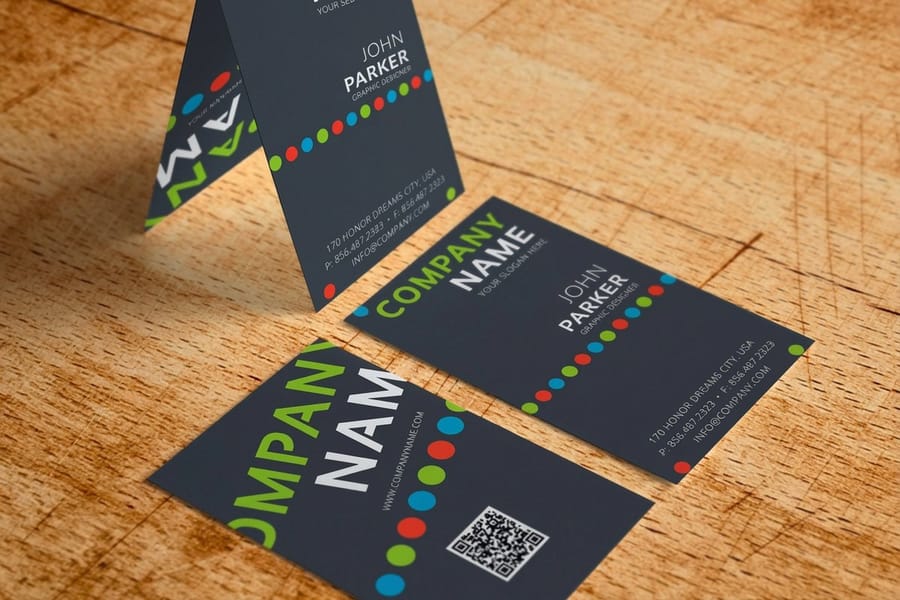
Liquid laminate is forgiving, but a few habits trip people up.
- Coating a sheet you plan to write on. A cured gloss or satin surface resists most pens. If someone needs to sign or handwrite on the print, leave that panel uncoated or choose a matte finish that takes ink better, or order the piece on an uncoated stock such as 14pt uncoated cover.
- Expecting a coat to fix a weak file. A finish makes a sharp print sharper. It will not rescue a low-resolution image. Get the file right first, then coat it.
- Full gloss on heavy text. Long paragraphs under high gloss fight glare. Reach for matte or satin when reading matters.
- Skipping a sample. Sheen looks different in person than on a screen. A quick free sample settles it.
There are also times to skip the coat entirely. Uncoated stock is the move when a print needs to feel raw and tactile, when it will be run through a laser printer or copier later, or when it has to be recycled cleanly. For everything else, from velvet laminated trading cards to a glossy mailer, a well-chosen liquid finish is what makes a print look finished rather than just printed. When you are ready to browse coated options, the gloss laminated collection and silk laminated collection are good places to start.
Wally explains liquid laminate
A thin coat is what makes a print look finished
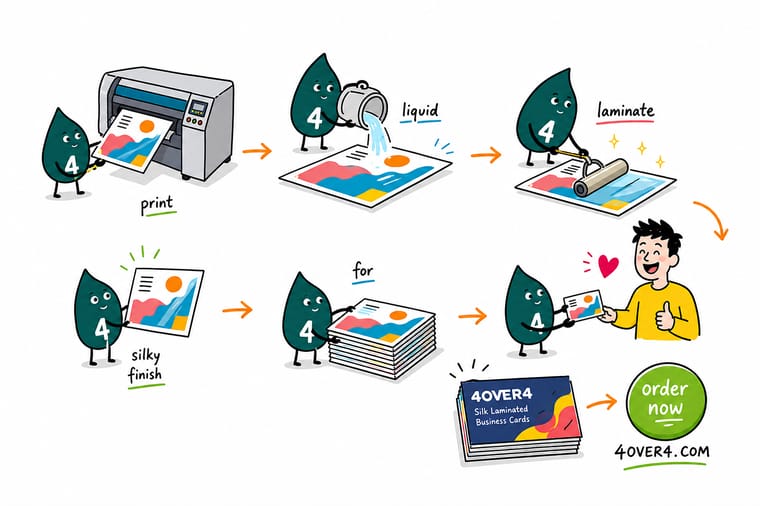
Wally thinks of liquid laminate like a clear raincoat for your print: roll it on, cure it, and the color underneath goes richer while fingerprints and scuffs slide right off. Pick gloss when you want shine, matte when people have to read, and spot it on a logo when you want one thing to catch the light. Skip the desktop laminator and let 4OVER4 flood or spot the coating and cure it in-house, so every sheet ships sealed and sharp.
Order silk laminated cards →
Specs and pricing
Silk laminated card specs and live pricing
Silk laminated business cards print on 16pt silk laminated stock in four sizes from 1.5 x 3.5 to 2.125 x 3.375 inches, with spot UV on either side and 1/8 or 1/4 inch rounded corners as options, from 250 for $74.53 in 4 business days. Liquid finishes are ordered on a product, so here is a real one to price out: silk laminated business cards from 4OVER4.COM, with live specs and per-unit pricing straight from the configurator.
| Quantity | Price Per Unit | Total |
|---|---|---|
| 250 | 29.8¢ | $74.53 |
| 500 | 17.4¢ | $87.15 |
| 1,000 | 11.2¢ | $112.41 |
| 2,500 | 9.04¢ | $226.11 |
| 5,000 | 5.53¢ | $276.63 |
| 10,000 | 5.53¢ | $553.25 |
| 15,000 | 5.47¢ | $819.78 |
| 20,000 | 5.49¢ | $1,097.66 |
Gloss, velvet and hangtags
Order liquid-laminated print at 4OVER4



See it in use
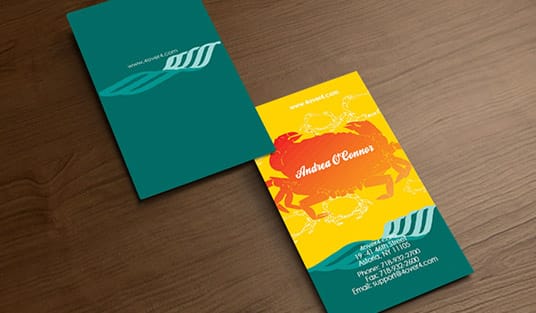
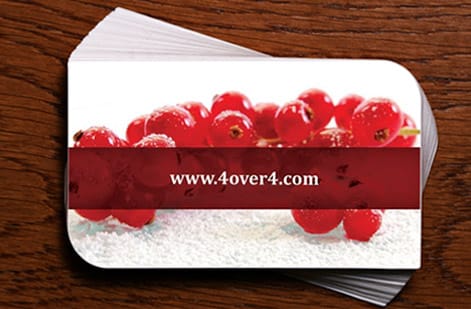
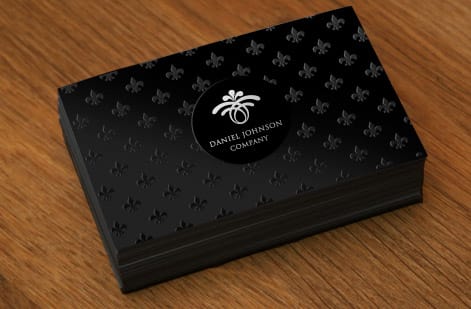
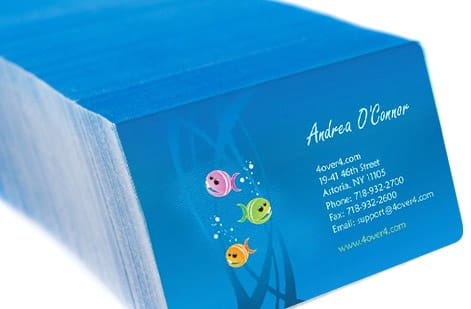
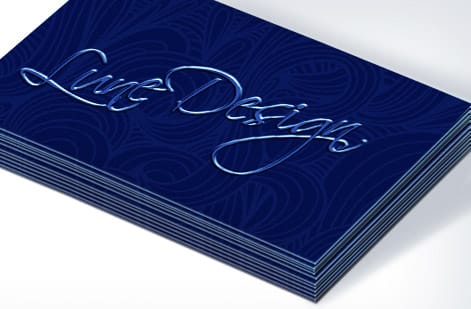
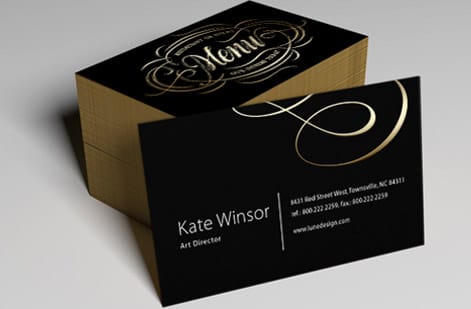
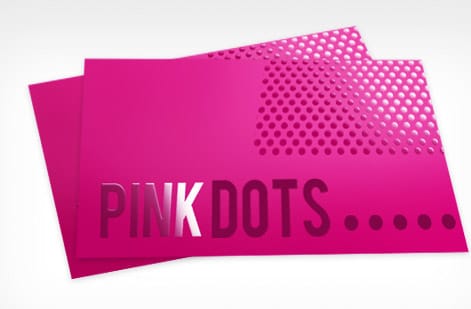
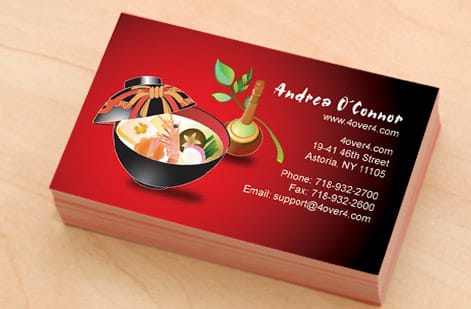
Laminated finishes customers chose and printed
Explore more
Where to go next

By the numbers
Stocks that take a liquid laminate, across 1,000+ products
Common Questions
Common questions about liquid laminate
What are the disadvantages of lamination?
Cost and a second production step first, since every laminated piece is coated or filmed after it is printed. Film lamination adds thickness, a sealed edge that can lift, and a plastic layer that makes the sheet harder to recycle. Any gloss finish adds glare and shows fingerprints, and a coated surface fights a pen. A liquid finish avoids the edge and the thickness but still cannot be written on when it is glossy.
What are the three types of lamination?
By process, they are hot or thermal lamination, where a film with a heat-activated adhesive is bonded under a heated roller, cold or pressure-sensitive lamination, where the film carries its own adhesive and is pressed on, and liquid lamination, where a clear coating is applied and cured with no film at all. By look, most shops offer gloss, matte and satin in each, with soft-touch or velvet as a fourth on premium cards.
What are the chemicals used in lamination?
Liquid laminates are water-based acrylic or polyurethane emulsions, or UV-curable acrylate resins that harden under ultraviolet light. Film laminates are polyester, polypropylene or nylon sheets carrying an ethylene vinyl acetate or acrylic adhesive. Aqueous coatings are the mildest of the group, which is why they are the usual choice on packaging and on anything marketed as recyclable.
What is vinyl lamination?
In the sign trade it means protecting a printed vinyl graphic with a clear layer, either an overlaminate film pressed on with a cold laminator or a liquid laminate rolled or sprayed over the print. It shields the ink from sun, scrubbing and the solvents in cleaning products, and on a vehicle wrap the film also carries the gloss or matte look. Unlaminated vinyl is fine indoors and short term, and laminated vinyl is the choice for anything outside for more than a season.
What is liquid laminate?
Liquid laminate is a clear coating that is spread over a printed sheet as a liquid and then cured into a thin film under heat or ultraviolet light. Unlike film lamination, which bonds a plastic layer on top and seals the edges, a liquid finish soaks in and hardens with no border, so the print keeps its natural thickness. It comes in gloss, matte, and satin and protects both offset and digital prints.
How do I choose the right liquid laminate?
Start with how the piece will be used. Photo-heavy work that wants shine takes gloss, text people have to read is easier in matte or satin, and anything handled constantly benefits from a tougher film or a heavier coat. Decide next whether you want the finish across the whole sheet or spotted on one element. When in doubt, order free samples from 4OVER4.COM and feel the options before committing to a full run.
What does liquid laminate cost and how are prices set?
Liquid laminate is priced as a finish on a product, so the total depends on the print size, the quantity, the stock underneath, the sheen, and whether the coating floods the sheet or covers only a spot. Larger sheets and full coverage cost more, and bigger runs lower the per-piece price. The reliable way to see real numbers is to configure a coated product on 4over4.com and watch the per-unit price update as you change options.
What sizes, stocks and finishes are available for liquid laminate?
You can coat everything from lightweight text stock up to heavy card stock, in standard product sizes and many custom cuts. Finishes include gloss, matte, satin, and soft silk films, and you can combine a flood coat with a spot accent on the same piece. Each product page at 4OVER4.COM lists the exact stocks and finish options offered for that item.
How long does liquid laminate take to print and ship?
Adding a liquid finish inserts a short coating and curing pass into normal production, so a coated job takes a little longer than a bare print of the same size and quantity. The live production time and shipping estimate appear on each product page as you configure your order, which is the most accurate place to confirm a date before a deadline.
Is liquid laminate the same as UV or aqueous coating?
They are close relatives. UV coating and aqueous coating are both liquid finishes applied and cured the same way, just tuned differently: aqueous is a fast, water-based everyday seal, and UV is the high-gloss, mirror-bright option. Liquid laminate is the broader term for a cured liquid coat, and 4OVER4.COM groups all of them under printing finishes.
Can you write on a liquid-laminated print?
It depends on the sheen. A glossy or satin cured surface resists most pens and markers, so if a card or form needs a handwritten signature, choose a matte finish or leave that area uncoated. Matte liquid laminate accepts ballpoint and gel ink far more reliably than gloss.
Get Started
Ready to add a liquid finish to your print?
Pick your product, choose gloss, matte, or satin, and we flood or spot the coating and cure it in-house so every sheet ships sealed and sharp.
Legal Disclaimer
Gold Standard guarantees apply to all standard orders placed through 4over4.com. Price match requires verifiable proof of a competitor's published price for an equivalent product with matching specifications and turnaround time. Satisfaction guarantee covers manufacturing defects and print quality issues. Contact support with order number and documentation.
