
How to Package Stickers to Sell So They Arrive Flat and Peel Clean


Jordan is our labels, packaging and sustainability voice, built from the knowledge of our production team, with over 20 years in printing.
Backing card sizes, sleeves, chipboard, header cards and the postage rule that surprises new sellers. Everything a maker needs to pack a sticker order that survives the trip and sells the next one.
Mount the sticker on a printed backing card cut about a quarter inch larger on every side, slide the pair into a clear sleeve, back it with chipboard, and ship it in a rigid flat mailer. That combination stops the one failure that matters, a crease across the die cut, which never flattens back out. Header cards, tissue and thank you inserts come after, and only when the channel you are selling into actually rewards them.
Quick answer
Backing card, sleeve, chipboard, rigid mailer
Package a sticker so it arrives flat and peels cleanly, then brand what is left. A backing card a quarter inch larger than the sticker gives the buyer somewhere to grip and keeps the die cut off the sleeve seam. Chipboard behind it stops the crease that no amount of apologising fixes. A rigid flat mailer stops the crease from happening in a sorting machine, at the cost of losing letter postage, since a letter has to bend. Everything past that point is marketing spend, and it should follow the channel rather than lead it.
The Three Ways Stickers Sell, and What Each One Needs
Before you buy a single sleeve, decide which of the three formats you are actually selling. The packaging follows from that choice, and so does your margin.
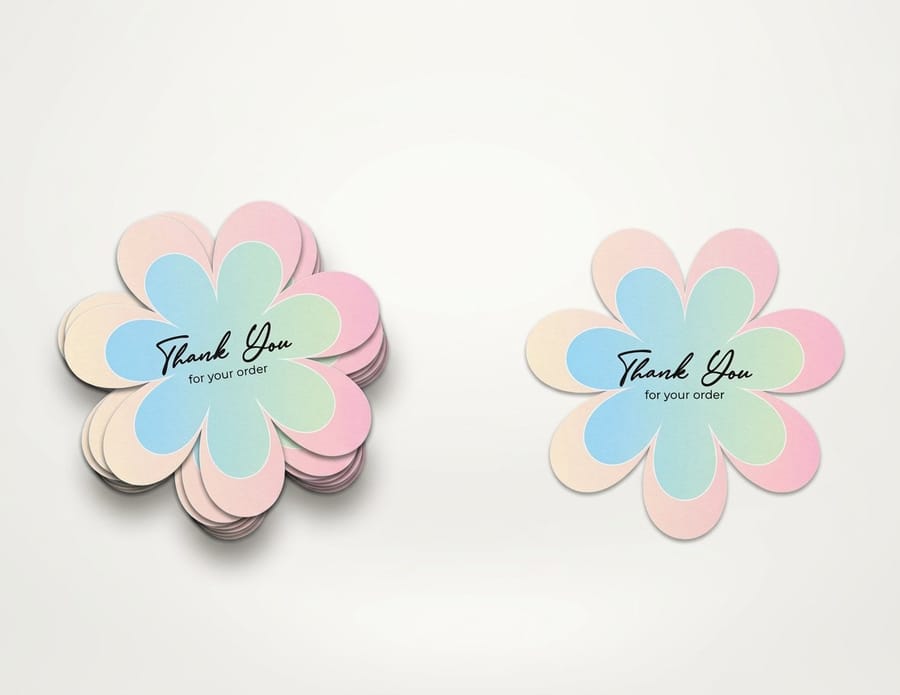
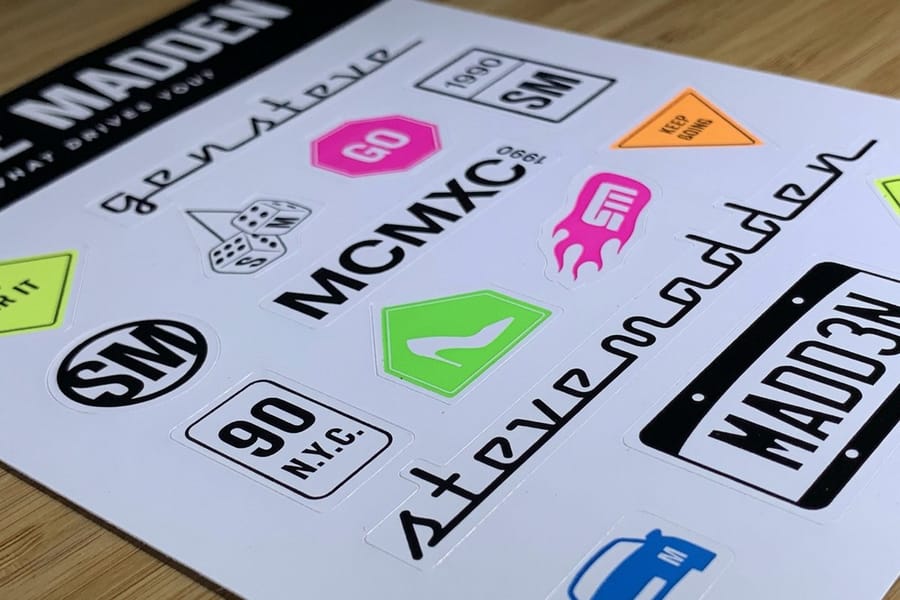
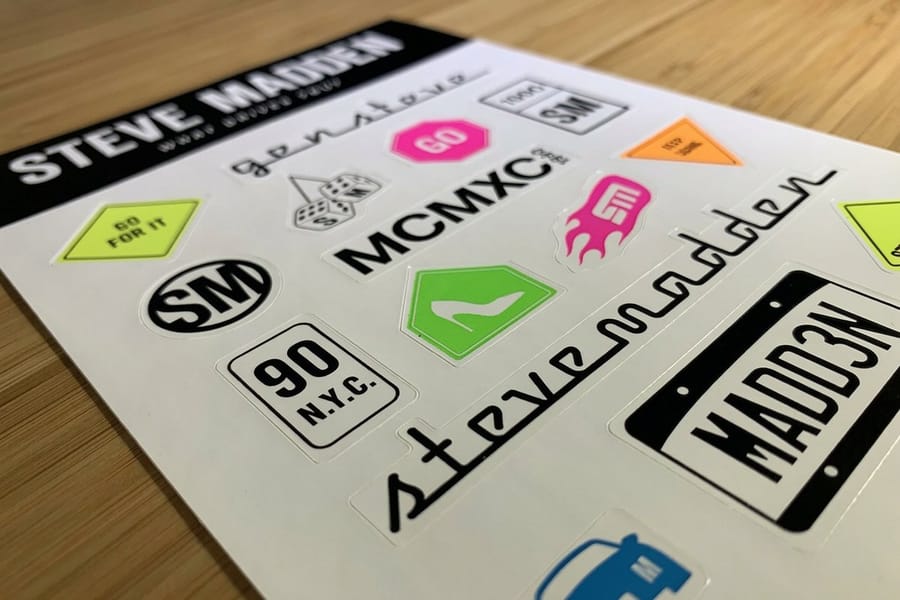
Singles are one die-cut sticker, usually two to four inches, mounted on a backing card. They are the easiest to make and the worst on packaging economics, because the sleeve and the mailer cost the same as they would for a twelve sticker sheet. Sheets put six to twenty kiss-cut stickers on one liner, which is why most established shops push them: one pack operation, one mailer, several times the ticket. Retail multi-packs are three to five stickers in a sleeve with a folded header card, built to hang on a peg in someone else's shop.
| Format | What ships | Packaging it needs | Where it breaks |
|---|---|---|---|
| Single die-cut | One contour cut sticker on a printed backing card. | Backing card, cello sleeve, chipboard pad, flat mailer. | Packaging and postage can exceed the sticker's own cost on a low priced single. |
| Sticker sheet | Multiple kiss-cut stickers on one uncut liner. | Sleeve sized to the sheet, chipboard pad, rigid flat mailer. | One fold across a kiss cut ruins the whole sheet, not one sticker. |
| Retail multi-pack | Three to five stickers bagged behind a header card. | Header card, staples, hang hole, barcode panel, shipper carton. | Buyers reject packs with a shrunk barcode or a weak hang hole. |
Read the last column before the others. Most sellers pick a format on aesthetics and then discover the failure mode in month three. If you are still deciding, the comparison in rolls vs sheets vs die cut works through the production side of the same choice.
Backing Cards, Sleeves and the Quarter Inch That Makes a Sticker Peelable
The backing card does three jobs at once and most sellers only design for one of them. It brands the piece, it stiffens the piece, and it gives a thumbnail somewhere to start the peel.
Size it about a quarter inch larger than the sticker on all four sides. Less than that and the die cut sits right on the sleeve seam, where it picks up an edge crease in transit. More than about half an inch and the card starts to look like packaging rather than part of the product. For a three inch round sticker, a 3.5 by 4.75 inch card leaves room above and below for a logo strip at the top and a care line at the bottom, and it drops into a standard 3.75 by 5.25 inch clear sleeve without forcing.
Print the card on cover weight stock, not text weight. A 14pt or 16pt card holds the sticker flat on its own; a text weight sheet folds with the mailer and takes the sticker with it. Keep the back simple and useful: your handle, your site, application instructions in one line, and white space for a hand written thank you if you sell direct. Sellers who print a full-bleed pattern on the back lose that space and end up sticking a separate note in the envelope anyway.
One thing worth testing before you commit to a run: peel a proof sticker off its liner, stick it to the backing card, and pull it off again. If the card fibers tear, the sticker adhesive is stronger than the card coating, and you want a gloss or matte laminated card rather than an uncoated one. Set the layout up correctly from the start using our blank template library, and check the sheet geometry against the sticker sheet sizes and layout guide.
Getting It There Flat, and What That Really Costs in Postage
Stickers do not break. They crease, and a crease is permanent. Every packaging decision after the backing card exists to keep the piece from folding between your table and the buyer's mailbox.
Put a piece of chipboard behind the sticker inside the sleeve, or two pieces with the sticker sandwiched between them if you are using a poly mailer. Chipboard salvaged from a used shipping box is fine and free. Then choose the outer: a rigid flat mailer for sheets and anything over three inches, a plain flat mailer with the chipboard sandwich for small singles. Skip bubble mailers for flat goods entirely. They add bulk and cost, they do not resist folding, and under pressure the bubble pattern embosses itself into a gloss laminate.
Here is the part that catches people. A USPS letter has to bend, so the moment you add rigidity you are no longer mailing a letter, and the piece prices as a flat or gets a nonmachinable surcharge. That is not a reason to ship unprotected, it is a reason to price shipping honestly at checkout and to nudge buyers toward multi-sticker orders where the postage spreads out. Work through the mailing side properly in our guide to addressing a package for e-commerce shipments.
Two habits that cut damage claims to near zero: ship sheets flat and never rolled, and pack the mailer so nothing slides. A sheet loose in an oversized mailer travels a few inches every time the tray is dropped, and it hits the corner edge-on. If the piece rattles, add a pad.
Branding the Package Without Eating the Margin

Once the protection is right, the extras start to pay. Not all of them pay equally, and the ordering matters when your working capital is a few hundred dollars.
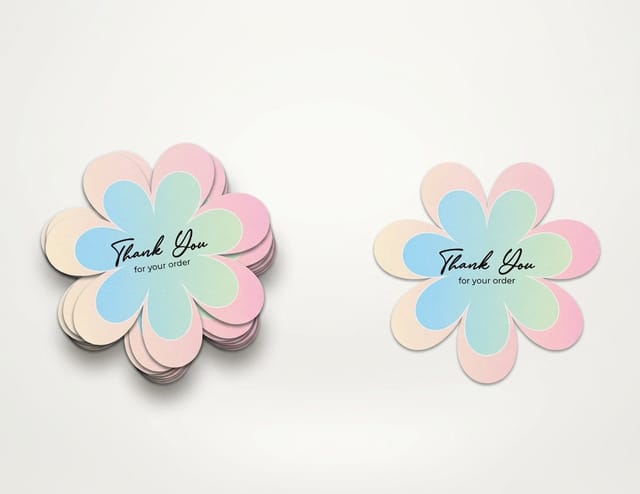
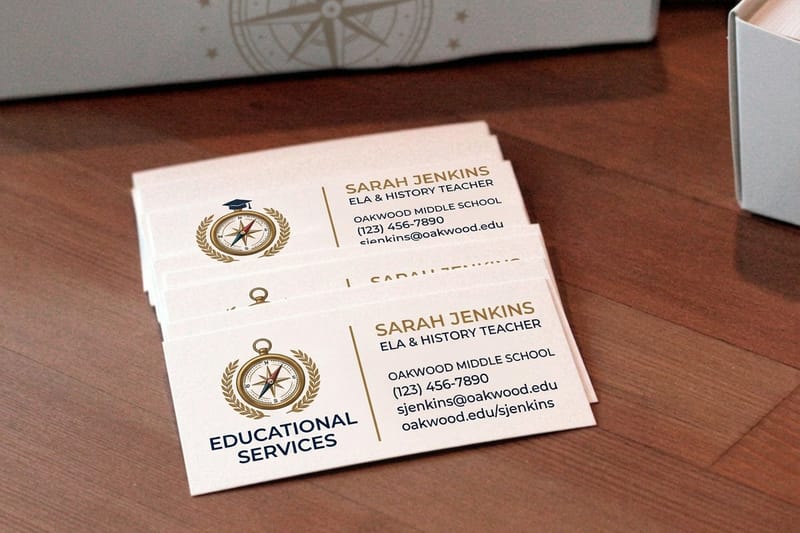
Start with a flat thank you card, which starts at $19.77 and is the highest return per dollar in the whole box. It costs almost nothing per order, it gives you a place to put a discount code for the second purchase, and hand signing it is a genuine advantage a large seller cannot copy at scale. Next, a small logo sticker used as an envelope seal: business card stickers start at $10.76 and turn a plain mailer into a branded one without a custom mailer order.
Custom tissue paper starts at $126.32 and only earns its place when your buyer photographs the unboxing, which in practice means gift-oriented and collector-oriented lines. Custom hang tags start at $25.27 and matter if you also sell at markets, where a tagged pack reads as a finished product rather than a homemade one. Save header cards, which start at $218.30, for the moment you have an actual wholesale order, because a header card design without a retail buyer behind it is a box of card stock in your closet.
The trade-off nobody mentions: every one of these is a minimum-quantity print run, so the money goes out before the orders come in. Buy the thank you cards first, add the seal stickers when volume justifies them, and hold the tissue and the header cards until a specific channel demands them. There are more insert ideas that pull repeat orders in how to use packaging inserts, and if you are still setting prices, what custom stickers cost lays out the run economics. Browse the full range on the sticker printing and label printing pages.
Wally packs a sticker order
Card, sleeve, chipboard, flat mailer, in that order
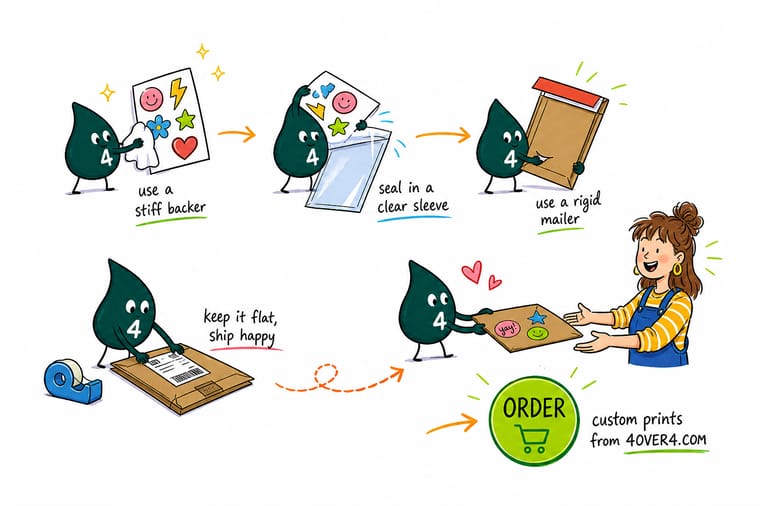
Wally sticks the sticker on a backing card that is a quarter inch bigger all round, so there is a lip to grab and the die cut never touches the sleeve seam. Card into the sleeve, chipboard behind it, both into a flat mailer that will not fold. He learned the hard way that a crease across a kiss cut never comes out, and that a rigid mailer stops being a letter at the post office counter. The thank you card goes in last, signed.
Order sticker sheets →%22%2F%3E%3Ccircle%20cx%3D%2242%22%20cy%3D%2245%22%20r%3D%2227%22%20fill%3D%22%23f59e0b%22%20opacity%3D%220.15%22%2F%3E%3Ccircle%20cx%3D%2280%22%20cy%3D%2262%22%20r%3D%2226%22%20fill%3D%22%23f59e0b%22%20opacity%3D%220.1%22%2F%3E%3Crect%20x%3D%2272%22%20y%3D%2221%22%20width%3D%2227%22%20height%3D%2232%22%20rx%3D%224%22%20fill%3D%22%23f59e0b%22%20opacity%3D%220.08%22%20transform%3D%22rotate(7%2080%2030)%22%2F%3E%3C%2Fsvg%3E)
Specs and pricing
Sheets, singles and header cards, with live pricing
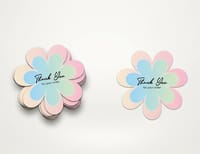
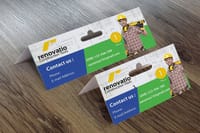
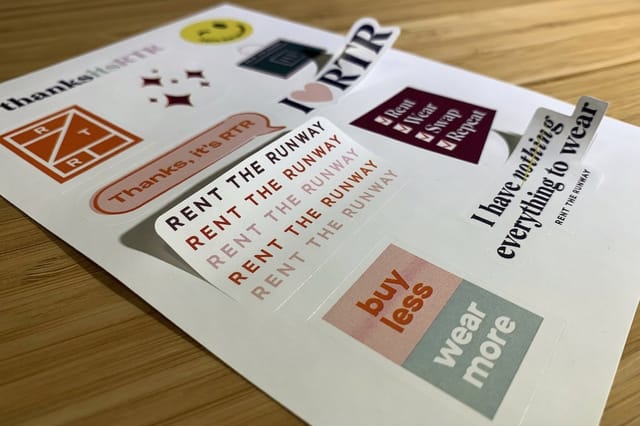
The three print pieces most sticker sellers order, side by side, with real configuration options and starting prices straight from the 4OVER4.COM configurator. Kiss-cut sticker sheets run 5 by 7 up to 11 by 11 inches from $181.24, die-cut stickers run 2 by 2 up to 11 by 11 inches from $93.37, and header cards on 14pt cover score to a 2 inch deep fold from $218.30 for 1,000.

Print it
Print the pack, not just the sticker
A sticker sheet for the multi-sticker order that spreads your postage, a die-cut single for the backing card, and a flat thank you card from $19.77 for the note that asks for the second order.


Explore more
Where to go next
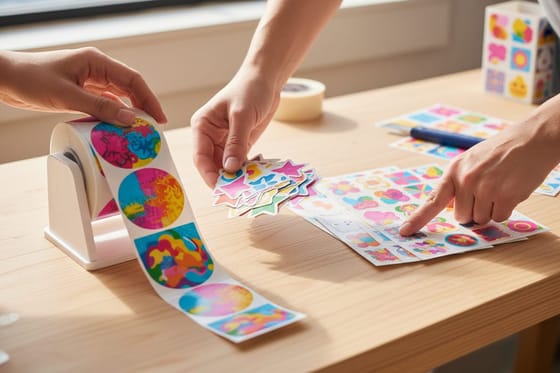
Four guides cover starting a sticker business, rolls against sheets and die cut, sheet sizes and layout, and packaging inserts. The last two cards open sticker printing and a size chart for common stickers.




By the numbers
Sticker printing you can build a shop on
Common Questions
Your sticker packaging questions, answered
How do you package stickers to sell online?
Mount the sticker on a printed backing card cut about a quarter inch larger on all four sides, slide the pair into a clear sleeve, back it with a piece of chipboard, and ship it in a rigid flat mailer. That is the whole baseline. The backing card carries your logo, your handle and a short care line, the sleeve keeps fingerprints and moisture off the face, the chipboard stops the crease, and the mailer stops the crease from happening in a sorting machine. Anything else you add is marketing rather than protection.
Do die-cut stickers need a backing card if they already have a liner?
Not for protection, only for presentation and pricing. A die-cut sticker is already kiss-cut on its own liner, so it peels fine straight out of the sleeve. What a backing card buys you is a branded surface, a bigger perceived product, and a piece stiff enough that the sticker does not roll in the envelope. Sellers who skip the card usually skip it on wholesale runs where the shop repackages anyway, and keep it for direct orders where the unboxing is the marketing.
What is the cheapest way to package a single sticker for shipping?
A cello sleeve plus a chipboard pad inside a plain flat mailer. The temptation is to drop the sticker into a paper envelope on its own, and that is where the damage claims come from, because a bare liner bends around anything else in the tray. If cost is the binding constraint, the better lever is not thinner packaging, it is selling more per order. Move buyers to a sheet or a five pack and the same sleeve, pad and mailer suddenly carry three or four times the revenue.
Should stickers ship in a poly mailer or a rigid mailer?
Rigid for anything larger than about three inches, poly only for small singles that are already sandwiched between two pieces of chipboard. A poly mailer offers no bend resistance of its own, so all the protection has to come from what you put inside it. Bubble mailers are the worst of the three for flat goods: they add thickness and cost without stopping a fold, and the bubbles emboss a pattern into a gloss laminate if the parcel gets squeezed.
Why do my stickers curl inside the package?
Almost always because the sheet was stored or shipped rolled, or because the liner and the face material moved at different rates in humidity. Ship flat, never rolled, and let a sheet acclimatize for a day before packing if it arrived from a cold truck. Vinyl faced stock on a thin paper liner curls the most. A heavier liner or a chipboard pad in the pack holds the sheet flat and the curl relaxes out over a few days on the buyer end.
Do I need a barcode on sticker packaging to sell in shops?
For an independent boutique, usually not. For anything with a point of sale system or a chain buyer, yes, and it needs to be a real GS1 UPC that you own rather than a generated image. Leave a clear white panel at least an inch and a half wide on the back of the header card and print the barcode at 100 percent scale with the quiet zones intact. Shrinking a UPC to fit a tight layout is the single most common reason a pack gets rejected at the till.
How much does sticker packaging add per order?
The print side is the part we can price honestly: sticker sheets start at $181.24, die-cut stickers at $93.37, flat thank you cards at $19.77, custom hang tags at $25.27 and header cards at $218.30 for a full run at 4OVER4.COM. Divide each by the run size to get your true per unit figure, then add the sleeve, the chipboard and the mailer, which you buy locally. Most makers land somewhere between a few cents and a quarter per order on print, and considerably more on the mailer.
Get Started
Order the sticker sheets and the thank you card in one run
Choose your size, material and finish, upload the layout, and we print sticker sheets, die-cut singles and the cards that go around them.
Legal Disclaimer
Gold Standard guarantees apply to all standard orders placed through 4over4.com. Price match requires verifiable proof of a competitor's published price for an equivalent product with matching specifications and turnaround time. Satisfaction guarantee covers manufacturing defects and print quality issues. Contact support with order number and documentation.
