
How to Make Custom Football Cards Players and Fans Actually Keep


One action photo on the front, a real stat line on the back, and a stock heavy enough to feel like the cards you grew up trading. Here is the full build, from sideline photography to a matched roster set printed and boxed for the banquet.
To make custom football cards, gather one vertical action photo and a verified stat line per player, then build a 2.5 by 3.5 inch two sided layout with an eighth inch bleed and an eighth inch safe margin. Put the photo, name, and jersey number on the front, put vitals, a stat table, and a short bio on the back, print on heavy card stock with gloss on the photo side, and repeat the same template across the roster so the set matches.
Start here
The whole project in one paragraph
A custom football card is a two sided 2.5 by 3.5 inch print built from one strong action photo and one honest stat line. You collect photography and season numbers for the roster, set up a document at trim size with bleed and a safe margin, design an emotional front and an informational back, lock that layout as a template, swap in each player's content, proof every file against the roster sheet, then print the whole set on heavy coated card stock so it survives a season of handling.
Why a printed football card outlives every highlight clip
A highlight clip gets watched once and buried by the next post. A printed card gets pinned to a locker, slid into a sleeve, taped inside a helmet bag, or traded across a bus aisle for the rest of the season. That physical permanence is the whole reason youth leagues, high school programs, travel teams, and fantasy commissioners keep printing cards long after everything else moved to a phone.
The good news is that a football card is a small, forgiving format. You are designing a rectangle roughly the size of a custom business card, which means the same press, the same stocks, and the same coatings that produce professional cards all day produce player cards just as well. What changes is the content discipline: a card has to make one photo hero and one stat block legible in a space you can cover with your palm.
This guide walks the full build, from gathering photos and season numbers, through the front and back layouts, sizes, stocks, and finishes, to prepping a whole roster as one matched set. If you want the broader version of the format first, the guide to making custom trading cards covers the collectible category as a whole.
What a custom football card actually contains
Before you open any design software, write down the content. Every football card is two surfaces with two different jobs, and mixing those jobs is the fastest way to end up with a cluttered card that nobody wants to hold.
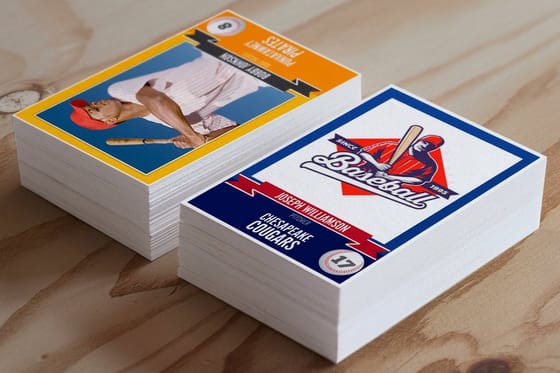
The front is emotional. It carries one action photograph, the player name, the jersey number, and usually the team mark. That is the whole list. The back is factual. It carries the season stat line, position, height, weight, class or age group, and a two or three sentence bio in the voice of a real trading card, plus the year so the card dates itself correctly ten years from now.
Collect the raw material for the entire roster before you design a single card. That means one approved action photo per player, a verified stat table per player, correct name spellings, and a clean vector version of the team logo. Chasing a missing photo after you have built forty layouts is how these projects stall. The same content-first habit is why a well made card gets kept instead of tossed.
Get the photography right before you design anything

Photography is the single biggest quality variable on a football card, and it is decided at the sideline, not at the keyboard. Shoot vertical when you can, because a card is a portrait rectangle and a horizontal frame loses most of its content in the crop. Leave headroom above the helmet and space in front of the player so the design has somewhere to place the nameplate.
Resolution matters more than it looks like it should. A card printed at 2.5 by 3.5 inches needs image data at 300 pixels per inch at final size, which means the cropped region of your photo has to hold roughly 750 by 1050 pixels of real detail. A phone photo can clear that bar easily if you did not crop deeply into it. A screenshot pulled off social media almost never will, because the platform already threw away the pixels you need.
Shoot in even light when possible. Late afternoon and overcast skies flatter jerseys. Harsh midday sun buries eyes in helmet shadow and blows out white uniforms. If you are cutting the player out of the background for a stadium composite, shoot against a clean, contrasting field so the edge selection around the facemask and shoulder pads stays believable.
Design the action front so it reads from arm distance

The front has one job: make the player unmistakable in the first half second. Build it in layers. Place the cropped action photo as the base, add a team color band or gradient along one edge to anchor the type, then set the jersey number large in a corner and the player name across the band.
Size the name to fill its band without crowding the edges, and set the number even larger, because the number is what teammates recognize instantly. Use a condensed, heavy typeface for both. Delicate script and thin geometric fonts disappear at this scale and clog with ink on coated stock. If you are choosing type from scratch, the roundup of free fonts that work at card size is a good shortlist to start from.
Keep the front nearly free of everything else. A small team logo, a small league or season mark, and nothing more. Every extra element competes with the photograph, and the photograph is the reason anyone picked the card up. Resist the urge to put contact details or sponsor blocks on the front; those belong on the back if they belong on the card at all.
Build the stats back like a real trading card

The back is where a custom football card stops being a photo print and starts being a collectible. Structure it like the cards people already know: a header strip with the player name and number, a vitals row with position, height, weight, and class, a stat table, and a short bio paragraph.
Set the stat table on a real grid. Column headers get a small bold sans, the numbers get a tabular figure setting so digits line up vertically, and alternating row tints keep the eye on the right line. For offensive skill players that usually means games, attempts, yards, average, and touchdowns. For linemen and defense it means tackles, sacks, interceptions, and forced fumbles. Pick the five or six numbers that matter for the position and drop the rest, because a cramped fifteen column table is unreadable at this size.
Write the bio like a card writer, not like a program insert. Two or three concrete sentences beat a paragraph of praise: the game that turned the season, the position switch that worked, the number the player chased. Finish with the season year and the team or league name so the card is self dating. For a working reference on how much text fits comfortably on the reverse of a card this size, see the card size guide.
Set the size, bleed, and safe zone before you place art
The classic trading card is 2.5 by 3.5 inches, the same footprint as a standard printed card, which is exactly why this format is so easy to produce well. Set your document to that trim size, in CMYK, at 300 pixels per inch.
Then add the two margins that decide whether your cards come back clean. Bleed is an eighth of an inch of extra artwork extending past every trim edge, so that any tiny shift on the cutter still lands inside your background instead of leaving a white sliver. The safe zone is an eighth of an inch inside the trim, and nothing you care about, not the name, not the number, not a stat row, ever crosses into that band.
Build the front and back as two pages of the same document so they can never drift apart in size or color setup. Name your export files clearly by player and side, keep every file identical in dimensions, and export press ready PDFs with bleed included and crop marks on. The full breakdown of dimensions and margins lives in the card size guide if you want the numbers in one place.
Choose the stock and finish that make it feel like a card
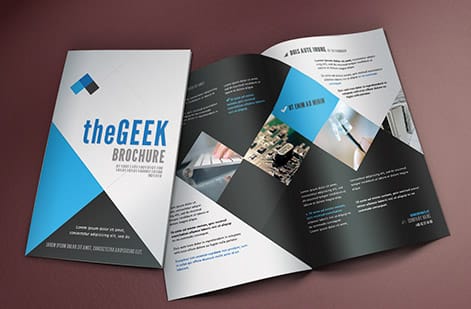
Weight is what separates a card from a photo. A thin stock bends in a pocket and reads as a handout. A heavy card stock in the sixteen point range and above has the snap collectors associate with real trading cards, and it survives a season of being shuffled, traded, and stacked in a shoebox.
Coating changes both the look and the use. Gloss and UV push saturation, which makes turf, sky, and jersey color leap off the front, but they also throw glare and resist marker ink. Matte and soft touch mute the shine, hold fine stat type crisply, and take a signature without beading. A common and very effective split is a glossy front for the action photo and a matte back for the stats, giving you both properties on the same card.
Specialty finishes are worth it for a small subset of cards. Foil on a jersey number, spot gloss on the player silhouette, or a rounded or die cut edge instantly reads as a limited edition. Die cutting is a real production step with its own tooling, which is why custom shaped cards start at $95.56 rather than at the standard card price. Print them as a short chase run inside a larger standard set.
Turn one card into a full roster set
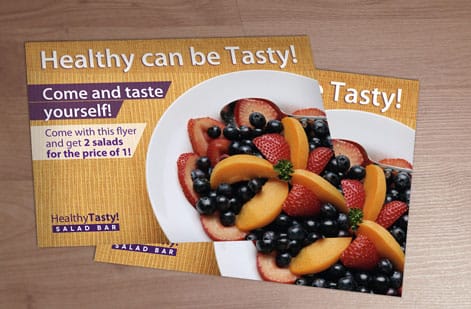
A single card is a keepsake. A matched set is an event, and building the set is mostly a discipline problem rather than a design problem. Lock the shared elements once: the color band, the logo position, the frame, the type sizes for name, number, and stat headers, and the exact position of every text block.
Then treat every player card as the same template with five variables swapped in: photo, name, number, position, and stat table. Keep the swap mechanical so the set stays visually identical when the cards are fanned out on a table. Number your files by jersey number so the roster stays in order through export, proofing, and submission.
Decide quantity per player up front. Cards are cheap in volume and expensive one at a time, because the press setup cost is the same whether it produces one card or hundreds. A common structure is a set of the full roster for every family, plus a larger stack of each player's own card for that player to trade and sign. If you also want a raffle or prize element at the banquet, the guide to making scratch off cards pairs neatly with a card set.
Proof the files before the press ever sees them

Proofing is the step people skip and then regret across the entire order, because a mistake on a card is a mistake multiplied by your quantity. Work through a fixed checklist for every file, not just for the first one.
Check that every name is spelled the way the family spells it, and check it against the roster sheet rather than from memory. Confirm each jersey number matches the photo. Verify that every stat number was copied from the season record and not estimated. Confirm the front and back belong to the same player, which is the single most common error in roster sets.
Then check the production side. Every file the same trim size, bleed present on all four edges, nothing important inside the safe margin, images at 300 pixels per inch at final size, color mode CMYK, and blacks in large solid areas built as rich black rather than as plain single channel black. Print one card on your office printer at exact size and hold it. Type that looked fine zoomed to 400 percent on screen often turns out to be too small in the hand.
Order the cards and what the print run costs
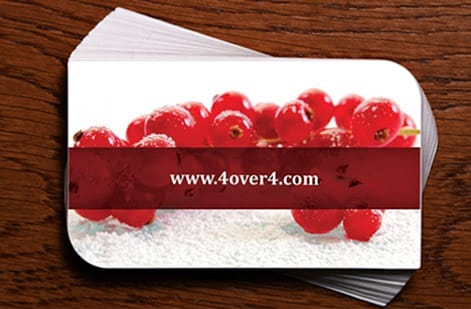
With approved files, ordering is straightforward. Choose the card size, pick your stock weight, select the coating for each side, set the quantity, and choose a turnaround that leaves room before your banquet, season opener, or trade night. Upload the front and back as a single press ready PDF per player, or as matched pairs, and review the on screen proof carefully before you approve it.
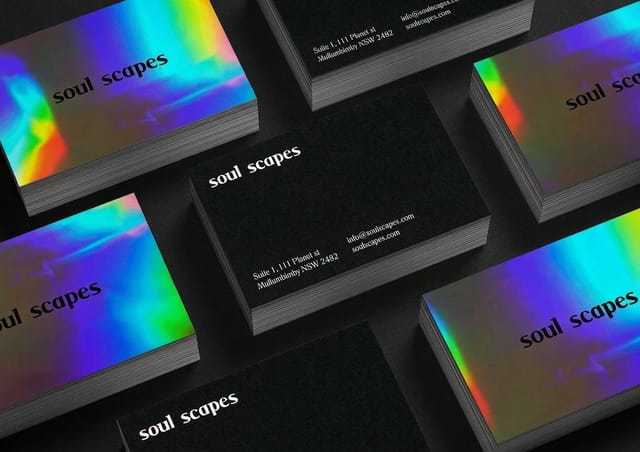
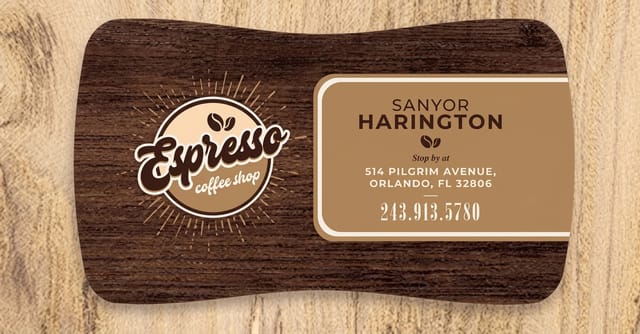
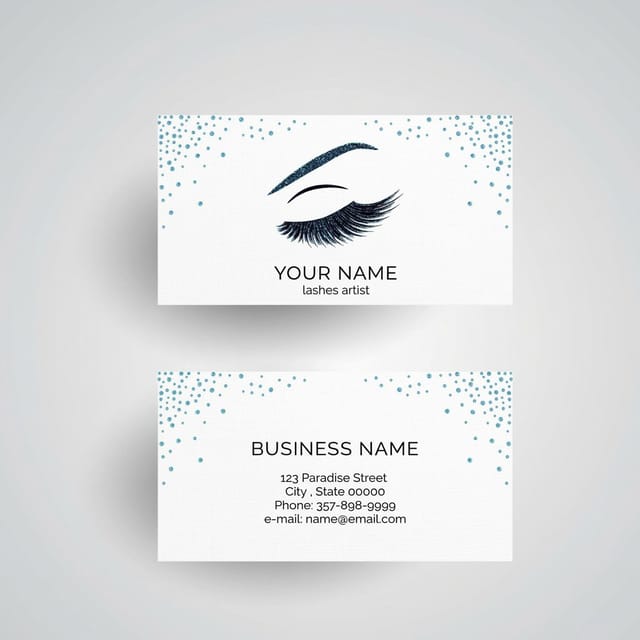
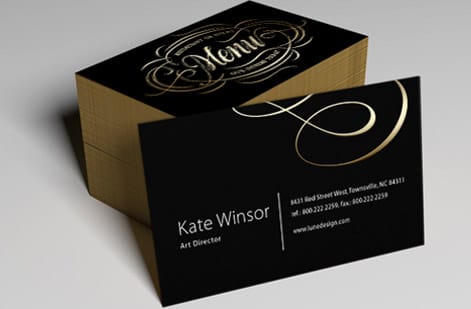
On cost, the shape of the pricing is simple. Standard rectangular cards are the value play, and custom business cards start at $17.57, which is why they are the right base product for a full roster set. Die cut and shaped cards carry the tooling and handling of an extra finishing step, so custom shaped business cards start at $95.56 and work best as a small premium subset. If you want a softer, more portrait driven card treatment for coaches, trainers, or team staff, the layout style used for make up artist business cards starts at $17.57 and adapts well to a headshot and credentials format. Quantity is your strongest lever: doubling a run rarely doubles the price.
Wally explains the football card
One photo, one stat line, one template repeated across the roster
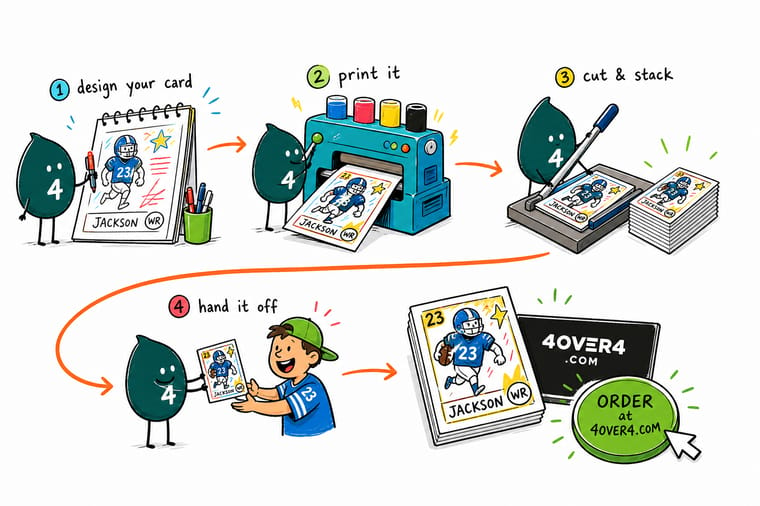
Wally builds a football card the way a card company does. The front gets a single vertical action shot, a big jersey number, and the player name on a team color band, and nothing else. The back gets vitals, five or six stats that matter for the position, and two sentences of real bio. Then he freezes that layout as a template and swaps only the photo, name, number, and numbers, so forty players come back looking like one release.
Design and print your cards →Template
The football card layout, block by block
One frame, seven blocks. Keep it open while you build the first card, then reuse the same structure for every player on the roster.
No block works alone. The bleed protects the photo, the nameplate depends on the crop, and the finish decides whether the stats stay readable after a season in a backpack.
Specs and pricing
Card specs and live pricing
When the roster files are ready, these are the real production choices: trim size, stock weight, coating, quantity, and turnaround. Prices update live as you change them.

| Quantity | Price Per Unit | Total |
|---|---|---|
| 100 | 17.6¢ | $17.57 |
| 200 | 11.5¢ | $23.07 |
| 300 | 9.15¢ | $27.46 |
| 400 | 7.96¢ | $31.86 |
| 500 | 7.25¢ | $36.26 |
| 600 | 6.77¢ | $40.64 |
| 700 | 6.43¢ | $45.04 |
| 800 | 6.18¢ | $49.43 |
Print it
Card products that work for player sets
See it in use
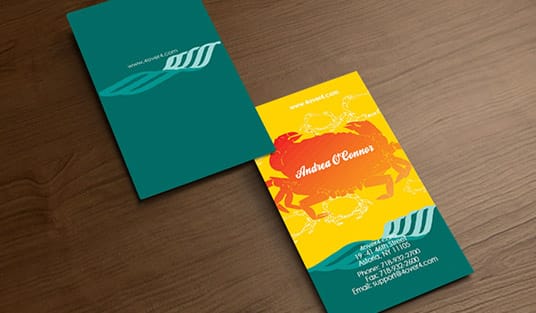
Real card work, printed in-house

Explore more
Where to go next


By the numbers
Printing you can count on at 4OVER4.COM
Common Questions
Common questions about custom football cards
What are custom football cards?
Custom football cards are small printed cards built around one player, one team, or one season. The front carries an action photo with the player name and jersey number, and the back carries stats, a short bio, height and weight, position, and a team or league mark. Youth leagues, high school programs, travel teams, fantasy leagues, and collectors all print them, either as single player cards or as a full roster set handed out at the end of a season.
How do I choose the right custom football cards for my team?
Start with who receives them. Cards handed to parents and players at a banquet can be single sided and simple. Cards meant to be traded, collected, or signed need a stats back and a stock heavy enough to survive handling. Then decide on quantity per player, because a roster of forty with ten cards each is a very different order from a single keepsake card. Finally pick a shape: a standard rectangle reads as a classic trading card, while a rounded or die cut edge signals a premium special edition.
What do custom football cards cost and how are prices set?
Price is driven by quantity, stock weight, size, finish, and turnaround rather than by artwork. Printing runs on large sheets, so the more cards you gang onto a run the lower the cost per card falls. At 4OVER4.COM custom business cards, the workhorse format for player cards, start at $17.57, and custom shaped cards with a die cut edge start at $95.56 because they need a cutting die and extra press handling.
What sizes, stocks, and finishes are available for custom football cards?
The familiar trading card proportion is 2.5 by 3.5 inches, which is the same footprint as a standard business card, so the standard card size prints cleanly without custom tooling. Heavier stocks in the sixteen point range and up give the card the stiffness collectors expect. Gloss and UV coatings deepen the color of turf, sky, and jersey fabric. Matte and soft touch coatings cut glare on the stats side and take a marker signature without smearing.
How long does it take to print and ship custom football cards?
Once your press ready files are approved, production is measured in business days rather than weeks, and the turnaround you select at checkout sets the schedule. Standard coated cards move fastest. Specialty work such as die cutting, foil, or soft touch lamination adds a step on the finishing floor. Build in a few extra days if you are collecting photos and stats from a full roster, since gathering the content is almost always slower than the printing.
Do I need a template to design football cards?
A template saves you from the two mistakes that ruin card projects: art that stops short of the trim edge and text that sits too close to it. Set up an artboard at the final card size, add an eighth of an inch of bleed on every side, and draw a safe margin an eighth of an inch inside the trim. Design the front and back as two pages in the same file so the pair always stays matched.
Can I print cards for a whole roster in one order?
Yes, and it is the efficient way to do it. Build one master layout, then create a version per player by swapping the photo, name, number, position, and stat table. Keep every file at the same size, bleed, and color settings, name them by jersey number so the set stays in order, and submit them together so the entire roster prints on matched stock with matched color.
Get Started
Ready to put your roster on real cards?
Send us the front and back files and we will print them on heavy coated stock, trimmed clean and matched across the whole team set, in time for the banquet.
Legal Disclaimer
Gold Standard guarantees apply to all standard orders placed through 4over4.com. Price match requires verifiable proof of a competitor's published price for an equivalent product with matching specifications and turnaround time. Satisfaction guarantee covers manufacturing defects and print quality issues. Contact support with order number and documentation. On-time delivery rate based on tracked orders 1999 to 2026. Individual results may vary based on shipping carrier performance.
