
Hanging Calendars Explained, From Wire-O Binding to Wall Sizes


Tobias is our voice for cutting, binding and large format, built from the knowledge of our production team, with over 20 years in printing.
Three formats hang a calendar on a wall, and they behave differently once they are up there. Each binding behaves differently, takes a different amount of wall, and needs a grid sized for handwriting.
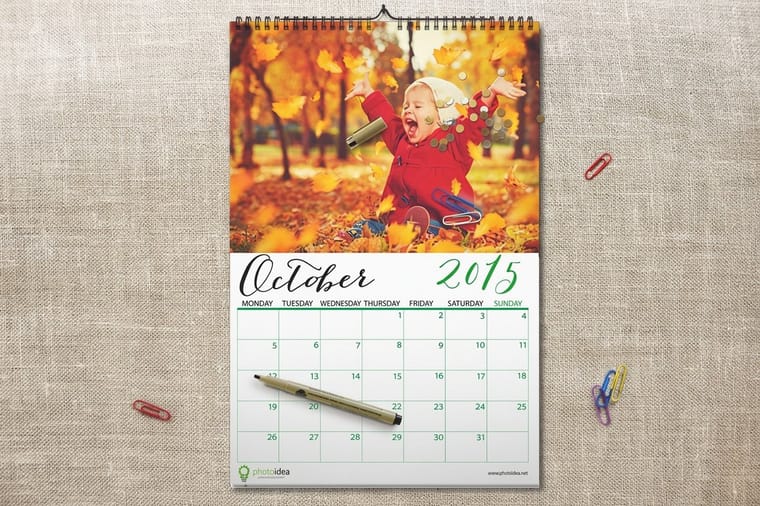
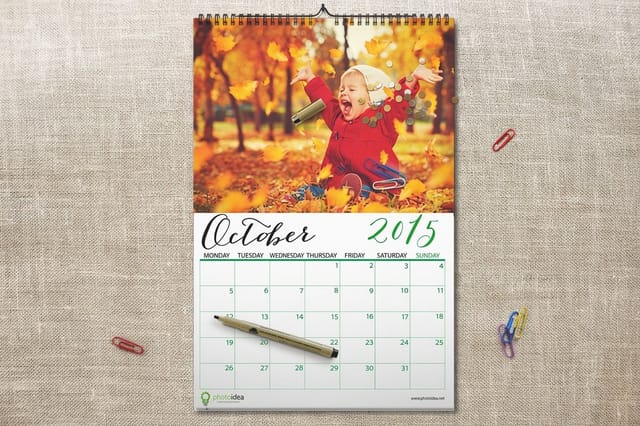
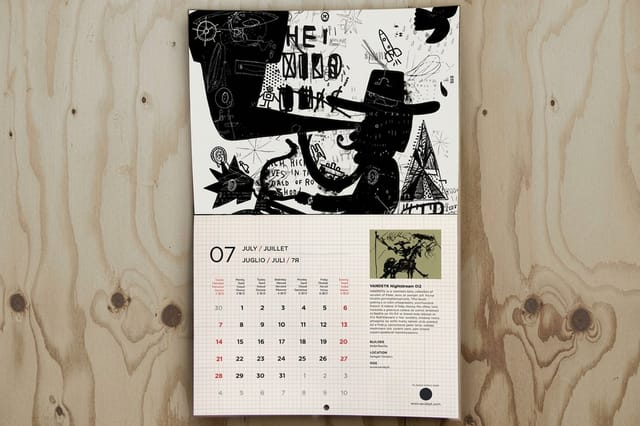
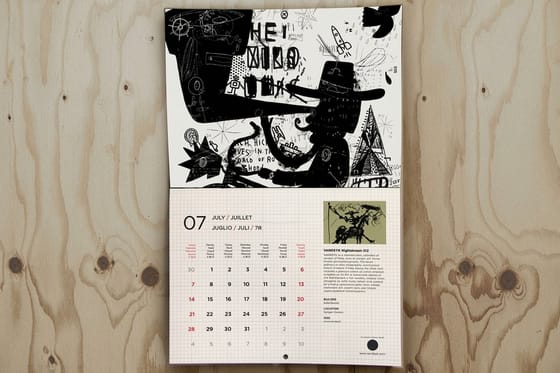
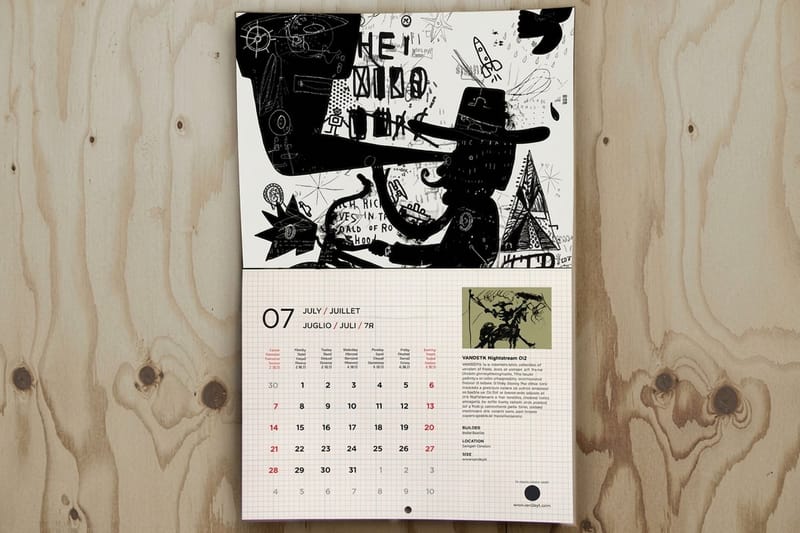
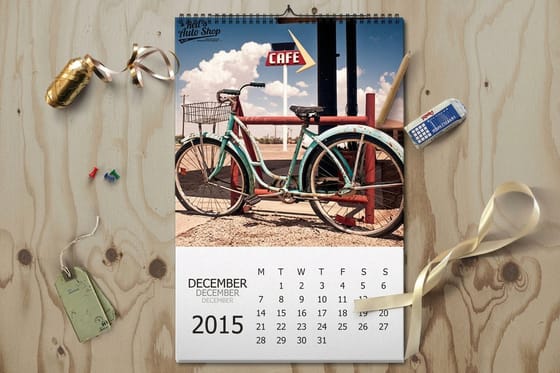
A hanging calendar is a wall calendar bound so it carries its own hanging point, and three formats do that: wire-o coil, saddle stitch, and an unbound poster sheet. Wire-o hangs open with the image above the coil and the month grid below, so it needs about twice its page height of wall. Saddle stitch puts the image and grid on one folded sheet, which is cheaper to bind and flatter to mail. A poster calendar shows all twelve months at once in boxes too small to write in.
Quick answer
The binding decides how much of the calendar you see at once
Pick the binding by what has to be visible on the wall at the same time. Wire-o coil gives you the full image and the full month grid together, at the cost of double the hanging height. Saddle stitch shares one folded sheet between image and grid, which shrinks the picture but makes the piece cheaper to bind and easier to mail. A poster calendar drops the binding entirely and puts the whole year in front of you in boxes nobody can write in. Size the grid before the sheet, and keep live artwork back from the punched edge.
Calendar Binding Options and What Each One Costs
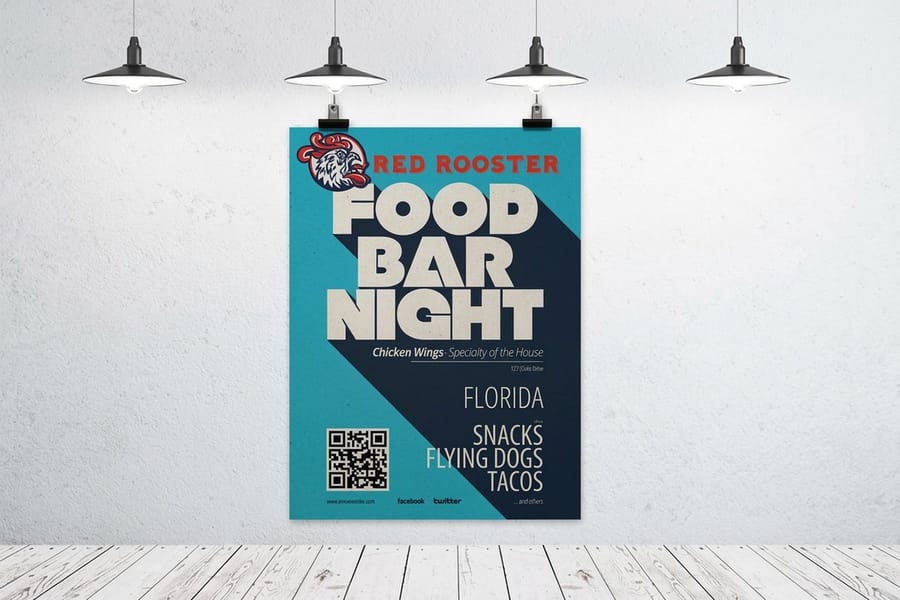
Three calendar binding options cover every hanging calendar we print: wire-o coil, saddle stitch and no binding at all. Here is what each one comes with on the order page.
| Binding | Sizes and pages | Hanging options | Starts at |
|---|---|---|---|
| Wire-O coil | 8.5 x 11, 9 x 12, 11 x 17 or 12 x 12 in; 26 pages for 12 months or 38 for 18 months | Black or white coil on the long or short edge, a thumb cut with hanger, or a 1/8 or 3/16 in hole | 25 for $812.59, 5 business days |
| Saddle stitch | 8.5 x 11 in; 24 or 28 pages, stapled on the long edge | A 1/8 or 3/16 in drilled hole | 25 for $812.59, 7 business days |
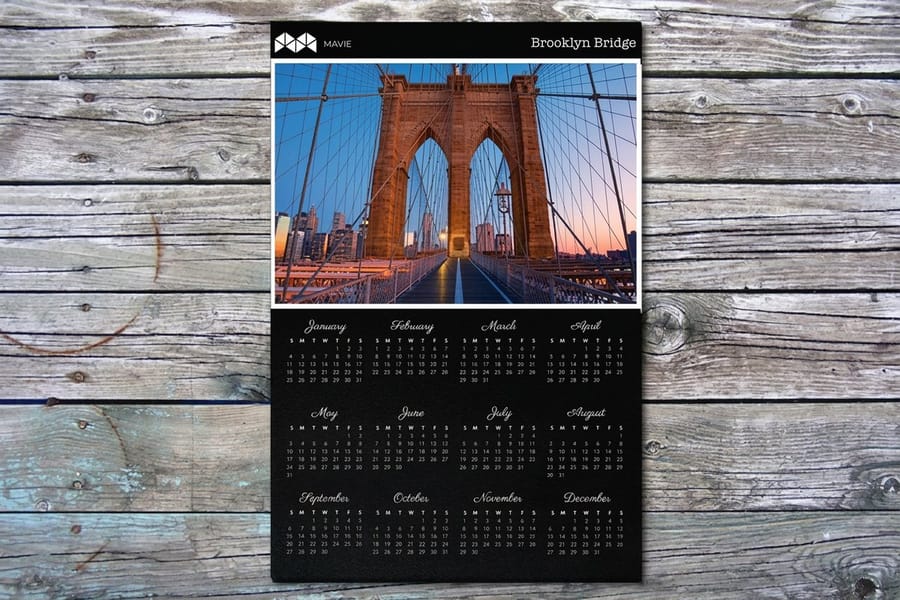
| Poster, unbound | 11 x 17 up to 22 x 28 in, one sheet | A clip or hanger bar you supply | 50 for $108.75, 5 business days |
Wire-o prints full color on both sides on 100# gloss text up to 14pt cover inside pages. Saddle stitch adds 100# silk/matte text and a black ink option for grid-only pages.
What Makes a Calendar a Hanging Calendar
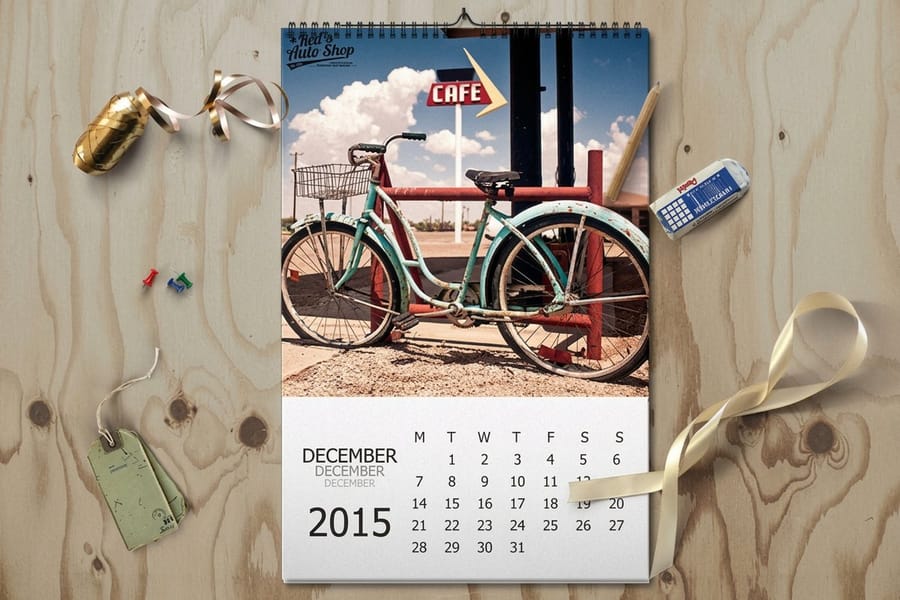
A hanging calendar carries its own hanging point. That sounds obvious until you see a stack of beautiful calendar sheets that nobody can put on a wall without reaching for tape.
Every hanging calendar has four parts: an image panel, a grid panel, a binding, and the thing you hang it by. The binding is what changes between formats, and it drags the other three along with it. A coil turns the calendar into a flip book you hang from the wire. A stapled fold turns it into a booklet you hang from a punched hole. No binding at all leaves you with a poster that needs a clip or a hanger bar.
The behavior people forget is what a coil calendar does once it is open. You flip the finished month up and over the wire, so the image from the leaf above ends up sitting above the coil and the working grid sits below it. The piece occupies roughly twice its page height on the wall. Measure the space between the top of the filing cabinet and the ceiling before you fall in love with a large page size, because a calendar that has to be hung too low gets taken down by March.
All three formats come out of the same press work you would use for a booklet or a poster, which is why the calendar printing category sits next to the poster printing and booklet and catalog lines rather than being some separate craft.
Wire-O, Saddle Stitch and Poster, Compared
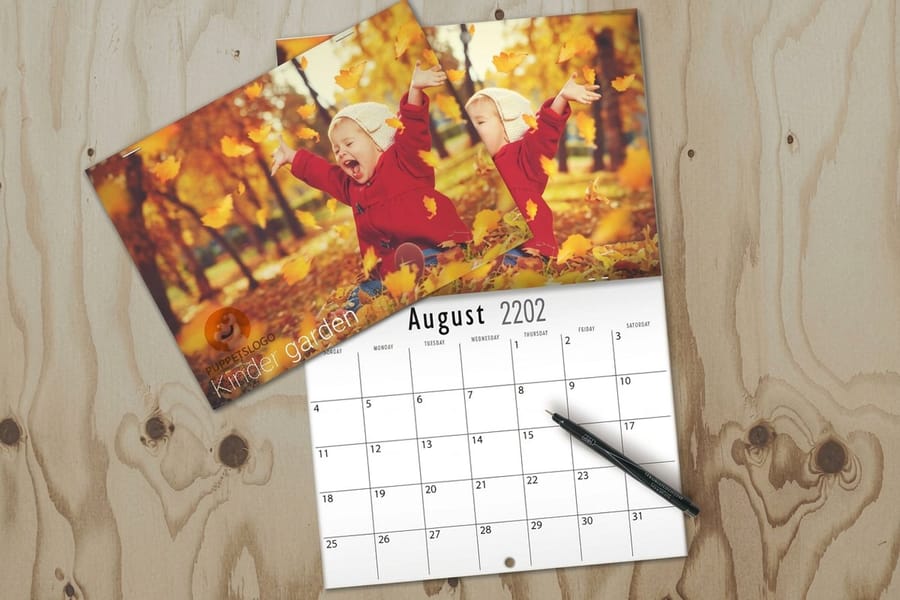
The fastest way to choose is to decide what has to be visible on the wall at the same time, then let that pick the binding.
| Format | How it binds | On the wall | Where it fits |
|---|---|---|---|
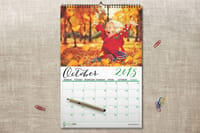
| Wire-O coil | Punched along one edge, a metal coil threaded through, hung from the wire. | Full image above the coil, full month grid below. Takes about double the page height. | Photography, branded gifts, anything that has to look like a real product. |
| Saddle stitch | Folded once and stapled through the fold, hung from a hole in the spine. | Image and grid share one sheet, so the picture is roughly half the size. | Volume giveaways, mailed calendars, tight budgets. |
| Poster | Nothing. One trimmed sheet, hung with tape, clips or a wood hanger bar. | All twelve months at once, in small boxes. | Production floors, project walls, year planning. |
The column that decides most jobs is the third one. If the calendar is a gift with your name on it, wire-o is the format that reads as a gift, and wire-o coil calendars start at $812.59 in the configurator. If a thousand of them are going in envelopes, the saddle stitch build in standard calendars is lighter and flatter, and it configures from the same $812.59 starting point, so the saving shows up in postage rather than in print. If the wall needs the whole year visible, stop calling it a calendar job and print it as a poster, which starts at $108.75.
Sizing a Hanging Calendar From the Date Box Out

Most calendar size arguments happen at the wrong end. People pick a sheet size they like, drop a grid into it, and only discover at the proof stage that a Tuesday box is too small to write in.
Start with the box. A date box needs about three quarters of an inch of clear height before a normal pen becomes comfortable, and closer to an inch if anyone writes two lines. Seven of those across, plus the day names and a month title, sets your minimum grid width. Only then do you choose the sheet, and only then does it make sense to argue about whether the image panel is landscape or portrait.
Two rules of thumb come out of that. A calendar people write on wants the grid to own the sheet, which is why so many office wire-o calendars run landscape with a modest image band. A calendar people look at wants the image to own the sheet, and the grid can shrink to a reference strip. Trying to do both on one page is how you end up with a calendar that is neither.
Poster calendars sit at the far end of that trade. Twelve months on one sheet means every box is a marker dot, useful for spotting a clash across the year and useless for an appointment. If that is the job, size the sheet for reading distance instead: a year planner read from six feet needs month labels you can pick out from six feet. The standard calendar sizes guide has the common trim sizes with the intended use for each, and how to plan and print a custom calendar covers the content schedule that has to be finished before any of this matters.
Building the File and Ordering the Run
Calendar files fail in two ways: at the bound edge, and in the dates. Both are avoidable, and neither gets caught by a spellcheck.
At the bound edge, treat the punch line as a margin. The coil holes and the hang hole both cut into the sheet near the trim, so keep logos, phone numbers and any headline you need people to read back from that edge on every one of the twelve pages. Build the artwork with the normal eighth inch bleed past the trim so the colored panels run clean, and keep the image panel out of the punch zone rather than trusting it to be cropped politely.
In the dates, check the grid against a real reference before it goes to press. The first day of the week is a genuine decision and not a default, Sunday start and Monday start both look correct until somebody misses a Monday meeting. Holiday dates move year to year and differ by country, so a calendar going to a client list in more than one market either shows both sets or shows none. If the calendar starts in a month other than January, print the year range on the cover so it does not read as leftover stock.
For a branded giveaway, leave a clean imprint band at the bottom of the grid page for the logo, the phone number and the site, and resist filling it with a slogan. It hangs in someone's office for twelve months, which is the whole point, and a tidy footer survives that better than a sales line does. Start from a correctly sized layout in the blank template library, hand the binding to our binding service if the piece is unusual, and if you want the same yearly reminder in a smaller footprint, custom magnets start at $19.68 and go on a fridge instead of a wall.
Wally hangs the calendar
Coil in the middle, image up top, grid where you write
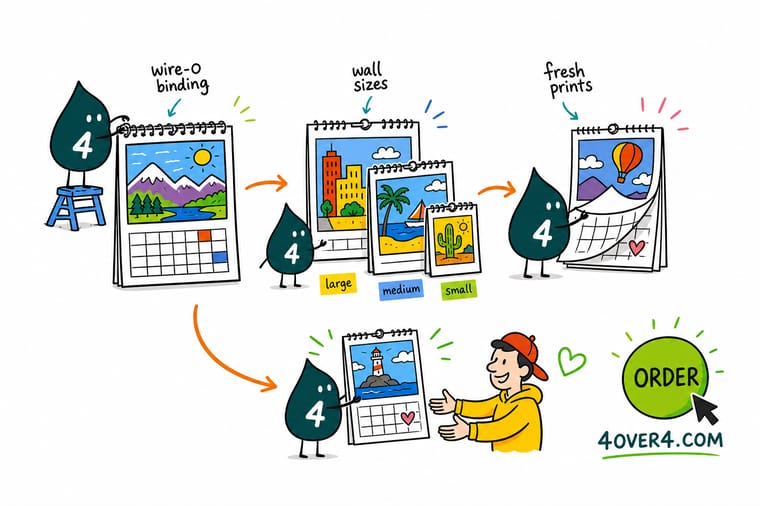
Wally puts one hook in the wall and hangs the coil from it. Flip the finished month up over the wire and the picture sits above the coil while the grid you write on sits below, which is why the thing needs about twice its page height of wall. Saddle stitch hangs from a hole in the stapled spine and keeps the image and grid on one sheet. A poster calendar has no binding at all, so it needs tape or a hanger bar. Whichever one Wally hangs, he keeps the phone number well back from the punched edge.
Order wire-o coil calendars →
Specs and pricing
Calendar formats, sizes, and starting prices
Wire-O coil calendars and standard calendars both start at $812.59 for 25, and each product page sets its own sizes and binding options.

Print it
Print a calendar that stays on the wall all year
Wire-O Coil Calendars hang from a thumb cut and hanger in four sizes up to 12 by 12 inches, Standard Calendars hang from a drilled hole on a stapled 8.5 by 11 spine, and a poster calendar puts the whole year on one sheet up to 22 by 28 inches.


Explore more
Where to go next
Six next reads for a calendar job: wall, desk, poster and pocket trim sizes, planning a custom calendar from content to press file, getting photos right on a wall page, saddle stitch against coil and perfect binding, the full calendar range and our binding service.
By the numbers
Wire-O and coil calendars bound in house
Common Questions
Your hanging calendar questions, answered
What is a hanging calendar?
A hanging calendar is a wall calendar built with its own hanging point, so it goes up on a single hook or nail and shows one month at a time. Three formats do that job. A wire-o coil calendar is punched along one edge and bound with a metal coil you hang from. A saddle stitch calendar is folded, stapled through the fold, and hung from a hole cut through the spine. A poster calendar is one unbound sheet that hangs from tape, clips, or a hanger bar. Desk calendars and pocket calendars are not hanging calendars, even though they often print on the same stocks.
Is wire-o or saddle stitch better for a wall calendar?
Wire-o if the image matters, saddle stitch if the budget and the shipping matter. Wire-o opens flat and holds the leaf above the coil, so the full picture and the full month grid are both visible at once, and pages turn without straining the binding. Saddle stitch puts the image and the grid on the same sheet, which halves the picture and makes the piece lighter, cheaper to bind, and easier to mail. At 4OVER4.COM both formats configure from the same starting price, so the choice really is about the format rather than the invoice.
How big should a hanging wall calendar be?
Work backwards from the date box. If people write appointments on it, each box needs about three quarters of an inch of clear height, which puts a seven column grid on a sheet around 11 inches wide at minimum. If it is a display piece with photography and only a glanceable grid, you can go smaller and let the image carry the page. Our guide to standard calendar sizes for wall, desk, poster and pocket lists the common trim sizes with the use case for each one.
Can a calendar start in a month other than January?
Yes, and plenty do. Academic calendars usually run July through June, fiscal calendars often start in April or October, and a giveaway handed out in the spring is better as a 12 month run beginning that month than as a half used January edition. The build is the same either way: twelve grid pages in the order you specify. Just say the start month in the artwork itself so nobody assumes it is out of date on the rack.
How much clearance does the punched edge need?
Keep anything you must be able to read back from the bound edge. The coil punch and the hang hole both cut into the sheet near the trim, so a headline or a phone number that runs right to that edge gets a hole through it. Build the file with standard bleed past the trim, and treat the bound edge as a margin rather than a design area. The same rule applies to the stapled spine on a saddle stitch calendar.
When should we print next year calendars?
Order early enough that the calendars land before the people who hand them out need them, which for most businesses means having them in hand well before the December gift round. The part that catches people out is not the print schedule, it is the content: twelve grids have to be checked against the correct first day of the week, and holiday dates move year to year and differ by country. Proof the grids before the file goes to press, because a wrong date is not a reprint you can hide.
Get Started
Order 25 wire-o calendars from $812.59
Pick the binding, size the grid so people can write on it, and we print calendars that hang from one hook and stay up for twelve months.
Legal Disclaimer
Gold Standard guarantees apply to all standard orders placed through 4over4.com. Price match requires verifiable proof of a competitor's published price for an equivalent product with matching specifications and turnaround time. Satisfaction guarantee covers manufacturing defects and print quality issues. Contact support with order number and documentation.
