
Loyalty Card Design Ideas That Customers Actually Keep


Nadia is our customer education voice, built from the knowledge of our production team, with over 20 years in printing.
A loyalty card design starts with one decision: is the visit marked by hand or scanned. A hand marked card is a 3.5 by 2 inch paper punch card at 6.59 cents each, with the grid owning the back. A scanned card is a 30mil plastic card at the 2.125 by 3.375 inch credit card size, from 37.8 cents each, with a barcode or a magnetic stripe doing the counting.
Five loyalty card designs and their specs
Most loyalty card designs fall into five layouts, and each one comes with a fixed trim size and stock at 4OVER4.COM.
- Ten box punch card. 3.5 by 2 inches on 14pt gloss cover, the reward on the front and two rows of five boxes on the back for a quarter inch punch.
- Eight box stamp card. The same trim with 0.8 inch boxes, on 16pt Uncoated with Soft Touch so a rubber stamp or a ballpoint marks it cleanly.
- Barcode membership card. 2.125 by 3.375 inches on 30mil white plastic, brand on the front, a Code 128, Code 39, UPC-A or EAN-13 barcode with sequential numbers on the back.
- VIP tier card. The same plastic in silk laminated matte with foil stamping, embossed numbering, a signature panel or a scratch off PIN.
- Key tag. 1.125 by 2.375 inches of 30mil plastic with a 3/16 inch hole, barcoded and numbered, from 500 pieces in 13 business days.
Loyalty card formats compared
| Format | Trim size and stock | Cost | How a visit is recorded | Best for | Product at 4OVER4 |
|---|---|---|---|---|---|
| Paper punch card | 3.5 by 2 in, 14pt gloss cover by default | $65.91 per 1,000 | Hole punch or rubber stamp | Cafes, salons, short promotions, a first test | Standard business cards |
| Plastic loyalty card | 2.125 by 3.375 in, 30mil, 1/8 in rounded corners | $377.68 per 1,000 | Barcode scan or magnetic stripe | Programs meant to run for years | Plastic membership cards |
| Key tag | 1.125 by 2.375 in, 30mil, 3/16 in hole | $309.69 per 500 | Barcode scan | Retail checkout, anything that lives on a keyring | Key tags |
| Card plus key tag | 4.5 by 2.125 in, 30mil, tag snaps out | $701.05 per 500 | Barcode or stripe on both pieces | One signup that arms a wallet and a keyring | Plastic card with key tag |
Prices are live configurator box totals, so the per unit figure moves as the run grows: 100 paper cards cost $17.57, or 17.6 cents each, and 1,000 cost $65.91, or 6.59 cents. Paper is priced per 100, plastic per 250 or 500, which is why the entry ticket differs far more than the unit cost suggests: $17.57 for paper against $226.11 for 250 plastic cards and $309.69 for 500 key tags.
Pick the format before you draw anything
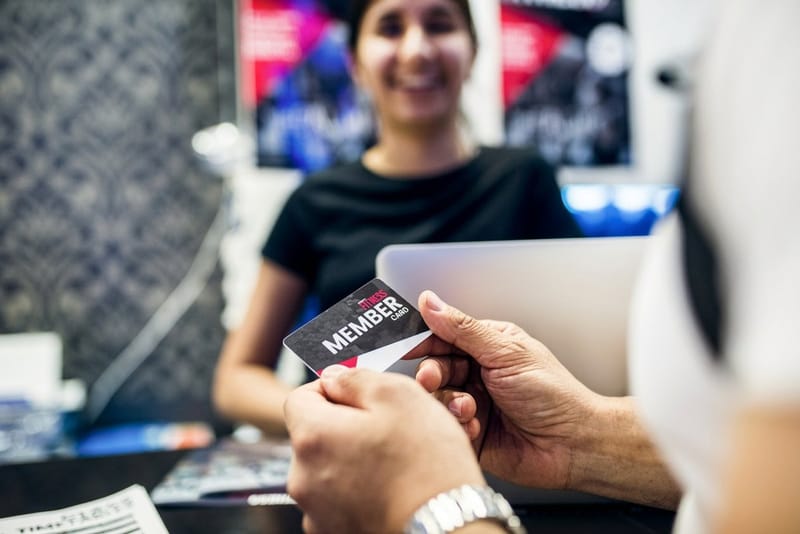
Two formats cover almost every loyalty program, and they lead to different artwork. A paper punch card is a business card with a grid on the back, printed at 3.5 by 2 inches, marked by hand at the counter. A plastic card is printed at 2.125 by 3.375 inches, the exact credit card footprint, and the visit is recorded by a scan rather than a punch.
That single decision writes most of the design brief. If a member of staff has to punch or stamp the card, the back of the card belongs to the grid and everything else moves to the front. If the card gets scanned, the back belongs to the barcode and the terms, and the grid never exists.
The plastic option also changes the calendar. Plastic VIP cards run a 15 business day standard turnaround, while standard business cards print in 3 business days with faster rush tiers. A shop that wants cards on the counter for a weekend promotion is printing paper, whatever the artwork looks like.
The grid is arithmetic, not decoration
A 3.5 by 2 inch card carries a 0.125 inch bleed and a 0.125 inch safe margin, so the usable width is about 3.25 inches. Put ten boxes in two rows of five and each box gets roughly 0.65 inch of width. A quarter inch hole punch clears that comfortably. A half inch stamp head does not, because the ink spreads past the box and lands in the one next to it.
So decide how the visit gets marked first. A punch lets you keep ten boxes. A stamp usually pushes you down to eight, which gives each box about 0.8 inch. Designers get this backwards, draw a handsome ten box grid, and then watch the staff stamp across three boxes at once.
Leave the punch a place to land
Punches remove paper. Whatever sits under the box is gone, so keep the logo, the phone number and the terms out of the grid area entirely. Give the grid its own field with a clear background, and put anything that has to stay readable on the front.
A punched card also frays where it gets handled. Rounded corners at a 1/8 inch or 3/8 inch radius on a business card slow that down, and they are a free looking upgrade on a card that lives in a back pocket for two months.
Ink sides and the file you send
A punch card prints on two sides, so choose 4/1 for a black grid on the back or 4/4 when the grid carries a brand color. The 4/0 option leaves the back blank and only suits a card where the stamp lands on the front. Plastic membership cards offer 4/0 and 4/4 only, with no black only back option.
Send the paper file at 3.5 by 2 inches and the plastic file at 2.125 by 3.375 inches, each with the bleed drawn past the trim. Both configurators offer a Free Online Proof, the moment to check that no box of the grid sits under a rounded corner and that the barcode clears the edge.
Loyalty card design ideas that hold up at the counter
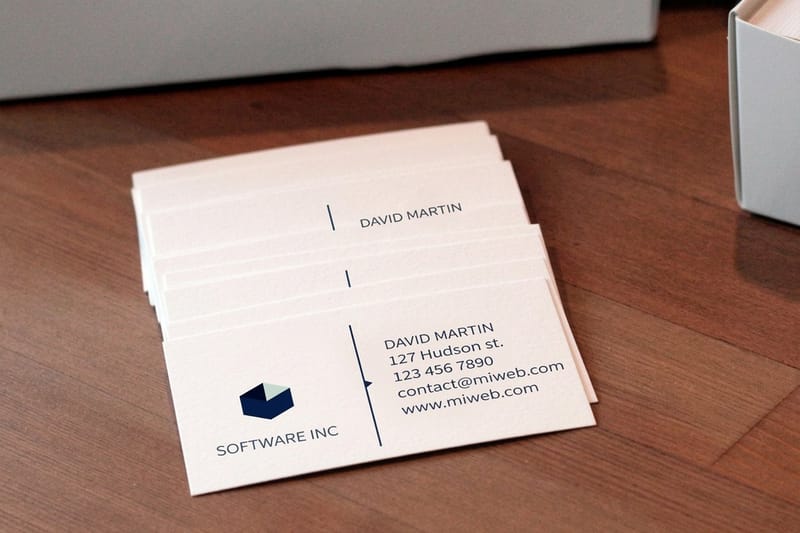
Twelve directions worth printing, roughly in order of how much they cost to run. The first six work on paper at 6.59 cents a card. The last six need plastic, which means a bigger first order and a longer wait.
Test the cheap ones before you commit. A box of 100 standard business cards is $17.57, which is less than a morning of takings for most counters and enough to learn whether anyone bothers to carry the card at all.
Ideas one to six: paper punch cards
1. The reward as the headline. Put the offer on the front in the largest type on the card, written as an instruction. Buy nine coffees, get the tenth free. A customer should not have to turn the card over to learn what it does.
2. The head start punch. Print or punch the first box as already earned when you hand the card over. The program starts at one out of ten instead of zero out of ten, and the card feels like it belongs to someone.
3. Eight boxes instead of ten. If staff use a rubber stamp, eight boxes across the safe width gives about 0.8 inch each and the impression lands cleanly. A tidy eight beats a smudged ten.
4. An uncoated or soft touch back. UV gloss coating repels ballpoint ink, so if anyone has to write a date or initials, spec a 16pt uncoated soft touch back rather than the default gloss cover. This is the single most common reason a punch card fails in service.
5. Color as the tier. One layout, one plate, and a different accent color per tier or per season. Staff sort them at a glance and you never redraw the card.
6. Sequential numbering on paper. Variable data is an option group on standard business cards, so each card can carry its own number. It ties a card to a customer record without any plastic.
Ideas seven to twelve: plastic cards
7. Barcode on the back, brand on the front. Plastic membership cards take Code 128, Code 39, UPC-A or EAN-13 with sequential numbering, so the till reads the card and the front stays clean.
8. Magnetic stripe for an existing reader. If the till already swipes, order the stripe in LoCo or HiCo and skip the barcode entirely. Confirm which coercivity your reader expects before the artwork is approved, because a HiCo card on a LoCo writer is a wasted run.
9. A scratch off panel for the signup code. Plastic VIP cards take a scratch off panel over a hidden PIN, which turns a card handed out at an event into a redemption you can track.
10. A tier card that looks like a tier. Plastic discount cards and VIP cards print on the same 30mil white stock, so a silk matte body with a foil stamped mark reads as the upper tier next to a UV gloss standard card. Change the finish, not the layout.
11. The key tag, on its own or attached. Key tags are 1.125 by 2.375 inches with a 3/16 inch hole already drilled, and plastic cards with a key tag give a wallet card and a keyring tag from one 4.5 by 2.125 inch piece. Watch the key tags video before you pick between the two.
12. A gift card that feeds the same program. Plastic gift cards print on the identical stock and size, so one artwork family covers the loyalty card, the gift card and the staff card.
One brand across the punch card and the plastic card
A loyalty card lives in the same wallet as your business card and sits on the same counter as your sign, so a customer should recognize it before reading a word. Reuse the logo, the typeface and the two brand colors from your current business card, and make the reward line the only new element. The paper punch card is a standard business card at 3.5 by 2 inches, so your business card file is the starting point: keep the front close to it and give the back to the grid.
On plastic, membership, VIP, discount and gift cards all print on the same 30mil white stock at 2.125 by 3.375 inches. One layout can carry the whole family, with the accent color and the words changed per card. Foil stamping on the front, the back or both sides lifts the logo on an upper tier without a second design. UV gloss makes a brand color look brighter than silk laminated matte does, so if two tiers must show the same color, print both in the same finish.
Fewer elements, a card people read
A 3.5 by 2 inch card leaves about 3.25 by 1.75 inches inside the safe margin on each side. That space fits a logo, one reward line and a grid, and each extra element shrinks the type of the one that matters. Keep the front to the business name and the reward written as an instruction, such as buy nine, get the tenth free.
On the back, give the grid the whole field and put the expiry and exclusions on one short line in the margin. Social handles, a map and a slogan belong on your flyer.
Plastic tempts the opposite mistake. The configurator offers foil stamping, embossed numbering in 14pt or 18pt, a signature panel, a scratch off PIN, a LoCo or HiCo stripe and a lanyard slot on one 2.125 by 3.375 inch card, and each one takes room on the face or the back. A barcode card in silk laminated matte with a logo and a single reward line looks more deliberate than a card carrying five of them.
Ordering specs for the twelve ideas
Ideas one to six order as standard business cards. The default stock is 14pt gloss cover, the writable back from idea 4 is 16pt Uncoated with Soft Touch, and High Gloss UV Coating is the optional finish that refuses a pen. Variable Data covers the numbering in idea 6. Runs climb in steps of 100 up to 1,000, then in larger steps up to 100,000, and the standard turnaround is 3 business days with 2 day, next day and same day rush.
Ideas seven to twelve print on 30mil white plastic with 1/8 inch rounded corners, in UV Gloss Finish or Silk Laminated Matte. Membership, VIP and discount cards share one price ladder, 250 for $226.11, 500 for $276.63 and 1,000 for $377.68, on a 15 business day turnaround. Key tags ship in 13 business days, and the card with key tag in 15.
Paper or plastic, the real trade-off
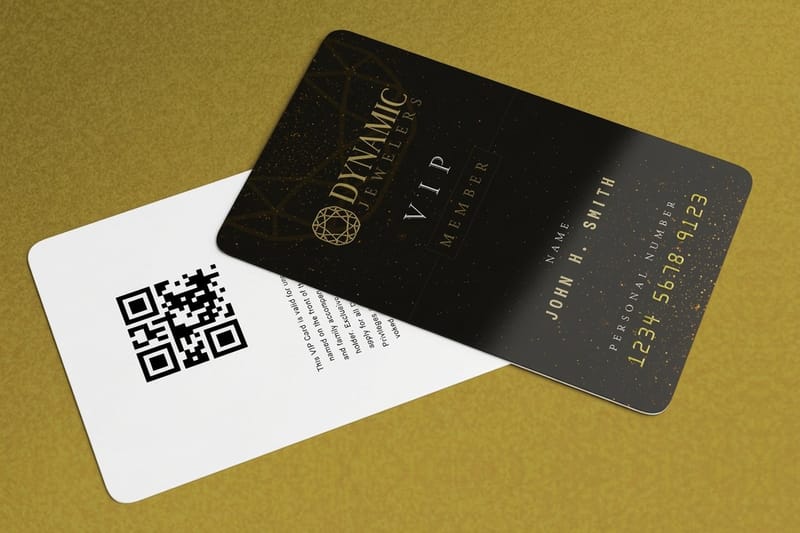
Plastic is not a better version of paper. It is a different commitment. A paper punch card is cheap enough to throw away and reprint when the offer changes, and a customer who loses it costs you 6.6 cents. A plastic card at 37.8 cents each has to be worth replacing, which means the program behind it has to be worth keeping.
The minimum order is the part that catches people out. Plastic membership cards start at 250 for $226.11, so the entry ticket is a couple of hundred dollars whether you have 40 members or 4,000. Standard business cards start at 100 for $17.57. If you are still guessing at the reward structure, print the guess on paper. Our guide to the advantages of plastic business cards over paper weighs durability against that entry cost.
Durability runs the other way. A 30mil card is 0.030 inch thick, the same as the card in your pocket, and it survives a year in a wallet without softening. Our breakdown of 30mil plastic card materials covers the stock in detail, and the plastic printing options article covers where else the same stock turns up.
When the paper card is the right answer
Short programs, seasonal offers, and any program you have not yet proved. Also any counter where the marking has to happen in two seconds with a tool that costs nothing. A punch card needs no reader, no integration and no staff training beyond a hole punch on a string.
It is also the honest choice when the reward is small. A card that takes six visits to earn a free pastry does not need a magnetic stripe behind it.
When the plastic card earns its price
When the card has to survive a year, when the till already scans or swipes, and when you need each card to carry a unique number tied to a customer record. Gyms, clubs, salons with a booking system, and anywhere a member shows the card as a credential rather than a coupon.
The other case is perceived value. A rigid card with rounded corners and a silk matte finish tells a member the program is real. That impression is most of what the extra 31 cents buys.
Plastic card pricing and specs at 4OVER4.COM
Plastic card pricing moves with quantity, finish and the encoding you add. Quantity does the most: plastic membership cards cost $226.11 for 250, about 90 cents a card, $276.63 for 500 and $377.68 for 1,000, or 37.8 cents. The finish is UV gloss or silk laminated matte, and the encoding runs from a barcode with numbering to a LoCo or HiCo stripe, all on 30mil white plastic at 2.125 by 3.375 inches with a 15 business day turnaround. The numbers below come straight from the live configurator, so you can size the program before you commit to a stock of cards nobody has signed up for yet.
Quantity and price
Plastic membership card pricing and specs
Live configurator numbers on 30mil white plastic at the credit card size, where a bigger run cuts the per card cost sharply.
| Quantity | Price Per Unit | Total |
|---|---|---|
| 250 | 90.4¢ | $226.11 |
| 500 | 55.3¢ | $276.63 |
| 1,000 | 37.8¢ | $377.68 |
| 2,000 | 34.7¢ | $693.46 |
| 2,500 | 35.3¢ | $882.94 |
| 3,000 | 33.6¢ | $1,009.25 |

You can also earn coins on every order and redeem them against later runs, which matters when a loyalty program means reprinting cards twice a year.
Finish, encoding, and what each one costs you
Finish is a look and a limit at the same time. UV gloss lifts color and takes handling well, and it refuses ballpoint ink. Silk matte reads calmer and hides fingerprints, which is why upper tier cards tend to be matte while the standard tier is gloss. Neither is better; they answer different questions about how the card is used.
Print it
VIP cards on 30mil plastic
Foil stamping, embossed numbering, a signature panel or a scratch off PIN on the same credit card size.
Encoding is where the budget quietly grows. A barcode with sequential numbering is the cheapest way to make every card unique. A magnetic stripe costs more and only makes sense when a reader already sits on the counter, and the LoCo or HiCo choice has to match that reader. Embossed numbering, foil stamping and a lanyard slot each add a pass, so pick the two that the program actually uses and leave the rest. If you are handing cards out at an event, a scratch off panel gives you a redemption you can count.
Loyalty cards by industry
The right format follows the counter, not the brand. It usually lands this way by business type.
- Cafes and bakeries. Paper punch cards, eight boxes with a stamp or ten with a punch, reprinted whenever the offer changes. The whole run costs less than a case of beans.
- Gyms and studios. Plastic membership cards with sequential numbering and a barcode, because the card doubles as the credential at the door and has to last a full membership year.
- Salons and barbers. A numbered plastic card for regulars, paired with an appointment card for the next booking, so one visit sets up the next.
- Retail and convenience. Key tags on the keyring rather than cards in the wallet, scanned at the till in the second it takes to hand over a basket.
- Restaurants and bars. A VIP card with a scratch off PIN for launch events, then a plastic gift card on the same stock so the two read as one brand at the counter.
Salons and clinics usually pair the loyalty card with a booking reminder, and our appointment card templates guide covers that second card. If the program also sells stored value, the blank gift certificate template guide is the companion piece, and gift card printing runs on the same stock.
Blanks at the paper trim and the plastic trim
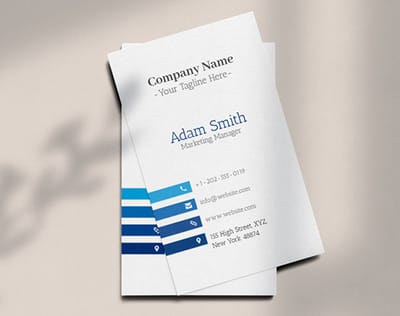
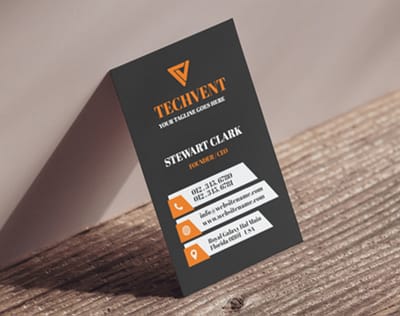
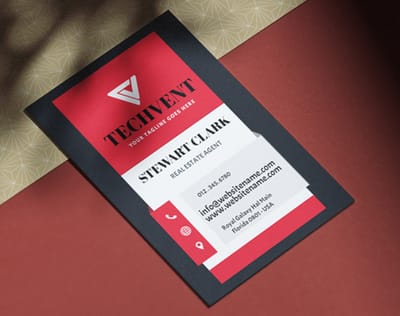
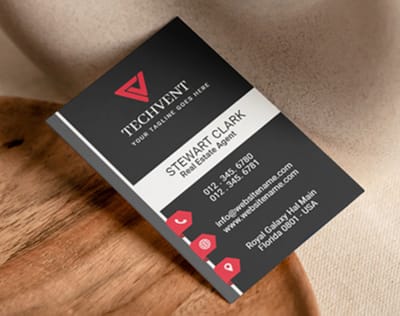
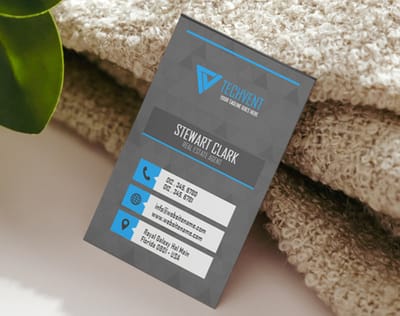
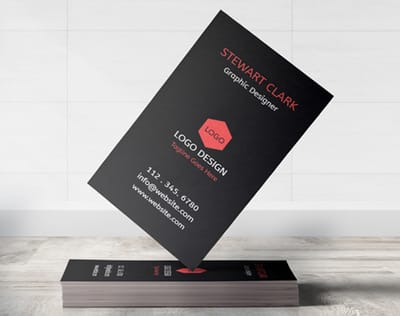
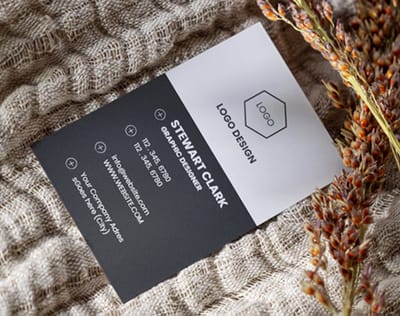
Blanks save the setup argument. 4OVER4.COM builds them at the real trim size with the bleed and safe margin already drawn, so a punch grid never crowds the cut and a plastic card never loses type into a rounded corner. Start from a print-ready blank, or pick a layout from the design template library and change the copy.
Start fast
Blanks at the paper trim and the plastic trim
Business card layouts for the paper punch card, plus exact size plastic card blanks with the bleed and safe margin marked.

Wally sizes the punch grid before he draws it
The marking tool decides how many boxes fit
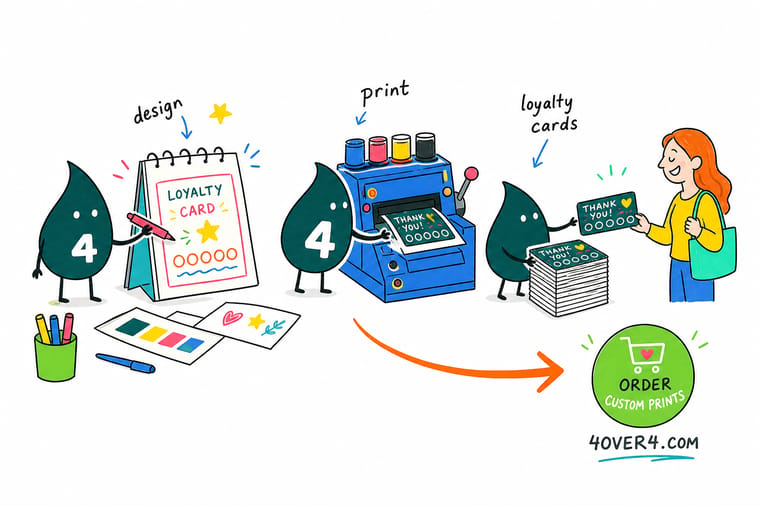
On a 3.5 by 2 inch card the safe width is 3.25 inches, so ten boxes leave about 0.65 inch each. A quarter inch punch clears that, a half inch stamp does not, so switch to eight boxes when staff stamp. Keep terms and the logo out of the grid, order an uncoated side if anyone writes on the card, and move to 30mil plastic at 2.125 by 3.375 inches once the program is proven.
Order loyalty cards →What survives a wallet and a counter
Design tips that survive the counter
- Decide the marking tool first. The punch or the stamp sets the box size, and the box size sets how many boxes fit. Every grid that fails was drawn before anyone asked how it gets marked.
- Keep the terms off the grid. Anything printed under a punch box is destroyed the first time it is used. Expiry, exclusions and the phone number belong on the front or in the margin.
- Match the finish to the pen. UV gloss looks sharp and refuses ballpoint ink. If a date gets written on the card, spec uncoated or soft touch on that side.
- Design plastic to the credit card size. At 2.125 by 3.375 inches with 1/8 inch rounded corners, the card fits every wallet slot and lanyard holder built for a bank card. A custom size defeats the point.
- Print one and use it for a week. Carry the card, punch it, put it through a wash cycle in a pocket. A fortnight of real handling tells you more than any proof on screen.
Explore more
More ways to print and run the program
Key tags run 500 for $309.69 in 13 business days and a plastic card with key tag 500 for $701.05 in 15.
Product Plastic Membership Cards 30mil credit card size, barcoded and numbered. Product Plastic VIP Cards Foil, embossing, scratch off PIN and a signature panel. 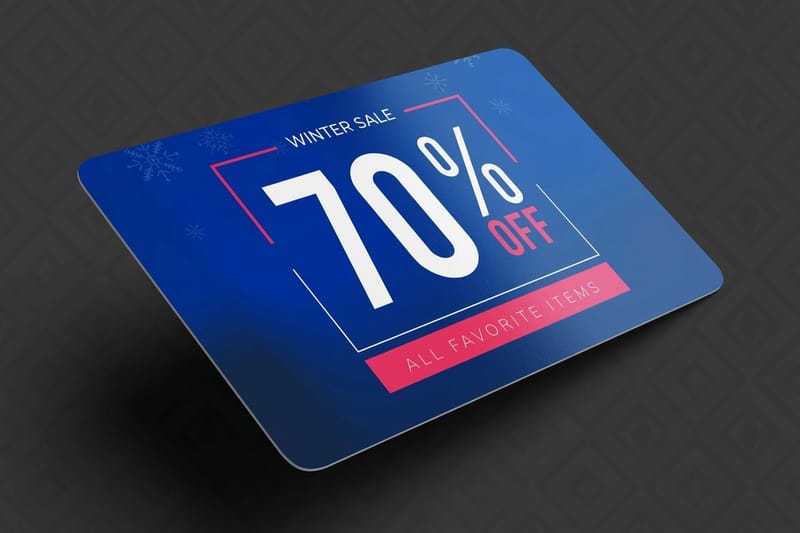 Product Plastic Discount Cards The same stock, built for a standing offer.
 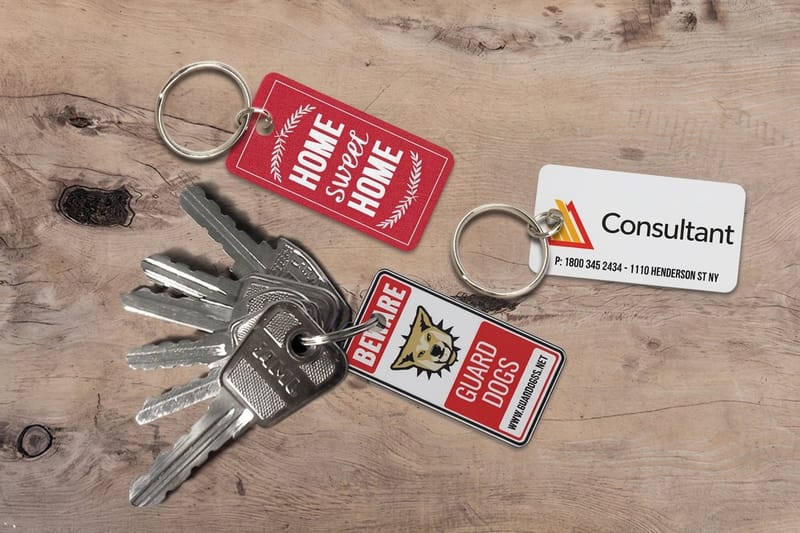 Product Key Tags Barcode ready, 3/16 inch hole already drilled.
 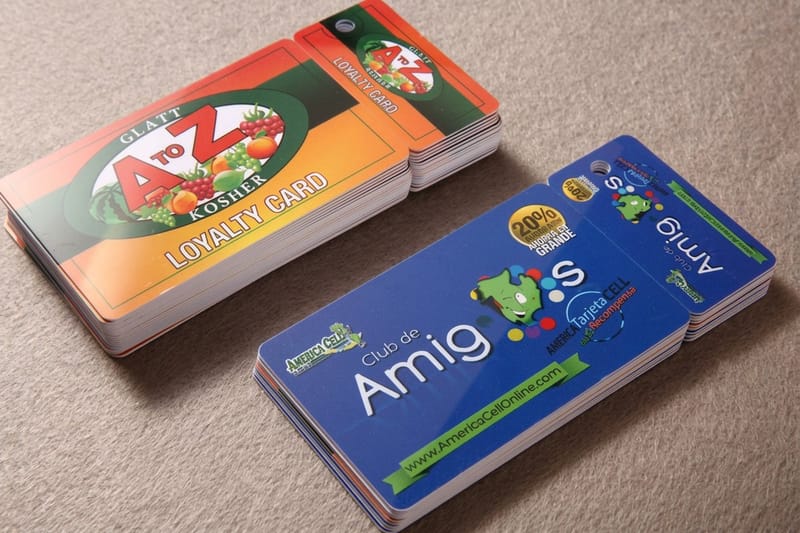 Product Plastic Card With Key Tag Wallet card and keyring tag from one piece.
  Category Plastic Cards Printing Every 30mil card type in one place.
 Ready to print your loyalty cards?
Test the offer on paper for $17.57, then move the program onto 30mil plastic once you know how many visits the reward is worth.
Common questions about loyalty cards
What size should a loyalty card be?
A paper punch card prints at 3.5 by 2 inches, the standard business card size, because it fits a wallet and every blank template is already built to it. A plastic loyalty card prints at 2.125 by 3.375 inches, the credit card standard, so it slides into a card slot and works with lanyard holders and swipe readers built for bank cards. Both need a 0.125 inch bleed and a 0.125 inch safe margin, set up at 300 DPI in CMYK. Compact business card sizes of 2 by 2 inches and 1.5 by 3.5 inches exist, but a loyalty card that does not sit in a wallet slot gets left at home.
How many stamps or punches should a loyalty card have?
Work back from the reward. The reward has to cost you less than the margin on the visits it takes to earn, so a free coffee on a ten visit card is easy arithmetic while a free haircut on a five visit card usually is not. Ten is the most common grid because it divides cleanly into two rows of five on a 3.5 by 2 inch card and reads as a round number to a customer. If your staff use a rubber stamp rather than a punch, drop to eight so each box has enough width for the impression.
Can staff write on a loyalty card?
Only if you order the right finish. A UV gloss coating repels ballpoint ink and leaves a smear that wipes off on the next thing in the wallet. If a date, a name or a set of initials gets written on the card, order that side uncoated or on a 16pt uncoated soft touch stock, and check it with a real pen when the sample arrives. This applies to plastic too: a UV gloss plastic card needs a signature panel if anything is going to be written on it, which is a separate option on plastic VIP cards.
Should loyalty cards be numbered?
Number them if the card is tied to a customer record, and skip it if the card is just a coupon. Plastic membership cards and VIP cards take sequential numbering as variable data alongside barcoding in Code 128, Code 39, UPC-A or EAN-13, so each card carries its own scannable identity. Standard business cards also carry a variable data option group, so a paper punch card can be numbered without moving to plastic. Numbering is what lets you cancel a lost card rather than honouring whoever picked it up.
How long does a loyalty card take to print?
Paper is fast and plastic is not. Standard business cards run a 3 business day standard turnaround with 2 day, next day and same day rush options, so a punch card can be on the counter this week. Before you rush order business cards, settle the size and stock. For the tightest dates, start from Same Day Business Cards. Plastic VIP cards run a 15 business day standard turnaround because the cards are laminated, cut and finished as plastic rather than trimmed from a press sheet. If a launch date is fixed, order the plastic first and bridge the gap with a paper card carrying the same offer.
