
9 Game-Changing Marketing Strategies to Reach New Homeowners


Marcus is our print marketing voice, built from the knowledge of our production team, with over 20 years in printing.
Why a Fresh Address Is the Best Buying Signal You Will Ever Get

The best direct mail campaigns targeting new homeowners reach someone who just closed on a house while they rebuild an entire set of habits at once: the lawn guy, the dentist, the pizza place, the plumber, the insurance agent, the paint color in the hallway. They arrive as a folded welcome card, a magnet postcard for the fridge and a postcard timed to the next chore. None of those choices are locked in yet, which is exactly why a new address is worth more to your marketing than a hundred addresses that have been settled for a decade.
That window closes fast. Within a few months the new owner has already picked a favorite hardware store and saved a contractor in their phone. The campaigns that win are not the cleverest ones, they are the ones that land while the decisions are still open.
Everything below is built for print because print is the format a new homeowner actually keeps. Mail sits on a counter next to the keys. A card with a real offer on it survives the week. The pattern in new mover work is simple: arrive early, say one useful thing, and make it easy to hold on to.
Get the timing right before anything else
Pull your list monthly, not quarterly. A record that is 90 days old is a different prospect than one that is 20 days old, and by day 90 the household has already chosen half its vendors.
Lead with the problem they already have
They are not shopping for your brand story. They need the gutters cleared, the locks changed, a dentist within ten minutes. Write to the chore, not to the company.
Give the offer a physical shape
A card with a tear off coupon, a magnet, a printed checklist for the first month in a new house. Something that earns counter space keeps working long after the drop is done.
Plan the second touch before you send the first
One piece is a lottery ticket. Three timed pieces are a campaign. Decide now what lands at week two, week six, and month four, and build all three files at once.
Start here
Every piece of the direct mail playbook, gathered in one place.
Direct mail outreach collection

The Best Direct Mail Campaigns for New Homeowners
Four mailings cover the first five months in a new house. Each one below has its format, the spec to order and the week it should land.
- The welcome card, weeks one to three. A folded card at 4.25" x 5.5" or 5" x 7" on 16pt uncoated with soft touch, with an optional A2 envelope for the smaller size, from 50 cards in 5 business days. One warm line and one offer.
- The fridge magnet, with the welcome card or right after it. A 4" x 6" or 5" x 7" magnet postcard on 35pt indoor magnet, from 25, in 5 business days, carrying your number and the service a new owner needs first.
- The upgrade postcard, weeks five to eight. A 6" x 9" postcard on 16pt gloss cover with a photo of finished work, from 50, in 3 business days.
- The seasonal reminder, months three to five. The same postcard format, tied to the furnace, the sprinklers or the roof, whichever the calendar brings first.
Strategy 1 Send a Welcome Card Before the Boxes Are Unpacked
The first strategy is the least clever one. Mail a genuine welcome card, addressed to the household, that congratulates them on the move and includes one clear offer. No brochure, no eight services listed in six point type. One warm line and one thing you want them to do.
Format matters. A folded card reads as a note rather than an ad, which is why New Year Greeting Cards work so well as welcome pieces once you drop your own artwork in, and New Year Invitations keep the per piece cost low when you are mailing a whole zip code, as the short New Year Greeting Cards and New Year Invitations videos show side by side. If you already send custom note cards through Vistaprint, the note card comparison shows what changes when you switch.
- Address the house, not a name. Ownership records lag, and "To our new neighbors" never sounds wrong.
- Put the offer on the front. If the card has to be opened to reveal the value, a reader who never opens it never sees it.
- Keep the redemption stupid simple. One code, one phone number, one short link.
- Sign it like a person. A name and a role beats a logo lockup on a welcome piece.
- Print heavier than you think. A flimsy card in a stack of moving paperwork gets recycled without a read.
The measurable version of this is boring on purpose. Same creative, same offer, mailed on a rolling weekly schedule against a fresh list, so that when you compare months you are comparing the list and the timing rather than a redesign nobody asked for.
Print picks
Three formats built for a new mover drop
Live prices, ready to customize with your own artwork and offer.
 New Year Greeting Cards From $56.02 for 50 A folded welcome card that feels personal enough to stay on the counter.
  New Year Invitations From $19.77 for 25 Low cost per piece for meet the neighbors nights and open house invites.
  2 Sided Blockout Banners From $108.75 for 1 Two readable faces on one banner so drive by traffic sees your message either way.
 Strategy 2 Time the Second and Third Touch to Real Move In Milestones
Strategy two is sequencing. A new homeowner spends money in waves, and each wave has a service attached to it. Week one is locks, cleaning, and utilities. Week six is furniture, paint, and window coverings. Month four is the first seasonal maintenance panic, whether that is a furnace, a sprinkler system, or a roof they suddenly notice.
Map your services onto those waves and you stop guessing. Print all three pieces in one order so the artwork stays consistent, then hold two of them and drop on schedule. Sequencing is also the cheapest way to look bigger than you are, because three arrivals from the same brand reads as an established local company.
- Touch one, week one to three. Welcome plus the single most urgent service you offer.
- Touch two, week five to eight. The upgrade or project offer, with a photo of finished work.
- Touch three, month three to five. A seasonal reminder tied to the calendar, not to your promotion schedule.
- Touch four, optional. A referral ask once the relationship exists, never before it does.
Strategy 3 Make the Street Itself Part of the Campaign

Mail reaches the mailbox. Signage reaches everyone who drives past it, including the neighbors who are three months from listing their own place. Strategy three is putting a physical marker where the work is happening, at the open house, at the job site, at the community event you sponsor.
Two sided material earns its cost here. 2 Sided Blockout Banners carry an opaque blocking layer between the faces, so the artwork on the back does not ghost through to the front and both directions of traffic get a clean, readable message. On a corner lot or a fence line that difference is the whole point of the banner.
- Six words maximum on the headline. A driver gets a glance, not a read.
- Contrast over cleverness. Dark type on a light field reads farther away than any gradient.
- Repeat the mailer artwork. The same color and mark on both makes one impression instead of two.
- Add grommets or pole pockets. Both are options on the order, and a banner that flaps or tears mid season costs you the reprint and the impression.
Strategy 4 Budget by the Drop Instead of by the Piece
Strategy four is a money habit rather than a tactic. It is tempting to price a new mover campaign by the unit cost of a card, then cut quantity to protect the number. That is backwards. What matters is the cost of a complete drop against the value of one new customer relationship. Small lists do not force a small format: folded welcome cards start at runs of 50 and flat 4.25" x 5.5" cards at 25, so a short monthly list can still go out complete.
If a retained client is worth several hundred dollars a year, a full monthly drop that produces two of them has already paid for a year of printing. The price break table below shows the lever: a greeting card costs $1.12 each at 50 and about 33 cents at 500, so mailing the whole list once costs less per piece than a third of it three times.
- Fix your monthly drop first. Decide the number of addresses, then design to that budget.
- Order in one run. Three separate small orders cost more than one larger order split for later drops.
- Track by drop, not by month. Calendar months split campaigns in half and hide the result.
- Keep one control piece. Change one variable per drop so the numbers mean something.
Quantity and price
New Year greeting card pricing and specs
Real configurator numbers. The more you mail in one run, the lower each piece costs.
| Quantity | Price Per Unit | Total |
|---|---|---|
| 50 | $1.12 | $56.02 |
| 100 | 78.0¢ | $77.99 |
| 200 | 50.0¢ | $99.95 |
| 300 | 40.6¢ | $121.92 |
| 400 | 36.0¢ | $143.89 |
| 500 | 33.2¢ | $165.86 |

Strategy 5 Invite New Neighbors to Something Worth Showing Up For
Strategy five turns a mailing into a room full of people. New homeowners are quietly looking for a way into the neighborhood, and an invitation gives them one. A coffee morning at your shop, a small demo evening, a sponsored block party, a first Saturday walkthrough of the house you just listed.
An invitation reads differently from an advertisement even when it carries the same logo. It asks for presence rather than a purchase. Print it as a real invitation on a stock with some weight to it and the event gets treated as a real event.
- Date, time, and street on the front. Anything the reader has to hunt for costs you attendance.
- Give a reason beyond the brand. Free coffee, a local expert, kids welcome, parking handled.
- Mail two weeks out. Earlier gets forgotten, later gets a calendar conflict.
- Bring the list to the door. Collect names at the event so the follow up is warm instead of cold.
Event format
New Year invitations
A real invitation reads as an invitation, and it prints from 25 pieces.

Strategy 6 Put a Physical Offer in Their Hands, Not a Link
Strategy six is about the object. Digital offers evaporate the second the tab closes. A printed offer lives on a fridge, in a junk drawer, in the folder where the closing paperwork went. A plumber magnet on the fridge is still there long after an ad has scrolled away.
Give the piece a job beyond selling. A first month checklist for a new house, a seasonal maintenance calendar, a card with the local utility and municipal numbers printed on the back. When the piece is useful, the household keeps it, and your phone number is sitting there on the day something breaks.
- Print something they need anyway. Utility numbers, filter sizes, trash and recycling days.
- Make the offer specific. A named service at a named price beats any percentage off.
- Give it a deadline with room. Ninety days respects a family that is still living out of boxes.
- Leave writing space. A card someone marks up is a card that stays.
Something they keep
Put the offer on a card that stays
Print the offer on a piece the household has a reason to hold on to, and your number is there on the day it is needed.
Strategy 7 Build the List Before You Build the Creative
Strategy seven is the one most campaigns skip. A mediocre card sent to a clean, current new mover list beats a beautiful card sent to a stale one. The list is the campaign. The design is how the campaign gets read.
Start from your service radius rather than your ambition. Pull the zip codes you can actually reach on a Tuesday afternoon, filter for recent closings, and only then decide what fits inside that budget. Our walkthrough on new homeowner and local mailing lists by zip code covers where the records come from and how to keep them current.
- Refresh monthly. A record three months old is no longer a new mover.
- Suppress your own customers. Nothing sours a client like a new customer discount they cannot use.
- Respect the drive time. A zip code you will not service is a zip code you should not mail.
- Keep the raw file. You will want to re mail responders and suppress non responders next quarter.
Compare formats
Popular card formats, side by side
Save the date, greeting, velvet and response cards compared on stock, size, quantity and turnaround.
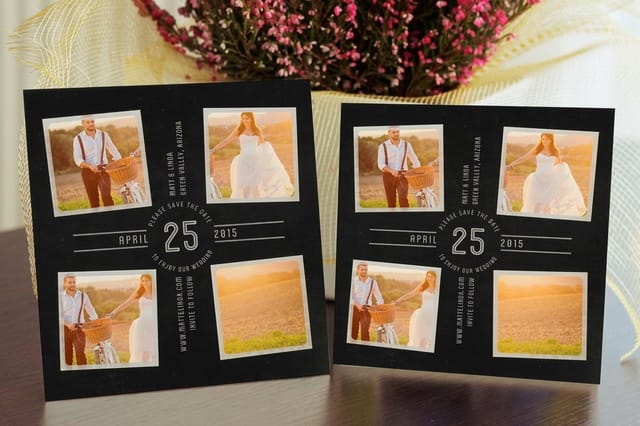 Save the Date Cards |  Greeting Cards | 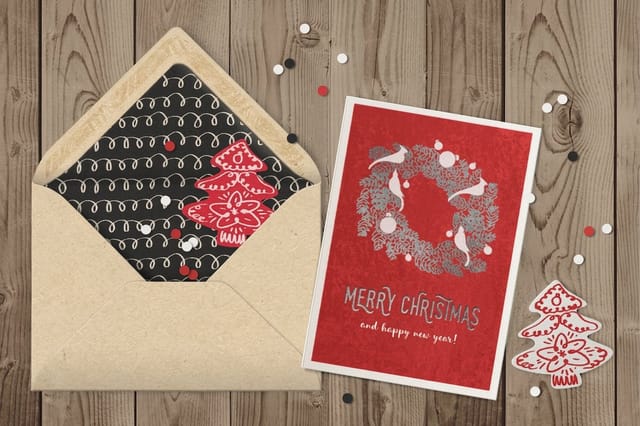 Velvet Greeting Cards | 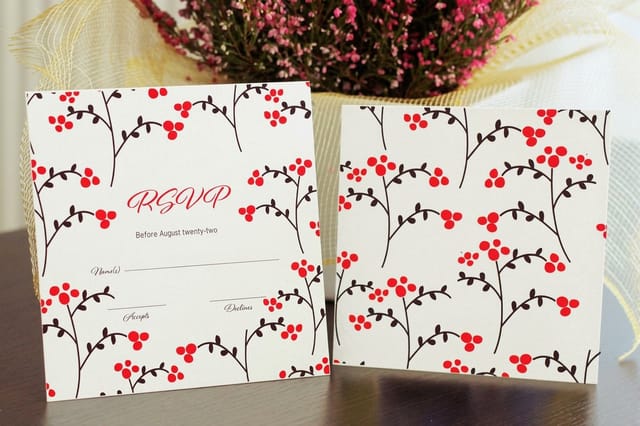 Response Cards | |
|---|---|---|---|---|
| Min price | $19.77 | $56.02 | $617.67 | $19.77 |
| Paper / stock | 14pt Gloss Cover | 14pt Gloss Cover | 16 Point Soft Velvet Laminated | 14pt Gloss Cover |
| Finish | Standard Finish | Standard Finish | - | Standard Finish |
| Size | 4.25" x 5.5" | 8.5" x 5.5" fold to 4.25" x 5.5" | 10" x 7" scored to 5" x 7" | 4.25" x 5.5" |
| Default qty | 25 | 50 | 500 | 25 |
| Turnaround | 5 business days | 5 business days | 7 business days | 3 business days |
| Rating | ||||
| View & customize | View & customize | View & customize | View & customize |
Strategy 8 and 9 Measure Every Drop, Then Reuse What Already Worked
Strategy eight is measurement that survives contact with a busy week. Give every drop its own code, its own phone extension, or its own short URL, and log the source at the point of first contact rather than at the sale. Two months of that habit tells you which zip codes and which offers deserve the next order.
Strategy nine is the compounding one. Once a piece proves itself, stop redesigning it. Rebuild the winner into a template, swap the offer and the season, and reprint. Start from a print ready layout, drop in your logo and photos, and the next drop takes an afternoon instead of a fortnight. The same discipline shows up in our breakdown of table tent marketing strategies that sell, where one proven layout gets reused across a whole year of promotions.
What to lock down once a piece wins
- The size and stock. Changing the physical piece resets everything you have learned.
- The headline structure. Swap the words, keep the shape and the position.
- The call to action. One route in, tracked the same way on every drop.
- The file setup. Correct bleed and safe margins saved once means no prepress surprises later.
Start fast
Templates and print ready blanks
Free layouts plus exact size blanks so the next drop is a file swap instead of a redesign.

Wally plans your new mover campaign
Fresh list, early arrival, one clear offer
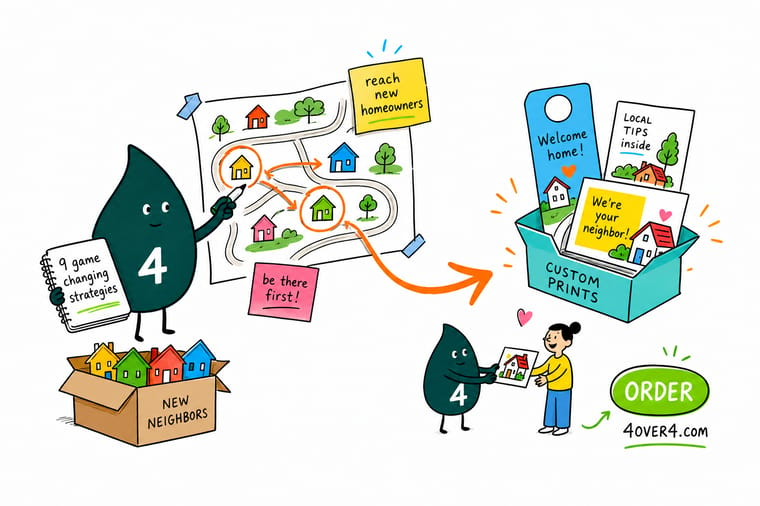
New homeowners decide fast and decide once. Pull a fresh list of recent closings inside your service radius, mail a welcome card in the first three weeks with a single offer on the front, then follow with a second piece around week six and a seasonal reminder a few months later. Keep the artwork consistent across all three, track each drop with its own code, and reprint whatever wins.
Design your welcome cards →What to Remember Before the First Drop
Keep reading
Reading that pairs with a new mover campaign
Build the mover list by zip code first, write the offer second, and read the table tent strategies if your business also has a counter people stand at.
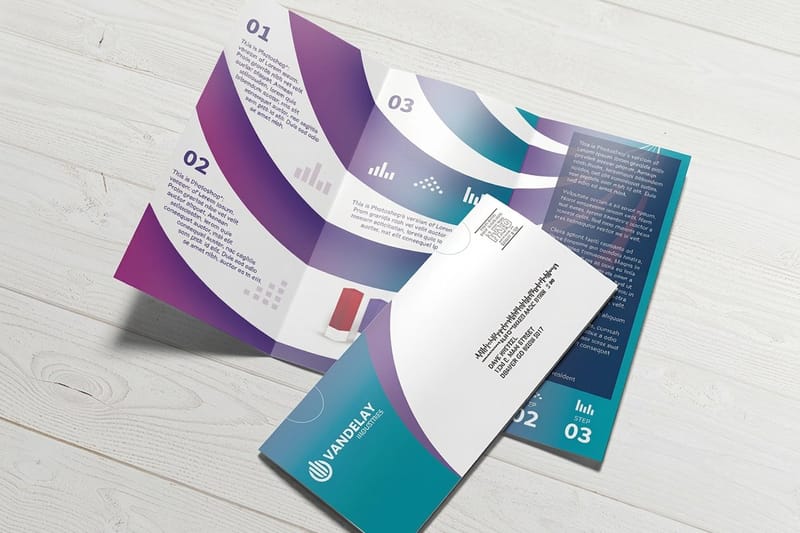 Articles Direct Mail Outreach The full collection on planning, printing, and mailing campaigns.
 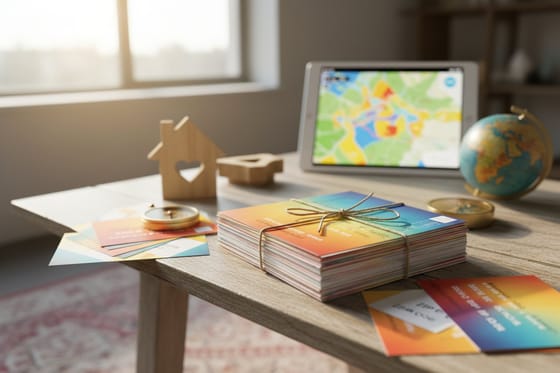 Article New Homeowner Mailing Lists Where new mover records come from and how to keep them current.
  Guide Build a Marketing Offer How to shape an offer that wins new sales and keeps loyal buyers.
 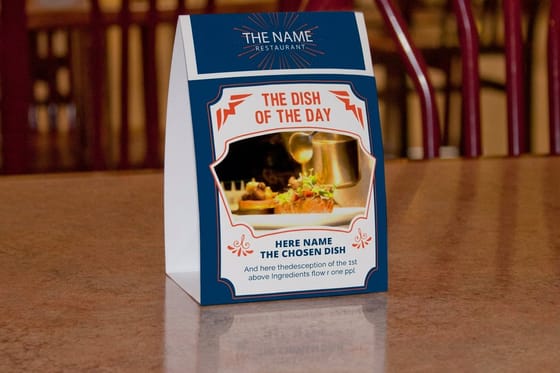 Article Table Tent Strategies Reuse one proven layout across a full year of promotions.
 Explore more
More ways to reach a local audience with print
The welcome card and invitation products, the blockout banner for the open house, and the HVAC and tutoring playbooks, two local businesses that live on the same kind of neighborhood mail.
Product New Year Greeting Cards Folded welcome cards that read like a note, not an ad.  Product New Year Invitations Low cost invitations for neighborhood events and open houses. Product 2 Sided Blockout Banners Two clean faces on one banner for two way street traffic. Collection Direct Mail Outreach Every article on planning and printing a mail campaign. Guide Create a Marketing Offer Design an offer that converts strangers and rewards regulars.
 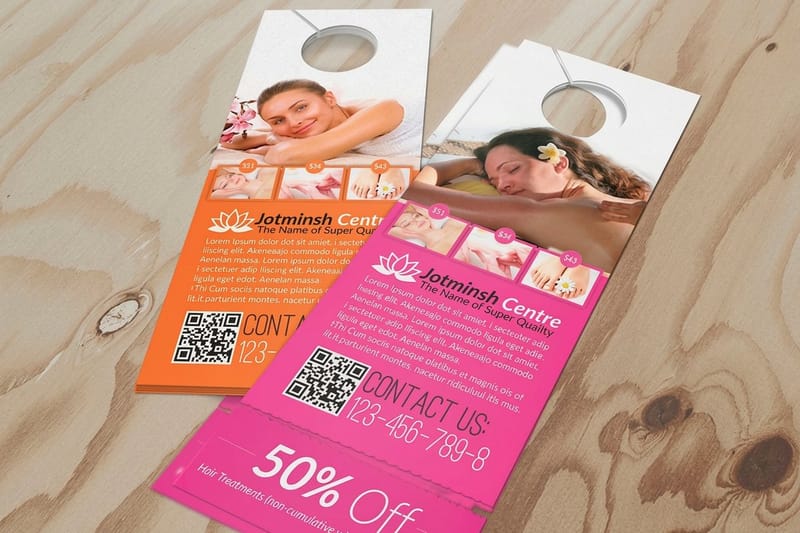 Article HVAC Marketing Strategies Nine tactics built for home service pros chasing local demand.
  Article Tutoring Marketing Strategies How local services fill a roster with print and word of mouth.
  Article Software Marketing Strategies What changes when the buyer is a business instead of a household.
  Article Membership Marketing Tips Four ways to grow a member base and keep renewals healthy. Article Mailing Lists by Zip Code Source and refresh the new mover data behind every drop. Article Table Tent Marketing A small format that keeps selling once the customer sits down.
  Articles All Printing Articles The full library of marketing and print strategy reads.
 Put your offer in front of every new homeowner on the block
Pick the format, upload your artwork, and get a full drop printed and shipped in time to reach the households that just moved in.
New Homeowner Marketing Questions, Answered
What is new homeowner marketing?
New homeowner marketing is the practice of reaching households in the weeks right after they close on a property, while every local vendor decision is still open. It usually runs on a fresh list of recent closings filtered to your service radius, and it leans on print because a card or an invitation stays in the house longer than an ad impression does. The goal is not one sale, it is becoming the default choice for a category before a competitor gets there. Our collection on direct mail outreach covers the mechanics end to end. To send it, pick your new homeowner direct mail pieces from the direct mail services collection.
Welcome card, invitation, or a banner on the street?
Start from the job you want done. If you need a first impression that feels personal, a folded welcome card is the right shape. If you are filling a room at an event, an invitation carries the ask better and costs less per piece. If the goal is visibility on a street where work is happening, a banner does what mail cannot. Running two of the three together, a mailed piece for the household and signage where the service is delivered, so the same brand shows up in two places within the same week.
Why does mailing the full list beat mailing a third?
Three small runs each pay the small run rate, while one full run pays the lower rate once and you hold the cards for later drops. New Year invitations show the same curve as the greeting cards: 25 cost $19.77, about 79 cents each, while 400 cost $69.20, about 17 cents each. Banners are priced per banner by size, so order those only as you need them.
Is heavier stock worth it on welcome mail?
Yes. A thin card gets lost in the paperwork a new owner is already sorting. New Year greeting cards print on 17 stocks from 13pt to 18pt, and New Year invitations on 20 stocks from 10pt StarLustre Platinum to 26pt Metallic Pearl Ice, so a heavier sheet is a small step up rather than a different product. Banners print on 15oz BlackOut Vinyl, with grommets or pole pockets as options.
What do premium finishes add to the schedule?
Every option shows its production time on the product page before you check out. New Year greeting cards take up to 5 business days, New Year invitations up to 3, and 2 Sided Blockout Banners 2 or 4. Plan backwards from the drop date and give yourself buffer for proofing, because the whole advantage of a new mover campaign is arriving early. Ordering all three touches in one run and holding two of them keeps the schedule under your control.
