
8 Brands Nailing Product Customization and What You Can Copy


Marcus is our print marketing voice, built from the knowledge of our production team, with over 20 years in printing.
Eight brands worth studying for product customization: L.L. Bean, Nike, Contrado, Ralph Lauren, Mapiful, Louis Vuitton, Apple and MOO. None of them lets a customer redesign the product. Each one makes a single element variable, keeps everything else fixed, and the version a small shop can afford is the same trick applied to the packaging instead of the product. In print, that means three pieces: stickers to seal the order, tissue paper to wrap it, and thank you cards to write the buyer name on.
The 8 brands at a glance
| Brand | What is variable | How it is made | The catch | The affordable version |
|---|---|---|---|---|
| L.L. Bean | Monogram on the Boat and Tote | Embroidered after the order lands | Adds days, and the bag stops being returnable | Print the name on tissue paper instead |
| Nike | Colorways on selected silhouettes | Nike By You, built to order from a fixed palette | Weeks of wait on a shoe you can buy in stock today | Offer a fixed set of die-cut sticker colorways |
| Contrado | Any artwork on fabric, bags and homeware | Printed on demand, one unit at a time | The unit price never falls, because there is no run | Sell short sticker runs without holding stock |
| Ralph Lauren | Shirt color, pony color, initials | Embroidery applied to a stocked base garment | One machine step, and the base is already paid for | Change one detail on a hang tag per product line |
| Mapiful | A map of a place the buyer picks, with their own words | Artwork generated by the customer, printed per order | The buyer does the design work, so support gets typos | Print a card the buyer fills in by hand |
| Louis Vuitton | Initials and painted stripes on leather goods | Hot stamped in store by appointment | Made into an occasion on purpose, which is the point | Tie on a tag and stamp it at the counter |
| Apple | Engraving on AirPods, Apple Pencil and iPad | Lasered inside the normal fulfilment flow | Free, so it never becomes a price objection | Give the personal touch away inside the box |
| MOO | A different image on every card in one pack | Digital press, Printfinity, no extra charge | Only works on a press that images each sheet | Run several designs inside one sticker order |
The last column is the version you can print, and each link opens it: standard stickers run 25 for $23.88, printed tissue 100 sheets for $126.32. Every brand in the table pays for its effect on each unit; you pay once per print run, and 4OVER4.COM handles the run.
Why a name on the outside changes what happens inside
Customization works for one blunt reason: a personalized object is harder to throw away than a stock one. The buyer becomes a co-author of the thing they bought, and the brands below all found a cheap way to hand over that authorship without letting a customer redesign the product.
The distinction that matters when you copy them is where the customization happens. Unit-level customization is made for one buyer: engraving, embroidery, hot stamping. Somebody sets up a machine, applies one name, and the cost and the wait repeat on every order. Batch-level customization is printed once in bulk and still arrives feeling addressed: a sticker with the buyer name written across it, a printed sheet of tissue, a tag with a hand-written line on the back.
Enterprise brands buy both. A small shop that tries to buy unit-level first ends up with slow fulfilment and stock it cannot resell. Start at batch level, add exactly one human touch per order, and you get most of the felt effect for the price of a print run. Our packaging box ideas and the custom packaging range are where that print run usually starts.
The two kinds of customization, and why the difference is money
Unit-level work carries a per-order cost that never drops with volume. A thousand engraved pencils cost roughly a thousand engraving set-ups. That is why Apple can give engraving away on an AirPods case, where the laser is already in the line, and why Louis Vuitton turns hot stamping into a booked appointment: the labor is real, so it gets priced or it gets staged.
Batch-level work is the opposite shape. You pay for one run of die-cut stickers or one run of tissue, then that cost divides across every order it wraps for the next several months. The felt personalization comes from the pick and the pen, not from the press.
Where personalization goes wrong
Three failures show up again and again. A misspelled name is worse than no name, because the buyer now knows nobody looked. A personalized item cannot go back into stock, so every cancellation is a write-off rather than a restock. And lead time creeps: the customization step sits at the end of the line, so it delays the whole order rather than running alongside it.
The fix for all three is the same. Keep the variable part on something cheap and replaceable, and keep the product itself standard. If the tissue sheet is wrong you reprint a tissue sheet, not a bag.
The 8 brands and the lesson each one teaches
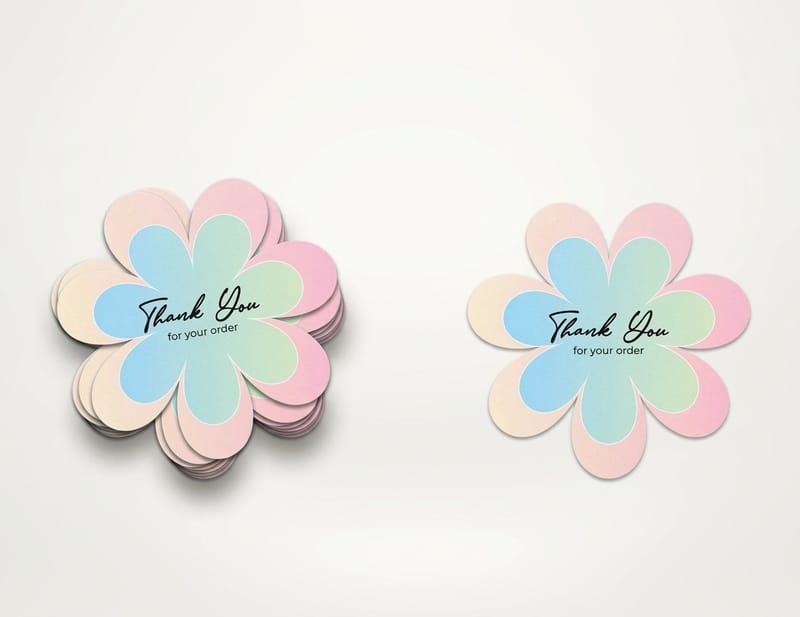
Each brand below varies one element on an otherwise fixed product: a monogram, a colorway, a caption, a different image per card. That move scales down to a shop printing 25 stickers or 50 hang tags, the smallest runs on the price ladder further down this page.
One to four: vary a single detail
1. L.L. Bean. The Boat and Tote has been in the catalog since 1944 and the monogram is a checkbox at the end of a normal purchase. The lesson is placement: the personalization sits on a product people were already buying, so it lifts the order value instead of creating a separate product line.
2. Nike. Nike By You gives you a palette, not a blank canvas. You choose colors for zones the designer already defined, which keeps every result on brand and keeps production predictable. Constrain the choices and the customer still feels the control.
3. Contrado. Print on demand across fabric, bags and homeware, one unit at a time, no stock held. It is the honest version of customization economics: nothing is ever cheap per unit, because there is never a run. Useful when the alternative is holding inventory you cannot sell.
4. Ralph Lauren. Create Your Own lets you set shirt color, pony color and initials on a base garment that already exists in the warehouse. One embroidery pass on a finished item is the cheapest unit-level customization there is, because the expensive part was made in advance.
Five to eight: hand over the meaning
5. Mapiful. You pick a place on a map, add a line of text, and the poster prints. The customer does the design work and supplies the meaning, which is why a generic wall print becomes the one thing in the room nobody would ever bin.
6. Louis Vuitton. Mon Monogram hot stamps initials and painted stripes onto leather goods in store. The wait and the appointment are the product. When personalization is slow on purpose it reads as craft rather than as a delay.
7. Apple. Free engraving on AirPods, Apple Pencil and iPad, including emoji on the AirPods case. Free is the whole trick: it never becomes a line item the buyer weighs up, so a far higher share of orders carries it.
8. MOO. Printfinity puts a different image on every card in one pack at no extra cost, because a digital press images each sheet anyway. It is the cleanest example of batch-level variety: one order, one price, many versions. You can do the same thing with a sticker order or a set of printed hang tags split across designs.
What a small business can copy this month
Work up the ladder in price order, and stop where the effect stops improving. Standard stickers start at $23.88 and standard hang tags at $25.27, so the first two rungs cost less than a single wholesale reorder.
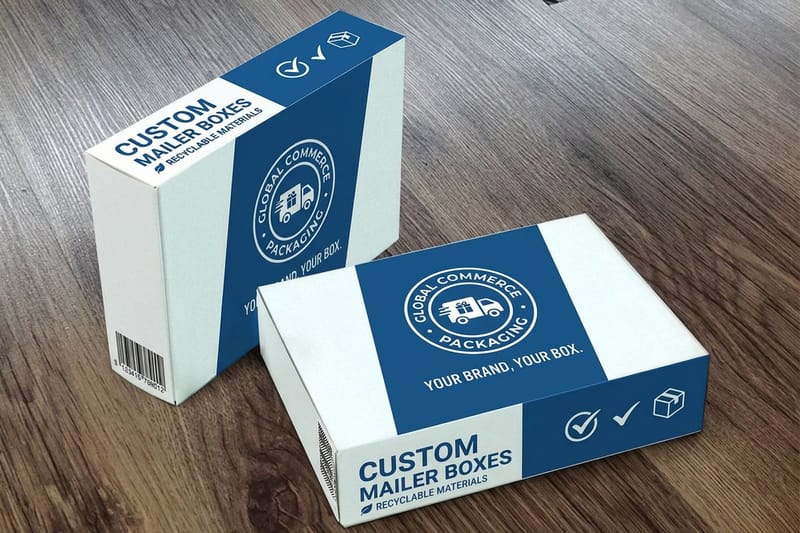
Next come folded thank you cards at $38.22, then die-cut stickers at $93.37 once you want a shape rather than a rectangle, then printed tissue paper at $126.32. A fully printed custom mailer box starts at $711.78. The box is the most visible piece and the last one to buy, because a plain box with printed tissue and a die-cut sticker seal already gets most of the reaction a printed box does.
The one thing on that ladder to spend real attention on is the hand-written line. It is the only unit-level step in the list, it takes seconds, and it is the part customers photograph. Our notes on writing thank you notes cover what to actually put on the card.
The order of operations that works
Buy the sticker first. It seals the tissue, it doubles as a package seal and a laptop sticker, and it is the cheapest way to put your mark on an order you did not otherwise change. Then add tissue so the unwrap has a second beat. Then the card, which is where the name goes. Then, and only if the volume is there, the printed box.
Print quantities matter here more than design. A run you use up in six weeks was too small to be economical, and a run that outlives your next rebrand was too big. Pick the number of orders you expect over about two quarters and size the run to that. The sticker pricing breakdown shows where the per-unit cost stops falling.
If you sell on a shelf rather than in a box
Retail changes the target. There is no unboxing moment, so the customization has to happen before purchase instead of after it. A hang tag does the most here: it carries the story, the care instructions and a variable field like a batch number, a maker name or a size, printed as separate versions inside one run.
A retail brand that moved its shelf identity onto printed labels is written up in our retail packaging case study, and why hang tags still matter covers the placement details that decide whether a tag gets read or flipped away.
Sticker and packaging pricing at 4OVER4.COM
Die-cut stickers print in 16 sizes from 2" x 2" to 11" x 11", on six stocks from uncoated label to white vinyl and clear label, with a basic or complex custom shape, in runs from 25 pieces and 5 business days by default. The per-sticker cost drops as the run grows, and the table below shows each step from the live configurator, so you can size the run before you commit to a design.
Quantity and price
Die-cut sticker pricing and specs
Real configurator numbers on the cut-to-shape sticker most brands use as a package seal.
| Quantity | Price Per Unit | Total |
|---|---|---|
| 25 | $3.73 | $93.37 |
| 50 | $1.91 | $95.56 |
| 100 | 100.0¢ | $99.95 |
| 200 | 56.3¢ | $112.59 |
| 300 | 41.4¢ | $124.13 |
| 400 | 33.9¢ | $135.65 |
You can also earn coins on every order and redeem them against future printing, which stretches the budget for the next run.
Where custom print fits a personalization strategy
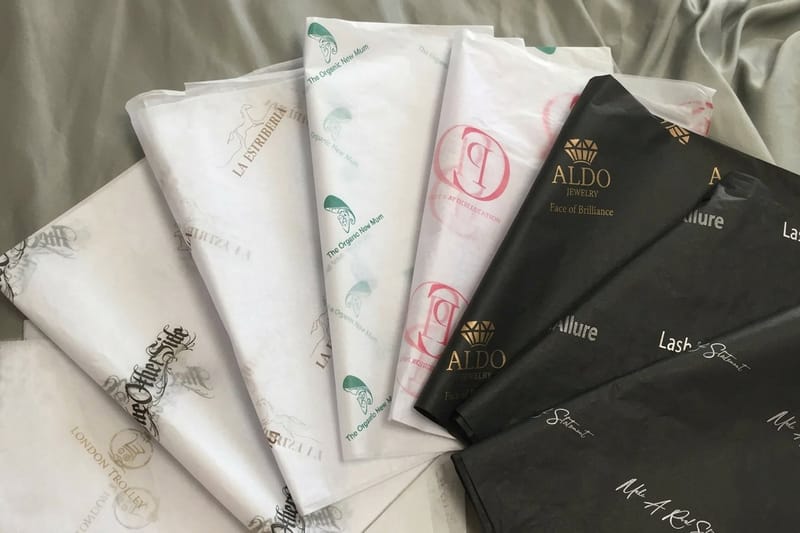
Print is the layer that carries the personal signal without touching the product. Tissue sets the moment before the buyer sees what they bought, a sticker seals it and survives long after the box goes in the recycling, and a card is the only place a human hand enters the transaction. Tissue comes in 10" x 15", 15" x 20" or 20" x 30" sheets on 10lb white, 18lb white or 10lb black, printed in up to two ink colors including metallic gold and silver. Folded thank you cards finish at 4.25" x 5.5", 5" x 7" or 6" x 6", and the uncoated and linen stocks take a pen without smudging. If you are working out which piece to print first, tissue paper printing and sticker printing are where nearly every brand on this list would start if it were starting again.
Print it
Tissue paper, printed with your mark
The cheap layer that turns a courier delivery into an unwrap worth photographing.
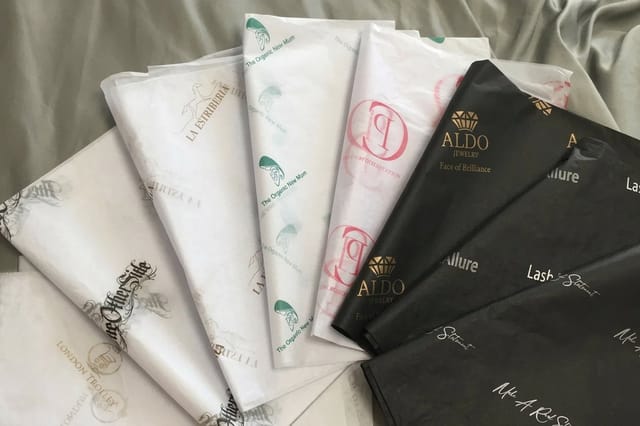
Material choice does more work than most brands expect. Tissue is the softest signal and the one people keep, sticker vinyl survives a laptop lid and a water bottle, card stock takes ink from a pen without feathering, and a printed box is rigid enough to carry artwork edge to edge. For a shelf product rather than a shipped one, a printed hang tag does the same job before the sale instead of after it, and how to get custom boxes covers the dieline work if you decide the box is worth it. Once the dieline is done, the ordering walkthrough shows how to get custom boxes printed.
What to customize first, by business type
The right first purchase depends on where your product meets the customer.
- Online product brands. Sticker plus tissue plus a written card. Three items, one print order each, and the unboxing goes from courier delivery to something worth photographing.
- Makers and craft sellers. Hang tags with a variable field for batch, maker or size. One run, several versions, so every piece looks individually accounted for.
- Coffee roasters and food. Printed labels carry the roast date and origin, and a die-cut sticker seals the bag. The date field is the personalization that buyers actually check.
- Subscription boxes. Tissue and cards refresh per month while the box stays generic. Reprinting the cheap layer each cycle costs a fraction of reprinting the box.
- Gift and stationery shops. Sell the blank and let the buyer write it. Mapiful proved the customer will happily supply the meaning if the layout is good.
Blanks sized to the sticker shape
Each blank below matches a die-cut sticker size, from a 2" x 2" seal up to 11" x 11", with the cut line and bleed already marked. Draw your shape inside the cut line, choose Custom Shape Basic for a simple outline or Complex for a detailed one, and pull the file from the blank template library. The same logo then carries the rest of the ladder: the $23.88 standard sticker, the $25.27 hang tag, the $38.22 thank you card, and the $126.32 tissue run, which prints in one or two spot colors.
Start fast
Blanks sized to the sticker shape
Sticker design templates and exact-size blanks so your shape lines up with the cut.

Wally copies the big brands without the big budget
Vary the wrapper, keep the product standard
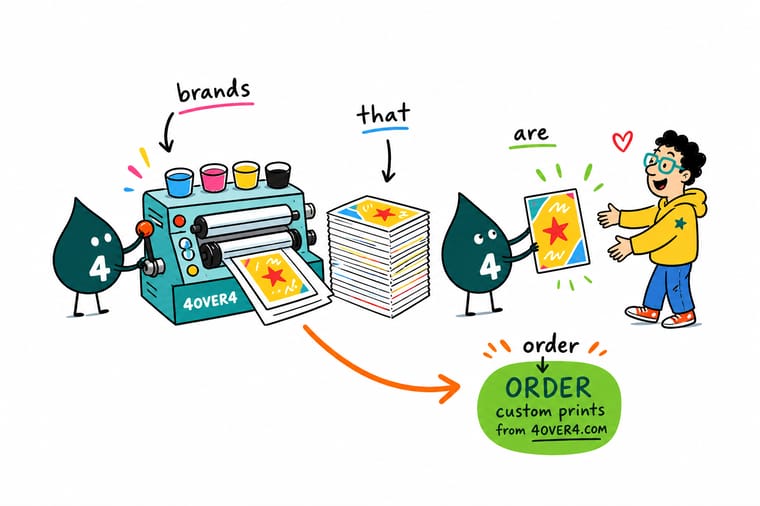
Buy the sticker first, add printed tissue second, then a card you write the buyer name on by hand. All three are printed once in bulk and picked per order, so the cost divides across months of shipments instead of repeating on every one. Leave the printed box until the volume justifies it.
Order die-cut stickers →What to remember about customizing your product
Rules that hold at any budget
- Leave a field for a pen. The cheapest personalization on any printed piece is white space sized for a name. Design it in, do not squeeze it in after the fact.
- Constrain the choices. Nike hands over a palette, not a canvas. A fixed set of options keeps results on brand and keeps your production predictable.
- Vary the wrapper, not the product. A wrong tissue sheet costs a tissue sheet. A wrong engraving costs the item, so keep the variable part on the layer you can reprint.
- Split one run across versions. A digital press images every sheet anyway, so several designs in one order usually costs the same as one design repeated.
- Check the spelling twice. A misspelled name performs worse than no name at all, because it proves nobody looked before the order shipped.
Explore more
The pieces that carry a personal signal
Standard stickers run 25 for $23.88 and hang tags 50 for $25.27, the two cheapest places to put a name.
Product Die-Cut Stickers Cut to your shape, so the seal on the tissue is the logo. Product Custom Tissue Paper The second beat of the unwrap, printed once in bulk. 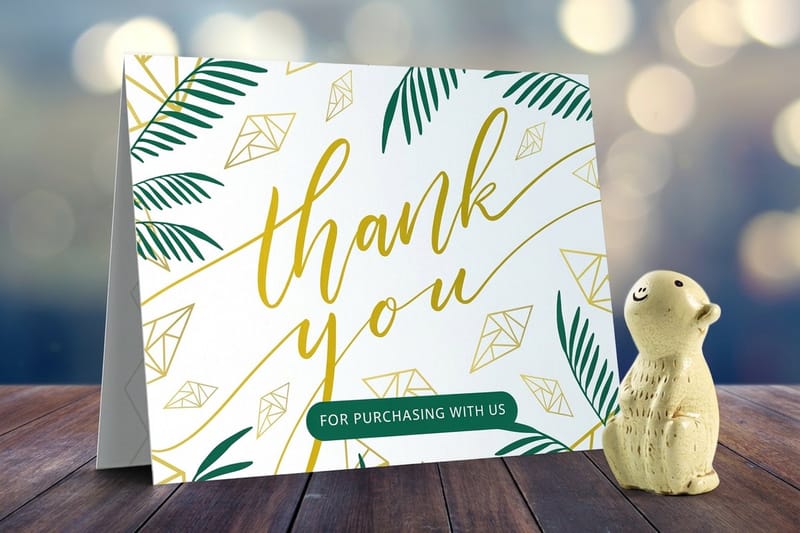 Product Folded Thank You Cards Where the hand-written name goes on every order.
 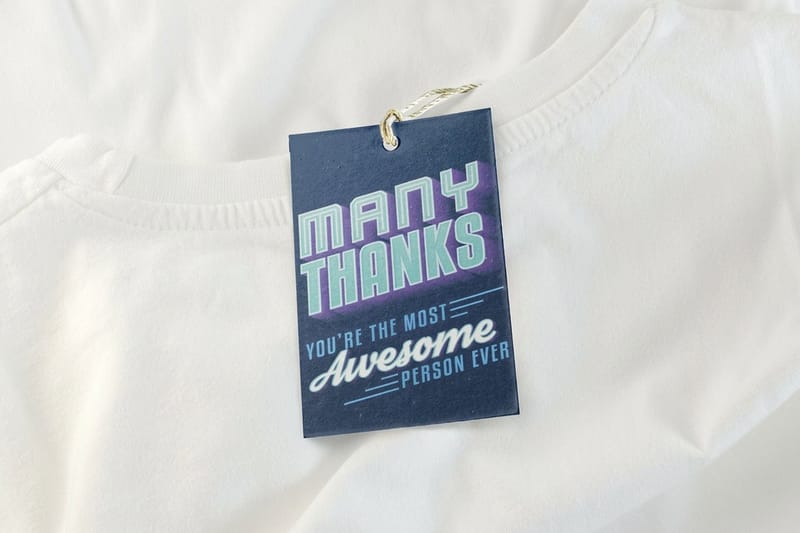 Product Custom Hang Tags One run, several versions, for anything sold on a shelf.
 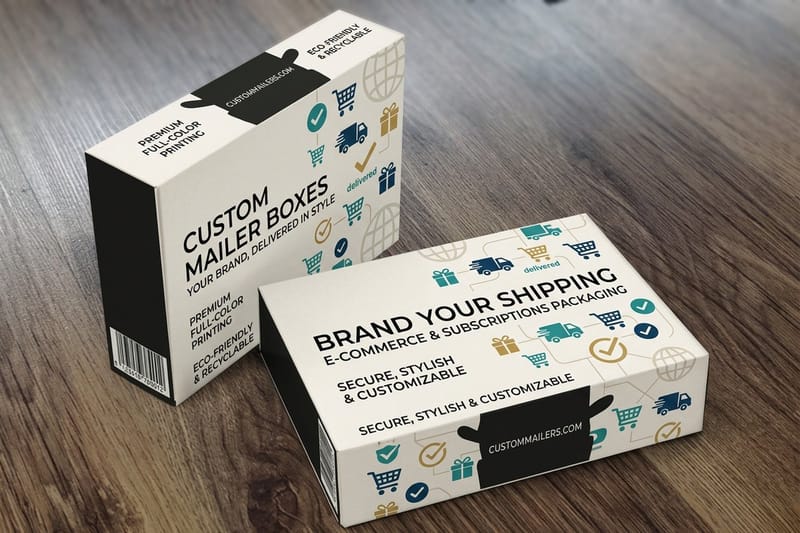 Product Custom Mailer Boxes The last rung of the ladder, printed edge to edge.
  Guide Prepare Files for Packaging Dielines, bleed and folds set up before you upload.
 Ready to print the layer that makes it personal?
Pick your shape, drop in your artwork or a free template, and 4OVER4.COM prints it sharp on premium stock, as fast as your deadline needs.
Common questions about product customization
Which brands offer product customization?
L.L. Bean monograms the Boat and Tote, Nike builds selected shoes to order through Nike By You, Contrado prints artwork onto fabric and homeware one unit at a time, Ralph Lauren embroiders initials and color choices onto stocked polos, Mapiful prints a map poster of a place you choose with your own caption, Louis Vuitton hot stamps initials onto leather goods in store, Apple engraves AirPods, Apple Pencil and iPad for free, and MOO prints a different image on every card in a pack through Printfinity. The pattern across all eight is the same: one element is variable and everything else about the product is fixed.
What is the cheapest way to add personalization to something I already sell?
Change the wrapper, not the product. A printed sticker used as a seal, a sheet of printed tissue and a card with the buyer name written on it deliver most of the felt personalization at batch cost, because all three are printed once in bulk and then picked per order. Standard stickers start at $23.88 and folded thank you cards at $38.22 at 4OVER4.COM, so the whole layer costs less than a small wholesale reorder. Engraving, embroidery and anything applied to the product itself carries a fresh cost on every single order and should come later, if at all.
Does personalization cause returns problems?
It changes what a cancellation costs you. A personalized item usually cannot go back into sellable stock, so a canceled order becomes a write-off instead of a restock, which is why most brands exclude personalized goods from standard returns and say so at checkout. Keeping the variable part on the packaging avoids the issue entirely: if a name is wrong on a tissue sheet or a card you reprint a cheap consumable, and the product inside is still perfectly sellable. Write your own policy before you launch the option, not after the first complaint.
Do I need variable data printing to make every item different?
Usually not. What MOO does with Printfinity is possible because a digital press images every sheet individually, but you get most of the same effect by splitting one order across several designs and letting your packer choose which one goes in the box. On a run of stickers or hang tags, several artwork versions in one order commonly costs the same as one artwork repeated, and it gives you a genuine mix to pull from. Reserve true per-customer data for the one place it earns its keep, which is the name, and write that by hand.
How many stickers or tissue sheets should I order on a first run?
Size the run to about two quarters of expected orders. A run you burn through in six weeks was too small to reach the price break, and a run that outlives your next rebrand is money sitting in a cupboard. Sticker and tissue pricing steps down as the quantity climbs, so the temptation is always to over-order a design that has not been tested yet. Print a short first run, put it through real orders, and reorder once the artwork has survived contact with customers. Both configurators show the price at each quantity before you commit.
