
Music Lessons Local-Marketing Starter Pack: 3 Print Pieces That Keep Your Studio Booked
Students come from the streets around your studio, not from the internet at large. This pack is the short list of printed pieces that work that radius for you: one that gets you noticed from the sidewalk, one that answers the parent who asks how to book, and one that keeps your name in the homes of the people who send you referrals.
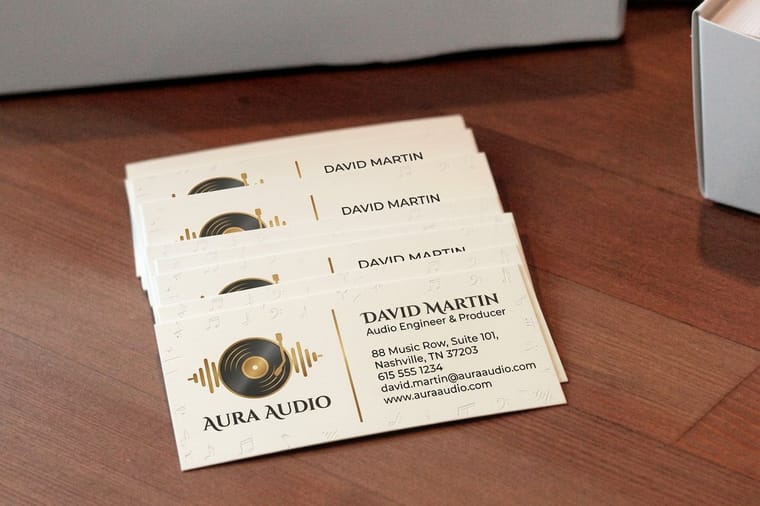
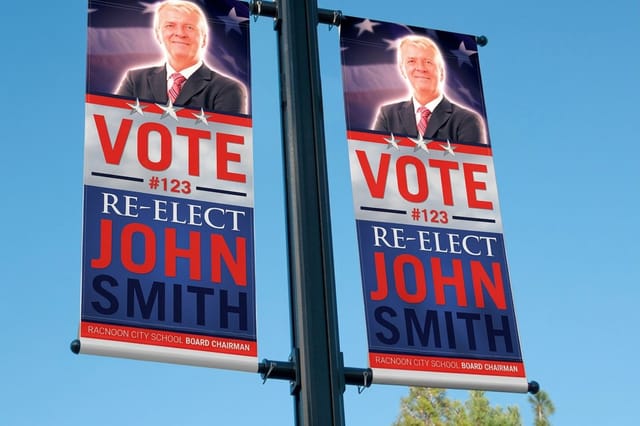
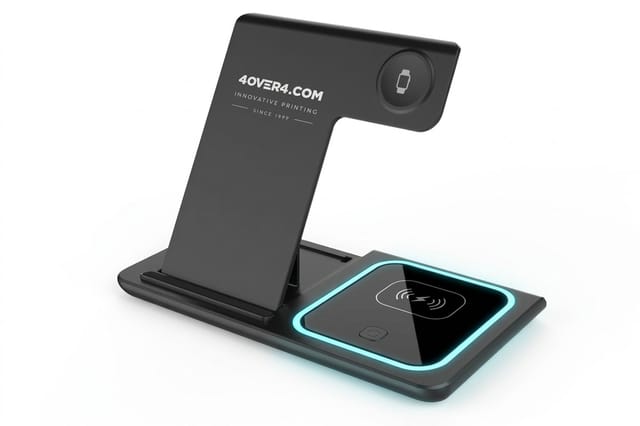
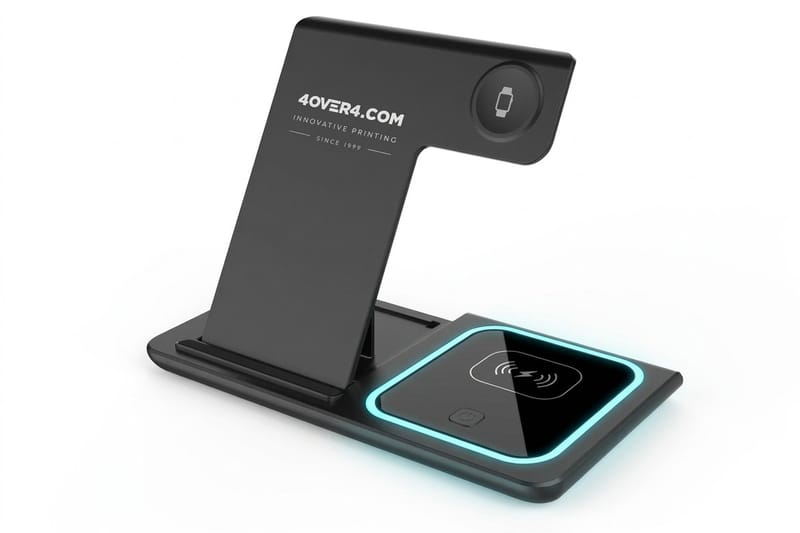
The music lessons starter pack is three pieces. Music business cards from 17.57 dollars for the handshake after every trial lesson and recital. Two sided blockout banners from 108.75 dollars for the sidewalk, the fence and the recital venue. A three in one foldable wireless charger from 15.00 dollars as the referral gift that keeps your studio name on a desk all year. Each one is configured and quoted on its own product page.
The picks
Cards, a banner and a charger, from $15.00 for the charger
Start here. These are the three pieces a teaching studio reorders term after term, each one tied to a moment where a student is won or lost. Configure quantity, size and stock on the product page and the price updates as you go.

Design and print help
One studio name on the fence, the card and the gift
The pack only works if a parent who saw the banner recognizes the card two weeks later. Same logo, same two colors, same booking link on every surface you print.
How they work together
Print in the order students arrive
Each piece owns one stage of how a family finds you, decides on you, and then tells another family about you. Print them in that order and nothing sits unused.
The banner does the work while you are mid lesson. Hang it where parked cars and school pickup traffic pass, and let the instrument names do the qualifying for you.
Every trial lesson, open house and recital ends with a parent asking how to book. The card answers that in their hand instead of in a phone note they will lose.
A branded charger sits on a desk or nightstand long after the flyer is gone. Give it to referring parents, ensemble partners and the venues that host your recitals.
1. Music business cards: the answer to how do I book you
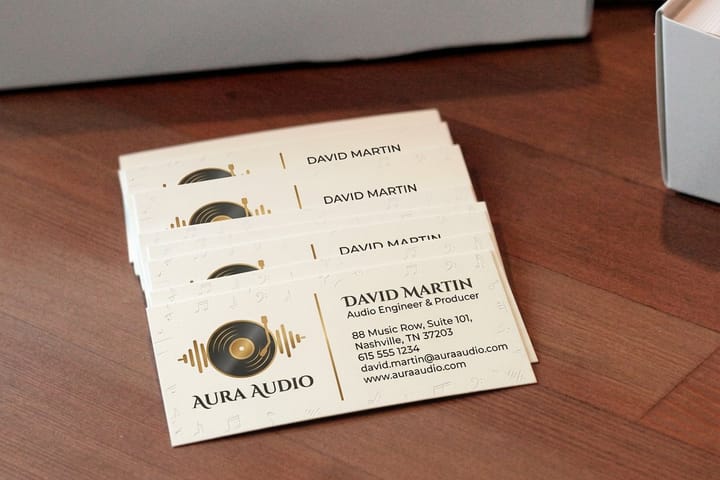
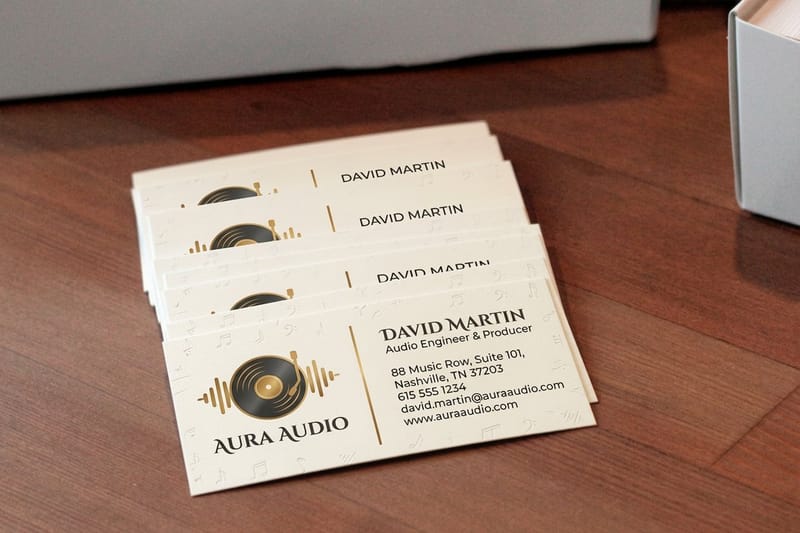
Every enrollment starts the same way. A parent watches ten minutes of a trial lesson, likes what they see, and asks how to sign up. If your answer is a phone number spoken out loud, half of those parents never make it home with it. A card in the hand carries the instruments you teach, the ages you take, your booking link and your rate, and it survives the drive home in a coat pocket.
Design it for the parent, not for the poster wall. Instrument names and student ages belong on the front, big enough to read at arm's length. The back is where a trial lesson offer or a first month rate has room to sit on its own. If you want the card to feel a little more premium in the hand, our piece on rounded corner business cards covers what a small shape change does to recall, and the same instinct that shapes a good student name tag applies here, which is what name badge design ideas gets into.
Print more than you think you need. Recitals, open houses, school fairs and instrument shop counters all eat a stack fast, and a card sitting in a box helps nobody.
2. Two sided blockout banners: the sidewalk shift you never have to work
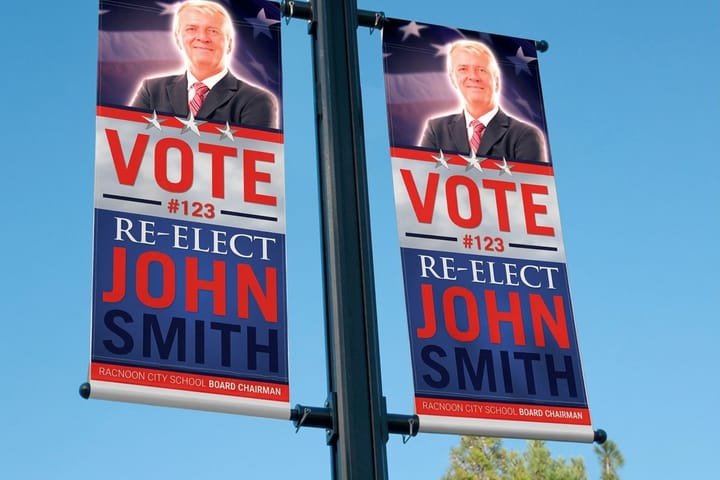
You cannot be outside handing cards to traffic while you are teaching a scale, and this is the piece that does it for you. A banner on your building face, a school fence or a community center railing works every hour the sun is up. Two sided means it earns both directions of walking and driving traffic instead of half of them, which matters most on a street where cars pass one way at pickup and the other at dinner.
The blockout layer is the technical part worth understanding. It is an opaque core between the two printed faces that stops backlight from pushing a reversed ghost of the other side through the material. Without it, a bright afternoon turns a clean headline into a smudge. Keep the message to three things: what you teach, who you teach, and how to reach you. A banner that tries to list your full curriculum reads as nothing at thirty feet, which is the same discipline good brochures need, and 12 ways to make brochures stand out makes that case well.
Order it with grommets on all four corners so it moves between your studio wall, the spring recital venue and the summer camp booth without a reprint. One banner, three seasons of visibility.
3. Branded wireless chargers: the referral gift that lives on a nightstand
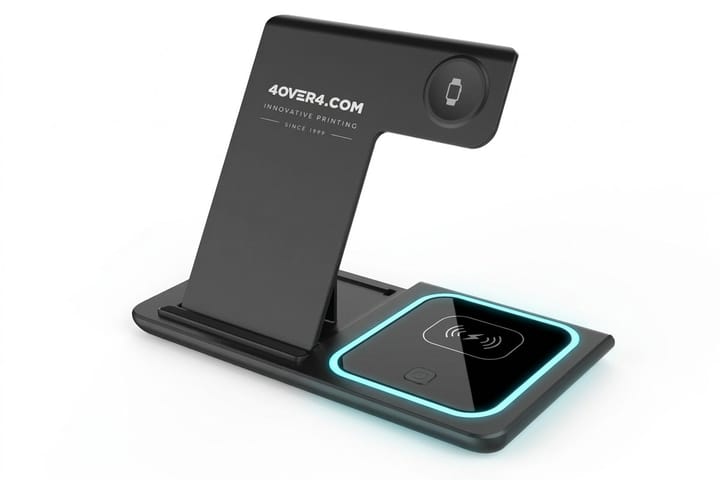
Most of a music studio's growth comes from parents talking to other parents at pickup. That word of mouth is free, but it is not automatic, and the cheapest way to keep it running is to give the people who already refer you something worth keeping. A three in one foldable wireless charger folds flat for a bag and opens to power a phone, watch and earbuds at once, which means it ends up on a desk or a nightstand rather than in a drawer.
Your logo sits on it every night for a year or more. Hand one to the parent who sent you two students, to the school music director who lists your name, to the venue manager who lets you use the hall for recitals, and to the teacher you split ensemble students with. That is a short list of high value people, so a small run goes far. This is the same logic behind any well run local campaign, and local print marketing campaigns covers how the pieces compound.
Keep the branding calm. A clean logo and your studio name read as a gift. A full sales pitch printed across the surface reads as an ad and gets left behind.

Specs and pricing
Music card specs for a teaching studio and the price ladder
The business card sets the stock and finish everything else should echo. Check the sizes, papers and coatings here, then match the banner and the gift to that same look.
| Quantity | Price Per Unit | Total |
|---|---|---|
| 100 | 17.6¢ | $17.57 |
| 200 | 11.5¢ | $23.07 |
| 300 | 9.15¢ | $27.46 |
| 400 | 7.96¢ | $31.86 |
| 500 | 7.25¢ | $36.26 |
| 600 | 6.77¢ | $40.64 |
| 700 | 6.43¢ | $45.04 |
| 800 | 6.18¢ | $49.43 |
Wally explains the pack
Three pieces, one studio brand, printed to fill your schedule
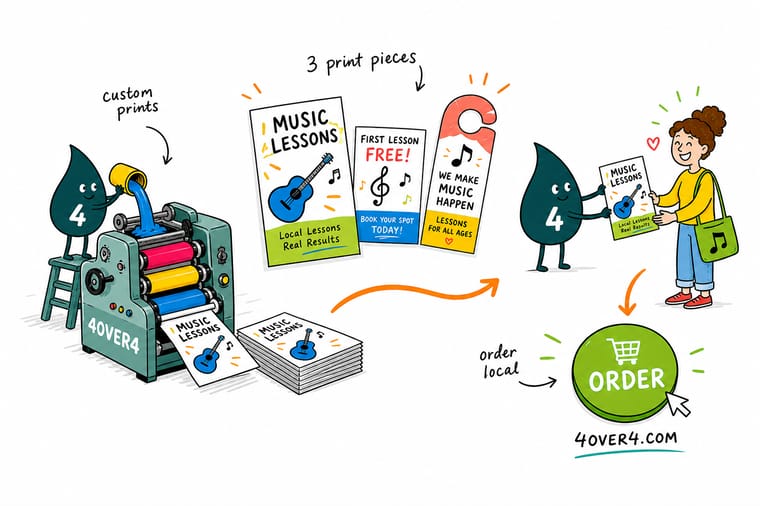
Wally thinks of a teaching studio the way a student thinks of a scale: one step at a time, in order. The banner tells the block you exist. The card answers the parent who walks up and asks. The charger keeps your name in the home of the person who sends you the next family. Print all three in the same colors and the block starts recognizing you before you ever pick up the phone.
Shop the music collection →See it in use
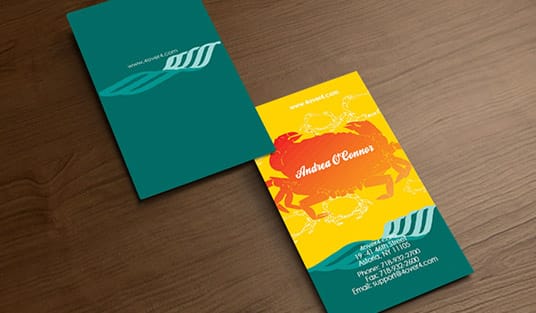
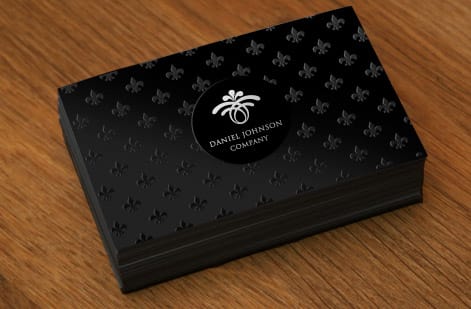
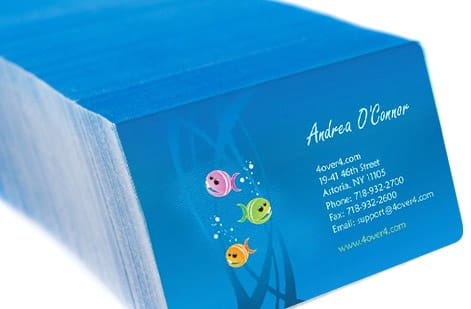
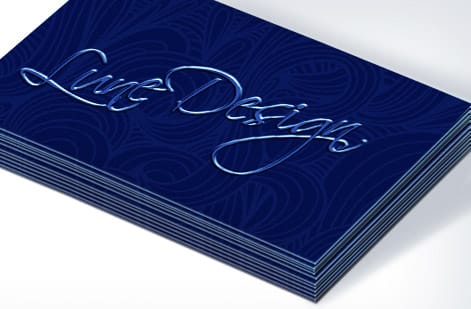
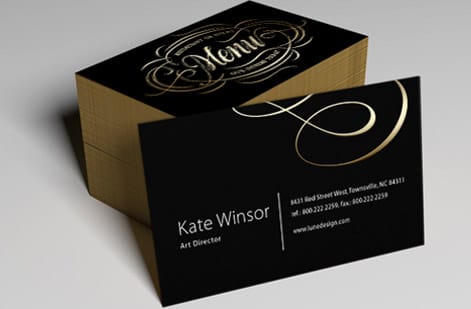
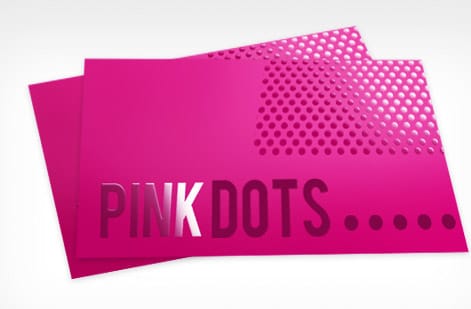
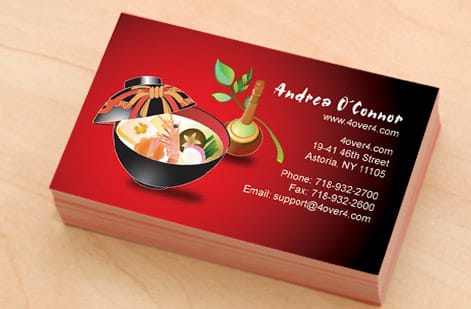
Studio cards teachers have ordered


Explore more
Where to go next

By the numbers
One pack, printed to keep the schedule full
Common Questions
Common questions about marketing music lessons with print
What is in the music lessons local-marketing starter pack?
Three print and promo pieces chosen for how a teaching studio actually grows: music business cards for the moment a parent asks how to book, a two sided blockout banner for the sidewalk or the school fence, and a branded three in one foldable wireless charger for the people who send you students. Each one is configured and quoted on its own product page.
Why only three pieces instead of a huge print bundle?
Because a teaching studio has three real touchpoints and not seven. You get found, you get asked, and you get remembered. Anything past that tends to sit in a box under the piano. Start with the three that map to those moments, watch which one brings calls, then reorder that one heavier next term rather than adding pieces you have not tested.
What should the music business card actually say?
Instruments and ages you teach, the neighborhood you teach in, your booking link and your phone. Skip the long philosophy of music education. A parent scanning the card in a parking lot needs to answer one question fast: does this person teach my nine year old cello near me. Put the trial lesson offer on the back where it has room to breathe.
Where do music teachers legally hang a banner?
On your own building face, inside a window, on a fence you own or control, or at venues that give you written permission such as schools, churches, community centers and recital halls. Many towns restrict banners on public poles and rights of way, so check your local sign ordinance before you drill anything. Grommets on all four corners keep it reusable across venues.
Why a blockout banner rather than a standard single sided one?
A blockout banner carries an opaque layer between the two printed faces. Without it, sunlight passing through shows a faint reversed image from the back side, which turns a clean headline into a muddy one. If your banner will be seen from two directions, on a fence or hanging over a walkway, the blockout layer is what keeps both faces legible.
How does a branded charger help a music studio?
It is a referral gift with a long shelf life. Hand one to a parent who has sent you two students, to the school music director who lists you, or to the venue manager who hosts your spring recital. It lives on a desk with your name on it for a year or more, which is far longer than any flyer survives, and it starts conversations you never had to pay for.
How much does the whole pack cost to print?
There is no pack price. Every piece is quoted on its product page, so the number you see is the number you pay for that quantity, size and stock. Business cards start at 17.57 dollars for 100 on 14pt gloss cover, the two sided blockout banner at 108.75 dollars, and the foldable wireless charger at 15.00 dollars. Quantity moves the per unit cost, so configure the run you actually need before comparing.
Get Started
Order 100 music business cards from $17.57 for the studio
Order the starter pack from one place and keep the card, the banner and the gift on the same brand. Live pricing, real proofs, and printing fast enough for a recital deadline.
Legal Disclaimer
Gold Standard guarantees apply to all standard orders placed through 4over4.com. Price match requires verifiable proof of a competitor's published price for an equivalent product with matching specifications and turnaround time. Satisfaction guarantee covers manufacturing defects and print quality issues. Contact support with order number and documentation. On-time delivery rate based on tracked orders 1999 to 2026. Individual results may vary based on shipping carrier performance.
