
The 9-Piece Insurance Agent Launch Pack That Farms Your Territory
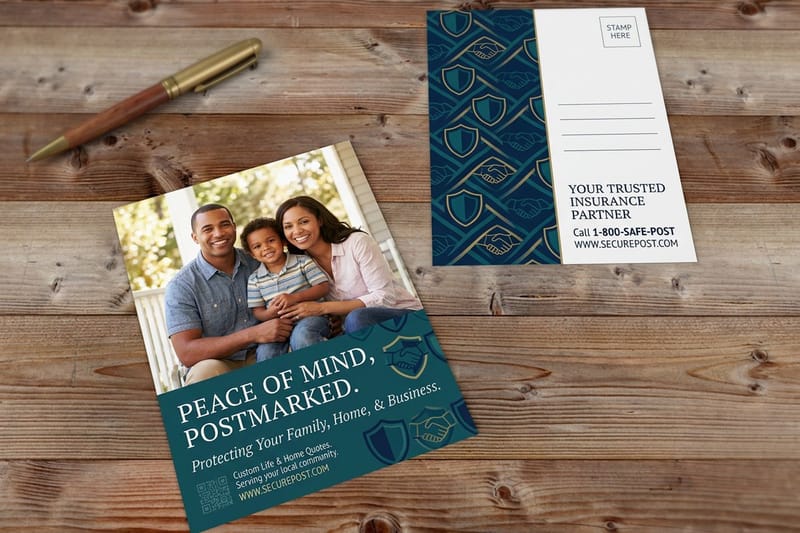
Before you sell a policy, a homeowner has to believe you are local and will still be here at claim time. These nine print pieces build that belief, from the first handshake to the calendar still hanging at renewal. For an open enrollment postcard, use the insurance postcard in this pack, from $16.48: mail it to your farm territory a few weeks before enrollment opens, with the dates and one line on booking a review.
The insurance agent launch print pack is nine pieces that build a book of business: business cards and farming postcards introduce you to the territory, brochures and gloss presentation folders win and close the sit-down, flyers fill seminars during enrollment pushes, and printed forms, wall calendars, letterheads, and matched envelopes keep the practice professional and visible all year.
The picks
Nine pieces, from $16.48 postcards to 250 folders at $844.54
Order the cards and postcards in week one. Insurance business cards run $17.57 for 100, $0.18 a card, and farming postcards start at $16.48. The $120.82 carbonless forms, $99.95 letterheads and $142.99 printed envelopes run the office, and the folders and calendars are the two big lines at $844.54 and $812.59. Each price comes live from the configurator. Keep one palette from card to calendar, then read on for what each piece does.




Design and print help
Your headshot and license number, identical on all nine
Lock your headshot, logo and license details in the online designer so they print the same on a $17.57 card and on the $812.59 calendar run, or start from a professional template for the cards, postcards and brochures.
How they work together
Introduce, win the sit-down, stay on the wall
Each piece owns a stage of building the book. Print the whole sequence and the introduction, the sit-down, and the year-round visibility all keep compounding.
The launch move: cards in every hand you shake, and an introduction postcard to every household and small business in the territory you plan to farm.
The brochure explains coverage before and after the meeting, the folder turns your quote into a proposal, and flyers fill seminar seats during enrollment pushes.
The calendar keeps your name in the kitchen through every renewal season, printed intake forms make each client meeting run like a practiced routine, and matched letterhead and envelopes make every renewal letter and claims follow-up read as an institution.
1. Insurance business cards: the trust handshake in card form
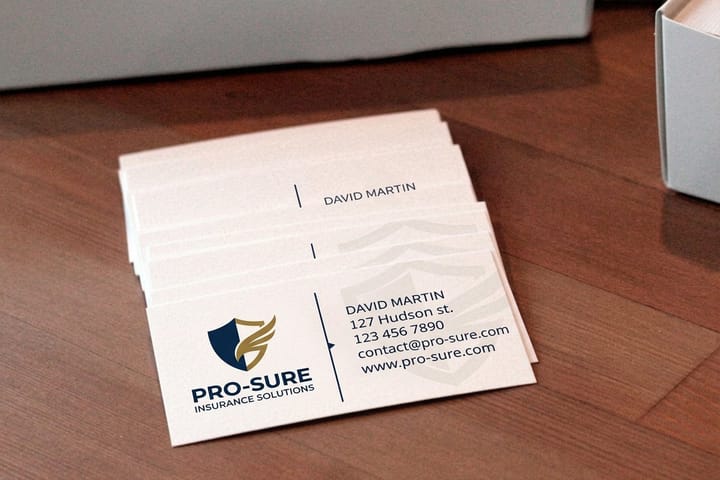
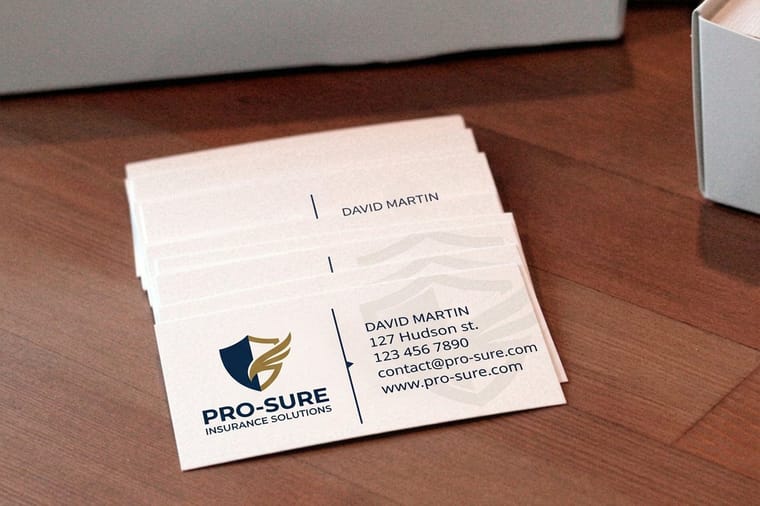
Insurance is one of the last businesses where people genuinely prefer a person they can call, and the card is how they keep that person. Your early book gets built at chamber breakfasts, school fundraisers, and hardware-store conversations, and in every one of those moments the difference between a pleasant chat and a future client is whether a card changed hands.
Print your face on it. Insurance cards with a photo get remembered and matched to the handshake, and the license number in the fine print does quiet compliance work. Name, lines you write, direct phone, and a claims-help line on the back turn the card into the thing clients dig out on a bad day, which is exactly when loyalty is made. Configure insurance business cards in a stock heavy enough to survive a wallet year.
Order for volume, not preciousness. The agent who hands out forty cards a week owns the neighborhood in a year.
2. Insurance postcards: farm the territory before it needs you
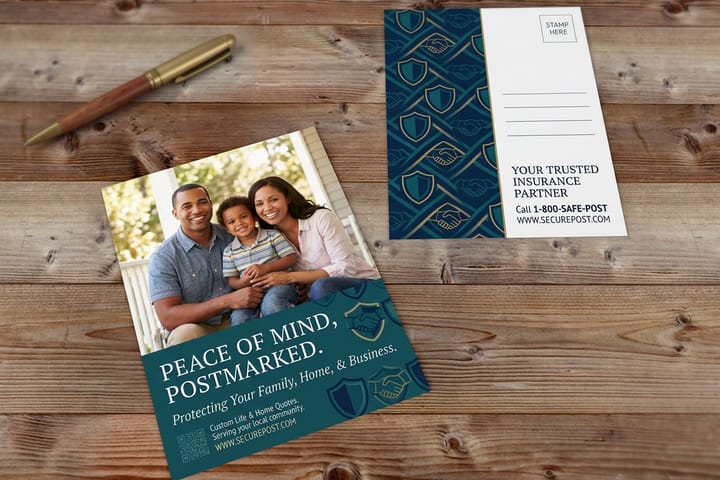
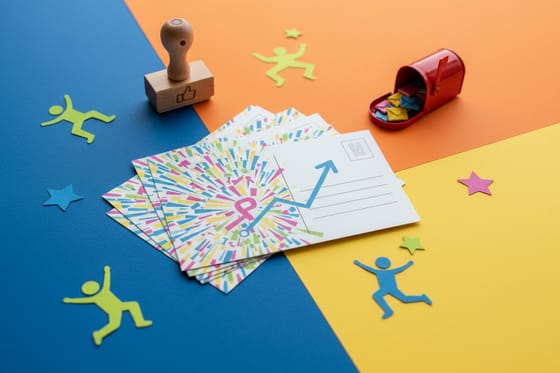
Nobody shops for insurance until the day they do, and on that day they call whoever they already know. Farming, the steady mailing of postcards to the same territory, is how a new agent becomes the known name in a few hundred households before a single one of them needs a quote. The introduction card starts it; renewal-season and annual-review cards keep it compounding.
Consistency beats cleverness: same face, same colors, same neighborly tone, quarter after quarter. The direct mail response benchmarks show why repeated mail to a defined list is the strongest ratio in print, and these direct mail examples are worth borrowing from. Set up insurance postcards once and reorder per season.
Pick a territory you can afford to mail four times a year. Smaller and steadier beats bigger and once.
3. Insurance brochures: coverage explained in kitchen-table language

Every insurance conversation eventually hits the same wall: the prospect nods, says they need to think about it, and goes home to talk to someone. The brochure is what you send along to that conversation. It restates the coverage lines without the jargon, answers the standard objections calmly, and represents you at the kitchen table where the decision actually gets made.
Structure it by life question rather than product code: protecting the house, the car, the family income, the small business. Keep rates out so it never expires, and put your photo and contact block on the back panel. Print insurance brochures in a rack fold that fits the folder, the seminar table, and the referral partner's waiting room.
Hand two to every prospect, one for them, one for the person they will consult. You are printing for the second reader.
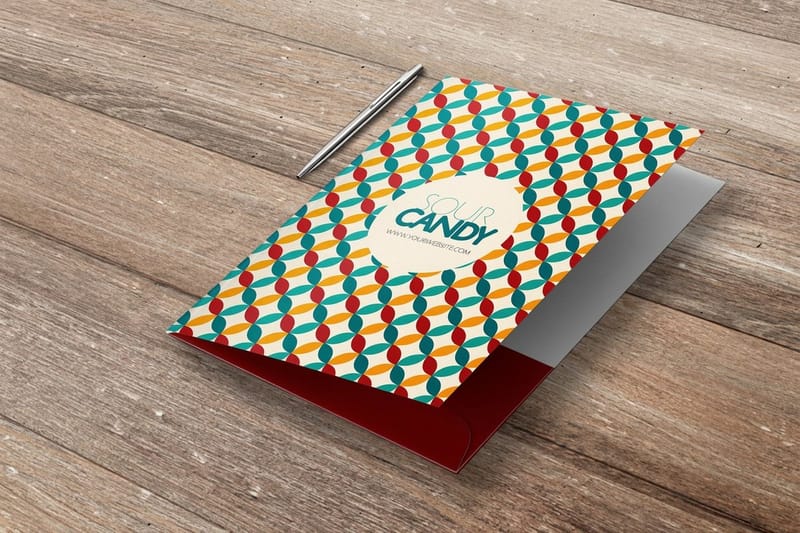
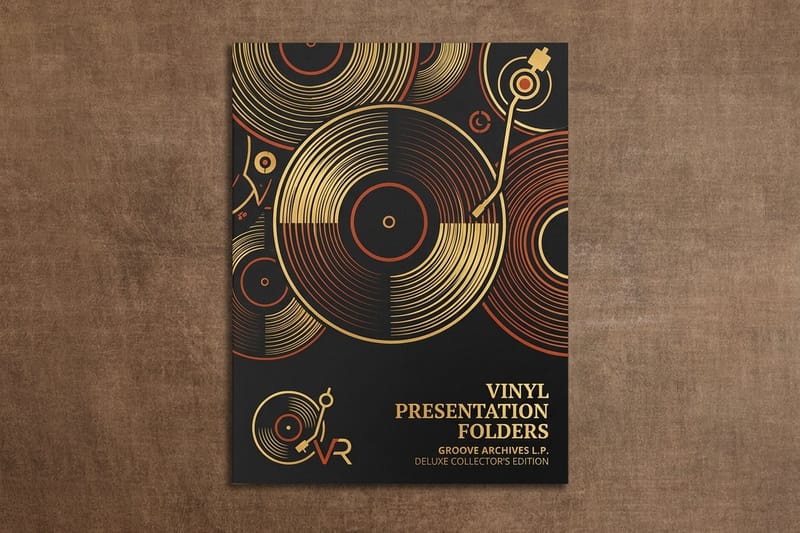
4. Gloss presentation folders: the quote becomes a proposal
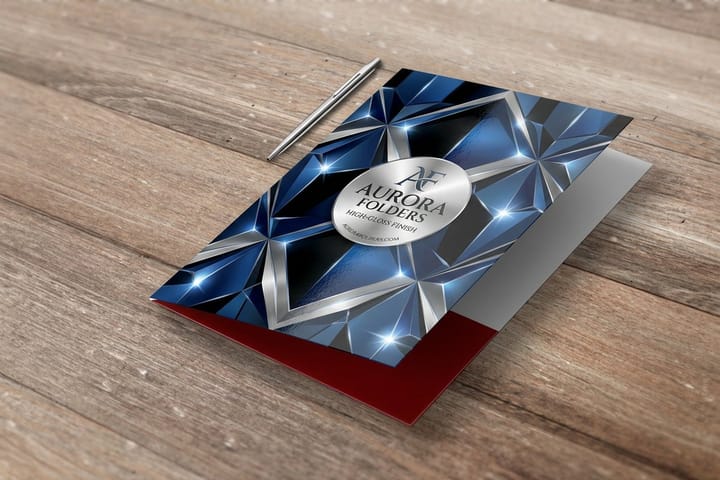
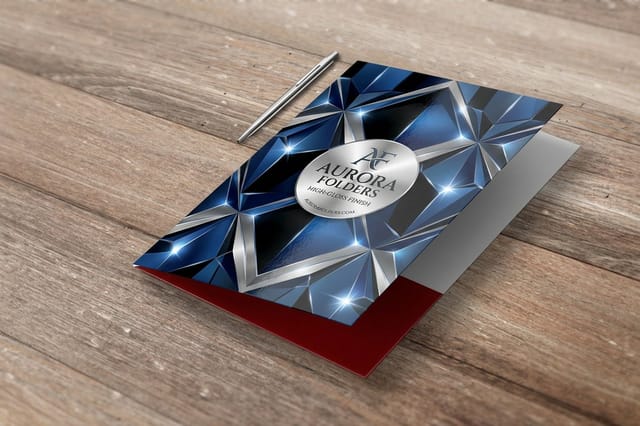
The product an agent sells is, physically, a stack of paper. How that stack is handed over decides how it is received: loose pages read as homework, while the same quote, policy summary, and card slotted into a gloss branded folder read as a proposal from an agency. Clients keep folders, file folders, and retrieve folders at claim time, which means your branding sits inside their filing cabinet for the life of the policy.
Gloss presentation folders run $844.54 for 250, the largest single line in this pack, so settle the layout once: a business card slit and interior pockets labeled by purpose, quote on one side, next steps on the other. The folder design showcase has real layouts worth borrowing, and the wider presentation folders range runs from this gloss folder to linen and foil when the book moves upmarket.
The per-unit math only looks premium until you count what one closed policy is worth. This is the cheapest close-rate lever in the pack.
5. Flyers: fill the seminar and own the enrollment season

Seminars and community events are where an agent stops being a name on a card and becomes the person who explained Medicare enrollment clearly, or walked the new-homeowners class through what a policy actually covers. Flyers fill those rooms. Posted at senior centers, libraries, and community boards, a flyer with one session, one date, and one promise recruits exactly the audience already asking the question.
One event per flyer, and the benefit in the headline, not your agency name: what attendees will finally understand when they leave. The design discipline in how to design flyers applies directly, and the same format handles sponsorship visibility at the little-league game or the church fair. Configure standard flyers in whatever volume the season demands.
Put a tear-off or QR RSVP on every flyer. A seminar seat reserved is a sit-down half booked.
6. Business forms: every client meeting on rails
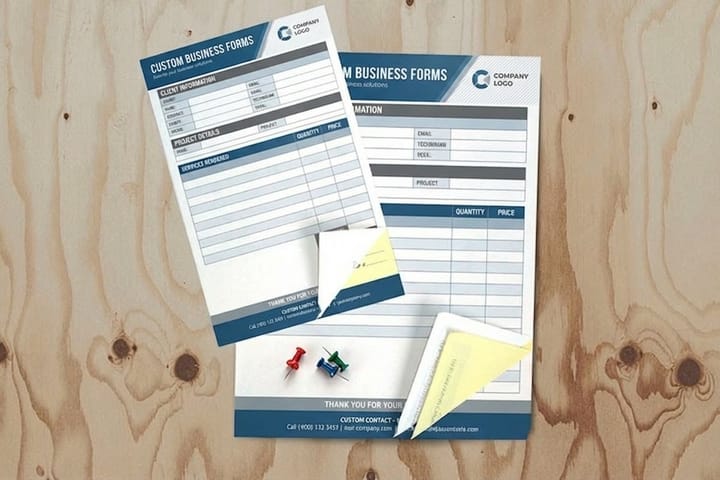
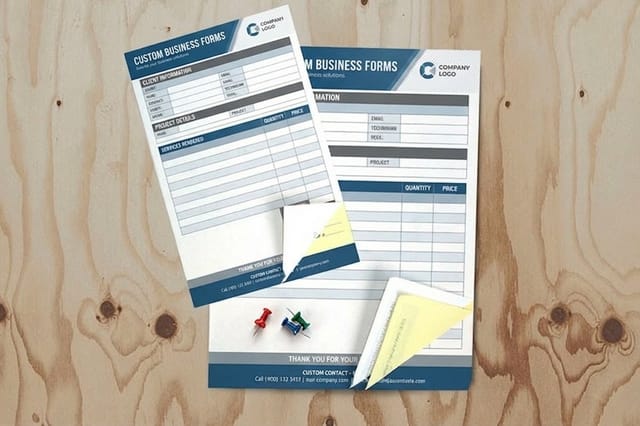
The difference between an agent who seems new and one who seems established is often just the paperwork. A printed intake form, coverage checklist, and needs-analysis sheet, branded and carbonless, turn a first meeting into a practiced routine: nothing forgotten, every answer captured, and a copy for each side of the table when the meeting ends.
Forms also protect you. A signed intake sheet documents what the client disclosed and what was discussed, which matters in a regulated business where memory disputes are expensive. Design the layout once around your actual meeting flow, then print custom business forms with numbering and duplicate copies so the file and the client always match.
A clipboard with a branded form does one more quiet job: it makes the person across the table take the questions seriously.
7. Wall calendars: twelve months of your name in their kitchen
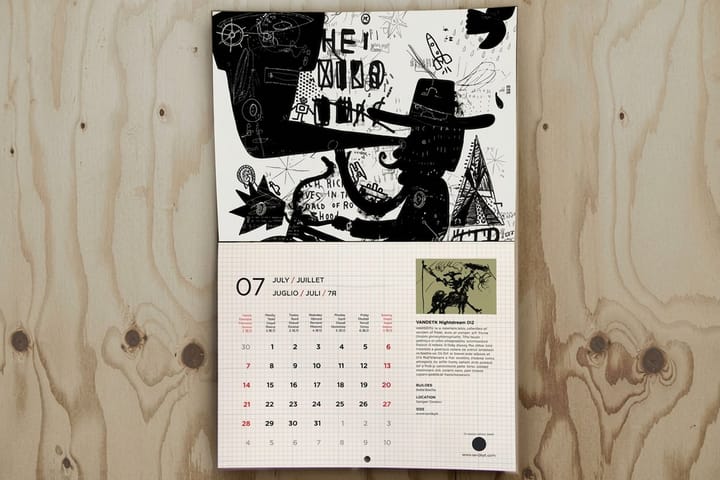
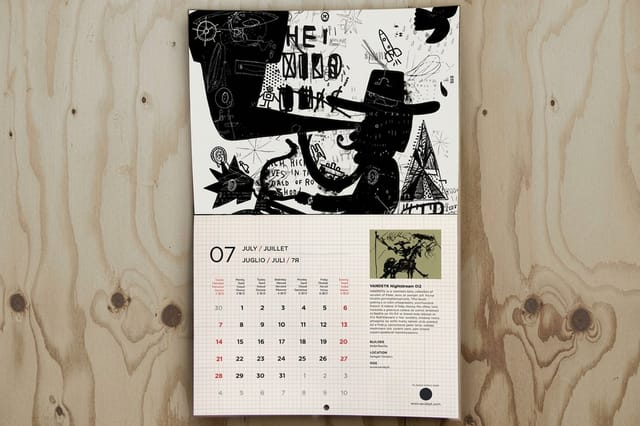
Most promotional items get binned by February. The calendar is the exception: hung in kitchens, garages, and office cubicles, it is looked at daily for a full year, and it is still hanging there in the exact weeks a renewal notice arrives or a teenager gets added to the auto policy. No other single print piece buys that much sustained visibility for the money.
Make it genuinely useful and locally warm, area photos, school holidays, your claims line printed on every month, and clients will hang it over the insurer-branded one every time. The build process in how to plan and print a custom calendar walks through photos, dates, and files, and the calendars range covers wall and desk formats.
Deliver them by hand in December to your best clients. The calendar drop is the cheapest annual review invitation ever invented.
8. Letterheads: the quote that arrives from an agency
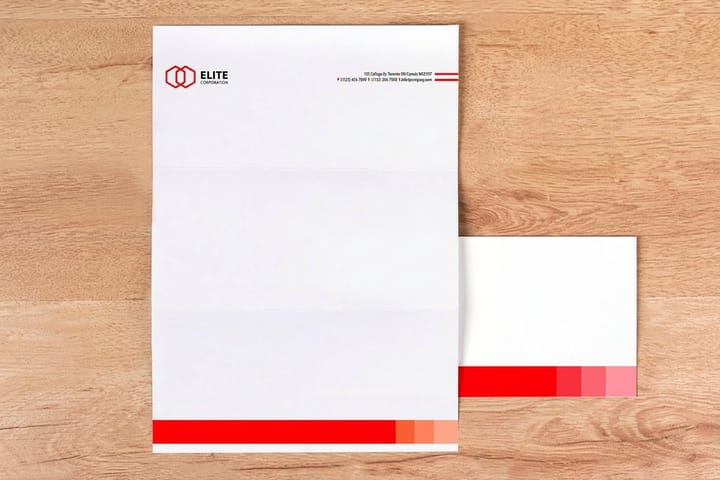
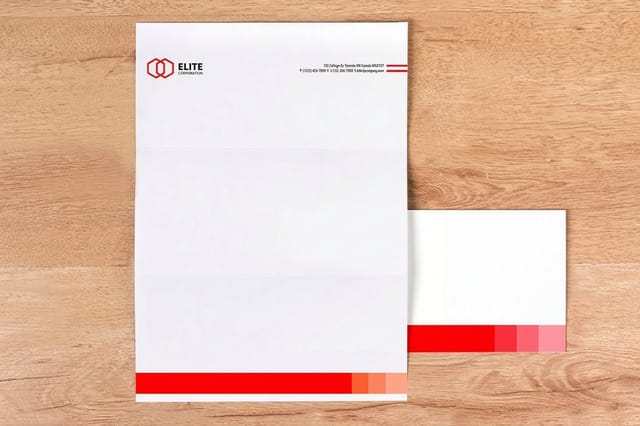
An insurance practice runs on letters: the quote summary, the renewal notice, the claims follow-up, the annual review invitation. On plain copier paper, each one reads as a printout from a person still working out of a spare bedroom. On real letterhead, the same words read as correspondence from an agency, and in a business where the product is a promise, that framing does real work.
Keep the design quiet: logo and name at the top, license line and contact block at the foot, and a paper stock with enough weight to feel deliberate. The primer on what a letterhead is covers the anatomy, and letterhead design tips keeps the type professional. Configure standard letterheads once and reorder for years.
Use it for everything a client will file. Your letter sits in their policy folder for a decade, quietly wearing your brand the whole time.
9. Printed envelopes: the mail that gets opened

Every letter you send fights for three seconds over the recycling bin, and the envelope is the whole argument. A branded envelope with your name, return address, and a clean mark signals a letter from a person the household knows, which is precisely the identity all that farming has been building. The renewal notice inside only matters if this outside gets it opened.
Match the envelope to the letterhead exactly, same logo, same colors, so the whole mailing reads as one piece. The rundown of standard envelope sizes settles the number 10 versus booklet question, and full-color envelope sizes covers the formats for bigger policy packets. Set up printed envelopes with the same design as the letterhead.
Order both stationery pieces together and the practice mails like an institution from the first week, at a cost no client will ever suspect.

Specs and pricing
Insurance card specs and quantity ladder
The business card is the piece an agent burns through fastest, so it sets the pace. A 100 pack is $17.57, or $0.18 a card, in 3 business days.

| Quantity | Price Per Unit | Total |
|---|---|---|
| 100 | 17.6¢ | $17.57 |
| 200 | 11.5¢ | $23.07 |
| 300 | 9.15¢ | $27.46 |
| 400 | 7.96¢ | $31.86 |
| 500 | 7.25¢ | $36.26 |
| 600 | 6.77¢ | $40.64 |
| 700 | 6.43¢ | $45.04 |
| 800 | 6.18¢ | $49.43 |
Wally explains the pack
Nine pieces, one agent, printed to look established from week one
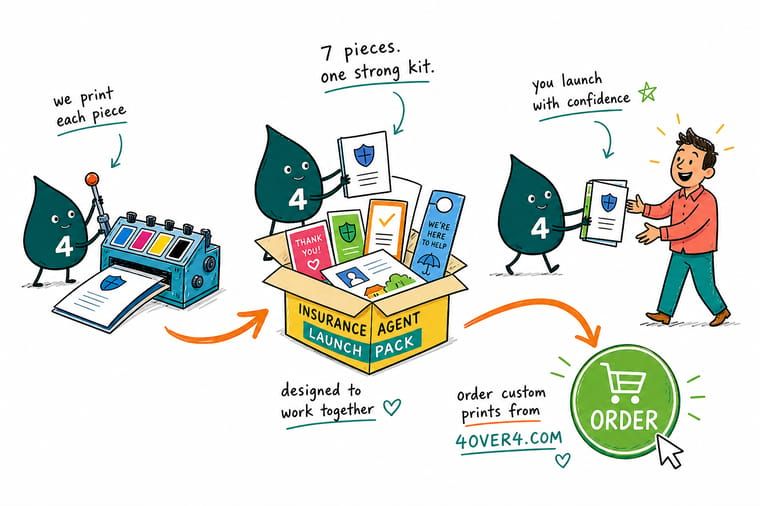
Wally builds an agent's territory like a farmer plans a field. The card and the postcard plant your name in every household, the brochure and the gloss folder harvest the sit-downs into signed policies, and the calendar, letterhead, and matched envelope keep your name on the kitchen wall and in the policy folder through all four renewal seasons. Give all nine one look and the whole practice wears one trustworthy face.
Shop insurance printing →See it in use
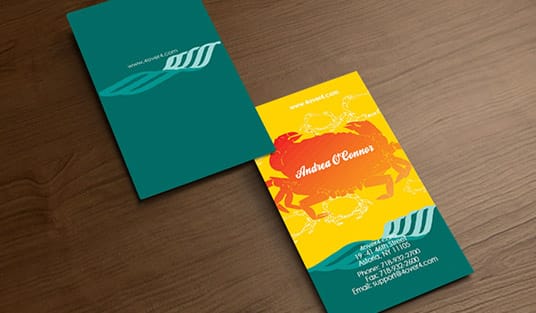
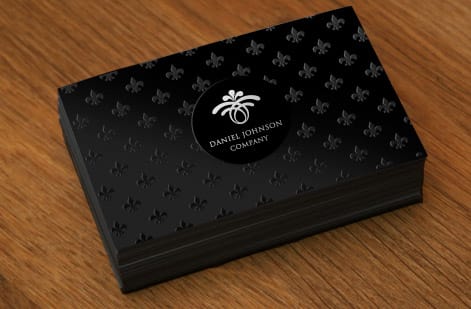
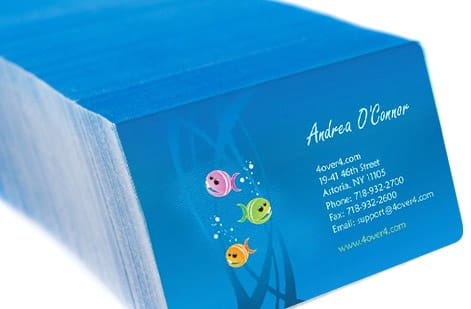
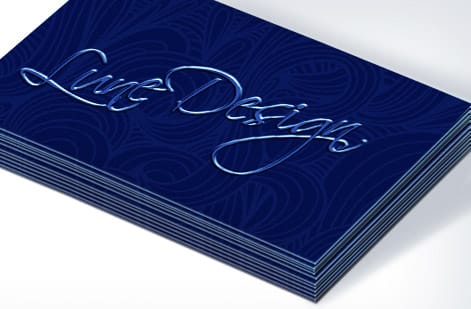
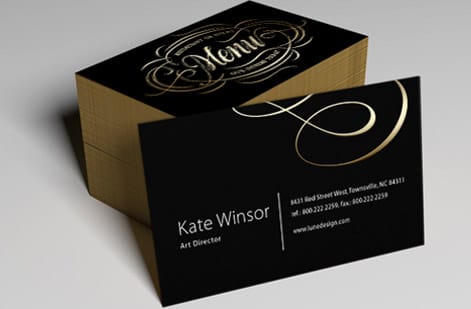
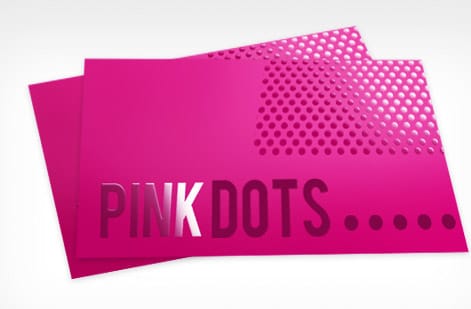
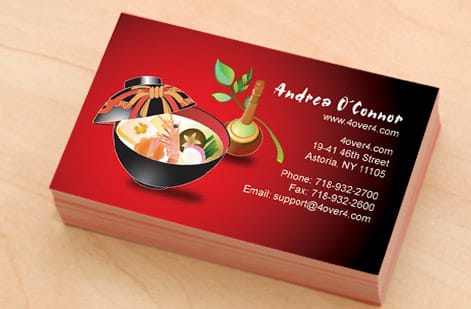
Business cards we printed

Explore more
Where to go next


By the numbers
One pack, printed to build a book
Common Questions
Common questions about the agent launch pack
What is in the insurance agent launch print pack?
Nine pieces that take a new agent from unknown to established: insurance business cards, insurance postcards, insurance brochures, gloss presentation folders, flyers, business forms, wall calendars, letterheads, and printed envelopes. Cards and postcards introduce you to the territory, brochures and folders win and close the sit-down, and calendars, intake forms, and matched stationery keep the practice professional all year.
What should a brand-new insurance agent print first?
Business cards, and more than feels reasonable. Every early client comes from a handshake: community events, referral partners, the neighbor at the hardware store. After cards, the introduction postcard to your farm territory is the play that builds name recognition before you ever knock or call.
Does postcard farming still work for insurance?
It remains one of the steadiest plays in local marketing. A consistent card to the same households, an introduction, then renewal-season reminders, then a yearly review offer, builds the name recognition that makes people answer your call. The compounding effect is the point: response grows with repetition, not with any single mailing.
Why does the presentation folder matter so much?
Because the product you sell is paper. A quote, a policy summary, and a business card handed over loose read as homework; the same documents in a gloss folder with your branding read as a professional proposal worth keeping. Clients file the folder, which means your contact details are exactly where they look when a claim or renewal comes up.
What goes in the insurance brochure?
Plain-language answers to the questions every prospect actually has: what the coverage lines are, what typically drives price, what happens at claim time, and why working with an agent beats buying blind. Leave rate specifics out so the piece stays evergreen, and let it travel home to the spouse or partner who shares the decision.
Are wall calendars still worth printing?
For an insurance practice, unusually so. A calendar is the rare promotional item people voluntarily hang in kitchens and offices, which puts your name in daily view for a full year, including the weeks their renewals land. Hand them out every December; clients begin to expect them, and the expectation itself is retention.
Can I reorder pieces as the book of business grows?
Yes. Each product has its own configurator, so reordering postcards for the spring push or another batch of folders takes a few clicks without touching the rest of the pack. Keep the design files consistent and the practice looks identical from your first month to your five hundredth client.
Get Started
Order 250 presentation folders for $844.54
Order the launch pack from 4OVER4.COM piece by piece, folders and calendars first. Adjust size, quantity, and finish on any product and watch the price update live.
Legal Disclaimer
Gold Standard guarantees apply to all standard orders placed through 4over4.com. Price match requires verifiable proof of a competitor's published price for an equivalent product with matching specifications and turnaround time. Satisfaction guarantee covers manufacturing defects and print quality issues. Contact support with order number and documentation.
