
The 7-Piece Gym Lead-Gen Print Set That Fills a Membership Pipeline
Seven printed pieces, each one carrying a code, a form, or a blank line for a name. That is the whole difference between print that makes your gym look busy and print that hands the front desk a phone number. Here is the set, with the trade-off on each piece.
A gym lead-gen print set is seven pieces that each produce a traceable enquiry: door hangers, direct mail postcards, flyers, fitness flags, fitness banners, guest pass certificates, and trainer business cards. Print one offer across all seven and change only the redemption code, so the desk can tell a door hanger lead from a drive-by. Costs start at $17.57 for the cards and $290.41 for the hangers, which is why the hangers are the piece to commit to or skip.
The picks
Seven pieces, from $17.57 for 100 fitness cards to $290.41 door hangers
Order the whole set, or start with the two channels your gym is not using yet. Every price below comes from the configurator and falls as the quantity climbs. Lay each piece out from scratch in the free online designer, or start from a fitness design template so the flag, the mailer, and the card end up in the same two colors.



Start here
What separates a lead-gen piece from a sign
A sign is judged by who saw it. A lead-gen piece is judged by what got written down. Two of the seven work the road and are honestly there to create traffic. The other five each end in a record: a code repeated at the desk, a QR scan that fills a form, a name on the back of a guest pass, a phone number on a trainer card. Print them together, give each one its own code, and a month later you can name the channel that filled your January instead of guessing at it.
What each piece captures
The seven pieces, what they capture, and where they go
Read the row, tap the piece to jump to its section. The middle column is the part that matters: if a piece has nothing in it, you are buying awareness, which is a fair thing to buy as long as you know that is what you are doing.
| Piece | What it captures | Where it goes |
|---|---|---|
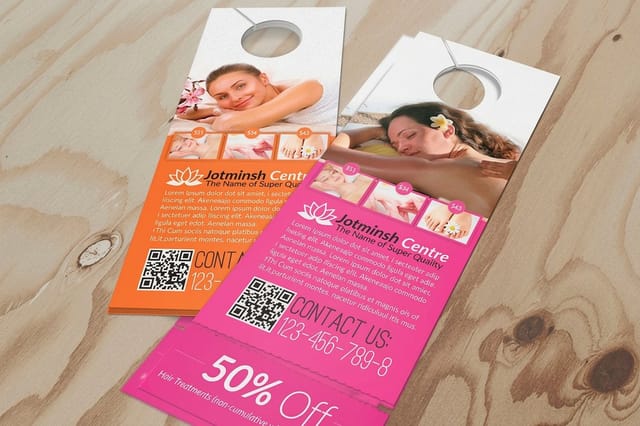
| 1. Door hangers | A code plus a claim-by date, hung on the knob | The three or four residential streets closest to your door, walked in an evening. |
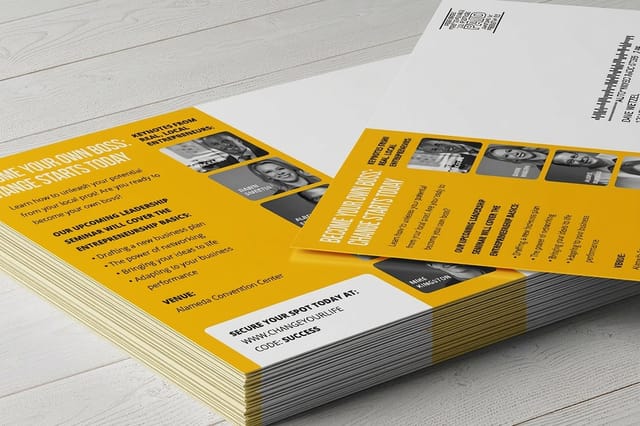
| 2. Direct mail postcards | A code and a QR to the trial sign-up form | Carrier routes inside your real drive radius, mailed in one drop rather than dripped. |
| 3. Flyers | A blank line for a name and a phone number | Counters at the physio clinic, the juice bar, the running store, the office park lobby. |
| 4. Fitness flags | The turn-in, before the driver has passed you | The curb line and the entrance to the lot, spaced so the row reads as movement. |
| 5. Fitness banners | One offer, readable from the far side of the lot | Across the facade or the fence, above the roofline of parked cars. |
| 6. Guest pass certificates | A member name written on the back of the pass | Handed out at the desk, two per member, redeemed by the friend they bring. |
| 7. Fitness business cards | A trainer name and a direct number for the follow-up | Every tour, every trial session, every conversation on the gym floor. |
1. Door hangers: the only paper you can legally leave at a door
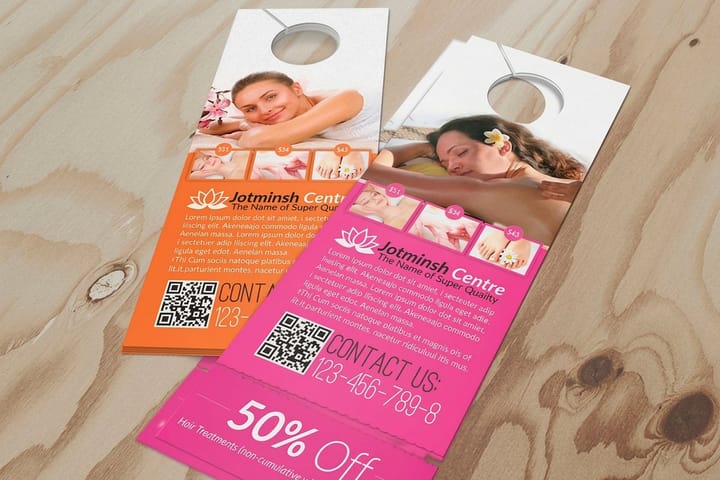
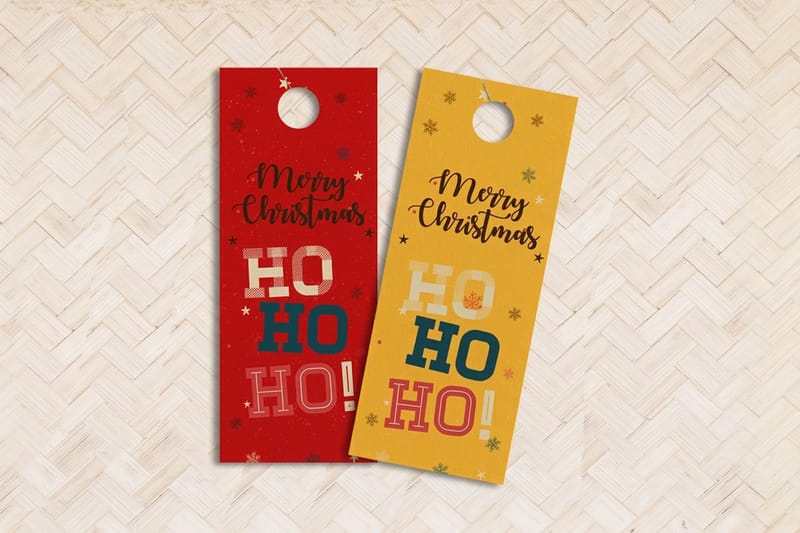
A mailbox is federal property, so nothing goes in it without postage. The knob is fair game, which is why door hangers exist at all. For a gym, that matters more than it does for most businesses: the people who actually keep a membership live close enough to walk or drive there in under ten minutes, and a hanger is the cheapest way to put a dated offer on exactly those doors.
The standard shape is 4.25 in by 11 in with a die-cut hole and a slit, which fits a round knob and a lever handle. Print the offer on the side facing out and the address, the hours, and the code on the back. Our door hanger size guide covers the other cuts, and how to run a door hanger campaign covers the part most gyms get wrong, which is walking the same streets twice, three weeks apart, rather than covering four times the ground once.
Here is the catch nobody mentions. Door hangers start at $290.41 at 4OVER4.COM because they print in volume, so this is the one piece in the kit you cannot test with fifty units. Commit to a route or skip it. If your radius is genuinely small, the honest comparison is in door hangers versus flyers, and the flyer usually wins under a few hundred doors.
2. Direct mail postcards: pick the carrier route, not the town
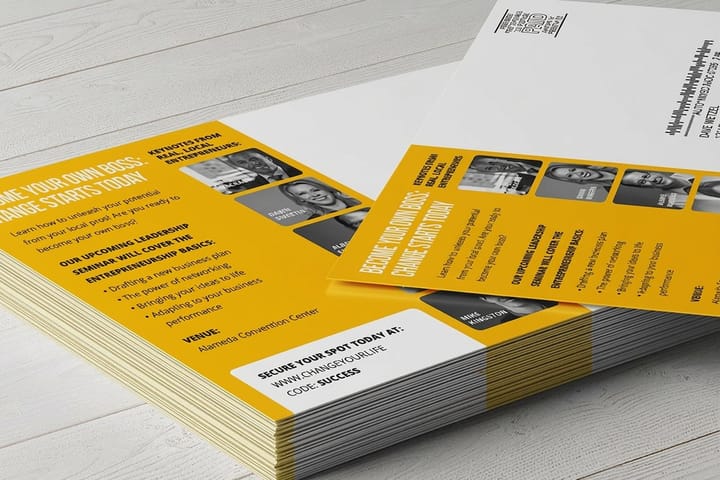
Mail reaches the households a walk cannot. Direct mail postcards start at $89.68 and print and mail in one order, so you are not driving trays to the post office between classes. The decision that changes your result is not the design. It is whether you mail a list or a route.
Every Door Direct Mail sends to whole carrier routes with no list to buy and no names to keep clean, which is why the per-piece postage is lower. The trade-off is real and worth saying out loud: you cannot exclude anybody on that route, so you pay to mail your own current members and every household that has already said no. A purchased or house list costs more per piece and lets you cut both. Start with what EDDM is and whether it fits, then size the piece with the EDDM postcard sizes.
One layout rule saves a reprint. The address side is not yours: the bottom right of it belongs to the address block and the barcode, and artwork that creeps into that zone gets the mailing rejected or surcharged. Set it up once with how to lay out a postcard for mailing and reuse the file all year, changing only the offer and the code.
3. Flyers: the piece you trade for counter space

At $39.54, flyers are the cheapest way to test a neighborhood partner. The physio clinic, the juice bar, the running store, and the office park lobby all take a small stack if you offer their staff something in return, and those counters put your offer in front of people who are already spending money on their bodies.
Stock matters here more than layout. A 100lb gloss text flyer photographs beautifully and refuses ballpoint ink, so a receptionist cannot write a caller name on it. If the flyer is meant to collect anything by hand, order it on uncoated stock and leave a real blank line, not a decorative one. Order free paper samples and try a pen on each before you commit to a thousand.
Design and placement are both solved problems. Our guide on how to design flyers handles the hierarchy, where to leave flyers handles the route, and fitness flyer ideas shows what a class-filling offer looks like when it is written for a gym rather than a generic storefront.
4. Fitness flags: catch the driver before the turn, not after
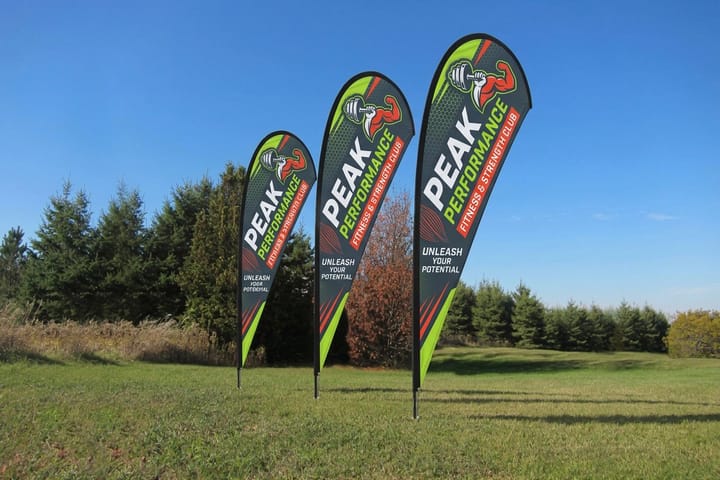
A gym in a strip mall is invisible at 40 mph because everything around it is a static rectangle. Fitness flags at $108.75 add the only thing a building cannot do on its own, which is move. Place them so the first flag is a full car length before the entrance, because a driver who reads your sign level with the curb cut has already missed the turn.
Choose the base for the ground you have. A ground spike is steadier and cheaper but needs soil or grass, so on an asphalt lot you need a cross base with a weight bag on it, and a flag on an unweighted cross base in a gust is a claim on somebody's windshield. Take the flags in overnight in winter, or the pole sleeve frays where it meets the top of the mast.
Flags earn attention, not names, so give them a job the rest of the kit can measure: print one short code on the flag itself, and the front desk learns how many walk-ins came from the road. The wider evidence for on-site signage is collected in our signage effectiveness data.
5. Fitness banners: one offer, big enough to read from the far side of the lot
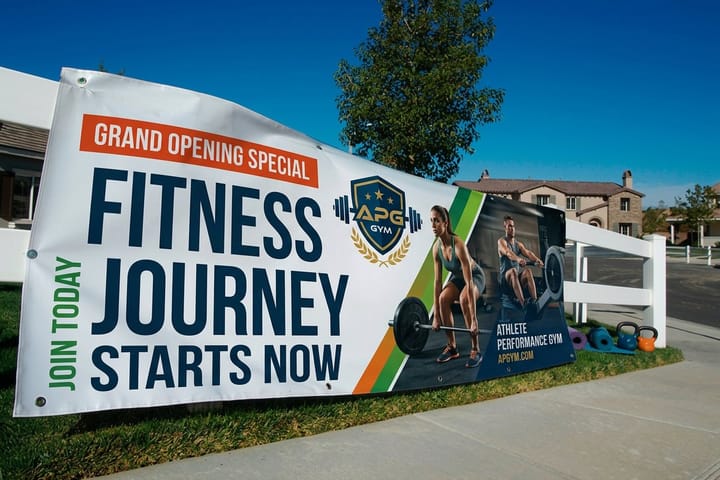
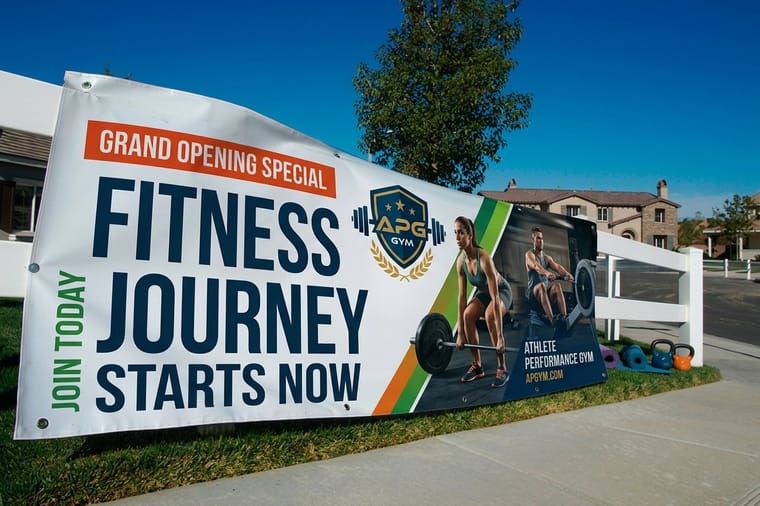
The flag gets a driver to look. The fitness banner, from $79, tells them why to stop. One offer, four or five words, and a code. Two offers on one banner is the most common mistake on a gym facade, and it costs you both.
Vinyl prints up to 10 feet on the short side as one panel with no seam, so a 3 ft by 8 ft banner over the entrance or a 3 ft by 20 ft run along the fence comes off the roll in one piece with no weld through your headline. Ask for a folded and welded hem the whole way around, grommets every 2 feet plus one in each corner, and wind slits or a mesh material if the run sits on an exposed fence. A raw cut edge tears out at the first grommet after one storm. Tension and mounting are covered in how to hang banners.
Because the offer changes and the gym name does not, print two: a dated promotional banner and a plain brand banner to hang the week the promotion ends. When a January offer needs to be up by Friday, same-day printing is what keeps the decision from waiting on a delivery truck.
6. Guest pass certificates: the cheapest lead in the building
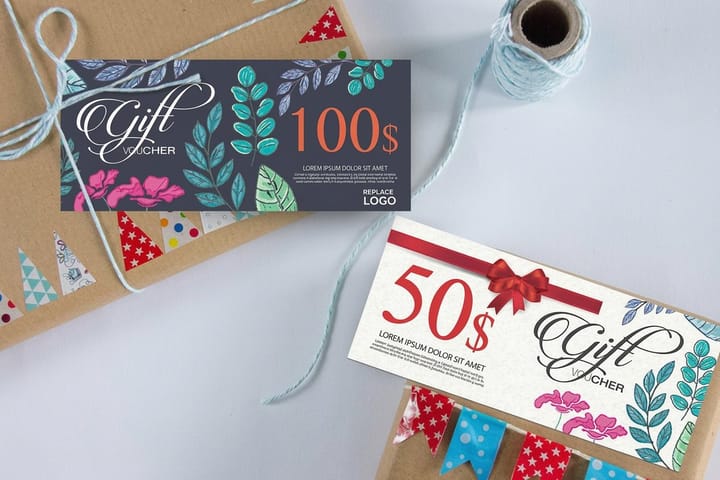
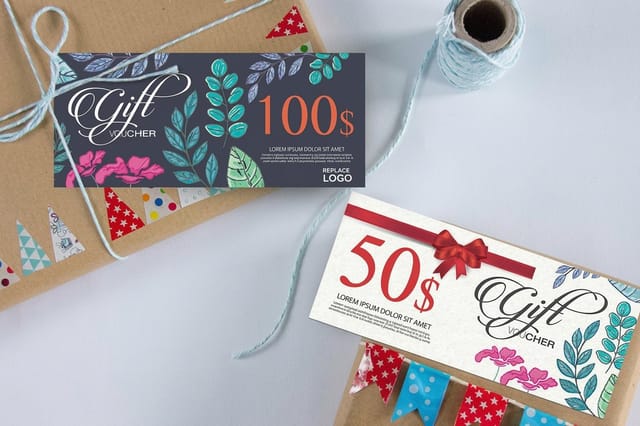
Your members already know who in their life is thinking about joining a gym. A printed guest pass makes the invitation easy to hand over, which a text message never quite is. Gift certificates start at $42.84 and work as a free-week pass with a line for the member name on the back, so the referral is credited to a real person when the friend walks in.
Print short runs with a different code on each run rather than one code for the year. A pass that says BRING1 and expires in six weeks gets used; an undated pass sits in a gym bag until it is meaningless. Two per member is the number that works, because a member handed ten will hand out none.
Give the desk a rule to go with the paper: the pass is only redeemed at the counter, never scanned at a turnstile, so a name and a number get written down before the workout. Referral mechanics sit inside a bigger picture in our roundup of fitness marketing strategies, and the campaign-shaped version of this set is the gym membership drive pack.
7. Fitness business cards: the follow-up that survives the parking lot
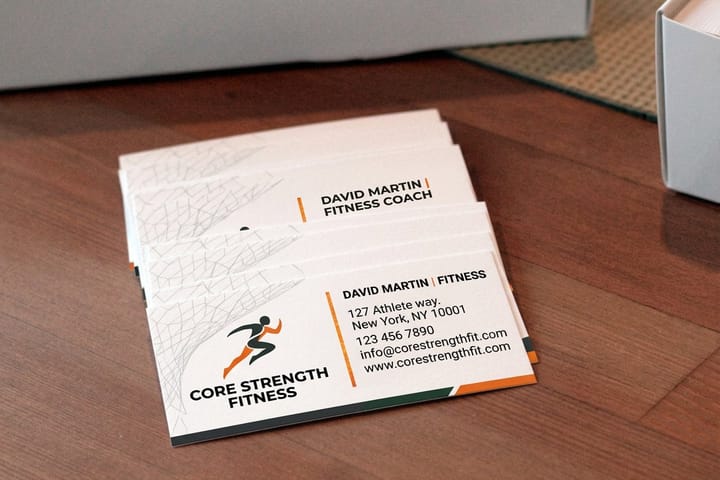
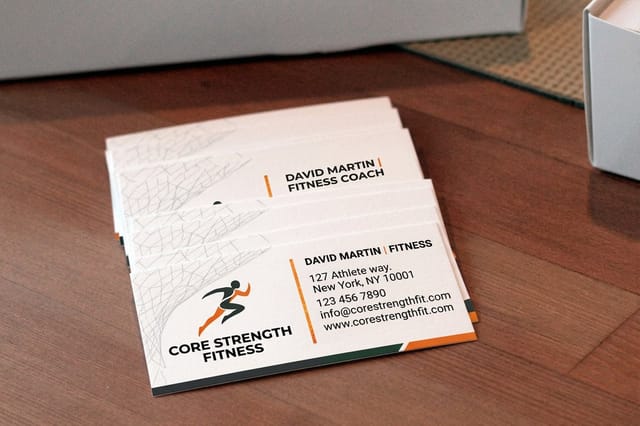
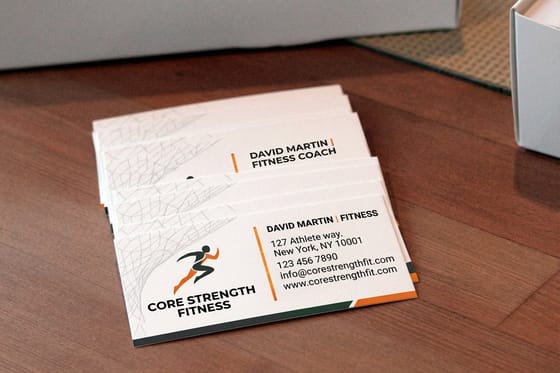
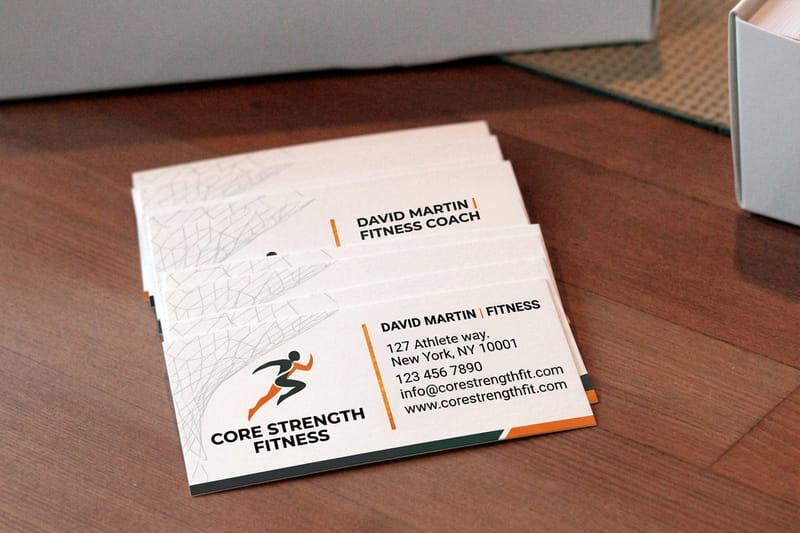
A tour ends in the car park, and whatever the visitor is holding at that moment is your entire follow-up. Fitness business cards start at $17.57 and give a trainer a direct number to hand over, which is a different thing from a gym number that rings at the desk during a class.
Two production details decide whether the card works. Order it matte or uncoated if the trainer writes a class time or a start date on the back, because a gloss laminate will bead the ink and smear it in a pocket. If you put a QR code on the card, keep it at least 0.8 in square with a clear margin around it, and keep it off a gloss finish, since sunlight on a laminated card is exactly the condition that defeats a phone camera in a car park.
Give the whole set one look. Start every piece from the same design template, keep the two brand colors and one typeface across the hanger, the mailer, the banner, and the card, and the follow-up call lands as part of a gym the person already recognizes. The rest of the fitness range sits in our fitness printing collection.
Specs and pricing
The two pieces you will reorder: mailers and flyers
Mailed postcards and flyers are the channels a gym repeats once the codes show which one works, so their specs and price ladders are the ones worth knowing before the first order. Both come straight from the configurator.


| Quantity | Price Per Unit | Total |
|---|---|---|
| 50 | 79.1¢ | $39.54 |
| 100 | 57.1¢ | $57.11 |
| 200 | 37.3¢ | $74.69 |
| 300 | 28.6¢ | $85.68 |
| 400 | 24.4¢ | $97.76 |
| 500 | 21.8¢ | $108.75 |
| 600 | 18.7¢ | $112.03 |
| 700 | 16.5¢ | $115.33 |
| Quantity | Price Per Unit | Total |
|---|---|---|
| 1 | $79.00 | $79.00 |
Wally explains the code trick
One offer, seven codes, one log at the desk

Wally prints the same free week on all seven pieces and changes nothing but the code. The hanger says KNOCK7, the mailer says MAIL9, the guest pass says BRING1. The desk asks for the code before the tour, writes it next to the name, and at the end of the month each channel has a cost per lead instead of a shrug. Reprint the cheap one at a higher quantity, redesign the expensive one, and let 4OVER4 run the whole set in one order so the colors match from the curb to the counter.
Shop fitness printing →See it in use
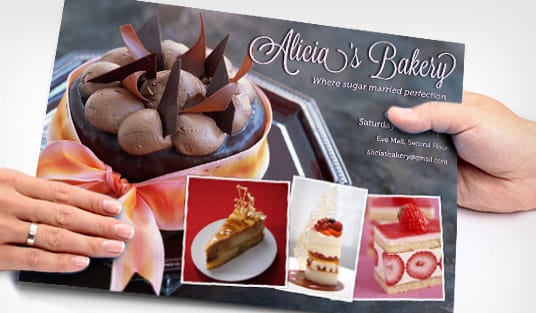
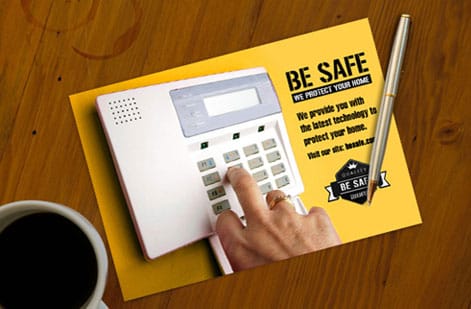
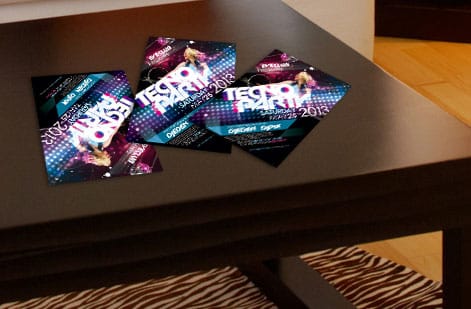
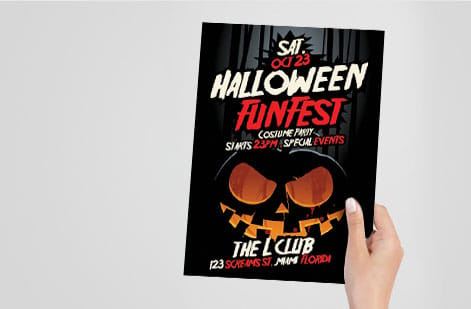
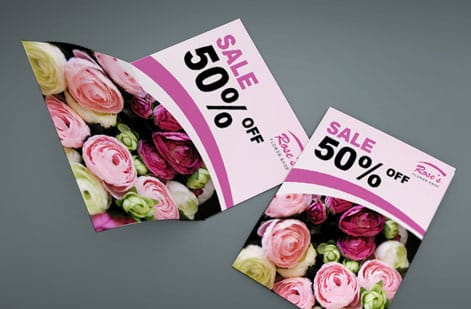
Flyers other gyms have handed out


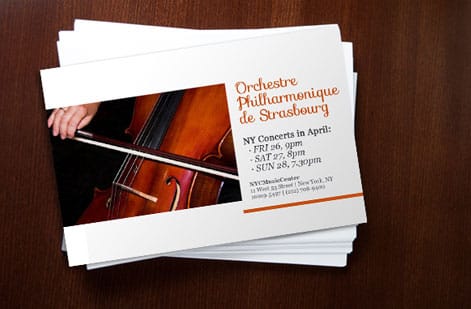
Explore more
Where to go next

By the numbers
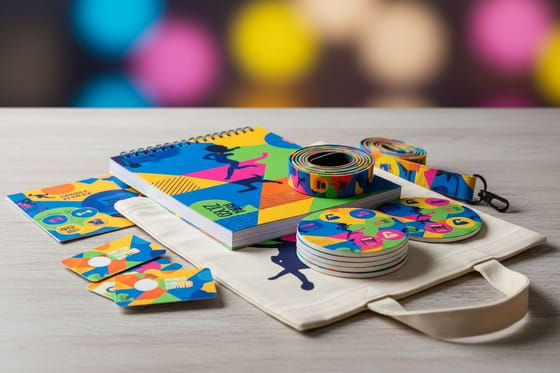
What a membership push can be printed on
Common Questions
Common questions about gym lead-gen printing
Which print pieces actually generate gym leads instead of just awareness?
The ones that end with something written down. Door hangers, mailed postcards, flyers on partner counters, and guest pass certificates all carry a code, a QR, or a blank line, so a walk-in can be traced back to the piece that produced it. Flags and banners are still worth printing, because they catch the drive-by traffic no mailer reaches, but treat them as the piece that starts the conversation rather than the one that records it.
How do I know which piece produced a lead?
Print the same offer on every piece and change only the code, then have the front desk ask for the code before the tour rather than after. At the end of the month, divide what each channel cost to print by the number of coded walk-ins it produced. That single habit is what turns a print order into a number you can act on, and it costs nothing to add.
What does a gym lead-gen print set cost to start?
At 4OVER4.COM the seven pieces start at these prices and drop as quantity climbs: fitness business cards $17.57, standard flyers $39.54, gift certificates $42.84, fitness banners $79, direct mail postcards $89.68, fitness flags $108.75, and door hangers $290.41. Door hangers are the one piece with a volume-shaped starting price, so if your walkable radius is only a few hundred doors, spend that budget on flyers and mail instead.
Should a gym mailer go to a carrier route or a purchased list?
Route mailing is cheaper per piece and needs no list, but it hits every household on the route, including your current members and everyone who has already declined. A list costs more per piece and lets you exclude both. For a first campaign, most gyms are better off mailing two or three carrier routes inside their real drive radius, because the waste on a tight route is smaller than the cost of a poor list.
Can staff write on a gloss flyer or a laminated card?
Not reliably. Ballpoint ink beads on a gloss coating and smears before it dries, and a gloss laminate is worse. If a piece is meant to collect a name, a class time, or a start date by hand, order it uncoated or matte. Ordering free paper samples first and testing a pen on each stock takes a minute and prevents a thousand unusable flyers.
Where should feather flags stand on a gym parking lot?
Start the row a full car length before the entrance, so a driver reads it while there is still time to turn, and space the rest every 20 to 30 feet so they read as one moving line rather than five separate signs. On asphalt you need a cross base with a weight bag; a ground spike only works in soil or grass, and an unweighted cross base in a gust becomes somebody else's problem.
Do guest passes need an expiry date?
Yes, and a short one. An undated pass sits in a gym bag until it means nothing, while a pass that expires in six weeks gets used inside the window you are staffed for. Print short runs with a different code on each run, hand out two per member rather than a stack, and redeem them at the counter so a name and a phone number get recorded before the workout starts.
How fast can I reprint an offer that is working?
Fast enough to matter for a weekend. Flyers, banners, and cards are the pieces gyms reorder mid-campaign, and same-day printing exists for exactly that decision. Keep the artwork in one template with the code as an editable field, and reprinting a winning channel becomes a five-minute job rather than a new design brief.
Get Started
Print the set, code every piece
Order the seven-piece gym lead-gen set as one branded run at 4OVER4.COM. Pick your sizes, stocks and finishes, watch each price update live, and give every channel its own code before the first walk-in.
Legal Disclaimer
Gold Standard guarantees apply to all standard orders placed through 4over4.com. Price match requires verifiable proof of a competitor's published price for an equivalent product with matching specifications and turnaround time. Satisfaction guarantee covers manufacturing defects and print quality issues. Contact support with order number and documentation. On-time delivery rate based on tracked orders 1999 to 2026. Individual results may vary based on shipping carrier performance.
