
The Foil-Accented Brand Suite: 3 Print Pieces That Make Your Brand Feel Expensive
A foil accent makes a customer assume you charge more, and you do not have to redesign anything to get it. Used on the right three pieces, a single metallic accent turns an ordinary card and an ordinary flyer into things people keep. This is the short list of what to print and the order to print it in.
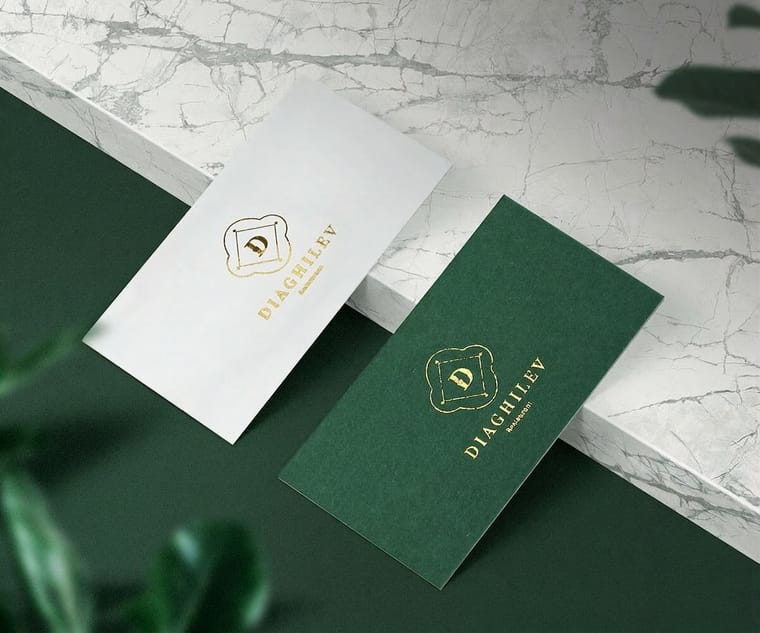
The foil-accented brand suite is three pieces: foil business cards for everyday handoffs, fat foil business cards on thick stock for meetings you want remembered, and foil flyers for the offer you put in front of a room. Choose one metallic, apply it to a logo or headline rather than the whole design, and repeat it across all three so the set reads as one brand. For the smallest foil run, start with 250 fat foil cards; the foil business cards and foil flyers start at 500, and none of the three comes with envelopes, so order those separately if you mail the flyers. Our story on fat business cards shows the thick stock in hand.
The picks
Fat foil at 250, foil cards at 500, foil flyers at 500
Start here. Fat foil cards come 2 by 3.5 in on 32pt UltraWhite uncoated with gold or silver foil, 250 for $240.55. Foil business cards come in four sizes on 16pt silk laminated or 14pt uncoated, 500 for $222.13, and foil flyers run 4 by 6 in to 5 by 7 in, 500 for $328.42. Pricing updates live on each product page, so what you see is what the run costs at your quantity.
Design and print help
One metallic accent across the three
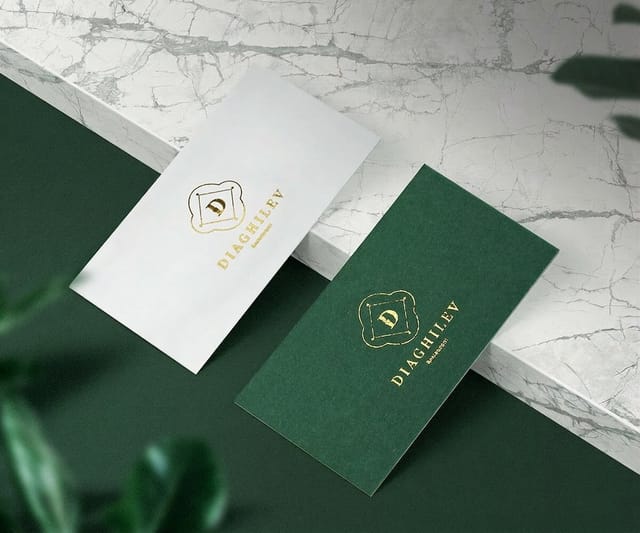
The suite only works if every piece shares the same metallic, the same logo placement and the same stock family. Pick gold or silver if the fat foil card is in your set, since those are the two foils it takes, place the foil layer in the online designer, and hold the silk laminated and uncoated samples before you choose.
How they work together
Which foil piece to print first
Each piece owns a stage of the relationship. One introduces you at volume, one closes the room that matters, and one carries the offer to people who have never heard your name.
The everyday piece. It carries your name into wallets, sample bags and follow-up emails, and the foil makes it survive the desk drawer purge.
Thicker stock for the meetings that matter. Keep a smaller box of these for investors, venue partners and clients closing a large order.
One sheet that does the persuading. Foil pulls the eye to the headline or the logo while the copy underneath does the real selling work.
1. Fat foil business cards: the card you save for the meetings that matter
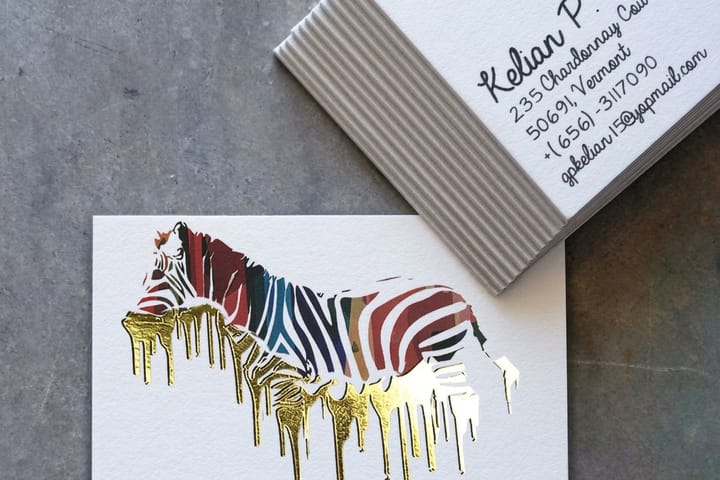
A fat foil card is felt before it is read. The stock is thick enough that the recipient notices the weight in their fingers before their eyes reach your name, and that half second of surprise is the whole point. People do not throw away a card that feels like it cost something. They set it on the desk instead of the pile.
Use these sparingly. Print a smaller run and reserve it for the conversations with real money attached: the investor meeting, the venue walkthrough, the client signing a long contract. If you are still settling on the name and mark, work through art and craft business name ideas before you commit a foil die, because changing the logo after the die exists is the expensive mistake.
Keep the foil to the mark and one short line. On a thick card the edge already does the showing off, so the front should stay quiet and let the stock carry the weight.
2. Foil business cards: the everyday piece that survives the drawer

This is the working card, the one that goes into a jacket pocket at a trade show and gets pulled out three weeks later. A metallic accent gives it survival value. When someone empties a pocket full of cards onto a desk, the one that catches the light gets a second look while the plain ones go in the bin, and a second look is often all you need.
Set the foil color here first, because everything else in the suite copies it. Gold on charcoal, silver on deep navy and rose on cream are the three combinations that hold up under office lighting. Service businesses in particular benefit from a card that looks more expensive than the trade expects, and cleaning business name ideas shows how much a plain trade name gains from a premium treatment.
Leave the back mostly empty. One line, one contact route, generous margins. The foil is doing the persuading, so crowding it with a service list undoes the effect you just paid for.
3. Foil flyers: one sheet that makes an offer look worth reading

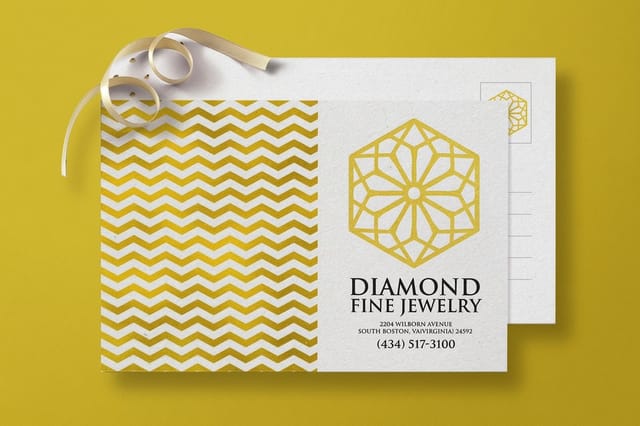
Most flyers get a glance measured in a single second. Foil buys you the second one. A metallic headline or logo on an otherwise calm sheet stops the hand that was about to put it down, and the copy underneath gets a chance to do its job. That is why a foil flyer belongs at events, in premium mailers and on counters where cheap paper would be ignored.
Build the whole sheet toward one action. A headline the reader can absorb standing up, three lines of why, a clear offer and one way to respond. Mobile food brands are a good example of how far a single striking sheet travels, and food truck name ideas is a useful read on making a name land fast. Pair a stack of flyers with something small and repeatable such as the tactics in 10 fun ways to use logo stickers.
Print enough for the event plus a reorder buffer. Running out mid weekend costs more in missed conversations than the extra sheets ever cost to print.

Specs and pricing
Foil business card specs, and what 500 costs
The everyday foil card sets the stock, the coating and the metallic tone that the other two pieces follow. It comes 2 by 3.5 in, credit card size, 1.5 by 3.5 in or 2.5 by 2.5 in, on 16pt silk laminated or 14pt uncoated, with gold, silver, copper, rose gold, red, black or blue foil on one or both sides, and spot UV and rounded corners as options. Check the quantity breaks here before you commit the rest of the run.
| Quantity | Price Per Unit | Total |
|---|---|---|
| 500 | 44.4¢ | $222.13 |
| 1,000 | 26.9¢ | $269.14 |
| 2,500 | 20.2¢ | $504.19 |
| 5,000 | 19.7¢ | $986.04 |
| 10,000 | 16.4¢ | $1,644.19 |
| 15,000 | 14.4¢ | $2,161.30 |
| 20,000 | 13.5¢ | $2,701.94 |
| 25,000 | 13.0¢ | $3,242.54 |
Wally explains the suite
Three pieces, one metallic, printed to look expensive
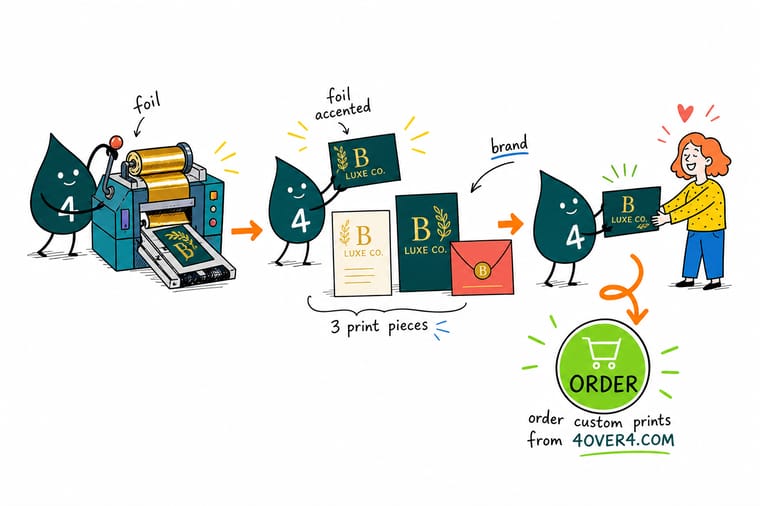
Wally treats foil like salt. A little on the right spot changes everything, and too much ruins the dish. Put the metallic on your logo, keep the rest of the layout calm, and use the same gold or silver on all three pieces so a card, a thick card and a flyer clearly come from the same brand. Reorder with the same foil color and the set stays consistent run after run.
Shop the foil collection →See it in use
Business cards we pressed ourselves
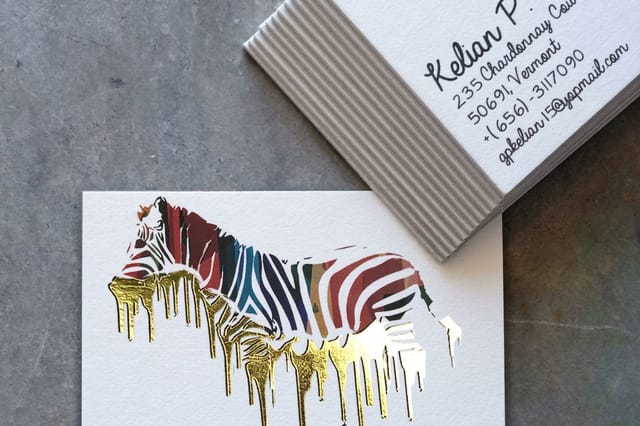
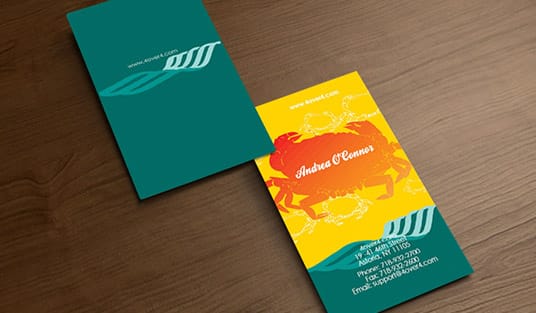
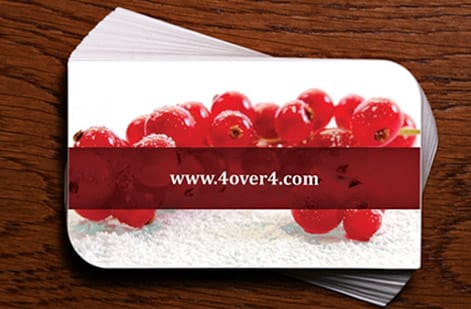
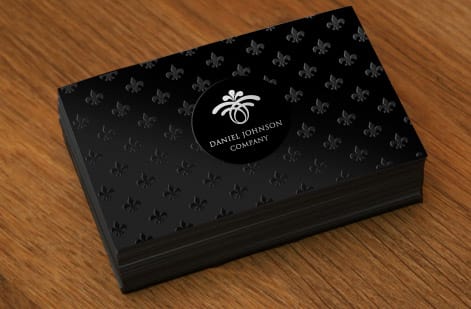
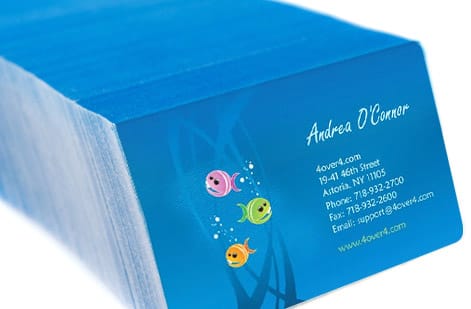
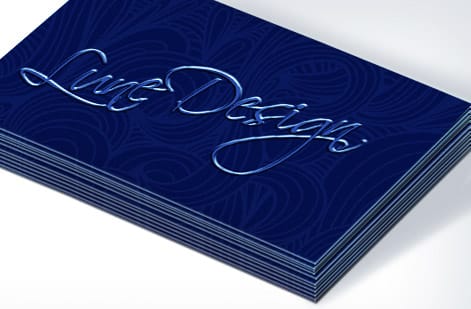
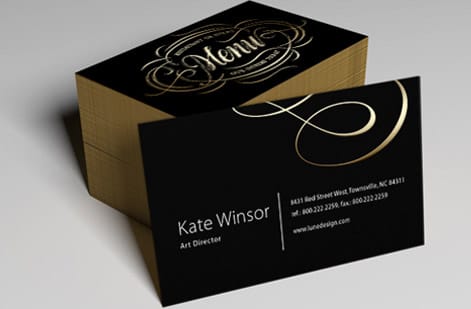
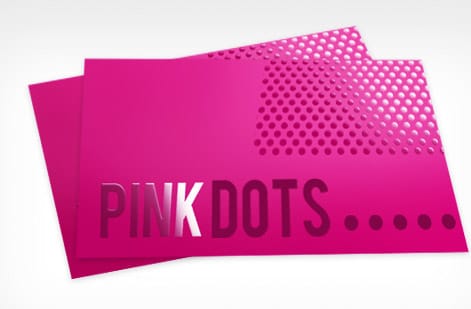
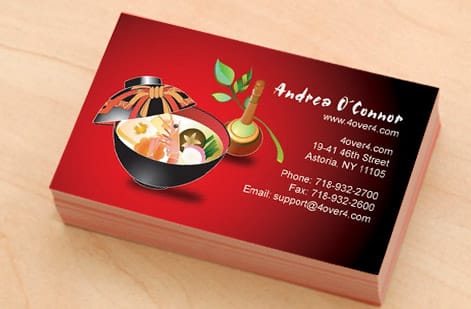
Business cards from customer orders, some with foil. Where a card carries foil, look at how little of it the foil covers.

Explore more
Where to go next
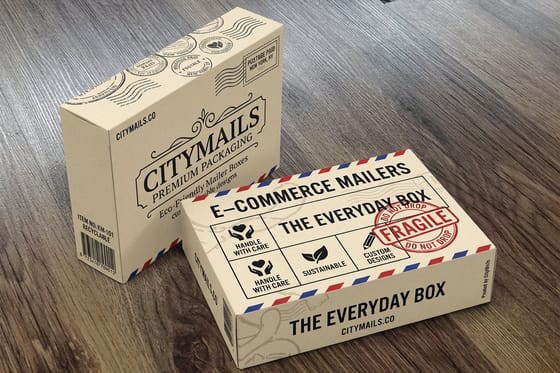
The MOO wedding invitation and Vistaprint program pages cover foil for a wedding suite, the packaging and eco packaging articles carry one look from the card to the box, and the logo sticker article lists cheap places to repeat the mark.


By the numbers
One suite, printed to look premium
Common Questions
Common questions about the foil-accented brand suite
What is the foil-accented brand suite?
It is a curated set of three foil printed pieces that work as one brand kit: foil business cards for daily handoffs, fat foil business cards for the meetings you want remembered, and foil flyers for the offer you put in front of a room. Each is priced live on its own product page, so you can order the full set or start with the piece you need first.
Which piece should I print first?
Print the standard foil business card first. It is the piece you will hand out most often and the one that sets the foil color, the logo treatment and the stock family for everything that follows. Once that card looks right in hand, the fat foil version and the flyer become easy decisions because the design work is already settled and repeatable.
What is the difference between foil business cards and fat foil business cards?
Both carry the same metallic accent. The difference is the body of the card. Fat foil cards use a noticeably thicker stock, so the piece has real weight and a visible edge when it sits in a stack. Standard foil cards are lighter, easier to carry in volume and cost less per piece, which makes them the better everyday card.
Which foil color should I choose?
Gold reads as established and premium and suits law, real estate, hospitality and jewelry. Silver reads modern and technical and suits studios, agencies and anything engineering adjacent. Rose reads warm and personal and suits beauty, weddings and boutique retail. Pick one, then use that same metallic on every piece in the suite so the set holds together.
How much of my design should be foiled?
Keep the foil under roughly a fifth of the visible design. Foil earns its impact from contrast, so it works best on a logo, a monogram, a single rule or a short headline sitting on an otherwise quiet field. Large solid foil areas show handling marks more easily and drown out the type that actually carries your message.
Will foil work with dark backgrounds and photography?
Yes, and dark backgrounds are where foil performs best. A deep navy, charcoal or black field gives the metallic maximum contrast under normal room light. Over photography the effect is less reliable because the image already has bright and dark areas competing with the shine, so keep foil on flat color whenever you can.
Can I add more pieces to the suite later?
Yes. The suite is a starting point, not a fixed bundle. Once the foil color and logo treatment are locked, the same treatment extends cleanly to packaging, presentation folders, invitations and signage. Browse the wider foil collection when you are ready to add the next piece and keep the same metallic across everything.
Get Started
Foil business cards start at 500 for $222.13
Order the foil suite from one printer so the gold on your card is the same gold on your flyer. Live pricing on every quantity, and free paper samples if you want to feel the stocks first.
Legal Disclaimer
Gold Standard guarantees apply to all standard orders placed through 4over4.com. Price match requires verifiable proof of a competitor's published price for an equivalent product with matching specifications and turnaround time. Satisfaction guarantee covers manufacturing defects and print quality issues. Contact support with order number and documentation.