
Cotton and Linen Premium Paper Set: 3 Curated Print Picks
This cotton and linen premium paper set pairs 45pt cotton business cards with die cut paper and printed cotton totes. Premium is something people decide with their hands. These three picks are the ones customers reach for twice: a cotton card that stays crisp in a wallet, a die cut paper piece shaped to your own outline, and a printed cotton tote that keeps working long after the paper is filed away.
The cotton and linen set is three products chosen for touch: cotton business cards on soft woven stock, custom die cut paper cut to any shape you draw, and printed cotton totes. Cotton stock is woven from cotton fibers instead of wood pulp, so the softness runs through the whole sheet. Linen is a woven texture pressed onto conventional paper, giving a similar look for less. Every price below is live.
The picks
Cotton cards at 250, die-cut paper at 50, totes at one
Start here. These are the three products the rest of this page unpacks, with pricing pulled straight from the press schedule. Configure any of them for your quantity, stock and turnaround, then read on for how each one earns its place in the set.

Design and print help
One look on cotton, linen and canvas
Premium stock punishes sloppy artwork more than cheap stock does, because everything about the piece invites a closer look. The cotton card is 45pt stock in 2 x 3.5, 1.5 x 3.5 or 2.5 x 2.5 inches, the die cut runs from 2 x 2 to 11 x 11 inches, and the tote prints at 12 x 14 or 14 x 16 inches, so set the logo for the smallest card first. To make the die cut feel like the card, cut it from an uncoated stock such as 18pt cream uncoated or 18pt kraft instead of a gloss cover. These four tools keep the card, the die cut and the tote reading as one brand.
How they work together
One set, three moments in the same conversation
The encounter has three stages. The cotton cards take 15 business days, the die cut 5 and the totes 1, so order the cards first. The card opens it, the die cut piece is what gets carried away and read later, and the tote turns a customer into a moving billboard for months.
The moment a card leaves your hand, the stock is doing the talking. Cotton is the piece people keep because it does not feel disposable.
A cut outline turns a flat handout into an object. Menus, hang tags, coasters and mailers all get remembered longer when the edge is not a rectangle.
Whatever the customer carries home becomes signage. A printed cotton tote keeps working long after the paper pieces are filed away.
1. Cotton business cards: the stock people feel before they read it
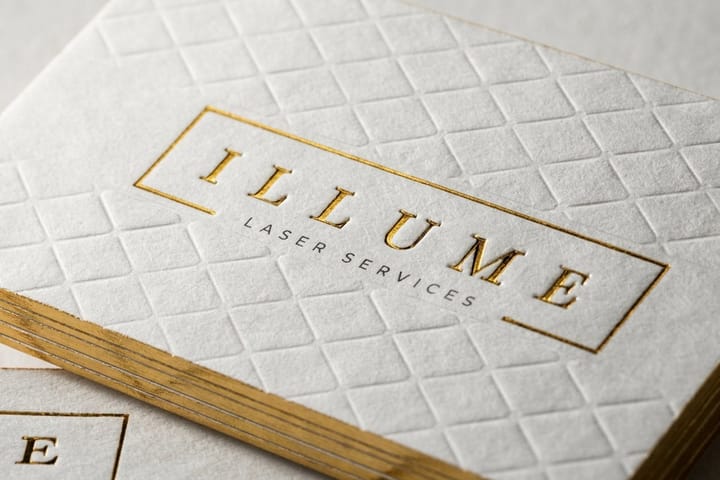
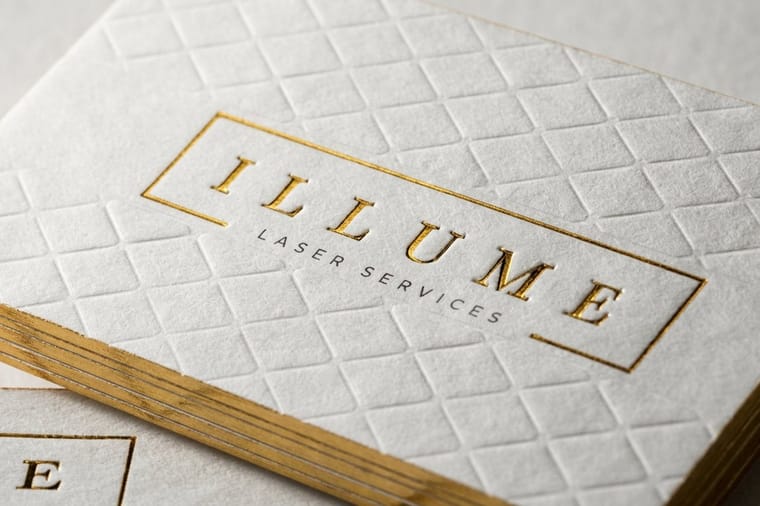
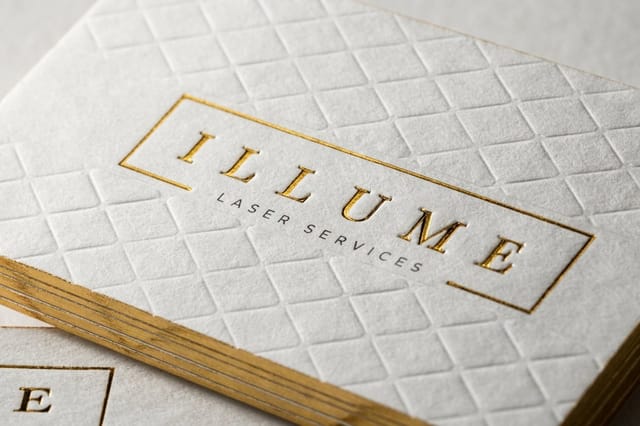
A cotton card announces itself in the first half second, before a single word gets read. The sheet is woven from cotton fibers rather than tree pulp, which makes it soft to the fingertip, slightly toothy, and noticeably quieter when it lands on a table. It bends without creasing and comes back flat, which is why cotton cards survive months in a wallet looking almost new.
Design for absorption rather than reflection. Ink sinks into the fibers instead of sitting on a coating, so fine serifs thicken a hair and deep solids read a touch flatter than they do on screen. Our paper stocks guide walks through how each surface takes ink, and if you are weighing this against a familiar name, the MOO cards comparison lines up stock options and pricing side by side.
Order fewer and use them deliberately. Cotton is the card you hand to the person you actually want to hear from again, not the one you leave in a bowl by the register.
2. Custom die cut paper: premium stock, cut to your own outline

Once the stock is premium, the shape is the next thing that separates your piece from everything else on the counter. A die cut cuts your artwork to any outline you draw: rounded menu cards, leaf shaped plant tags, circular coasters, bottle silhouettes for a wine list, door hanger mailers with a notch. The cut is what makes a flat handout read as an object worth keeping.
Shape and stock have to agree. Delicate cutouts want a firmer sheet so the thin sections do not curl, while a bold simple silhouette flatters softer papers. If you are choosing between textured, coated and specialty surfaces, pearl stock explained covers the shimmer route, and the best paper for flyers covers what survives a day of handling.
Keep critical artwork a comfortable distance inside the cut line. Dies have a small tolerance, so text hugging the edge of a curve is the one mistake that shows up on every piece in the box rather than just a few.
3. Cotton totes: the piece that carries your brand out the door

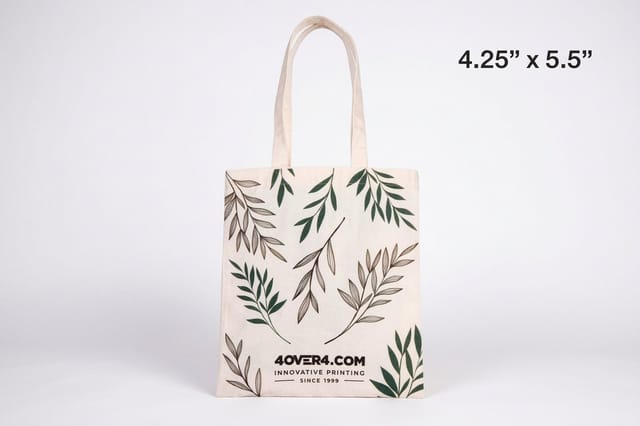
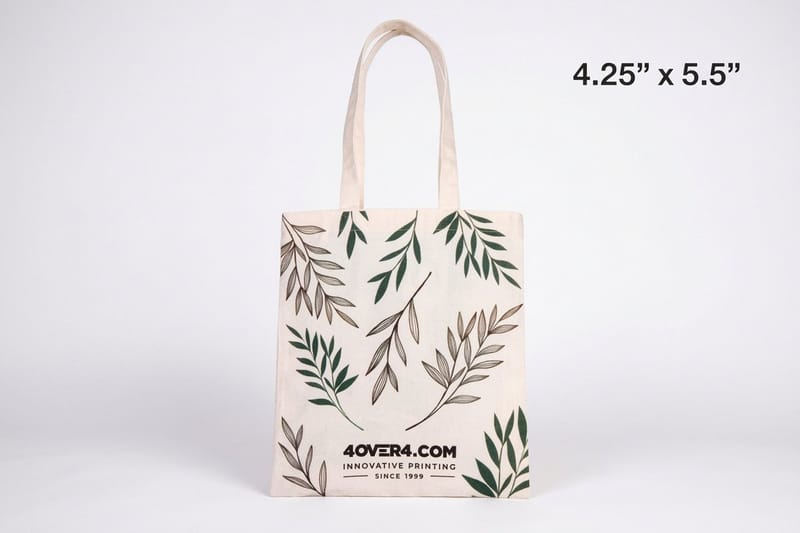
Paper stays in a drawer. A tote goes to the grocery store, the gym and the office, and every trip is another impression you did not pay for again. Natural cotton canvas shares the same honest matte character as cotton paper, so the tote reads as part of the set rather than as merchandise bolted on at the end. If you are still choosing a fabric, compare cotton vs canvas vs recycled tote bags before you order.
Simple artwork wins on fabric. One or two colors, generous letter spacing and a design people would carry even if it were not yours will outperform a busy full color panel every time. If you are comparing print partners for branded pieces like this, the Jukebox Print comparison is a useful reference point on specialty and stock led printing.
Give the tote a job. Bag every purchase over a set amount, hand one to workshop attendees, or send them to your best accounts. A tote that leaves the building is worth ten sitting in a stockroom.

Specs and pricing
Cotton business card specs, and what 250 costs
The business card sets the tone for the whole set, so start with its stock and caliper and let the other two pieces follow. It is one stock, 45pt cotton, in 2 x 3.5, 1.5 x 3.5 or 2.5 x 2.5 inches, with foil stamping, debossing, edge painting and 1/8 or 1/4 inch rounded corners as options, from 250 cards. Here are the full specs and the live price break.

| Quantity | Price Per Unit | Total |
|---|---|---|
| 250 | $1.31 | $328.42 |
| 500 | 87.6¢ | $438.25 |
| 1,000 | 54.8¢ | $548.09 |
| 2,000 | 43.9¢ | $877.60 |
Wally explains cotton and linen
One is a material, the other is a texture
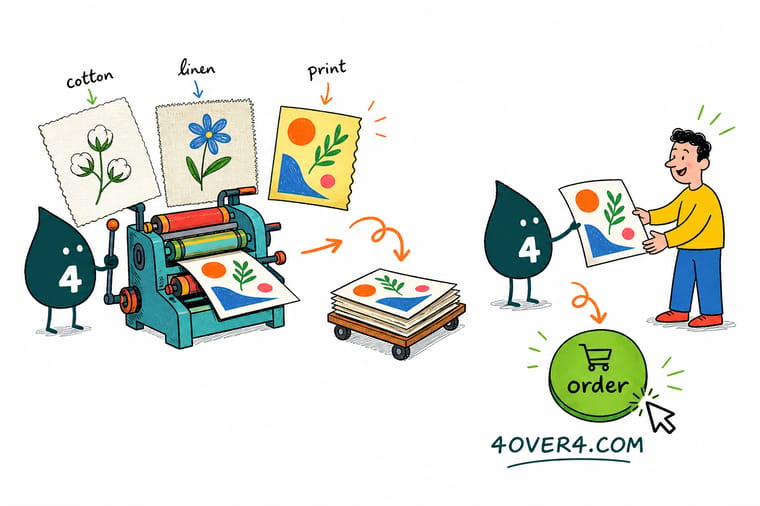
Wally rubs a corner of every sheet before he recommends it. Cotton stock is woven from cotton fibers, so the softness goes all the way through and the sheet springs back flat after a month in a pocket. Linen is a woven pattern pressed into ordinary paper, which gives you the look for less money. Order free samples, feel both, then commit the run.
Shop the cotton collection →See it in use
Business cards from real customer orders
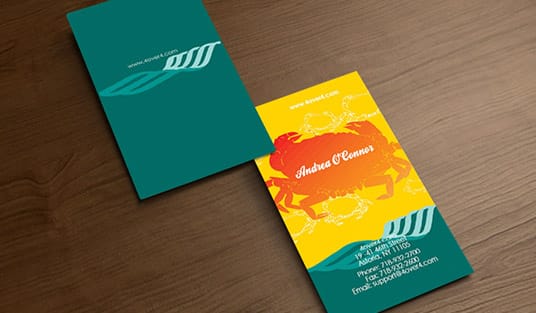
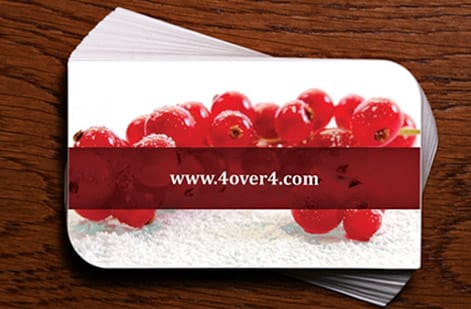
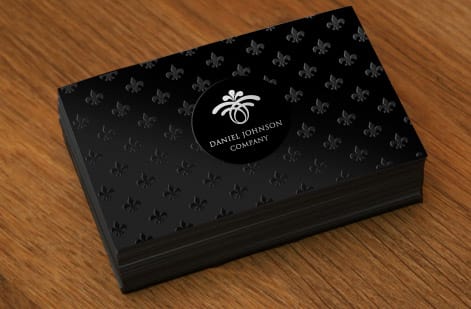
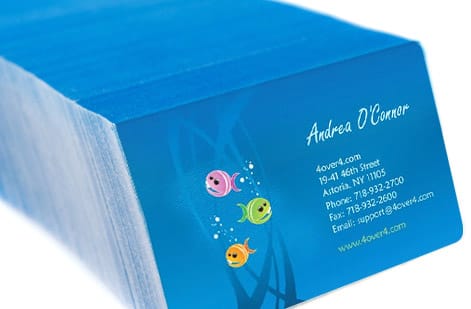
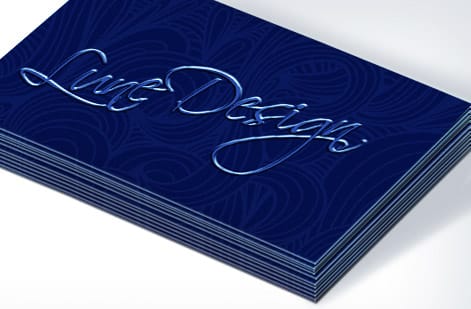
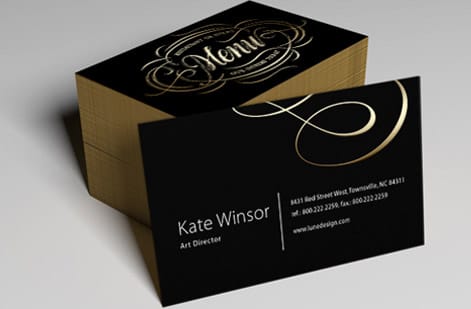
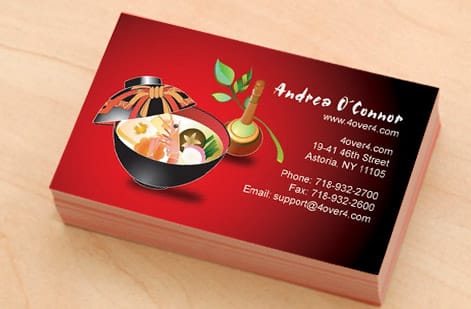
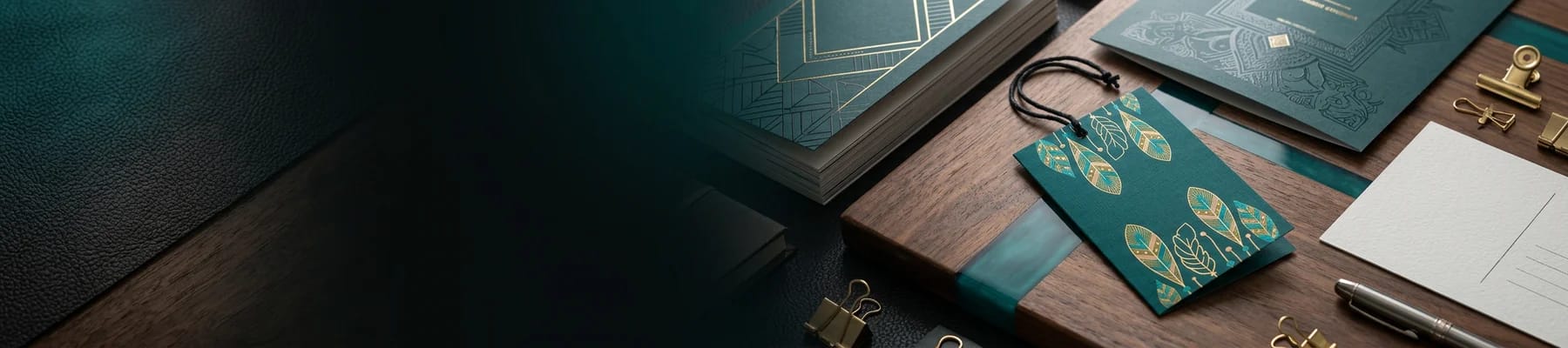
These are business cards customers ordered from us, across several stocks. Look at the edges and at where a deboss or a painted edge catches the light, then decide which of the two your card needs.

Explore more
Where to go next
The cotton collection holds every cotton stock product. The two stock guides compare matte, gloss, linen, kraft and pearl, the flyer paper article covers handouts, and the MOO and GotPrint comparisons help if you are moving a card order.




By the numbers
One set, printed on stock people keep
Common Questions
Common questions about cotton and linen paper
What is the cotton and linen premium paper set?
It is a curated group of three 4OVER4 products chosen because they share the same premium tactile character: cotton business cards on soft woven stock, custom die cut paper pieces you can shape any way you like, and printed cotton totes. Between them they cover the introduction, the leave behind and the takeaway without any of them feeling cheaper than the others.
What is the difference between cotton paper and linen paper?
Linen is a finish. A sheet of conventional wood pulp paper is embossed with a fine woven pattern after it is made, so the look is textured but the body is ordinary. Cotton stock is built from cotton fibers instead of tree pulp, so the softness goes all the way through the sheet. Cotton feels warmer and thicker in hand, linen gives you the woven look at a lower price point.
Why do cotton business cards cost more than standard cards?
Cotton pulp is a more expensive raw material than wood pulp and the sheets are usually run much heavier, often double thick. You are paying for material and caliper, not for a coating. The trade is simple: fewer cards that survive months in a wallet, versus a bigger stack that gets thrown out. Most buyers order a smaller run of cotton and reserve it for the meetings that matter.
How should I design artwork for uncoated cotton stock?
Assume a small amount of ink spread. Keep body type at seven points or larger, avoid hairline strokes under half a point, and skip huge fields of dark solid coverage because uncoated fibers drink ink and the result reads flatter than it does on screen. Build a slightly richer black, give logos a touch more weight, and let the stock supply the luxury instead of the ink.
Can I print full color photographs on cotton paper?
You can, and it looks beautiful in a soft muted way, but do not expect the snap of a gloss coated sheet. Colors sit a few percent lighter and edges soften slightly. Photography with open midtones and gentle contrast prints wonderfully. High key product shots on white and neon brand colors are the two cases where a coated stock will serve you better.
What can I do with a custom die cut that a normal shape cannot?
A die cut lets the outline carry meaning. Rounded corners on a menu, a leaf shaped hang tag for a plant shop, a circular coaster card, a bottle silhouette for a wine list, a mailer with a notch that hooks onto a door handle. The cut is the cheapest way to make a printed piece feel designed rather than ordered.
How do I keep all three pieces looking like one brand?
Lock three things and repeat them everywhere: one logo lockup, two brand colors with fixed builds, and a single type pairing. Then match the tone of the materials. Natural cotton totes sit beautifully next to warm white cotton cards, while a bright white card next to a natural tote can look like an accident.
Get Started
Cotton business cards start at 250 for $328.42
Order each piece of the cotton and linen set on its own page, and start with the cards, which take 15 business days. Start with free samples if you want to feel the stock first.
Legal Disclaimer
Gold Standard guarantees apply to all standard orders placed through 4over4.com. Price match requires verifiable proof of a competitor's published price for an equivalent product with matching specifications and turnaround time. Satisfaction guarantee covers manufacturing defects and print quality issues. Contact support with order number and documentation.