
Standard Business Cards vs 30mil White Plastic Cards, Spec by Spec


Size, thickness, price per card, turnaround and what each format can physically carry, with the point where paper stops being enough.
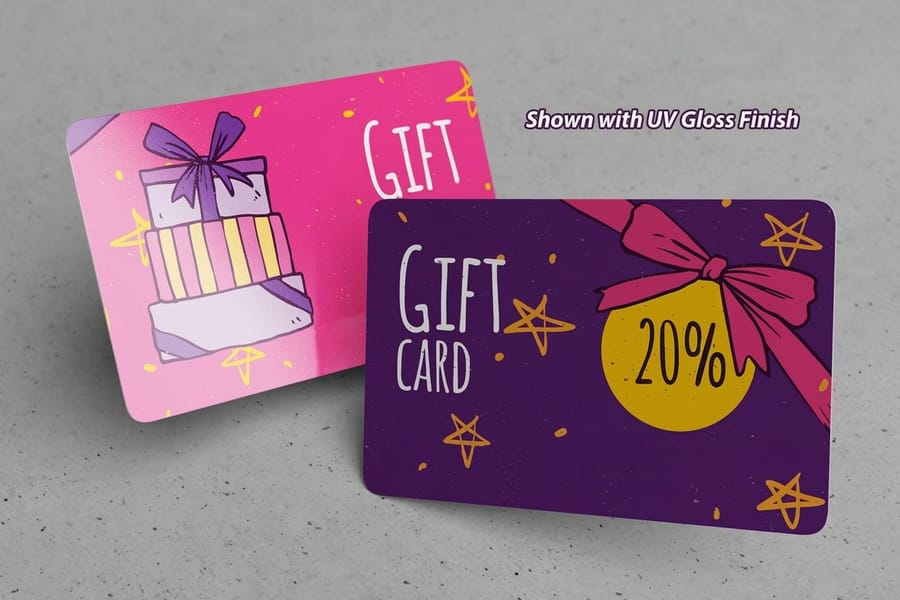
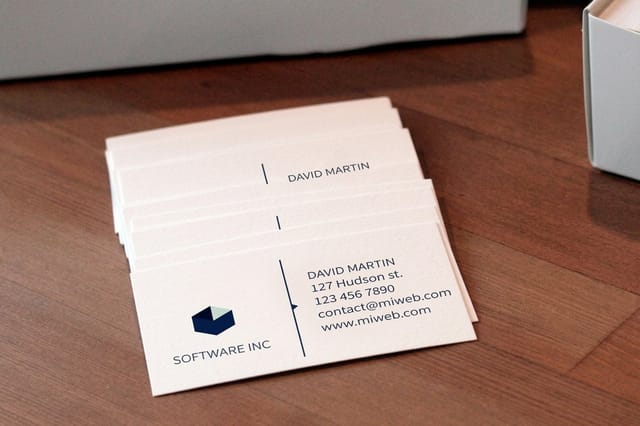
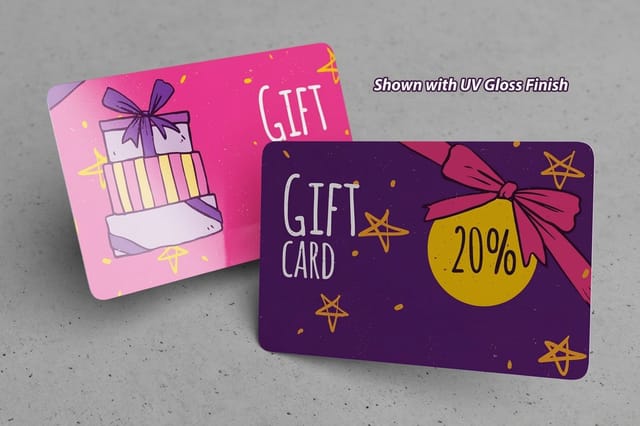
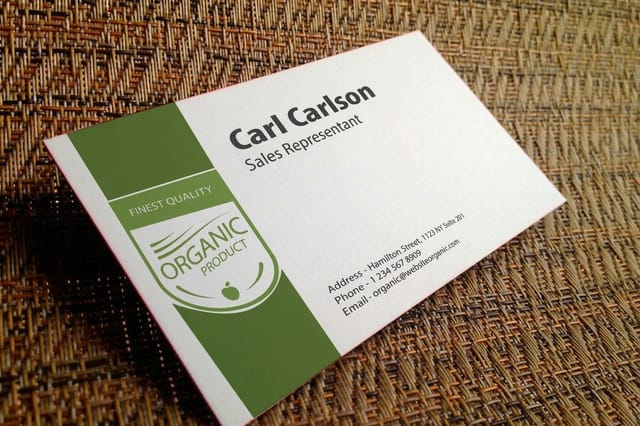
Standard business cards are 3.5 by 2 inch paper from $17.57 per 100 on a 3 business day turnaround. 30mil white plastic cards are 2.125 by 3.375 inch PVC, the bank card format, from $226.11 per 250 on a 15 business day turnaround. The plastic card is not a nicer business card. It exists to carry a magnetic stripe, a barcode, a serial number, a signature panel or a lanyard slot, and to survive years in a wallet. If none of those apply, paper is five times cheaper and five times faster.
Quick answer
One is a business card, the other is a bank card that happens to be printed
Choose by what the card has to do, not by how thick it feels. A 30mil white plastic card is 0.030 inch PVC cut to 2.125 by 3.375 inches with an eighth inch corner radius, which means a wallet slot, a card reader and a badge clip all accept it. A standard business card is 3.5 by 2 inches on any of 73 paper stocks, costs 17.6 cents at the entry tier against 90 cents, and prints in three business days against fifteen. If nothing scans, swipes or hangs from the card, the plastic is spending money on durability nobody will ever use.
The Two Specs, Line by Line
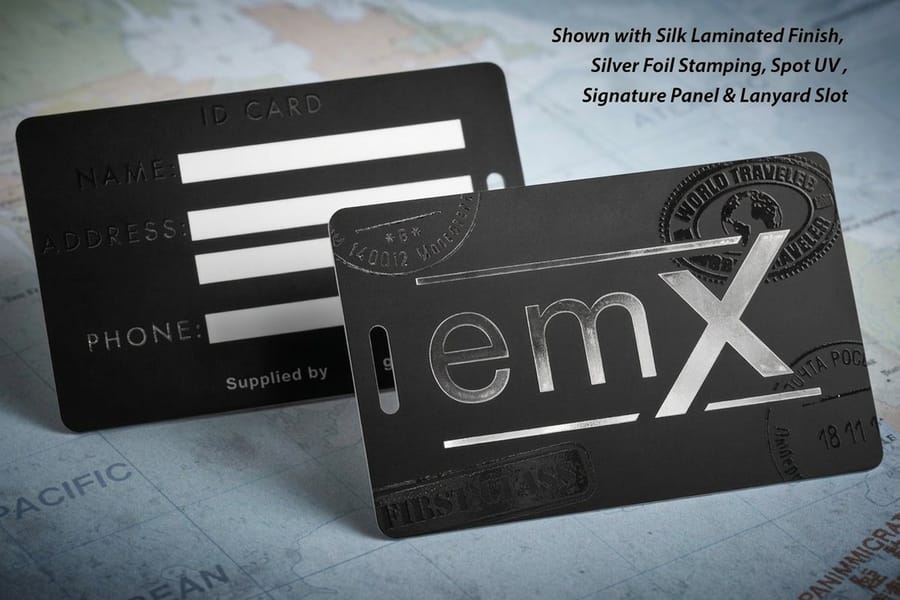
Put the numbers next to each other and the decision usually makes itself. The third column below is the one most people miss: 20 point rigid vinyl sits between the two, plastic at business card size, and it solves a surprising share of briefs that started out asking for 30mil.
| Spec | Standard business cards | Plastic business cards, 20pt | 30mil white plastic cards |
|---|---|---|---|
| Size | 3.5" x 2", plus 2" x 2", 1.5" x 3.5" and custom | 6 sizes, 3.5" x 2" up to 4" x 6", plus square and slim | 2.125" x 3.375" only, the bank card format |
| Material | 73 stocks, coated, uncoated, linen, metallic pearl | 20pt rigid vinyl in white, frosted or clear | 30mil solid white PVC |
| Thickness | 0.014" at 14pt, up to 0.080" at 80pt | 0.020" | 0.030" |
| Minimum order | 100 | 250 | 250 |
| Entry price | $17.57 per 100, about 17.6¢ a card | $180.02 per 250, about 72¢ a card | $226.11 per 250, about 90¢ a card |
| Standard turnaround | 3 business days, rush to same day | 7 business days, 5 day rush for 15% more | 15 business days |
| Finish | Coated, uncoated, linen, metallic pearl | See-through clear and frosted, or solid white | UV gloss or silk laminated matte |
| Card hardware | None | None | Magnetic stripe, signature panel, barcode, sequential numbers, embossing, scratch-off PIN, lanyard slot |
The row that decides most jobs is turnaround, not price. Three business days on standard business cards against fifteen on 30mil white plastic cards is the difference between reprinting for a trade show next week and missing it entirely.
When 30mil Plastic Is the Only Thing That Works
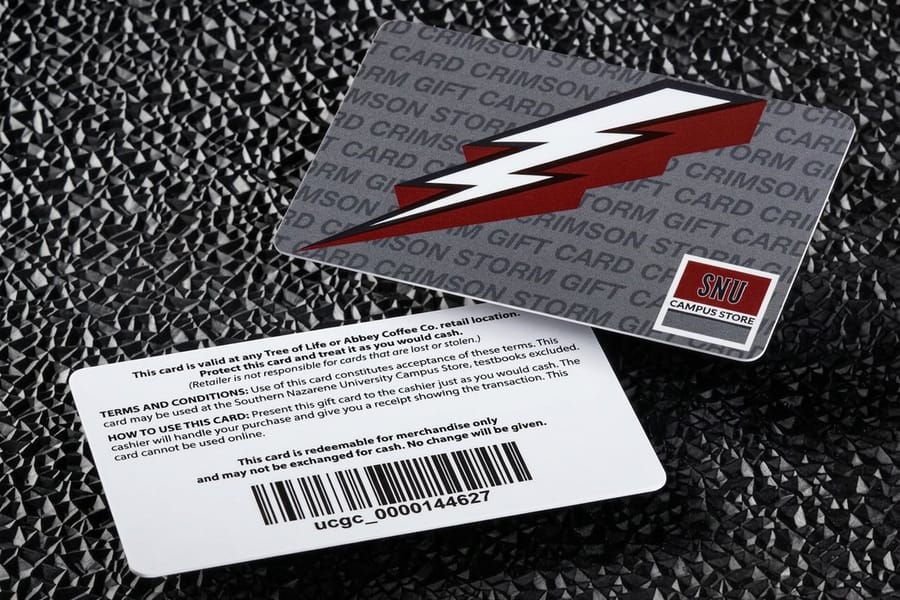
Reach for 30mil when a machine, a wallet or a lanyard is involved. Everything the format costs you buys one of those three things.
- Something reads the card. A LoCo or HiCo magnetic stripe, or Code 128 and Code 39 barcoding, turns the card into an input for a till or a scanner. Paper cannot hold a stripe, and a barcode printed on paper wears off the moment the card starts living in a wallet.
- Every card has to be different. Sequential variable-data numbering and embossed digits give each card its own identity, which is what a gift balance, a membership record or an access log is actually keyed to.
- The card lives in a wallet for years. Solid PVC at 2.125 by 3.375 inches flexes and springs back, shrugs off water, and does not soften at the corners. A paper card in the same pocket goes furry in a month.
- It hangs from a badge holder. A punched lanyard slot only makes sense on a stock that will not tear out around the hole.
- A number has to stay hidden until the customer scratches it. A scratch-off PIN panel is a plastic card feature, and it is why prepaid and activation cards are made this way.
Gift, membership, loyalty, VIP and ID badges are the five jobs that keep coming back. If the program is being set up from scratch, our walkthrough on gift card printing with magnetic stripes and barcodes covers the encoding and numbering side, and how to create loyalty cards covers the program design that comes before the print order.
Where Standard Paper Still Wins, and That Is Most of the Time
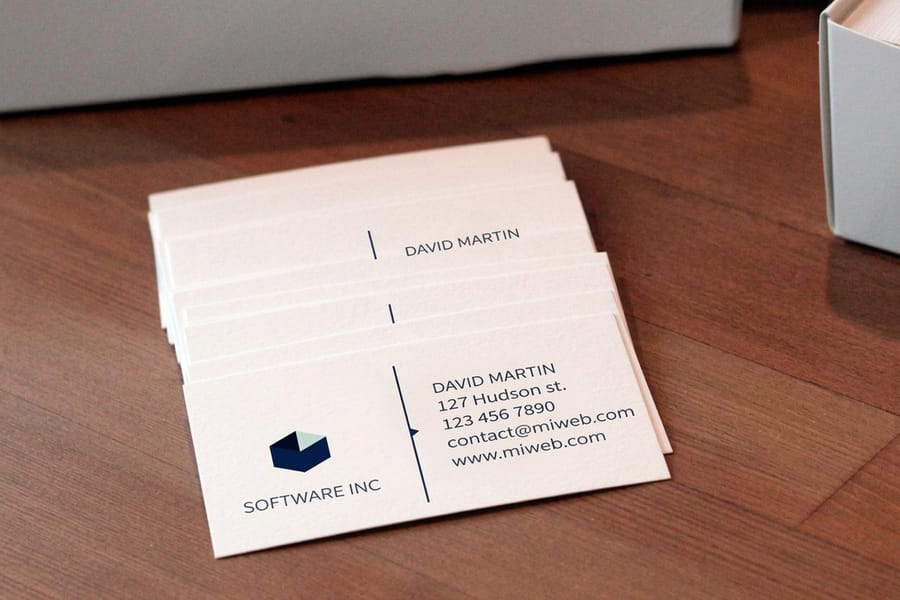
A business card is handed over once, glanced at, and filed. Nothing about that sequence rewards PVC.
Paper wins on the four things that decide a normal card order. Cost: 17.6 cents against 90 cents at the entry tier, on a minimum of 100 rather than 250, so a solo consultant can order a realistic quantity. Speed: three business days as standard, with same-day pickup available in New York. Choice: 73 stocks, from a plain 14pt through linen and metallic pearl up to 80pt, plus sizes down to a 2 by 2 square. Writability: someone can put a mobile number or a name on the back with whatever pen is nearest, which happens far more often than anybody plans for.
There is also the quiet one. Paper goes in the recycling. PVC does not belong in a paper stream, and a card that gets handed to five hundred people at a conference will mostly end up in a bin within a week. Spending five times as much per card to make that disposable object last three years is not a premium, it is waste.
If the goal is a card that feels expensive rather than a card that survives, spend the money on stock and finish rather than material. The business card thickness chart shows what each point weight actually feels like in a hand, and you can lay out any size correctly from the blank template library before you order.
The Middle Ground, and the Verdict
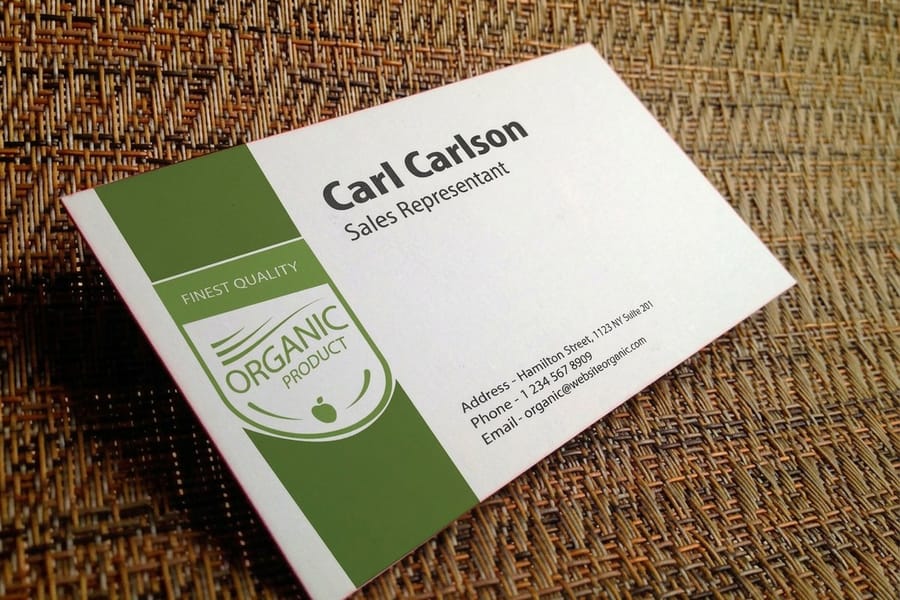
Most people who ask about 30mil plastic want durability at business card size, which is a different product entirely. Two options cover it.
Silk laminated business cards are 16pt stock sealed in a silk laminate on both sides, $74.53 for 250, on a 4 business day standard. The laminate resists water and tearing, the surface reads richer than a shiny card, and spot UV gloss on top of the matte gives you contrast without changing material. They also come in the 2.125 by 3.375 credit card size, so you can have the shape without the PVC. Plastic business cards go further: real 20 point rigid vinyl at $180.02 for 250, in white, frosted or see-through clear, at 3.5 by 2 or up to 4 by 6. The clear stock is the one that stops people mid-handshake, and it does it without the 15 day wait.
The verdict. Buy 30mil white plastic when the card has a job beyond being read by a person: a stripe, a barcode, a serial number, a lanyard, a wallet slot it has to live in for years. Buy standard business cards for everything else, because they cost a fifth as much, ship in three days, and can be reprinted the moment a phone number changes. If the card only needs to feel serious and survive a pocket, silk lamination is the honest middle, and 20 point vinyl is the answer when see-through is the whole idea.
Still weighing the formats against each other? Our comparison of business cards vs plastic cards vs magnet cards looks at the same choice from the first-impression angle, and 30mil plastic card materials goes deeper on white, frosted and clear PVC. Every option sits side by side in the plastic cards collection and across business cards printing.
Wally sorts the two cards out
Ask what the card has to do, not how thick it is
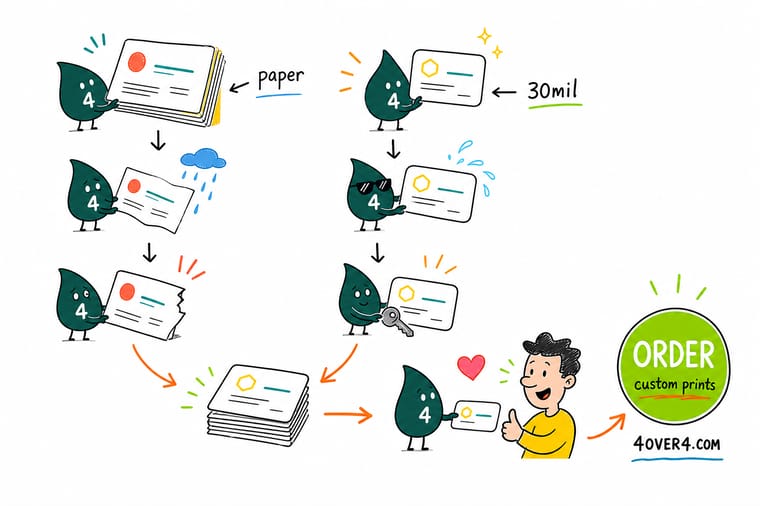
Wally holds up the paper card first. It is 3.5 by 2 inches, costs about 17.6 cents, and lands in a hand three business days after the file does. Then the plastic one. It is 2.125 by 3.375 inches, the exact size of the bank card in your pocket, 0.030 inch of solid PVC with a magnetic stripe down the back and a serial number on the front. It takes fifteen business days and about 90 cents a card. Wally's rule is short. If a machine reads it, if it hangs from a lanyard, or if it has to live in a wallet for years, print plastic. Otherwise print paper and reprint it whenever your number changes.
Compare both cards side by side →Specs and pricing
Paper, 20 point vinyl and 30mil PVC, priced live
The same three options from the table above, with live configuration choices and starting prices straight from the 4OVER4.COM configurator.

Print it
Order the format that matches the job
Explore more
Where to go next

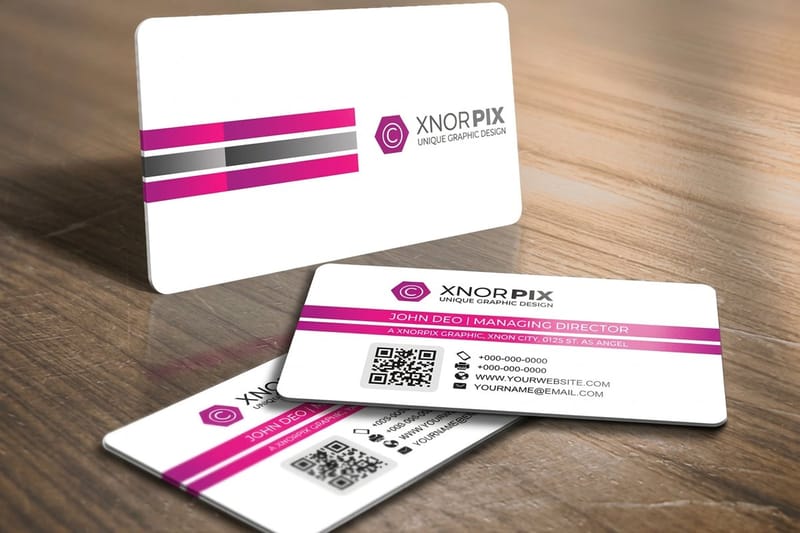
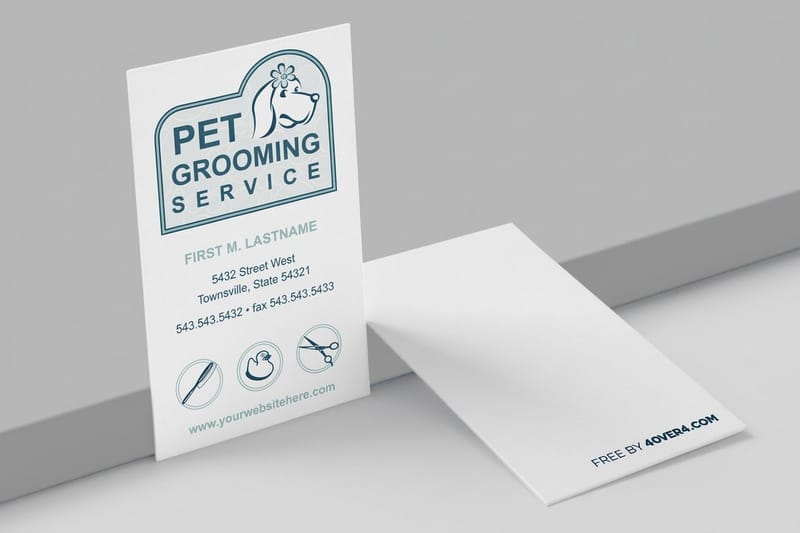
By the numbers
Cards printed in New York since 1999
Common Questions
Paper against plastic, the questions that follow
Is a 30mil plastic card the same size as a business card?
No. A standard business card is 3.5 by 2 inches. A 30mil white plastic card is 2.125 by 3.375 inches, the credit card format, which is an eighth of an inch narrower and an eighth of an inch taller. That small difference has a real consequence: a card holder, card file or wallet pocket cut for 3.5 by 2 will not hold a plastic card properly, while a wallet card slot holds it perfectly. Decide where the card is going to live before you pick the format.
Can you write on a 30mil plastic card?
Not reliably with an ordinary ballpoint. Both finishes on our 30mil white plastic cards are sealed surfaces, UV gloss or silk laminated matte, and ink sits on top rather than soaking in, so it smears until it dries and rubs off afterward. That is exactly why the signature panel exists as an option: it is a writable strip added to the card for a name or a signature. If someone needs to write a note on the card itself, print paper.
How does 30mil compare with 14pt, 16pt and 32pt paper?
30mil means 0.030 inches. A 14pt card is 0.014 inches and a 16pt card is 0.016 inches, so 30mil PVC is roughly twice as thick as an everyday paper card. A 32pt paper card at 0.032 inches is actually slightly thicker than 30mil plastic. Thickness alone is never the reason to move to PVC. Our guide on 14pt vs 16pt vs 32pt business cards covers where the paper thicknesses stop being worth the money.
Why does a plastic card take 15 business days when paper takes 3?
Because more happens to it. A paper card is printed, cut and boxed. A plastic card is printed on PVC, laminated, die cut with an eighth inch corner radius, and then personalized: a magnetic stripe encoded, a barcode assigned, numbers embossed, a serial sequence applied. Each of those is a separate pass. The published standard is 15 business days on 30mil white plastic against 3 on standard business cards, so build the calendar around the plastic, not the artwork.
What is the cheapest durable card at business card size?
Silk laminated business cards, at $74.53 for 250. They are 16pt stock sealed in a silk laminate on both sides, which resists water and tearing far better than an uncoated card, and they ship on a 4 business day standard. They also come in the 2.125 by 3.375 credit card size if you want that shape in paper. They are still paper, so they will not take a magnetic stripe and they will not last years in a back pocket.
Do loyalty cards need to be plastic?
Only if a machine touches them. A punch or stamp card that a barista marks by hand works better on paper, because paper takes a stamp and plastic does not. A card that gets swiped at a till, scanned at a scanner, or carries a balance tied to a serial number needs the stripe, the barcode or the sequential numbering that only the plastic card can hold. Start from what happens at the counter and the format decides itself.
Get Started
Paper cards run 100 for $17.57, 30mil plastic 250 for $226.11
Build a 30mil plastic card with a stripe, a barcode and sequential numbering, or box a hundred standard business cards for Thursday. Both start in the same configurator.
Legal Disclaimer
Gold Standard guarantees apply to all standard orders placed through 4over4.com. Price match requires verifiable proof of a competitor's published price for an equivalent product with matching specifications and turnaround time. Satisfaction guarantee covers manufacturing defects and print quality issues. Contact support with order number and documentation. On-time delivery rate based on tracked orders 1999 to 2026. Individual results may vary based on shipping carrier performance.
