
How to Market to Budget-Conscious Consumers With 8 Value-Driven Strategies


Marcus is our print marketing voice, built from the knowledge of our production team, with over 20 years in printing.
Value shoppers are most of the market, and print reaches them for less. Here are eight strategies that put an affordable, high-trust offer in more hands per dollar than any other channel.
Marketing to budget-conscious consumers means making value obvious and reaching people cheaply. Lead with a real number, keep the design simple, and use low-cost print like direct mail postcards, door hangers, flyers, and buckslips to win on cost per contact. Print more to pay less per piece, then track every drop and reprint the winner.

Start here
Value marketing in one paragraph
Budget-conscious buyers reward a clear offer delivered cheaply. Put a real number up front, such as 20 dollars off or two for one, and make it the largest line on a 4 x 6 postcard or a 4.25 x 11 door hanger. Keep one promise and one action, and reach people through low-cost print that wins on cost per contact. Direct mail, door hangers, flyers, and inserts do that better than any paid feed, and printing in volume drops the price per piece even further.
Watch it printed
See direct mail postcards on the press, in 135 seconds
Who budget-conscious consumers really are
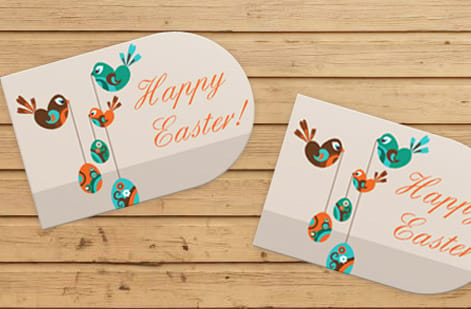
Budget-conscious does not mean broke, and it is not a small corner of the market. It describes the majority of households that compare prices, wait for the right offer, and think twice before spending: the family that keeps a coupon postcard on the fridge until Saturday, or the shopper who lays two price lists side by side on the counter. That mindset spans incomes: a careful shopper on a good salary and a family stretching every dollar both respond to the same thing, which is obvious, honest value.
So the first move is to drop the assumption that these buyers want less. They want more certainty that they are spending well. Your marketing earns them by being clear about the price, specific about the saving, and free of the fluff that makes an offer feel like it is hiding something. When you talk to value shoppers with respect and a straight number, they reward you with loyalty, because trust is expensive to earn and they do not switch lightly.
Print fits this audience naturally. A direct mail postcard or a handed-out flyer is concrete, keepable, and free of the pop-ups and paywalls that make people wary online. It sits on the counter as a quiet reminder until the moment they are ready to buy.
Why print wins on cost per contact

The number that decides an affordable campaign is cost per contact: what it takes to put your offer in front of one real person. On a 4 x 6 direct mail postcard, the print cost per card falls from about 18 cents at 500 cards to under 5 cents at 5,000. A direct mail postcard reaches a targeted household for a few cents, and because printing gets cheaper per unit as the run grows, doubling the quantity does not double the cost.
Compare that with chasing the same people through paid digital, where you keep bidding to stay visible and the price per result rises as competition heats up. A printed piece is a one-time cost that keeps working with no meter running. Once it is on the fridge or the front handle, it advertises for free every time someone walks past.
For hyper-local reach, door hangers cover an entire street cheaply and cannot be scrolled past, and USPS Every Door Direct Mail blankets whole postal routes without you buying a single address. That combination, low unit cost plus guaranteed physical delivery, is why value marketers lean on print.
Pick the piece, size and stock for a value drop

Match the printed piece to how you reach people, then keep to the standard sizes and stocks the configurator lists first, because those carry the lowest unit price.
- A mailing list: direct mail postcards start at 4 x 6 on 14pt gloss cover, with 16pt, matte or silk, and uncoated stocks as options. Runs start at 500, production takes 4 business days, and the configurator can add mailing at First Class postage.
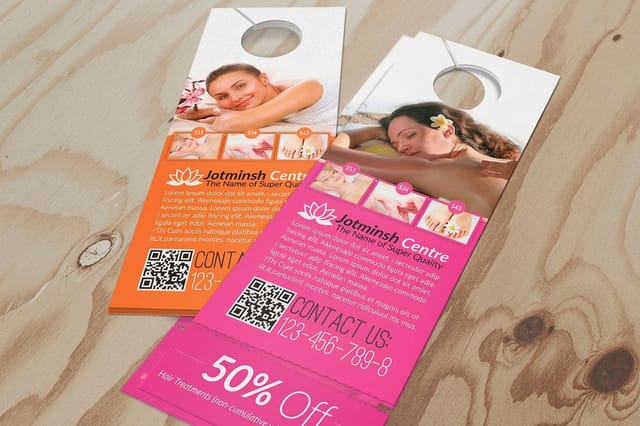
- One neighborhood: door hangers default to 4.25 x 11 on 14pt gloss with a High Gloss UV coating. Add the perforation 2 inches from the bottom and the foot becomes a tear-off coupon. Runs start at 250.
- The full price list: business flyers come in 5.5 x 8.5 and 8.5 x 11 on 100# gloss, silk or 70# uncoated text, from 50 pieces in 3 business days.
- Customers you already serve: buckslips print at 3.5 x 8.5 or 4 x 9, and the variable data option puts a different code on every slip so each redemption traces back to its drop.
Start the artwork from a blank template at the size you picked, so the trim line and the safe area are already marked before you place the offer.
Make the offer the headline, not the afterthought
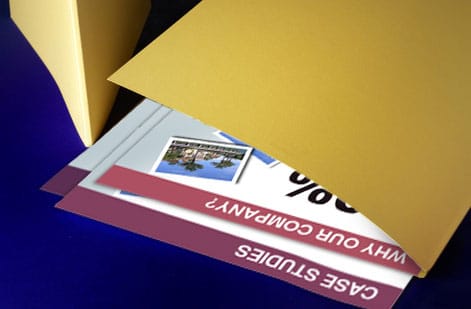
Value shoppers scan for the deal first and read the rest second. Put the saving at the top in the biggest type on the piece: across the top third of a 4 x 6 postcard, or the upper panel of a 4.25 x 11 door hanger. A specific number beats a soft phrase every time: not save today but 20 dollars off your first service, not great prices but two for the price of one this week. Concrete figures feel honest and let the reader do the math instantly.
Give the offer a deadline and a simple action. A printed coupon code, a tear-off, or a QR code turns interest into a trackable response and gives a careful buyer permission to act now rather than later. Keep the path to redeem short, because every extra step is a reason to put the piece down.
Do not bury the value under decoration. One clear promise, one price, one call to action, printed cleanly, will out-pull a busier design. If you want the full playbook on making a printed offer land, our guide on flyer distribution covers where to place them for the most eyes per dollar.
Bundles and personal offers that value shoppers act on
Two offer shapes pull hardest with people who compare before they buy, and both fit on a 4 x 6 postcard or a 5.5 x 8.5 flyer with room left for a code.
The bundle. A value shopper trusts a package price more than a discount, because the saving is visible without a calculator. Three services for one number, a starter kit at a set price, or a two-for-one this week gives them a decision they can make in a glance. Print the bundle price in the largest type and the single-item prices small beside it, so the gap does the selling.
The personal offer. A returning-customer code on a follow-up postcard, a punch card that rewards the fifth visit, or a buckslip in the order that names the next thing they are likely to buy reads as a reward rather than a pitch. Variable printing lets each card carry the recipient's name and a code tied to that address, and the code tells you which drop paid off.
Give every offer a deadline and a short redeem path. Then reprint the shape that won at the larger quantity, where the price per piece drops.
Simplify the message so value reads in a glance
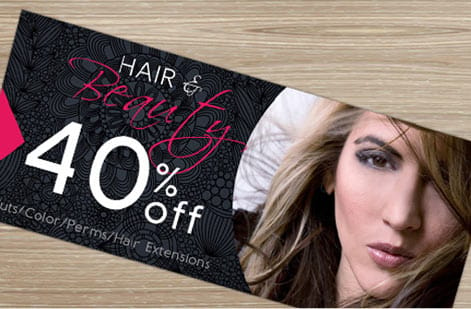
The faster someone understands the deal, the more likely they act on it, and budget-minded audiences reward a message they can grasp in a second. On a 4 x 6 postcard printed on both sides, keep the headline, the price and the code on the front, and move the address, the map and the terms to the back. Strip each piece to its essentials: what you are offering, what it costs, why it is a good deal, and how to get it. Everything else is noise that dilutes the value.
Design supports that clarity. Use plenty of white space, a single strong headline, high contrast so the price pops, and a font size that reads at arm length. Avoid crowding the layout with every product you sell, because a value offer works when it is focused. Save the full catalog for a detail flyer or a brochure where there is room to breathe.
Small printed inserts pull their weight here too. A buckslip or statement stuffer tucked into an order or invoice costs almost nothing to add and carries one clean next offer to a customer who already trusts you.
Turn one sale into a habit
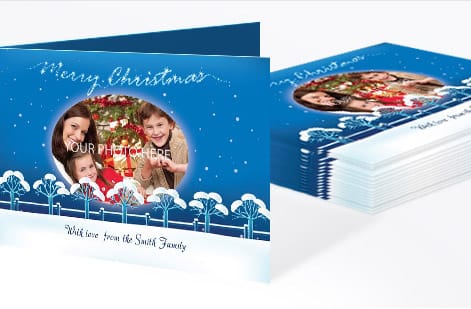
The cheapest customer to reach is the one you already have. Value shoppers are loyal once you have earned them, so build repeat business into the campaign from the start: a 3.5 x 8.5 buckslip with a returning-customer code rides along in every order you already send. A follow-up postcard with a returning-customer offer, a punch card that rewards the fifth visit, or a stuffer in every order keeps you top of mind without the cost of finding someone new.
Reuse your winning design across several drops to keep the per-piece price low, and change only the offer or the timing. Printing the same artwork at a higher combined quantity lowers the unit cost, which means each additional contact gets cheaper the more you commit to the channel.
Track every drop with a unique code so you know which offer and which timing paid off, then reprint the winner bigger. Over a few cycles you build a repeatable, affordable engine: print, drop, measure, reprint the winner at scale.
Wally makes the value impossible to miss
A clear offer, delivered cheaply, beats a clever one
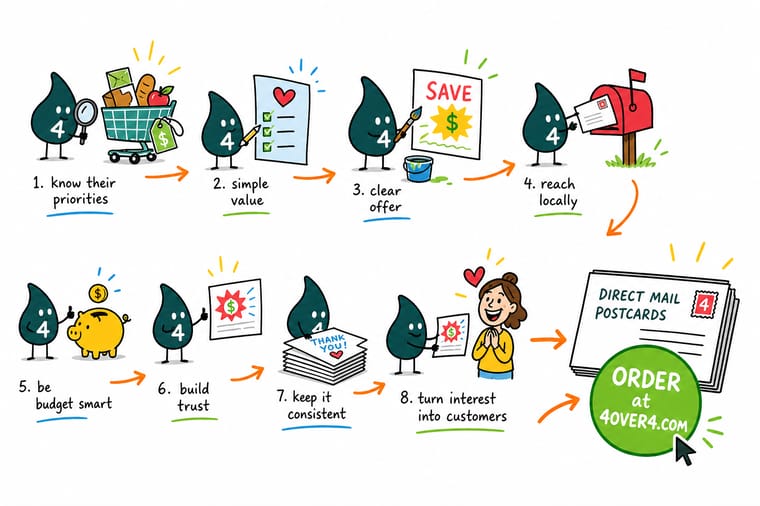
Wally puts the real saving in the biggest type, drops it on every door for cents a piece, and prints more so the unit price falls. Then he tracks each code and reprints the winner. That is how you reach budget-conscious consumers without blowing the budget: clear value, cheap reach, and a drop you can repeat.
Print your value campaign →Step by step
The 8 strategies to reach budget-conscious consumers
- Lead with a real numberPut the actual saving on the front: a dollar amount off, a percent, or a two-for-one. Budget-minded readers scan for the figure first, so make it the biggest thing on the piece, set larger than your logo in the top third of the card.
- Choose direct mail for the lowest cost per contactA direct mail postcard reaches a targeted household for a few cents, and the unit price falls as your quantity climbs. That math is what makes print the affordable channel at scale.
- Blanket a neighborhood with door hangersWhen your customers are hyper-local, door hangers cover a whole street cheaply and cannot be scrolled past. They sit on the handle until someone reads them.
- Bundle a coupon into every pieceA tear-off or printed code turns a flyer into a reason to act now. Track the code so you know which drop paid off and can repeat it.
- Stretch the budget with flyers for the detailsUse an affordable flyer to carry the full menu, price list, or schedule that a postcard has no room for, then hand them out where your audience already gathers.
- Add a buckslip to every order and invoiceA small printed insert costs almost nothing to add to mail you are already sending, and it quietly promotes the next deal to people who already buy from you.
- Time the drop to paydays and seasonsValue shoppers plan purchases around cash flow. Land your mail just before payday, tax refunds, or back-to-school and the same offer works harder.
- Print more to pay less per pieceOrder in bulk so the per-unit price drops, then reuse the design across several drops. Watch the price update live in the configurator as you raise the quantity.
Infographic
Where print beats paid on cost per contact
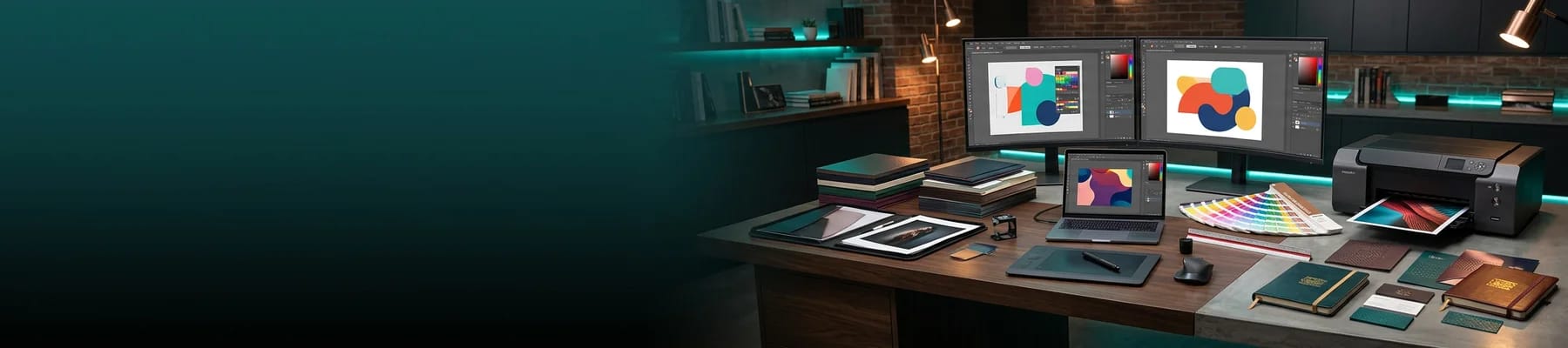
Four links set what one contact costs: the offer on the card, the piece you print it on, the quantity you order, and the code that tells you which drop paid. The chart runs them left to right, from a 20% off headline to a tracked drop you can repeat.
The affordable engine: a clear offer, a low-cost printed channel, bulk pricing, and a tracked drop you can repeat.
Specs and pricing
Direct mail postcard specs and live pricing
The cheapest way to reach a targeted household is a direct mail postcard. The standard card is 4 x 6 on 14pt gloss cover, printed in 4 business days, with eight more sizes from 4.25 x 5.5 to 6 x 11. The live specs and price per unit below come from the configurator, so you can size the run to your budget.
| Quantity | Price Per Unit | Total |
|---|---|---|
| 500 | 17.9¢ | $89.68 |
| 1,000 | 17.1¢ | $170.53 |
| 2,000 | 9.35¢ | $186.95 |
| 3,000 | 6.84¢ | $205.13 |
| 4,000 | 5.58¢ | $223.31 |
| 5,000 | 4.83¢ | $241.51 |
| 6,000 | 4.56¢ | $273.85 |
| 7,000 | 4.37¢ | $306.18 |
Print it
Affordable pieces that reach value shoppers
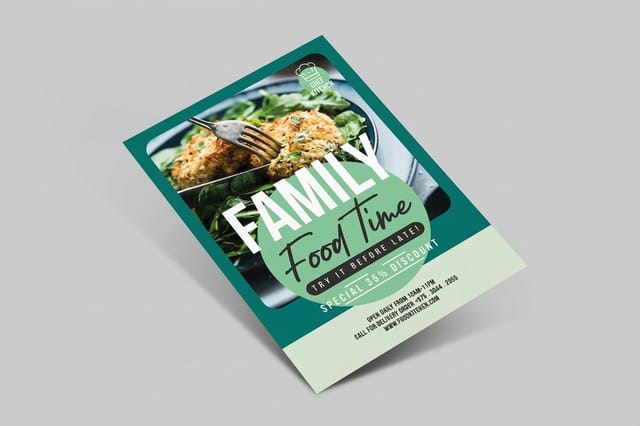
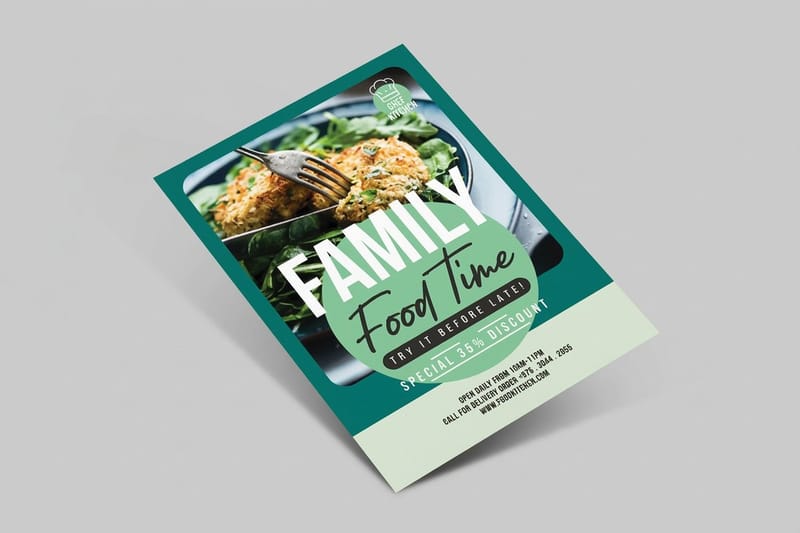
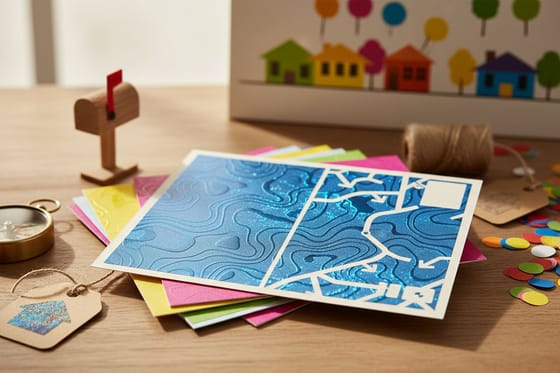
Three pieces cover most value drops: the direct mail postcard from 500 cards, the business flyer from 50 on 100# gloss text, and the 4.25 x 11 door hanger from 250 on 14pt gloss with UV coating.
See it in use
Value campaigns customers printed and mailed
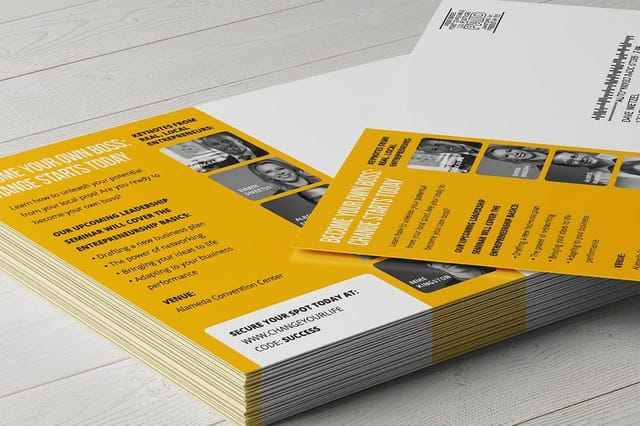
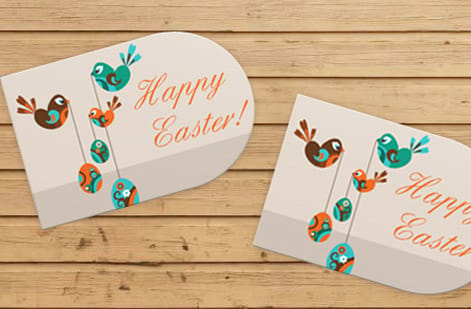
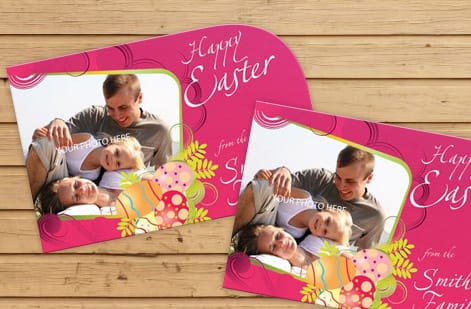
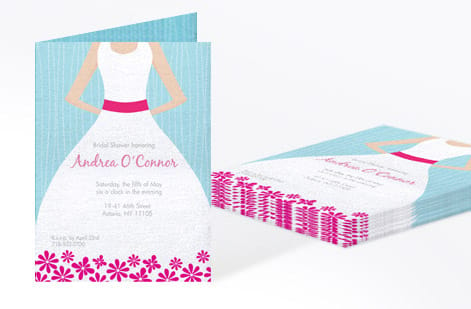
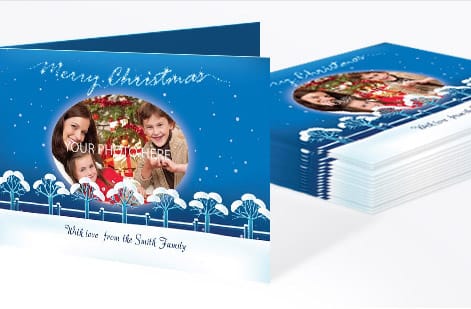
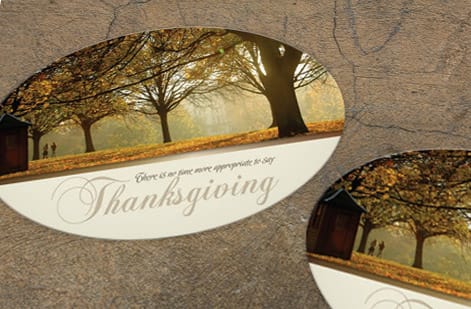
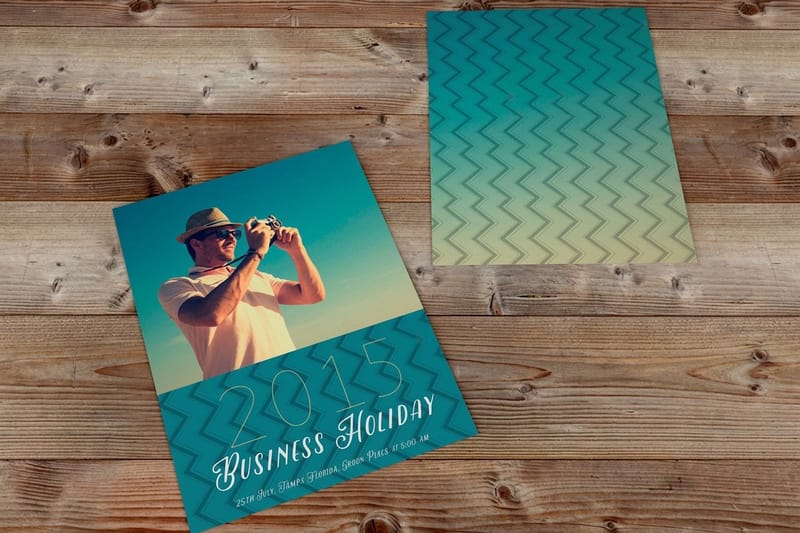
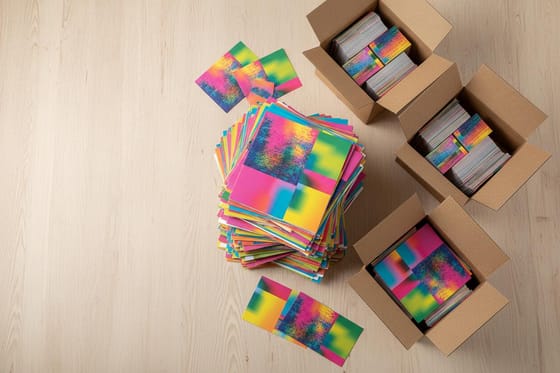
Postcard jobs printed for customers. Compare how much of the front each offer takes, and how the back splits its space between the mailing address and the terms.



Explore more
Where to go next
By the numbers
Stocks behind a campaign built to keep costs down
Common Questions
Common questions about marketing to budget-conscious consumers
What do budget-conscious consumers look for before they buy?
A clear price, a specific saving, and a reason to trust it. They compare, they wait for the right offer, and they skip anything that hides the number or buries the terms. A printed piece that states the deal in the biggest type, gives a deadline, and shows a simple way to redeem it answers all three, which is why a plain postcard on the counter often out-pulls a slick ad they scroll past.
Do product bundles work for budget-conscious shoppers?
Yes, when the bundle price is visibly lower than the parts. A package price removes the math and reads as a deal rather than a discount, and a value shopper trusts it more than a percentage off. Print the bundle number large, the single prices small beside it, and add a code or QR so you can see which drop sold the bundle.
What is marketing to budget-conscious consumers?
It is shaping your offer, message, and media around people who weigh price carefully before they buy, which is most households. In practice that means leading with a concrete saving, keeping the design simple so the value reads instantly, and choosing low-cost channels like direct mail postcards, door hangers, and flyers that reach a lot of people for very little per contact. The goal is not to look cheap, it is to make the value obvious and the decision easy.
How do I choose the right channel to reach value shoppers?
Match the channel to how local and how targeted your audience is. If you serve a defined neighborhood, door hangers and EDDM direct mail cover every home on a route affordably. If you want to reach a specific list of past or likely buyers, targeted direct mail postcards are efficient. Flyers carry more detail for handouts and displays, and buckslips ride along free inside orders you already ship. Most value campaigns mix two or three of these so the cost per contact stays low.
Does direct mail really cost less than digital for this audience?
On a cost-per-contact basis, print is hard to beat once you print in volume, because the per-piece price of a postcard drops sharply as the quantity rises and there is no ongoing bid to stay visible. Digital can be cheap to start but the price per result climbs as competition rises, and value shoppers often distrust or skip ads. A printed piece in hand is tangible and keeps working on the counter or fridge without another dollar spent.
What sizes and stocks keep a value campaign affordable?
Standard sizes are the most economical because they run efficiently, so a common postcard or flyer size on a lighter gloss or matte stock gives you the lowest unit cost while still looking professional. You can add a heavier stock or coating for a premium feel where it matters, but for a high-volume value drop the standard options stretch the budget furthest. Set the size, stock, and quantity in the configurator and the price updates live so you can tune the run to your budget.
How fast can I get an affordable print campaign out the door?
Once your file is ready, standard print products move quickly, and rush options are available when a payday or seasonal window is closing in. Upload your artwork, let the free file check confirm it is press-ready, choose your quantity, and the pieces print and ship. Planning the drop a few days ahead of your target date gives you the cheapest shipping and the calmest timeline.
How do I measure whether a value campaign worked?
Bake tracking into the print itself. Use a unique coupon code, a dedicated phone number, or a QR code per drop so every response ties back to the piece that earned it. Compare the response and revenue against the printing and postage cost to get a clear cost per acquisition, then reprint the winning design at a higher quantity to lower the unit cost even further.
Get Started
Ready to reach more value shoppers for less?
Print a clear, affordable offer at 4OVER4.COM and watch the per-piece price drop as your quantity climbs. Direct mail, door hangers, and flyers, all press-ready and delivered.
Legal Disclaimer
Gold Standard guarantees apply to all standard orders placed through 4over4.com. Price match requires verifiable proof of a competitor's published price for an equivalent product with matching specifications and turnaround time. Satisfaction guarantee covers manufacturing defects and print quality issues. Contact support with order number and documentation.