
How to Make Custom Congratulations Cards People Actually Keep


Pick the occasion, write wording that sounds like you, choose a format that fits the signatures, then print on a stock that feels like the milestone deserved it. This guide covers every step, from the first line of copy to a press ready file.
To make a custom congratulations card, name the occasion first, then write the cover line and the inside message before you touch a layout. Choose a flat card for one signature or a folded card for a group, keep the cover to one dominant element, leave at least a third of the inside blank for handwriting, and print on uncoated or matte stock so pens do not smudge. Export at final trim with bleed, and order a few extras.
Start here
The whole job in one paragraph
A custom congratulations card is a short piece of writing wrapped in a small, well made object. Decide the occasion and who signs it, draft the cover line and the inside message, then pick a format that gives those words and those signatures enough room. Lay out three panels with one job each, hold the type to two families and CMYK color, and choose a stock that takes ink from a pen as gracefully as from a press. Set the file at trim size with bleed, print a run slightly larger than your headcount, and the card arrives ready to be kept.
Why a printed congratulations card still outlasts the message thread
Congratulations arrive in bursts now. A promotion post collects forty comments in an hour, and by the next morning every one of them has scrolled out of view. A printed card does the opposite. It sits on a shelf, gets pinned to a board, ends up in a drawer with the other things worth keeping.
That permanence is the whole argument for making the card yourself instead of buying one. A rack card has to work for strangers, so it says something safely general. A card you design can name the person, the date, and the exact thing they pulled off. The same instinct explains why a well made business card gets kept long after the meeting.
The rest of this guide walks the whole job in order: pick the occasion, write the words, choose the format, lay out the panels, and send a clean file to press. If you would rather start from a working layout, the design templates already carry correct bleed and safe margins.
Start with the occasion, because it sets every other choice

A congratulations card is not one product. Graduation, a new job, a first house, an engagement, a retirement, a championship, a new baby, a business anniversary: each carries a different emotional register, and readers notice immediately when the tone is wrong. Warm and playful works for a promotion among friends. It reads badly on a card for a colleague retiring after thirty years.
Sort your occasion into one of three lanes before you design anything. Personal milestones lean warm, use handwriting style type sparingly, and leave lots of writing room. Professional milestones lean restrained, carry a logo, and read cleanly on a desk. Group or team milestones need signature space above everything else, which usually means a folded format or a larger trim.
Write the occasion, the recipient, and the sender at the top of your working file. Every later decision, from color to stock weight, gets easier when those three facts are sitting in front of you.
Congratulations wording that sounds like a person wrote it

The fastest way to make a card feel generic is to lead with the word Congratulations in a large script and stop there. Lead instead with the specific thing that happened. Try openers built on the achievement: You did it. Class of 2026. Officially licensed. Ten years, and counting. Welcome home. Say hello to the boss.
Then follow with one sentence of substance inside. For a graduation: four years of early mornings, and here you are. For a promotion: nobody who has watched you work is surprised. For a new home: may the coffee always be strong and the neighbors always be quiet. For a new baby: congratulations on the smallest, loudest new arrival. For a retirement: thank you for everything you taught the rest of us.
Keep the printed message shorter than you think it should be. Print carries the occasion, the sender carries the sentiment by hand. A cover line of five words and an inside line of fifteen leaves the card feeling finished while still inviting a note.
Choose the format: flat card, folded card, or something custom

Flat cards are the most economical option and the easiest to hand over with a gift. A 4 by 6 or 5 by 7 flat card on heavy stock feels substantial and prints on both sides, giving you a cover face and a message back. It is the right answer when one or two people are signing.
Folded cards double your writing area and stand up on their own, which matters when the card will live on a desk for a month. They cost more per piece and need a heavier score, but for team signatures there is no substitute. Small pocket format cards, sized like a business card, work beautifully as gift tags or as a card tucked into a bouquet. The business card size guide covers those trims precisely.
If the occasion has a natural shape, print it. A house for a closing, a graduation cap, a rounded corner card that feels softer in the hand. Die cut work at 4OVER4 makes shapes practical at small quantities, and the ideas in leaf shaped cards translate directly to congratulations pieces.
Give the cover, the inside, and the back one job each
The cover exists to earn the open. That means one dominant element and almost nothing else: a short line of type, an illustration, or a single strong color field. Resist stacking a headline, a subhead, a graphic, and a date on the front. Crowded covers read as promotional, and a promotional cover is the fastest way to make a personal card feel like mail.
The inside carries the printed message at the top and blank space below it. Set the message in the upper third and leave the remaining two thirds clear, with no background pattern behind it. Anyone signing with a ballpoint will thank you. If you are printing for a group, treat the entire right panel as signature space and put the printed line on the left.
The back is where the sender identifies itself. A small logo, a company name, or a line such as From everyone at the studio. Keep it to under fifteen percent of the panel and set it in the same type family as the cover so the card reads as one object. For a card built around a reveal instead, the approach in scratch off cards shows how to hide the announcement until the last second.
Type and color choices that survive the trip to press
Two typefaces is the ceiling. One for the cover line, one for everything else, with weight and size doing the rest of the work. Script faces are tempting on congratulations cards and they can be beautiful, but they collapse below about 16 point and become unreadable in reverse on a dark field. Use script for the cover line only, and set the inside message in something plain and generously spaced. The pairings in free fonts for card design are a practical starting point.
Build your colors in CMYK, not RGB. Vivid screen blues and neon greens shift noticeably on paper, and gold on screen prints as a flat mustard unless you specify a real foil. If the card carries brand colors, pull the CMYK breakdown from your brand guide rather than eyedropping a logo from a website image.
Keep body text at least 9 point, keep it dark on light where possible, and avoid setting small type across a photographic background. On a card this size, legibility is a design feature, not a compromise.
Stock and finish decide what the card feels like in the hand

Weight signals importance before anyone reads a word. A 14pt card is the sensible baseline. A 16pt card feels noticeably more deliberate, and 32pt reads as a keepsake. For congratulations cards that will be displayed rather than filed, the extra thickness is worth the small price difference.
Finish is the decision most people get wrong. Gloss looks superb in photographs and repels almost every pen, so a glossy card that needs a handwritten note ends up smudged. Choose matte, uncoated, or soft touch whenever anyone will sign it, and save gloss for a card that is fully printed and simply handed over.
Specialty stocks earn their keep here. Kraft suits rustic and celebratory work, linen suits formal milestones, and pearl catches light on engagement and anniversary cards. Order free paper samples before you commit, because paper is the one variable a monitor cannot show you honestly.
Send a clean file, then print the run and what it costs
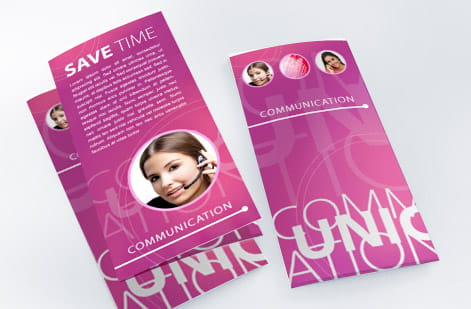
Build the document at final trim size with 0.125 inch bleed on every edge and keep all type at least 0.125 inch inside the trim. Set images to 300 DPI at final size, convert live type to outlines or embed the fonts, and export a press ready PDF with the CMYK profile intact. Cards get trimmed in stacks, so anything sitting tight to the edge is the first thing to look wrong.
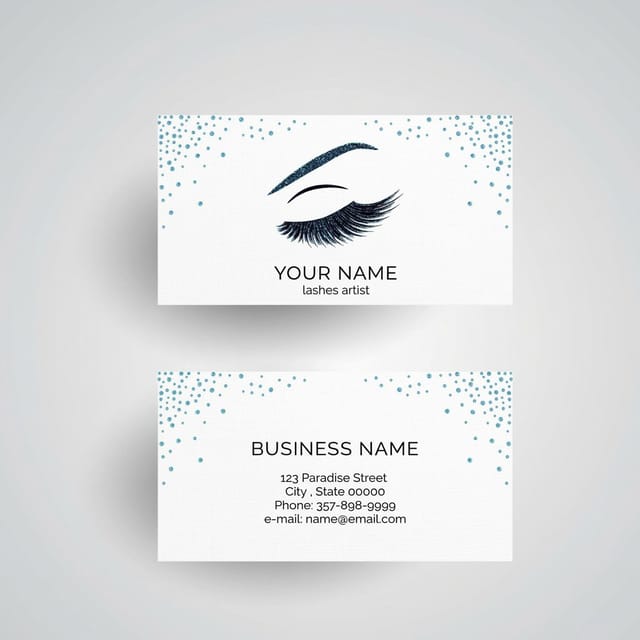
On cost, standard rectangular cards are the efficient route: custom business cards start at $17.57 and scale down sharply per piece as quantity rises. Custom shaped business cards start at $95.56 because a cutting die is involved, which makes them worth reserving for the occasion where the shape itself is the idea. For a themed run built around one recipient, make up artist business cards start at $17.57 and show how a niche layout can be adapted into a personal card.
Print more than you need. The difference between forty cards and sixty is small, and the difference between having a spare and not having one on the morning of a ceremony is not. Browse the custom printing collection when you want a format that does not exist on any shelf.
Wally explains congratulations cards
Print the occasion, leave room for the sentiment
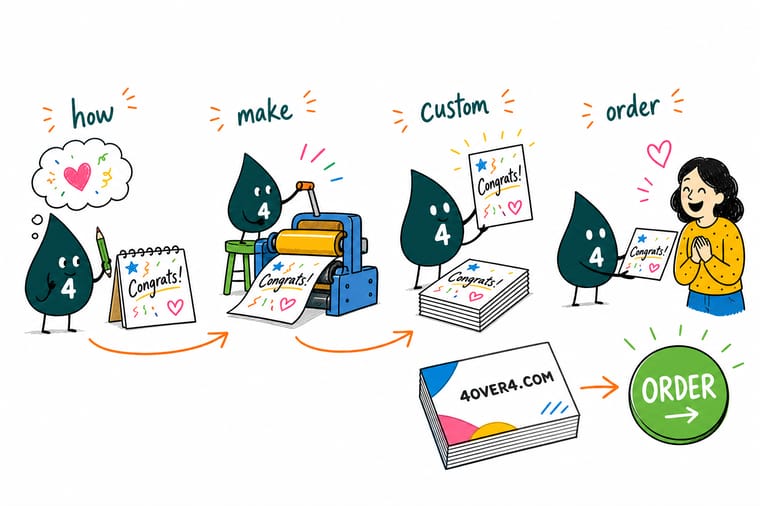
Wally has a rule for every celebration card that crosses his desk. The press handles the part that never changes, which is the occasion, the date, and the name. The pen handles the part that matters most, which is whatever the sender actually wants to say. So he prints a short cover line, keeps the inside panel wide open, and picks an uncoated stock that takes ink without smudging. Then he prints five extra, because someone always asks.
Design and print your cards →Infographic
The 7 decisions behind a congratulations card
One frame, seven decisions, in the order they actually get made. Save it, or keep it open beside your layout while you work.
The first two decisions carry the card. Occasion and wording set the tone, and every later choice about format, layout, type, color, and finish simply protects those words.
Specs and pricing
Card specs and live pricing
When the wording and the layout are settled, the remaining questions are practical ones about stock, quantity, and turnaround. Here are the live options and current pricing.

| Quantity | Price Per Unit | Total |
|---|---|---|
| 100 | 17.6¢ | $17.57 |
| 200 | 11.5¢ | $23.07 |
| 300 | 9.15¢ | $27.46 |
| 400 | 7.96¢ | $31.86 |
| 500 | 7.25¢ | $36.26 |
| 600 | 6.77¢ | $40.64 |
| 700 | 6.43¢ | $45.04 |
| 800 | 6.18¢ | $49.43 |
Print it
Print your congratulations cards at 4OVER4
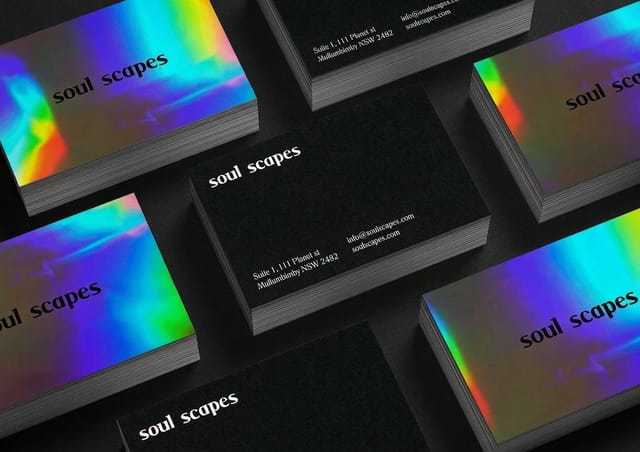
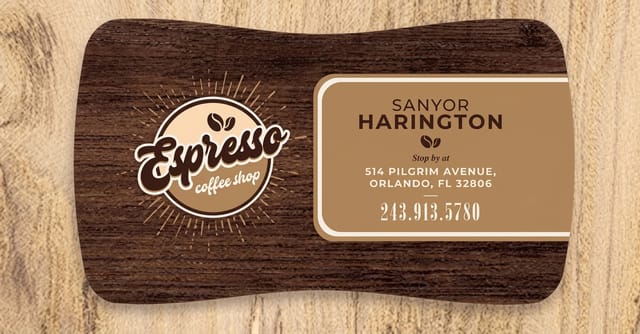
See it in use
Real card designs, printed in house
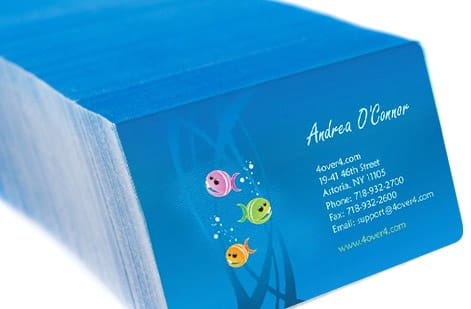
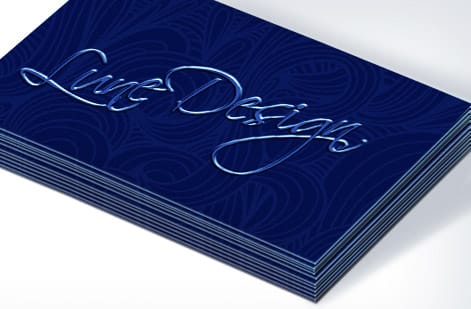
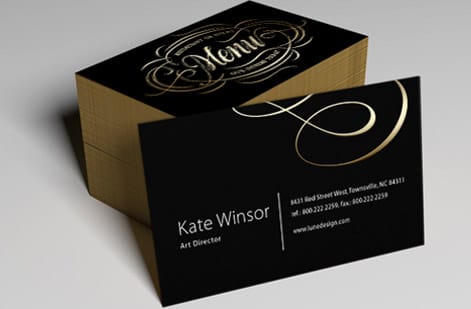
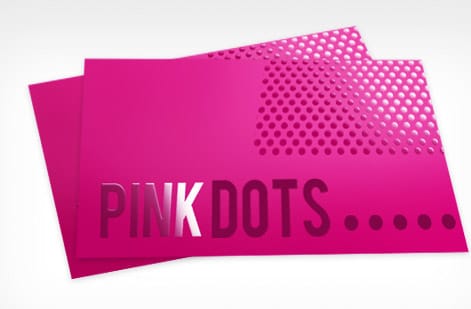
Explore more
Where to go next


By the numbers
Printing you can count on at 4OVER4.COM
Common Questions
Common questions about custom congratulations cards
What is a custom congratulations card?
A custom congratulations card is a printed card you design yourself rather than buy off a rack, built around one specific person and one specific milestone. It can be a flat card handed over with a gift, a folded card with room for signatures, or a branded card a company sends to clients and staff. Because you control the wording, the artwork, and the stock, the card matches the moment instead of approximating it.
How do I choose the right custom congratulations card?
Start with three questions. Who signs it, one person or twenty? Does it need to stand on a desk or slip into an envelope with a gift card? Is it personal or does it carry a company name? One signature and a short line fit comfortably on a flat card. Group signatures need a folded card or a larger trim. Anything corporate wants your logo on the back and a stock that feels considered in the hand.
What does printing custom congratulations cards cost and how are prices set?
Price is driven by four things: quantity, trim size, paper stock, and finish. Standard rectangular cards on a thick uncoated stock are the most economical route, with custom business cards starting at $17.57. Die cut shapes carry a tooling step, so custom shaped business cards start at $95.56. Per card cost falls quickly as quantity rises, which is why most people print a few extras rather than the exact headcount.
What sizes, stocks, and finishes are available for congratulations cards?
Card stocks run from a crisp 14pt through heavier 16pt and 32pt options, plus specialty choices such as kraft, linen, suede, and pearl. Finishes include matte, gloss, soft touch, spot UV, and foil accents. Sizes range from a pocket sized 2 by 3.5 inch card through 4 by 6 and 5 by 7 formats, and custom trims are available when you want something that does not look like anything else on the desk.
How long does it take to print and ship congratulations cards?
Standard cards on common stocks typically print in one to four business days depending on the turnaround you select at checkout, then ship on your chosen carrier speed. Specialty finishes such as foil, soft touch, or die cut shapes add production time. If the card has to arrive for a specific ceremony or announcement, order at least a week ahead and pick a faster shipping tier rather than the fastest print tier.
How much blank space should I leave for handwriting?
Leave at least a third of the inside panel empty, and keep that area free of dark ink and heavy texture. A signature needs roughly one inch of vertical room, so a card meant for a whole department needs a full blank panel rather than a polite margin. Ruled guides are unnecessary. Clean, light space invites people to write more than a printed prompt does.
Can I print different names or messages across one order?
Yes. Variable data printing lets a single order carry different names, dates, or short messages on each card while everything else stays identical. It is the practical way to congratulate an entire graduating class or a sales team by name. You supply a simple spreadsheet with one row per card, and the layout stays locked while the personalized fields change.
Get Started
Ready to print a card worth keeping?
Bring your wording and your layout to 4OVER4.COM, choose a stock that takes a pen well, and print a run sized for the occasion with a little room to spare.
Legal Disclaimer
Gold Standard guarantees apply to all standard orders placed through 4over4.com. Price match requires verifiable proof of a competitor's published price for an equivalent product with matching specifications and turnaround time. Satisfaction guarantee covers manufacturing defects and print quality issues. Contact support with order number and documentation. On-time delivery rate based on tracked orders 1999 to 2026. Individual results may vary based on shipping carrier performance.
