
Why Pre Inked Stamps Leave Sharper Marks at Volume


Emma is our prepress and print production voice, built from the knowledge of our production team, with over 20 years in printing.
How a Pre-Inked Stamp Puts Ink on Paper
A pre-inked stamp carries its ink inside the image. Instead of a rubber plate that slaps against a separate pad before every use, the die is a microporous gel loaded with oil-based ink. Press it to paper and pressure squeezes ink through the pores in the shape of your artwork. Lift it and the gel wicks a fresh charge back to the surface while the stamp rests. Traditional rubber dies still have their place, and the full range sits under rubber stamps printing.
That one structural change explains almost everything people notice. The mark comes out darker and more even, small type stays legible instead of filling in, and the stamp works quietly because nothing snaps back into position. The unit is effectively sealed as well, so it rides in a drawer or a bag without leaving ink on whatever is next to it.
Pre-inked stamps are the tool of choice wherever a mark has to look deliberate rather than improvised: a bakery sealing kraft bags, a clinic marking intake forms, a studio signing the back of a print. 4OVER4.COM has served more than 150,000 businesses since 1999, and the pattern repeats constantly. The same vector logo that goes onto the printed collateral is the file that gets burned into a stamp die, which is why brands that print carefully tend to stamp carefully too.
The die is the ink reservoir
There is no pad to reposition, dry out, or misalign. The gel holds a working supply of ink and releases it only under pressure, so the first impression of the day looks like the hundredth. When the mark starts to fade, you add ink to the same die rather than replacing anything.
Pressure does the work, not a flip mechanism
Self-inking stamps rely on a spring frame that rotates the die onto a pad and back. Pre-inked models remove that motion entirely, which removes a source of ghosting, misfires, and the faint double edge you get when the frame is worn.
Why the impression reads like print
Gel resolves detail that rubber softens. Hairlines in a logo, the counters inside small letters, and the thin strokes of a signature stay open. A stamped mark from a good die sits close enough to offset quality that customers read it as printed, not applied by hand.
What wears out first
Usually the ink, long before the die. Heavy coverage art such as a solid block logo drains faster than a line-art mark, and abrasive uncoated stock shortens die life more than smooth stock. Both are manageable if you plan the artwork for the job.
Shop custom
Custom printing collection
The printed pieces a branded stamp is usually marking, all in one place.
Pre-Inked vs Self-Inking Stamps, Compared Honestly
The two get sold side by side and they are not interchangeable. Self-inking stamps are cheap and forgiving: custom rubber stamps start at $31.29 in five sizes, from a .375 by 1 inch mini to a 1.5 by 3 inch jumbo, and a self-inking pad takes almost any water-based bottle from the supply closet. Pre-inked stamps cost more up front and reward you with a cleaner mark, a much longer run between re-inks, and a body that will not leak. The right pick depends on what the mark has to look like and how many you make in a week.
Volume decides it more often than budget does. If you mark a handful of forms a day, a self-inking stamp will never bother you. If you are branding every order that leaves the bench, the pre-inked die pays for itself in consistency alone. A stamped mark on Custom Business Cards or a run of Custom Kraft Boxes only helps the brand if impression 400 looks like impression 4.
- Detail. Gel dies hold fine line art and small type; rubber plates soften both, especially after heavy use.
- Impressions between re-inks. Pre-inked dies run far longer than a self-inking pad, which is the whole reason high-volume users switch.
- Mess. Pre-inked units are sealed, so no exposed pad and no ink transfer inside a bag or drawer.
- Ink flexibility. Self-inking stamps accept almost any water-based ink; pre-inked dies need the manufacturer's matched oil-based ink.
- Color changes. Swapping a pad in a self-inking stamp takes seconds; a pre-inked die is committed to its color for life.
One thing neither format does is replace printing. A stamp gives you one ink color on whatever surface you press it against, in a fixed size, with no gradients and no photographic detail. The moment your mark needs two colors, a metallic, a die-cut edge, or a finish anyone would call premium, it belongs on a printed piece instead. Use the stamp for the repeatable mark and print for everything that has to sell.
Print picks
Three custom formats that pair with a stamp
Live prices, ready to customize with the same logo file.
 Custom Business Cards 100 for $17.57 The card most people stamp on the back with a loyalty mark or a signature.
 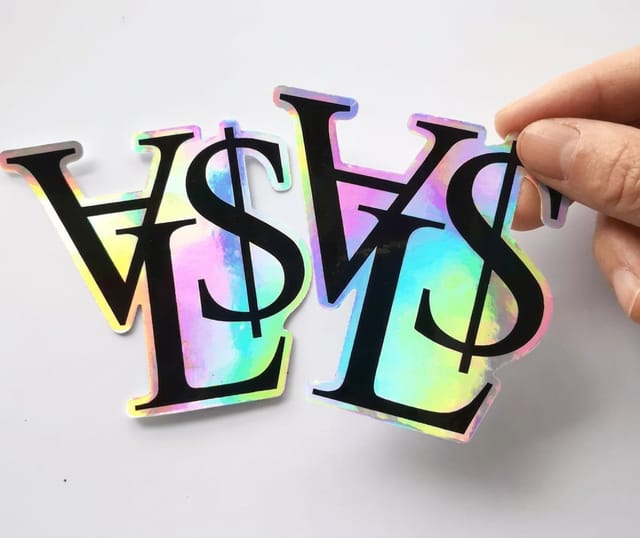 Custom Holographic Stickers 100 for $322.98 Printed color and shift that no ink stamp can reproduce on its own.
 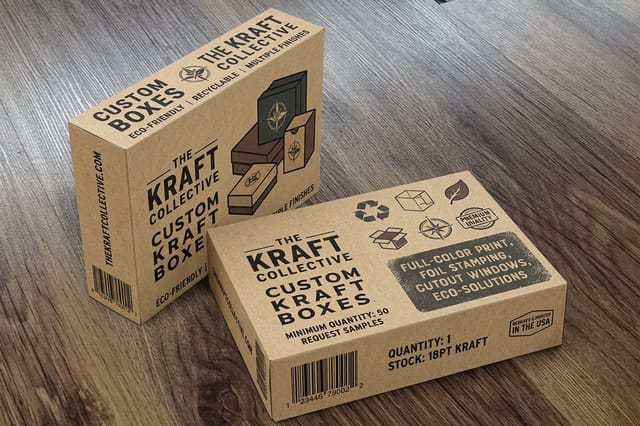 Custom Kraft Boxes 250 for $711.78 Uncoated kraft board takes a stamped mark beautifully on the packing bench.
 Impression Counts, Ink Life, and Re-Inking
Every stamp listing quotes an impression count and almost nobody explains what it measures. The number is a manufacturer estimate of how many marks the die produces before the ink runs low enough to show it, tested with a moderate coverage design on ordinary paper. Your own count moves with your artwork, your stock, and how hard your hand presses.
Coverage is the biggest variable. A logo built from thin lines sips ink; a solid-fill badge or a heavy block of reversed type drinks it. Uncoated and textured stocks pull more ink out of the die per press than coated sheets. If you know your mark is heavy, plan on re-inking sooner and keep a bottle of the matched ink on the shelf rather than discovering the problem mid-run.
- Watch the edges, not the center. A die going dry loses its outer strokes first, so faint edges are your early warning.
- Re-ink before it fails. Adding ink to a partly loaded die is far easier than reviving one that has been pressed dry for weeks.
- Use only the matched ink. Water-based ink will not travel through a gel die and can clog it permanently.
- Give it time to rest. After re-inking, the die needs hours face down for the ink to distribute; testing it immediately produces a smeared mess.
- Store it flat and capped. Heat and open air are what actually kill a pre-inked stamp before its rated life.
Handled this way, a single die stays in service for years. The stamps that die young are almost always the ones re-inked with the wrong fluid, left uncapped on a sunny counter, or pressed against a surface they were never meant to touch.
Getting a Logo Proofed for a Stamp Die
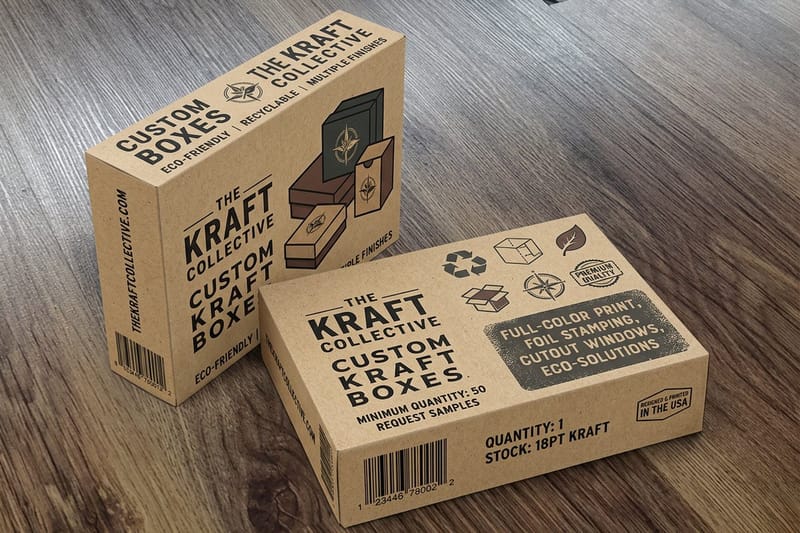
The proof is where stamp orders go right or wrong, and it is the same discipline as any impression-based process. You are converting artwork into a single-color relief image at a fixed size, and everything that survives has to be a solid shape with enough room around it. Gradients, drop shadows, and photographic elements do not exist in that world.
Send vector art whenever you can, flatten the logo to one color, and look hard at the smallest features at actual stamp size rather than on screen. Thin strokes that read fine on a business card can disappear at stamp scale, and tight counters can fill in after a few hundred presses. The same rules govern the relief processes covered in our custom embossing and stamping guide, and the shape logic behind die-cut printing maps onto stamp dies almost one for one.
Check these before you approve
- Minimum stroke weight. Anything hairline at final size will break up or vanish; thicken it in the stamp version of the file.
- Negative space. Gaps inside letters and between elements need to stay open, or ink bridges them into a blob.
- Fixed size. The die is manufactured at one size. Decide where the mark will live and size it for the smallest surface you plan to press.
- Single color only. Convert everything to solid black in the proof file so you see exactly what the die will carry.
- Signature scans. Clean them to pure black and white first; a gray scan turns into a muddy die.
That same cleaned-up vector is the file your printer wants too, which is the quiet efficiency here. Approve one stamp-ready version of the logo and you have solved the artwork problem for cards, labels, boxes, and every relief process you order later.
Quantity and price
Custom business card pricing and specs
Real configurator numbers for the piece your stamped logo lands on most.
| Quantity | Price Per Unit | Total |
|---|---|---|
| 100 | 17.6¢ | $17.57 |
| 200 | 11.5¢ | $23.07 |
| 300 | 9.15¢ | $27.46 |
| 400 | 7.96¢ | $31.86 |
| 500 | 7.25¢ | $36.26 |
| 600 | 6.77¢ | $40.64 |

What a Stamp Cannot Do That Print Can
A stamp is one ink, one size, one surface at a time, and even the jumbo die stops at 1.5 by 3 inches. That limit suits a repeatable mark and rules out a full color label, a metallic finish or anything bigger than a palm. Knowing exactly where the ceiling sits keeps you from ordering a die for a job that was always a print job.
Color that shifts, metallic effects, and full-bleed art are printing territory. A run of Custom Holographic Stickers does in one pass what no ink stamp will ever imitate, and material-specific applications such as the wrap films explained in our air-release vinyl article are a different craft entirely. Match the tool to the mark and neither one disappoints you.
- Multiple colors. One die, one ink. A second color means a second stamp and hand registration you will not enjoy.
- Photographs and gradients. Continuous tone has no equivalent in a relief die.
- Variable data. Numbers and names that change per piece belong in a print run, not a stamp.
- Glossy and coated surfaces. Standard stamp ink beads or smears on them and can stay wet for a long time.
- Large formats. Past palm size, a hand stamp loses even pressure and the impression goes patchy.
Beyond one ink
Custom holographic stickers
Shifting color and finish that a single-ink die simply cannot produce.

Where Businesses Use Custom Stamps Every Day
Stamp-friendly packaging
Custom kraft boxes
Uncoated kraft board absorbs stamp ink cleanly, which is why packing benches reach for it.
The best use for a pre-inked stamp is the mark you make hundreds of times and never want to think about. Packing benches, front desks, and studio tables all have one. It is the cheapest way to add a branded touch to a surface that was never worth a separate print run.
Fulfillment is the clearest case. Plain kraft mailers and boxes turn into branded packaging with one press, which is why so many small shops stamp instead of ordering printed cartons at low volume. Once volume justifies print, move up to custom mailing boxes, and our guide to custom kraft mailers shows what a branded mailer does for the unboxing. Worth clearing up a common mix-up while we are here: a rubber or pre-inked business stamp has nothing to do with postage, and the postal rules that actually govern a mailed piece are laid out in our guide to mailing postcards, stamps, and addresses.
- Packaging. Logo marks on kraft boxes, bags, tissue, and tape at a fraction of printed-carton cost.
- Loyalty and events. Punch marks on cards, hand stamps at the door, proof of entry that cannot be faked casually.
- Back office. Received, paid, approved, and file-copy marks on paperwork that must be legible for years.
- Studio and maker work. Signature or maker mark on the back of prints, tags, and packaging inserts.
- Client-facing forms. Clinic and salon intake sheets, appointment cards, and anything that needs a consistent office mark.
In every one of those cases the stamp works alongside printed pieces rather than replacing them. The printed item carries the design; the stamp carries the repeat.
Buying a Pre-Inked Stamp Without Regret
Stamp listings look identical until you read the fine print. Two things separate a stamp you keep from one you replace in six months: whether the manufacturer sells matched oil-based re-inking fluid for that exact die, in your color, and whether the mount and hinge survive a hundred presses a day. Both are easy to check before you pay.
Judge suppliers the way you would judge any print vendor. Look at how they handle artwork, whether a real proof comes back before production, and what happens when the proof is wrong. We apply the same lens in our comparisons of sticker printing alternatives and notebook printing alternatives, and the pattern holds: vendors who take proofing seriously produce better physical goods across the board.
- Re-inking supply. Confirm the matched ink is sold separately and in your color before ordering.
- Impression rating. Treat it as a comparison figure between models, not a promise for your artwork.
- Proof policy. A digital proof at actual size, reviewed before manufacturing, is not optional for logo dies.
- Mount quality. A stamp used a hundred times a day needs a body that does not crack at the hinge.
- Color availability. Standard colors ship fast; custom colors take longer and are locked in permanently.
Compare options
Popular custom products, side by side
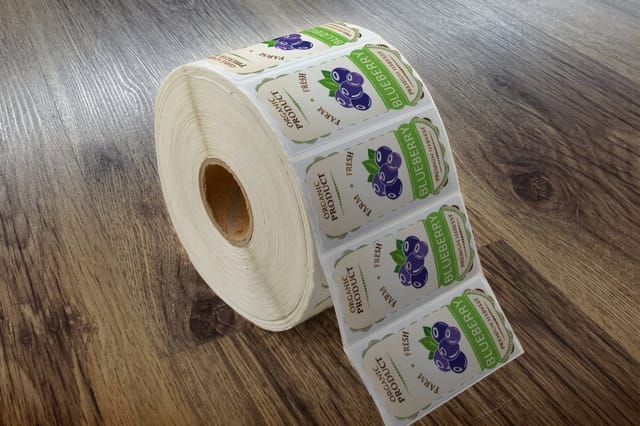
Custom labels print in 3 business days and shaped roll labels 250 for $300.05 in 6.
 Custom Shaped Roll Labels | 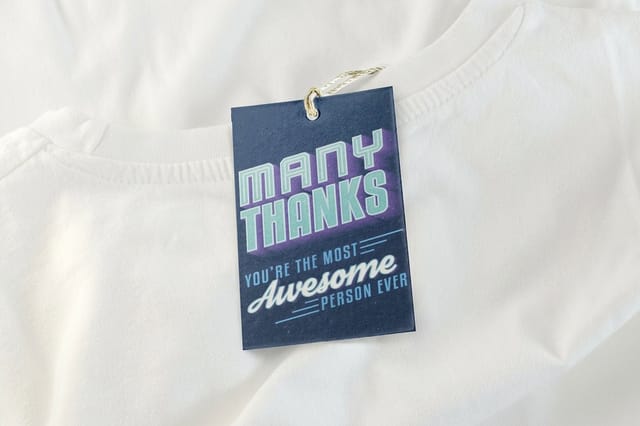 Custom Hang Tags | 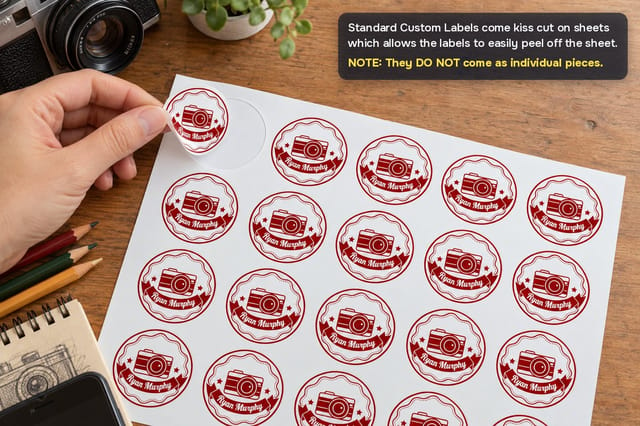 Standard Custom Labels | 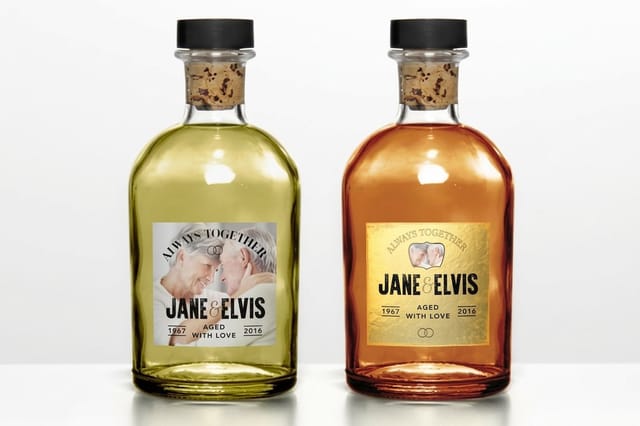 Custom Labels | |
|---|---|---|---|---|
| Min price | $300.05 | $25.27 | $23.88 | $25.00 |
| Paper / stock | White Gloss (Indoor) | 14pt Gloss Cover | Standard Uncoated Label | Uncoated Label |
| Finish | - | Standard Finish | - | - |
| Size | 1" x 1" | 2" x 2" | .5" Circle | 2" x 3.5" |
| Default qty | 250 | 50 | 25 | 25 |
| Turnaround | 6 business days | 5 business days | 3 business days | 3 business days |
| Rating | ||||
| View & customize | View & customize | View & customize | View & customize |
Care and Storage That Doubles the Life of the Die
Pre-inked stamps ask for almost nothing, and the little they ask is the part people skip. Cap it after use, keep it out of direct sun and off the radiator, and store it flat so the ink stays distributed evenly through the gel instead of pooling at one end.
Clean the face only when lint or paper fiber builds up, using a lint-free cloth and nothing aggressive. Solvents and alcohol wipes strip the gel and shorten the die's life more surely than heavy use. If the mark starts looking blotchy rather than uniformly faint, the surface is dirty, not dry, and re-inking a dirty die just makes a bigger mess.
One more habit worth building: press once, firmly, straight down, and lift. Rocking the stamp is the single most common cause of a doubled or smeared impression, and no amount of ink fixes technique.
Matching the Stamp to the Rest of Your Printed Brand
A stamp is one element in a brand kit, and it looks best when it repeats something already printed. Pull the mark from the same logo lockup on your cards, keep the ink color in the same family as your printed palette, and the stamped surface reads as part of the set instead of an afterthought.
Start from a print-ready layout so the proportions are already correct, then reuse that flattened logo file for the stamp die. Small format branded objects work the same way, which is why our guide to custom matchbook and matchbox printing is useful reading before you commit a mark to a fixed size. The strongest brand kits use one shape everywhere and change only the material it lands on.
Match the mark to the surface
- Uncoated kraft and card. Ideal for stamping. Absorbent, matte, and forgiving of pressure differences.
- Coated and gloss stock. Print it instead. Stamp ink sits on the surface and stays vulnerable to smudging.
- Tissue and bags. Great for stamping, but back the sheet with a firm surface so the impression stays even.
- Anything premium or photographic. Print it. A stamp cannot carry the finishes a customer is meant to notice.
Start fast
Templates and print-ready blanks
Free layouts plus exact-size blanks so your logo sits where you intend it to.




Wally helps you decide what to stamp and what to print
One ink and one size is the stamp; everything else is a print job
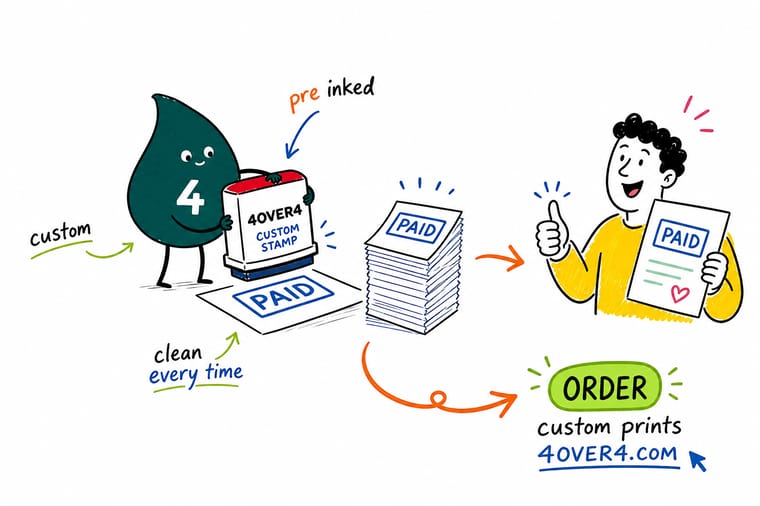
If the mark repeats hundreds of times in a single color, a pre-inked die is the cheapest way to make it look deliberate. The moment you need a second color, a metallic, a custom shape, or artwork that changes per piece, move it to print. Flatten your logo to one solid color once and the same file drives both the die and the printed cards it marks.
Order custom business cards →What the gel die buys you at volume
Explore more
More on dies, marks, and branded print
Cards, holographic stickers and kraft boxes to stamp, plus the embossing, die cutting and mailing guides the stamp file also feeds.
 Collection Custom Printing Collection Every custom format 4OVER4.COM prints, in one place. Product Custom Business Cards The card a logo stamp most often lands on.
 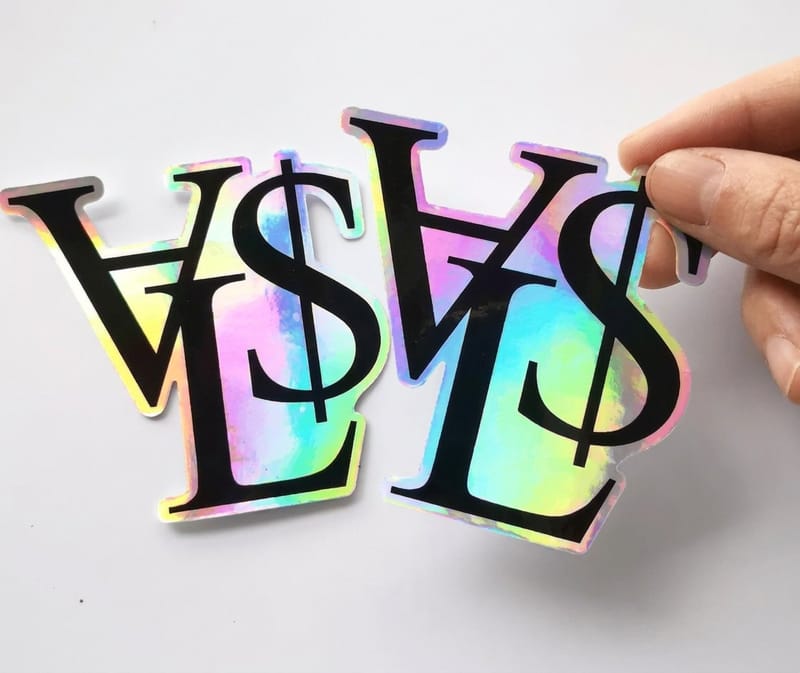 Product Custom Holographic Stickers Color shift and finish no stamp can reproduce. Product Custom Kraft Boxes Uncoated board built for a stamped brand mark.
  Guide Embossing and Stamping How relief processes treat your artwork.
  Guide Die Cutting Explained Custom shapes, cutting dies, and file prep.
  Guide Mailing Postcards and Stamps Postage, addressing, and the rules that apply.
  Guide Matchbook Printing Branding on the smallest printed formats.
  Article Air-Release Vinyl Explained Where material choice beats any applied mark.
  Alternative Sticker Printing Alternative How 4OVER4.COM compares for custom stickers.
  Alternative Notebook Printing Alternative A closer look at branded notebook options.
  Shop 4OVER4.COM Printing Cards, stickers, packaging, and everything between.
 Put the stamp-ready logo on cards from $17.57
Flatten the mark once, then use it everywhere. Configure cards, stickers, or packaging with the same artwork that drives your stamp die.
Pre-Inked Stamp FAQs
What is a pre-inked stamp?
A pre-inked stamp holds its ink inside the die rather than on a separate pad. The image is a microporous gel saturated with oil-based ink that releases only under pressure, then recharges itself as the stamp rests. Because nothing external touches the paper, the impression comes out darker, sharper, and more consistent than a pad-based stamp, and the sealed body will not transfer ink onto whatever it sits next to.
Are pre-inked stamps better than self-inking stamps?
They are better at detail and consistency, and they run much longer between re-inks, which is why high-volume users choose them. Self-inking stamps win on price, on taking almost any ink, and on letting you swap the pad for a different color in seconds. If you stamp a few forms a day, self-inking is plenty. If your logo goes on every order that leaves the bench, the pre-inked die earns its cost.
How do I choose the right pre-inked stamp?
Start with the mark, not the model. Decide the smallest surface it must fit, flatten your logo to one color, and check that thin strokes survive at that size. Then confirm the maker sells matched re-inking fluid in your color, that a real proof comes back before manufacturing, and that the mount can take daily use. The relief rules in our embossing and stamping guide apply directly to stamp dies.
What does a custom pre-inked stamp cost and how is the price set?
Price tracks die size, whether the artwork is a stock text layout or a custom logo, the ink color, and the mount style. Text-only stamps in a standard size are the cheapest tier; a custom logo die at a larger size sits well above it because the artwork has to be prepared and imaged individually. Re-inking fluid is a separate small cost that stretches the same die across years of use.
Can I put my logo or signature on a pre-inked stamp?
Yes, and gel dies are the format best suited to it. Send vector artwork, convert everything to solid black, and clean a scanned signature to pure black and white so the die does not pick up gray mush. Look at the proof at actual stamp size and thicken anything hairline. That flattened single-color file is the same one your printer will want for Custom Business Cards and other branded pieces.
