
Truck Lettering Ideas That Turn a Fleet Into Rolling Ads


Sofia is our design and templates voice, built from the knowledge of our production team, with over 20 years in printing.
What Vehicle Lettering Is and What It Quietly Replaces

The truck lettering ideas that sell are the plain ones: your business name on both doors, one phone number across the tailgate, and your license or USDOT number on the rear quarter or cab, in one color that contrasts with the paint. Each design is adhesive vinyl cut into the exact shape of your business name, phone number, license number, and logo, then applied straight onto painted panels, doors, and glass, and the same layout scales from a pickup to a cargo van to a semi truck cab. There is no printed background and no laminated sheet covering the body. The paint of the truck becomes the background, which is why a clean white van and a set of black letters reads so sharply from three lanes over.
Most owners compare it against a full wrap and stop there. The honest comparison is against doing nothing, because an unmarked truck is the most expensive option on the lot. It burns fuel, parks in front of customers, and tells nobody who did the work. Lettering fixes that for a fraction of a wrap.
4OVER4.COM has produced 10 billion+ print products since 1999 for 150,000+ businesses, and the print that surrounds a lettered truck matters as much as the letters themselves. The flyer handed out at the curb, the card left with the customer, and the door hanger dropped on the street you are already parked on all convert the attention your vehicle earns. Lettering starts the conversation. Print finishes it.
The three pieces of a working truck identity
Every readable work vehicle carries the same three elements: the trade you perform, the name people should ask for, and one way to reach you. Everything else, the tagline, the mascot, the list of nine services, competes with those three and usually wins the fight at the cost of the sale.
Where the letters actually go
Doors carry the name and logo because they sit at eye level in a parking lot. The rear doors or tailgate carry the phone number and website because that is the panel drivers stare at in traffic. The rear side quarter, just behind the wheel well, carries the license or certification numbers your state requires.
Where lettering is the wrong tool
Vinyl letters need a flat, smooth, painted surface. Deep body creases, rivet lines, corrugated box trucks, and heavy texture break the adhesive contact and lift the corners. On those surfaces a printed panel or a full wrap is the correct answer, and no amount of squeegee pressure changes that.
Stock the truck
The handout that closes what the truck opens
Curbside flyers built for crowds that stop, look, and want a number before they walk away.

Lettering Ideas for Pickups, Vans and Semi Trucks
Start from one of these layouts and swap in your own colors. Every size below follows the sign shop rule this page uses throughout, about one inch of capital letter height for every ten feet of reading distance.
Five truck lettering ideas for a first work truck
- Name on the doors, number on the tailgate. Six to ten inch caps for the name on both front doors and four to six inch caps for the phone number on the rear, where the driver behind you reads it from about forty feet.
- One trade word under the name. Plumbing, Electrical, or Landscaping in three to four inch caps tells a parking lot what you do before anyone reads the name.
- A single stripe along the body line. One band of cut vinyl in your second color frames the door name and gives a plain truck a finished look with one more simple cut.
- A rear window in perforated film. The logo or website printed on film that is roughly sixty percent open reads from outside and stays see through from the driver seat.
- Reflective letters for night work. Glass bead or prismatic film on the name and number suits tow, utility, and on call trucks that are on the road after dark.
Truck lettering designs that stay readable
A good door design starts with the layout. Set the name in a bold, wide sans serif on one line if it fits, put the logo to the left of the name so the name can run larger, and keep to two colors, one dark and one light against the paint. Print the door layout at full size on paper and tape it to the panel before you order the cut.
Semi truck lettering ideas
On a tractor, the cab doors carry the marking federal rules ask for: the carrier name and USDOT number on both sides of the power unit, in a color that contrasts with the cab, readable in daylight from 50 feet. By the one inch per ten feet rule, 50 feet points to caps of about five inches, well above the two inch minimum a pickup rear quarter gets.
The sleeper side is the widest flat panel on the rig, so it suits the company name in large caps with the home city and phone number under it. Owner operators who pull other companies' trailers letter the tractor only, since the trailer can change with every load. Fairings and cab corners curve, so they take cast vinyl.
Mobile Advertising That Keeps Working After You Pay for It
A lettered truck is advertising you buy once and use every day, for five to seven years on cast vinyl or three to four on calendered film, and the same layout file goes onto the next vehicle when you trade in. There is no monthly renewal, no bid, no impression cap, and no platform deciding who sees it. It works while you drive to the supply house, while you eat lunch, and while it sits in a customer driveway for six hours with a six to ten inch company name facing a neighborhood full of people with the same problem.
The driveway is the part owners underestimate. Neighbors who watch a marked truck spend a morning at the house next door already have social proof, a trade, and a phone number. That is why service businesses that letter their vehicles hear so many calls that start with a version of "I saw your truck on Maple Street."
- It runs on routes you already drive. No extra miles, no media buy, no separate budget line to defend at the end of the quarter.
- It targets by geography without any targeting. The truck advertises exactly where you work, which is exactly where your next job is.
- It makes the parked hours productive. A vehicle sitting at a job site for a full day is a stationary sign in front of qualified neighbors.
- It signals a real business. An unmarked van reads as a side job. A lettered van reads as a company with a license and a phone number.
- It survives the vehicle. Letters come off cleanly at trade in, and the layout files get reapplied to the replacement truck in an afternoon.
Track it the simple way. Add a dedicated phone number or a short landing page that appears only on the vehicle, then count the calls for a quarter. Pair the truck with something a person can hold, because the number of people who photograph a tailgate is always smaller than the number who accept a flyer or a card.
Print picks
Three pieces every marked vehicle should carry
Live prices, ready to customize with your lettering colors and type.
 Food Truck Flyers 100 for $57.11 The handout that turns curbside traffic into catering and event bookings.
 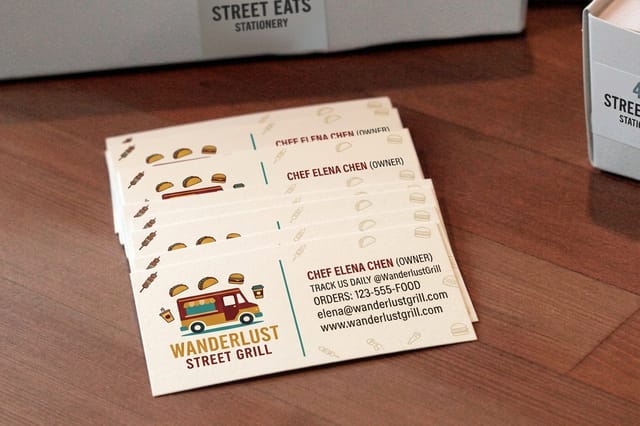 Food Truck Business Cards 100 for $17.57 Keep a stack in the cab so every roadside question ends with your number.
 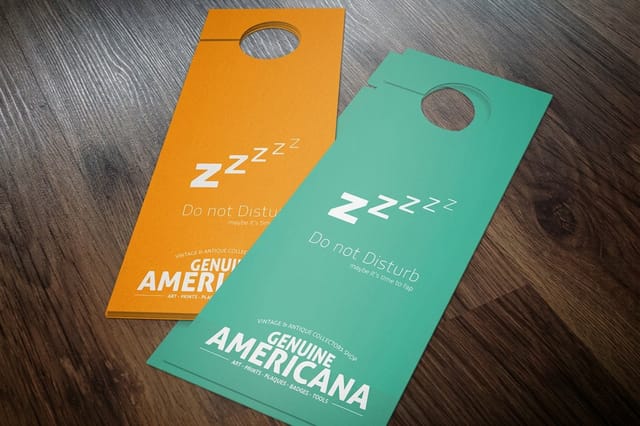 Christmas Truck Door Hanger 250 for $252.51 Work the street your truck is already parked on with a door to door drop.
 Vinyl Types, Adhesives, and Finishes Explained Plainly
Vinyl is sold in two broad families and the difference is how it is made. Cast vinyl is poured as a liquid and cured flat, so it has almost no memory and stays where you put it. Calendered vinyl is rolled and stretched under heat, which leaves internal tension that slowly pulls the material back toward its original shape.
That single difference drives lifespan, price, and where each one belongs. Anything curved, recessed, or expected to last past a lease term should be cast. Flat door panels on a truck you plan to trade in three years are fine in calendered material at a lower cost per letter.
- Cast vinyl. Roughly two mils thick, conformable, typically rated five to seven years outdoors. The default for doors, curves, and any long term fleet.
- Calendered vinyl. Thicker and stiffer, typically rated three to four years on flat panels. Sensible for short term promos and leased vehicles.
- Reflective film. Glass bead or prismatic material that returns headlight light. Required by many municipalities for tow, utility, and emergency vehicles.
- Perforated window film. Printed on one side, roughly sixty percent open, so it reads as graphics outside and stays see through from the driver seat.
- Specialty finishes. Matte, brushed metal, chrome, and color shift films for logo accents. Use them on small areas where the eye already stops.
Adhesive matters as much as the face film. Permanent acrylic adhesive is the standard for vehicles because it survives washing and temperature swings. Air release liners with tiny channels let trapped air escape as you squeegee, which is the single feature that makes a first time install look professional instead of blistered.
Sizing, Contrast, and Layout Drivers Can Read at Speed
Legibility on a moving vehicle follows one working rule that sign shops have used for decades: about one inch of capital letter height for every ten feet of reading distance. A driver two car lengths back sits roughly forty feet away, so a phone number set at four inch caps is readable and a two inch number is decoration.
Contrast decides everything the size rule does not. Dark letters on a light truck and light letters on a dark truck both work. Mid tone letters on a mid tone body, red on navy, gray on silver, fail at exactly the distance you need them to succeed.
- Company name. Six to ten inch caps on the front doors, the largest element on the panel and the first thing read.
- Phone number. Four to six inch caps on the rear, the one line a driver behind you needs to capture in a few seconds.
- Trade line. Three to four inch caps, one line, plain words. Plumbing, Electrical, Landscaping, not a list of nine services.
- License and DOT numbers. Two inch caps minimum on the rear quarter or door, placed where an inspector expects to find them.
- Website. Three inch caps, no protocol prefix, no trailing slash, because every wasted character shrinks the whole line.
Set type in a bold, wide, sans serif face and leave generous space around each block. Thin fonts, tight letter spacing, script logos, and outlined text all lose their edges as speed and distance rise. Print your layout at scale on paper, tape it to the door, and read it from across the parking lot before a single letter gets cut.
Quantity and price
Food truck flyer pricing and specs
Real configurator numbers. The larger the run, the lower the cost per piece handed out.
| Quantity | Price Per Unit | Total |
|---|---|---|
| 50 | 79.1¢ | $39.54 |
| 100 | 57.1¢ | $57.11 |
| 200 | 37.3¢ | $74.69 |
| 300 | 28.6¢ | $85.68 |
| 400 | 24.4¢ | $97.76 |
| 500 | 21.8¢ | $108.75 |

How to Install Vinyl Lettering Yourself in One Afternoon
A door set is a genuinely achievable do it yourself job. You need isopropyl alcohol, a lint free cloth, masking tape, a felt edged squeegee, a tape measure, and a partner for anything wider than your arm span. Work between sixty and eighty degrees in the shade, never in direct sun, and never on a panel warm enough to flash the alcohol off instantly.
Step 1: clean far past the point that feels necessary
Wash the panel with soap and water, dry it fully, then wipe the exact application area with isopropyl alcohol and a fresh cloth. Wax, polish, and road film are what cause letters to lift a month later, and they are invisible until the vinyl refuses to hold.
Step 2: position with tape before you commit
Hold the full lettering panel against the door with its transfer tape still intact, measure the gaps on both sides, then run a strip of masking tape across the top edge like a hinge. Step back ten feet and check it against the body lines. Adjust now while everything still moves.
Step 3: hinge, peel, and squeegee outward
Flip the panel up on the tape hinge, peel the backing liner away from the top down, and let the exposed adhesive settle back onto the panel. Squeegee from the center outward in firm overlapping strokes so air is pushed to the edges rather than trapped under a letter.
Step 4: remove the transfer tape at a low angle
Pull the transfer tape back on itself at a sharp angle, close to flat against the panel, rather than straight out. If a letter starts to lift with the tape, lay it back down, squeegee that spot again, and continue. Leave the vehicle unwashed for seventy two hours while the adhesive cures.
Keep them in the cab
Food truck business cards
The piece that leaves your hand at the supply house, the job site, and the curb.

Durability, Washing, and Taking the Lettering Off Later
Work the block
Door hangers for the street you are parked on
While the truck sits in one driveway, a door drop reaches every neighbor who already watched you work all morning.
Vinyl fails from three things: ultraviolet light, heat cycling, and mechanical abuse. You control the last one entirely, and it is the one that ruins most letter sets long before the film reaches the end of its rated life.
- Hand wash when you can. Soft cloth, mild detergent, and a straight motion across the letters rather than a circular scrub over the edges.
- Keep pressure washers back. Stay at least a foot away, use a wide fan tip, and never aim directly into a letter edge or a corner.
- Skip brush tunnels. Spinning bristles catch edges and peel corners. Touchless automatic washes are fine for lettered vehicles.
- Avoid solvents and wax on the letters. Degreasers, bug removers, and polish soften the face film and dull the surface permanently.
- Park in shade where possible. Ultraviolet exposure is the clock that runs on every film, and shade slows it more than any coating will.
Removal is straightforward when the time comes. Warm each letter with a heat gun or hair dryer until the vinyl is pliable, lift a corner with a plastic razor, and pull slowly at a low angle so the film comes off in one piece. Clean any adhesive residue with a citrus based remover, then wash and wax the panel. Done properly the paint underneath is often better preserved than the paint around it.
Truck Lettering Designs That Work Trade by Trade
The best vehicle layouts are recognizable before they are legible. A viewer should know what you do from the shape and color of the door panel alone, then read the name, then catch the number. That order is why trade specific conventions exist and why fighting them rarely pays.
- Plumbing and HVAC. Blue or red on white, a large name, an emergency line, and the license number placed where inspectors look first.
- Electrical. High contrast yellow or orange accents, a bold monogram on the door, certification marks near the rear quarter.
- Landscaping and lawn care. Green on white with a simple silhouette mark, plus a seasonal service line on the tailgate that changes with the year.
- Food trucks and mobile vendors. Oversized name across the serving side, menu category words rather than a full menu, and social handles near the window.
- Contractors and remodelers. Restrained type, a strong mark, a website that is easy to spell, and nothing that competes with the truck being clean.
Whatever the trade, build one master layout and scale it across the fleet instead of designing each vehicle. A cargo van, a pickup, and a box truck should read as three sizes of the same identity. That consistency is what makes two trucks feel like a company and five trucks feel like the company everybody in the area already uses.
Compare finishes
Popular business cards, side by side
Stock, finish, size, quantity, turnaround, and price for the card that matches your truck.
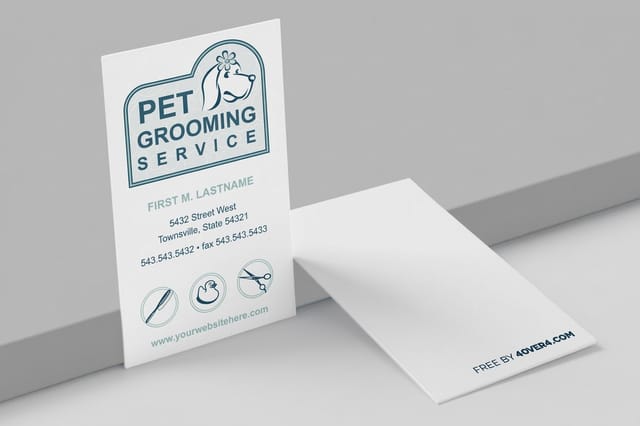 free business cards | 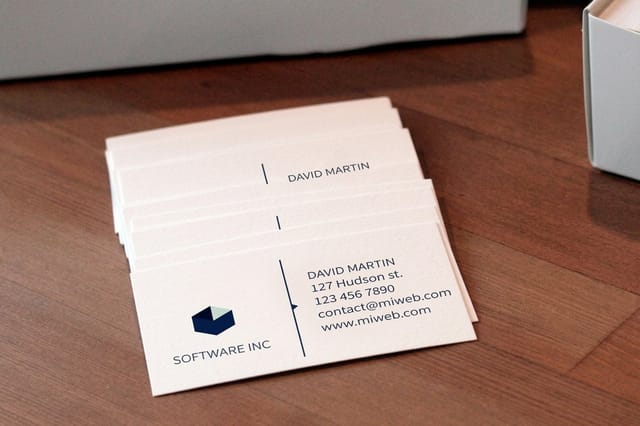 Standard Business Cards |  3D Lenticular Business Cards | 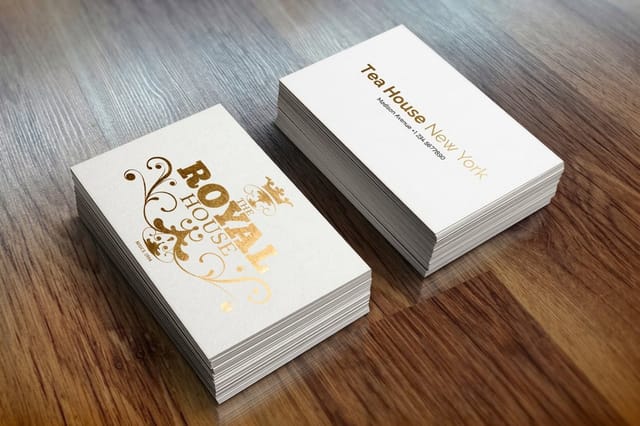 Metallic Foil Business Cards | |
|---|---|---|---|---|
| Min price | Free | $17.57 | $690.88 | $222.13 |
| Paper / stock | 14pt Gloss Cover | 14pt Gloss Cover | 31pt Lenticular Lens | 16 Point Silk Laminated |
| Finish | - | Standard Finish | - | - |
| Size | 2" x 3.5" | 2" x 3.5" | 2" x 3.5" - Vertical | 2" x 3.5" |
| Default qty | 200 | 100 | 500 | 500 |
| Turnaround | 5 business days | 3 business days | 22 business days | 7 business days |
| Rating | ||||
| View & customize | View & customize | View & customize | View & customize |
The Print That Rides Along With the Truck
Lettering earns attention but it cannot close. Few drivers photograph a tailgate at a red light and call that evening, so the best marked vehicles are stocked like a small mobile office: a box of 2 by 3.5 inch business cards on 14pt gloss cover in the cab, 5.5 by 8.5 inch flyers on 100 lb gloss text in the door pocket, and 4.25 by 11 inch door hangers on 14pt cover with a high gloss UV coating for the block. Cards and flyers take 3 business days at their standard settings and door hangers take 7, so order them the week the lettering goes on.
- Cards in the cab. Every roadside question, supply house conversation, and neighbor walking over should end with a card in a hand.
- Flyers in the door pocket. One page, one offer, one number, ready for the curb, the event, or the busy lunch line.
- Door hangers for the block. Work the street you are already parked on while the truck itself provides the proof.
- Matching type and color. The card, the flyer, and the door should use the same face and palette so all three read as one business.
Match the printed pieces to the vehicle before you order either one. Same typeface, same two colors, same logo lockup, so somebody who saw the truck on Tuesday recognizes the flyer on Thursday. That repetition is what turns a single glance into a name a customer can recall a week later.
Start fast
Flyer templates and print-ready blanks
Free layouts plus exact-size blanks so your printed pieces match the type on the doors.










By the numbers
Who prints the pieces that ride with your fleet
A quick look at the shop behind the cards, flyers, and door hangers on this page.
- 10B+ Print products, produced since 1999.
- 150,000+ Businesses served, across every trade.
- 60+ Paper types, across print formats.
- 99.8% On-time delivery, tracked orders.
Wally helps you letter the truck and stock it
Readable letters on the doors, print that closes in the cab
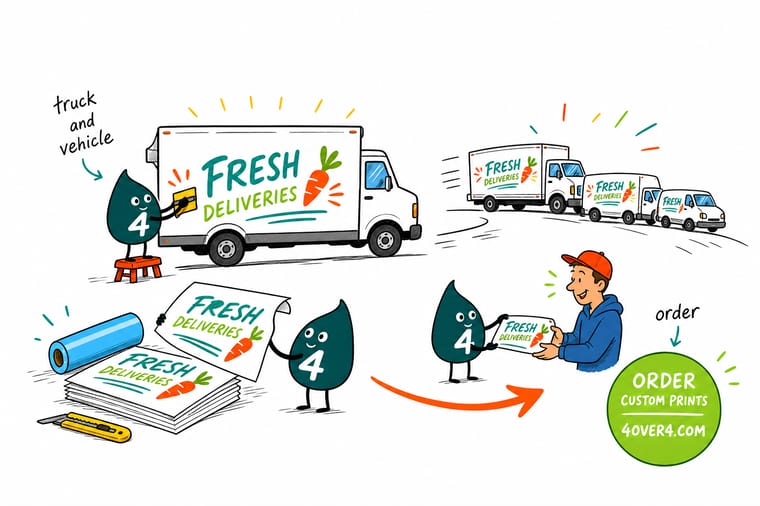
Lettering earns the look, print earns the call. Size your name and number for the distance drivers actually read from, pick a film that matches how long you plan to keep the vehicle, then load the cab with cards, flyers, and door hangers in the same type and colors. One identity on the panel and in the hand is what turns a glance in traffic into a booked job.
Order flyers that match your truck →What to Remember Before You Cut a Single Letter
Guides
Adhesive graphics and photo print guides
The floor sticker guide uses the same center out squeegee work as a door set, and the photo guides size a file at about 300 DPI for its printed size.
Guide Custom Floor Stickers Guide Adhesive graphics for hard surfaces, from prep to removal. Guide Turn Photos Into Custom Prints Get real photography ready for large format output. Guide Custom Wall Art From Photos Scale artwork up without losing edge quality. Guide Custom Photo Calendar Printing A year long leave behind for customers and job sites. Explore more
More print that works alongside a marked vehicle
Food truck flyers run 50 for $39.54 in 3 business days and truck door hangers 250 for $252.51 in 7.
Product Food Truck Flyers The curbside handout that books catering and events. Product Food Truck Business Cards Keep a stack in the cab for every roadside conversation. 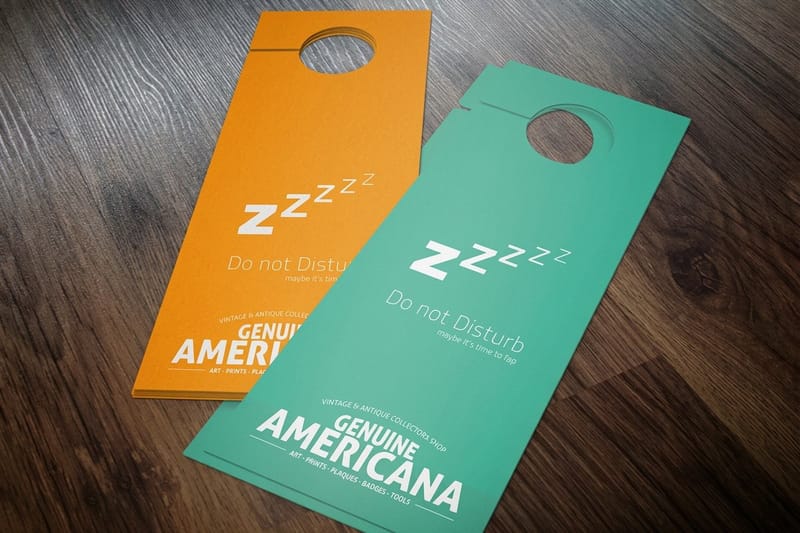 Product Christmas Truck Door Hanger Work the block your truck is already parked on.
 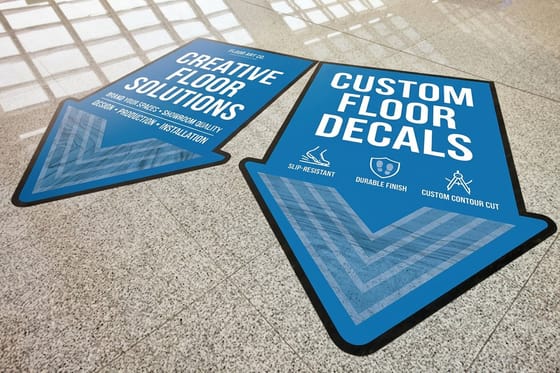 Guide Custom Floor Stickers Guide Adhesive graphics from surface prep to clean removal.
  Guide Photos Into Custom Prints Prepare real photography for large format output.
  Guide Custom Wall Art From Photos Scale artwork up without losing edge quality.
 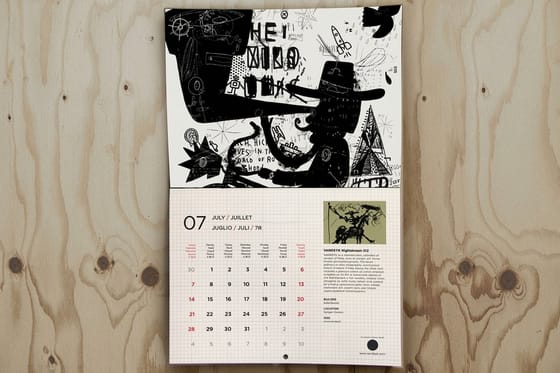 Guide Custom Photo Calendar Printing A year long leave behind for customers and crews.
 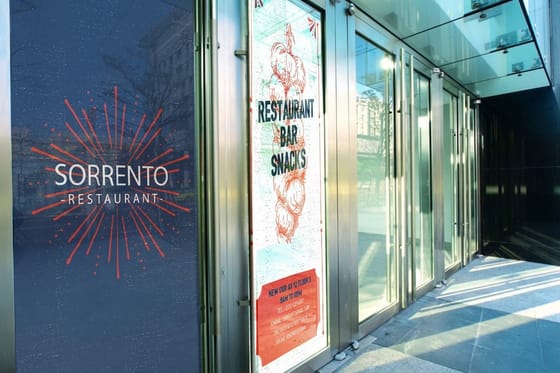 Article Salon Signage Ideas Signage that pulls foot traffic through the door.
 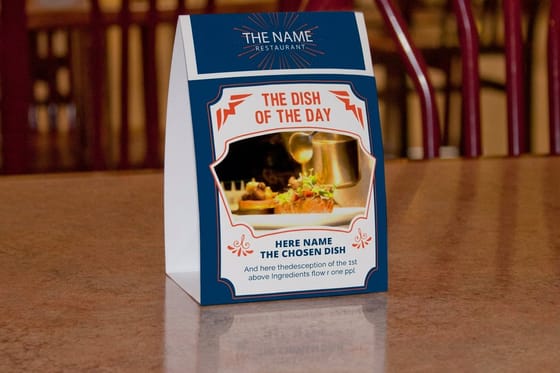 Article Table Tent Marketing Small print that sells while customers wait.
  Article Booklet Design Ideas Longer format print for bids, menus, and capabilities.
 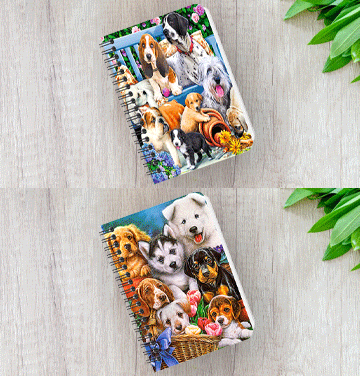 Article Project Sticky Notes Branded notes that stay on the job site all week.
 Ready to make every mile do some selling?
Letter the doors, then load the cab with print that matches. Cards for the conversations, flyers for the curb, door hangers for the block you are already parked on.
Truck and Vehicle Lettering Questions, Answered
What is truck lettering?
Truck lettering is adhesive vinyl cut into the exact shape of your business name, phone number, logo, and license numbers, then applied directly to the painted panels and glass of a vehicle. There is no printed background, so the paint of the truck becomes the backdrop and the letters read as part of the vehicle. It is the lowest cost way to identify a work vehicle, it comes off cleanly at trade in, and it can be installed in an afternoon on flat door panels without a professional shop. For related adhesive graphics work on hard surfaces, see the custom floor stickers guide.
How do I choose the right truck lettering?
Start with the surface. Flat, smooth, painted panels take vinyl letters well, while deep creases, rivets, and corrugated box sides need printed panels or a wrap instead. Then choose the film: cast vinyl for curves and any vehicle you plan to keep past three years, calendered for flat doors on a leased truck. Finally size the type using one inch of capital height per ten feet of reading distance, and pick colors that sit at the opposite end of the value scale from your paint.
What does lettering one truck cost?
Vehicle lettering is priced by the material used and the complexity of the cut, not by the size of the truck, which is why it undercuts a full wrap so heavily. Simple block type in a single color costs the least, while multi color logos, contour cuts, reflective film, and specialty finishes each add to the total. The print that supports the truck is priced by quantity: Food Truck Business Cards start at $17.57, Food Truck Flyers at $57.11, and Christmas Truck Door Hangers at $252.51, with the unit cost dropping as the run grows. Haulers and owner operators have a card of their own, shown in the truck business cards video, and the vinyl truck lettering guide covers film choice and letter sizes in more depth.
What sizes, stocks and finishes are available for truck lettering?
Letter heights typically run from two inch caps for license and certification numbers up to ten inch caps for a company name on a door. Films include cast vinyl for conformability, calendered vinyl for flat panels, reflective sheeting for night visibility, and perforated film for rear windows that stays see through from inside. Finishes cover gloss, matte, brushed metal, chrome, and color shift for logo accents. The matching printed pieces are configured separately by size, stock weight, coating, and quantity on each product page.
How long does truck lettering take to print and ship?
Turnaround depends on the product and the options you select, and every configurator on 4OVER4.COM shows the production time next to the price before you check out. Business cards, flyers, and door hangers move on standard production schedules with faster options available when a job or an event is close, and 4OVER4.COM tracks 99.8% on-time delivery across orders. Build in a few extra days for vehicle work itself, since installation needs a dry panel, moderate temperatures, and seventy two hours before the first wash.
