
Top 5 Benefits of Business Cards Every Pro Should Know


Emma is our prepress and print production voice, built from the knowledge of our production team, with over 20 years in printing.
Are Business Cards Still Worth It in a Digital World
The benefits of a business card are that it keeps you remembered, signals an established business, works where a phone fails, costs less per contact than any ad and turns a special finish into word of mouth. Custom business cards on 14pt or 16pt stock also pair with brochures on the same stock, so the card handles the introduction and the brochure carries the detail. Every few years somebody declares the business card dead, and every few years the people who sell things keep ordering them, because a card is the only piece of marketing that changes hands during a real conversation, at the exact second attention is highest. Nothing you send afterward gets that moment back, and no notification competes with a person standing in front of you.
The digital handoff has a failure rate nobody talks about. A phone gets fumbled, the name gets typed wrong, the follow up never lands because the contact was saved as a first name and no company. A card removes every one of those failure points. It arrives complete, correct, and in a format that survives a dead battery.
4OVER4.COM has printed 10 billion+ cards and print products since 1999, and the pattern across those orders is consistent. The businesses that reorder are the ones whose revenue depends on being remembered by a specific person: contractors, agents, consultants, salons, studios, shops. They are not printing cards out of habit. They are printing them because the card keeps producing calls long after the meeting ends, at a cost per contact that no ad platform can match.
The handoff is a physical commitment
Handing someone a card is a small ceremony. It signals that you expect the relationship to continue, and it asks for a card in return, which is how you leave with their details instead of hoping they have yours.
Paper does not compete for attention
Your email lands in a stack of ninety others. Your card lands in a wallet, a drawer, a pinboard, or under a monitor, where it is the only thing on the surface.
The card does the remembering
Weeks later, when the need finally shows up, nobody searches their inbox for a name they half remember. They look at the card sitting on the desk and they dial the number printed on it.
It costs less than one lost lead
A full box of cards costs less than a tank of gas. One recovered job pays for a decade of reprints, which is why the math almost never argues against printing.
Shop the category
Business cards printing
Every stock, size and finish, priced live and ready to customize today.

The Benefits of a Business Card at a Glance
Each of the five benefits has its own section below, with the stock and finish that delivers it. Custom cards start at $17.57 for 100 and print in 3 business days.
- You stay memorable. The card sits in a wallet or under a monitor and holds your place until the buying moment.
- You look established. A 16pt card bends less and tells a buyer you plan to be around next year.
- It works without a phone. A 2 by 3.5 inch card changes hands on a job site or in a hall with no signal.
- It costs the least per contact. You pay once, with no bidding and no monthly platform fee.
- A finish gets you talked about. Foil, soft touch and lenticular cards get passed to the next person at the desk.
Benefit 1: A Card Makes You Memorable After the Conversation Ends
Memory is the whole game. People meet dozens of vendors, applicants and freelancers in a month, and by Friday most of them have blurred into one face. A card interrupts that blur because it is a physical object with your name on it, sitting somewhere in their world. The card is not selling anything by itself. It is holding your place in line until the buying moment arrives.
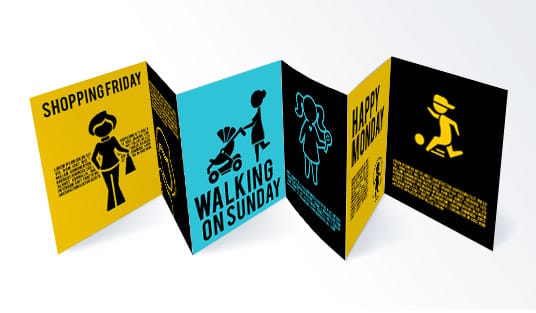
Give the card a reason to be looked at twice. A distinctive stock or finish does more work than a bigger logo, which is why creative professionals lean on Artist Business Cards and trade businesses reach for Automotive Business Cards built to survive a glovebox. The short visual story on automotive business cards shows that format card by card.
- Write on the back. A handwritten job number or price quote turns a card into a personal record of the conversation.
- Give two cards. One for them, one to pass along, and referrals stop depending on memory alone.
- Lead with the service. A title nobody can decode gets forgotten, but "kitchen remodels, licensed and insured" does not.
- Keep one line of contrast. A single bold element gives the eye somewhere to land when the card resurfaces weeks later.
- Print more than you need. The card that stays in the box never gets remembered by anyone.
There is a second, quieter benefit here. Because the card is yours to design, it fixes the impression instead of leaving it to chance. The person who saw you in a hurry, in bad lighting, at the end of a long event, will later judge you by a clean piece of paper you controlled completely. That is a rare amount of control over a first impression, and it costs a few cents per contact.
Print picks
Three business card formats worth a look
Live prices, ready to customize with your logo and details.
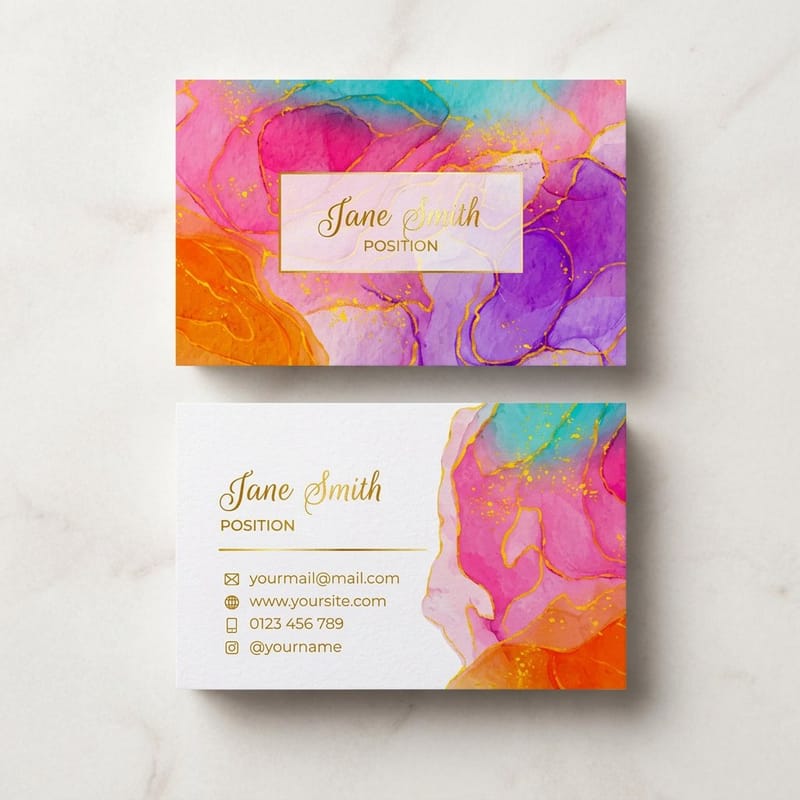
 Artist Business Cards 100 for $17.57 Gallery grade stock for portfolios, studios and anyone selling taste.
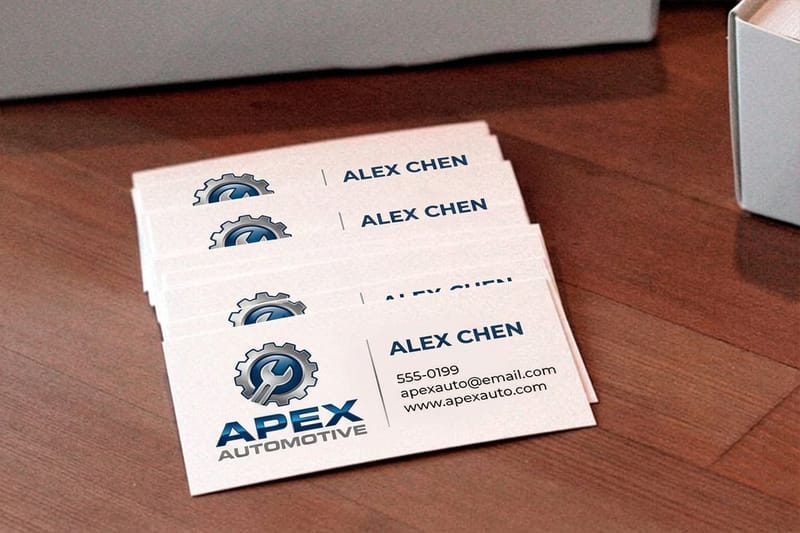
 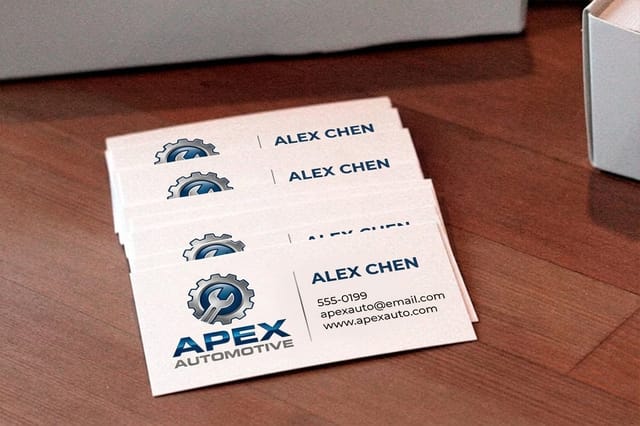 Automotive Business Cards 100 for $17.57 Built for shops, dealers and detailers who trade on repeat calls.
  3D Lenticular Business Cards 500 for $690.88 Depth and motion in the hand, the card people show to a colleague.
 Benefit 2: Print Signals That You Are a Real, Established Business
Trust gets decided fast and on thin evidence. A card that feels substantial in the hand tells a buyer you have been doing this a while, you expect to be around next year, and you invested in the details before they asked. A thin, flimsy card says the opposite just as loudly, which is why stock weight matters more than most people expect.
That signal scales with the format you choose. Browse the full range on the business cards printing category and you can match the card to the promise you make, from a clean everyday stock to something with real presence.
- Heavier stock reads as permanence. A 16pt card bends less, feels deliberate, and outlasts the wallet it lives in.
- Consistent branding closes the loop. When the card matches your signage, invoices and vehicle, the business looks bigger than it is.
- Complete details prevent doubt. A physical address or license number answers questions a buyer will not ask out loud.
- Clean typography beats clutter. Cramming eight services onto a card reads as uncertainty about which one you actually do.
- No printer defaults. A stock template design tells people you did the minimum, and they will assume the same about the work.
Benefit 3: Cards Work Everywhere Your Phone Does Not
The best leads rarely arrive somewhere convenient. They happen in a parking lot, on a job site, at a counter with a line behind you, on a plane, in a venue with no signal. In every one of those places a standard 2 by 3.5 inch card works perfectly and a phone screen becomes a negotiation. Print it on 16pt gloss cover, or add the High Gloss UV coating, and it comes out of a back pocket after a week on the job still readable.
Trades feel this most. Hands are dirty, gloves are on, and the customer is holding a coffee. A card in a shirt pocket handles that in two seconds, which is exactly why Automotive Business Cards stay stocked at service counters where phones never come out.
- Job sites. Leave a card with the neighbor who wandered over to ask what the crew is doing.
- Counters and reception desks. A small stack keeps working while you are somewhere else entirely.
- Packages and invoices. A card tucked into a delivery reaches the person who opens the box.
- Conferences and expos. Bad signal and crowded rooms make paper the fastest exchange in the building.
- Community boards. Cafes, gyms and hardware stores still route local work to whoever pinned a card up.
Three more places where a card quietly earns its cost:
- Inside the product. Retailers slip one into the bag so the reorder does not depend on a receipt.
- With a referral. Passing a colleague two cards makes recommending you effortless.
- In the follow up. A card in a thank you note gives the message something physical to leave behind.
Benefit 4: A Card Is the Cheapest Marketing You Will Ever Buy
Run the cost per contact and the argument ends. Custom business cards start at $17.57, and a box lasts most professionals months. There is no bidding, no monthly platform fee, no audience to rent back every quarter. You pay once and the asset keeps working until the last card leaves the stack.
Volume pricing pushes the number down further. The configurator below shows real quantity breaks and full specs pulled from the live product, so you can see exactly where the per card cost drops and decide whether a heavier stock or a finish is worth the difference on your order size.
- No recurring spend. The card does not stop working the day a budget is paused.
- No targeting waste. Every card goes to a person who already spoke with you.
- Order in a size you will use. Small runs keep details current, large runs cut the unit cost hard.
- Reprint cheaply when things change. A new number or address is a fresh file, not a rebuild.
- Track loosely, honestly. Ask new callers where they got your number and the card usually earns its keep.
Quantity and price
Business card pricing and specs
Real configurator numbers. The more you print, the less each card costs.
| Quantity | Price Per Unit | Total |
|---|---|---|
| 100 | 17.6¢ | $17.57 |
| 200 | 11.5¢ | $23.07 |
| 300 | 9.15¢ | $27.46 |
| 400 | 7.96¢ | $31.86 |
| 500 | 7.25¢ | $36.26 |
| 600 | 6.77¢ | $40.64 |
Benefit 5: A Specialty Finish Turns a Card Into a Conversation
The fifth benefit is the one most people leave on the table. A card with an unusual finish stops being a contact detail and becomes something the recipient shows to someone else. That is unpaid distribution, driven entirely by the fact that the object is interesting enough to hand across a desk.
3D Lenticular Business Cards take this the furthest, with printed depth or motion that shifts as the card tilts. They start at $690.88, so they are a statement piece rather than an everyday box, and they belong with the people who decide your biggest contracts.
- Raised foil. A metallic accent that catches light and reads as premium before a word is read.
- Soft touch laminate. A velvet surface that changes how the card feels the moment it is picked up.
- Spot UV. Gloss on a matte field, used to make one mark or word jump off the surface.
- Painted edges. A color line around the card that only shows when it sits in a stack.
- Lenticular motion. Depth or animation that no screenshot, forward or copy can reproduce.
Premium finish
3D lenticular business cards
Printed depth and motion in the hand, the card people show to a colleague.

Business Cards and Brochures Working as a Pair
The main purpose of a business card is to put your name and number in someone's hand at the moment they meet you. A brochure covers the rest: the services, photos and prices you had no time to explain, left on the table after you walk away. Hand over both and the prospect has your contact details and the detail behind them.
Order the two together and they match. Cards start at $17.57 for 100 on 14pt or 16pt stock, and brochures run from 5.5 by 8.5 up to 11 by 25.5 inches on 100# gloss text, 100# silk or matte text, 70# uncoated text or 14pt gloss cover, flat or half folded, starting at 50 for $57.11. The brochure range offers 13 fold options in all. Choose 14pt gloss cover for both pieces and they feel the same in the hand, print in the same 3 business days, and carry colors matched with G7 profiling.
- One stock for both. 14pt gloss cover appears on both order forms, so the card and the brochure read as one set.
- One set of files. Build the brochure from the card's logo, fonts and color values, then order both at once.
- Split the message. The card carries your name, phone and one line of service, and the brochure carries the list, the photos and the prices.
Premium and Specialty Upgrades Worth the Extra Cents
Upgrades are not decoration, they are positioning. The finish you choose tells a buyer what tier you operate in before they read your title. The trick is matching the upgrade to the sale. A card that closes six figure work can carry foil and heavy stock comfortably, while a shop handing out two hundred cards a week wants durability and a sharp everyday finish.
Start with the audience, then pick the material. A durable, high contrast card like Automotive Business Cards survives real world handling, while a portfolio piece can afford texture and restraint instead.
- Meeting a decision maker once. Spend on weight and finish, because that single card carries the whole impression.
- Handing out volume daily. Choose a resilient coated stock that still looks clean after a week in a pocket.
- Selling design or craft. Uncoated and textured stocks signal taste faster than any adjective on the card.
- Working outdoors. Gloss or laminate resists moisture, grease and the inevitable folded corner.
- Launching something new. A specialty card gives people a reason to mention you unprompted.
Built to be handled
Durable cards for daily handouts
A finish that survives pockets, gloveboxes and counters without curling or scuffing.
Design Rules That Keep Your Card Out of the Trash
A card fails for boring reasons. Type too small to read in dim light, a phone number buried under a tagline, a finish that will not take pen ink when someone tries to write on the back. Fix those four things and the card outperforms most of what competitors are handing out at the same event.
Design for the moment of use, not the moment of approval. Nobody studies your card at arm's length under good lighting. They glance at it in a car, in a hallway, or three weeks later while deciding who to call. Everything on the card should survive that glance intact.
- One job per side. Identity on the front, contact and offer on the back, and neither side fights the other.
- Keep type at 8pt or larger. If your buyers are over forty, treat that as a floor rather than a target.
- Respect the safe zone. Pull text away from the trim so nothing important sits near a cut line.
- Leave writing space. An uncoated back or a blank panel invites the note that keeps the card relevant.
- Check the size before you build. Standard, square and slim formats change the layout completely, as the standard card sizes guide lays out.
Compare finishes
Popular business cards, side by side
The catalog runs from a free 200 card box up to lenticular at 500 for $690.88.
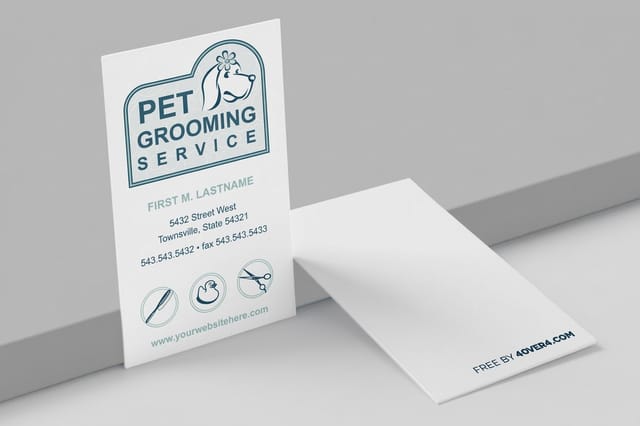 free business cards | 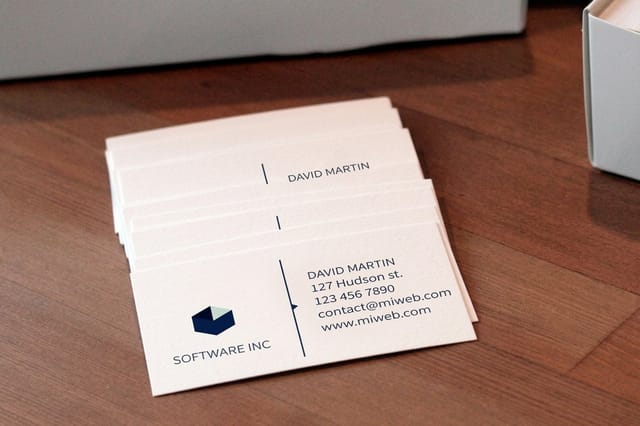 Standard Business Cards | 3D Lenticular Business Cards | 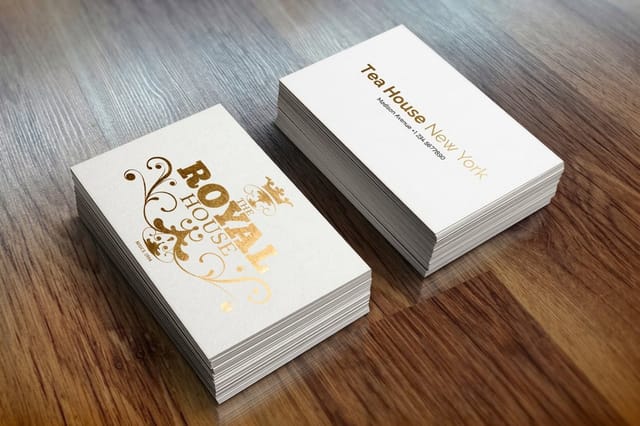 Metallic Foil Business Cards | |
|---|---|---|---|---|
| Min price | Free | $17.57 | $690.88 | $222.13 |
| Paper / stock | 14pt Gloss Cover | 14pt Gloss Cover | 31pt Lenticular Lens | 16 Point Silk Laminated |
| Finish | - | Standard Finish | - | - |
| Size | 2" x 3.5" | 2" x 3.5" | 2" x 3.5" - Vertical | 2" x 3.5" |
| Default qty | 200 | 100 | 500 | 500 |
| Turnaround | 5 business days | 3 business days | 22 business days | 7 business days |
| Rating | ||||
| View & customize | View & customize | View & customize | View & customize |
Ordering Your Cards and Getting Them in Time
The last step is where good intentions stall. People finish a design, then sit on it because they are unsure about bleed, resolution or which stock to pick. None of that needs to slow you down, and the fastest path is to start from a layout that is already print correct.
Use a ready template, drop in your logo and details, and export with bleed included. If you would rather build from scratch, the free business card design tool guide walks through it, and the company branding guide keeps the card consistent with everything else you print.
Match the stock to the way you work
- Everyday networking. A coated 16pt card holds up in a wallet and costs the least per contact.
- Creative and portfolio work. Uncoated or textured stock invites touch and takes a handwritten note.
- High stakes meetings. Raised foil or a specialty finish that earns a second look before you speak.
- Rough conditions. Laminated or gloss finishes that shrug off grease, rain and glovebox life.
Start fast
Card templates and print-ready blanks
Free layouts plus exact-size blanks so bleed and trim are handled before you upload.





Wally explains what a card actually buys you
Five benefits, then the stock and finish that deliver them
A business card is not nostalgia, it is control. It hands over your details without a typo, it survives a dead battery, and it sits somewhere visible until the person finally needs you. Pick the stock for how the card gets used, spend on a finish only where one meeting decides real money, and keep the type readable at a glance. Do that and a box of cards keeps producing calls for months.
Design your business cards →What to remember before you order your next box
Keep reading
Guides that make the next card better
Card sizes from the 2 by 3.5 inch standard to the 2 by 2 square, branding that matches your signage, the free design tool and the case that keeps cards flat.
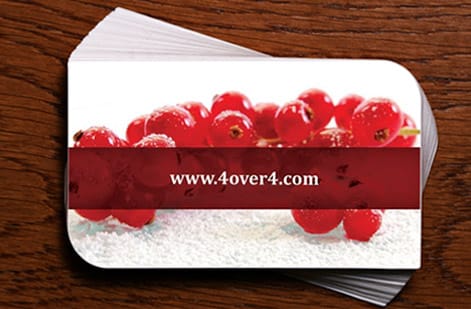 Guide Company Business Card Branding Keep every card consistent with the rest of your brand.
 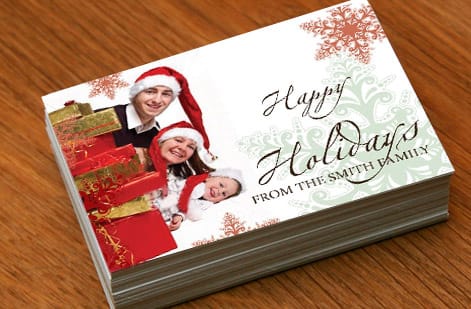 Guide Standard Card Sizes Every common card size and when to use each one.
  Guide Free Card Design Tool Build a print ready card without design software.
  Guide Choosing a Card Case Keep the cards you hand out crisp instead of creased.
 Explore more
More ways to make print work for your business
Postcards weighed against cards, the full business card range, the artist, automotive and lenticular formats, and guides on logos, packaging and paper recycling.
Article Business Postcards vs Business Cards, Which One Wins More Customers Business postcards vs business cards compared on cost, mailing reach, design space, and follow up power, so yo 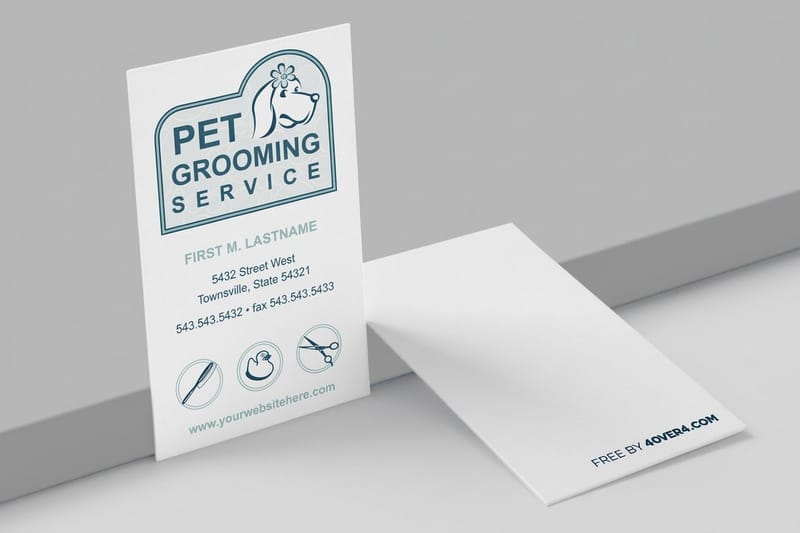 Shop Business Cards Printing Browse every stock, size and finish in one place. Product Artist Business Cards Gallery grade stock for studios and portfolios. Product Automotive Business Cards Durable cards built for shops, dealers and detailers.
  Product 3D Lenticular Business Cards Printed depth and motion that people pass around. Guide Company Card Branding Guide Make the card match the rest of your identity. Guide Standard Card Sizes Guide Pick the right dimensions before you design. Guide Free Business Card Design Tool Design a print ready card in the browser. Guide How to Choose a Card Case Protect the cards you carry to every meeting.
  Guide Logotype vs Logomark vs Logo Know which mark belongs on a small card.
  Guide Small Business Marketing Principles Where print fits in a lean marketing plan.
  Statistics Paper Waste and Recycling Data The recycling numbers behind printed marketing.
 Ready to hand out a card people actually keep?
Pick the stock, add a finish that fits the work you sell, and print a box that keeps producing calls long after the conversation is over.
Business card questions pros ask before ordering
What is the real benefit of a business card today?
The core benefit is memory. A card is the only marketing asset that changes hands during a live conversation and then keeps sitting in a wallet, a drawer or under a monitor until the buying moment arrives. It works without signal, battery or an app, it fixes the impression you made in a format you controlled, and it invites a card in return so you leave with their details too. That is why it still outperforms a phone number typed into a stranger’s contact list.
How do I choose the right business card for my work?
Start with how the card gets used rather than how it looks on screen. If you hand out volume every day in rough conditions, pick a coated or laminated stock that survives pockets and weather. If you sell design, craft or advice, an uncoated or textured card invites touch and signals taste. If one card has to carry a high value meeting, spend on weight and a specialty finish. Match the card to the sale it supports and the choice becomes obvious.
What do custom business cards cost and how is pricing set?
Custom business cards at 4OVER4.COM start at $17.57, and specialty formats such as 3D lenticular cards start at $690.88. Price is set by quantity, stock weight, size, coating and any finishing like foil or spot UV, plus the turnaround you select. Quantity is the biggest lever, since the per card cost drops sharply as the run grows. The live price table on this page pulls real configurator numbers, so you can see the exact breaks before you commit to an order size.
What sizes, stocks and finishes are available for business cards?
Cards print on 60+ paper stocks, from everyday 14pt and 16pt coated card to uncoated, kraft, plastic and specialty substrates. Sizes cover the standard 3.5 by 2 inch card plus square, slim, rounded corner and oversized formats. Finishes include matte, gloss, soft touch laminate, spot UV, raised foil, painted edges and lenticular motion. Check dimensions before you design, because a square or slim card needs a completely different layout than a standard one.
How long does business card printing and shipping take?
Turnaround depends on the stock and finishing you choose. Standard coated cards move fastest, and same day options are available on many everyday formats when files are submitted print ready. Specialty work such as raised foil, painted edges or lenticular printing adds production time because of the extra passes involved. Shipping time is separate from production time, so pick your delivery speed at checkout and give specialty orders a few extra days of lead if you have a hard event date. The guide on how print delivery and turnaround times really work separates the two clocks step by step.
