
Gen Z Marketing Tactics That Beat Ad Fatigue in 2026


Marcus is our print marketing voice, built from the knowledge of our production team, with over 20 years in printing.
Market to Gen Z by putting a physical object in their hands that they would want even without your logo on it, then printing a way to find you onto that object. Screen ads are filtered before the message lands, so the sticker on a laptop lid and the tote on a shoulder are the touchpoints that keep working after the campaign budget runs out. If you came for trending Gen Z slang for 2026, the words themselves sit in our list of 60 Gen Z slang words brands put on merch, and the safe way to use one is a 25 sticker run at $23.88 before the phrase goes near a run of tees.
Gen Z print touchpoints and what a first run costs
| Touchpoint | What it is | Why it gets kept | Where it gets seen | Starting price |
|---|---|---|---|---|
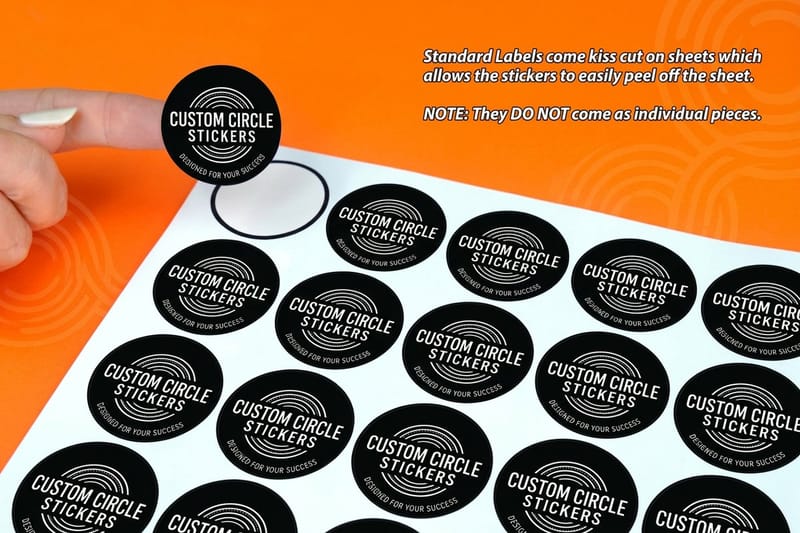
| Circle stickers | Round stickers, 2 to 3 inches, one design or a set | Free to place, easy to trade, no wrong surface | Laptop lid, water bottle, notebook | From $23.88 |
| Die-cut stickers | Cut to your own outline instead of a square | The shape reads as a brand, not as a label | Phone case, guitar case, locker door | From $93.37 |
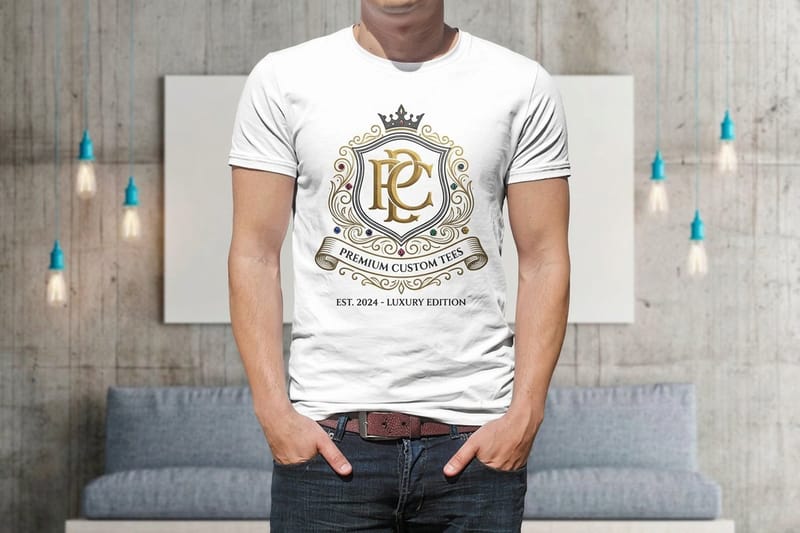
| Premium T-shirts | Printed cotton tees in a full size run | Worn only when the design stands on its own | Campus, gym, group photos | From $21.96 |
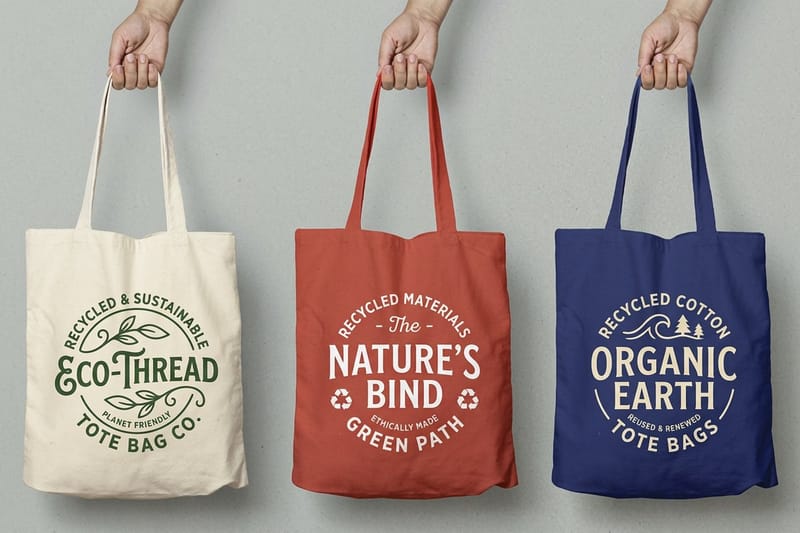
| Recycled tote bags | Recycled cotton carriers, printed one or two sides | Reused every week, and the material is checkable | Grocery run, commute, class | From $22.73 |
| Club flyers | 14pt gloss handbills, full color both sides | Proof an event is real, and cheap to overprint | Venue door, campus board, counter | From $16.48 |
Prices are the live configurator starting points and step down as the quantity climbs: 25 die-cut stickers cost $93.37 and 100 cost $99.95, so the unit price falls from about $3.73 to $1.00. Start at the top of this table: a run of 25 circle stickers at $23.88 tells you whether the design gets placed before you commit to a size curve on tees from S to XXL. Browse the full range in sticker printing.
What a test costs
Four Gen Z touchpoints, four starting prices
Live starting prices from the 4OVER4.COM configurator, so you can size a first campaign before you design anything.
Who Gen Z actually is, and what changed
Gen Z covers roughly the 1997 to 2012 births, which means the oldest are late twenties with salaries, leases and their own buying decisions, and the youngest are still in school. Treating that whole span as one audience is the first mistake most campaigns make. A 27 year old renting an apartment and a 15 year old picking a hoodie respond to different things, and the only trait they reliably share is that they grew up with a phone in reach.
That shared trait matters more than the age gap. They have seen more advertising by twenty than earlier cohorts saw by forty, so the pattern recognition is sharp. A stock photo, a rounded-corner testimonial card, a discount countdown: all of it registers as advertising before the message lands.
The practical consequence is that attention is not bought, it is borrowed against something the person already wanted. A sticker they like on its own. A tee whose design they would wear without your logo. Our breakdown of Gen Z slang on merch is a useful sanity check before you print a joke, because the phrase you found last month may already be dead.
We printed 250 stickers for a campus drop and got more orders out of it than the paid social run it replaced. The difference was the QR on the back, which is what we forgot the first time.
Marketing lead, apparel startup
They check the claim before they check the price
Sustainability, sourcing and labor claims get looked up. That is why a vague badge does nothing and a specific line does a lot: recycled tote bags printed with the material named on the tag survive scrutiny, while "eco friendly" invites someone to go looking for the catch.
Say the specific thing you can defend. If the tote is recycled cotton, print that. If the flyer stock is uncoated and the run is small, say so. A claim narrow enough to be checked is worth more than a broad one that sounds better.
The purchase happens on a phone, the decision does not
Nearly every order lands through a phone, which tempts brands into thinking the phone is where minds change. Ask a customer why they bought and you tend to hear about a friend, a photo, or something they saw someone carrying. The phone closed it. Something physical opened it.
This is the whole argument for print in a Gen Z plan. You are not competing with the feed for attention. You are producing the thing that gets posted to it.
Why most Gen Z campaigns fail
Three failures repeat. The campaign chases a trend that peaked before the artwork was approved, and on apparel a phrase can be two months old by the time the box arrives. The brand imitates a voice it has not earned and gets read as a company doing an impression. Or the work is good and carries no way to find the brand afterwards: no QR code on the back and no wordmark you can read at arm's length.
The third one hurts most because it is invisible in the reporting. A sticker with no name and no code goes on a laptop, gets seen a hundred times, and produces nothing you can count. It looked like a design problem. It was a layout problem.
Trend lag is a production problem, not a taste problem
By the time a slang phrase clears legal, gets designed, gets printed and gets shipped, it can be two months old. That is a real risk on apparel, where a print run is a commitment. Stickers absorb the risk better because the quantity is small and the piece is disposable by design.
The fix is boring: print the joke on the cheap item and print the brand on the expensive one. Put the phrase on sticker sheets where it costs little to be wrong, and keep the tee design something you would still sell in a year.
Skepticism is aimed at the claim, not at you
A brand new to a category is not distrusted for being new. It is distrusted for making the same unverifiable claim as everyone else. Drop the superlatives and describe what you actually did. Stock weight, print method, where it was made, how many you printed.
That level of detail reads as confidence because it can be contradicted. It is also, conveniently, the same information that makes a good product page.
The 2026 playbook, three moves that hold
Trends move. These three have held through several cycles because they rest on how people behave rather than on which app is winning.
Move one: make the object good enough to want on its own. Move two: give it a handle so it can be traced back to you. Move three: let other people distribute it instead of buying the distribution.
Design the merch as merch, not as a billboard
A logo blown up across a chest is a billboard, and people do not wear billboards for free. A design that works without the logo, with your name small on the hem or sleeve, gets worn in public where the billboard version stays in a drawer.
Premium T-shirts start at $21.96, which is low enough to print two designs and see which one leaves the box. Color choice matters more than most brands expect, and our notes on t-shirt and ink color combinations cover which pairings hold up under a phone camera. Every other blank and fit sits in our custom t-shirts range.
Print the handle, always
Every printed piece needs one route back: a QR code that lands on the exact product rather than the homepage, and a wordmark legible at arm's length. A code pointing at a homepage teaches people that scanning your codes wastes their time, which is a lesson you cannot unteach. If you are new to generating them, our steps for generating QR codes in InDesign keep the vector clean enough to print small.
Use a different code per drop. Same artwork, different destination URL, and suddenly print is the most attributable channel you run, because a scan is a deliberate act rather than an accidental impression.
Let the audience carry the distribution
Paid reach is rented. A tote carried through a supermarket every week is not. The trade-off is honest: reach arrives slowly and you cannot switch it off, which makes it a poor fit for a dated promotion and a strong fit for building a name.
Pair the object with something worth posting. A limited colourway, a numbered run, a design that only existed for one weekend. Scarcity does the work that a caption cannot, and our social content ideas for small brands pair with the physical drop rather than replacing it.
Print tactics that beat ad fatigue
These are the pieces that keep working after the campaign stops, ordered from cheapest to test upward. Each one names the limit as well as the upside, because the limit is what decides whether it fits your budget.
Stickers first, because nothing else buys as much placement per dollar. Circle stickers start at $23.88 and a good one gets placed within a day. The limit: a sticker with no name is invisible in the reporting, and a sticker on a cheap face stock lifts at the edges within a month on a water bottle. Our guide to sticker materials covers which face stock survives which surface, and the BOPP against vinyl comparison settles the durability question.
Die-cut shapes, sticker sheets and where each fits
Die-cut stickers follow your outline instead of a rectangle, which is what makes a sticker read as a brand rather than a label. They start at $93.37, so treat them as the second run once a design has proven itself, not the first.
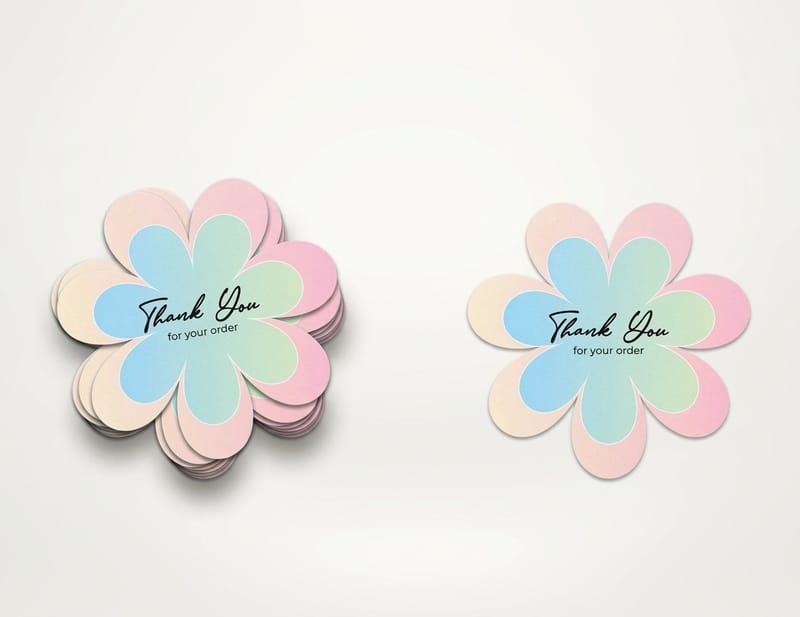
Sticker sheets put several designs on one page, which is the right format for a mail insert or a first-order thank you. One sheet gives someone a choice, and a choice gets kept. The limit is quantity: sheets start at $181.24, so they suit a shipping insert program rather than a handout at a single event. There are more placement ideas in our list of ways to use logo stickers.
Flyers still work, for one specific job
A flyer is not a general awareness tool and it never was. It works when there is an event, a date and a door, which is exactly the job club flyers were built for at $16.48 a run on 14pt gloss. Hand one to somebody at the venue and it functions as proof the event is real.
The limit is distribution. A stack left on a counter converts far worse than the same stack handed over by a person, and the difference is not the artwork. Our flyer distribution practices cover the placements that justify the print run and the ones that fill a bin.
Totes and tees, the long-tail pieces
A tote is the slowest and most durable of these. Recycled tote bags at $22.73 get used weekly for years, and the recycled material is a claim that stands up when somebody checks it. More on the economics in our piece on branded tote bag benefits.
Tees carry the most risk and the most upside. Print two designs in small runs before you commit to a size curve, because the size distribution you guess is rarely the one people order. If you want more directions to test, our promotional t-shirt ideas and the printable Gen Z slang stickers both give you a starting point that costs nothing to try.
What Gen Z marketing advice gets wrong
Four claims turn up in almost every article on this topic, and each one costs money when you act on it. The correction matters more than the claim.
Gen Z only responds to digital, so print is money wasted on them.
They grew up inside the feed, so a screen ad is background noise. The printed object is the odd thing in the room, and odd things get photographed.
Print cannot be measured, so it never survives a budget review.
A separate QR and a separate landing page per drop tells you which venue, which campus and which design produced orders. Print with no code is the thing that cannot be measured.
Being authentic means writing in a casual, meme-heavy voice.
It means making a claim someone can check. "Recycled cotton, printed one side" beats "eco friendly", and a stated material beats a slogan every time.
Merch has to be given away free or nobody takes it.
A tee somebody paid for is a stronger signal than one they were handed at a booth. Sell the design people want and give away the sticker instead.
Run your first drop in four steps
A drop is a small print run placed in one specific room, with one code on it, so you learn something from it. Here is the sequence that keeps the cost low enough to repeat.
- 1
Pick one place, not one audience
A drop works when you can name the door it happens at: a campus print shop counter, a climbing gym, one record store. "Gen Z" is not a place. If you cannot say where the box goes, you are not ready to print it.
- 2
Print one handle onto the artwork
A QR that lands on the exact product, plus your name set large enough to read at arm's length. Some people scan; more of them read the name and search for it hours later, and that second group only finds you if the wordmark is legible.
- 3
Order the smallest run that reaches the whole room
Count the people who will actually be there, add a third, and print that. Circle stickers start at $23.88, so a first test costs less than the design time you already spent.
- 4
Change one thing and run it again
Same venue, different design, or same design, different venue. Two drops with one variable between them tells you more than six drops with everything changed at once. Log the scan counts before you reorder.
Sticker pricing and specs at 4OVER4.COM
Die-cut sticker pricing moves with size, face stock, cut and quantity. The configurator sells 16 preset sizes from 2 x 2 to 11 x 11 inches on six face stocks, from uncoated label to white vinyl and clear, with a basic or complex custom shape, and the standard run ships in 5 business days. The numbers below come from the live configurator, so you can set a budget before you commit to artwork.
Quantity and price
Die-cut sticker pricing and specs
Real configurator numbers, where a larger run pulls the per unit cost down and the cut follows your own outline.
| Quantity | Price Per Unit | Total |
|---|---|---|
| 25 | $3.73 | $93.37 |
| 50 | $1.91 | $95.56 |
| 100 | 100.0¢ | $99.95 |
| 200 | 56.3¢ | $112.59 |
| 300 | 41.4¢ | $124.13 |
| 400 | 33.9¢ | $135.65 |
You can also earn coins on every order and redeem them against later runs, which matters when a drop program means reordering the same sticker four times a year.
Face stock and finish for things people carry
A sticker on a water bottle lives a harder life than one on a notebook. Paper face stock, the uncoated and semi-gloss label options, lifts at the edges once it meets condensation, while white vinyl permanent or a BOPP film shrugs it off, and a laminate takes the abrasion instead of the ink. Pick white vinyl repositionable for a laptop lid, where the owner may want to move the sticker later. Hi-gloss label lifts color and photographs well, which matters when the whole point is that somebody posts a picture of it. Matte cuts glare and reads calmer in a bright room.
Print it
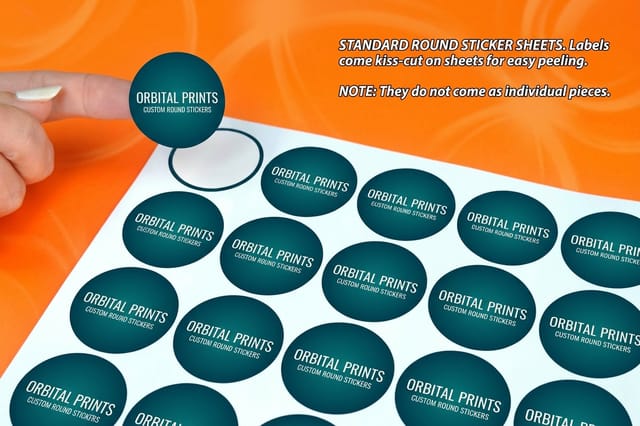
Circle stickers, ready to place
Preset round sizes, the cheapest way to get a design onto laptops and bottles this month.
The same logic applies to apparel and bags. A tee gets washed, so the print method decides whether the design survives twenty cycles or five. A tote gets loaded with groceries, so the seam and the handle matter more than the artwork. Ask what the piece has to survive before you pick the stock, because a cheaper spec that fails in a month costs more than the run you saved on. For a printed handout to match the merch, flyer printing covers the stocks and sizes.
What to print, by business type
The right first piece depends on where your customers already gather. A short breakdown by business type.
- Apparel and streetwear. Sticker packs in every order, then tees as the paid product. The sticker earns the placement, the tee earns the margin, and both carry the same wordmark.
- Music venues and promoters. Club flyers for the date, die-cut stickers for the act. The flyer expires the night of the show; the sticker keeps working on a laptop for a year.
- Cafes and food brands. A tote for the regulars and a sticker sheet on the counter. Print the neighborhood name, not just yours, because people carry the place they live.
- Campus and student groups. The cheapest possible sticker run per event, with a unique QR each time. Four drops with four codes tells you which faculty building actually converts.
- Gyms and studios. Tees people would wear off site, sold rather than given. A logo across the chest stays in the locker; a good design walks around town.
Blanks for a drop you decided on yesterday
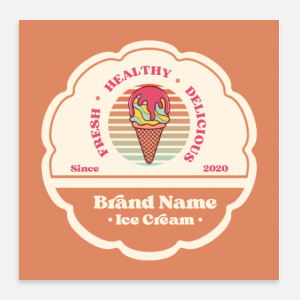
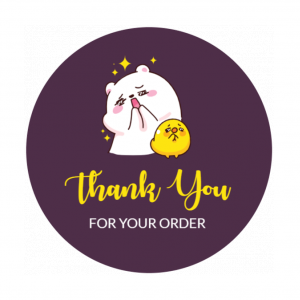
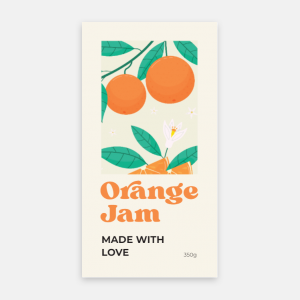
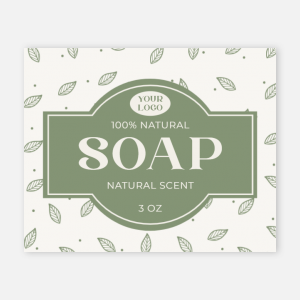
Open the blank that matches the size you will order. 4OVER4.COM sizes its blanks to exact product specs, so die-cut sticker blanks follow the 2 x 2 to 11 x 11 inch range and sticker sheet blanks run from 5 x 7 to 11 x 11 inches, each with the cut line and bleed already marked. Pull one from the blank template library before you start the layout, and a first drop of 25 die-cut stickers costs $93.37 while 25 sheets cost $181.24.
Start fast
Sticker templates and print-ready blanks
Design templates and exact size blanks so your cut line and bleed are right the first time.


Wally plans the drop before he prints it
One room, one code, one variable at a time
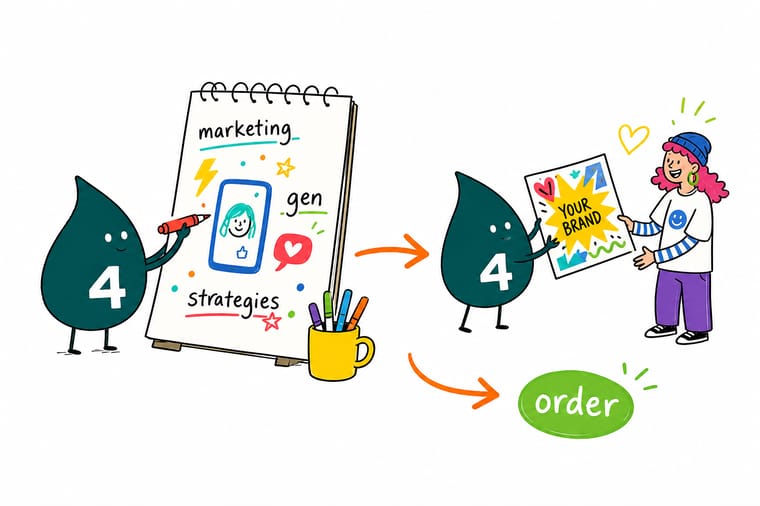
Pick the single place your customers already gather, then print the smallest run that reaches everyone in it. Put a QR on the artwork that lands on the exact product, and set your name big enough to read at arm's length. Test the joke on circle stickers from $23.88 before you risk it on a full run of tees, and change one thing per drop so the numbers mean something. 4OVER4.COM prints stickers, tees, totes and flyers fast enough to run the next drop while the last one is still on laptops.
Order circle stickers →What to remember about marketing to Gen Z
Design rules that hold across every piece
- Legible at arm's length. If your name only reads when the object is six inches from a face, it is decoration. Set the wordmark large enough to survive a phone camera and a bad light.
- One QR, one destination. Point the code at the exact product or the exact page for the drop. A code that lands on a homepage trains people to stop scanning your codes.
- Print the joke on the cheap item. Slang ages in weeks. Put it on stickers where being wrong costs $23.88, and keep the tee design something you would still sell next year.
- Name the material on the piece. Recycled cotton, 14pt gloss, uncoated. A spec is checkable and a slogan is not, and Gen Z checks.
- Change one variable per drop. Same venue with a new design, or the same design at a new venue. Two runs with one difference between them is a test; six with everything changed is a guess.
Explore more
More ways to print and promote
Sticker sheets run 25 for $181.24 in 5 business days and recycled totes 1 for $22.73 in 7.
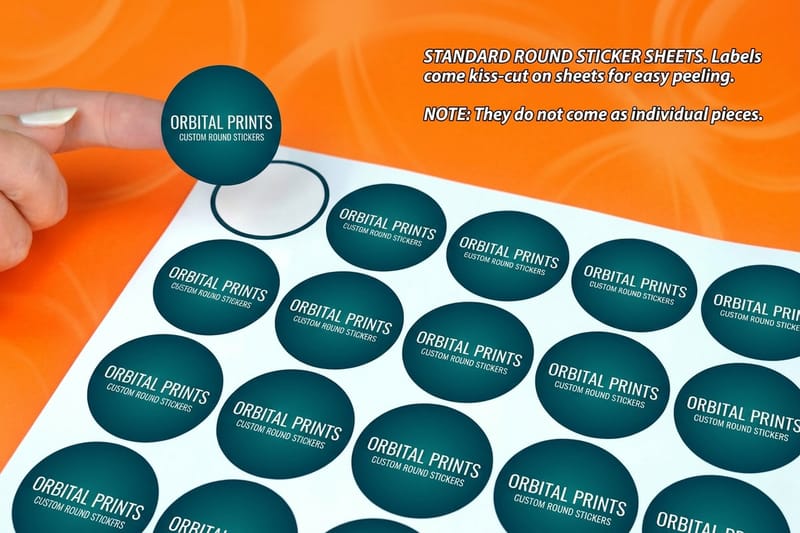 Product Round Stickers The cheapest way to test a design in public, from $23.88. Product Die-Cut Stickers Cut to your own outline so the shape carries the brand. Product Premium T-Shirts Printed cotton tees for merch people actually wear. Product Recycled Tote Bags A material claim that holds up when somebody checks it.
  Product Club Flyers 14pt gloss handbills for a date, a door and an event.
  Category Sticker Printing Every shape, face stock and finish in one place.
 Ready to print your first drop?
Pick the piece, drop in your design or a free template, and 4OVER4.COM prints it sharp on stock that survives a laptop lid, a wash cycle or a grocery run.
Common questions about marketing to Gen Z
What actually works when marketing to Gen Z in 2026?
Give them a physical object worth keeping, then make sure the object can be traced back to you. Stickers, tees and totes get carried in public and photographed, which is reach you did not have to rent. The part most brands miss is the handle: a QR code that lands on the exact product rather than a homepage, and a wordmark set large enough to read at arm's length. Without those two things a sticker can be seen a hundred times and produce nothing you can count. Start small, because circle stickers at $23.88 and club flyers at $16.48 make a real test cheaper than a week of paid social.
Why does print work on a generation that grew up online?
Because they have seen more advertising than any cohort before them, so a screen ad reads as background before the message lands. A printed object is the unusual thing in the room. It also lasts: a tote gets used weekly for years and a laptop sticker stays visible for as long as the laptop does, while an impression is gone in a second. The honest limit is speed. Print builds a name slowly and you cannot switch it off, which makes it a poor fit for a dated promotion and a strong one for building recognition.
How do I measure a print campaign aimed at Gen Z?
Use a different QR code and a different landing URL for every drop, then compare scans and orders per drop. Same artwork at two venues tells you which venue works; two designs at one venue tells you which design works. Change one variable at a time or the numbers mean nothing. A scan is a deliberate act, which makes it a cleaner signal than an ad impression, and the reason print gets called unmeasurable is almost always that nobody printed a code on it.
Should Gen Z merch be given away or sold?
Sell the good stuff and give away the cheap stuff. A tee somebody paid for is a stronger signal than one handed over at a booth, because the purchase proves the design was wanted rather than tolerated. Stickers are the opposite: they cost little, they get placed within a day, and a free one buys you placement on a laptop that no ad slot can match. A practical split is free stickers in every order and a paid tee as the product.
How many stickers or tees should I order for a first run?
Count the people who will genuinely be in the room, add about a third, and print that number. New brands routinely order thousands of a design that changes after the first month of feedback, because the unit price looks better at volume. It is a false saving. Run a small first order to see whether the design gets placed and whether the QR gets scanned, then reorder at volume once the artwork has survived contact with real people.
Is it safe to print Gen Z slang on merch?
It is safe on stickers and risky on apparel, and the difference is production time. A phrase can age two months between approval and delivery, which is survivable when the piece costs $23.88 and disposable by design, and painful when it is a full size run of tees. Put the joke on the cheap item and keep the tee design something you would still sell in a year. Check the phrase is still in use before the file goes to press, not before the design brief was written.
