
Custom Planner Printing and Why Creators Print Their Own


Emma is our prepress and print production voice, built from the knowledge of our production team, with over 20 years in printing.
Why Creators Print Their Own Planners Instead of Reselling Someone Else’s
A planner is one of the few paper products people carry every day for a year. That is why a printed planner outsells a downloadable one so consistently: buyers are paying for the object, the paper feel, and the way it lies open on a desk at 7 a.m. Once you print your own, you control the grid, the page order, the language, and the margin on every unit sold.
The other reason is ownership. Reselling a stock planner means competing on price with everyone else carrying the same book. A planner you designed becomes a product only you can supply, which is what turns a seasonal spike into a repeat line with refills, inserts, and next-year editions.
Across its whole catalog, 4OVER4.COM has printed more than 10 billion cards and print products since 1999. That is a company count, and the same production habits that keep a business card sharp keep a 200 page planner readable: calibrated color, tight registration, and consistent trim. Whatever you print, the four decisions below are the ones that decide whether your first run feels like a real book or a stapled stack of pages.
Decide who the planner is for before you design a page
A teacher planner, a fitness log, and a real estate CRM planner share nothing but paper. Write the buyer and the daily use in one sentence, then let that sentence decide the page count, the grid, and whether the book needs to survive a backpack.
Pick the binding early, not at the end
Binding drives page count limits, spine width, cost per unit, and whether the planner lies flat. Choosing it after the layout is finished usually means redoing margins, and that is the most common reason a first planner run gets delayed.
Choose paper by pen, not by price
Ask what people will write with. Fountain pens and gel pens need heavier, less absorbent stock. Pencil and ballpoint users can live with lighter paper and a thinner, lighter book that costs less to ship.
Size the run to your real demand
Short runs cost more per copy but let you fix the layout after real feedback. Long runs earn the better unit price and only make sense once a proof has been used for a full month by someone who is not you.
Shop the build
Custom printing collection
Covers, brand pieces, stickers, and packaging for a planner line, all in one place.
Binding Options and How Each One Changes the Planner
Binding is the single biggest fork in a planner build. It sets how flat the book opens, how thick it can get, whether pages can be removed, and how the spine reads on a shelf. Every option below is standard in commercial book printing, so the choice is about the user, not about availability.
A quick way to decide: if the planner is written in daily at a desk, prioritize lay-flat. If it travels in a bag, prioritize durability and a protected spine. If it is a premium gift, prioritize the spine print and the cover finish.
- Saddle stitch. Folded and stapled through the spine. Cheapest, best for slim quarterly or 13 week planners up to roughly 64 pages, and page counts must be divisible by four.
- Spiral coil. A continuous plastic coil through punched holes. Opens completely flat, folds back on itself, forgiving on page count, and the usual choice for daily and undated planners.
- Wire-O and twin loop. Double loop metal wire. The same lay-flat behavior as coil with a cleaner finish and better resistance to crushing in a bag.
- Perfect bound. Pages glued into a wrapped cover with a printable flat spine. Looks like a retail book, best from about 60 pages up, but it does not lie flat without breaking the spine.
- Case bound. Sewn or glued into a rigid hardcover. The premium tier for gift and legacy planners, with the highest unit cost and the longest production time.
- Disc and ring systems. Punched pages on discs or a binder. The only format where buyers rearrange and refill, which opens an ongoing insert business.
One practical note that saves reprints: coil, wire-O, and disc systems punch through the inner margin, so the gutter needs extra room. Give the inside margin at least a quarter inch more than the outer margin, and keep no text or checkbox inside that zone.
Print picks
Three pieces every planner line needs
Live prices, ready to customize with your own artwork and quantity.
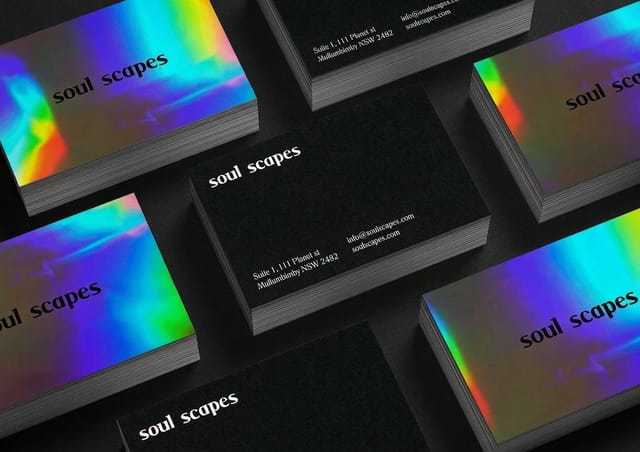 Custom Business Cards 100 for $17.57 Test your planner brand on a small run before you commit to a full print.
 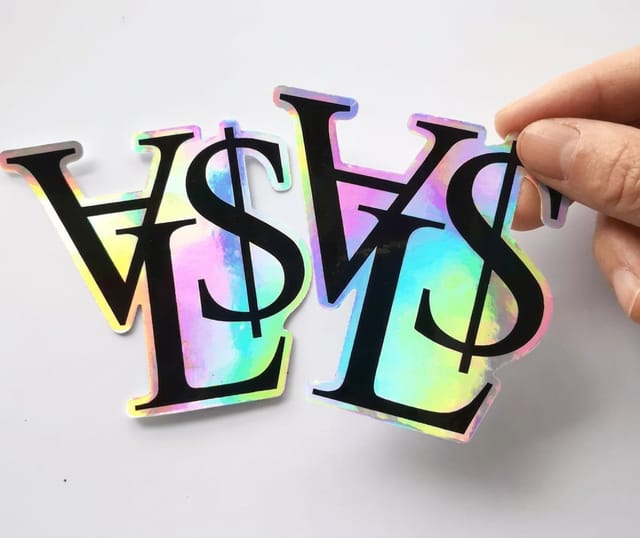 Custom Holographic Stickers 100 for $322.98 Sticker sheets and dashboards that sell alongside every planner you ship.
 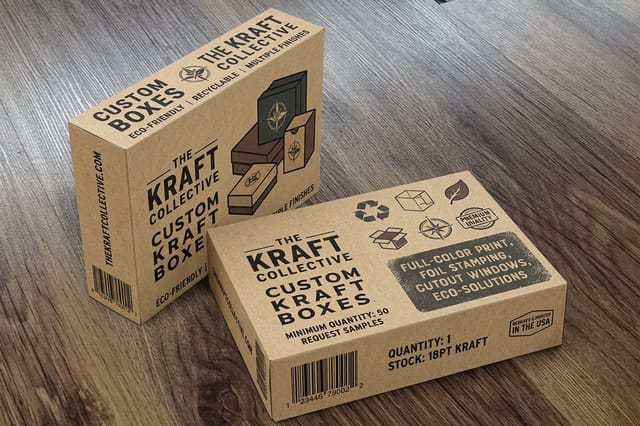 Custom Kraft Boxes 250 for $711.78 Retail-ready packaging so the planner arrives looking like a real product.
 Paper Weight, Brightness, and the Ghosting Problem
Ghosting is when writing on one side shows through on the other. It is the complaint that shows up in planner reviews more than any other, and it is decided entirely by the interior stock you pick before the file ever goes to press.
Text weight is measured in pounds. Lighter text stock keeps the book slim and cheap to ship but shows pen through. Heavier stock feels substantial, hides ink, and adds both spine thickness and shipping weight. The sweet spot for most written planners sits in the middle.
- 60 lb uncoated text. Light and economical, fine for pencil and ballpoint, noticeable show-through with gel and marker.
- 70 lb uncoated text. The common planner default. Enough body for most pens, still slim enough for a 200 page book.
- 80 lb uncoated text. Thicker in the hand, handles gel and fineliner cleanly, adds real thickness and cost per copy.
- Coated stocks. Great for full color layouts and photography, poor for handwriting because ink sits on the surface and smears.
Two more choices matter. High brightness paper makes color pop but can glare under office lighting, while a warmer, softer white is easier to read for long stretches. And if your grid is a light gray, print a proof before you commit, because a dot pattern that looks perfect on a backlit screen often disappears on uncoated paper.
Covers, Laminates, and the First Ten Seconds
The cover carries the entire perceived value of the planner. Buyers judge it by touch before they open a single page, and a cover that scuffs in week two undoes a year of good interior design. Cover stock is heavier than interior stock, usually in the 12 pt to 16 pt range, and it almost always needs a protective finish.
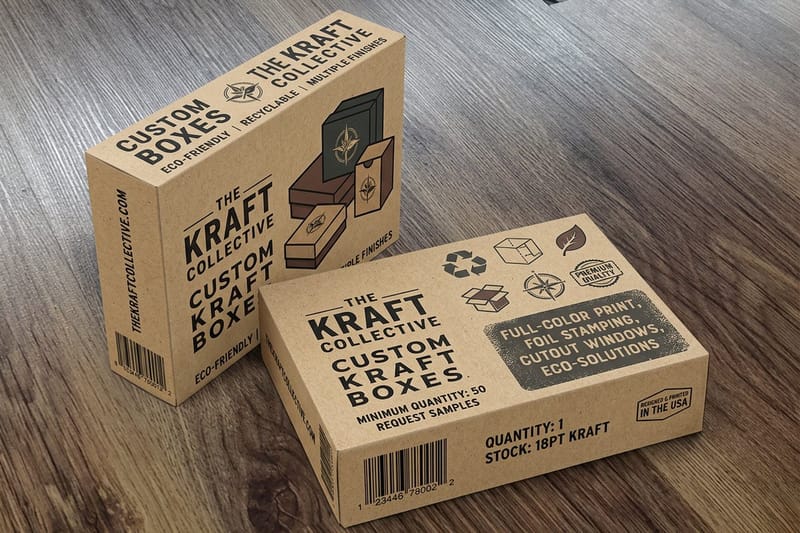
Match the finish to the promise. A minimalist brand reads best on soft touch matte. A bold, colorful planner earns its color from gloss. A rugged field notebook belongs on natural kraft, where the fibers do the work and small marks look intentional rather than damaged.
- Soft touch matte laminate. Velvety, fingerprint resistant, and the finish most premium planners use.
- Gloss laminate. Maximum color saturation and the most scratch resistance for a book living in a bag.
- Spot UV. Selective shine over a logo or title while the rest stays matte, a cheap way to look expensive.
- Foil accents. Metallic type or a monogram that reads as gift quality on a hardcover or heavy softcover.
- Poly or vinyl covers. Waterproof and near indestructible, ideal for job site, gym, and field planners.
Small extras finish the object: a rounded corner die keeps the cover from dog-earing, a printed inside cover adds a pocket or a year-at-a-glance, and a matching sticker sheet or belly band turns a book into a set. If you are shipping direct to buyers, the packaging is part of the cover experience too.
Sizes, Page Counts, and Planning the Layout
Planner sizes are conventions, not rules, but staying near a convention keeps your product compatible with the accessories people already own: pen loops, sleeves, laptop bags, and desk footprints. Pick a size, then build the page count around the calendar structure rather than the other way around.
A dated twelve month daily planner needs roughly 365 day pages plus monthly spreads, notes, and front matter, which pushes past 400 pages and rules out saddle stitch immediately. A weekly planner covers the same year in about 110 pages and stays comfortable in coil or perfect binding.
- Pocket, about 4 x 6 in. Carry-everywhere logs, habit trackers, and gratitude journals.
- A5, about 5.8 x 8.3 in. The global planner standard, big enough to write in and small enough to carry.
- Half letter, 5.5 x 8.5 in. The North American equivalent of A5 and easy to trim from letter stock.
- Letter, 8.5 x 11 in. Desk and academic planners with wide weekly grids and project boards.
Before you build 300 pages, build ten: a cover, a month spread, a week spread, a day page, and the notes page. Print that sample, live with it for a week, and fix the grid while fixing it is still cheap. Use the pricing and specification tables below to see how quantity and stock move the unit cost as your page count grows.
Quantity and price
Live pricing and specifications
Real configurator numbers. The more you order, the lower every single unit costs.
| Quantity | Price Per Unit | Total |
|---|---|---|
| 100 | 17.6¢ | $17.57 |
| 200 | 11.5¢ | $23.07 |
| 300 | 9.15¢ | $27.46 |
| 400 | 7.96¢ | $31.86 |
| 500 | 7.25¢ | $36.26 |
| 600 | 6.77¢ | $40.64 |

White Label Planners and the Reseller Math
White label means the planner ships with no printer branding, so a coach, studio, agency, or school can put its own name on the cover and sell it as its own. It is the fastest route to volume, because one design can serve dozens of clients with only the cover and a handful of branded pages changing.
The economics are simple. Your interior stays fixed, which keeps prepress work near zero on repeat orders, and each client pays for the cover swap plus their run. The margin lives in the fact that the design cost was already paid on the first job.
- Build a base interior once. An undated grid with no year printed on it can be sold for years without a redesign.
- Keep the branded pages together. Put the client logo on the cover, page one, and the back page only, so a swap takes minutes.
- Quote in tiers. Publish 25, 50, 100, and 250 unit prices so clients can see what the next tier saves them.
- Charge for the proof. A paid physical proof filters out clients who were never going to place the full order.
- Own the reorder. Store the file, set a reminder before the season, and pitch the reprint before the client remembers to ask.
One more habit that pays for itself: send every client something small with your own brand on it, not theirs. A card in the box is how the office manager who unpacks 200 planners learns who printed them, and that is how the next order arrives without a bidding process.
White label extras
Custom holographic stickers
A finish clients notice instantly, and the easiest branded add-on to sell beside a planner.

Add-Ons That Raise the Price a Buyer Will Pay
Once the book itself is right, the profit usually comes from what surrounds it. Add-ons cost far less than the planner to produce, ship in the same box, and give returning customers something new to buy in the months when nobody is shopping for a new planner.
Pick two or three that fit how your buyer actually works. A student planner does not need a shipping box upgrade, but it might sell three sticker sheets a semester. A corporate gift planner is the opposite: one unit, one order, and the packaging carries the impression.
- Sticker and dashboard sheets. The highest margin planner accessory and the easiest repeat purchase.
- Refill and insert packs. Only possible with disc or ring binding, and they turn one sale into a subscription.
- Printed pockets and bookmarks. Cheap to add during production, and they make the planner feel finished.
- Branded packaging. A printed box protects the corners in transit and doubles as the unboxing moment buyers photograph.
Finish the package
Custom kraft boxes
Protect the corners in transit and give the planner an unboxing worth photographing, printed in your own artwork.
Comparing Planner Formats Before You Commit a Run
Comparing on paper beats guessing. Line up the two or three formats you are considering and score each on the things that actually cost money later: lay-flat behavior, maximum page count, durability in a bag, spine printability, and unit price at your real order quantity.
Most first-time planner makers over-index on looks and under-index on lay-flat. If someone has to hold the book open with one hand while writing with the other, they will stop using it by February, and a planner that goes unused never gets reordered.
- Daily desk planner. Coil or wire-O, 70 lb interior, soft touch cover, high page count, lay-flat is non negotiable.
- Weekly carry planner. Perfect bound or wire-O, A5, gloss or soft touch laminate, rounded corners for bag life.
- Quarterly or 13 week planner. Saddle stitch, slim, low cost per unit, ideal as a lead magnet or a bundled add-on.
- Premium gift planner. Case bound, foil on the cover, ribbon marker, printed in smaller runs at a higher price point.
- Refillable system. Disc or ring, punched inserts, highest lifetime value because the buyer keeps coming back for pages.
Compare options
Popular custom formats, side by side
Stock, finish, size, quantity, turnaround, and price lined up in one table.
 free business cards | 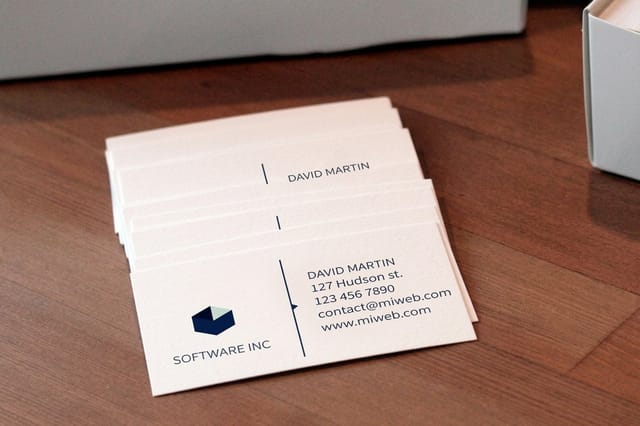 Standard Business Cards |  3D Lenticular Business Cards | 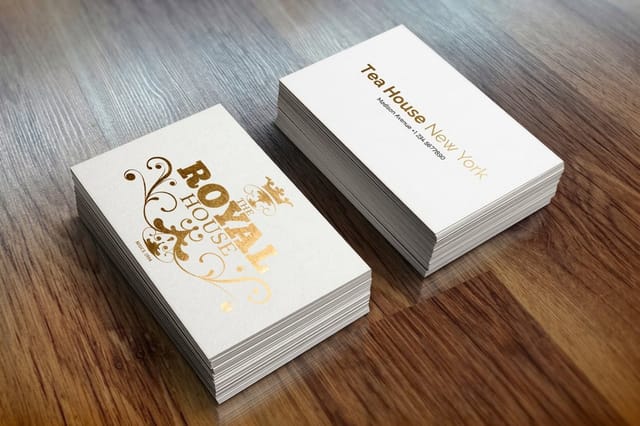 Metallic Foil Business Cards | |
|---|---|---|---|---|
| Min price | Free | $17.57 | $690.88 | $222.13 |
| Paper / stock | 14pt Gloss Cover | 14pt Gloss Cover | 31pt Lenticular Lens | 16 Point Silk Laminated |
| Finish | - | Standard Finish | - | - |
| Size | 2" x 3.5" | 2" x 3.5" | 2" x 3.5" - Vertical | 2" x 3.5" |
| Default qty | 200 | 100 | 500 | 500 |
| Turnaround | 5 business days | 3 business days | 22 business days | 7 business days |
| Rating | ||||
| View & customize | View & customize | View & customize | View & customize |
Getting the Files Right and Placing the Order
Good files are the difference between a two day turnaround and a week of back and forth. Export a print-ready PDF, keep every page the same trim size, and remember that a planner is one long document where a single misnumbered page repeats across hundreds of copies.
Start from a print-ready layout, drop your grid and cover art in, and check the proof at full size rather than zoomed out on a laptop. Order a physical proof for the first run of any new planner, because paper color, grid contrast, and cover finish all read differently in your hand than on a calibrated screen.
The prepress checklist that prevents reprints
- Bleed and safety. Extend art an eighth of an inch past the trim, and keep text a quarter inch inside it.
- Gutter allowance. Add extra inner margin for coil, wire-O, and disc punching so nothing gets holed.
- Color mode and resolution. Convert to CMYK and keep raster art at 300 dpi at final size.
- Fonts and blacks. Embed or outline every font, and set body text in plain black rather than a rich black build.
- Page order. Supply single pages in reading order, and confirm the page count matches the binding rules.
Templates and exact-size blanks below take most of the guesswork out of the setup. Build the file, order one proof, live with it for a week, and only then place the run that goes to your customers.
Start fast
Templates and print-ready blanks
Free layouts plus exact-size blanks so your bleed, safety, and trim are right before you export.
Wally walks you through your planner build
Binding first, then paper, then the cover that carries the price
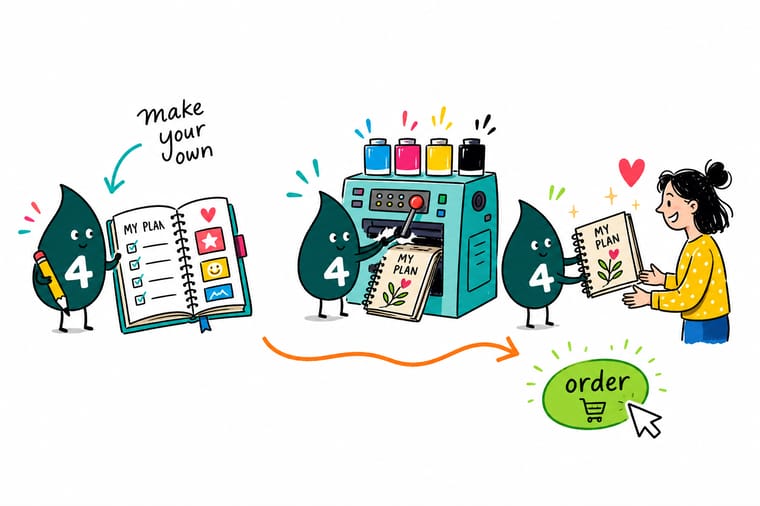
Planners fail on mechanics, not on looks. Decide the binding before you design a page, because it sets your page count ceiling and your gutter margins. Pick interior paper by the pen your buyer uses, not by the lowest price. Then spend the money on the cover, where every buyer forms an opinion in the first ten seconds. Print one proof, use it for a week, and fix the grid before the full run.
Start your custom print run →Planner Printing Takeaways Worth Keeping
Guides
Guides that pair with a planner build
Tags, stickers, and small-format runs that round out a planner product line.
Guide Custom Branding Tags Guide Hang tags and brand marks that finish a printed product. Guide Custom Printed Product Tags Tag your planner sets for retail and wholesale buyers. Guide How to Make Custom Sticky Notes The easiest add-on to bundle with any planner order. Guide How to Make Custom Coasters Another small-format print run for desk and gift sets. Explore more
More print work that supports a planner business
Metallic foil cards run 500 for $222.13 in 7 business days, the finish a planner cover borrows from.
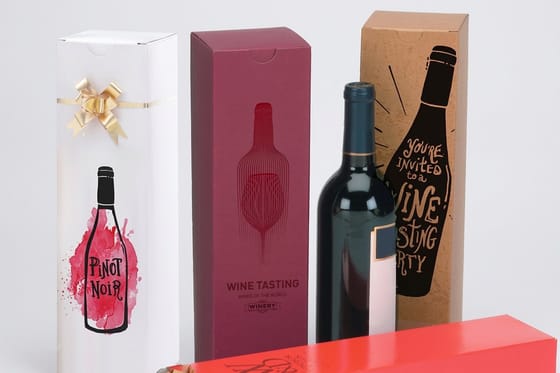 Article Custom Wooden Wine Boxes That Make Gifting Unforgettable Custom wooden wine boxes turn one bottle into a keepsake gift. Compare engraving, sliding lids, hinged styles,
  Article How to Stack Daily Deals and Coins on a Custom Printing Order How daily deals, coins and quantity breaks combine on a 4OVER4.COM order, and the order to apply them in so th
  Collection Custom Printing Collection Every custom print format under one roof. Product Custom Business Cards Test your planner brand on a low-cost run.
 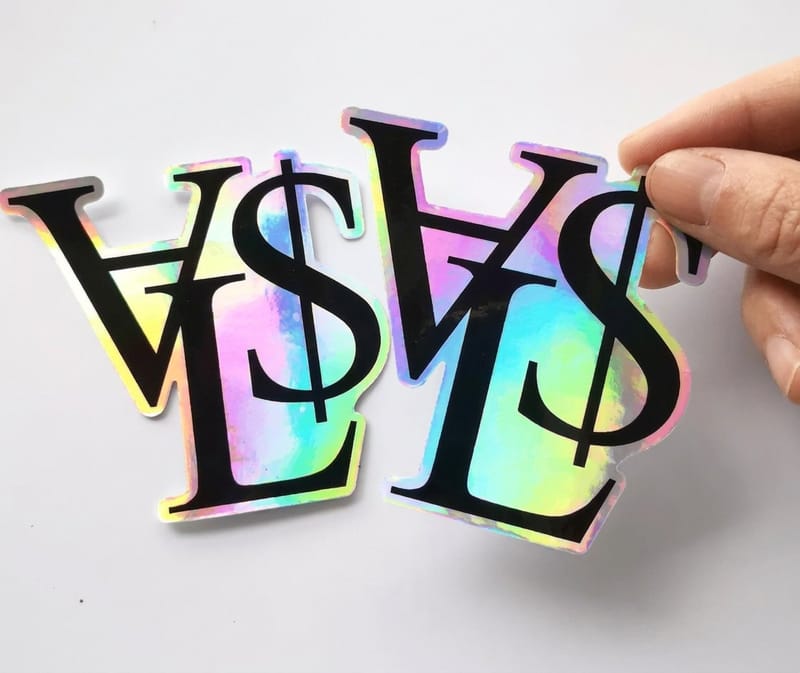 Product Custom Holographic Stickers Sticker sheets that sell beside every planner. Product Custom Kraft Boxes Retail packaging for shipped planner sets.
  Guide Custom Branding Tags Tag a planner line for shelves and wholesale. Guide Custom Printed Product Tags Product tags that carry price and brand.
  Guide How to Make a Custom Tablecloth Booth setup for selling planners at markets.
  Guide How to Make Custom Sticky Notes The simplest planner add-on to produce.
  Guide How to Design Your Own Mug Build a desk bundle around the planner.
 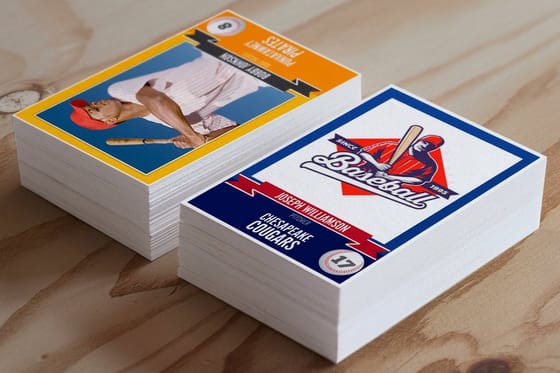 Guide How to Make Custom Baseball Cards Small-format card printing, start to finish.
 Ready to turn your planner file into a real printed book?
Lock the binding, choose the interior stock, pick a cover finish, and order a proof. Once it feels right in your hands, run the full quantity with confidence.
Custom Planner Printing Questions, Answered
What are planner manufacturers and what do they actually do?
A planner manufacturer is a commercial printer that produces your planner from your files: printing the interior pages, printing and finishing the cover, binding the book, trimming it to size, and packing it for delivery. Some also handle prepress checks, physical proofs, punching for disc or ring systems, and white label packing so nothing in the box carries their name. You supply the design and the specification, they supply the press time, the binding equipment, and the quality control. See every cover and spine option in our custom planner printing and binding collection. For the surrounding brand pieces, see our custom printed product tags guide.
How do I choose the right planner manufacturer for my project?
Start with binding, because not every printer runs every format. Confirm they handle the binding you need at your page count, then ask for a physical proof before any full run. Check the interior paper weights they stock, whether they can print a spine, and how they handle files that arrive slightly out of spec. Ask about turnaround at your quantity, reprint policy on production errors, and whether they ship blind or white label if you are reselling.
What does custom planner printing cost and how is the price set?
Price is built from page count, trim size, interior stock, cover stock and finish, binding type, and quantity, and quantity moves it more than anything else. The same planner can drop a large amount per copy between 25 and 250 units because setup cost spreads across the run. Small format brand pieces show the pattern clearly: Custom Business Cards start at $17.57, Custom Holographic Stickers start at $322.98, and Custom Kraft Boxes start at $711.78, with the per-unit number falling as the quantity climbs.
What sizes, stocks, and finishes are available for a custom planner?
Common trims are pocket at roughly 4 x 6 in, A5 at 5.8 x 8.3 in, half letter at 5.5 x 8.5 in, and letter at 8.5 x 11 in, and custom trims are possible when the binding allows it. Interiors usually run 60 lb to 80 lb uncoated text, with heavier stock reducing show-through. Covers sit around 12 pt to 16 pt with soft touch matte, gloss, spot UV, or foil accents, plus optional rounded corners and printed inside covers.
How long does it take to print and ship a custom planner order?
Turnaround depends on binding, quantity, and finishing. Saddle stitched and coil bound books move fastest because they need the least drying and setup time, while perfect bound and case bound books add days for glue curing and cover assembly. Foil, spot UV, and custom die work add a step each. Build in time for a physical proof before the run, and place seasonal planner orders well ahead of the fourth quarter, when every printer runs at capacity.
