
Types of Greeting Cards, Flat vs Folded, and When to Use Each


Sofia is our design and templates voice, built from the knowledge of our production team, with over 20 years in printing.
A flat card is a single printed panel with no score and no fold, printed on the front or on both sides. Folded cards crease open to reveal an inside spread. This guide breaks down both types, the sizes and stocks behind them, and the simple rule for choosing the right one for weddings, holidays, thank-yous, and business.
Greeting cards come in two core types: flat cards, a single rigid panel printed front and back, and folded cards, which crease into a cover and an inside spread. Choose flat when a photo or a single bold design carries the message, and choose folded when you need room to write. From there, size, paper stock, and finish shape how formal or festive the card feels. 4OVER4.COM prints both types to order, choosing from the 60+ stocks across its catalog: 20 for flat thank you cards and 12 for folded notecards.
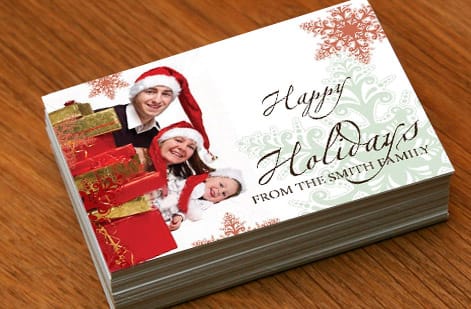
Flat card, defined
What is a flat card
A flat card is one piece of card stock, cut to its finished size and printed on the front or on both sides, with nothing scored and nothing folded. Our flat thank you cards come in 4.25" x 5.5", 5" x 7" and 6" x 6" on 20 stocks, from 13pt uncoated to 26pt Metallic Pearl Ice, and 25 cards start at $19.77 with a 3 business day turnaround. The folded version, our folded notecards, starts as an 8.5" x 5.5", 10" x 7" or 12" x 6" sheet scored to half that width, runs 25 for $38.22 and takes 5 business days.
Quick tips
How to choose between flat and folded cards
A flat greeting card, also called a flat face card, is one panel with no fold, printed on one or both sides. A folded card is scored and folds to a cover plus an inside spread, four printable surfaces instead of two. Pick flat or folded first, then size, stock, and finish. Flat cards are faster and more affordable and let a single design do the talking, which is why they win for photo cards, save-the-dates, and high-volume business greetings. Folded cards give you an inside spread for a longer message, so they suit invitations, birthdays, and keepsake thank-yous. 5x7 is the most common size in both builds and mails in an A7 envelope, with A2 at roughly 4.25 by 5.5 inches for shorter notes, and a folded 5x7 is simply a 10x7 sheet folded down. Across its catalog 4OVER4.COM prints on 60+ premium stocks, from everyday matte to velvet soft-touch and raised foil; the flat thank you cards alone offer 20 of them and the folded notecards 12.
The two families of greeting cards: flat and folded
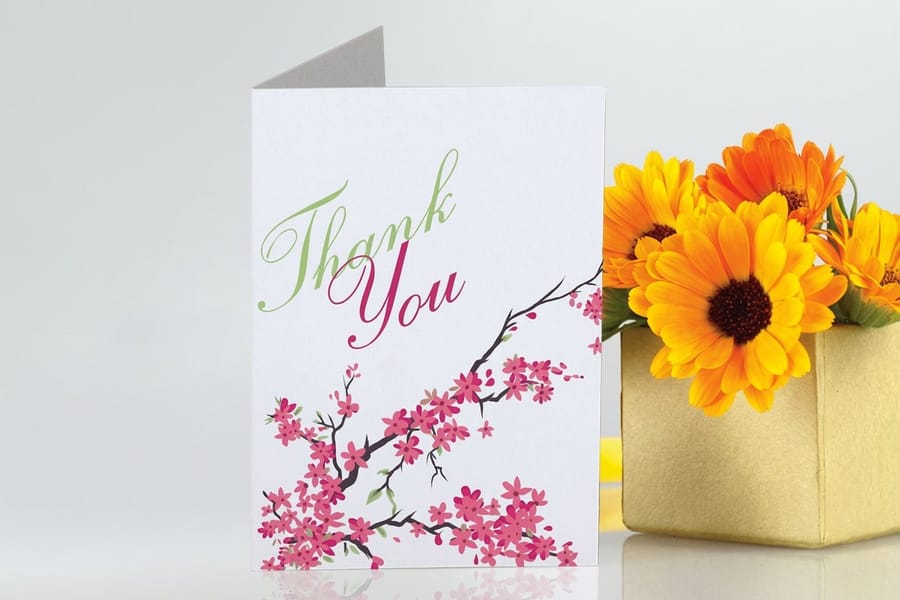
Whatever the occasion or the finish, a greeting card belongs to one of two families. A flat card is a single stiff panel, printed on the front and the back, that behaves like a premium postcard: order a flat 5" x 7" and you get a 5" x 7" panel, trimmed and done. A folded card is scored and creased down the middle, so it opens into a cover and an inside spread and gives you four surfaces instead of two. A folded 5" x 7" starts as a 10" x 7" sheet, and you choose whether it ships scored flat or folded to size.
That one structural difference decides almost everything else: how much you can say, how formal the card reads, what it costs, and how fast it prints. Once you know which family fits your message, choosing a size, a stock, and a finish becomes easy. You can browse both builds side by side in 4OVER4.COM greeting card printing, and every folded format lives together in the folded printing collection.
The rest of this guide walks through each type, the fold styles and sizes behind them, the paper and finish choices that change the feel, and a plain rule for picking the right card for weddings, holidays, thank-yous, and business.
What a flat greeting card, or flat face card, is and when it wins
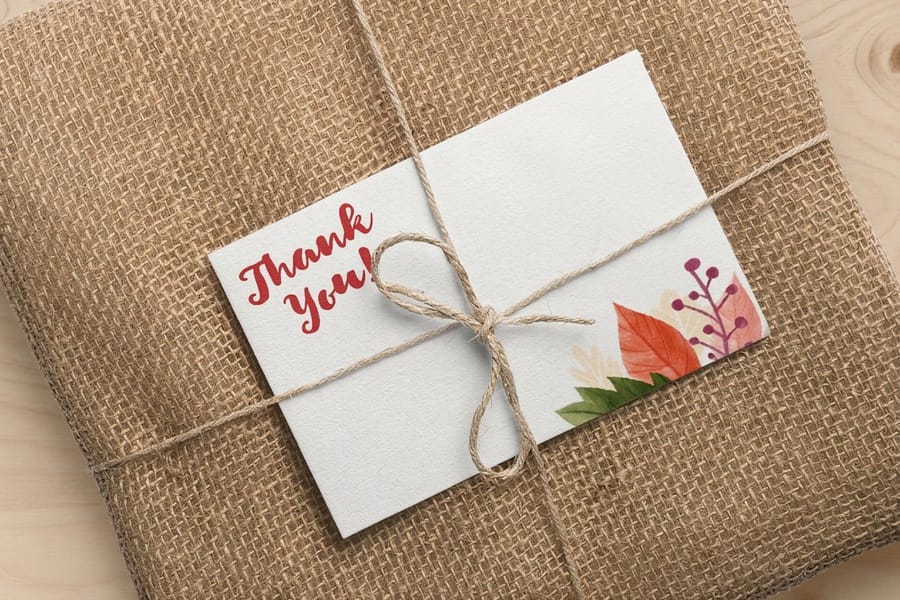
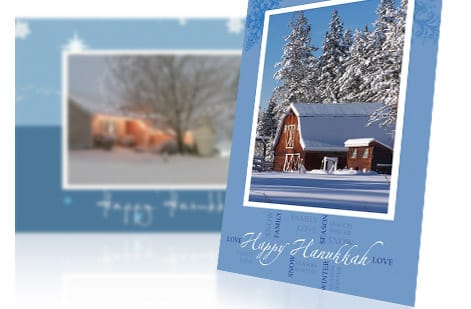
A flat greeting card, also called a flat face card, is a single panel of card stock with no fold, printed on one side or on both. There is nothing to open, so the front carries the design and the back carries the message, your logo, or the address block.
A flat card is one solid panel with two print sides. There is no inside, so the design has to land in a single glance, which is exactly why flat cards feel so clean. When the visual is the whole point, the flat format lets it breathe without a crease running through the middle.
Flat cards print in the same sizes as folded ones. 5x7 is the common size because it frames a photo well and mails in an A7 envelope, A2 at roughly 4.25 by 5.5 inches suits short notes and RSVP cards, and A6 sits between the two. Any of the 60+ stocks at 4OVER4.COM will run flat, from clean matte and gloss to uncoated writable stocks that take pen ink, plus kraft, velvet soft-touch, metallic, and raised foil. The flat thank you cards themselves offer 20 of those stocks, from 13pt to 26pt.
Flat cards win when speed, cost, and a single strong image matter more than a long message. Reach for one in these cases:
- Photo holiday cards where a family portrait or brand shot fills the front edge to edge.
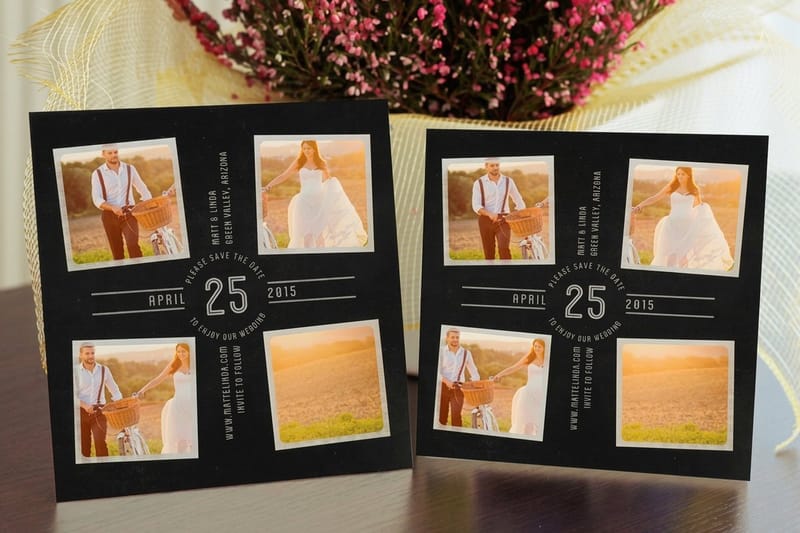
- Save-the-dates and announcements that carry a date and a short line, not a story.
- High-volume business greetings mailed to a large client list, where price per unit is the deciding factor, and one panel with no scoring keeps a flat card under the same card folded.
- Enclosure and thank-you cards that slip into a package, like 4OVER4.COM flat thank you cards.
Know the trade-off before you commit: with no inside, a handwritten note has to share the back with the address block, so keep the right half of the back clear if the card mails on its own rather than riding inside an envelope.
Because a flat card is essentially a heavyweight card built to be seen, it overlaps with formats like postcards and formal flat wedding invitations. If you are sending a birth announcement, the flat format keeps the baby photo front and center.
What a folded greeting card is, and when it wins
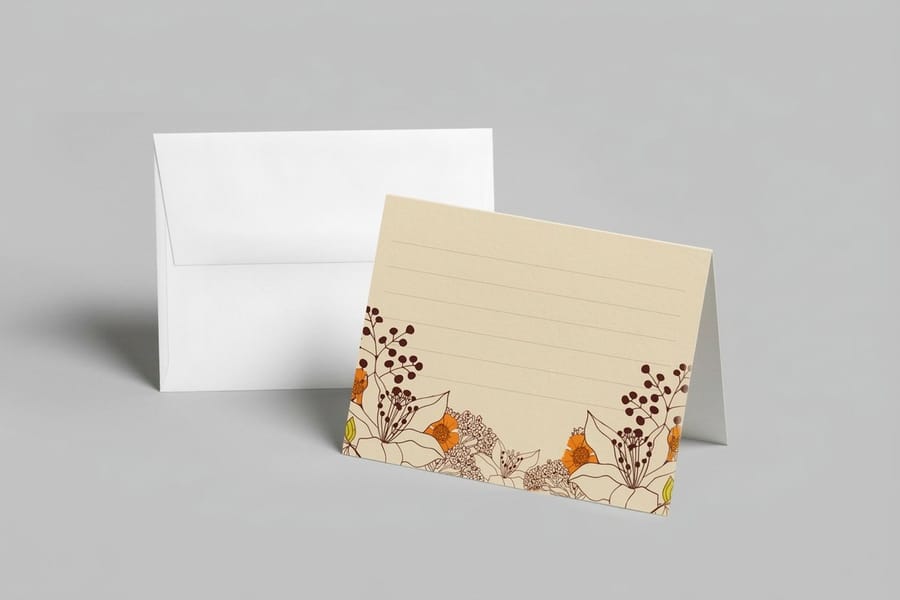
A folded card adds a crease and, with it, an inside. That inside spread is the whole reason folded cards feel more personal and more formal. You get a cover to set the tone, an interior for the real message, and a back panel for a logo or a small note. Four surfaces instead of two changes what the card can do.
A folded card is always named by its finished, closed size, so a folded 5x7 starts as a 10x7 sheet that is scored and folded down. That extra paper and the scoring pass are what a folded card costs you over a flat one, and the two inside panels are what you get back, as on 4OVER4.COM folded notecards.
Folded cards win whenever the words carry the moment or the piece needs to feel like a keepsake:
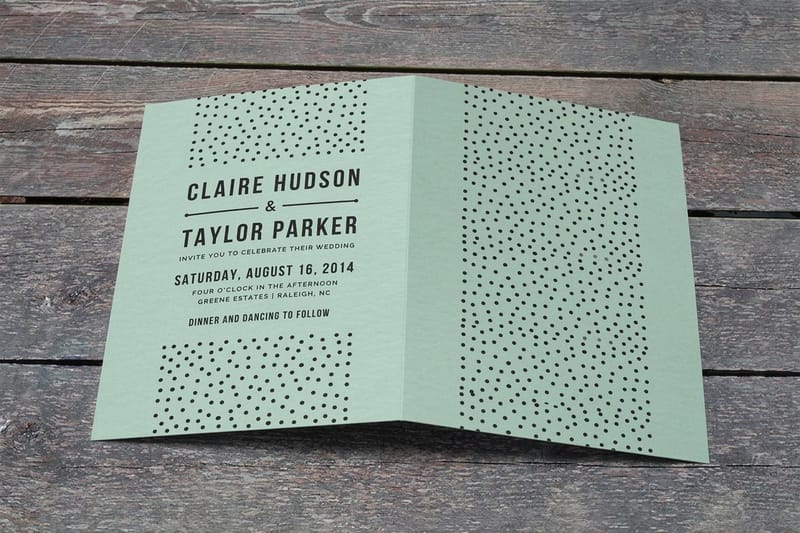
- Formal invitations that list a date, time, venue, and RSVP details across the inside, like 4OVER4.COM folded invitations.
- Birthday and celebration cards where a handwritten note inside is the gift.
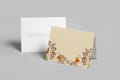
- Keepsake thank-you cards and notecards such as folded notecards, meant to be kept rather than tossed.
Weddings live almost entirely in the folded world, which is why the invitation printing range leans this way and why timing guides like when to send wedding invitations exist. Need help with the wording for the inside? The 4OVER4.COM piece on writing thank you notes is a good place to start.
Fold styles and the anatomy of a card
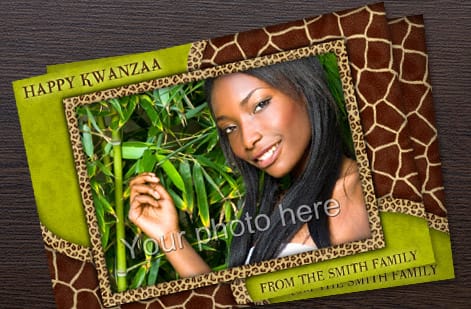
Most greeting cards use a single center fold, but the format has a few relatives worth knowing. The diagram below shows the difference between a flat panel and the most common folded builds.
The single fold is the default: one crease, four surfaces, and the layout behind most invitations and notecards. A gate fold adds two flaps that meet in the middle for a dramatic reveal, while a French fold folds twice into quarters and is popular for delicate, letterpress-style pieces. If folds are new to you, the 4OVER4.COM guide on how to fold a brochure walks through scoring and grain direction, both of which apply to cards too.
Sizes and orientation, decoded
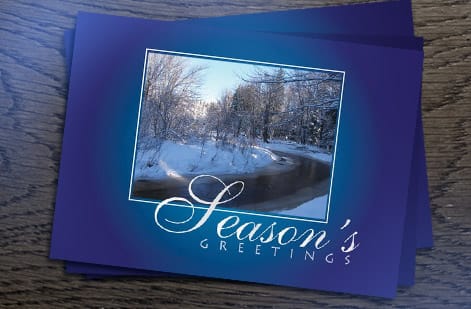
Once you have picked flat or folded, size and orientation set the personality. The size names come from the envelopes they fit, which is why they look cryptic at first.
- A2, about 4.25 by 5.5 inches: the compact note. Ideal for RSVP cards, enclosure notes, and short thank-yous.
- A6 and A7: the middle ground for everyday cards and slightly larger invitations.
- 5x7: the all-purpose favorite. It reads formal, frames a photo beautifully, and is the default for wedding and holiday cards.
Orientation is the quiet decision that changes the mood. Portrait feels classic and traditional, which suits invitations and formal announcements. Landscape feels modern and cinematic, which pairs well with wide photos and design-forward holiday cards. A folded card can open along the top or the side, and that choice alone shifts whether the piece feels like a note or a booklet.
These same sizes carry across related formats, so if you are also ordering notecards or postcards, matching the dimensions keeps a mailing feeling like one coordinated set.
Paper stocks and premium finishes
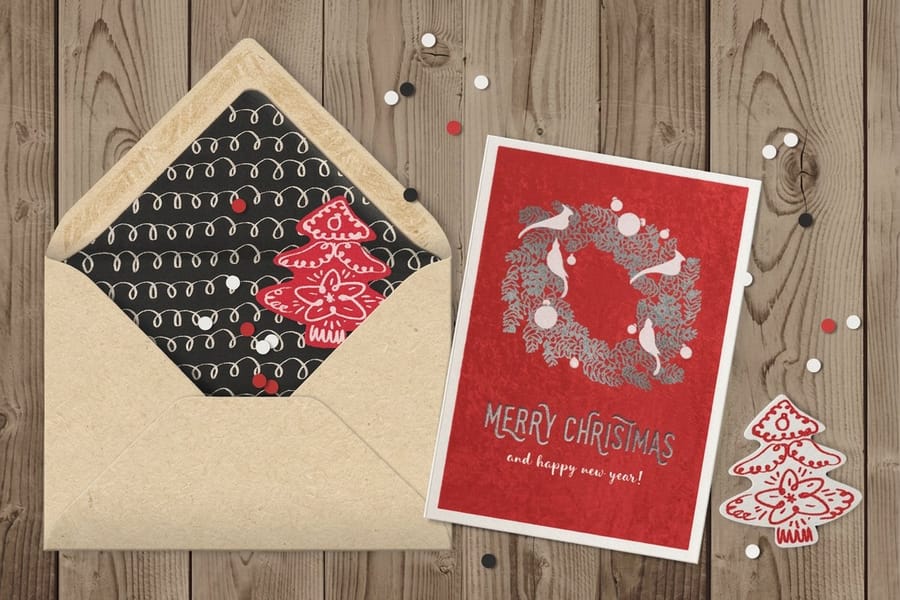
Format decides what a card can say. Paper and finish decide how it feels in the hand. The same folded 5x7 reads as a casual note on the default 14pt Gloss Cover and as a keepsake on 18pt Premium White Linen or 15pt Metallic Pearl Gold. Folded notecards offer 12 stocks, from 13pt Uncoated Cover (100% PCW) up to 18pt, and flat thank you cards add eight more, among them 16pt Uncoated with Soft Touch, 18pt Kraft and 24pt Ultra Thick Gloss Cover, for 20 in all.
Start with the base stock. Coated matte and gloss keep photos crisp, while uncoated and writable stocks are better when someone will handwrite a message inside. Heavier weights signal quality the instant a card is picked up. The 4OVER4.COM breakdown of the best paper for printing is a quick way to match weight and coating to the job.
Then layer on a finish if the moment deserves it. Kraft brings a warm, natural texture. Velvet soft-touch, like these velvet greeting cards, feels like suede and practically begs to be touched. Raised foil and spot UV add shine and dimension to a monogram or a title. Browse the tactile options together in the velvet cards printing collection, and remember that every finish is available on both flat and folded builds inside greeting card printing.
When to use each: a quick guide by occasion
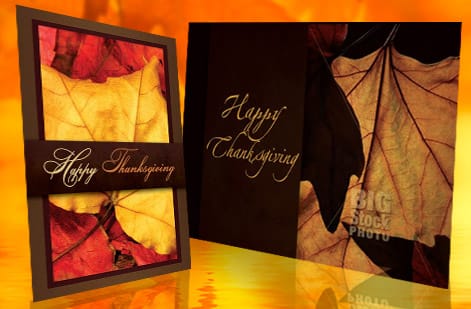
The shortcut: match the occasion to the format and you rarely go wrong.
- Weddings and formal events: folded, almost always. The inside carries details, and the format signals the occasion matters. See the wedding printing collection, and pick a typeface with help from the guide to the best wedding fonts for invitations.
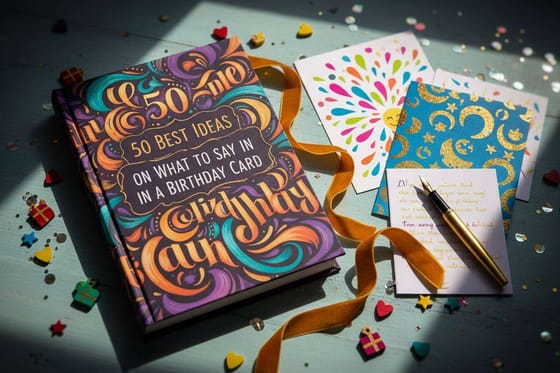
- Birthdays and celebrations: folded, because the handwritten note inside is the point. Stuck on wording, browse what to say in a birthday card.
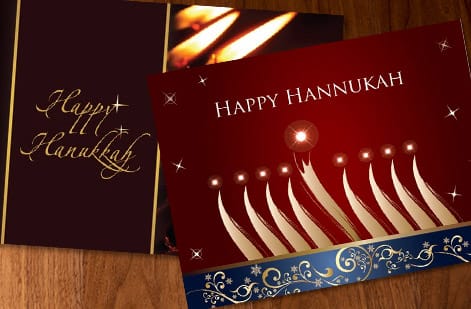
- Holiday and Christmas cards: either one works. Go flat for a photo-forward family card, folded for a longer greeting. The Christmas printing collection covers both.
- Thank-you cards: folded for a keepsake, flat for a quick enclosure. See thank you card printing for the full range.
- Business and corporate greetings: flat for large, cost-sensitive runs, folded when the relationship warrants a personal note.
Still torn between formats for a single event? Both flat and folded versions of most designs sit in the same catalog, so you can compare them directly in the invitations and cards shop before you commit.
What they cost, how fast they print, and how to choose
Cost follows structure. A flat card uses one panel and no scoring, so it prints cheaper than the same card folded: 25 flat thank you cards start at $19.77 in 3 business days, and 25 folded notecards start at $38.22 in 5 business days. Folded cards add the crease and the inside spread, and premium finishes like raised foil or velvet add production steps that show up in both the price and the turnaround. Velvet greeting cards, for example, start at 500 cards and take 7 business days. Quantity is the biggest lever of all: the price per unit drops steeply as the run grows, which is why bulk holiday and business orders are the most economical way to print.
When you cannot decide, do what the pros do and hold the paper first. 4OVER4.COM sends free paper samples so you can feel the weight and finish before you commit a full run. To lay out your card without design software, the browser-based online designer handles both flat and folded templates and sends the file straight to print.
The rule of thumb: let the message pick the format, let the occasion pick the finish, and let 4OVER4.COM greeting card printing handle the rest.
Wally explains flat vs folded
Let the message pick the fold
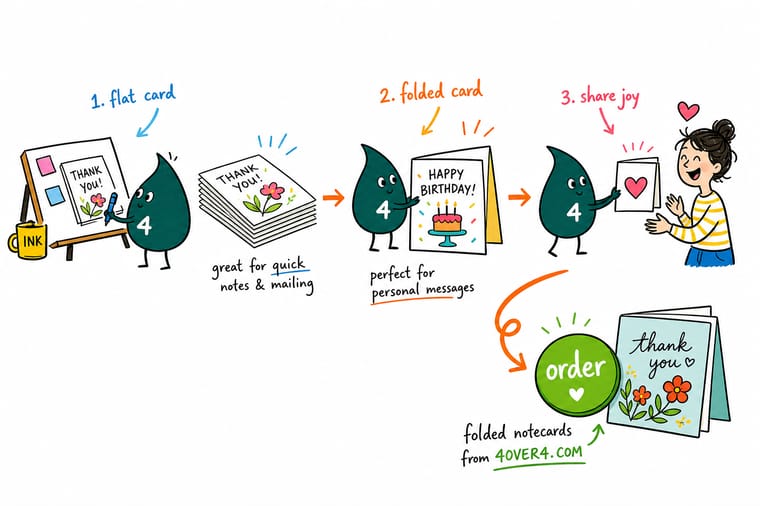
Wally sorts it in one move: if a photo or a single line says it all, print flat and let the design shine. If you have something to write inside, fold it and use the spread. Weddings and heartfelt notes go folded, save-the-dates and photo holiday cards go flat, and the finish is what makes either one a keeper. When you are ready, 4OVER4 prints both on 60+ stocks.
Shop folded cards →%22%2F%3E%3Ccircle%20cx%3D%2241%22%20cy%3D%2245%22%20r%3D%2226%22%20fill%3D%22%2314b8a6%22%20opacity%3D%220.15%22%2F%3E%3Ccircle%20cx%3D%2280%22%20cy%3D%2262%22%20r%3D%2226%22%20fill%3D%22%2314b8a6%22%20opacity%3D%220.1%22%2F%3E%3Crect%20x%3D%2271%22%20y%3D%2221%22%20width%3D%2226%22%20height%3D%2232%22%20rx%3D%224%22%20fill%3D%22%2314b8a6%22%20opacity%3D%220.08%22%20transform%3D%22rotate(6%2080%2030)%22%2F%3E%3C%2Fsvg%3E)
Specs and pricing
Folded notecard specs and live pricing
Folded notecards run 25 for $38.22, which is $1.53 each, with specs and price-per-unit below. Flat versions of most cards run a little less, while folded formats add the inside spread you write on.
| Quantity | Price Per Unit | Total |
|---|---|---|
| 25 | $1.53 | $38.22 |
| 50 | $1.34 | $67.22 |
| 100 | 93.6¢ | $93.58 |
| 200 | 60.0¢ | $119.94 |
| 300 | 48.8¢ | $146.30 |
| 400 | 43.2¢ | $172.67 |
| 500 | 39.8¢ | $199.03 |
| 600 | 38.2¢ | $229.34 |
Print it
Order flat and folded greeting cards at 4OVER4
Flat thank you cards come in 4.25" x 5.5", 5" x 7" and 6" x 6" from $19.77 for 25. Folded notecards come in the same three finished sizes from $38.22 for 25, shipped scored flat or folded to size, with matching white wove envelopes as an option. Greeting card printing starts at 50 folded cards for $56.02.
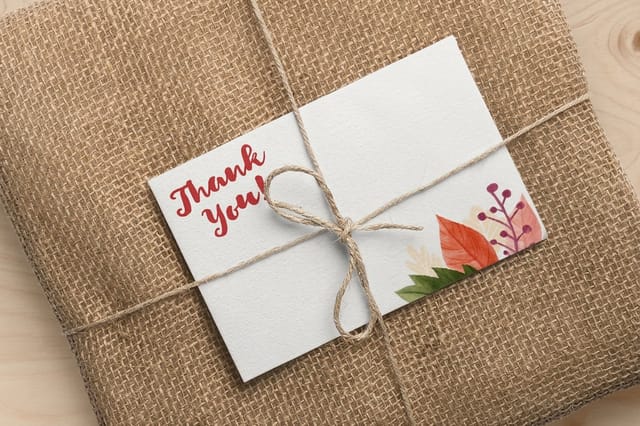
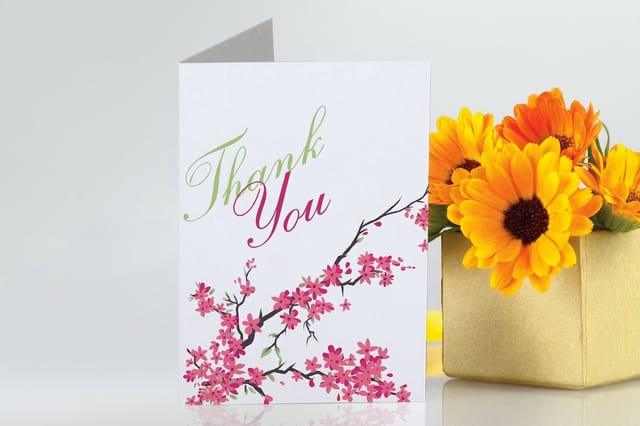
See it in use
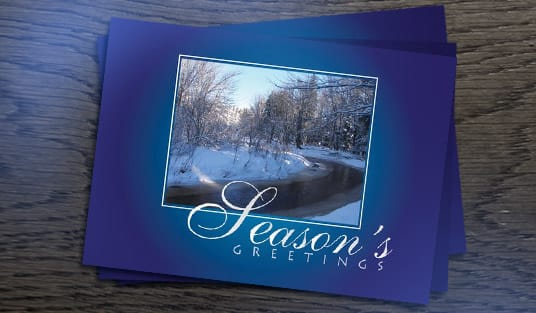
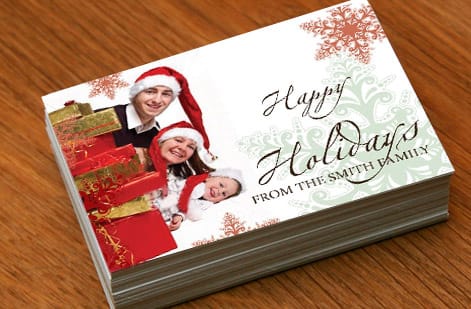
Flat and folded cards we printed for customers
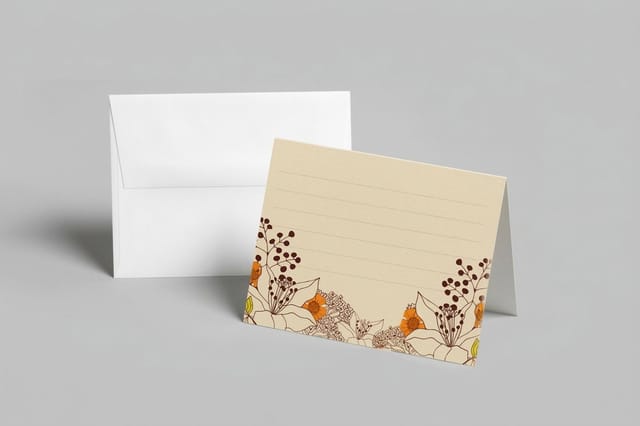
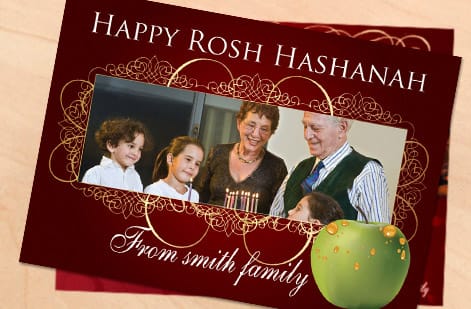
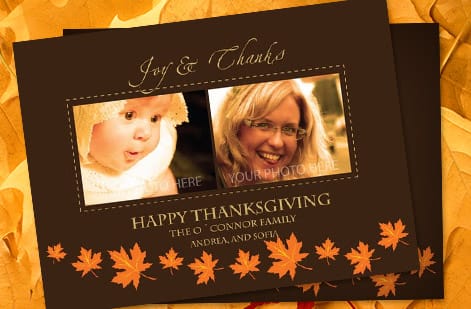
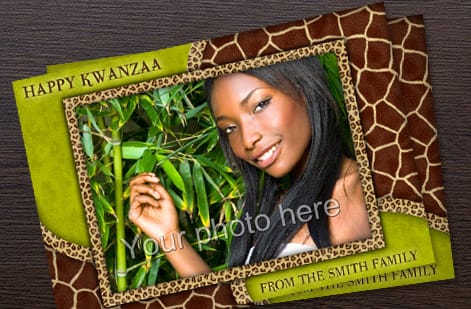
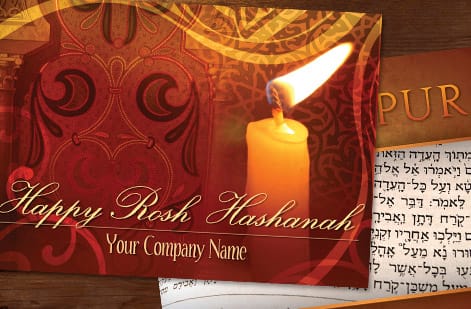
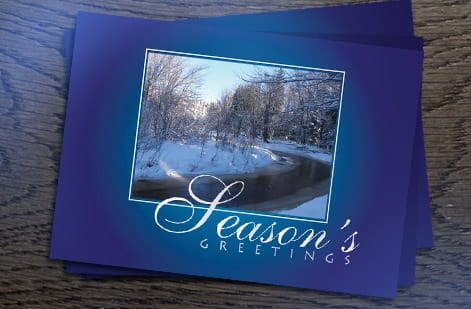
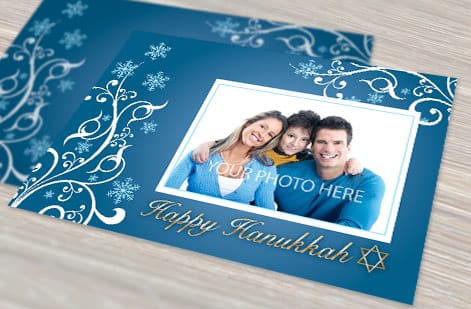
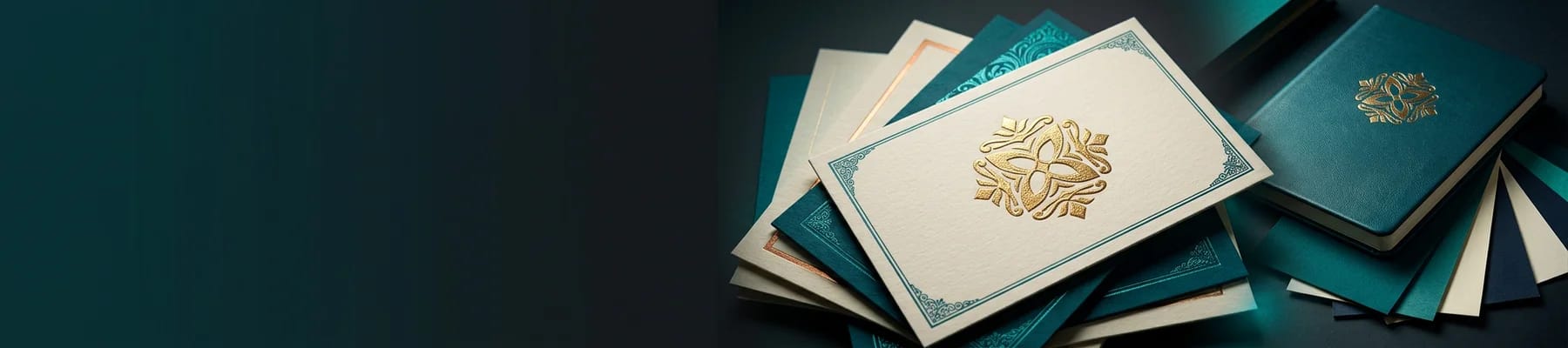
Customer greeting card orders printed in-house, flat and folded. Hold each cover against the sizes above: 4.25" x 5.5" for notes, 5" x 7" for photos and invitations, 6" x 6" for square designs.
Explore more
Where to go next

By the numbers
A2, A6 and 5x7 across 60 stocks
Common Questions
Common questions about greeting card types
What is a flat face card?
A flat face card is another name for a flat greeting card: a single panel of card stock with no fold, printed on the front, or on the front and the back. Because there is no inside, the front carries the design and the back carries your message, your logo, or the address block, so it behaves like a heavyweight postcard. Printers use the term to separate it from a folded card, which is scored and opens to four printable surfaces. At 4OVER4.COM a flat face card runs in the same sizes as a folded one, 5x7 down to A2 at roughly 4.25 by 5.5 inches, on any of the 60+ stocks including kraft, velvet soft-touch, metallic, and raised foil.
Which is cheaper, a flat or a folded greeting card?
Flat is the cheaper of the two at the same size, stock, quantity, and finish, because a flat card is one panel and skips the scoring and folding steps. A folded 5x7 also starts as a 10x7 sheet before it is folded down, so it uses more paper than a flat 5x7. Quantity moves the number far more than the format does: price per unit drops sharply as the run grows, which is why bulk holiday and business cards are the most economical way to buy either build. The live configurator on each product page shows the real price per unit for flat and folded as you change size, stock, finish, and quantity, so you can compare the two before you commit.
What are the main types of greeting cards?
The two core types are flat and folded. A flat card is a single rigid panel printed on the front and back, so it works like a heavyweight postcard. A folded card creases into a cover and an inside spread, which gives you four printable surfaces. On top of that split, 4OVER4.COM offers finish families such as kraft, velvet soft-touch, metallic, and raised foil, all of which come in both flat and folded builds.
Should I choose a flat or folded greeting card?
Start with the message. If a photo or a single bold design carries the whole idea, a flat card is faster, cheaper, and cleaner. If you need room to write a note, list event details, or create a keepsake, a folded card gives you the inside spread to do it. Weddings and formal invitations lean folded, while save-the-dates and photo holiday cards lean flat.
What do custom greeting cards cost, and how is pricing set?
Price is driven by size, quantity, paper stock, and finish, not by a flat per-card rate. Flat cards generally cost a little less than folded because they use one panel and no scoring. Ordering in larger quantities lowers the price per unit sharply, which is why bulk holiday and business runs are the most economical. The live configurator on each product page shows real price-per-unit as you change options.
What sizes, stocks, and finishes are available for greeting cards?
Common sizes run from A2 and A6 notes up to the popular 5x7 format, in portrait or landscape orientation. 4OVER4.COM prints on 60+ paper stocks, from clean matte and gloss to uncoated writable stocks, plus premium options like kraft, velvet soft-touch, and raised foil. You can mix a stock and a finish on either a flat or a folded card, so the format and the feel are separate choices.
How long does greeting card printing take to produce and ship?
Turnaround depends on the stock and finish you pick. Standard flat and folded cards move fastest, while specialty finishes such as raised foil and velvet add production time. You will see the available turnaround options and shipping estimates in the configurator before you check out, and 4OVER4.COM ships from its Queens, New York facility with a 99.8% on-time record.
What is the standard greeting card size?
There is no single standard, but 5x7 is the most common all-purpose size because it feels formal, frames a photo well, and fits A7 envelopes. A2, which is roughly 4.25 by 5.5 inches, is the go-to for compact notes and RSVP cards. Folded cards are usually described by their finished, closed size, so a folded 5x7 opens to a 10x7 flat sheet before folding.
Can I print greeting cards in bulk for my business?
Yes, and bulk is where custom cards make the most sense for companies. Client holiday cards, thank-you notes, and event invitations all drop in price per unit as the quantity climbs. Print one consistent design across a large run, add your logo and brand colors, and every card that lands in a mailbox reinforces the same identity.
Get Started
Order 50 greeting cards from $56.02, flat or folded
Pick flat or folded, choose your size and finish, and we print crisp, keepsake-quality cards on premium stock, shipped fast.
Legal Disclaimer
Gold Standard guarantees apply to all standard orders placed through 4over4.com. Price match requires verifiable proof of a competitor's published price for an equivalent product with matching specifications and turnaround time. Satisfaction guarantee covers manufacturing defects and print quality issues. Contact support with order number and documentation.
