
How to Remove Stickers From Glass (5 Easy Ways)


Jordan is our labels, packaging and sustainability voice, built from the knowledge of our production team, with over 20 years in printing.
Old price tags, faded decals, and window stickers all come off glass with a little know-how. Five methods below run from the gentlest soak to the strongest solvent, so you start soft and escalate only if you have to. When you print the replacement, a die-cut sticker on White Vinyl Repositionable or a clear sticker on clear cling label lifts off the glass without the scraping.
The fastest way to remove a sticker from glass is to soak it in warm soapy water for a few minutes, then peel slowly at a low angle. If it resists, soften the adhesive with vinegar or rubbing alcohol, or warm it with a hairdryer. Clear any leftover residue with alcohol, oil, or a commercial remover, and always use a plastic scraper on the glass, never metal. For a sticker on a car door or a steel appliance, read How to Remove Stickers and Sticky Residue From Metal.
Start here
Soak, soften, dissolve, then scrape with plastic
Start with the gentlest method and only escalate if you need to. Warm soapy water and a slow peel handle most stickers. Vinegar, rubbing alcohol, or a hairdryer soften the stubborn ones, and oil or a commercial remover clear whatever residue is left. Use a plastic scraper on the glass, treat coated glass and screens as delicate, and the whole job takes minutes.
What holds a sticker to a smooth pane of glass
A sticker has two layers: a paper or vinyl face on top and a layer of pressure-sensitive adhesive underneath. Press it onto glass and that adhesive flows into every microscopic pit in the surface, then cures and grips. The good news is that glass is smooth, so the glue bonds to the surface rather than soaking into it, and with the right approach almost anything comes off clean.
Two things make a sticker stubborn. Time, because adhesive keeps curing and hardening the longer it sits, and heat, because a windshield or a sunny window bakes the glue until it turns brittle and gummy at once. Cheap stock makes it worse, tearing into confetti and leaving the glue behind. A quality die-cut sticker printed on the right material peels in one piece, which is already half the battle.
The five methods below run from gentlest to strongest. Start soft, escalate only if you need to, and you protect both the glass and your patience. If you are removing a decal rather than a paper sticker, our guide on custom decals and the breakdown of vinyl decals vs stickers explain why the two behave a little differently.
The kitchen sink kit for sticker removal
Most of what you need is already under your sink: a plastic scraper or an old gift card, a microfiber cloth, dish soap, white vinegar or rubbing alcohol, a hairdryer, a little cooking oil, and a spray bottle of warm water. Keep a metal razor as a last resort only, and only for flat, uncoated glass, never for screens or eyewear.
Set yourself up to work patiently. Lay a towel down to catch drips, give each product a few minutes to do its job instead of forcing the sticker, and always test a solvent on a small corner first. If the glass is tinted, coated, or part of a screen, treat it like the delicate surface it is. When in doubt about how a clean finished job should look, our how it works overview shows the standard we hold our own prints to.
Five ways to take a sticker off glass, gentlest first. Stop at the first one that works.
- Soak it in warm soapy water. Hold a soaked cloth on the sticker for three to five minutes, then lift a corner with a plastic card and peel slowly at a low angle. This alone clears most paper stickers.
- Wipe on white vinegar or 70 percent rubbing alcohol. Give it two minutes to break the adhesive down, then wipe the softened glue away. Test a corner first on tinted or coated glass.
- Warm it with a hairdryer for 30 seconds. Heat softens cured glue, so lift a corner while the sticker is still warm and keep peeling in one continuous pull.
- Rub cooking oil or peanut butter into the residue. Leave it a few minutes, wipe it off, then wash the oil film away with dish soap so the glass dries clear.
- Use a commercial adhesive remover. Reserve it for cured, baked-on glue, the kind a windshield or a sunny window leaves behind, and follow the label on the bottle.
Scrape with a plastic card or an old gift card at every step. A metal razor is a last resort, on flat uncoated glass only, never on screens or eyewear.
Planning to replace what you are peeling off? This is the moment to design the new one. The 4OVER4 online designer lets you lay out a fresh clear sticker or circle sticker right in your browser, and you can order free samples to feel the stock before you commit to a run.
Method 1: Warm soapy water

Try water first on almost any sticker, because it clears the majority on its own. Fill a spray bottle or a bowl with warm water and a few drops of dish soap. Soak a cloth and hold it against the sticker, or spray the surface until it is saturated, then wait three to five minutes so the water works under the edges and softens the adhesive.
Once the sticker looks dark and waterlogged, lift a corner with your fingernail or the edge of a plastic card and peel slowly at a low angle. Slow is the trick: yank it and the face tears, pull it gently and it tends to release in one sheet. Re-wet and scrape away any glue that stays behind, then finish with a clean, dry microfiber cloth.
Warm soapy water is the safest option for delicate glass such as picture frames, mirrors, and drinkware, precisely because no harsh chemicals are involved. For the shapes and sizes that peel most easily, the sticker sizes chart is a handy reference before you print your next batch.
Method 2: Vinegar or rubbing alcohol
When water alone will not budge it, reach for a mild solvent. White vinegar and isopropyl (rubbing) alcohol both dissolve adhesive without harming glass. Soak a cloth or paper towel, press it flat over the sticker, and leave it for five to ten minutes so the solvent has time to break the bond. On a vertical window, tape the soaked cloth in place so it stays put while it works.
Peel the softened sticker away, then dampen the cloth again and rub the leftover residue in small circles until the glass squeaks clean. Alcohol evaporates fast and is excellent for glue haze, while vinegar is cheaper and gentler if you would rather avoid fumes. Either way, open a window, and skip the solvent entirely on tinted or laminated glass where it can dull the finish.
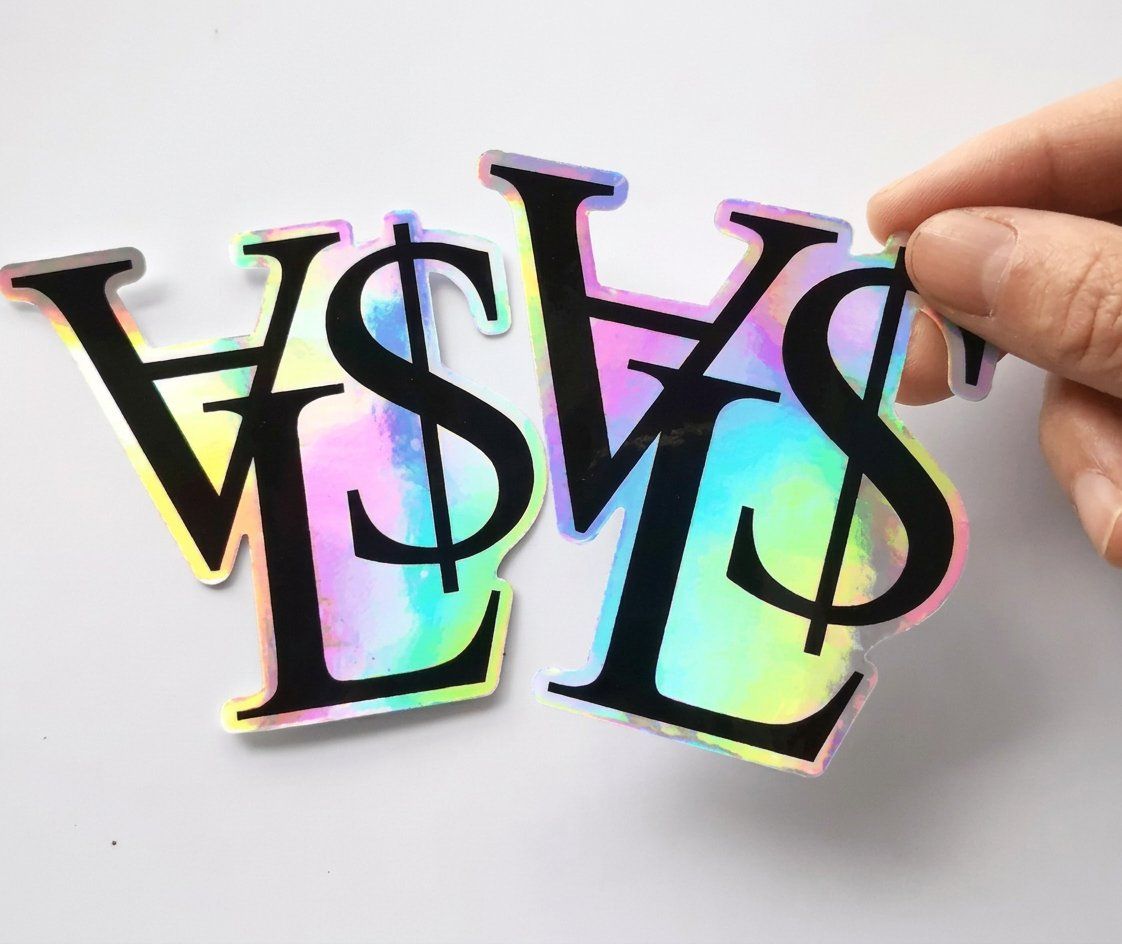
This is also the go-to method for the shiny films that resist water, like the ones behind holographic stickers. If you are curious why those particular films cling so hard, the article on how holographic stickers are made explains the layered construction.
Method 3: Heat from a hairdryer
A decal that has sat through a summer on a car window responds to heat better than anything. Set a hairdryer to medium, hold it four to six inches from the sticker, and warm it in slow passes for thirty to sixty seconds. The heat re-softens the cured adhesive so it releases its grip instead of shattering into flakes. A heat gun works too, but keep it moving on a low setting so you do not stress the glass.
As soon as the edge feels warm and pliable, slide a plastic scraper under a corner and lift while the glue is still soft. Work in sections, reheating as you go, and the sticker will roll up rather than tear. This is the method the pros use on car windows and long-stuck decals, and it pairs well with a quick solvent wipe for any residue left at the end.
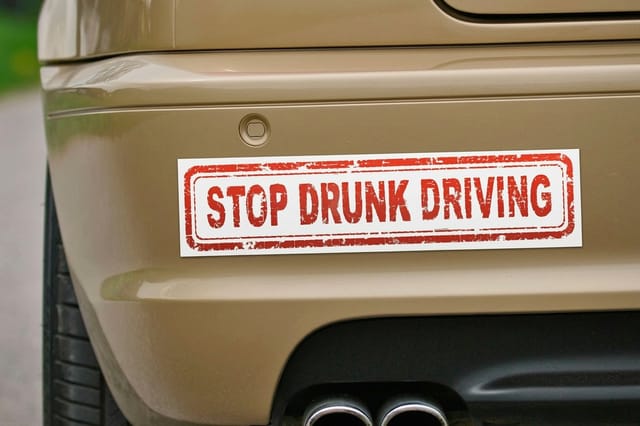
Heat is especially useful for larger pieces like a bumper sticker on a rear window. If you plan to reapply something in its place, our guide on applying vinyl cleanly covers getting a smooth, wrinkle-free finish.
Method 4: Cooking oil or peanut butter
Grease is the friendly enemy of adhesive. Cooking oil, olive oil, coconut oil, and even peanut butter all soak into the glue and loosen its hold, which is what lifts the thin gray film left behind after the paper is gone. Smear a thin layer over the residue, let it sit for ten to fifteen minutes, then wipe and roll the softened glue away with a cloth.
Because oils are gentle, they are ideal for glass you handle often, like jars you want to reuse or drinking glasses. The only catch is the greasy film they leave behind, so always finish with a quick pass of warm soapy water or a splash of vinegar to cut the oil and leave the glass streak-free.
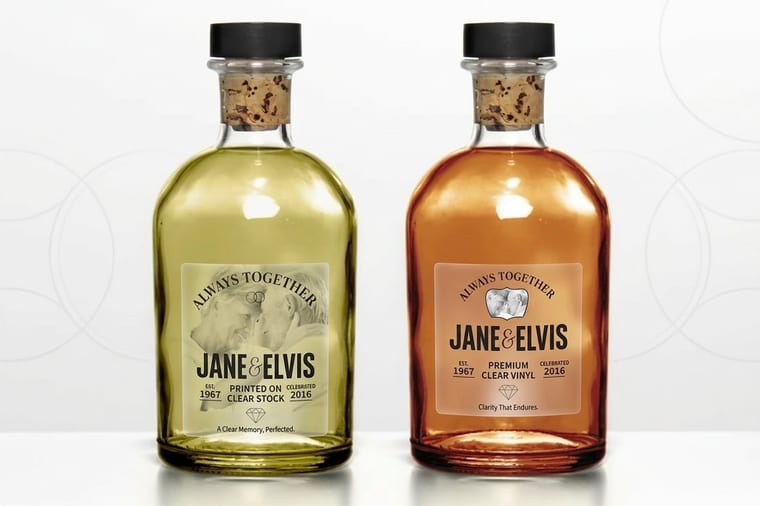
This trick is a favorite for reclaiming jars and bottles, the same surfaces where a custom clear sticker looks its best when you relabel them. To pick a stock that peels cleanly next time, see our guide on choosing the right sticker material.
Method 5: Commercial adhesive removers
For the truly cemented-on stickers, a purpose-made remover earns its place. Products like Goo Gone, WD-40, or a citrus-based adhesive remover are formulated to dissolve glue fast. Apply per the label, usually a thin coat left for a few minutes, then wipe the sticker and residue away in one motion. These are the strongest option, so they clear price-tag gum and industrial labels that shrug off everything else.
With strength come a couple of rules. Always work in a ventilated space, wear gloves if the label suggests it, and test on a hidden corner first, especially on tinted or laminated glass. When you are done, wash the area with soap and water so no oily residue is left to attract dust.
If you find yourself removing labels constantly because they never come off clean, the real fix is upstream: better stickers. A run of professionally printed die-cut stickers from our sticker printing line is engineered to stick when you want and peel when you do not, which is exactly the tradeoff cheap sheets get wrong.
Final tips to protect the glass and skip the hassle next time
A few habits make every future removal easier. Peel slowly and at a low angle, keep a plastic scraper handy instead of reaching for metal, and treat coated or tinted glass, screens, and eyewear as delicate: warm soapy water and patience, never razors or strong solvents. Whenever a method stalls, step back down to heat or a longer soak rather than forcing it.
The bigger lesson is that the sticker itself decides how the removal goes. Quality vinyl on the right adhesive lifts in one piece and leaves nothing behind, while bargain paper stock disintegrates and glues itself to the glass. If you print your own labels, decals, and window graphics, choosing a removable adhesive up front saves you every headache above.
Match the stock to how long the replacement should stay on the glass.
| Stock | On glass it | Order it on |
|---|---|---|
| Clear cling label | Holds by cling, no adhesive, so it lifts off a window in one piece | Clear stickers, from $25 for 25 |
| White or clear vinyl repositionable | Peels and resticks without leaving glue behind | Die-cut stickers or clear stickers |
| White vinyl or clear label permanent | Stays put through washing, and needs the methods above to come off | Die-cut stickers or bumper stickers |
To reprint what you just peeled off, design it in the online designer, compare formats with our stickers vs labels vs decals guide, and see why thousands of makers rate our work in the customer reviews. When you are set, the whole sticker catalog is ready when you are.
Wally explains the clean peel
Soften first, scrape gently, and the glass wins every time
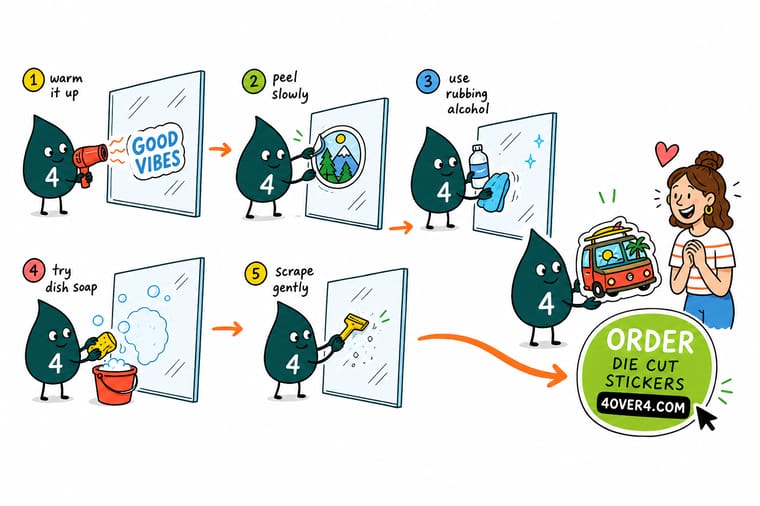
Wally's rule is simple: never fight a sticker cold. Wet it, warm it, or dissolve it first, then peel slowly at a low angle with plastic, not metal. The residue that is left is just softened glue, so a little alcohol or oil wipes it away. And the surest way to skip the struggle next time is to print stickers on a proper removable adhesive, which is exactly what 4OVER4 makes.
Shop custom stickers →
Infographic
5 ways to remove a sticker from glass at a glance
One frame, five methods: warm soapy water held on for three to five minutes, vinegar or 70 percent rubbing alcohol, a hairdryer on medium for 30 to 60 seconds, cooking oil left ten to fifteen minutes, and a commercial remover for baked-on glue. Save it, share it, and use it as a checklist the next time a price tag or window decal will not let go.
Work down the list only as far as you need to. Most stickers give up at warm soapy water, and the strong solvents are there for the price tags and window decals that will not.
Specs and pricing
Reprint what you peeled off: die-cut sticker specs and live pricing
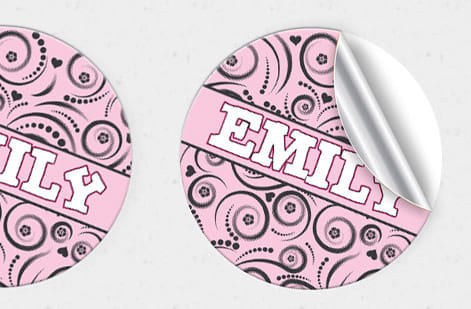
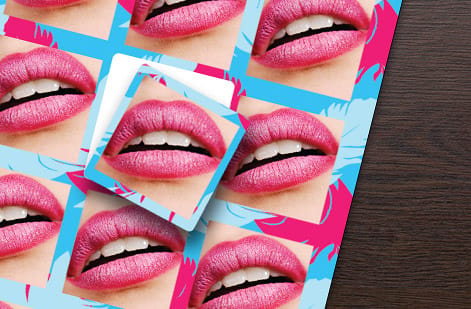
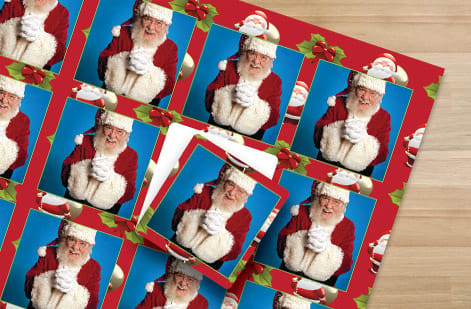
For a cleaner label in its place, die-cut stickers print on White Vinyl Repositionable, an adhesive that lifts without a fight. They cut to a basic or complex custom shape in sizes from 2 by 2 up to 11 by 11 inches, with 25 stickers from $93.37 and 100 for $99.95 on a five business day standard.
| Quantity | Price Per Unit | Total |
|---|---|---|
| 25 | $3.73 | $93.37 |
| 50 | $1.91 | $95.56 |
| 100 | 100.0¢ | $99.95 |
| 200 | 56.3¢ | $112.59 |
| 300 | 41.4¢ | $124.13 |
| 400 | 33.9¢ | $135.65 |
| 500 | 29.2¢ | $146.10 |
| 600 | 26.4¢ | $158.17 |
Stick and peel clean
Stickers engineered to come off without residue
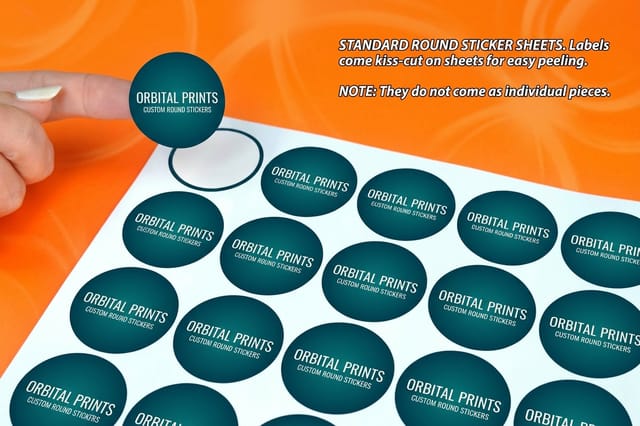
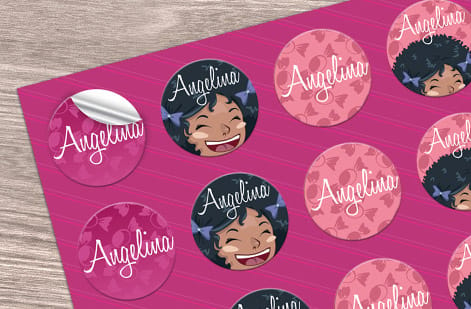
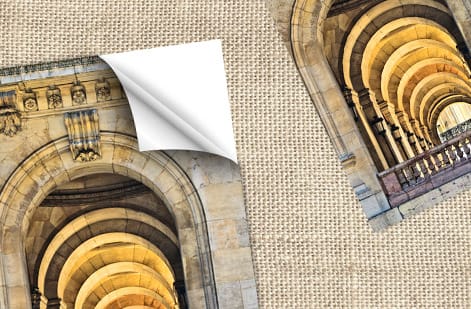
Clear stickers come in clear cling label and clear vinyl repositionable for glass you relabel, circle stickers start at $23.88 for 25 on label stock, and bumper stickers print on white vinyl permanent with a UV coating for a rear window that keeps its decal.
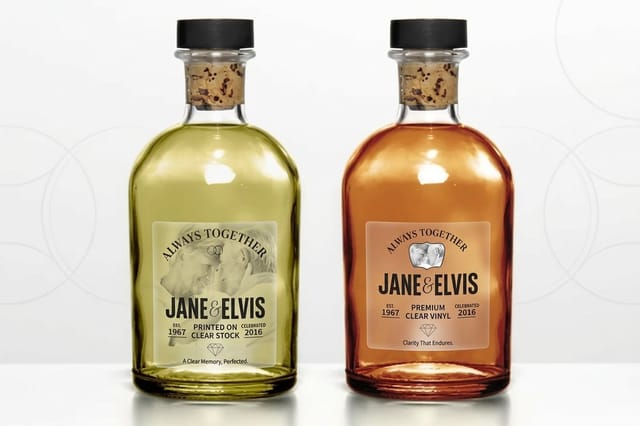
Repositionable vinyl, cut to shape
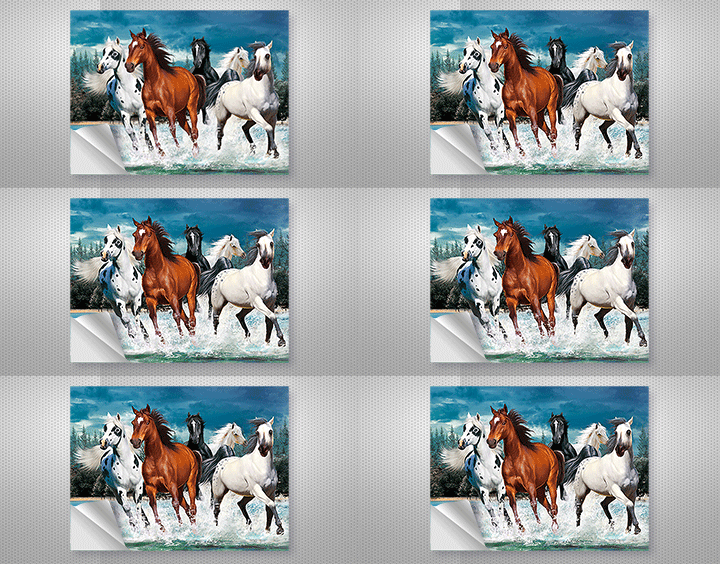
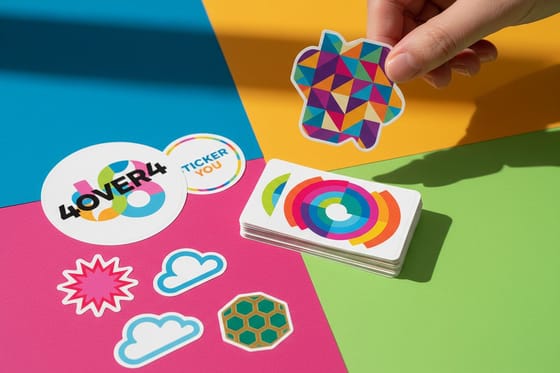
Replacement stickers we printed

Explore more
Where to go next


By the numbers
Permanent and repositionable adhesives
Common Questions
Common questions about removing stickers from glass
What is the fastest way to remove a sticker from glass?
Soak it in warm soapy water for a few minutes, then peel slowly at a low angle with your fingernail or the edge of a plastic card. Water works into the edges and softens the adhesive, so most stickers lift in one piece. If any glue stays behind, rub it away with a little rubbing alcohol or vinegar and finish with a dry microfiber cloth.
How do I remove sticker residue from glass?
Residue is dissolved glue, so it responds to solvents. Rubbing alcohol or white vinegar cuts most of it: soak a cloth, hold it on the film for a few minutes, then rub in small circles. For a heavier gray film, smear on a thin layer of cooking oil or peanut butter, wait ten minutes, and wipe it away, then wash with soapy water so no grease is left.
Will vinegar or rubbing alcohol damage glass?
No. Plain glass is unaffected by household vinegar or isopropyl alcohol, which is why both are safe first-choice solvents. The exception is tinted, coated, or laminated glass and screens, where strong solvents can dull the finish. On those surfaces, stick with warm soapy water and gentle heat, and always test a hidden corner first.
Can I use a razor blade to scrape a sticker off glass?
Only on flat, uncoated glass such as a plain window, and only with care: hold the blade at a shallow angle, keep the surface wet, and never gouge. Avoid razors entirely on curved glass, tinted or coated glass, screens, and eyewear, where they scratch easily. A plastic scraper or an old gift card is the safer default in almost every case.
How do I get a sticker off eyeglasses or a phone screen?
Treat both as delicate. Skip razors and strong solvents. Warm the sticker gently with a hairdryer on low, then lift a corner with a fingernail or plastic scraper and peel slowly. Clean any residue with a cloth barely dampened with rubbing alcohol, keeping liquid away from lens coatings and screen edges. Patience beats force on coated surfaces.
How do I stop stickers from leaving residue in the first place?
Use quality stickers with a proper removable adhesive. Cheap sheets tear and leave glue behind, while professionally printed vinyl lifts in one piece. When you print your own, choose the right material and finish for the job. Our guides on choosing sticker material and on die-cut stickers cover the options, and the full range lives on our sticker printing page.
Get Started
Peeling off an old sticker? Print a better one.
Design your next label in the browser and print it on a removable adhesive that sticks when you want and peels clean when you do not. Circle stickers run 25 for $23.88, which is $0.96 each.
Legal Disclaimer
Gold Standard guarantees apply to all standard orders placed through 4over4.com. Price match requires verifiable proof of a competitor's published price for an equivalent product with matching specifications and turnaround time. Satisfaction guarantee covers manufacturing defects and print quality issues. Contact support with order number and documentation.
