





- Home
- content hub
- What Is Visual Communication and How Does It Work?
What Is Visual Communication and How Does It Work?
Emma Davis
Content Writer
Oct 10, 2025258 views

Visual communication is the art of getting a message across with images, typography, colors, and symbols. It’s a universal language that can turn complicated ideas into something our brains understand almost instantly, making it a powerhouse for everything from brand building to teaching.
Decoding the Language of Images
Ever tried to assemble furniture with a text-only manual? No diagrams, no pictures. It’s a special kind of nightmare, right? That frustration is the perfect example of why visual communication is so important. It’s not just about making things look good; it’s about creating meaning and making connections through what we see.
Our brains are wired to process images an incredible 60,000 times faster than text. This is why a simple road sign works better than a paragraph of driving instructions. This "silent language" cuts through the noise to create instant understanding. A red octagon means "stop" no matter where you are in the world, and a smiley face conveys happiness without a single word. These simple examples prove a huge point: visuals can leap over cultural and language barriers in a way that words often can’t.

From Ancient Caves to Modern Clicks
Using visuals to share ideas is as old as we are. The first humans used cave paintings to tell stories and document hunts, laying the groundwork for a communication style that has evolved for thousands of years. The journey from those ancient drawings to the slick digital icons on our phones shows just how deeply we need to share information visually.
Each step forward, from hand-drawn stories to mass-produced media, has been a leap in our ability to share visual information more effectively. Now, we carry interactive visual languages right in our pockets.
The Building Blocks of Visual Messages
To get it right, visual communication needs a few key components working together in harmony. Each one plays a specific role in how an audience receives and understands your message. Getting a handle on these building blocks is the first step to creating visuals that truly connect.
The essential elements are pretty straightforward, but mastering how they interact is where the magic happens.
The Core Components Of Visual Communication
| Component | Primary Function | Common Examples |
|---|---|---|
| Typography | To set the tone and establish hierarchy through the style of text. | Fonts, font size, letter spacing (kerning), line height (leading). |
| Color | To evoke emotions, create associations, and draw attention. | Brand color palettes, traffic light colors, call-to-action buttons. |
| Imagery | To tell a story, illustrate a concept, and build an emotional bond. | Photographs, illustrations, icons, infographics. |
| Composition | To guide the viewer's eye and create balance, order, and flow. | Rule of thirds, white space, symmetry, visual hierarchy. |
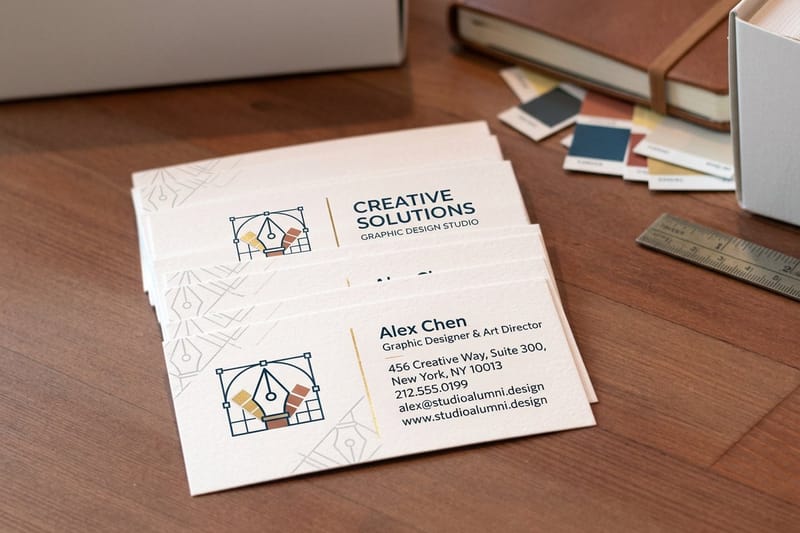
These components aren't just for digital design; they're the foundation of everything from a company logo to a full-blown marketing campaign. Businesses use a wide array of professionally printed marketing materials to weave these elements into a cohesive brand story, making sure their message isn't just seen, but felt and remembered.
Tracing the Ancient Roots of Visual Language

Long before the first alphabets were carved into stone, humans were already expert communicators. The drive to share stories, pass on warnings, and preserve knowledge is baked into our DNA. To do this, our earliest ancestors turned to a medium that needed no translation: images.
This tells us something important. Visual communication isn't some new-age marketing tactic; it's one of the oldest and most fundamental parts of the human story.
Our journey starts deep inside ancient caves. For a long time, the intricate paintings found there were dismissed as primitive art. But if you look closer, you'll see they were far more functional—a sophisticated system of communication that was a matter of life and death.
These paintings were the world’s first instruction manuals. They documented successful hunts, identified dangerous predators, and even mapped out promising territories. For a community whose survival depended on this knowledge, these images were everything.
From Cave Walls to Papyrus Scrolls
Just how old is this practice? The earliest examples date back a staggering 40,000 years to the Paleolithic era, with incredible cave paintings found all across Europe and Asia. Using natural pigments like ochre and charcoal, these early humans conveyed complex ideas thousands of years before the first written word.
As societies evolved, so did their visual languages. The ancient Egyptians developed one of the most iconic systems ever created: hieroglyphs. This wasn't just a collection of pictures; it was a brilliant fusion of images and sounds.
A single hieroglyph could represent an object, an idea, or even a phonetic sound, allowing for a depth of expression that was previously unimaginable. Carved into temple walls and painted onto papyrus, these symbols communicated laws, religious beliefs, and the grand achievements of pharaohs, preserving an entire culture for millennia.
This tradition of visual storytelling popped up in civilizations all over the world. Take ancient Greece, where pottery became the canvas for sharing cultural narratives. The detailed scenes on vases weren't just for decoration; they depicted epic myths and heroic battles, educating citizens and reinforcing cultural values with every pour.
The Dawn of Mass Visual Media
For thousands of years, these visual records were one-of-a-kind. They were painstakingly created by hand and only accessible to a privileged few. Everything changed in the 15th century with Johannes Gutenberg's invention of the printing press.
While we often credit the printing press for revolutionizing written text, its impact on images was just as massive.
Suddenly, woodcut illustrations and engravings could be mass-produced. This leap in technology shattered the barriers to information, making visual knowledge available to everyone for the first time. Maps, scientific diagrams, and artistic prints could now be shared far and wide.
This invention laid the groundwork for the world we live in today. It established the core principles of mass media and proved just how powerful a replicated image could be. You can draw a straight line from that first printed illustration to modern advertising, graphic design, and even the art we hang in our homes. In fact, people still use this very principle to bring history and art into their own spaces with high-quality custom canvas prints.
Understanding this deep history gives us a new appreciation for the logos, charts, and icons that fill our daily lives. They aren't just modern graphics; they're the latest chapter in a story as old as humanity itself. The tools may have changed from charcoal and clay to pixels and printers, but the goal is the same: to share meaning through the timeless power of an image.
The Unspoken Rules of Effective Visuals

Have you ever looked at a design and just felt that it worked? It grabs your attention, feels totally intuitive, and sends a clear message in an instant. Meanwhile, other designs feel chaotic, confusing, or are just plain forgettable.
That difference isn't a happy accident. It's the result of applying a powerful set of unspoken rules that guide how our brains process visual information. Think of it as the "grammar" of visual language. Once you get the hang of these fundamentals, you’ll start seeing them everywhere—from the layout of your favorite app to the design of a cereal box.
These principles are what elevate design from a purely artistic guess into a predictable science. They give us a framework for arranging elements in a way that isn't just nice to look at, but is genuinely clear and effective.
Guiding the Eye with Composition
At its heart, composition is the art of arrangement. It's how you organize every piece—text, images, shapes—to tell a story and lead the viewer's eye on a deliberate journey. Without a strong composition, a design is like a sentence with no punctuation. It's a jumbled mess.
One of the most foundational techniques here is visual hierarchy. This is all about making the most important element the most prominent. Think of a concert poster: the headliner's name is always the biggest thing on the page, instantly telling you what you need to know. This is done through a few key tactics:
- Size and Scale: Bigger elements naturally demand more attention. It's human nature.
- Color and Contrast: A splash of bright, bold color will always pop against a muted background.
- Placement: We tend to see things at the top or center of a design as being more important.
Then there's the unsung hero of composition: white space. Also called negative space, this is simply the empty area around your design elements. Far from being "wasted," white space is an active tool. It cuts through the clutter, makes text easier to read, and gives a design a sense of focus and sophistication.
White space should be treated as an active element, not a passive background. A cluttered design overwhelms the brain, while a design with plenty of breathing room feels calm, organized, and guides the viewer right to the focal point.
The Psychology of Color and Shape
Color is probably the most powerful tool in the visual communication toolbox because it speaks directly to our emotions. It’s a shortcut to our feelings, and smart brands use this connection to build an instant association in our minds. The deep red used by Coca-Cola isn't just red; it evokes excitement and passion. The calm, reassuring blue of PayPal fosters a sense of trust and security.
Typography—the style and appearance of your text—works the same way. It has its own personality. A bold, clean sans-serif font like Helvetica can feel modern and authoritative. A flowing script font, on the other hand, might convey elegance, tradition, or a personal touch. The font you choose is never just a font; it’s a deliberate decision to set a specific tone.
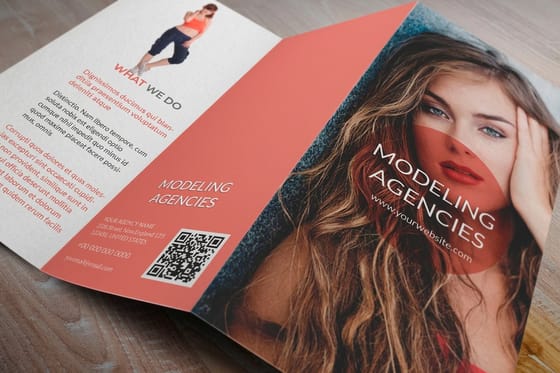
These elements all come together to create a cohesive message. For instance, designing effective and informative company brochures depends entirely on a strong visual hierarchy to present information logically, paired with brand colors that reinforce the company’s core values. When you master these principles, you gain the ability to not just show information, but to shape how your audience feels about it.
Exploring the Main Types of Visual Communication
Visual communication isn't just one thing; it's a whole creative universe filled with specialized disciplines that all work together. A good way to think about it is like an orchestra. You have the strings, the woodwinds, and the percussion—each section has a unique sound, but they all play from the same sheet of music to create something powerful.
In the same way, different types of visual communication blend to build one clear and compelling brand message. Understanding these distinct categories helps you see how all the visual pieces fit into the bigger picture. From the logo on your coffee cup to the layout of your favorite app, each is the product of a specific visual discipline, made to do a very specific job.
Let's break down the core players in this visual orchestra.
Graphic Design The Foundational Voice
Graphic design is the absolute workhorse of the visual world. At its core, it's the practice of creating visual content to communicate specific messages, and it forms the bedrock of most branding and marketing you see today. If visual communication is the overall strategy, graphic design is the hands-on craft of making that strategy real.
This discipline is all about combining typography, imagery, color, and form to create tangible assets. Its applications are everywhere, influencing what we buy, how we find our way around, and how we feel about a brand.
- Branding and Identity: This is everything from logos and color palettes to the specific fonts that give a company its unique personality. Think of the iconic Nike "swoosh"—a true masterpiece of simple, effective graphic design.
- Marketing and Advertising: From social media graphics and web banners to print ads and brochures, designers create the visuals that grab your attention and convince you to take action.
- Publication and Layout: This involves arranging content in magazines, books, and reports to make them readable and genuinely engaging for the user.
Data Visualization Turning Numbers into Narratives
We're all swimming in an ocean of data, and data visualization is the lifeboat. This discipline is all about transforming raw, complicated data sets—like spreadsheets and analytics reports—into graphics that are clear, insightful, and easy to digest. A single well-designed chart can reveal trends and patterns that a thousand rows of numbers would completely hide.
The goal here isn't just to make data look pretty; it's to make it understandable. A good infographic or dashboard lets people grasp complex information at a glance, helping them make better, faster decisions.
By translating numbers into a visual story, data visualization makes information more accessible and memorable. It’s the bridge between raw data and human understanding, empowering us to see the meaning behind the metrics.
Photography and Video The Emotional Storytellers
While graphic design builds the structure, photography and video are what breathe life and emotion into a message. These mediums are natural-born storytellers, able to capture authentic human moments and forge powerful emotional connections in a way other forms just can't.
A single photograph can convey a complex mood or an entire story in an instant. Video takes it even further, combining motion, sound, and imagery to create a totally immersive experience. For brands, this is gold—it’s how they show products in action, share customer testimonials, or tell the story behind their mission. This is exactly why powerful visuals are so vital for large-format displays; you can see how businesses use stunning imagery for custom signs and banners to grab an audience's attention from a distance.
UI and UX Design The Invisible Architecture
User Interface (UI) and User Experience (UX) design are the architects of our digital world. They are very closely related, but they play distinct roles:
- UI Design is all about the look and feel of a digital product—the buttons, the icons, and the screens you actually interact with. It's the visual and tactile part of the journey.
- UX Design focuses on the overall feeling of that journey. It makes sure a product is logical, easy to use, and even enjoyable to navigate from start to finish.
Together, they create the kind of intuitive digital products that don't need an instruction manual. That seamless flow you love in your favorite app? That's a testament to excellent UI/UX design working silently and effectively in the background.
This history of visual evolution saw a major shift during the industrial revolution (circa 1760–1840) when new printing technologies like lithography made it possible to mass-produce vivid, colorful images and advertisements, laying the groundwork for modern graphic media. You can discover more insights about the history of visual communication on CyberGhostVPN.com.
How Visuals Build Unforgettable Brands
In a marketplace flooded with products and ideas, how does any brand cut through the noise and become instantly recognizable? It’s usually not about what they say, but what they show. Strategic visual communication is the engine that turns a faceless company into a brand people remember, forging a silent, immediate connection with its audience.
Think about the brands you know by heart. You don’t need to read the word "Apple" to recognize the sleek, bitten apple logo on a laptop. The simple "swoosh" from Nike says more about empowerment than a whole paragraph ever could. These symbols are so powerful because they’re the product of a deliberate, consistent visual strategy.
This is exactly what visual communication does for a brand. It goes way beyond a pretty logo and builds a complete visual identity—a unified system of colors, typography, and imagery that all work together to tell the brand's story without uttering a single word.
The Psychology of Brand Recognition
Our brains are hardwired to spot patterns and create mental shortcuts. It’s just how we operate. When a brand shows up with the same visual elements time and time again, it builds a sense of familiarity and trust. Consistency is everything here; research shows that presenting a brand consistently across all platforms can boost revenue by up to 23%.
This process is what creates brand recall. It’s the reason you can spot the golden arches of McDonald's from a mile down the highway or know a Tiffany & Co. box just by its distinctive shade of blue. This instant recognition isn't just about making things easy; it taps directly into our emotions and the memories we’ve tied to that brand.
Visual communication in branding is about creating a predictable experience. Every time a customer sees your brand's specific shade of red or a familiar font, it reinforces their relationship with you, building a foundation of trust and reliability.
A well-designed product package that seems to jump off the shelf uses these same psychological tricks. It uses a clear visual hierarchy to pull your eye to the most important stuff first—usually the brand name and the product’s main benefit—using color and contrast to stand out from the sea of competitors.
From Big Budgets to Business Cards
Here's the thing: a powerful visual strategy isn't just for global giants with massive marketing budgets. The same principles that make a Super Bowl ad connect with millions can make a simple business card unforgettable. The goal is always clear communication, not flashy production.
Take a small local bakery, for instance. It can build a rock-solid brand by sticking to a consistent, earthy color palette, a friendly, rustic font, and the same charming logo across its menu, packaging, and storefront sign. This creates a unified and professional identity that tells customers exactly what to expect: warmth, quality, and authenticity.
Let’s break down how this works in the real world:
- Visual Hierarchy in Action: A magazine ad puts its most compelling image and headline right at the top to grab your attention, while the less critical contact info is smaller and tucked away at the bottom. This isn't random; it guides your eye in a logical sequence.
- Emotional Connection through Color: A wellness brand might lean on soft greens and blues to evoke feelings of calm and nature. This builds an emotional link before you even read a single word of copy.
- Building Trust with Typography: A financial advisory firm will almost always choose a classic, stable serif font. Why? To project an image of authority and trustworthiness.
At the end of the day, visuals do the heavy lifting in shaping how people feel about a brand. They are the tools that can make a brand feel premium, innovative, trustworthy, or fun. By mastering this silent language, any business—no matter the size—can carve out a distinct and memorable space in the minds of its customers.
Visual Communication in Our Digital World

In our fast-paced, screen-first world, visual communication isn't just a nice-to-have; it's the language everyone speaks. The core principles of color, balance, and hierarchy haven't changed, but the speed and scale of their application have exploded. Every scroll, click, and share is part of a massive visual conversation.
The internet runs on an attention economy. Think about it—countless brands, creators, and platforms are all fighting for just a few seconds of your focus. In that crowded arena, a stunning Instagram story or a clean, uncluttered website isn't just good design; it's a survival tactic. Text-heavy content gets scrolled past in a heartbeat, but a powerful image or a clear infographic can stop someone in their tracks and get a message across instantly.
This is why visual literacy has become such a critical skill. Knowing what visual communication is today means recognizing how intuitive app icons guide your every move or how a viral TikTok video uses lightning-fast cuts and bold text to keep you hooked.
The Rise of Simplified Visuals
As the world gets more complex, our need for clarity skyrockets. This has propelled things like infographics and data dashboards from niche tools to mainstream essentials. They excel at taking dense spreadsheets or confusing processes and transforming them into clean, scannable graphics that are easy to digest and even easier to share.
The whole approach is built on one simple idea: make complexity simple. A well-designed infographic can explain a scientific breakthrough or a company's annual report far more effectively than pages of dense text. It's all about using visual cues to make the information stick.
In the digital realm, the goal is instant comprehension. Visuals that simplify complex data don't just inform; they respect the user's time and limited attention, building trust and engagement.
Adapting Timeless Principles for Screens
The foundational rules of visual communication are now being adapted for a world of screens. Whether it’s a small business setting up its first online store or a massive corporation designing a mobile app, the goals are the same: guide the user, create a positive experience, and communicate value—fast. The principles of effective visual communication are now directly tied to strategies for everything from user experience to figuring out how to improve e-commerce conversion rates.
Just look at these modern applications:
- UI/UX Design: The clean layout and intuitive icons on your smartphone are a masterclass in visual communication. They create a seamless experience that requires no instruction manual.
- Social Media Content: A visually consistent Instagram feed builds a powerful brand identity. By sticking to a specific color palette and style, a brand becomes instantly recognizable in a crowded feed.
- Video Content: Platforms like YouTube and TikTok are built on visual storytelling. They use motion, color, and on-screen text to convey emotion and information at an incredible pace.
The explosive growth of online platforms has cemented visual content's dominance. With over 65% of the world’s population online, and video making up a staggering 67% of all internet traffic, the shift is undeniable. Visuals are no longer optional for commerce, education, or entertainment.
From ancient cave paintings to the sleek interfaces of today, the mission has always been the same. We use images to connect, persuade, and understand one another. Today’s screens are simply our newest canvas. For any business, mastering this language is crucial, and it often starts with high-quality digital printing to ensure a brand's online identity translates flawlessly into the physical world.
Common Questions About Visual Communication
We've covered a lot of ground, from the earliest cave paintings to modern branding. As you start thinking about how all this applies to your own work, a few practical questions are bound to pop up. This is where the rubber meets the road. Let's tackle some of the most common questions to clear up any confusion and get you ready to put these ideas into practice.
What Is the Difference Between Graphic Design and Visual Communication?
It’s really easy to mix these two up, and frankly, a lot of people use them interchangeably. But there’s a key difference in scale and strategy. The simplest way to think about it is this: visual communication is the entire game plan, while graphic design is the star player executing the plays.
Visual communication is the big picture. It’s the why behind the design choices. It involves the strategy for a campaign, the psychology of color, the theory of how our brains process images, and what message we’re trying to send.
Graphic design, on the other hand, is the craft—the what. It’s the hands-on work of creating the visual assets. This means designing the logo, laying out the brochure, and picking the perfect typeface. A graphic designer builds the tangible elements that bring that larger visual communication strategy to life.
In short: Visual communication is the holistic strategy of sending a message visually, while graphic design is the hands-on craft of creating the visual components to deliver that message. You can't have one without the other if you want to be truly effective.
How Can I Improve My Visual Communication Skills?
Good news: you don't need to enroll in art school to get better at this. The best thing you can do is start paying closer attention to the world around you. Seriously. Become a more active, critical observer.
Start analyzing the designs you see every day—ads on the subway, websites you love (and hate), the packaging on your morning coffee. Ask yourself why they work, or more importantly, why they don't. This simple habit starts training your eye to see the principles we've talked about in action.
Here are a few practical next steps:
- Study the Basics: Get familiar with the foundational principles. Concepts like hierarchy, contrast, balance, and repetition are the building blocks of everything. Understanding them will fundamentally change how you see and create.
- Practice with Simple Tools: You don't need a pricey software subscription to get started. User-friendly platforms like Canva are brilliant for experimenting with layouts and building your confidence.
- Build a Visual Vocabulary: Follow designers and artists you admire. Pay attention to how they use color, space, and typography to create a specific mood or tell a story. It’s like learning a new language.
What Are the Most Important Tools for Visual Communication?
The right tool always, always depends on the job you're trying to do. There's no single right answer.
For the pros doing high-level, complex work, the Adobe Creative Suite—home to giants like Photoshop, Illustrator, and InDesign—is still the undisputed industry standard. The power and flexibility are unmatched.
But let's be realistic. For marketers, small business owners, or anyone who needs to create great-looking visuals without a steep learning curve, web-based tools have completely changed the game. Platforms like Canva and Figma are incredibly powerful, intuitive, and accessible. And if you need to turn dense data into something people can actually understand, tools like Tableau or even the charts in Google Sheets are indispensable.
At the end of the day, remember that software is just a means to an end. The most important "tool" you can ever have is a solid understanding of design and communication principles themselves.
At 4OVER4, we know that a brilliant visual strategy is only as good as its final execution. Whether you're designing a sleek business card or a massive banner, our high-quality printing services make sure your message comes through with stunning clarity and impact. See how we can bring your vision to life at https://4over4.com and create something truly unforgettable.
More from visual communication
10
When you hear "table tent specs," what we're really talking about are the foundational details for printing them correctly: the
Emma Davis
Jan 27, 2026
61
When you're ready to print a poster, one of the first questions you'll face is, "What size should it be?" The industry has a
Emma Davis
Jan 26, 2026
88
Picture this: you're at a networking event, and someone hands you their business card. You do the usual glance—name, title, company—an
Emma Davis
Jan 25, 2026
104
Believe it or not, figuring out how to make a card in Word is surprisingly easy. You can knock out everything from slick, professional busines
Emma Davis
Jan 24, 2026
104
Printing on packaging takes a simple container and turns it into one of your most powerful marketing tools. It’s the very first physical int
Emma Davis
Jan 23, 2026
326
When you're getting ready to print a flyer, one of the first questions you'll face is, "What size should it be?" The most co
Emma Davis
Jan 22, 2026
332
How Our Free Business Cards Program Works (Quick Overview) Free business cards are available through two different
Emma Davis
Jan 22, 2026
179
A QR code business card does more than just share your name and number; it cleverly merges your physical card with your digit
Emma Davis
Jan 21, 2026


