
What is Variable Data Printing? Boost Your Marketing Today

    user icon

    Emma Davis

    Content Writer

    Aug 26, 2025284 views

    Aug 26, 2025284 views

    What is Variable Data Printing? Boost Your Marketing Today

    What if you could send out 10,000 marketing flyers, and every single one was unique to the person receiving it? That’s the magic of variable data printing (VDP).

    This isn't your grandma's mail merge. VDP is a digital printing technique that lets you change out elements like text, images, and special offers on the fly, from one printed piece to the next, without ever stopping the press. It turns a generic marketing blast into a personal, one-to-one conversation.

    How Is This Different From a Mail Merge?

    It’s easy to think of VDP as a simple mail merge on steroids, but it's so much more than just swapping out a name and address. A basic mail merge is just the tip of the iceberg. VDP allows for a much deeper level of customization that genuinely resonates with your audience.

    Instead of printing the same static design thousands of times, VDP combines a master design template with a database of customer information. As the printer runs, it pulls unique data for each piece, creating a completely customized item every single time.

    This means you can do some pretty cool things:

    • Customize Text: Go beyond a first name. Mention a customer's last purchase, reference their local store, or point them to a nearby event.
    • Change Images: Show a pet owner a picture of a dog, a car enthusiast a sports car, or a new homeowner images of garden furniture. The visuals can directly reflect their known interests.
    • Alter Graphics and Layouts: You can completely change the look and feel for different audience segments, ensuring the design itself is as relevant as the content.
    • Provide Unique Offers: A first-time customer might get a welcome discount, while a VIP member receives an exclusive early-access code—all in the same print run.

    The real power of VDP is making each piece feel like it was created just for the person holding it. This transforms a simple flyer or postcard from junk mail into a meaningful connection.

    The industry is clearly taking notice. The global VDP market was valued at USD 9.3 billion back in 2022 and is on track to explode to nearly USD 59.6 billion by 2032. This massive growth highlights the shift away from basic personalization toward sophisticated, data-driven customizations. You can read more about this market trend and what’s driving it.

    Image

    Static Printing vs Variable Data Printing at a Glance

    To really understand the shift, it helps to see the two approaches side-by-side. Traditional printing is great for mass production, but it's a one-size-fits-all game. VDP, on the other hand, is all about creating that personal touch.

    Feature Static Printing (Traditional) Variable Data Printing (VDP)
    Personalization None. Every piece is identical. High. Each piece can be unique.
    Content Fixed text, images, and graphics. Dynamic text, images, and offers.
    Data Source A single design file. A design template plus a database.
    Best For Mass-market, generic messaging. Targeted, personalized marketing campaigns.
    Example 10,000 identical event flyers. 10,000 flyers with unique names and offers.

    Ultimately, the choice between them comes down to your goal. If you need to produce a massive volume of identical items, static printing is efficient. But if you want to connect, engage, and drive action, VDP is the clear winner.

    How Variable Data Printing Works

    So, how does this all come together? The easiest way to think about Variable Data Printing (VDP) is like a mail merge on steroids. But instead of just plugging in a name and address, VDP can swap out images, headlines, offers—you name it. It all boils down to three key ingredients working in perfect harmony.

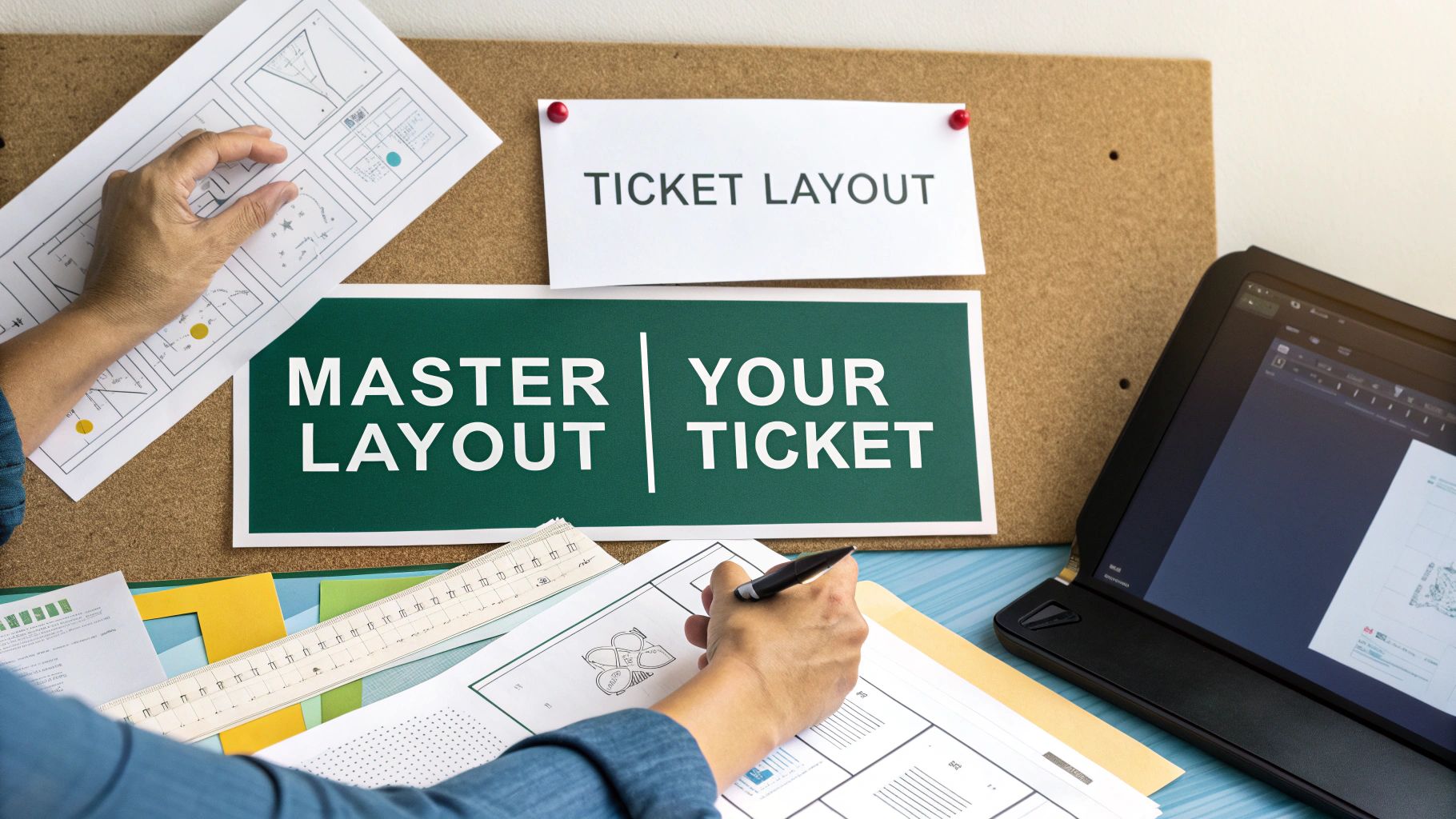
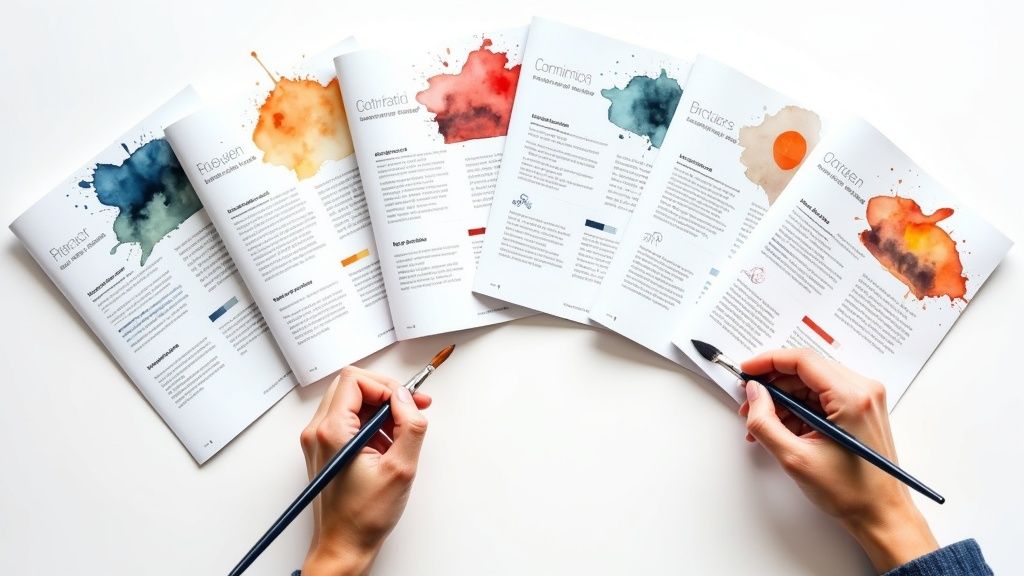
    First, you have your static design template. This is the foundation of your mailer, brochure, or whatever you're printing. It’s the part that stays consistent across the board, like your company logo, the core layout, and any boilerplate text. Think of it as the canvas, with blank spaces left open for the personal touches.

    Next up is the dynamic data source. This is where the magic really starts. It’s usually a simple spreadsheet or a data file from your CRM that contains all the juicy details about your audience. Each row is a different person, and each column holds a specific tidbit of information—their first name, their city, what they last bought, or even their birthday. This data is the fuel for your personalization engine.

    The Software That Connects Everything

    The final piece of the puzzle is the specialized VDP software that acts as the director of the show. It’s the brain that connects your static design template to your dynamic data source. As the print job runs, the software grabs the data from one row of your spreadsheet and perfectly places it into the corresponding empty fields on your design.

    This process lets you turn raw customer data into a fully customized design, ready to be printed on a modern digital press.

    Image

    What's really incredible is that this all happens on the fly, without ever slowing down the printer. A single print run can produce thousands of one-of-a-kind pieces. A new customer might get a postcard with a "Welcome to the Family!" offer, while a long-time loyalist receives a special VIP discount—all from the same job. This is the power of modern digital printing in action, making every single piece feel personal to the person holding it.

    By blending a base design with variable customer data, VDP lets you have a one-to-one conversation at scale, leaving generic, one-size-fits-all marketing in the dust.

    The whole operation is remarkably efficient. Since all the customization happens digitally before a single drop of ink touches paper, there’s no stopping and starting. It’s this seamless fusion of design and data that makes VDP such a game-changer for creating marketing that actually connects.

    Why VDP Is a Game Changer for Marketing

    Knowing how variable data printing works is one thing. Seeing why it's such a powerhouse for modern marketing is another. VDP lets you move beyond generic, one-size-fits-all messages to forge genuine connections that drive real results. It’s how you turn a passive audience into engaged customers.

    The biggest win is a massive boost in engagement. When a piece of mail speaks directly to a person’s interests or past behavior, it’s infinitely more likely to be read and acted upon. This isn't just a hunch; personalized campaigns consistently blow static ones out of the water, delivering higher response rates and a much healthier return on investment.

    Image

    Strengthen Brand Loyalty and ROI

    VDP is also a secret weapon for building fierce brand loyalty. When a customer receives a message that feels thoughtful and relevant, they feel seen and valued. That personal touch makes your marketing stick in their memory, making it far more impactful than another generic ad they’ll just toss in the bin.

    Think about a travel agency using VDP. They could send out a batch of postcards where each one is unique:

    • It could greet the recipient by name: "Sarah, your next adventure awaits!"
    • It might feature a stunning image of the last place they visited.
    • It could include a custom offer for a similar trip or a new destination based on their travel history.

    That level of detail turns a simple postcard into a personal and compelling invitation, making the customer feel like you truly get them. If you're looking to create your own high-impact pieces, exploring a variety of custom marketing materials is a fantastic place to start.

    By making sure your message hits home on a personal level, VDP squeezes the maximum value out of every marketing dollar you spend. It cuts out the waste by sending the right message to the right person, plain and simple.

    As the technology behind database-driven printing gets better, it’s become easier for companies to juggle all that data and produce unique items, even in huge print runs. And with digital printing constantly evolving, VDP is more accessible than ever—not just for giant corporations, but for small and medium-sized businesses all over the world.

    Variable Data Printing in Action

    The theory behind VDP is great, but seeing it out in the wild is where the magic really happens. This isn't just about mail-merging a name onto a generic letter. We're talking about a powerful strategy used by savvy marketers across countless industries to create physical marketing pieces that feel personal and, more importantly, get results.

    Let's dive into a few real-world examples to see how it’s done.

    Retail Brands and Custom Catalogs

    Think about a major clothing brand sending out their latest seasonal catalog. Instead of printing one-size-fits-all version for everyone, they use VDP to create thousands of unique editions. It's brilliant.

    A customer who always buys women's running gear might get a catalog with a cover showing a female runner, along with a special deal on new athletic apparel. At the same time, another customer who just bought a new suit receives a catalog with a completely different cover and promotions for formal wear and accessories.

    This simple shift turns a generic product list into a personal shopping guide. By tapping into a customer's purchase history, the brand shows they're paying attention to individual style and needs, which makes a sale far more likely.

    Non-Profits and Personalized Appeals

    For non-profits, fundraising is all about connection, and VDP is an absolute game-changer here. A charity can send a donation request that feels like a personal conversation rather than a mass mailing.

    For instance, the mailer can greet a donor by name, thank them for their previous contribution (mentioning the exact amount), and then suggest a slightly increased gift for the new campaign.

    To really pull at the heartstrings, the story inside can be tailored to the donor's passions.

    Someone who gave to an animal rescue fund might read about a specific dog that was saved, complete with a photo. A donor who supports educational programs could see a story about a scholarship recipient. This targeted approach makes the cause feel real and immediate, giving supporters a powerful reason to open their hearts and wallets again.

    Universities and Unique Acceptance Packages

    Colleges are in a fierce competition for the best students, and that first impression is everything. Many are now using VDP to create truly memorable acceptance packages. Gone are the days of a form letter.

    Today, an admitted student might get a brochure where their name is seamlessly woven into campus photos—on a banner in the quad or a jersey in the bookstore. The whole package can be customized to highlight clubs, faculty, and courses related to their intended major.

    It's a small touch that makes a huge impact. It makes the student feel seen and valued, painting a vivid picture of their future at that specific school. This turns a simple acceptance letter into an experience, solidifying their decision to enroll. You can create this kind of impact with your own campaigns, and learning about professional postcards printing is a fantastic place to start.

    How to Launch Your First VDP Campaign

    Jumping into your first variable data printing project can feel a little daunting, but it's really just a step-by-step process. The secret isn't a brilliant design or a massive budget. It all starts with your data.

    Clean, well-organized data is the absolute foundation of any VDP campaign that gets results. Think of your customer database as the fuel that makes the whole personalization engine run. Before you even think about colors or fonts, you have to get your data in order. A messy spreadsheet with typos and missing info is a recipe for wasted money and mailers that fall flat.

    Start with Clean Data

    Your first move is always a data audit. You need to pull together all the key details that will make each printed piece feel like it was made just for one person. A solid VDP dataset usually includes:

    • The Basics: Name, address, and title are your starting point.
    • Demographics: Details like age, gender, or location help you create relevant segments.
    • Purchase History: This is a goldmine. Knowing what people bought before lets you make offers they can't refuse.
    • Loyalty Status: Are they a first-time buyer or a long-time VIP? Your message should reflect that.

    Once your data is sparkling clean, you get to the fun part: the design. You’ll create a master template with specific placeholders for all your variable elements—like the name, a custom image, or a unique offer. This static part holds your brand and core message, while the empty spots get filled in with customer data during the print run.

    The success of VDP hinges on the quality of your data. Investing time in cleaning and organizing your database upfront will pay massive dividends in campaign performance and ROI.

    Find the Right Printing Partner

    With your data and design ready to go, the final piece of the puzzle is finding a printing partner who actually gets VDP. Not every print shop has the right software or digital presses for the job, so finding one with real experience is crucial. It’s worth looking into professional direct mail services to find a team that can handle everything from start to finish.

    When you're talking to potential printers, don't be shy. Ask them direct questions:

    1. What VDP software do you use?
    2. Can you show me a few examples of VDP projects you’ve done?
    3. How do you handle data security and privacy?
    4. What does your proofing process look like for a VDP job?

    Getting solid answers here will give you the confidence to pull the trigger. And it's a good market to be in—the VDP world is blowing up, with forecasts showing it could rocket past $82 billion by 2030. If you want to see the numbers for yourself, you can dig into the full market research on VDP growth and see where things are headed.

    Answering Your Top Questions About VDP

    As you start to wrap your head around variable data printing, a few questions always pop up. It's totally normal. Let's walk through some of the most common ones so you can get a clearer picture of how it all works and if it's the right move for your marketing.

    Is This Just a Glorified Mail Merge?

    I hear this one a lot. It's an easy mistake to make, but it really undersells what VDP is capable of. A basic mail merge just swaps out a name and an address on an otherwise identical document. Variable data printing is in a completely different league.

    VDP lets you change pretty much any element on the fly, from one printed piece to the next. We're talking about:

    • Images and Graphics: Imagine a local vet sending a postcard with a picture of a Golden Retriever to all their Golden Retriever-owning clients. That's VDP.
    • Entire Layouts: You could send a high-end, minimalist offer to your VIP customers and a more vibrant, deal-focused version to first-time buyers—all in the same print run.
    • Custom Offers: Think unique QR codes, personalized coupon amounts, or special invitations based on past purchases.

    So, while mail merge is like putting a different name tag on the same uniform, VDP is like giving every single person a completely custom-tailored outfit.

    What Kind of Data Do I Actually Need?

    Your campaign is only as good as the data that fuels it. You can pull this from simple spreadsheets, but a good CRM (Customer Relationship Management) system is where the real magic happens.

    At a minimum, you'll need names and addresses. But the game-changers are the details: purchase history, geographic location, loyalty status, or even noted preferences. This is the information that lets you go from "Dear Customer" to creating something that genuinely resonates.

    The secret to a knockout VDP campaign isn't just having data; it's having clean, well-organized data that tells a story about who your customers are and what they actually want.

    But Isn't VDP Really Expensive?

    Okay, let's talk cost. If you look at the price per piece, yes, a VDP project can be more than traditional offset printing. But that's a very narrow way to look at it. The real metric to focus on is return on investment (ROI).

    Personalized marketing gets noticed. It drives much higher response rates and conversions. So while the upfront cost might be higher, the campaign's overall profitability often blows static campaigns out of the water. You're not just spending more; you're investing in a strategy that makes every dollar you spend work much, much harder.

    It’s a different tool for a different job. You can get a better sense of this by understanding the role of offset printing, which is perfect for massive runs of identical items.


    Ready to create marketing that truly connects with your audience? 4OVER4 offers powerful printing solutions that bring your data to life. Explore our services and start your personalized campaign today!

    More from what is variable data printing

    The Definitive Guide to Table Tent Specs for Perfect Printing
    story
    The Definitive Guide to Table Tent Specs for Perfect Printing

    10

    When you hear "table tent specs," what we're really talking about are the foundational details for printing them correctly: the

    author avatarEmma Davis

    Jan 27, 2026

    Your Ultimate Guide to poster sizes inches: Standard Poster Sizes Explained
    story
    Your Ultimate Guide to poster sizes inches: Standard Poster Sizes Explained

    61

    When you're ready to print a poster, one of the first questions you'll face is, "What size should it be?" The industry has a

    author avatarEmma Davis

    Jan 26, 2026

    45+ Creative Ideas for the Back of a Business Card
    story
    45+ Creative Ideas for the Back of a Business Card

    88

    Picture this: you're at a networking event, and someone hands you their business card. You do the usual glance—name, title, company—an

    author avatarEmma Davis

    Jan 25, 2026

    How to Make a Card in Word for Pro Results
    story
    How to Make a Card in Word for Pro Results

    104

    Believe it or not, figuring out how to make a card in Word is surprisingly easy. You can knock out everything from slick, professional busines

    author avatarEmma Davis

    Jan 24, 2026

    Your Guide to Printing on Packaging That Captivates Customers
    story
    Your Guide to Printing on Packaging That Captivates Customers

    104

    Printing on packaging takes a simple container and turns it into one of your most powerful marketing tools. It’s the very first physical int

    author avatarEmma Davis

    Jan 23, 2026

    A Complete Guide to Flyer Size Dimensions for Perfect Printing
    story
    A Complete Guide to Flyer Size Dimensions for Perfect Printing

    326

    When you're getting ready to print a flyer, one of the first questions you'll face is, "What size should it be?" The most co

    author avatarEmma Davis

    Jan 22, 2026

    How Free Business Cards Actually Work (Updated for 2026)
    story
    How Free Business Cards Actually Work (Updated for 2026)

    332

    How Our Free Business Cards Program Works (Quick Overview) Free business cards are available through two different

    author avatarEmma Davis

    Jan 22, 2026

    Unlocking Networking with QR Code Business Cards
    story
    Unlocking Networking with QR Code Business Cards

    179

    A QR code business card does more than just share your name and number; it cleverly merges your physical card with your digit

    author avatarEmma Davis

    Jan 21, 2026

    Home
    Products
    Cart
    Account